作者: admin

  • Digesett launches “Route Zero” campaign for Holy Week 2026

    Digesett launches “Route Zero” campaign for Holy Week 2026

    SANTIAGO DE LOS CABALLEROS – In a comprehensive preventive measure ahead of Holy Week 2026, Dominican traffic authorities have initiated an ambitious road safety campaign titled “Route Zero” across Santiago province. The nationwide strategy, orchestrated by the General Directorate of Traffic Safety and Land Transport (Digesett), aims to dramatically reduce vehicular accidents during the holiday period through multi-institutional coordination and public awareness initiatives.

    The campaign centers on three fundamental objectives: zero traffic accidents, zero fatalities, and zero injuries. This preventive framework targets all road users including motorists, pedestrians, and public transportation operators, emphasizing responsible behavior, heightened caution, and respect for human life on public thoroughfares.

    Implementation involves a multi-pronged approach featuring educational seminars, direct guidance at critical traffic intersections, and widespread distribution of informational materials. Additional outreach targets the transportation sector through specialized workshops designed to reinforce safety protocols and regulatory compliance.

    The initiative represents an unprecedented collaborative effort involving municipal governments, the National Police, the National Institute of Transit and Land Transportation (Intrant), the Dominican Red Cross, and Civil Defense units. This institutional alliance aims to optimize resource deployment and maximize preventive impact throughout the holiday season.

    Digesett officials emphasize that prevention serves as the most effective mechanism for avoiding traffic-related tragedies. The agency urges citizens to prioritize safety considerations before embarking on journeys, positioning individual responsibility as complementary to institutional efforts in achieving the campaign’s ambitious targets.

  • Economy : 7th year of negative growth, BRH perspective

    Economy : 7th year of negative growth, BRH perspective

    Haiti’s economic crisis has deepened with the nation recording its seventh consecutive year of negative growth in 2025, according to the Bank of the Republic of Haiti (BRH). The Caribbean nation’s economic turmoil has been exacerbated by deteriorating security conditions and political instability that have crippled productive sectors.

    The agricultural sector, already struggling with structural deficits, suffered significant damage from Hurricane Melissa in late October 2025 during the first quarter of fiscal year 2025-2026. Concurrently, the critical textile industry—a major employment provider—experienced a substantial workforce reduction, declining from 26,326 employees in December 2024 to fewer than 25,000 by December 2025.

    Export performance reflected this downturn with goods and services exports dropping 4.85% to $114.72 million in the first quarter. Meanwhile, imports surged to $1.24 billion, representing a 4.57% increase from the previous quarter. This contrasting trade dynamic expanded Haiti’s trade deficit by 5.64%, further straining the fragile economy.

    International complications have compounded domestic challenges. The Middle East conflict that erupted in February 2026 and subsequent blockade of the Strait of Hormuz—a transit route for 20% of global maritime energy shipments—threatens to trigger worldwide inflationary pressures. For Haiti, which relies heavily on petroleum imports, this development risks increasing import costs, applying additional pressure on exchange rates, and potentially reversing recent disinflation trends that saw inflation drop to 23.5% in January 2026 from previous highs.

    The BRH emphasizes that restoring security remains the essential prerequisite for economic recovery. Some positive developments include the implementation of a customs facilitation agreement between tax authorities and private sector partners, along with targeted tax exemptions on imported raw materials and capital goods designed to enhance business competitiveness.

    In response to these challenges, Haiti’s central bank has outlined strategic priorities focused on maintaining macroeconomic stability. These measures include continuing its reduction of excess liquidity through BRH bonds and intervening in foreign exchange markets to stabilize currency fluctuations. Additionally, the BRH is revising growth programs to incorporate regional approaches and initiatives like Booster PME III, which specifically supports women-led small and medium enterprises.

  • Security : Return to the Solino Neighborhood Project.

    Security : Return to the Solino Neighborhood Project.

    In a significant move toward urban rehabilitation, Haitian Minister of Planning and External Cooperation Sandra Paulemon convened with project representatives on March 26, 2026, to advance the “Return to the Solino Neighborhood” initiative. The high-level meeting produced a comprehensive integrated development blueprint specifically designed to restore essential services, enhance living standards, and reactivate socioeconomic dynamics within the distressed community.

    Security restoration emerged as the cornerstone of deliberations, with unanimous consensus that sustained stabilization is imperative for both economic revival and social recovery in Solino. Minister Paulemon underscored the project’s human-centric approach, emphasizing the critical need to establish environments that foster youth development through tangible alternatives to radicalization and armed group recruitment.

    The Ministry formally committed to providing structural guidance and oversight to ensure all interventions genuinely contribute to stability, development, and quality-of-life improvements. Upon finalization of the master plan, technical and financial partners will be mobilized to support implementation conceived as a high-impact pilot project requiring clear, technically sound, and readily executable proposals.

    Both parties agreed to schedule subsequent meetings for detailed issue examination and operationalization roadmap development, signaling strong institutional commitment to transforming Solino into a model of sustainable urban regeneration with measurable, replicable outcomes.

  • FAd’H : The Makandal Promotion, soon to be in combat

    FAd’H : The Makandal Promotion, soon to be in combat

    In a significant demonstration of Haiti’s intensified security mobilization, Defense Minister Mario Andrésol conducted a comprehensive inspection of the Haitian Armed Forces (FAd’H) base in Tabarre on March 26, 2026. The high-level assessment near Vertières marked a pivotal moment in the nation’s ongoing security restructuring efforts.

    During the strategic review, Minister Andrésol unveiled a multi-faceted military enhancement program designed to combat the persistent threat of armed groups and terrorist elements. The comprehensive initiative includes the imminent formalization of an updated military doctrine specifically tailored to contemporary security challenges, the accelerated training of 1,200 new military personnel within a condensed three-month timeframe, and the ceremonial graduation of the elite ‘François Makandal’ intervention unit—the first specialized combat force specifically designated for direct engagement with armed factions.

    Concurrently, Haiti’s Prime Minister has reinforced the government’s parallel commitment to constitutional processes, emphasizing that the restoration of security represents a fundamental prerequisite for the organization of democratic elections. The executive leadership maintains that electoral legitimacy remains indispensable for institutional credibility and the enduring continuity of the Republic.

    This synchronized approach—combining robust security measures with political institutional strengthening—signals a determined governmental effort to establish conditions for nationwide stability and neutralize threats to public safety through both military and democratic means.

  • Digital overhaul aims to speed up financial regulation

    Digital overhaul aims to speed up financial regulation

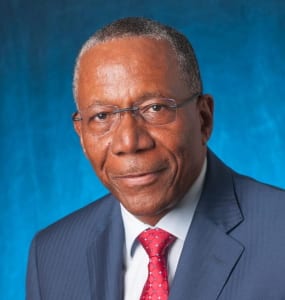
    Barbados’ Financial Services Commission (FSC) has announced a comprehensive digital modernization initiative designed to revolutionize regulatory oversight and eliminate processing delays within the nation’s financial sector. The cornerstone of this transformation is a new Application Management System, poised to automate and streamline core approval procedures.

    Chairman Sir Patterson Cheltenham, addressing attendees at the sixth Annual Barbados Risk and Insurance Management Conference, directly acknowledged longstanding industry frustrations with bureaucratic delays. He positioned the digital platform as a decisive response, stating, “The FSC hears this. We are acting on it.”

    The rollout will occur in distinct phases, beginning with a soft launch in April and targeting full operational capability by the third quarter of this year. This system is engineered to fast-track complete applications, allowing regulatory analysts to dedicate their expertise to complex, high-value assessments rather than administrative paperwork.

    Beyond efficiency gains, the platform promises unprecedented transparency, offering applicants real-time tracking capabilities throughout the approval process. This move is framed as a critical step toward bolstering accountability within the regulatory framework.

    Cheltenham emphasized that technological advancement is being synergized with significant investment in human capital. The FSC is implementing targeted training programs to sharpen risk-based decision-making among its staff, aiming to blend rigorous oversight with responsive service.

    In a strategic push to enhance competitiveness, the Commission is conducting benchmark analyses against leading international financial jurisdictions. The objective is not mere replication but to identify unique differentiators that position Barbados as a premier destination for global business.

    Cheltenham concluded by urging industry stakeholders to perceive the FSC as a developmental partner rather than just a regulator, calling for collective action to build a resilient and forward-looking financial sector.

  • CMO rejects calls for school to be closed amidst suspected gastro outbreak

    CMO rejects calls for school to be closed amidst suspected gastro outbreak

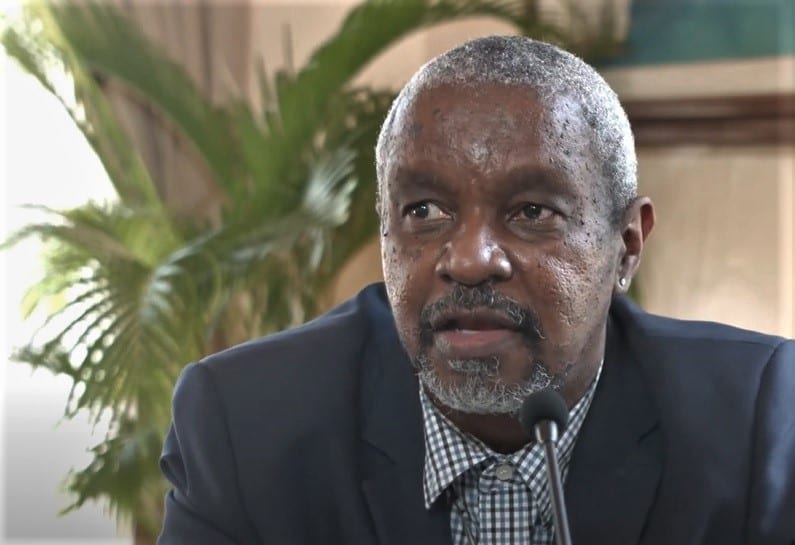
    Barbados health authorities are advocating for sustained educational operations at St. Paul’s Primary School despite emerging cases of gastrointestinal illness, challenging calls for immediate closure from educational representatives. Chief Medical Officer Dr. Kenneth George has positioned himself against what he characterizes as premature reactions to public health challenges, emphasizing strategic intervention over institutional shutdowns.

    The controversy emerged following reports of significant student absenteeism, with the Barbados Union of Teachers (BUT) demanding temporary closure after approximately 100 students failed to attend classes. Health officials confirm monitoring increased gastroenteritis cases, particularly affecting children under five years old, but maintain that school closure represents an excessive response to manageable public health situations.

    Dr. George outlined a tripartite strategy for outbreak management, emphasizing: “The primary approach involves removing symptomatic individuals from educational environments to control transmission. Subsequent epidemiological investigation determines infection origins, while comprehensive sanitation protocols prevent future occurrences.” The medical director highlighted particular concern regarding environmental health conditions, referencing issues with insect and rodent infestations in educational facilities.

    A detailed sanitation checklist has been distributed to the Ministry of Education, establishing standards for waste management, food consumption areas, and pest control. Dr. George emphasized collective responsibility, stating all school compound occupants must participate in maintaining hygienic conditions to prevent disease proliferation.

    Concurrently, pediatric specialist Dr. Clyde Cave confirmed rising gastrointestinal cases among children, noting: “We’re observing numerous presentations of vomiting and diarrhea in clinical settings. While not exclusively indicative of gastroenteritis, community patterns suggest common etiology.” Dr. Cave emphasized supportive hydration therapy while warning about rapid health deterioration in pediatric patients. The medical expert highlighted the highly contagious nature of viral gastroenteritis, noting its ease of transmission within both domestic and educational environments.

    Health authorities recommend excluding symptomatic children from peer interaction to curb transmission chains, noting adults remain equally susceptible to infection. The medical consensus maintains that targeted public health measures coupled with rigorous sanitation practices provide more sustainable solutions than institutional closures for managing seasonal disease outbreaks.

  • Abinader creates commission for April Uprising Museum

    Abinader creates commission for April Uprising Museum

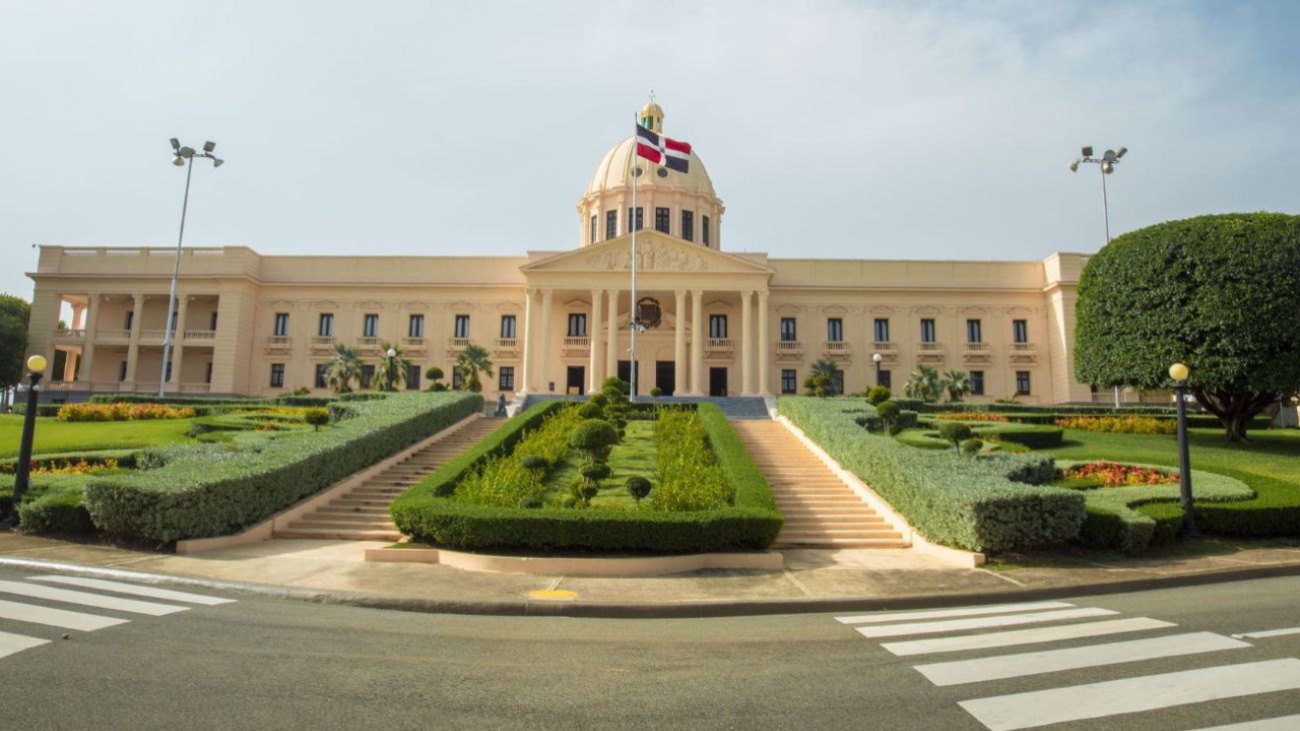
    SANTO DOMINGO – In a significant move to safeguard national heritage, Dominican President Luis Abinader has enacted Decree No. 200-26, formally creating a high-level commission tasked with the establishment and operational oversight of the Historical Museum of the April Uprising. This presidential initiative is designed to protect and promote the nation’s collective historical memory for future generations.

    Chaired by prominent figure Jottin Cury David, the newly formed body comprises several distinguished members who will serve on an honorary basis. The commission’s mandate encompasses a wide range of critical functions, including the coordination of all preparatory actions for the museum’s inauguration, the organization of its institutional framework, and providing support for the appointment of a general director to lead the institution.

    Administratively, the commission will function directly under the authority of the Presidency and will be attached to the Ministry of the Presidency. The decree explicitly instructs all government institutions to extend their full cooperation to the project. The Ministry of Public Works has been singled out to provide essential collaboration, particularly in the adaptation and preparation of the museum’s physical facilities.

    The project represents a collaborative national effort, integrating expertise from multiple key entities. These include the Ministry of Culture, the esteemed Dominican Academy of History, and the General Archive of the Nation. This multi-institutional approach ensures a comprehensive and academically rigorous development and implementation process for the museum, guaranteeing it becomes a cornerstone of the country’s cultural and historical landscape.

  • IOC issues ban on transgender athletes

    IOC issues ban on transgender athletes

    The International Olympic Committee has implemented a landmark policy prohibiting transgender women from participation in all female-category events at Olympic competitions. This sweeping restriction, which extends to both individual and team sports under IOC jurisdiction, establishes new biological criteria for female athletic eligibility.

    The newly published ten-page policy document mandates a one-time SRY gene test to determine biological sex, citing this marker as “highly accurate evidence that an athlete has experienced male sex development” that remains fixed throughout life. The policy specifically exempts grassroots and recreational sports programs while applying prospectively from the 2028 Los Angeles Games.

    IOC President Kirsty Coventry, who initiated the “protecting the female category” review upon her historic appointment as the first female leader in the organization’s 132-year history, emphasized the policy aims to “protect fairness, safety and integrity in the female category.” The decision aligns with similar measures already adopted by three major Olympic sports—track and field, swimming, and cycling—which previously excluded transgender women who had undergone male puberty.

    The scientific rationale detailed in the IOC document identifies three critical testosterone peaks in male development: in utero, during infant mini-puberty, and throughout adolescent puberty into adulthood. These biological factors, the committee asserts, create “individual sex-based performance advantages in sports and events that rely on strength, power and/or endurance” that are retained regardless of gender transition.

    The policy also affects athletes with Differences in Sex Development (DSD), such as two-time Olympic champion runner Caster Semenya, further narrowing eligibility parameters for female competition. The move represents a significant shift from the IOC’s previous approach of providing guidance to individual sports governing bodies, establishing instead a unified standard for Olympic competition.

  • Government Takeover Puts Port Expansion Plan Back in Play

    Government Takeover Puts Port Expansion Plan Back in Play

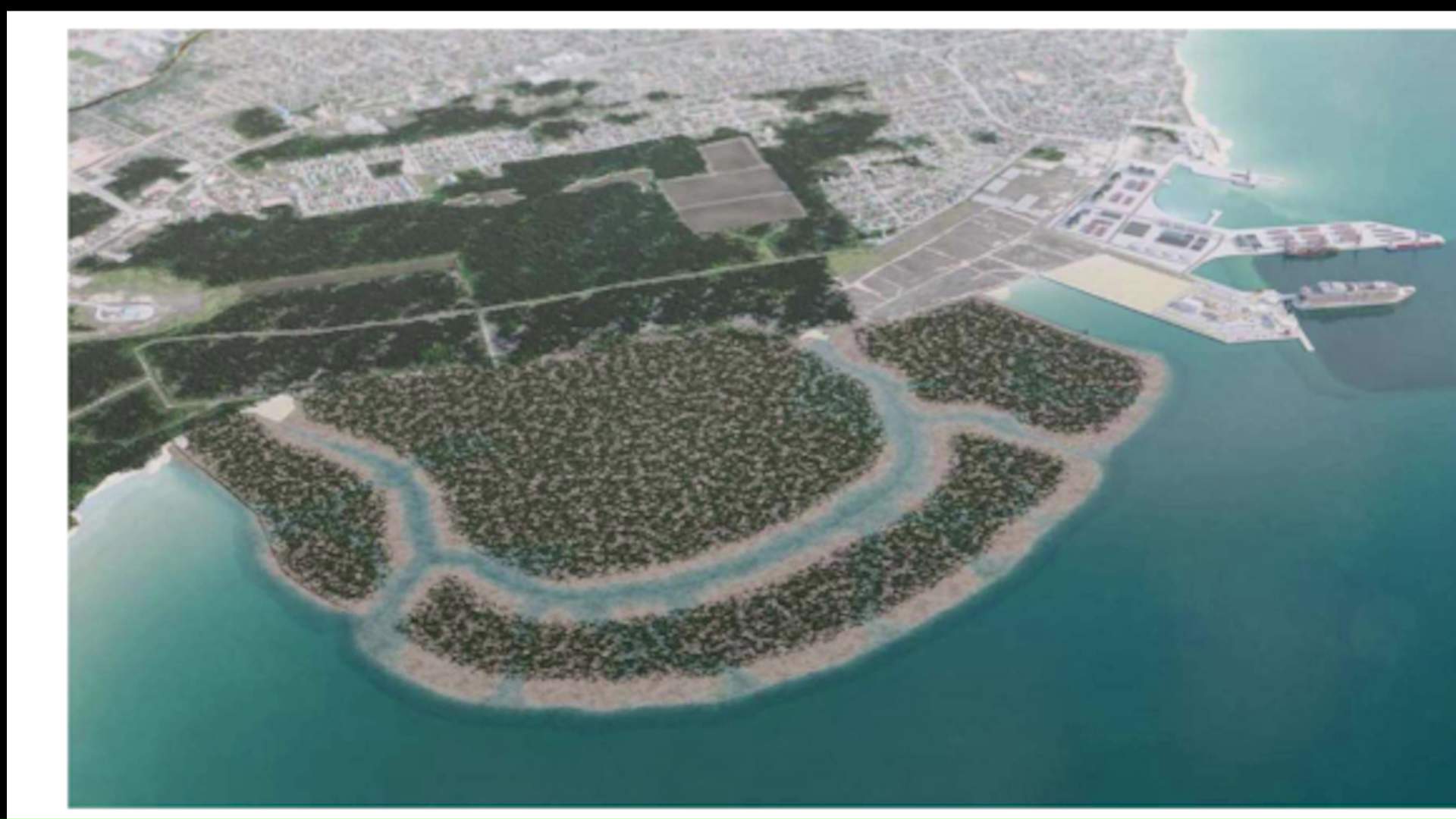
    In a significant economic development, the Belizean government has reignited ambitious plans to expand the Port of Belize, marking a dramatic reversal from the project’s collapse four years ago. The initiative, previously shelved due to environmental concerns and technical challenges under private entity Waterloo, has been resurrected under state ownership with NEXTERA leading renewed consultations.

    The revised proposal centers on extensive dredging operations—extracting approximately 8.5 million cubic meters of material—to modify access channels and berthing facilities for both cargo and cruise vessels. A novel environmental approach involves creating nearly 500 acres of mangrove habitat using dredged materials, addressing previous criticisms about reef damage and spoil containment.

    Beyond environmental considerations, the project faces intense social scrutiny. Recent community surveys reveal 83.4% support among residents, though concerns persist regarding noise pollution, job security for stevedores, and equitable benefits for local businesses. Tour operators are demanding permanent agreements to ensure inclusion in the revitalized port ecosystem.

    Notably absent from recent consultations were major marine conservation groups, including OCEANA, which had vigorously opposed the 2022 proposal. This absence raises questions about whether environmental opposition has diminished or conservationists are adopting a wait-and-see approach.

    The government’s takeover has fundamentally altered the project’s dynamics, forcing stakeholders to confront complex questions about sustainable development, economic distribution, and environmental responsibility that will shape Belize’s coastline and economy for generations.

  • Port Loyola Residents Demand Benefits from PBL Expansion

    Port Loyola Residents Demand Benefits from PBL Expansion

    Residents of Port Loyola, Belize, are voicing strong demands for guaranteed community benefits as major expansion plans for the Port of Belize Limited (PBL) move forward. The proposed cruise and cargo infrastructure upgrades have sparked concerns among local inhabitants who fear being marginalized in the economic opportunities these developments promise.

    Community representatives emphasize that historically, neighborhoods most affected by large-scale projects frequently receive minimal benefits despite bearing the brunt of disruptions. Windell Lemoth, a Port Loyola resident, articulated the community’s position: “We want employment opportunities specifically allocated for our area. Our vulnerable populations deserve access to meaningful work.”

    Bruce Diaz, a stevedore working at the port, echoed these sentiments in local dialect, expressing hope that the project would generate substantial employment for immediate community members without compromising their interests.

    Lynn Young, a Board Member of Port of Belize Limited who grew up in southside Belize City, acknowledged the historical lack of development in the region. Young characterized the situation as a complex challenge requiring collaborative solutions: “Progress brings problems, but we cannot abandon projects due to challenges. We must confront these issues directly and collectively.”

    Young further emphasized the critical nature of the port upgrades, warning that without modernization, the facility might face operational shutdowns. The board member expressed encouragement that despite differing opinions, all stakeholders recognize the necessity of proper execution.

    The community’s stance reflects a growing global pattern where residents near development sites seek upfront commitments rather than waiting for post-construction benefits that may never materialize.