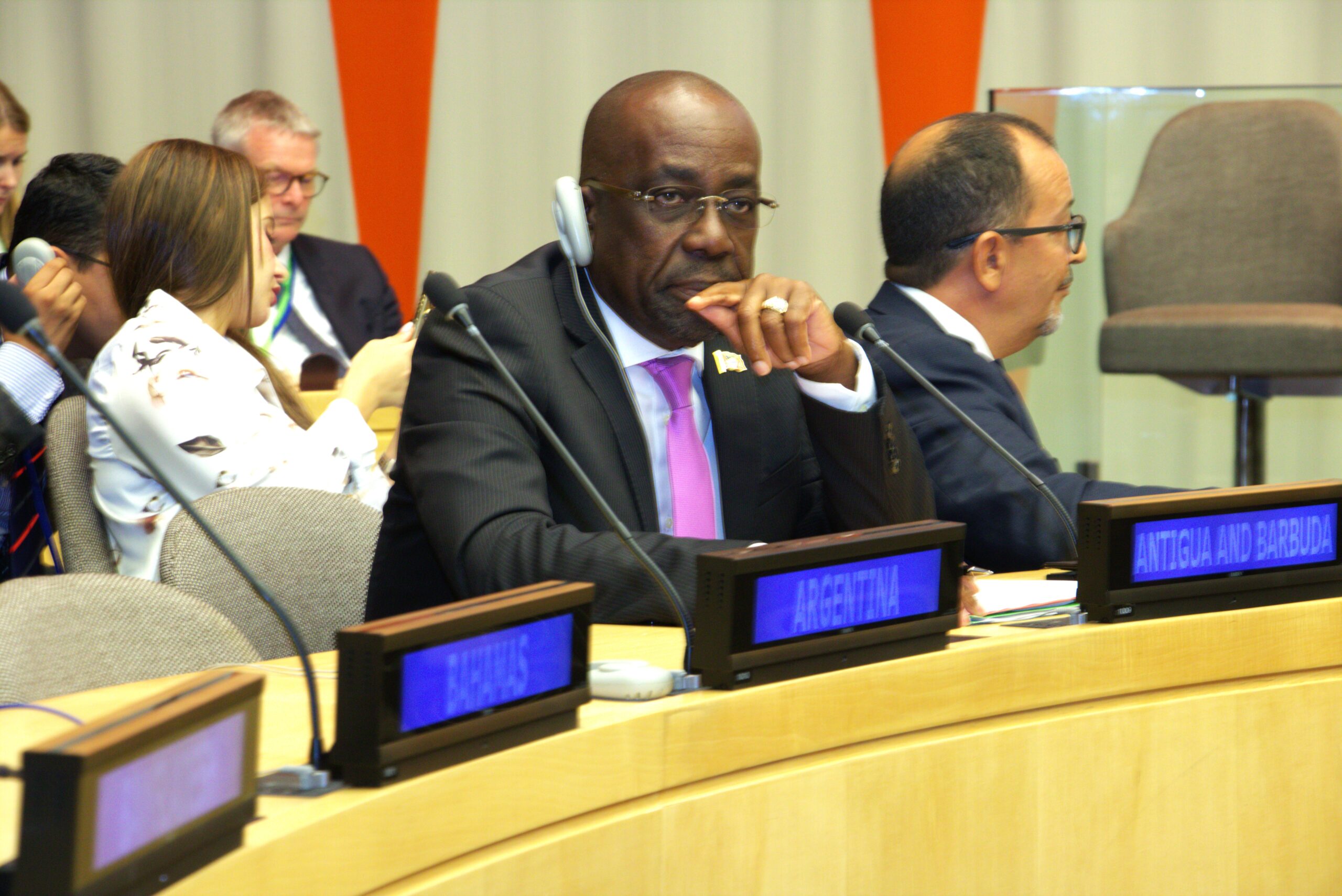
The 62nd Regular Meeting of the Caribbean Community’s Council for Trade and Economic Development (COTED) kicked off on Thursday, June 11, hosted at the CARICOM Secretariat headquarters in Georgetown, Guyana. Chaired by Hon. Dr. Vince Henderson, Dominica’s Minister of Foreign Affairs, International Business, Trade and Energy, the two-day gathering brings together regional trade ministers and delegates to confront pressing economic challenges and advance the bloc’s shared development agenda.
In her opening address to assembled attendees, CARICOM Secretary-General Dr. Carla Barnett framed the meeting against a turbulent global economic landscape marked by overlapping cascading crises. Barnett emphasized that persistent disruptions to global energy markets and cross-border supply chains have sent ripples through international financial systems, driven up consumer and producer prices, and created widespread uncertainty that undermines projections for global growth.
Drawing on latest analysis from the United Nations Conference on Trade and Development (UNCTAD), Barnett outlined a sobering near-term outlook: global merchandise trade is projected to contract, while prices for critical commodities including fuel, food, and fertiliser remain at elevated levels. These combined pressures, she warned, will fuel sustained high inflation, put growing strain on regional food security, and leave small open CARICOM economies disproportionately exposed to sudden external shocks that can reverse years of development progress.
Against this challenging backdrop, the Secretary-General stressed that the outcomes of this COTED session carry far-reaching consequences for every corner of the Caribbean Community. “Our resilience is being tested, and safeguarding our trade and economic development agenda requires strategic, coordinated and focused efforts,” she stated. “In this regard, the COTED deliberations and decisions continue to be consequential for every member of the Community, particularly businesspersons, consumers, the self-employed, and our young people.”
At the top of the meeting’s policy agenda is a comprehensive assessment of the CARICOM Single Market and Economy (CSME), the integration framework that Barnett described as “the Region’s core platform for economic development and resilience.” The ongoing review, she explained, reinforces the urgent need for more robust implementation of the Revised Treaty of Chaguaramas, a step required to build a stronger, more durable CSME that can withstand external pressures.
Barnett specifically highlighted Article 164 of the Treaty, a provision designed to support industrial development across the bloc, particularly in CARICOM’s Lesser Developed Countries. The article enables temporary tariff protection and targeted market access support to nurture growing regional industries, and the Secretary-General extended recognition to the CARICOM Development Fund for its sustained work assisting local firms that leverage these development-focused measures.
Beyond advancing the core single market agenda, trade ministers will turn their attention to fast-emerging priority areas that align with the shifting demands of the 21st-century global economy. One key topic is digital trade, where regional negotiators have already made steady progress on developing a unified CARICOM digital trade policy that positions the bloc to capitalize on the growing digital segment of global commerce.
Ministers will also conduct a full review of ongoing developments in the global multilateral trading system, an institution that Barnett acknowledged has faced persistent structural and functional challenges in recent years that have weakened its ability to support small developing economies.
The 62nd COTED Regular Meeting is scheduled to continue through Friday, June 12, with delegates expected to finalize decisions and forward recommendations to broader CARICOM leadership for implementation. COTED, as the permanent body dedicated to advancing the Caribbean Community’s trade and economic priorities, holds formal responsibility for advancing integration and overseeing the ongoing operations of the CSME.