作者: admin

  • From vision to reality: Project Polaris breaks ground

    From vision to reality: Project Polaris breaks ground

    GRENADA – In a historic ceremony marking a new era for Caribbean healthcare, Grenadian officials have officially commenced construction on Project Polaris, the nation’s most ambitious medical infrastructure project to date. The groundbreaking event on March 27, 2026, at the Calivigny site signals the beginning of a three-year construction timeline for a state-of-the-art 250-bed general hospital.

    Prime Minister Dickon Mitchell delivered a powerful address framing the moment as both symbolic and transformative for the nation. “We stand on hallowed ground,” Mitchell declared, tracing the land’s evolution from Amerindian settlement to plantation use, and now to a beacon of modern healthcare. “We are not just moving earth—we are moving the nation of Grenada, Carriacou and Petite Martinique forward.”

    The Prime Minister acknowledged the limitations of the existing General Hospital, which dates back to the 18th century, stating that “patchwork is no longer enough” despite the heroic efforts of healthcare professionals working with outdated facilities.

    Project Polaris represents the cornerstone of Grenada’s ‘Vision 75’ development agenda, aiming to transform the nation into a resilient, innovation-driven economy by 2050. The climate-resilient smart facility will occupy approximately 10 acres within the broader 83.9-acre Hope Vale Medical City development, featuring expanded specialist services, advanced diagnostics, emergency care, surgical suites, and maternal-neonatal units.

    Ambassador Andrea St Bernard, Project Sponsor, described the initiative as “our North Star” guiding the nation toward a stronger healthcare system. The project aims to stem the millions of dollars Grenadians annually spend on overseas medical treatment while creating substantial economic benefits through job creation and workforce development.

    In an unprecedented demonstration of commitment, Cabinet ministers have pledged one month’s salary annually through the project’s completion in 2029. The initiative includes collaborations with Mount Sinai Health System for training and quality improvement, and St. George’s University for medical education and research partnerships.

    Beyond the hospital itself, plans envision a comprehensive medical city featuring staff housing, retirement residences, and wellness facilities integrated with Grenada’s natural environment. Officials position Project Polaris as a catalyst for establishing Grenada as a regional healthcare leader within the Organisation of Eastern Caribbean States, with potential in health tourism, biotechnology, and elder care services.

    International healthcare leader Jonathan Wetzel characterized the project as “the beginning of a new era” and “a beacon for healthcare in the Eastern Caribbean,” emphasizing commitment to equitable, patient-centric care for all Grenadians.
  • Inspiring through culture: Barry George’s journey of passion, purpose and cultural leadership

    Inspiring through culture: Barry George’s journey of passion, purpose and cultural leadership

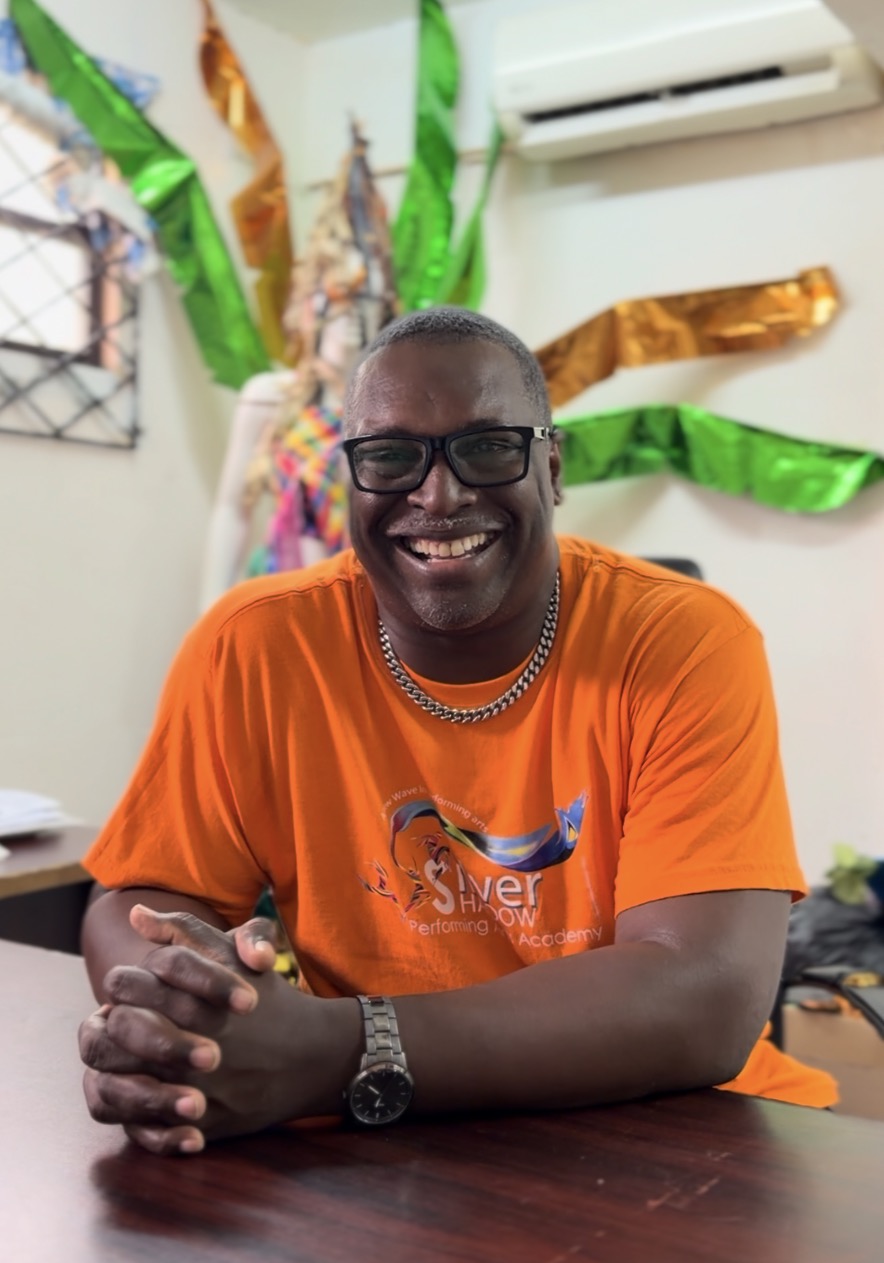
    After decades of transformative work in Saint Lucia’s cultural landscape, activist Barry George is being recognized with the prestigious Les Piton Gold Medal for his enduring contributions to the creative industries. George’s remarkable journey, which began in modest circumstances during his secondary school years, has evolved into a lifelong mission to cultivate artistic excellence and preserve cultural heritage.

    Founded thirty years ago, George’s Silver Shadow Performing Arts Academy stands as a testament to his commitment. What originated as a school-based initiative has matured into a comprehensive after-school program dedicated to providing structured pathways for young artists. The academy emphasizes theatrical expression, cultural education, and African-rooted traditions including traditional drumming and dance, ensuring participants maintain strong connections to their heritage.

    George’s impact on Saint Lucia’s carnival scene proves particularly significant. When junior carnival participation dwindled to merely two bands, he established Just4Kids—a pioneering junior carnival band that generated unprecedented youth engagement. The program achieved extraordinary success with eight consecutive victories between 2011 and 2018 before temporarily pausing during the pandemic. For senior carnival, George launched the Expression Carnival Band to address declining local participation, insisting on complete local production and design while prioritizing affordability and inclusivity.

    Beyond carnival, George has profoundly influenced pageantry culture, having mentored approximately 500 young women for regional competitions. He views leadership as the art of creating new leaders, emphasizing adaptability, humility, and trust. Despite his accomplishments, George expresses concern about structural deficiencies within Saint Lucia’s creative sector, noting inadequate support systems in music production, performance, and carnival design that force artists to navigate multiple roles independently.

    George remains dedicated to collaboration and mentorship as essential growth strategies, encouraging emerging creatives to seek guidance from established professionals. While acknowledging his own challenging path, he focuses on creating smoother trajectories for future generations and expresses unwavering confidence that those he has trained will surpass his achievements. The official award ceremony recognizing his lifetime of service is scheduled for this Sunday.

  • Government to convene a national consultation to address growing concerns of CNCDs

    Government to convene a national consultation to address growing concerns of CNCDs

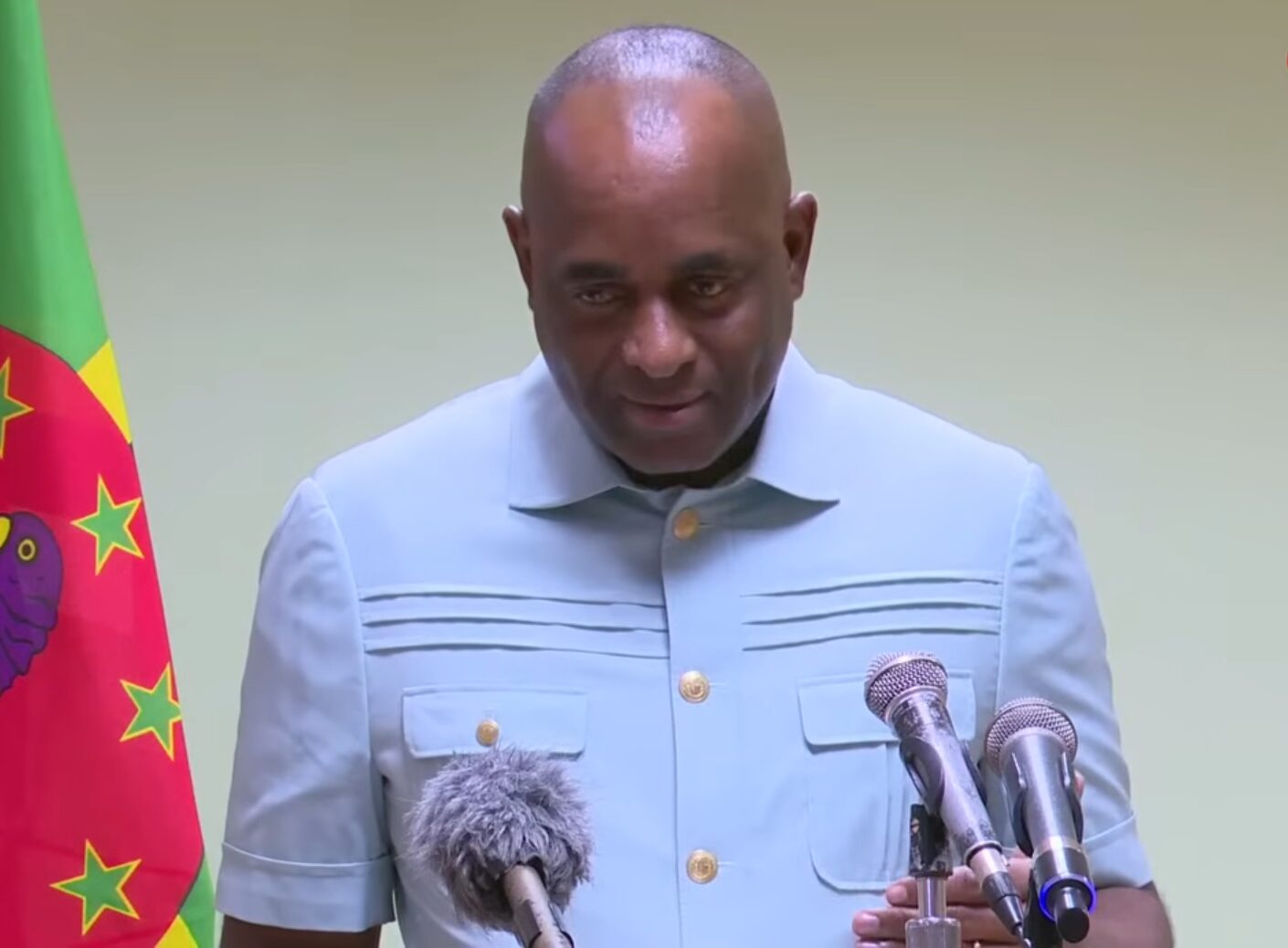
    The Caribbean nation of Dominica is confronting what Prime Minister Roosevelt Skerrit has characterized as a “national emergency” due to the devastating impact of Chronic Non-Communicable Diseases (CNCDs). In a recent press conference, Skerrit announced plans to convene a high-level national consultation to address this mounting public health crisis that now represents the greatest threat to both national health and economic stability.

    Epidemiological data from the past fifteen years reveals CNCDs—including cardiovascular conditions, stroke, cancer, diabetes, chronic respiratory illnesses, and hypertension—have emerged as the predominant cause of mortality nationwide. Beyond the human toll, these conditions are severely undermining economic productivity and draining national healthcare resources.

    Prime Minister Skerrit emphasized the critical need for enhanced preventive measures, noting the irreversible nature of many CNCDs. “Prevention remains our most effective strategy since cures for these conditions remain limited,” Skerrit stated. “We’re witnessing too many citizens reaching medical facilities at advanced stages where effective intervention becomes extremely challenging.”

    The financial burden has reached alarming proportions, with the Ministry of Health allocating approximately 75% of its hospital budget to CNCD treatment. This substantial expenditure highlights the urgent need for strategic reallocation toward prevention and early intervention programs.

    The forthcoming national consultation will seek to develop comprehensive strategies involving multisectoral collaboration. Skerrit stressed the necessity of society-wide engagement, stating, “This transcends healthcare alone—it requires educational initiatives reaching from children to seniors, ensuring every generation understands prevention and management techniques.”

    The government’s initiative aims to implement robust public education campaigns while creating coordinated policies to reduce CNCD prevalence through lifestyle modifications, early detection programs, and improved healthcare access.

  • Sharpes burglar records 8th conviction in 10 years

    Sharpes burglar records 8th conviction in 10 years

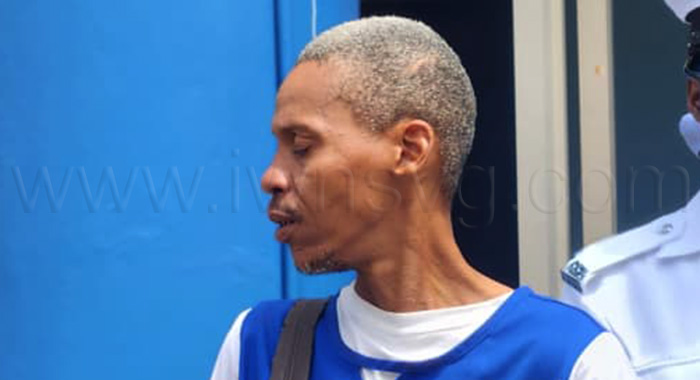
    In a Kingstown Magistrate’s Court ruling on Monday, a 40-year-old electrician from Redemption Sharpes received a 13-month prison term for residential burglary, marking his eighth criminal conviction within the past decade. Gideon Quow appeared before Senior Magistrate Tamika McKenzie, where he admitted to unlawfully entering the dwelling of Don Phillips between February 22 and March 1.

    The court heard that Quow, who had been previously employed by the victim for construction work, stole building materials totaling EC$267.23 from Phillips’ residence. The stolen items included a white tarpaulin (EC$80), a Rubis gas cylinder (EC$40), multipurpose cement (EC$60), a kitchen faucet (EC$89.09), and a bathroom shower head (EC$40).

    Prosecutor Akeem Solelyn presented evidence indicating that Phillips discovered the burglary upon returning home on March 1 at approximately 5:30 PM, noting an open window and missing construction materials. Following a police report, PC 151 Defreitas conducted an investigation that led to Quow’s residence. Although initial searches revealed nothing, Quow subsequently directed officers to the home of Keron James, where the tarpaulin and gas bottle were recovered.

    The defendant provided a written confession to the offense, resulting in his arrest and formal burglary charges. During mitigation, Quow appealed for leniency, citing his parental responsibilities for two children and expressing remorse, stating he ‘could not sleep at night’ and requested forgiveness from the victim.

    The prosecution emphasized Quow’s extensive criminal history, which includes convictions for theft, attempted burglary, and assault occasioning bodily harm. Notably, this offense occurred less than two years after his previous sentencing for similar crimes. Magistrate McKenzie imposed the 13-month custodial sentence alongside an order for EC$150 in immediate compensation, with a three-month imprisonment alternative should payment not be forthcoming.

  • Pakistan: Vierlandenoverleg om VS en Iran naar diplomatie te bewegen

    Pakistan: Vierlandenoverleg om VS en Iran naar diplomatie te bewegen

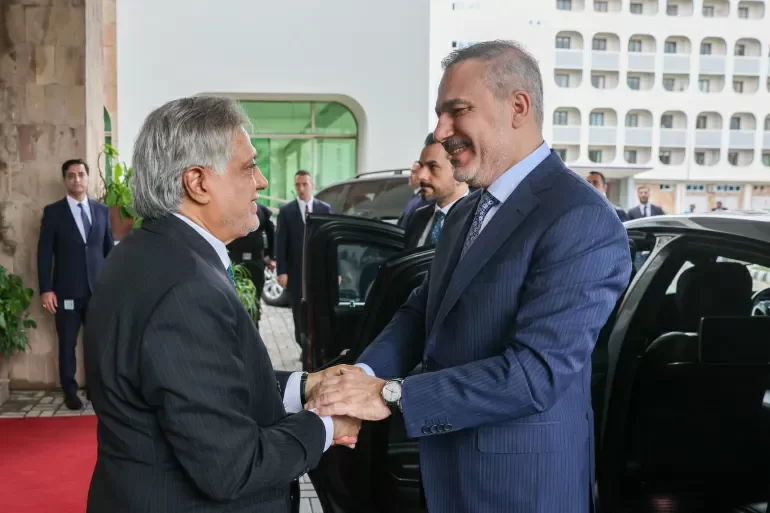
    Islamabad has emerged as the epicenter of a rapidly evolving diplomatic initiative aimed at de-escalating hostilities between the United States and Iran. On March 29, 2026, foreign ministers from Turkey, Saudi Arabia, Egypt, and Pakistan commenced a two-day ministerial meeting in the Pakistani capital, signaling the most intensive diplomatic movement seen in years regarding the ongoing conflict.

    The talks follow Pakistani Prime Minister Shehbaz Sharif’s second telephone conversation with Iranian President Masoud Pezeshkian within five days—a 90-minute discussion focused exclusively on de-escalation and confidence-building measures. President Pezeshkian emphasized Tehran’s precondition for direct dialogue: concrete trust-building actions following what Iran characterizes as two previous attacks during nuclear negotiations that severely damaged confidence in Washington.

    This diplomatic mechanism represents an institutionalized effort originating from earlier discussions during a broader conference of Muslim and Arab nations in Riyadh. Pakistan’s central role as mediator between Washington and Tehran became evident when the meeting venue was shifted from Ankara to Islamabad, reflecting Pakistan’s active facilitation of backchannel communications.

    China has formally endorsed Pakistan’s mediation efforts and encouraged Iranian participation, indicating growing great-power engagement with this regional initiative. While the immediate objective isn’t to enforce a ceasefire, diplomats are working to harmonize regional positions and establish foundations for potential direct US-Iran negotiations. For the first time, discussions have moved beyond theoretical possibilities to concrete documents awaiting implementation.

    Speculation suggests that talks between US Secretary of State Marco Rubio and Iranian Foreign Minister Abbas Araghchi could occur within days, potentially in Pakistan, with Vice President JD Vance also mentioned as a possible participant. These prospects remain contingent on fluctuating conditions, including a temporary pause in US attacks to meet Iran’s confidence-building demands.

    Tehran’s requirements for dialogue include cessation of hostilities, compensation payments, guarantees against future attacks, and recognition of its strategic influence in the Strait of Hormuz. President Pezeshkian recently warned of Israeli attempts to expand the conflict while expressing concerns about attacks originating from foreign territories.

    Pakistan maintains that dialogue requires an atmosphere of mutual respect and an end to killings of Iranian officials and civilians. Islamabad has condemned Israeli attacks while showing solidarity with Gulf states regarding Iranian infrastructure attacks, revealing growing divergence between regional powers and Washington’s military approach.

    The situation is further complicated by increased involvement of Iran-backed Houthi rebels in Yemen, whose escalated attacks on Saudi Arabia and other regions create additional security concerns and strengthen Iranian alliances.

    The next 48-72 hours will prove decisive in determining whether this diplomatic initiative culminates in actual US-Iran meetings. Having consulted with Iran, hosted regional powers, and conveyed proposals, Pakistan has completed its intermediary role. The outcome now depends on decisions in Washington and Tehran.

    Should this mediation effort fail due to persistent distrust and continuing violence, the regional conflict risks escalating into a significantly larger war.

  • Woman, 74, killed as van overturns in Overland

    Woman, 74, killed as van overturns in Overland

    A devastating minivan accident in Overland on Thursday afternoon resulted in one fatality and left multiple individuals hospitalized, including students from local communities. The incident occurred approximately at 5:20 p.m. near the Bailey bridge approach toward Sandy Bay, where a white Toyota Hiace van (registration H8860) veered off the roadway and descended an embankment.

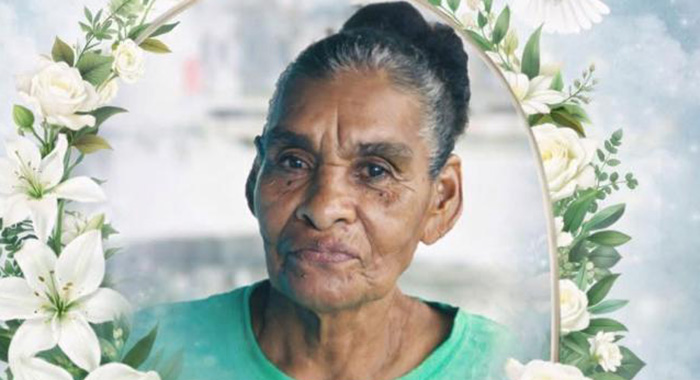
    Authorities confirmed the deceased as 74-year-old Mary Bracken, a domestic worker from Sandy Bay. Initial police reports inaccurately indicated two fatalities, which was subsequently corrected to a single death following further investigation.

    The vehicle, which typically transports students from Fancy and Owia to Georgetown Secondary School, was carrying 18 passengers in addition to the driver and conductor at the time of the accident. Notably, investigative sources indicate that the van’s regular student transport driver was not operating the vehicle during the tragic incident.

    Emergency services responded promptly to the scene, transporting injured individuals to medical facilities where two remain hospitalized. The Royal Saint Vincent and the Grenadines Police Force has launched a comprehensive investigation to determine the exact circumstances and contributing factors behind the accident, including road conditions, vehicle mechanical integrity, and driver credentials.

  • Barbados wins public debt management award

    Barbados wins public debt management award

    In a landmark ceremony hosted in London, the Commonwealth Secretariat has conferred its inaugural Public Debt Management Awards upon Barbados, Tanzania, and Sri Lanka. These nations were distinguished for their groundbreaking and sustainable approaches to handling national debt, setting a new benchmark for financial innovation within the 56-member association.

    An independent adjudication panel selected the winners based on rigorous criteria, including innovation, resilience, and long-term sustainability, following a comprehensive review of submissions from member states. The awards were announced during the closing session of the week-long Commonwealth Public Debt Management Forum, a premier gathering of senior finance officials, debt managers, and representatives from global financial institutions.

    Barbados’s Debt Management Unit secured the Regional Debt Management Office Award for the Caribbean for its pioneering implementation of debt-for-climate swaps. This innovative financial instrument enables the nation to negotiate reductions in its external public debt obligations by redirecting repayments into domestic environmental and climate resilience projects, effectively addressing both fiscal and ecological challenges simultaneously.

    The ceremony, inaugurated by Commonwealth Deputy Secretary-General for Programmes Tanmaya Lal, was attended by high commissioners, treasury representatives, and officials from development organizations. The accompanying forum served as a critical platform for peer-to-peer learning, where debt managers engaged in intensive discussions on sovereign borrowing strategies, debt repayment mechanisms, and the development of robust policy frameworks aimed at ensuring inclusive and sustainable debt management.

    Insights and collaborative strategies derived from the forum are expected to directly influence the technical support and capacity-building programs the Commonwealth Secretariat provides to member countries, empowering them to fortify their economic governance and operational resilience in public finance.

  • From handmade roots to modern creativity: A mother-daughter duo’s crochet journey

    From handmade roots to modern creativity: A mother-daughter duo’s crochet journey

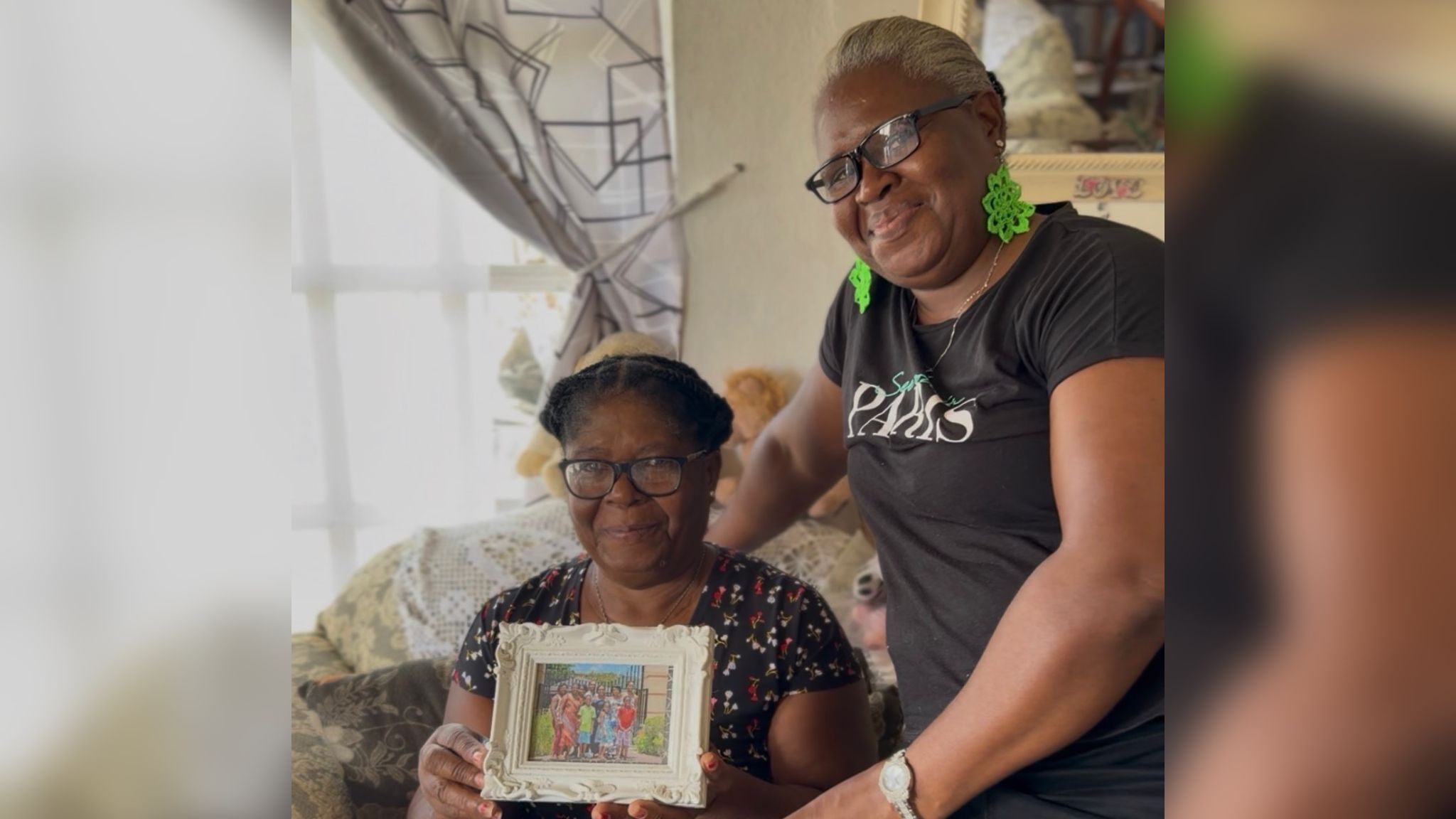
    Samantha Alexander, Creative Director of Suzy Dezigns, has transformed childhood crochet lessons into a flourishing commercial enterprise, blending ancestral tradition with contemporary design aesthetics. Her journey represents a remarkable case study in cultural preservation through entrepreneurial innovation.

    Initially introduced to the craft at just seven years old by her mother Constance Alexander, Samantha’s early creations were simple doll accessories that gradually evolved into sophisticated design capabilities. Despite a period of divergence during her youth, a pivotal moment occurred in 2016 during a floral arrangement class where she integrated crochet elements into bridal packages, sparking professional rediscovery.

    Market validation emerged organically as public interest grew from initial requests for brooches to expanded demand for diverse product lines including artisanal earrings, handcrafted bags, functional coasters, mug warmers, and specialized baby items. What began as informal experimentation in October 2016 formally incorporated as registered business entity by May 2017, earning market recognition for exceptional craftsmanship quality.

    The enterprise’s foundation rests upon remarkable intergenerational knowledge transfer. Constance Alexander’s own journey began with improvisational ingenuity at primary school age, utilizing coconut sticks as makeshift crochet needles due to economic constraints. Her decades of craftsmanship produced countless family garments including boutique children’s wear, communion dresses, and specialized knitwear, eventually extending to pedagogical instruction that emphasized pattern comprehension and technical literacy.

    Despite evolving consumer preferences that affected traditional baby item demand, both generations demonstrated adaptive innovation. Constance transitioned to creating ornamental animal figures appealing to contemporary tastes, while Samantha continues expanding into apparel markets with designed tops and skirts awaiting public presentation.

    This mother-daughter narrative illustrates how traditional crafts evolve across generations while maintaining cultural authenticity. From resourceful beginnings with natural materials to modern business registration, their story embodies both creative resilience and entrepreneurial adaptation, ensuring that handcraft artistry remains both economically viable and culturally significant in contemporary markets.

  • Vincy Heat player alleges shabby accommodation in Bonaire

    Vincy Heat player alleges shabby accommodation in Bonaire

    Players from St. Vincent and the Grenadines’ national football team, Vincy Heat, have raised serious concerns about inadequate living and transportation arrangements during their training camp in Bonaire, where they are preparing for upcoming CONCACAF matches through two friendly international games.

    An anonymous team member disclosed to iWitness News that athletes have encountered significant hardships since arriving on the Caribbean island, including overcrowded accommodations with multiple players sharing twin-sized beds in small rooms. The source further described the team being transported in school buses lacking proper windows, creating uncomfortable and potentially unsafe travel conditions.

    The player directly criticized the St. Vincent and the Grenadines Football Federation (SVGFF) for allegedly prioritizing budgetary concerns over athlete welfare while simultaneously expecting competitive performance outcomes. “The SVGFF failed to make the players comfortable,” the anonymous team member stated, adding that the public sees negative results without understanding the daily challenges players endure.

    In response to these allegations, SVGFF Marketing and Public Relations Officer Candy Fraser expressed surprise when contacted for comment. Fraser acknowledged the seriousness of the claims while noting this was her first awareness of such issues. Attempts to reach federation leadership, including the President and General Secretary, proved unsuccessful despite multiple communication attempts via messaging platforms.

    Fraser committed to providing updates as more information becomes available, emphasizing the need for proper channels to address the players’ concerns. The team’s complaints emerge just after their 3-1 defeat against the host nation and ahead of their scheduled match against Barbados on Sunday.

  • Reactie op: Noodzaak van een Algemene Wet Bestuursrecht

    Reactie op: Noodzaak van een Algemene Wet Bestuursrecht

    In a significant development within Suriname’s political landscape, Assembly Member Asis Gajadien (V.H.P. faction leader) has ignited crucial discussions regarding the nation’s pressing need for comprehensive Administrative Law legislation. This call for legal reform comes amid growing concerns about governmental transparency and citizen rights protection.

    The constitutional foundation for such legislation dates back to 1975, specifically Article 135(1) of Suriname’s Constitution, which empowers the assignment of non-civil legal disputes to administrative judges. Despite this longstanding constitutional provision, Suriname has consistently failed to establish uniform and enforceable administrative regulations throughout its history as an independent nation.

    Eugène van der San, Chairman of the Administrative Appeals Institute (ABI) within the President’s Cabinet, revealed that substantial preparatory work has already been undertaken regarding administrative law formulation. However, he expressed disappointment that experienced parliamentarians like Gajadien have only recently recognized this necessity, particularly given the extensive period during which these same politicians held governing authority.

    The current legal vacuum creates substantial challenges for citizens, who face ambiguous procedures, insufficient transparency, and limited avenues to effectively contest government decisions. This regulatory deficiency fundamentally undermines public trust in state institutions—a concern that van der San claims to have raised repeatedly without response until now.

    Political observers suggest the timing of this initiative may connect to ongoing proceedings involving the potential indictment of political officeholders. The fundamental structural issue in Suriname appears to be the tendency of politicians to evaluate even formal constitutional matters through partisan lenses rather than objective legal frameworks.

    Historical context reveals that even the Netherlands, whose legal system influenced Suriname’s, required extensive development before establishing its General Administrative Law Act (AWB) in 1994. Previous legislation including the Administrative Decisions Appeal Act (Wet BAB) and Administrative Jurisdiction Act (Wet Arob) gradually built toward comprehensive administrative law codification.

    Under the concordance principle, political leaders since independence in 1975 bore responsibility for developing administrative law in accordance with constitutional mandates. While Article 135(2) institutionally enables administrative appeals through judicial collaboration, the absence of comprehensive legislation creates uncertainty regarding the consistent application of proper governance principles.

    Both van der San and Gajadien now advocate for expedited parliamentary consideration of administrative law legislation, recognizing that existing transparency laws alone cannot ensure legal certainty or prevent administrative arbitrariness. This bipartisan recognition of legal deficiency may signal potential progress toward strengthening citizen rights protections and governmental accountability in Suriname.