作者: admin

  • Japan viert 50 jaar diplomatie met Suriname met traditioneel fluitconcert

    Japan viert 50 jaar diplomatie met Suriname met traditioneel fluitconcert

    In a significant cultural demonstration marking five decades of diplomatic relations between Japan and Suriname, the Japanese Embassy hosted a captivating Shakuhachi concert in Paramaribo on Friday. The event, organized in collaboration with the Chamber of Commerce and Industry, Suriname Conservatory, and Spice Quest, showcased Japan’s rich musical heritage through the mesmerizing sounds of the traditional bamboo flute.

    The evening’s centerpiece featured renowned Japanese Shakuhachi master and composer Yosuke Irie, whose performance transported attendees into a meditative soundscape characteristic of Japan’s ancient musical traditions. Irie’s masterful interpretation created an atmosphere of profound tranquility and cultural appreciation among the diverse audience.

    Following his performance, Irie engaged directly with attendees, providing detailed explanations of the instrument’s historical significance and demonstrating specialized playing techniques. In a symbolic gesture strengthening cultural ties, the artist personally presented a Shakuhachi flute to Charmain Belfor, Director of the Suriname Conservatory, facilitated by Japanese Ambassador Akima Umezawa.

    The embassy emphasized that this cultural initiative underscores the continuing importance of artistic exchange in fostering mutual understanding between the two nations. Officials expressed strong commitment to further developing such collaborative cultural programs, recognizing them as essential components of international diplomacy and cross-cultural appreciation.

  • Residents of Villa Mella are requesting increased police surveillance and patrols.

    Residents of Villa Mella are requesting increased police surveillance and patrols.

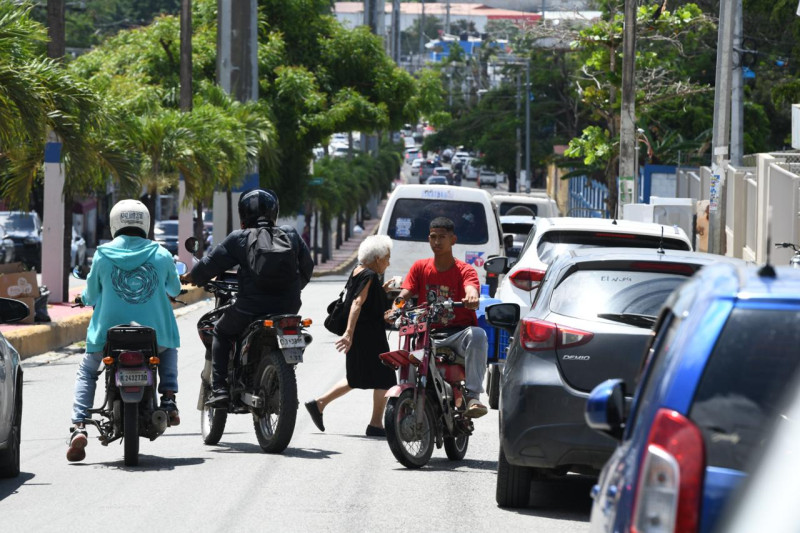
    In the municipality of Santo Domingo Norte, residents of Villa Mella are raising urgent concerns over a dramatic decline in nighttime police patrols, which they directly link to a surge in criminal activities throughout their community. A recent investigative tour through several sectors revealed a neighborhood gripped by fear, with local businesses resorting to extreme protective measures. Numerous grocery stores now operate behind iron-barred counters, maintaining only small openings for transactions in a desperate bid to deter robberies.

    Personal testimonies from residents paint a distressing picture of pervasive insecurity. Luis, a local businessman, recounted two separate home invasions on Jacobo Majluta Street where thieves stole appliances and cash. Despite relocating to Guaricano, he continues to face attempted break-ins, describing the persistent vulnerability as ‘a horrible feeling of insecurity.’ He has joined growing calls for the National Police to significantly enhance patrol services.

    The sentiment is echoed by Miguel Ángel, who expressed terror about walking near his residence after dark due to scarce police presence. He emphasized that patrols rarely appear during critical nighttime hours when criminal activity peaks, leaving citizens exposed. Community members report observing patrols conducting traffic stops for motorcycle violations during daytime hours while their repeated requests for consistent nighttime coverage go unanswered.

    Juan de la Cruz summarized the collective frustration, stating that residents cannot even safely enjoy fresh air outside their homes without fear of mugging. He criticized what he described as empty promises from officials while conditions deteriorate daily. Some city authorities have identified rampant substance abuse as a root cause of the crime wave, citing it as a primary driver behind失控的社会行为 and youth involvement in criminal acts. Despite this recognition, tangible solutions remain elusive for the beleaguered community.

  • Passengers stranded at AILA protest and demand answers

    Passengers stranded at AILA protest and demand answers

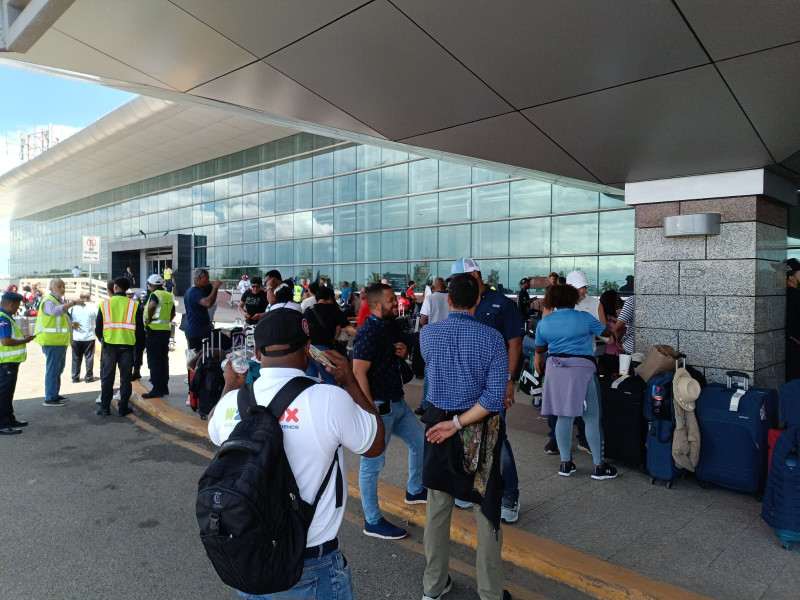
    A scene of collective frustration unfolded at Las Américas International Airport José Francisco Peña Gómez (AILA) in the Dominican Republic this Friday, where 435 passengers bound for Madrid found themselves stranded due to an aircraft malfunction. The disruption began on Thursday evening when World2Fly Flight 2W 3410, scheduled for the Santo Domingo-Madrid (SDQ-MAD) route, was abruptly suspended after technicians identified a mechanical issue requiring immediate safety repairs.

    Passengers described experiencing hours of informational void as airline representatives initially provided minimal assistance or clarity regarding their situation. The atmosphere grew increasingly tense throughout Thursday night and into Friday morning, with travelers reporting feelings of desperation and distress due to the communication breakdown.

    The situation escalated into a visible protest at the terminal entrance as frustrated passengers demanded answers and viable travel alternatives. In response to mounting tensions, airport security personnel reinforced controls in the area to maintain order and prevent potential disturbances.

    Amid the turmoil, partial resolutions began emerging. The airline initiated transfers via minibus to accommodate stranded travelers in various hotels throughout the capital. Héctor Porcella Dumas, President of the Civil Aviation Board (JAC), intervened personally, confirming that World2Fly had committed to providing comprehensive assistance including meals, accommodations, and necessary facilities until operations normalize.

    JAC facilitation inspectors were deployed to oversee passenger care coordination with airport committees. While the original aircraft remains under technical maintenance, authorities are exploring contingency plans including deploying alternative aircraft or relocating passengers to other carriers. The institution continues monitoring the situation to ensure passenger rights are upheld throughout the resolution process.

  • 2026 World Cup in Friendly Haiti loses [0-1] to Tunisia (Video)

    2026 World Cup in Friendly Haiti loses [0-1] to Tunisia (Video)

    In a tightly contested World Cup preparatory match at Toronto’s BMO Field on March 28, 2026, Tunisia secured a narrow 1-0 victory against a determined Haitian squad. The friendly encounter, attended by an enthusiastic Haitian diaspora, saw the 44th-ranked Tunisian side capitalize on an early goal while weathering sustained pressure from the 83rd-ranked Grenadiers throughout the match.

    The decisive moment arrived in the 7th minute when Tunisian striker Sebastian Tounekti unleashed a spectacular right-footed strike into the top corner, assisted by Ismaël Gharbi. This early advantage forced Haiti into an offensive posture that would characterize the remainder of the contest.

    Despite the unfavorable scoreline, Haiti demonstrated superior ball possession with 51% control and outshot their opponents 11-9. Head coach Sébastien Migné’s strategic 4-2-3-1 formation generated consistent attacking opportunities, though the team struggled with finishing precision against Tunisia’s organized 4-3-3 defensive structure.

    The second half witnessed increased Haitian intensity with strategic substitutions including Duckens Nazon and Wilson Isidor entering the fray. Their renewed offensive efforts consistently tested the Tunisian defense but ultimately failed to produce an equalizer. The match concluded on a sour note for Haiti as midfielder Danley Jean Jacques received his second yellow card in stoppage time, resulting in dismissal.

    This preparatory encounter highlighted both teams’ strengths and areas for improvement as they continue their journey toward the 2026 FIFA World Cup. Haiti will seek to convert their offensive dominance into tangible results when they face Iceland in their next friendly match on March 31, 2026.

  • Soufriere, gem of a town

    Soufriere, gem of a town

    Nestled on Saint Lucia’s southwestern coast, Soufriere emerges as the Caribbean’s crown jewel, captivating visitors and residents alike with its extraordinary blend of natural splendors and cultural depth. This picturesque town, whose French-derived name signifies ‘sulphur in the air,’ represents far more than volcanic origins—it embodies a living tapestry of resilience, community, and sustainable development.

    Local educator Nadiege Lucien poetically describes Soufriere as ‘a wonderful pot’ where surrounding communities converge with unique historical and cultural experiences. This sentiment echoes through the voices of international visitors like Brad from London, who celebrates the region’s refreshing atmosphere, warm hospitality, and exceptional cuisine.

    Soufriere’s geological marvels include the UNESCO World Heritage-listed Pitons—twin volcanic peaks rising dramatically from the Caribbean Sea—and the renowned Sulphur Springs Park, often called the ‘drive-in volcano.’ Beyond these iconic landmarks, the region boasts waterfalls, pristine beaches, nature trails, ancient petroglyph caves, and botanical gardens that gained cinematic fame in Superman II.

    The area’s aquatic treasures have inspired artistic creation, with Grammy-winning artist India Arie composing her hit ‘God is Real’ after diving in Soufriere’s vibrant coral reefs. This creative inspiration finds roots in a complex historical tapestry dating to the 1746 French colonization, when Soufriere served as Saint Lucia’s original capital. The town hosted historical luminaries including the future Empress Joséphine de Beauharnais and Queen Elizabeth II, while enduring revolutions, slave revolts, and natural disasters that forged its resilient character.

    Modern Soufriere balances preservation with progress through the Soufriere Regional Development Foundation (SRDF), established in 1993 as a community-driven organization now operating under government oversight. The SRDF manages key attractions while generating employment opportunities and maintaining dialogue with environmental agencies. ‘Our mandate ensures we create employment while preserving our natural heritage,’ explains SRDF Communications Manager Lovely St Aime-Joseph.

    The Foundation’s initiatives include enhancing visitor experiences at Sulphur Springs Park—where knowledgeable guides like 27-year veteran Angel St Hill provide immersive geological and historical tours—and revitalizing infrastructure including the Gros Piton nature trail, Soufriere Beach Park, and waterfront developments. New offerings under development include wedding services, café facilities, and cultural events that have spurred growth in local accommodations, with over 100 Airbnb options now available.

    Cultural revival remains central to Soufriere’s identity, with the SRDF spearheading carnival resurgence and establishing the community jazz festival through the Soufriere Events Management Organisation. This cultural vibrancy complements economic initiatives like the revival of the cacao industry, which now produces premium chocolate at resort destinations including Hotel Chocolat and Jade Mountain.

    With approximately 200,000 annual visitors to Sulphur Springs and thousands attending cultural events, Soufriere demonstrates how tourism development can harmonize with environmental sustainability and community values. As Anse Chastanet Resort manager Peter Jn Paul observes, ‘We possess a wealth of talent which blends with the community spirit residents bring—this is what makes Soufriere truly special.’

  • Palm Sunday, Holy Week begins.

    Palm Sunday, Holy Week begins.

    Christian communities worldwide observed Palm Sunday, marking the commencement of Holy Week with traditional ceremonies and processions. This ancient religious observance commemorates Jesus Christ’s triumphal entry into Jerusalem approximately two millennia ago, an event documented in biblical accounts from the years 30-33 AD.

    Bishop Manuel Ruiz of the Stella Maris Diocese emphasized the profound spiritual significance of this day, urging congregants to actively engage with the sacred mysteries of Holy Week. “Through genuine prayer and compassionate love,” the bishop stated, “the faithful can truly experience the profound meaning of Christ’s Passion.”

    The religious leader, who holds doctoral qualifications in Humanities, provided theological context for the observance. “Palm Sunday is alternatively designated as Passion Sunday within liturgical traditions,” Bishop Ruiz explained. “The day’s ceremonies specifically memorialize the suffering and sacrificial death of Jesus Christ, serving as a solemn reminder of his crucifixion for humanity’s redemption.”

    Historical accounts describe how Christ was received as a sovereign figure by crowds who celebrated his arrival with palm branches and various offerings, covering stone pathways with garments in acts of homage. These symbolic gestures inaugurated the sequence of events that Christians now commemorate during Holy Week, culminating in Easter celebrations of resurrection.

    Contemporary observances feature outdoor liturgies and processions through public streets preceding Mass ceremonies. During these services, priests don red vestments symbolizing Christ’s martyrdom, churches bless palm fronds, and congregations hear scriptural readings describing Jesus’ Jerusalem entry. Some parishes enhance the commemorations with dramatic reenactments and detailed explanations of the event’s symbolic meanings.

    Bishop Ruiz additionally addressed broader societal concerns, suggesting that many contemporary challenges originate from spiritual emptiness. “The ailments affecting our community fundamentally stem from the absence of divine presence in human hearts,” the philosopher-bishop remarked.

  • Frustrated by bank account requirements? Banks promise changes

    Frustrated by bank account requirements? Banks promise changes

    A significant transformation has occurred within Saint Lucia’s banking landscape, turning what was once a straightforward procedure into an often protracted and complex ordeal for citizens seeking to open accounts. Where previously a single identification card and minimal deposit sufficed, prospective account holders now confront a multi-layered process involving scheduled appointments, comprehensive proof of address, verified income documentation, and multiple identification forms—a system that can extend processing times from weeks to several months.

    The challenges are particularly acute for younger demographics and entrepreneurs. A 21-year-old college student described her attempt to establish her first bank account as ‘lengthy and frustrating,’ noting that despite scheduling an appointment a month in advance, she was met with requests for additional documentation. ‘As a young person without traditional income sources or utility bills in my name, providing these proofs becomes exceptionally difficult,’ she explained. This accessibility barrier limits her ability to participate fully in the digital economy, restricting online purchases and electronic payments.

    Business owners face even greater scrutiny when establishing commercial accounts. One entrepreneur with international experience reported a five-month waiting period for his first local account, contrasting sharply with overseas processes that typically conclude within three to five business days through digital platforms.

    According to Ron Leon, President of the Bankers Association of Saint Lucia, these stringent requirements stem not from institutional preferences but from international anti-money laundering regulations codified into regional law over the past decade. ‘Banks are mandated under these regulations to verify customers’ addresses and sources of funds,’ Leon emphasized.

    In response to public frustration, financial institutions are implementing risk-based assessments that tailor documentation requirements to individual circumstances. Leon highlighted the introduction of ‘First Step Accounts’ designed for individuals earning under $36,000 annually without existing bank relationships, requiring only one form of identification for account opening.

    However, practical implementation sometimes contradicts theoretical simplicity. The college student reported that even when attempting to utilize the simplified account option, she was eventually required to submit the same extensive documentation, making ‘what should have been a straightforward process feel overly complicated.’

    As Saint Lucian banks navigate the intersection of global security protocols and local accessibility needs, residents acknowledge the necessity of financial safeguards while advocating for a more streamlined approach that accommodates ordinary citizens seeking basic banking services.

  • Wanted notice issued for Yakini Ayinde Taylor

    Wanted notice issued for Yakini Ayinde Taylor

    Barbados law enforcement has initiated a public search operation for 36-year-old Yakini Ayinde Taylor, who goes by the aliases ‘Kim’ and ‘Rastaman’. The individual is urgently sought for interrogation regarding grave criminal offenses currently under investigation by The Barbados Police Service (TBPS).

    Taylor, whose last documented residence was in the Goodland area of Christ Church parish, stands approximately five feet eleven inches tall. His physical description indicates a dark complexion, medium build, and distinctive dreadlock hairstyle. Official police communications have directly addressed the fugitive, advising him to voluntarily surrender at the District ‘C’ Police Station in Station Hill, St. Philip, with legal representation.

    The TBPS has established multiple communication channels for information regarding Taylor’s whereabouts. Citizens can contact the District ‘C’ Police Station at 416-8200 or 416-8204, utilize the Police Emergency hotline at 211, or provide anonymous tips through Crime Stoppers at 1-800-8477. Any local police station can also receive relevant information.

    Authorities have issued a stern reminder to the public that providing shelter or assistance to wanted individuals constitutes a serious criminal offense under Barbadian law. Those found to be deliberately obstructing justice by harboring suspects face potential criminal prosecution alongside the fugitives they assist. The police emphasize community cooperation in maintaining public safety and upholding the rule of law.

  • Inventor who made sea water drinkable offers solution to water woes

    Inventor who made sea water drinkable offers solution to water woes

    In an unassuming workshop in Laborie, Saint Lucia, self-taught inventor Karlis Noel is developing groundbreaking technologies that address critical environmental challenges. Without formal secondary education, this fisherman-turned-innovator has created the Eastern Caribbean’s first solar-powered mobile desalination plant and advanced ocean monitoring systems that have gained international recognition.

    Noel’s journey began with childhood curiosity, fueled by his father’s physics books and discarded equipment from the local power station. This early fascination evolved into practical inventions, including a revolutionary desalination system that converts seawater into drinking water without producing harmful brine waste. His technology has been implemented across the globe, from the Pacific island of Nauru to fluoride-contaminated water sources in Tanzania.

    The inventor has since shifted focus to environmental monitoring, developing unmanned surface vessels (USVs) that collect oceanic and meteorological data for months at sea. These systems, alongside MetOcean buoys and weather sensors, form part of his vision for a Saint Lucian-owned environmental monitoring network—addressing the Caribbean’s dependence on neighboring islands for weather information.

    Noel’s work has attracted global attention, with his team winning funding through Dubai’s blue economy competition despite competing against 1,500 international applicants. However, his measure of success remains rooted in community impact rather than financial gain.

    Currently, Saint Lucia faces a severe water crisis, with hotels considering importing water by barge from neighboring islands. Noel expresses frustration that solutions he developed decades ago—energy-efficient, modular desalination units—haven’t been implemented locally. He advocates for distributed, solar-powered desalination systems as backup to existing infrastructure rather than relying solely on large centralized plants.

    The innovator emphasizes that water security requires investment in research and development, proper planning, and prioritizing local innovation. His existing desalination systems continue operating successfully in other nations, demonstrating that sustainable water solutions are achievable when communities support homegrown technological advancement.

  • LISTEN: Treasury Department Instructed to Begin clearing all small cheque payments

    LISTEN: Treasury Department Instructed to Begin clearing all small cheque payments

    In a significant move to address long-standing payment delays, Antigua and Barbuda’s Prime Minister Gaston Browne has mandated the national Treasury to expedite clearance of smaller outstanding payments. The directive specifically targets amounts under EC$20,000 as part of a comprehensive strategy to resolve backlog issues affecting retroactive payments and pension disbursements.

    During his weekly radio address on Pointe FM’s ‘Browne and Browne Show,’ the Prime Minister acknowledged receiving numerous complaints from individuals, particularly former public service employees, who have experienced prolonged delays in receiving owed payments. Some cases reportedly date back to 2018, creating financial hardship for affected citizens.

    ‘The Treasury has been instructed to prioritize settling these smaller claims immediately rather than focusing exclusively on larger sums,’ Browne emphasized. ‘We’re implementing a systematic approach to ensure everyone receives what they’re owed.’

    The government has established an ambitious timeline aiming to resolve most outstanding payments by the end of the current or next month. To facilitate this process, additional staff are being deployed to enhance processing capacity, while a dedicated hotline will be established for citizens to obtain direct updates on their payment status.

    Cabinet members have already convened with senior Treasury officials, including the Accountant General and Financial Secretary, to emphasize the urgency of accelerated fund disbursement. ‘Our message was clear: pay the people their money,’ Browne stated unequivocally.

    This initiative forms part of broader administrative reforms designed to increase transparency and fairness within the government’s payment systems. The Prime Minister noted that recent structural changes have already improved payment consistency for government contractors, demonstrating the administration’s commitment to financial accountability.