作者: admin

  • Women: Evolving from March onwards

    Women: Evolving from March onwards

    As the formal observance of Women’s Month concludes, its core mission transitions into a persistent, daily commitment. The momentum generated—amplifying diverse voices, honoring impactful stories, and acknowledging hard-won progress—transcends the calendar, forming the foundation of an enduring movement dedicated to achieving genuine equity, universal respect, and comprehensive empowerment.

    The true measure of this commitment lies in sustained action. It is championed through consistent support, active elevation, and the deliberate creation of space for women in every sphere of life, every day. Authentic representation is not a temporary initiative but a fundamental, ongoing pledge to parity.

    To translate this philosophy into practice, here are five actionable strategies to champion women’s representation throughout the entire year:

    1. **Patronize Women-Led Enterprises**: Intentionally direct your economic power by purchasing from, promoting, and endorsing businesses founded and operated by women entrepreneurs, both within your local community and in the digital marketplace.

    2. **Elevate Female Perspectives and Achievements**: Consistently use your platforms—be it social media channels, professional meetings, or personal networks—to share and celebrate the work, innovative ideas, and accomplishments of women.

    3. **Champion Equitable Systems**: Advocate vocally for structural fairness across all environments, including corporate workplaces, educational institutions, and local communities. This includes persistent advocacy for pay transparency and equality, support for women seeking leadership positions, and ensuring unbiased access to opportunities.

    4. **Foster Development Through Mentorship**: Provide tangible support by offering mentorship, encouragement, and critical resources to women and girls aspiring to advance their personal development and professional careers.

    5. **Commit to Continuous Education and Dialogue**: Proactively stay informed on evolving gender issues and engage in constructive conversations that confront unconscious biases and actively promote a more inclusive culture for everyone.

  • Deportation of Jamaican-born US army veteran inspires his attorney to run for Congress

    Deportation of Jamaican-born US army veteran inspires his attorney to run for Congress

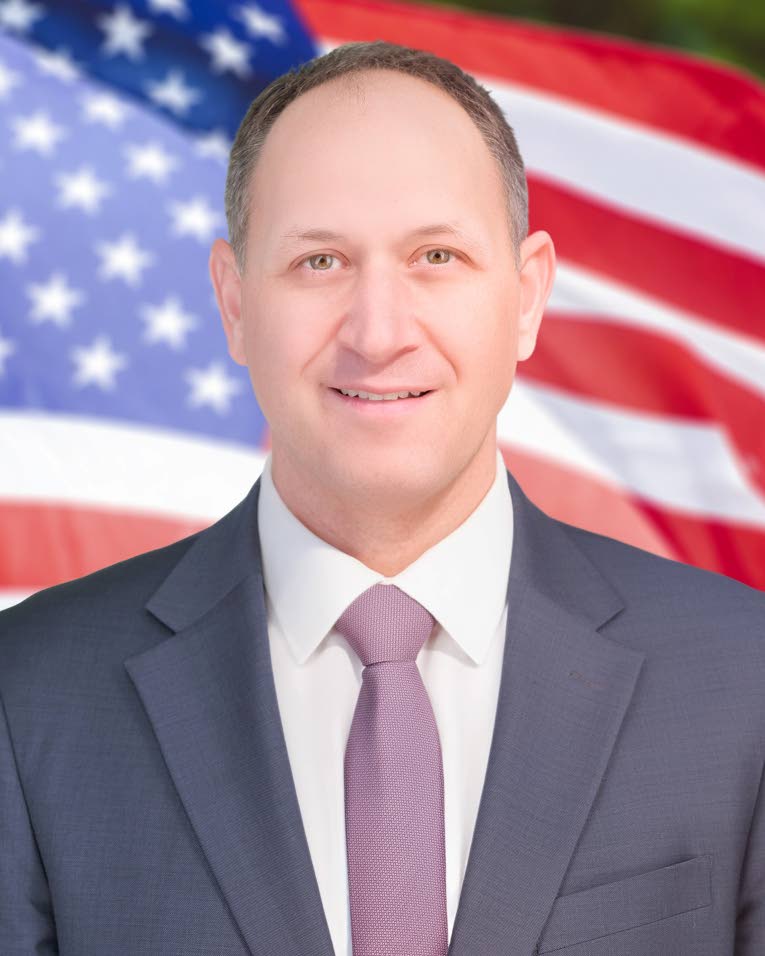
    NEW YORK — The controversial deportation of U.S. Army veteran Godfrey Wade to Jamaica has catalyzed his attorney’s decision to pursue congressional office, transforming a legal battle into a political movement for immigration justice. Tony Kozycki, Wade’s legal representative, announced his campaign for Georgia’s 7th Congressional District in the 2026 mid-term elections following what he describes as systemic failures in Wade’s case.

    The Department of Homeland Security (DHS) executed Wade’s deportation last month despite Kozycki’s extensive efforts to secure judicial review and congressional support for the honorably discharged veteran. The attorney’s congressional bid emerged after lawmakers declined to support a private bill drafted by Kozycki Law LLC that would have mandated judicial reconsideration of Wade’s case.

    ‘Godfrey’s case is the catalyst for my campaign,’ Kozycki stated. ‘Having worked closely with him and his family, I’ve witnessed firsthand how the system failed someone who served this nation honorably.’

    Wade, a 65-year-old legal resident since 1975, was deported based on a 2014 removal order originating from a bounced check and an assault charge. Critical court notices were allegedly sent to an incorrect address by Immigration and Custom Enforcement (ICE), preventing Wade from contesting the order. The check-related financial obligations were fully satisfied, and the assault charge involved no allegations of physical violence according to legal documentation.

    Kozycki emphasizes the case exemplifies broader systemic issues: ‘We merely sought judicial review—a fundamental right denied to someone who defended this country. With Wade deported, his appeal could take years while detained individuals receive priority.’

    The attorney, himself an Army veteran, will run as a Democratic candidate against incumbent Republican Representative Rich McCormick, whom he criticizes for insufficient action despite McCormick’s veteran status. Wade’s deportation has generated significant concern within Jamaican immigrant communities and advocacy groups.

    Carmeta Albarus of the Family Unification and Resettlement Initiative (FURI) condemned the action as ‘cruel,’ noting her organization facilitated Wade’s initial communication with his family upon arrival in Jamaica. The case has intensified scrutiny over citizenship requirements, with Kozycki observing that naturalization would have prevented deportation despite Wade’s legal residency status.

    Congressman David Scott (GA-13) had requested DHS delay Wade’s deportation pending appeal but received no response until four days after the veteran’s removal. Scott affirmed that Wade ‘served this country honorably and was entitled to due process,’ underscoring the constitutional concerns raised by this case.

  • ‘Can’t thank you enough, Cornwall Regional Hospital’

    ‘Can’t thank you enough, Cornwall Regional Hospital’

    In a remarkable testament to healthcare excellence, Cornwall Regional Hospital in Montego Bay has received extraordinary commendation from cancer patient Anthony Jackson, who completed a transformative seven-week radiation therapy program at the institution. His experience, detailed in a heartfelt letter to the Jamaica Observer, presents a compelling counter-narrative to the hospital’s previously criticized public perception.

    Jackson’s treatment journey, spanning from January 19 to March 16, 2026, exemplified clinical excellence despite a temporary four-day interruption when radiation equipment required repairs in mid-February. The hospital promptly restored services following the Ash Wednesday break, demonstrating operational resilience.

    The Radiation Department, under the expert guidance of radiation oncologist Dr. Praveen Kumar Sharma and manager Candeies Campbell, fostered an environment of exceptional professionalism and compassionate care. Jackson specifically highlighted the multidisciplinary team’s coordinated efforts, from the welcoming registration staff to the dedicated nursing team—including a particularly compassionate Cuban nurse and the gracious Eulalee Edgar.

    Medical physicist Anthony Scott and his team provided crucial technical support, while Dr. Omar Bullock conducted weekly progress evaluations with meticulous attention. The radiation therapy team—including Rajesh Singh, Alesha Smith, Keno Richards, Godfrey Denton, and Judith Whyte—delivered treatment with exceptional patience and encouragement throughout the challenging process.

    Jackson noted the department’s remarkable camaraderie and dedication persisted even under stressful conditions, creating a profoundly supportive environment that significantly eased his treatment journey. This personal account stands as a powerful affirmation of the hospital’s capability to deliver world-class cancer care despite previous public criticisms.

  • New Diaspora Council representatives map plans to strengthen engagement, development of Jamaica

    New Diaspora Council representatives map plans to strengthen engagement, development of Jamaica

    Following recent elections for the Global Jamaica Diaspora Council (GJDC), newly appointed representatives across United States regions are formulating comprehensive three-year action plans centered on enhanced community engagement and sustainable development initiatives.

    Regional representatives have identified common priorities including youth development programs, economic growth facilitation, and resource mobilization to strengthen connections within the Jamaican diaspora community. The strategic initiatives aim to create sustainable socioeconomic benefits both for overseas Jamaicans and their homeland.

    Janice McIntosh, newly elected representative for the Southern United States region, announced plans to establish a digital networking platform connecting Jamaican Americans across thirteen southern states. “By identifying state-level representatives and developing a shared database of skills and assets, we can strengthen collaboration and create a more connected, empowered diaspora,” McIntosh stated. Her implementation strategy includes creating a comprehensive resource hub scheduled for imminent rollout.

    In the Northeast US region, re-elected representative Michelle Tulloch-Neil outlined eight key focus areas: economic growth and investment facilitation; youth development and education; health and community wellness; policy advocacy and government engagement; data research and institutional strengthening; governance and accountability; plus cultural identity and community engagement.

    Addressing historical participation challenges, Tulloch-Neil will launch a dedicated Northeast Diaspora website and monthly newsletter to improve communication and maintain engagement momentum. Under policy advocacy initiatives, she plans to organize round-table discussions between US legislators and Jamaican officials addressing critical issues including immigration reform, dual citizenship, and trade relations.

    Dr. Binzie R. Davidson, newly appointed representative for the West Midwest region, prioritizes revitalizing the National Association of Jamaica and Supportive Organisations (NAJASO) to restore its historical significance. Davidson committed to leveraging regional resources for socioeconomic development benefiting both overseas Jamaicans and residents in Jamaica, while pledging close collaboration with youth representative Solange Sinclair and other council members.

  • Ministries joining forces to help small businesses net more gov’t contracts

    Ministries joining forces to help small businesses net more gov’t contracts

    In a significant policy shift, Jamaican government officials have announced a collaborative effort to dismantle barriers preventing small businesses from securing public sector contracts. Industry Minister Aubyn Hill and Finance Minister Fayval Williams appeared jointly at a procurement training event hosted by the Small Business Association of Jamaica (SBAJ), signaling what Hill described as “something big” in the making.

    The initiative addresses longstanding inequities in Jamaica’s procurement system, where small enterprises currently receive just 1% of government contracts despite a 2019 commitment to allocate 20% to this sector. Minister Williams acknowledged this shortfall while pledging substantial reforms to achieve the original target.

    A critical issue identified involves the prohibitive cost structure where small businesses pay identical fees for procurement documents as major conglomerates—ranging from $50,000 to $500,000—while typically securing contracts valued at only $3-5 million.

    The SBAJ orchestrated an unconventional gathering that brought together successful small business owners rather than bureaucrats. Attendees included representatives from diverse sectors such as agro-processing, printing, training services, and food production who have successfully navigated government procurement processes.

    Supplementary support included complimentary business readiness assessments allowing entrepreneurs to identify capacity gaps. SBAJ President Garnet Reid emphasized the value of peer learning, noting that practical insights from experienced business owners proved more valuable than policy documents alone.

    The event also featured strong institutional support from key agencies including the Public Procurement Commission, Development Bank of Jamaica, EXIM Bank, and the Ministry of Industry, indicating a whole-of-government approach to the reform initiative.

  • US Embassy pleased with support for mental health in Jamaican communities post-Hurricane Melissa through Project HOPE

    US Embassy pleased with support for mental health in Jamaican communities post-Hurricane Melissa through Project HOPE

    BARRETT TOWN, St James — The United States Embassy has publicly commended the critical mental health initiatives implemented by Project HOPE in Jamaica, specifically designed to aid recovery from Hurricane Melissa’s devastating impact last October. During a recent site visit, Chargé d’Affaires Scott Renner emphasized the often-overlooked psychological dimension of disaster recovery, highlighting that true rehabilitation extends beyond physical reconstruction.

    Renner articulated that comprehensive rebuilding involves restoring individual mental well-being as a prerequisite for family and community recovery. His assessment followed direct observations at a Project HOPE Mobile Medical Unit in Barrett Town, where integrated health services are being delivered to affected populations. The diplomat revealed his particular focus on mental health evaluations during interactions with residents, noting that psychological trauma frequently remains concealed beneath surface normalcy.

    The program’s specialized attention toward children affected by the hurricane received particular praise. Renner observed that young survivors often experience compounded stress due to familial economic instability and developmental understanding limitations regarding natural disasters. This intervention forms part of a substantial $2 million partnership funded by U.S. taxpayers, embedded within a broader $22 million relief package allocated for Jamaican recovery efforts.

    Operational since November 6, the initiative has deployed 82 mobile medical units nationwide delivering multifaceted support including sanitation kit distribution, medical care, prescription services, and psychological counseling. Kemesha Swaby, Emergency Response Coordinator for Project HOPE Jamaica, explained the organization’s holistic methodology: “As a global health organization, we perceive health comprehensively—mental wellbeing is inseparable from physical health. Our integrated approach combines mental health specialists with mobile medical units to address overall wellness.”

    Local residents expressed profound appreciation for the program. Sattahue Grange from Barrett Town reported acquiring practical coping mechanisms for mental health challenges, while Avea Campbell of Spot Valley acknowledged the support received after losing her home and possessions. The Project HOPE initiative is scheduled to continue operations for an additional month, expanding its reach to more communities requiring post-disaster assistance.

  • $8-billion agriculture shield

    $8-billion agriculture shield

    In a landmark decision during its 44th board meeting in Songdo, South Korea, the Green Climate Fund (GCF) has greenlit a transformative US$50 million initiative to bolster climate resilience among small-scale farmers in Jamaica’s most vulnerable agricultural regions. The ADAPT Jamaica project, co-financed through a strategic partnership between international and local entities, represents the nation’s first single-country climate investment from the GCF.

    The funding structure comprises a substantial US$35 million grant from the GCF, supplemented by US$15 million in counterpart funding from the Jamaican Government. This collaborative effort brings together the Food and Agriculture Organization of the United Nations (FAO), Jamaica Social Investment Fund (JSIF), the Ministry of Agriculture, Fisheries and Mining, and the Development Bank of Jamaica (DBJ) as executing partners.

    The initiative will concentrate its efforts across six central parishes—Clarendon, Manchester, St Ann, St Catherine, St Elizabeth, and Trelawny—which collectively produce approximately 70% of Jamaica’s domestic food supply. These regions face escalating climate vulnerabilities including intensified hurricane patterns, prolonged droughts, and increasingly erratic rainfall, all of which have significantly compromised agricultural yields and threatened rural livelihoods.

    Minister of Water, Environment and Climate Change Matthew Samuda emphasized the project’s critical timing, noting recent devastating climate events including Hurricane Beryl (2024) which caused over US$30 million in losses, and Hurricane Melissa (2025)—the first Category 5 storm to make direct landfall in Jamaica—resulting in billions of dollars in damage.

    The comprehensive program will implement multifaceted interventions including climate-resilient farming practices, enhanced water management systems, post-harvest infrastructure, and improved climate information services. Demonstration sites will feature hurricane-resistant protected agriculture infrastructure capable of withstanding Category 4-5 storms, solar-powered irrigation and storage systems, and agroforestry practices to combat soil erosion.

    With an expected reach exceeding 736,000 beneficiaries—including 334,421 women—the project aims to significantly reduce post-harvest food losses (currently estimated at 30-40% for many crops) while stabilizing farmer incomes through strengthened market linkages and financial access.

  • Forget it, we’re not resigning!

    Forget it, we’re not resigning!

    In a significant escalation of tensions within the Caribbean Estate Citizens Association (CECA), the governing board has formally rejected demands for its collective resignation from 102 homeowners in St. Catherine’s upscale Bernard Lodge community. The confrontation follows a damning auditor’s report revealing $2.7 million in unaccounted association funds between 2023 and 2025.

    Led by Chairman Cecil Gordon, the nine-member board dismissed the March 16, 2026 petition as ‘without merit’ in a sharply worded response dated March 25. The board directed homeowners to previously circulated correspondence addressing management concerns and emphasized the imminent scheduling of a long-overdue Annual General Meeting (AGM).

    The financial discrepancies were uncovered by chartered accountants Greejen, who confirmed on March 12, 2026 that $2,707,563 remained unexplained during the three-year period when no financial statements were submitted to residents. The audit revealed serious gaps in financial transparency and governance compliance.

    Homeowners cited multiple legal violations including breaches of Section 153 of Jamaica’s Companies Act (2004), which mandates annual presentation of audited financial statements. The petition highlighted ‘flagrant breaches of fiduciary duty and governance obligations’ and demanded an Extraordinary General Meeting to address:

    – Unexplained inconsistencies in financial management
    – Disclosure issues regarding CECA funds
    – Property management implementation concerns
    – GCT registration requirements for maintenance fees

    The board countered that concerns were already being addressed through recent communications and argued that holding separate emergency meetings would constitute financial wastefulness. Gordon’s administration maintained that the requested resignations were ‘unfounded’ and improperly presented, while reaffirming their commitment to resolving matters through the upcoming AGM.

    The Caribbean Estate community, known for its security and landscaped grounds along Dunbeholden Road near Portmore, remains divided as both sides prepare for potentially contentious governance meetings.

  • ‘Spies’ inside the Cuban medical programme

    ‘Spies’ inside the Cuban medical programme

    A Jamaican healthcare professional with direct experience working alongside Cuban medical personnel has revealed disturbing details about Cuba’s controversial medical mission program, describing it as fundamentally coercive and exploitative. Dr. Cheryl Morgan, a U.S.-based nurse who previously worked in Jamaica, testified that Cuban medical workers were routinely compelled to serve abroad against their will, separated from families, and subjected to surveillance by government spies within their ranks.

    According to Dr. Morgan’s firsthand account, Cuban medical personnel arriving in Jamaica had their travel documents systematically confiscated by program supervisors—a practice that experts identify as characteristic of human trafficking schemes. These healthcare workers reportedly received only a fraction of their U.S. dollar-denominated salaries, with the majority being remitted directly to the Cuban government. The program created an atmosphere of perpetual suspicion, with participants aware that government informants monitored their behavior and could arrange punitive repatriation for any dissent.

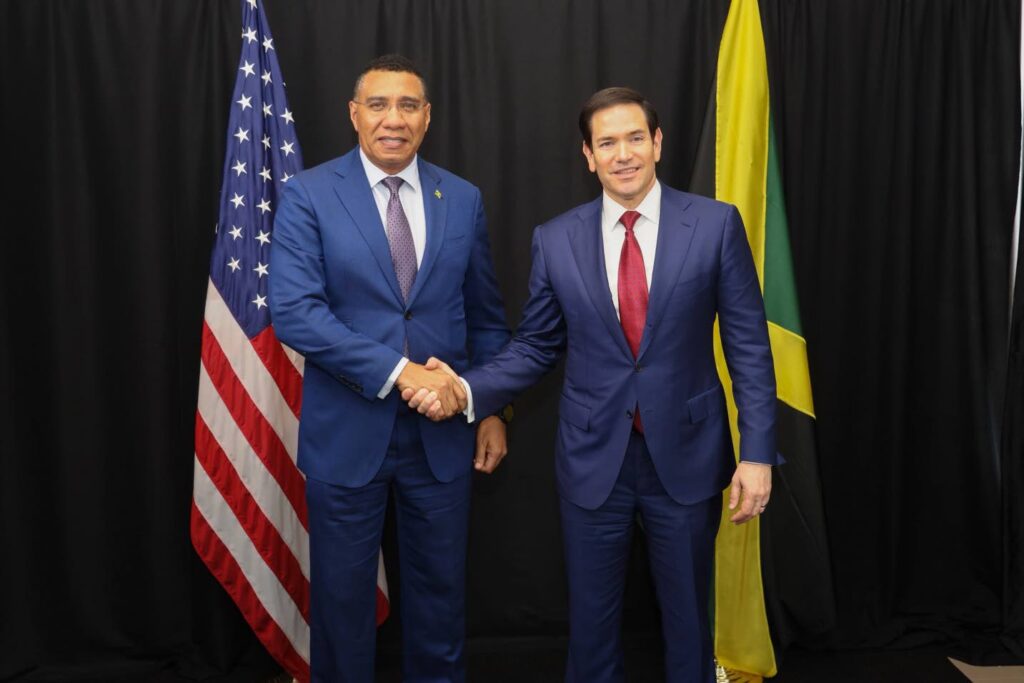
    The recent collapse of Jamaica-Cuba medical cooperation follows mounting international pressure, particularly from U.S. Senator Marco Rubio who criticized Jamaican Prime Minister Andrew Holness’s support of Cuban initiatives. Dr. Morgan suggests the Jamaican government’s sudden discovery of labor law violations provided convenient diplomatic cover to realign with U.S. interests, despite five decades of institutional awareness regarding these practices.

    This diplomatic crisis places Jamaica in an increasingly precarious position, balancing historical solidarity with Cuba against pragmatic economic and political realities. Cuba has been Jamaica’s consistent partner since the 1970s, constructing educational institutions and providing pandemic support. However, as Dr. Morgan notes, confronting American opposition carries severe economic consequences, as demonstrated during former Prime Minister Michael Manley’s administration when Jamaica experienced significant hardship after challenging U.S. foreign policy.

    The current administration faces an impossible choice: preserve relations with Cuba while jeopardizing U.S. support, or sever medical cooperation and worsen Jamaica’s healthcare staffing crisis. With 277 Cuban doctors suddenly withdrawn from Jamaica’s healthcare system, the government must either negotiate a financial settlement with Cuba or attempt to replace these professionals in an already overburdened system—a decision with profound ethical and practical implications for Caribbean relations.

  • Trust fund takes community outreach to Christ Church

    Trust fund takes community outreach to Christ Church

    The Barbados Trust Fund Limited (BTFL) is escalating its mission to fortify small businesses through direct community engagement, marking a strategic shift toward grassroots economic development. This approach was prominently displayed during the recent WebizBajan Trade Fair at Wotton Playing Field in Christ Church, where BTFL’s Business Development Manager Kirk Dottin outlined the organization’s revitalized outreach strategy.

    Dottin revealed that the community-based initiative, originally piloted several years ago in Hoyte’s Village, has been reactivated to address significant awareness gaps about the Trust Fund’s services. “Our presence here today represents our commitment to reconnecting with local communities where many entrepreneurs remain unaware of our support mechanisms,” Dottin stated, expressing particular satisfaction with the substantial participation from Christ Church businesses.

    The initiative forms part of a comprehensive national rollout plan with scheduled events across multiple constituencies throughout the year. What distinguishes this program is its collaborative framework, combining resources from key national institutions including the National Insurance Scheme, Barbados Revenue Authority, and the Central Bank of Barbados. This multi-agency partnership provides entrepreneurs with integrated guidance spanning regulatory compliance, financial management, and business development.

    Dottin emphasized the fundamental philosophy driving these efforts: “We’re building entrepreneurship from the grassroots up, recognizing that sustainable economic development begins at the micro level.” This bottom-up approach reflects BTFL’s conviction that community-based support systems are essential for nurturing viable small enterprises that form the backbone of Barbados’ private sector. The Trust Fund’s strategy demonstrates an evolving model of economic development that prioritizes accessibility and localized support over centralized service delivery.