作者: admin

  • PM’s Cup: Deacons storm back, Wotton stun Ellerton

    PM’s Cup: Deacons storm back, Wotton stun Ellerton

    The Prime Minister’s Cup tournament kicked back into action this week with two hotly contested Group D fixtures at The Glebe in St George on Monday, delivering a stunning comeback victory and a surprise underdog win that shook up the group standings.

    In the opening match of the evening, Deacons pulled off the most dramatic turnaround of the season so far, rallying from an early two-goal deficit to crush Chickmont 6-2. Chickmont got off to a flying start that no one saw coming, with striker Demar Stone netting the fastest goal of the entire competition just 60 seconds into the game. The situation worsened quickly for Deacons, when Norrin Corbin doubled Chickmont’s advantage in the 10th minute, putting Deacons on the brink of an early upset.

    But Deacons refused to fold, beginning their comeback in the 24th minute when Shamaine Richards cut the deficit to one. Just five minutes later, Tevin Barker-Savoury equalized, leaving Chickmont stunned heading into the halftime break with the score tied at 2-2. Deacons turned the game completely on its head in the second half, taking control of possession and pouring on constant pressure. Richards scored his second of the night in the 55th minute to put Deacons up 3-2, and just seconds later, Xavier Bayne stretched the lead to 4-2, leaving Chickmont reeling.

    Player-of-the-Match and Deacons captain Shaquon Haynes put the final nail in the coffin, scoring a late brace: his first came in the 79th minute, followed by a third goal for the captain three minutes later, sealing the lopsided 6-2 final score.

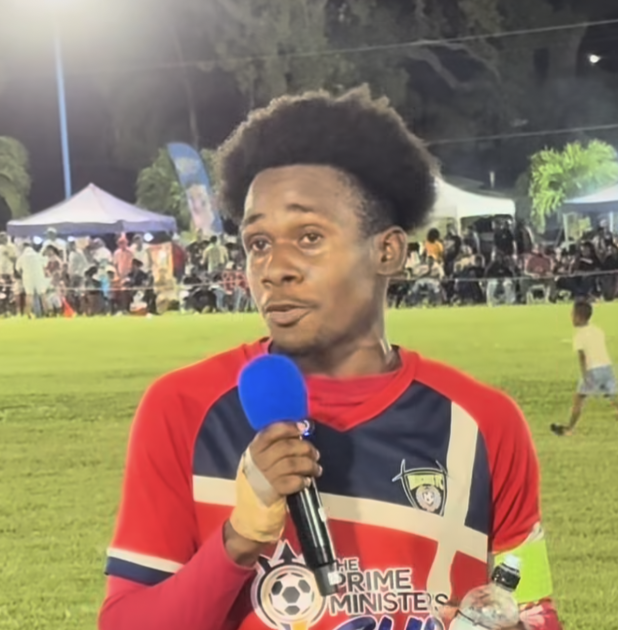
    Speaking after the match, Haynes credited his team’s mental toughness for the comeback. “I did not expect Chickmont to score in the first 25 seconds of the game, but I just had to lift my team’s spirit and we fought back from there,” he said. Assembled ahead of the Brittons Hill tournament, the Deacons squad is made up mostly of First Division players, with several younger prospects also mixing into the roster. Haynes added that he never doubted his side would pull out the win, even after the shaky start: “I did not expect the score to be 6-2, I was expecting it to be 6-0 because they could not beat us. Once we enjoy ourselves and play football we always come back from two goals down all the time.”

    In the night’s second fixture, Wotton pulled off a hard-fought 1-0 upset over Ellerton, with captain Keon Harding’s spectacular first-half free kick proving to be the difference. The game’s only goal came in the 13th minute, after Ellerton conceded a dangerous set piece 25 yards from goal, on the right side of the penalty area. Harding stepped up to take the kick, curling a stunning strike over the defensive wall that nestled just under the crossbar, leaving Ellerton goalkeeper Jamar Brewster with no chance to make a save.

    The opportunity for the free kick came moments after Brewster had denied Rivaldo Massiah from the penalty spot, leaving Wotton unable to take an early lead from the spot. It was the chaotic scramble to clear the rebound from the saved penalty that led to the foul that set up Harding’s match-winning strike. It is Wotton’s first major result under new head coach Fabian Massiah, and the three points pushes the side forward in the tournament’s group stage.

    After the final whistle, Harding expressed his satisfaction with the result and the team’s new direction under the first-year manager. “It feels great to help my team win the match and get the three points so that we can go forward in the tournament,” he said. “The work that the coach has come in and done with us has given the guys a different feeling. We came out and executed what the coach put out for us in training and we got the three points.”

  • Sandals reportedly in US$6-billion talks with Royal Caribbean

    Sandals reportedly in US$6-billion talks with Royal Caribbean

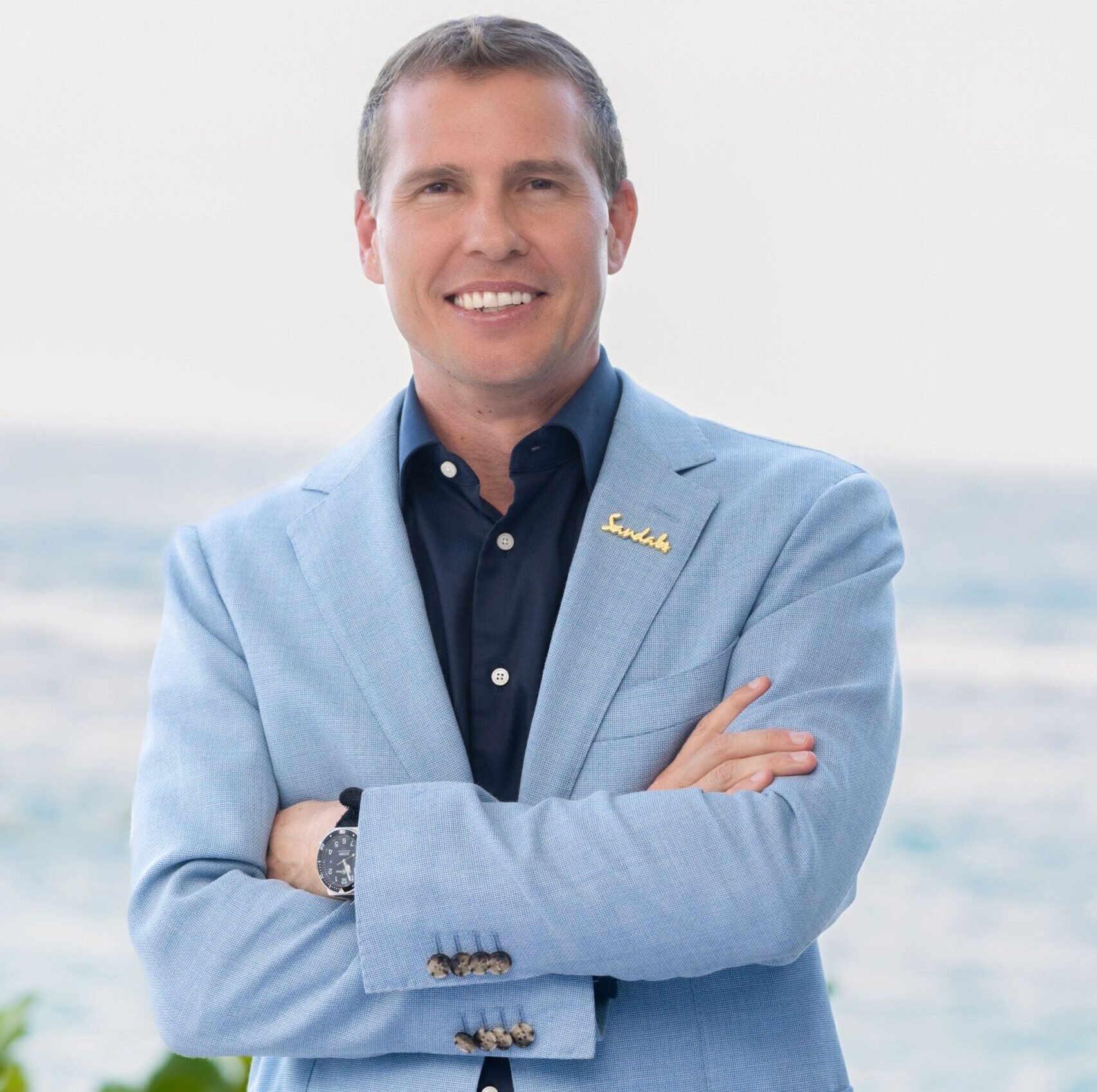
    One of the world’s leading cruise operators, Royal Caribbean Group, is in advanced discussions to purchase a majority controlling stake in Caribbean resort giant Sandals Resorts International, multiple sources familiar with the talks told the Financial Times in a report published Tuesday. The ongoing negotiations value the iconic Caribbean hotel chain at more than US$6 billion, a figure that reflects the full enterprise valuation of Sandals rather than the sum Royal Caribbean would pay for its controlling share. As of this reporting, no binding agreement has been reached between the two parties.

    Per details of the negotiations outlined by the Financial Times, the Stewart family, which founded and has long owned Sandals, would maintain a minority stake in the business after the transaction closes. While insiders suggest a formal deal could be finalized within the next several days, the discussions remain fluid and could still collapse without resulting in a transaction, the report noted.

    The potential acquisition carries notable implications for Antigua and Barbuda, where Sandals operates its flagship adults-only all-inclusive property, Sandals Grande Antigua, along the popular Dickenson Bay coastline. The resort is a key contributor to the island nation’s core tourism sector, though there has been no indication that the proposed change in ownership would bring immediate alterations to the property’s daily operations, existing staff arrangements, or confirmed guest bookings.

    For Royal Caribbean, the proposed deal marks a major strategic expansion beyond its core cruise line business, allowing the company to extend its brand footprint into the on-land Caribbean resort market. If completed, the transaction would stand as the largest acquisition in Royal Caribbean’s corporate history, the Financial Times reported. All key terms of the proposed deal, including the final purchase price for the controlling stake, formal ownership structure breakdown, and official closing timeline, remain unconfirmed as talks continue.

  • Ten Schools in Two Days As CHOGM 2026 School Tour Starts With A Bang!

    Ten Schools in Two Days As CHOGM 2026 School Tour Starts With A Bang!

    A far-reaching national school engagement initiative tied to the 2026 Commonwealth Heads of Government Meeting (CHOGM) kicked off earlier this month, with organizers rolling out interactive sessions across campuses in Antigua and Barbuda to connect young people with the Commonwealth, amplify youth voices ahead of the upcoming Commonwealth Youth Forum, and embed sustainable recycling practices in schools and households.

    Organized through a collaboration between the CHOGM Media and Public Affairs Committee, Commonwealth Youth Forum representatives, and local environmental group Good Humans 268, with additional support from Youth Correspondents, the tour will run through October 30. Its ultimate goal is to visit every accredited primary and secondary school across the nation, pending final schedule and logistics coordination.

    In the first two days of activity alone, the tour team has already visited nine schools. On opening day Monday, sessions were held at Antigua Girls High School, Five Islands Primary, Green Bay Primary, Temple Academy, and Golden Grove. The following Tuesday, September 22, the team moved forward with stops at Jennings Secondary, Jennings Primary, Bendals Primary, Honey Tree Primary, and Tabernacle Academy.

    Each on-campus session is structured to combine education, interaction, and actionable outreach. Attendees receive a foundational introduction to the Commonwealth and CHOGM, detailed information about the 2026 Commonwealth Youth Forum, a community-focused call to action from Good Humans 268, time for open questions, and branded giveaway items.

    Speaking at Antigua Girls High School, 2024 Miss Antigua and Barbuda and alumna Desrie Markham, an attorney-at-law, addressed students on behalf of the Commonwealth Youth Forum, emphasizing the importance of youth involvement in the lead-up to CHOGM 2026. To center young perspectives, the initiative includes a dedicated Youth Forum survey that gives participating students a formal platform to share their views, concerns, and ideas with organizers.

    “Young people should have a voice in the conversations taking place around CHOGM. Through the school tour and the Youth Forum survey, we want to hear their concerns and ideas and help them understand how they can participate,” explained Donte Walter, Co-Chair of the Commonwealth Youth Forum.

    Everton Barnes, Co-Chair of the CHOGM Media and Public Affairs Committee, noted that direct in-school engagement is a strategic way to extend outreach beyond campus walls. “We want students to understand what CHOGM means for Antigua and Barbuda and how they can be involved. Going into schools allows us to have that conversation directly and help it reach families and the wider community,” Barnes said.

    To ensure learning continues long after the tour team leaves each campus, every participating school receives a customized resource package for educators and students. The centerpiece of the package is *Our Commonwealth Classroom: CHOGM 2026 School Activity Guide*, with 10 copies provided to secondary schools and five to primary schools. The guide offers teachers ready-to-use frameworks to integrate topics related to CHOGM and the Commonwealth into existing lesson plans across multiple subjects, extending engagement through the rest of the academic year and beyond.

    “The aim is to make CHOGM accessible and engaging for students. These resources give teachers practical ways to connect the Commonwealth to their lessons and keep the learning going after the school visit,” said Chaneil Imhoff, CHOGM 2026 Branding Lead.

    The initiative also weaves environmental action into every step of its outreach, tying Commonwealth values of sustainable development to local waste management efforts. Along with educational resources, each school gets 25 recycling flyers to post around campus, particularly near existing blue recycling collection barrels.

    Joshuanette Francis, a representative of Good Humans 268, outlined the multi-pronged strategy to engage entire families in recycling through participating students. Every student takes home a parent/guardian letter and a Plastic Pledge, encouraging households to commit to consistent recycling habits and contribute to improved national waste management. Each student also receives a reusable recycling bag to fill with household recyclable materials and return to school, with collected plastic bottle caps set aside to create custom Commonwealth flags as part of a hands-on educational project.

    For primary school students, additional recycling booklets are distributed to reinforce core lessons about waste reduction, responsible environmental stewardship, and sustainable daily practices. To help organizers measure the full impact of the outreach, every school also receives a cover letter and data tracking sheet to log participation numbers across students, teachers, administrative staff, and other school personnel. This data will help the CHOGM 2026 Outreach Task Force assess the initiative’s overall reach, while feedback collected during on-campus visits will be integrated into the project’s final public report.

    Organizers are urging all participating schools and households to continue engaging with the provided resources and recycling activities after the tour concludes, working to embed Commonwealth-focused learning and sustainable habits into everyday life across Antigua and Barbuda.

  • Ashma McDougall sworn in as Roseau North Parliamentary representative, pledges to work across political lines

    Ashma McDougall sworn in as Roseau North Parliamentary representative, pledges to work across political lines

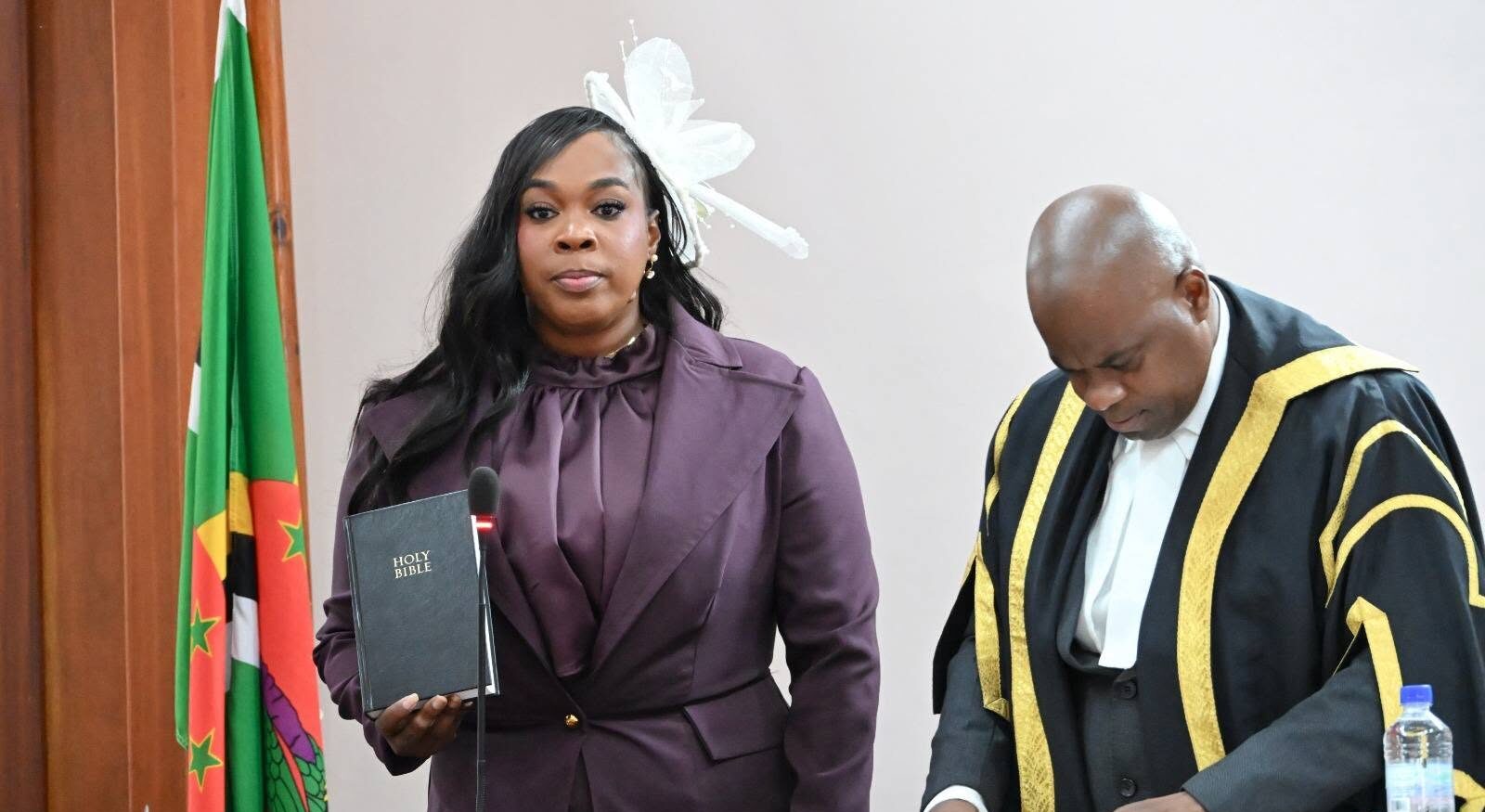
    On a historic Tuesday sitting of Dominica’s House of Assembly, Ashma McDougall officially took office as the newly elected Parliamentary Representative for the Roseau North Constituency, marking the start of her tenure representing local residents.

    McDougall’s ascent to the seat follows her decisive victory in the September 7 by-election, called after former representative Miriam Blanchard stepped down from the position on June 12, leaving the constituency seat vacant. Final vote counts released by the Electoral Office confirm McDougall secured a clear win, pulling 1,473 votes to outpace her closest challenger, United Workers Party nominee Daniel “Danny” Lugay, who earned 998 votes. Independent candidate Sherman Boston finished third with 49 votes.

    During the formal swearing-in ceremony, McDougall took the required Oath of Allegiance, formalizing her position in the national legislative body. Following the oath-taking, Prime Minister Roosevelt Skerrit and fellow sitting members of the House of Assembly extended their congratulations and officially welcomed McDougall to the legislature.

    In her maiden address to the chamber after taking her seat, McDougall revealed that she had already begun outreach and collaborative work with Roseau North stakeholders even before her formal swearing-in. She noted that multiple productive meetings have already been held with local community organizations, neighborhood improvement committees, and everyday residents to align with the mandate voters granted her in the by-election.

    “I am really looking forward to delivering to the people of Roseau North within the constituency,” McDougall told the assembly. “Work has already begun; actually, we have been meeting with community groups, improvement committees and other persons within the constituency, because we recognize that with this heavy mandate that has been delivered, it will take not only the parliamentary representative or the Dominica Labour Party but multiple individuals across the entire constituency, from different backgrounds and different political colours.”

    McDougall closed her opening remarks by offering sincere gratitude to the people of Roseau North, her on-the-ground campaign team, and her campaign manager, Ambassador Ian Douglas, for the widespread support they provided throughout the by-election race. She emphasized her commitment to inclusive representation, saying she is eager to work alongside all community members regardless of political affiliation to advance the constituency’s priorities during her term.

  • Justice in the balance

    Justice in the balance

    After years of incremental progress cutting through the massive criminal case backlog that accumulated during the COVID-19 pandemic, Grenada’s justice system has hit an unexpected hurdle: the scheduled start of the September Assizes has been delayed indefinitely due to ongoing, unresolved air conditioning failures at the temporary St George’s High Court, located in the CLICO building.

    The September session was originally set to open Tuesday with 85 criminal cases on the docket. All four High Court courtrooms are affected by the disruption – the two assigned to criminal matters and the two that handle civil litigation. With infrastructure repairs still incomplete, officials have not announced a new resumption date, and all 85 pending criminal cases will remain on hold until the cooling system is fully repaired and a revised hearing schedule can be published.

    This interruption arrives at a pivotal moment for Grenada’s criminal justice system. New data from the Office of the Director of Public Prosecutions (DPP) confirms that the total volume of cases coming before each Assizes session has been steadily dropping from the record highs seen at the height of pandemic-related backlogs, a trend that marked clear progress for the system.

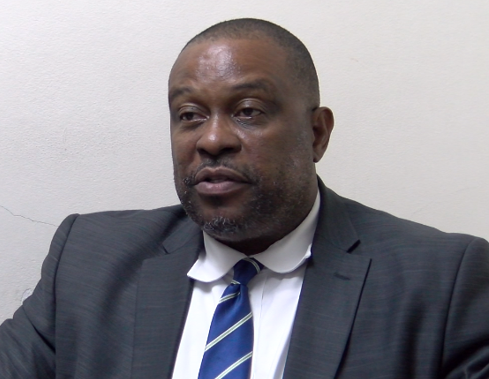
    Acting DPP Howard Pinnock noted that the drop in overall caseload has been consistent since the pandemic-era backlog peaked. Shifts in the composition of the September docket further illustrate this trend: the proportion of sexual offence cases on the docket has fallen significantly over the past two years, from 42% of all matters in the 2025 January and April Assizes, to 32% in this year’s January session, 35% in April, and just 23% of the 85 pending September cases. Officials emphasize this shift reflects a change in the makeup of the trial docket, not a definite drop in the overall number of reported sexual offences.

    For the current September session, homicides make up the single largest category of cases at 28%, followed by sexual offences at 23%, harm offences at 22%, and property offences at 16%. DPP data also shows that the justice system has already completed 83 matters in 2025, and an additional 53 cases during this year’s January and April sittings, marking consistent headway against the backlog before this latest delay.

    Veteran criminal defence attorney Arley Gill has raised sharp questions about the delayed repairs, warning that the postponement puts the hard-won progress in backlog reduction at risk. Gill noted that the 6-week summer court break that ended in July provided officials more than enough time to address the already-reported cooling system issues before the September session was scheduled to begin. “Before the court was closed in July, there were issues with the facility housing the civil courts… so that ought to have been addressed,” Gill argued.

    While the postponement halts all planned Assizes proceedings, not all High Court operations have been suspended. Matters overseen by the Master of the High Court are continuing remotely, and parties can still file urgent applications – including requests for bail and injunctive relief – with the court. Still, 85 criminal defendants, victims, and legal teams are left waiting for a new trial date, with no clear timeline for when infrastructure repairs will be finished.

    For a justice system that has centered its post-pandemic work on clearing backlogs and improving access to trials, the latest disruption raises a larger, long-term question: beyond the sheer number of pending cases, does Grenada’s court system have the reliable physical infrastructure needed to sustain progress and keep justice moving forward when cases are ready to be heard?

  • CCJ President Winston Anderson attends Commonwealth judges conference in Jamaica

    CCJ President Winston Anderson attends Commonwealth judges conference in Jamaica

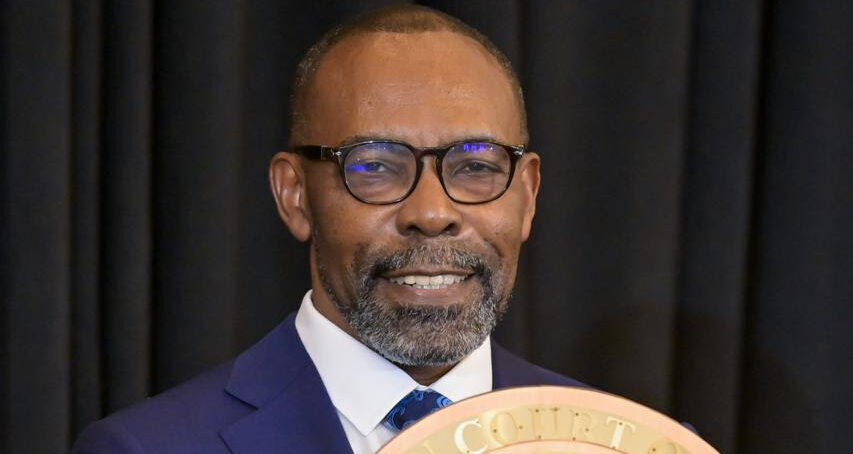
    The 2026 Annual Conference of the Commonwealth Magistrates and Judges Association (CMJA) kicked off in Kingston, Jamaica this week, drawing senior judicial figures from across the Commonwealth bloc to address pressing issues facing modern judicial systems. Among the key attendees is Justice Winston Anderson, President of the Caribbean Court of Justice (CCJ), whose participation spans the full five-day gathering from September 19 to September 23, according to an official statement from the CCJ.

    The official opening ceremony on September 21 featured opening remarks from a slate of prominent regional and organizational leaders. These included Jamaica’s Governor-General Sir Patrick Linton Allen, Jamaican Prime Minister Andrew Holness, Bryan Sykes — Jamaica’s Chief Justice and this year’s conference host — and CMJA President Justice Richard Williams of The Bahamas.

    Following the opening proceedings, Anderson attended the conference’s keynote address delivered by Chief Justice Sykes, which centered on evolving challenges and innovative new strategies for judicial systems across Commonwealth member states.

    Anderson also took an active role in two specialized discussion panels tailored to emerging priorities in global judicial practice. The first, themed “Data-Driven Justice: Improving Performance and Enhancing Accountability?”, brought delegates together to examine how integrated data tools and digital technology can streamline judicial workflows, boost transparency in court operations, reinforce accountability mechanisms, and rebuild public trust in justice systems.

    The second session, focused on “Challenges to Arbitral Awards”, explored rapidly developing legal questions surrounding international commercial arbitration, and clarified the evolving role of national and regional courts in supervising arbitral processes.

    Now in its annual iteration, the CMJA Conference serves as a critical collaborative platform for judges, magistrates and legal professionals across the Commonwealth. Beyond sharing on-the-ground experiences and testing new policy approaches, the event fosters coordinated action to advance the rule of law and support the effective, independent operation of judicial systems across all participating member nations.

  • Livestream of United nations General Assembly in NYC – President Sylvanie Burton soon to address gathering

    Livestream of United nations General Assembly in NYC – President Sylvanie Burton soon to address gathering

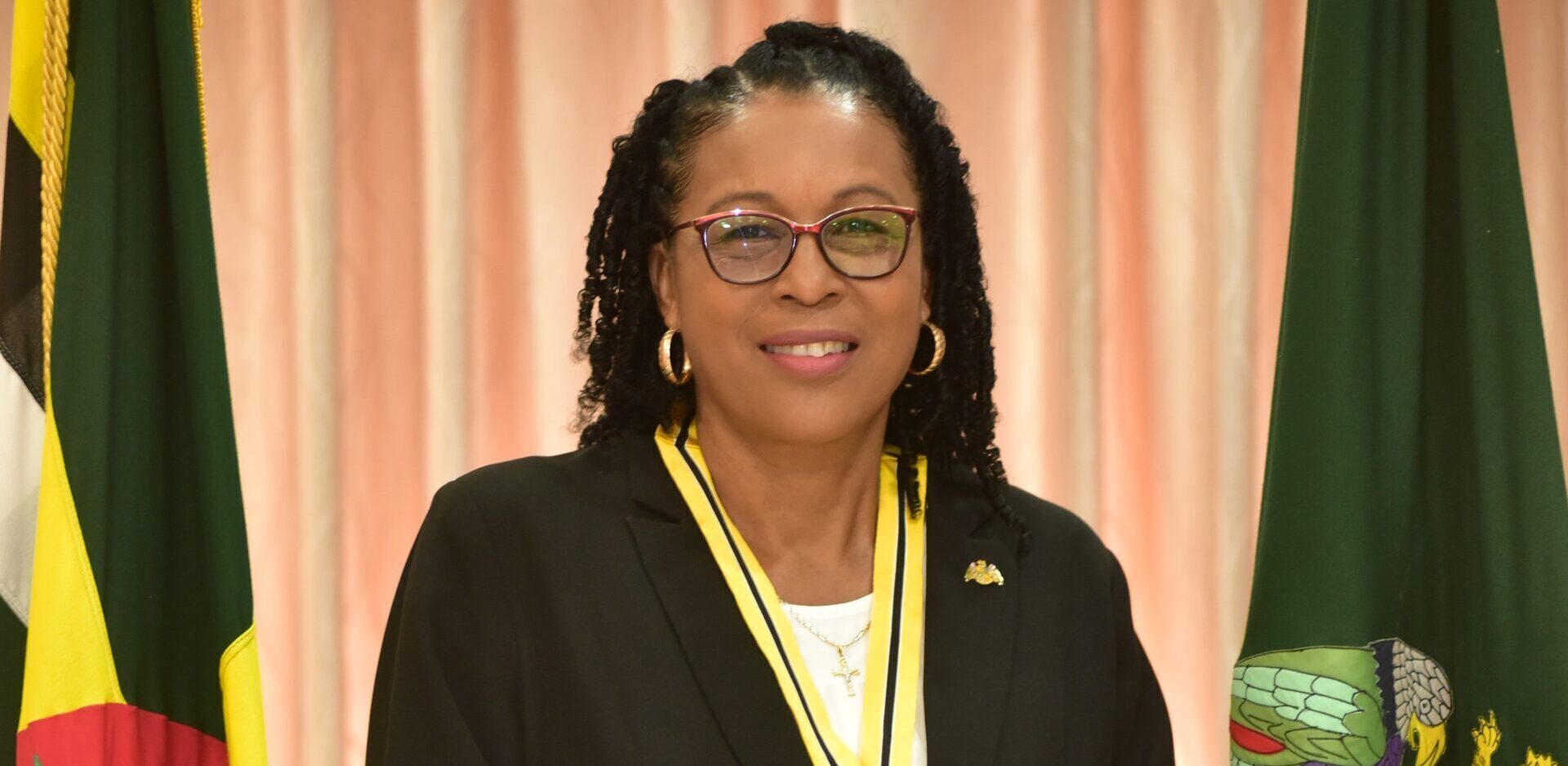
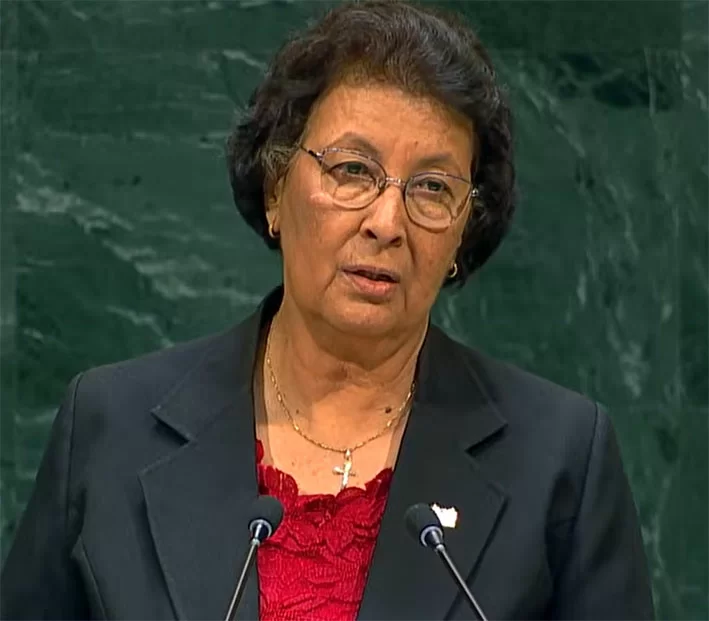
    In a key moment for the small Caribbean nation of Dominica on the global diplomatic stage, its head of state, President Sylvanie Burton, is currently in New York City participating in the United Nations General Assembly, one of the world’s most prominent multilateral diplomatic gatherings. According to the official speaking schedule released for the high-profile annual event, President Burton is slated to deliver her address to the assembled global delegations immediately after the representative of Bosnia and Herzegovina takes the floor. This appearance marks a critical opportunity for President Burton to raise Dominica’s policy priorities, from climate resilience to sustainable development, to an audience of world leaders and international stakeholders gathered for the week-long assembly. As a current member of the Commonwealth and an active participant in UN processes, Dominica’s presence at the General Assembly reinforces its commitment to multilateral cooperation on pressing global challenges.

  • Simons bij VN: grootschalige landbouw nieuwe bedreiging voor bossen

    Simons bij VN: grootschalige landbouw nieuwe bedreiging voor bossen

    At the 81st United Nations General Assembly General Debate in New York, President Jennifer Simons delivered a wide-ranging address centered on forest conservation, sustainable resource development, global conflict resolution, institutional reform and climate justice, addressing pressing challenges facing small and vulnerable states against this year’s summit theme “Restoring trust, managing transformation: A United Nations that delivers for all”.

    Opening her remarks on environmental protection, Simons drew attention to the growing threats facing the world’s remaining intact rainforests, noting that her country – where over 90% of territory is covered by forest and which already holds carbon-negative status – faces emerging pressure from actors seeking to clear large swathes of old-growth rainforest for industrial-scale agriculture. This adds to long-standing risks from extractive industries targeting gold, diamonds and other mineral resources that Simons first warned of one year prior. She emphasized that the global climate finance framework is deeply flawed: nations with high forest cover and low deforestation rates should not be required to lose their natural carbon sinks to qualify for international climate funding, a systemic bias that penalizes early conservation action.

    To counter these threats, Simons revealed that her administration is rolling out new legal and institutional frameworks to strengthen forest protection and safeguard the traditional territories of Indigenous and Tribal communities. These reforms center on centering Indigenous traditional knowledge and community participation at every stage of development planning, recognizing Indigenous peoples as the most effective stewards of intact forest ecosystems. “We must stop large-scale forest clearing, and we welcome all international support to advance this goal,” Simons said.

    Turning to the country’s offshore oil and gas reserves, Simons struck a balanced tone, acknowledging that these natural resources present a unique opportunity to accelerate national development and lift living standards for all citizens. But she warned against the risk of overreliance on fossil fuel extraction, stressing that “we must convert temporary resource wealth into lasting national prosperity.” Under the government’s plan, resource revenues will be invested strategically to broaden and diversify the domestic economy, rather than funding short-term spending. The energy transition will also balance fossil fuel development with expanded renewable energy deployment, with renewables remaining a core component of the country’s long-term energy mix alongside gas-to-shore and gas-to-power infrastructure projects.

    Moving to global peace and security, Simons delivered a blunt assessment of the United Nations’ current shortcomings, noting that the body has failed to adequately prevent or end ongoing armed conflicts around the world, eroding public and state trust in the multilateral system. For small and vulnerable states, a rules-based international order is not a political priority but a matter of survival, she said: consistent application of international law is foundational to advancing peace, security, human rights protection and sustainable development everywhere. Conflicts do not stay contained within their battlefields, she added: disruptions to global energy markets triggered by war push up energy and food prices worldwide, inflicting harm on communities thousands of miles from active conflict zones.

    Against this backdrop, Simons called for a renewed commitment to the core principles of the UN Charter and the peaceful resolution of all international disputes. She specifically called out the long-running economic, commercial and financial embargo on Cuba, noting that the Cuban people bear the direct negative costs of the policy, and urged all relevant parties to pursue dialogue and negotiation to end the embargo. On Haiti, Simons called for sustained international support to help the country restore security, constitutional order and democratic governance, stressing that all solutions must center the needs and priorities of the Haitian people.

    Simons also renewed long-standing calls for comprehensive reform of the UN Security Council, arguing that the body must become more representative, accountable and effective to address 21st century challenges. She expressed strong support for permanent Security Council representation for African nations, and called for greater representation for small island developing states and low-lying coastal developing countries, which are disproportionately impacted by climate change despite contributing next to nothing to global emissions.

    Reparations and restorative justice for the harms of slavery and colonialism also featured prominently in Simons’ address. She argued that the global conversation has moved beyond debating whether these systems of exploitation created lasting, intergenerational harm – the focus now must shift to how those harms can be remedied, and what form reparative action should take. She highlighted the 10-point plan for restorative justice developed by the Caribbean Community (CARICOM) as a key framework for moving forward.

    Looking ahead to regional leadership, Simons announced that her country is already preparing to assume the CARICOM presidency in 2027, identifying food and energy security, climate resilience, improved connectivity, the free movement of skilled workers and the streamlined flow of goods and services as core practical priorities for the regional bloc. She also reaffirmed the importance of cross-border collaboration through regional bodies including CARICOM, the Community of Latin American and Caribbean States (CELAC), the Amazon Cooperation Treaty Organization (ACTO) and the Brasilia Consensus.

    On emerging challenges, Simons called for proactive planning to manage the rise of artificial intelligence, noting that AI offers transformative opportunities for inclusive development but must be governed responsibly to mitigate downside risks. She also warned that with just four years remaining to meet the 2030 Sustainable Development Goals (SDGs), the world is falling badly behind on its commitments. Achieving the SDGs will require greater political will, lasting peace, improved climate and development finance, technology transfer and expanded international cooperation, she said, adding that global stakeholders must already begin planning for a post-2030 global development framework.

    Closing her address, Simons referenced the upcoming selection process for a new UN Secretary-General, noting that for the first time in history, a female candidate from the Caribbean has been put forward for the role, with the full backing of CARICOM. She closed with a call to large, influential UN member states to prioritize the preservation of global peace, stressing that only a United Nations capable of guaranteeing universal peace and security can deliver tangible progress and benefits for all nations, large and small.

  • Castries man charged with murder of Merissa Auguste

    Castries man charged with murder of Merissa Auguste

    A major homicide investigation in Saint Lucia has resulted in formal murder charges against a 40-year-old man from Castries, connected to the death of 21-year-old Merissa Auguste whose remains were found earlier this month along a major public roadway. The Royal Saint Lucia Police Force confirmed that Vianney Lubrin, a resident of La Croix Maingot in Castries, was charged following a systematic probe conducted by the department’s Major Crimes Unit.

    Following his charging, Lubrin made his first court appearance at the First District Court, where a judge ordered him to remain in police custody until his next scheduled hearing on October 6, 2026.

    The case traces back to reports of Auguste’s disappearance before search teams located her partially decomposed remains in a roadside area along the Millennium Highway on September 11. Law enforcement officials confirmed that a post-mortem examination conducted after the discovery concluded the young woman’s death was caused by strangulation.

    Even with the filing of formal charges against Lubrin, police emphasized that the investigative process remains active. Detectives are continuing to piece together the full sequence of events leading up to Auguste’s death and are working to uncover all contextual circumstances surrounding the incident.

  • Man sought over social media video now charged

    Man sought over social media video now charged

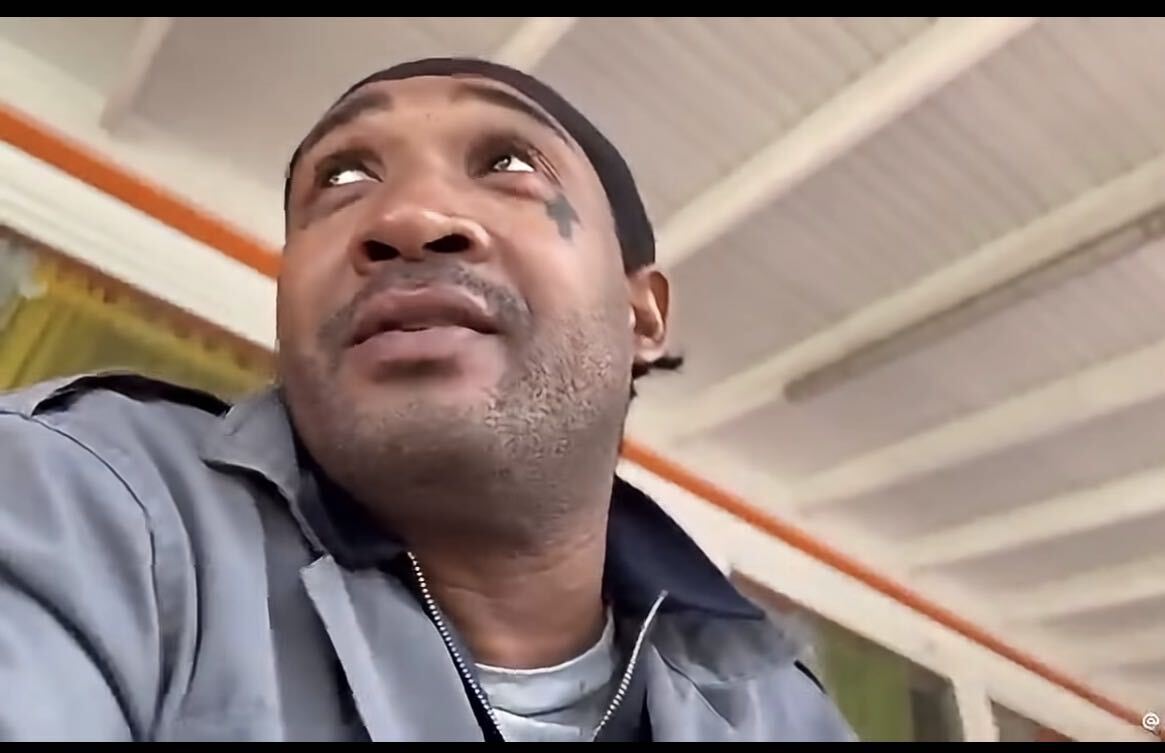
    A 36-year-old man, who was the subject of a widespread police manhunt linked to a string of alleged threats shared in a viral video across social media platforms, has been taken into custody and formally charged with the criminal offense of malicious communication.

    The Royal Saint Lucia Police Force (RSLPF) confirmed that the suspect, Clent Richardson, a national of Saint Lucia who was deported back to his home country from the United States in March 2023, was apprehended on Saturday, September 19. The arrest came after a weeks-long investigation into the context and origins of the threatening video that spread widely online.

    Following his arrest, Richardson was officially charged on Monday, September 21, under Saint Lucia’s Computer Misuse Act for the malicious communication violation. He made his first court appearance before the First District Court the very next day, where the judge granted him release on $500 cash bail.

    As part of the strict conditions attached to his bail, Richardson is banned from sharing any content on social media that expresses public frustration. He is also required to check in in person at the island’s Central Police Station every Tuesday before 6 p.m. for the duration of his pre-trial release. The legal case has been adjourned for further proceedings, with the next court date scheduled for November 5, 2026.

    In the wake of the arrest, the RSLPF has issued a public reminder that all content shared to social media platforms can carry serious legal ramifications for users. Law enforcement officials noted that while all residents hold a constitutional right to freedom of expression, that right comes with the responsibility to use digital devices and online platforms in a lawful, respectful manner.

    Police are also calling on all members of the public to think carefully before creating, uploading, forwarding or sharing any online content, especially material that could be deemed threatening, menacing, misleading, or designed to cause unnecessary emotional distress or widespread public alarm.