作者: admin

  • 28 goals in two Kotex Women’s League games

    28 goals in two Kotex Women’s League games

    The weekend’s latest round of the Barbados Football Association’s Kotex Women’s League delivered two lopsided results at the Wildey Technical Centre on Sunday, as the competition’s top two table leaders, Paradise and Empire, cruised to resounding victories over their outmatched opponents.

    In the first standout fixture, Paradise delivered a crushing 15-0 defeat to Police, with striker Denea Payne putting on a historic individual performance that saw her find the back of the net eight times throughout the match. The writing was on the wall for Police by the halftime break, as Paradise had already built an insurmountable 10-0 lead going into the locker room. Completing Paradise’s dominant scoring sheet, winger Keanna Barrow notched a three-goal hat trick, cementing the team’s big win. The result leaves Police still anchored at the very bottom of the league table, still searching for their first point of the campaign after multiple matches without a single points-earning result.

    Empire, the other top table side, matched Paradise’s dominant form in their own Sunday fixture against FVFC Femeini, easing to an equally emphatic 13-0 shutout win. The Bank Hall-based club got off to a strong start, going into halftime with a comfortable 5-0 advantage, before stretching their lead further in the second half. Forward Towanna Clarke led the scoring charge for Empire, putting away six goals, while Lorel Romain followed up with a three-goal hat trick of her own to round out the lopsided scoreline.

  • Safeguards

    Safeguards

    Last weekend, a devastating boat incident during Grenada’s annual Spicemas festival cut short a life and left another person seriously injured, prompting a timely and urgent reflection on how communities address collective risk across all parts of daily life. As a health professional researching preventable harm within Grenada’s healthcare system, this tragedy drove home a critical, often overlooked truth: the line between safety failures inside and outside healthcare is not a line at all – it is an invisible connection. All preventable safety gaps are ultimately public health events. They leave their mark as life-altering trauma, unplanned emergency care, and all too often, irreversible death that could have been avoided if hazards had been addressed proactively.

    Spicemas is far more than a cultural celebration for Grenada: it is the cornerstone of the island’s annual tourism economy, drawing thousands of visitors, supporting hundreds of local livelihoods, and growing steadily in scale each year through the collaborative work of artisans, performers, event organizers, transport operators, food vendors, and local communities that open their public spaces to the festivities. This collective achievement brings widespread benefit, but it also carries a collective risk that is rarely discussed in depth. Every large-scale system, from seasonal cultural events to digital infrastructure, inherently carries new opportunities for harm. A passenger boat carrying festival-goers across coastal waters, a packed street filled with masquerade revelers, a venue holding thousands of attendees – the risk of these spaces is not an accidental side effect of large-scale activity. It is a natural byproduct of growth and scale.

    A common cultural narrative frames safety as an issue of individual responsibility alone. It is true that personal awareness plays a role, but individual diligence is never enough to eliminate systemic risk. The systems and services people use every day – from seasonal carnivals to global digital networks, artificial intelligence tools, and modern mass transportation – are collective creations, not the work of one person. If a single person built an entire system from start to finish, they would understand every hidden hazard and avoid falling victim to them. That is not the reality people live in today. Most people inherit, use, and contribute to collective systems without full knowledge of every underlying risk.

    This gap between individual knowledge and systemic risk is exactly why intentional, collective safeguards exist. Safeguards do not exist to replace individual responsibility. They exist to catch people when individual diligence fails, or when unforeseen circumstances overwhelm personal preparation. They are the structured, deliberate policies, infrastructure, and practices that keep communities safe when individual effort falls short. Consider the example of a modern passenger rail network: high speeds, electrified infrastructure, and dense crowds of people who are not trained in rail safety create an inherently dangerous environment. Yet rail networks carry hundreds of millions of passengers annually with some of the lowest injury and fatality rates of any mode of transport. This is not because every passenger has mastered rail safety protocols. It is because risks have been systematically identified, studied, and mitigated. Clear warning signage, routine public announcements, and dedicated safety staff maintain constant vigilance. Organized collective action has closed the gap between unmanaged risk and public safety.

    This example proves that systemic risk can be systematically managed – and Grenada is uniquely positioned to implement these changes effectively. The island’s small size, often framed as an economic or bureaucratic disadvantage, is actually a structural advantage when it comes to safety reform. Where large nations require years of legislative debate and layers of interagency coordination to update safety rules, a small, cohesive society like Grenada can implement targeted, effective changes quickly and precisely – if there is political and social will to act.

    So what does intentional systemic safety look like in practice for Grenada? The core requirements are well known: proactive risk assessment, advance planning, consistent monitoring, clear accountability, and meaningful incentives for compliance. But applying these principles to local contexts requires asking hard, specific questions. Are there enough qualified safety personnel deployed at large public events during Spicemas? Is public safety information shared clearly and widely with attendees and vendors? Do routine inspections actually guarantee that vessels, venues, and infrastructure meet environmental and public safety standards? How are safety standards enforced consistently across all activities? Do local agencies systematically learn from past incidents to prevent future harm? And in cases where an activity carries unmanageable risk, are we willing to redesign it to protect the public?

    As a community, we build the systems, events, and infrastructure that make modern life in Grenada vibrant and prosperous. We all benefit from these collective creations, so we all share a responsibility to protect the people who use them. When individual diligence fails, it is our collective obligation to put systemic safeguards in place – systematically, consciously, and considerately. After all, why would the responsibility to build our shared world end at the very point where protecting people begins?

  • Homeowner Seeks Help Identifying Man Caught on Camera During Break-In Attempt

    Homeowner Seeks Help Identifying Man Caught on Camera During Break-In Attempt

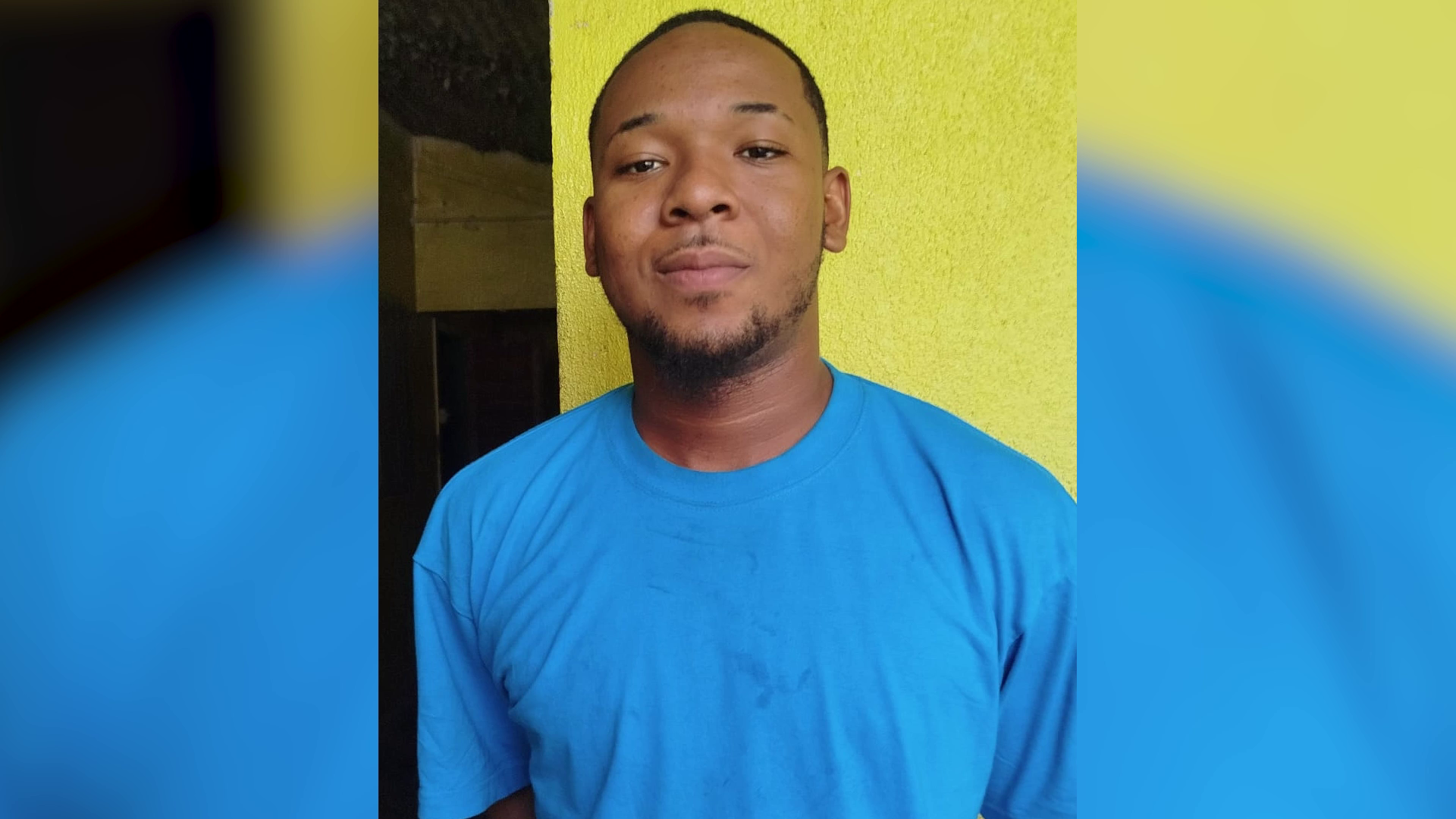
    A residential property owner in Antigua is reaching out to the wider community for assistance after their home security system captured footage of a man allegedly attempting to gain unlawful entry to their property in the early hours of Tuesday, August 11, 2026. According to a statement the homeowner submitted to local media outlet Antigua.news, the suspicious incident unfolded at roughly 1:15 a.m. at their residence. After reviewing the surveillance recording, the homeowner has made the clip public with the goal that a member of the public will recognize the individual shown on camera. In addition to requesting identification help, the resident has issued a warning to people living in the nearby Greenbay and Gray’s Farm neighborhoods, urging local residents to heighten their personal and property security awareness and keep an eye out for anyone matching the suspect’s description. Local law enforcement has not yet released an official statement on the alleged attempt as of press time, but the homeowner has noted that anyone with information can choose to either reach out to them directly or pass along any relevant details to the Antigua Police Force. The full unedited surveillance footage has been posted in the comment section of the media report to allow members of the public to view the clip for themselves.

  • Dust haze persists over Barbados, BMS extends advisory

    Dust haze persists over Barbados, BMS extends advisory

    A stubborn plume of dust haze has maintained its hold over Barbados and adjacent offshore waters for a second consecutive day this Tuesday, forcing the Barbados Meteorological Services (BMS) to extend a public health and safety advisory amid widespread, persistent dips in visibility across the Caribbean island.

    In an updated bulletin issued at 6 a.m. local time, the BMS confirmed that latest satellite tracking data shows a dense, moderate-intensity dust blanket covering both Barbados’ landmass and the surrounding territorial waters. While the prolonged hazy conditions have disrupted daily routines for residents, forecasters have outlined a clear timeline for improving conditions: dust concentrations are projected to thin out slowly through the early morning hours, with full, noticeable improvements in air quality and visibility expected to take hold by Tuesday afternoon.

    The extended advisory is currently scheduled to expire at 12 p.m. noon local time on Tuesday. In line with the advisory extension, national emergency and public health authorities have issued a call for all Barbados residents to stay vigilant. The public has been urged to keep up with real-time updates released by the BMS, the national Department of Emergency Management, the Government Information Service, and local media outlets. Officials also emphasized that all community members should adhere to any public health guidance put forward by the country’s Ministry of Health and Wellness as conditions develop.

  • Manufacturers urged to deepen tourism links

    Manufacturers urged to deepen tourism links

    As global trade fragmentation continues to create unprecedented headwinds for small island economies, the Barbados Manufacturers Association (BMA) has laid out a clear policy and operational roadmap to deepen integration between the island’s manufacturing sector and its key tourism industry, calling for strengthened cross-sector collaboration and improved market data to expand domestic supply capacity.

    Speaking at a panel discussion focused on Caribbean economic strategies for navigating fractured global trade, hosted as part of the Central Bank of Barbados’ Annual Review Seminar, BMA Executive Director Shardae Boyce emphasized that reframing tourism as a high-potential export channel for local producers is a core step to unlocking sector growth. Unlike traditional cross-border exports that require extensive logistics and market access infrastructure, tourism brings international consumers directly to Barbados’ doorstep, creating a ready-made market for locally made goods.

    Boyce noted that BMA’s membership covers seven key manufacturing segments, all of which hold untapped potential to serve the island’s booming tourism ecosystem: from food and beverages to furniture, construction materials, and pharmaceuticals. Each sector has a unique, mutually beneficial role to play, particularly as Barbados experiences a widespread construction boom and prioritizes the delivery of authentic cultural experiences to visitors.

    “For food and beverage producers, the connection to tourism is organic,” Boyce explained. “Local cuisine and drinks are tangible carriers of Barbadian heritage, which makes them an inherently attractive offering for international travelers looking for an authentic island experience.” She added that the ongoing construction surge, driven largely by tourism-related infrastructure and hospitality development, creates massive immediate opportunities for local construction product manufacturers to supply major projects across the island, replacing imported goods with domestic alternatives.

    While Boyce acknowledged that basic commercial links between local manufacturers and the tourism sector already exist, significant barriers remain that prevent large-scale integration. Information gaps between producers and buyers, combined with structural regulatory hurdles, have constrained the expansion of local supply. To address these challenges, she called for formal, structured public-private collaborative frameworks that bring all key stakeholders to the table to resolve operational bottlenecks.

    Boyce pointed to the existing Tourism Community Council as a successful early model of this approach. The multi-stakeholder public-private partnership already brings manufacturers, tourism operators, and government agencies together to identify and resolve shared challenges, and Boyce argued that expanding this model will directly translate to increased local supply volumes: “Stronger relationships mean greater supply.”

    In response to ongoing global supply chain disruptions and volatile input costs that have squeezed producer margins across the Caribbean, Boyce shared that local manufacturers are already adapting by rolling out collective bulk purchasing strategies for raw materials. By consolidating input orders and purchasing in bulk, producers can leverage economies of scale to lower per-unit costs, a saving that ultimately also benefits consumers through more stable retail pricing.

    Beyond cross-sector collaboration and collective action by producers, Boyce stressed that aligned national policy and streamlined administrative processes are critical to attracting new manufacturing investment and helping local enterprises build resilience to external economic shocks. “Much of our ability to adapt and prepare for trade fragmentation depends on domestic action: we need clear, supportive national policies, updated trade frameworks, and reliable infrastructure that makes doing business simpler for local producers,” she said.

    To address the critical gap in reliable market intelligence, the BMA has already begun proactive work to improve data access through technology and academic partnerships. A key ongoing initiative is a collaborative data collection project with the University of the West Indies, which aims to gather granular market data, raise operational standards across the manufacturing sector, and boost overall productivity.

  • CTO to launch Caribbean Tourism Research Forum at SOTIC 2026

    CTO to launch Caribbean Tourism Research Forum at SOTIC 2026

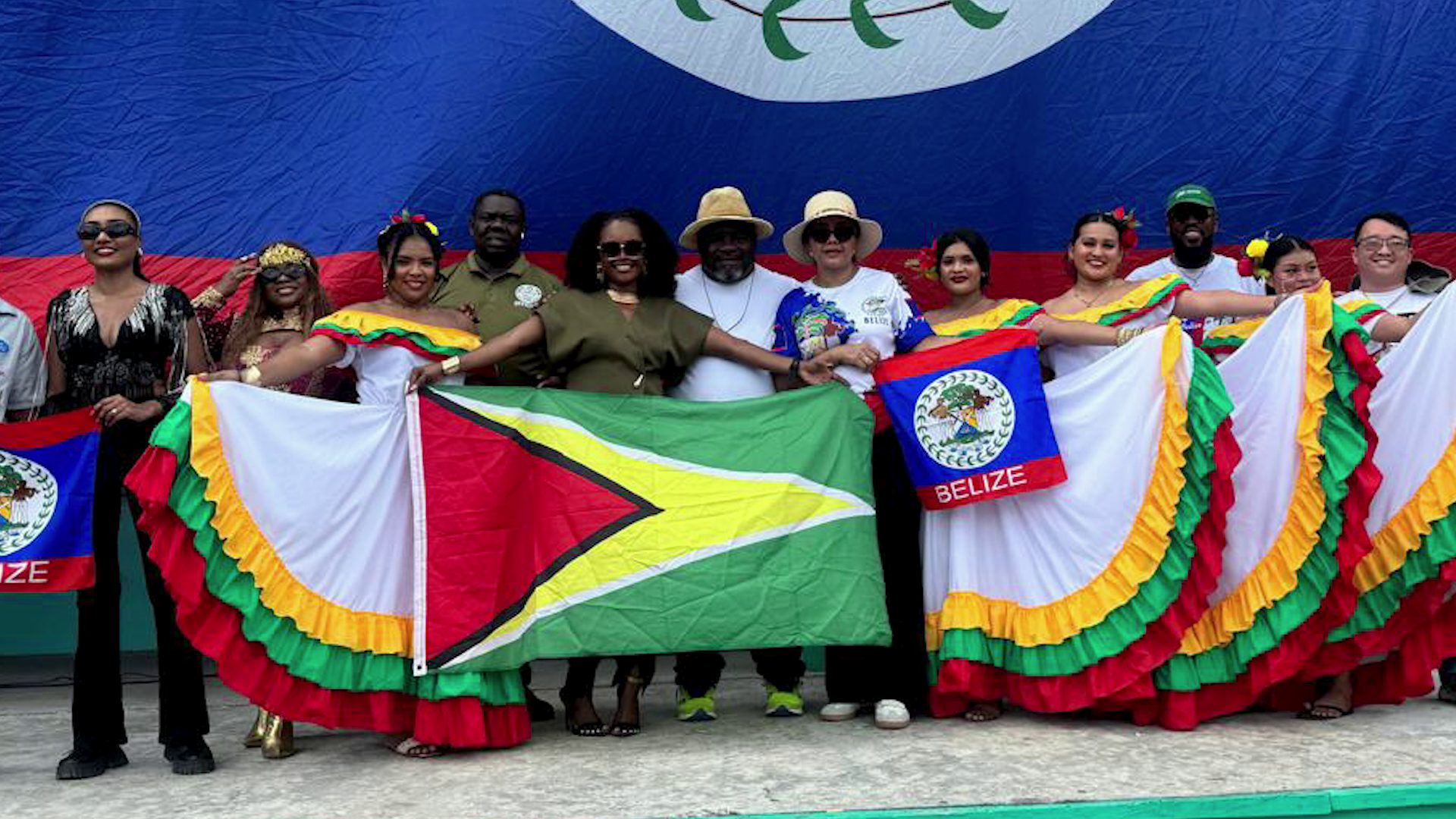
    The Caribbean Tourism Organization (CTO) has announced a landmark new initiative to bridge academic research, public policy, and on-the-ground tourism practice: the first-ever Caribbean Tourism Research Forum, set to debut alongside the 2026 State of the Tourism Industry Conference (SOTIC) in Guyana. Slated for October 6, 2026, the three-hour opening forum will align with SOTIC 2026’s overarching theme “Tourism Futures: Smart, Sustainable, and Inclusive,” creating a dedicated collaborative space for stakeholders across the regional tourism ecosystem.

    Unlike rigid traditional academic conferences, the forum is designed as an interactive, solution-focused platform that brings together a diverse cross-section of participants: active researchers, university leadership, practicing tourism industry professionals, destination management officials, international development partners, and graduate and undergraduate students. The structured programming splits into two focused showcase segments to highlight both emerging academic work and real-world applied research.

    The first segment, “Emerging Research from Caribbean Universities,” will shine a spotlight on new and ongoing studies led by regional academic institutions, elevating homegrown expertise that is often overlooked in global tourism discourse. The second segment, “Research in Practice: Applied and Destination Insights,” will center actionable research that directly addresses core challenges in tourism policy, destination planning, market analysis, and day-to-day destination management.

    A wide range of pressing, industry-relevant topics will be covered across presentations, including shifting global visitor travel patterns, advanced tourism demand forecasting, climate-resilient tourism development, community-owned tourism models, workforce upskilling and development, the integration of artificial intelligence into tourism operations, digital transformation for small and medium-sized tourism businesses, regional destination competitiveness, and measuring the distributional economic impact of tourism across local communities.

    Aliyyah Shakeer, CTO’s Director of Research, emphasized that the forum fills a longstanding gap in regional tourism governance. “For too long, there has been a disconnect between the valuable research produced by academic institutions and the decision-making processes that shape tourism development across the Caribbean,” Shakeer explained. “This initiative is built to strengthen the critical connections between research, policy, and industry, ensuring that all regional tourism development efforts are guided by rigorous, reliable evidence and practical, locally rooted solutions.”

    Per event rules, each presentation will be capped at 10 minutes to keep discussions dynamic, followed by structured moderated Q&A sessions that allow for audience engagement. The forum will conclude with a plenary conversation focused on expanding long-term collaborative frameworks between academic institutions and private and public sector tourism stakeholders across the Caribbean.

    For registered SOTIC 2026 delegates, participation in the research forum will be offered at no additional cost. The CTO is currently accepting presentation nominations from Caribbean universities, accredited regional research institutions, the existing Caribbean Tourism Research Network, and CTO member countries. All nomination submissions must be completed through the CTO’s official online portal by the deadline of Sunday, August 23, 2026.

  • LIVE: Disaster and You with the Office of Disaster Management 11th Aug 2026

    LIVE: Disaster and You with the Office of Disaster Management 11th Aug 2026

    When a news item is submitted for professional analysis and rewriting, it is expected to include full, actionable text content that outlines the event, context, and key details being reported. In this particular submission, the only content provided is social media sharing prompts (including options to share, tweet, and pin the content) and a link to an external image. No core news text, event description, or factual details about the story in question are included in the submission.

    Without access to the full text of the original news report or clear information about the event being covered, it is impossible to conduct a comprehensive, accurate rewrite, analysis, or classification of the material. External image links may also be unstable, restricted, or unresponsive, meaning they cannot be relied upon to retrieve the missing news content. For any future news processing requests, submitters are required to include the complete full text of the original news story to ensure proper analysis can be completed.

  • A well-deserved ‘anko’ for a calypso king

    A well-deserved ‘anko’ for a calypso king

    On a reflective Sunday at Castries City Hall, hundreds of loved ones, colleagues and cultural stakeholders came together to celebrate the extraordinary life and legacy of Pancruce McGriffin Theodore, the iconic Saint Lucian calypso artist universally known by his stage name “The Mighty Terra”. The celebration of life, dubbed an “Anko” event, was jointly organized by the Carnival Music Management Committee (CMMC) and the Folk Research Centre (FRC), drawing members of the island’s tight-knit calypso and cultural community from across the region.

    The eight-time national calypso crown holder – a record that includes seven consecutive championship wins – passed away on July 19 at the age of 86, leaving behind a decades-long imprint on Caribbean cultural life. Terra launched his historic reign at the top of Saint Lucian calypso in 1957, when he claimed his first title with the beloved track “Rock and Roll Calypso”. He would go on to dominate the local calypso scene for generations, penning enduring fan favorites including “Ban the Advocate” and “Wabeen Government”, with his final public performance taking place at the same Castries venue in 1996 with the powerful track “War”.

    Born and raised in Vieux Fort, Terra broke barriers from his earliest days in the industry. As a student at Saint Mary’s College, he defied strict school policies that discouraged student participation in calypso performance, challenging outdated stereotypes about the art form and paving the way for young Saint Lucian artists to pursue their creative passions openly. Beyond his recording and performance career, Terra made his mark far beyond the stage: he was an active leader with the Saint Lucia Arts Guild, contributed extensive public service to his home island, and built a second life as a community leader in Canada, where he studied, worked and lived for many years.

    Claude Paul, a representative of the CMMC, framed Terra as one of the foundational trailblazers that pushed Saint Lucian calypso into the respected global cultural force it is today. “He was truly a trailblazer with respect to Calypso and music, and I also learnt he was a member of the Arts Guild,” Paul shared during Sunday’s tribute. “I am very happy to learn that Terra was part of that movement as well, making Saint Lucia part of the cultural capital of the Caribbean.” Paul noted that the Arts Guild, which elevated early works from the iconic Walcott brothers and other pioneering Saint Lucian creators, was a core driver of the island’s mid-20th century cultural renaissance – a movement that benefited greatly from Terra’s participation and leadership.

    The event featured tributes from calypso tent leaders across the island, including Sean Marcelin of Fire One Tent, Mervin Wilkinson of South Tent and Kennedy “Boots” Samuel. TC Brown from the Kaiso Pros Tent honored Terra’s legacy with a special performance of his track “Where are they now?”, which explicitly references the late artist. Additional musical tributes came from performers Blaze, Haggai and Lord Jackson, accompanied by musician Martin James. Former FRC director Hilary Laforce shared personal recollections of Terra’s career, recalling the artist’s 1996 final performance and participating in the traditional Saint Lucian wake custom of sharing lighthearted “quick, quack” jokes in Kweyol. Sunday’s gathering was chaired by Calixte George Junior, Terra’s nephew, and opened with a formal blessing from Monsignor Patrick Anthony.

    While the day was filled with celebration and remembrance, one prominent calypso leader raised a urgent call to action to preserve Terra’s legacy for future generations. Cecil Charles, leader of the Take Over Tent, voiced concern over the critical lack of surviving audio recordings and formal documentation of Terra’s vast body of work. Holding up the only existing published resource connected to the artist – a book released by the FRC – Charles emphasized that preserving the pioneer’s cultural contribution must be a top priority for all calypso advocacy and preservation groups.

    The legendary calypsonian is set to be formally laid to rest on Tuesday, August 11, at the Lady of Our Rosary of Fatima Church in La Clery, bringing a close to a life that forever reshaped Saint Lucian and Caribbean culture.

  • Girlhood summer leadership bootcamp equips Dominican girls with skills for leadership and life

    Girlhood summer leadership bootcamp equips Dominican girls with skills for leadership and life

    After three weeks of immersive, skill-building programming, Dominica’s I Have A Right Foundation (IHARF) has successfully concluded its 2026 Girlhood Summer Leadership Bootcamp, a targeted initiative designed to boost adolescent girls’ confidence, expand their knowledge base, and nurture the leadership skills that will drive progress across the island nation.

    As a rights-focused non-profit, IHARF centers its core mission on youth empowerment, grassroots advocacy, accessible education, and holistic personal growth. The organization works to build inclusive, supportive environments where young people can gain the practical tools they need to emerge as active, impactful contributors to national development, explained IHARF Programme Manager Lucien Alexander.

    Running from July 20 through August 9, this year’s bootcamp rejected the structure of a traditional recreational summer camp in favor of a deep, hands-on developmental experience tailored to the unique needs of adolescent girls. The curriculum covered a far-reaching range of topics spanning every area of personal and professional growth, from individual wellbeing and healthy relationships to educational advancement, long-term career planning, and community leadership.

    Throughout the program, participants explored critical life skills including self-awareness, emotional intelligence, mental health maintenance, value alignment, sexual and reproductive health rights, basic first aid, and personal safety. They also built core interpersonal competencies, learning how to practice empathy, communicate effectively, resolve conflicts, and negotiate mutually beneficial outcomes. Sessions focused on future readiness introduced girls to evidence-based goal-setting frameworks, time management strategies, foundational financial literacy, basic entrepreneurship principles, and structured career development planning. Digital citizenship modules addressed responsible online behavior, digital literacy for everyday life, and the evolving impact of artificial technology on daily and professional life. The final segment of the bootcamp centered specifically on leadership development, team collaboration, advocacy skills, and empowerment, encouraging each participant to identify and cultivate their innate leadership potential.

    Hands-on, active participation was the cornerstone of the bootcamp’s learning model. Girls developed skills through collaborative team-building challenges, interactive role-playing activities, facilitated group discussions, creative expression projects, vision boarding exercises, hands-on leadership challenges, public speaking practice, and guided reflection sessions. The initiative was supported by a diverse team of IHARF staff, trained volunteers, student interns, and industry professionals who shared their specialized expertise with participants, including Dr. Zoriah Telemaque, Beverly Leblanc, Marilyn Cuffy-Morris, Sergeant Urias Moses, Nichola James-Charles, Shirnon Telemaque, and Luana Laurent.

    The 2026 bootcamp concluded with a formal closing ceremony and family engagement session, where participants showcased the skills and knowledge they had gained over the three weeks and received formal recognition for their growth and progress. The event also included dedicated guidance for attending parents and guardians, covering key topics around adolescent developmental milestones, teen mental wellness, and the critical role of family support during the transitional teenage years.

    Alexander noted that the entire program was built around a core belief: young people do not need to wait until adulthood or hold formal positions of power to step into leadership roles. From the first session, participants were encouraged to recognize that they can drive meaningful positive change in their families, schools, and local communities starting at their current age.

    Looking ahead, IHARF confirmed that it will continue expanding investment in initiatives like the Girlhood Summer Leadership Bootcamp to nurture generations of confident, informed, socially conscious young women across Dominica. The organization remains committed to helping girls shape self-determined futures while making lasting, meaningful contributions to the ongoing development of the island nation.

  • Big win for Barbadian Under-19 Women’s Cricket team

    Big win for Barbadian Under-19 Women’s Cricket team

    In the second round of the Cricket West Indies Rising Stars Women’s Under-19 Championship, Barbados delivered a dominant performance to claim a nine-wicket win against the Windward Islands at the Bethesda Sports Ground in Antigua on Sunday.

    After winning the pre-match coin toss, the Windward Islands chose to take the batting crease first. The decision quickly backfired, as Barbados’ bowling attack tore through their opponent’s batting line-up in rapid fashion. The Windward Islands were bowled out for a meager total of 67 runs inside 15 overs, with the innings closing on 14 overs and 3 deliveries.

    Young bowler Zaniyah Bruce turned in a standout performance for Barbados, claiming three crucial wickets while conceding only two runs throughout her spell. Zoe McCallister supported Bruce effectively, picking up two wickets for 15 runs to keep the Windward Islands’ run total well below par. Opening batter Daisy Woods put together the most substantial innings of the match for the Windwards, finishing as the team’s top scorer with 24 runs, but her effort was not enough to build a competitive total.

    Chasing the low target, Barbados cruised to victory without significant pressure. By the 12th over, the home side had reached 68 runs for the loss of just one wicket, crossing the finish line with overs to spare. Opening batter Jadaeya Holder remained unbeaten at the crease, closing out the game on 26 runs off 36 deliveries to guide her side to the win.

    Barbados’ opening round fixture against Guyana was called off earlier in the tournament due to persistent rain, leaving the side without a completed result to open their campaign. They will return to the pitch on Tuesday to face off against the Leeward Islands, where they will be targeting their first consecutive full victory of the championship as they look to build momentum in the youth competition.