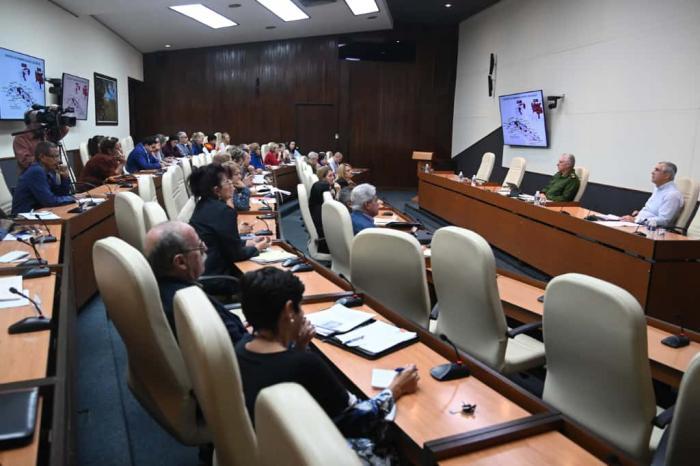
In response to a surge in nonspecific febrile syndrome cases primarily caused by arbovirus infections, Cuban President Miguel Díaz-Canel has announced weekly meetings to analyze the situation and propose solutions. The decision follows a gathering of health experts and scientists at the Palace of the Revolution, where the President emphasized the need for a coordinated approach akin to the nation’s COVID-19 response. The meeting, attended by Deputy Prime Minister Eduardo Martínez Díaz and prominent health specialists, focused on the current epidemiological landscape, particularly the spread of dengue, Chikungunya, and Oropouche viruses. Dr. José Raúl de Armas Fernández reported a decline in febrile cases across eight provinces but highlighted the persistence of arbovirus transmission in 38 municipalities, with Havana being notably affected. Chikungunya cases have surged to 21,681, concentrated in six provinces, while Oropouche cases remain absent since September. Dr. María Guadalupe Guzmán Tirado underscored the global prevalence of Chikungunya and Cuba’s intensified surveillance efforts. Dr. Yagen Pomares Pérez, Director General of Primary Health Care, stressed the importance of early fever detection and patient isolation, drawing parallels to lessons learned during the pandemic. She emphasized the need for hospitalizing vulnerable groups, including children under two, pregnant women, and older adults with comorbidities. Dr. Madelaine Rivera Sánchez, National Director of Surveillance and Vector Control, highlighted challenges in fumigation efforts and called for community participation to enhance vector control measures. The government aims to address equipment shortages and logistical issues to curb the epidemic’s spread effectively.
作者: admin
-
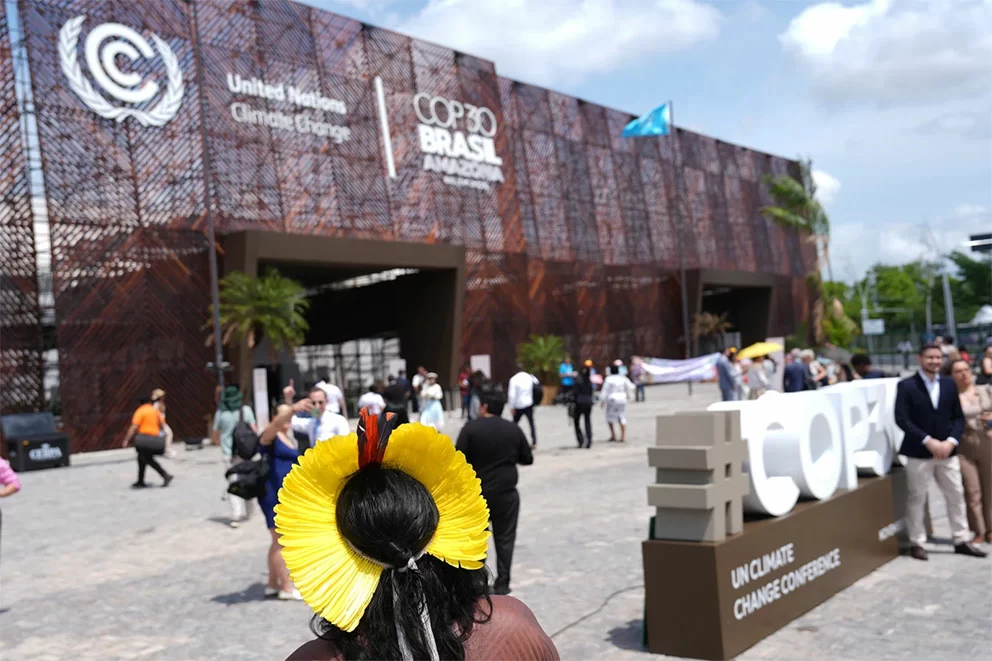
COP30: Inheemse volken zoeken hun stem te midden van uitdagingen
The United Nations Climate Change Conference, COP30, held near the Amazon rainforest in Brazil, began with an unexpected power outage during its opening ceremony. Indigenous participants, accustomed to adapting to challenges, responded by singing, dancing, and offering prayers to maintain the atmosphere, despite the lack of microphones and technical equipment. This incident, while symbolic of resilience, also highlighted broader skepticism about whether the conference, dubbed the ‘Indigenous COP,’ will truly fulfill its promises to center Indigenous communities in climate action. Indigenous peoples, who make up about 5% of the global population, protect over 80% of the world’s remaining biodiversity. Their traditional knowledge and sustainable practices are vital for ecosystem preservation, yet they remain disproportionately affected by climate change due to their vulnerable habitats and reliance on natural resources. Historically marginalized and often excluded from decision-making processes, Indigenous communities face significant barriers to meaningful participation in international climate negotiations. Despite COP30 being framed as a tribute to Amazonian Indigenous peoples, many representatives are still confined to national delegations, limiting their influence on policy outcomes. Practical challenges, such as language barriers, funding shortages, and limited access to housing in Belém, further hinder their involvement. Activists like Thalia Yarina Cachimuel and Edson Krenak emphasize the need for systemic changes to ensure Indigenous voices are heard and respected. While COP30 offers a platform for greater inclusion, the conference’s success will depend on translating promises into actionable policies that directly benefit Indigenous communities.
-
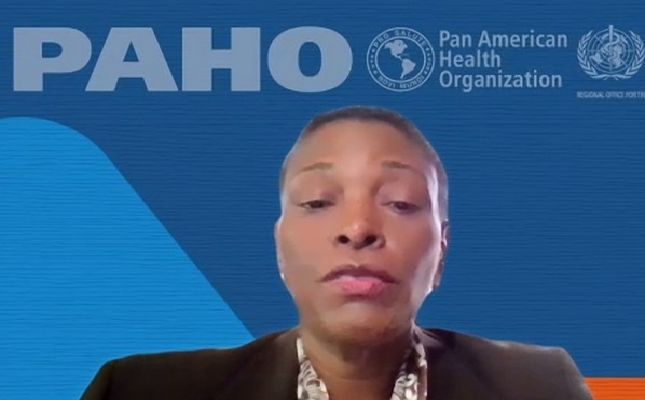
Americas lose Measles-Free Status as Canada records sustained cases
The Pan American Health Organization (PAHO) has raised alarms over the resurgence of measles in the Americas, as Canada reports sustained transmission of the disease for over 12 months. This development has led to the region losing its measles-free status, a significant setback in public health efforts. Measles, known for its high contagion rate, is particularly concerning with the winter travel season approaching, increasing the risk of widespread transmission across the Americas. Dr. Sealy, PAHO’s Assistant Director, emphasized the importance of achieving a 95% vaccination coverage for both doses of the MMR (measles, mumps, and rubella) vaccine, noting that while the Caribbean maintains strong vaccination rates, there has been a decline in second-dose administration in some areas. PAHO officials are urging countries to bolster vaccination efforts and encourage individuals to report symptoms promptly to prevent further spread. Dr. Jarbas Barbosa, PAHO’s Director, acknowledged the setback but stressed that the situation is reversible, highlighting the ongoing global threat of measles outbreaks. Health authorities remain vigilant as active cases persist in the United States, Mexico, and Venezuela.
-
Frente Amplio calls for full investigation into nationwide blackout
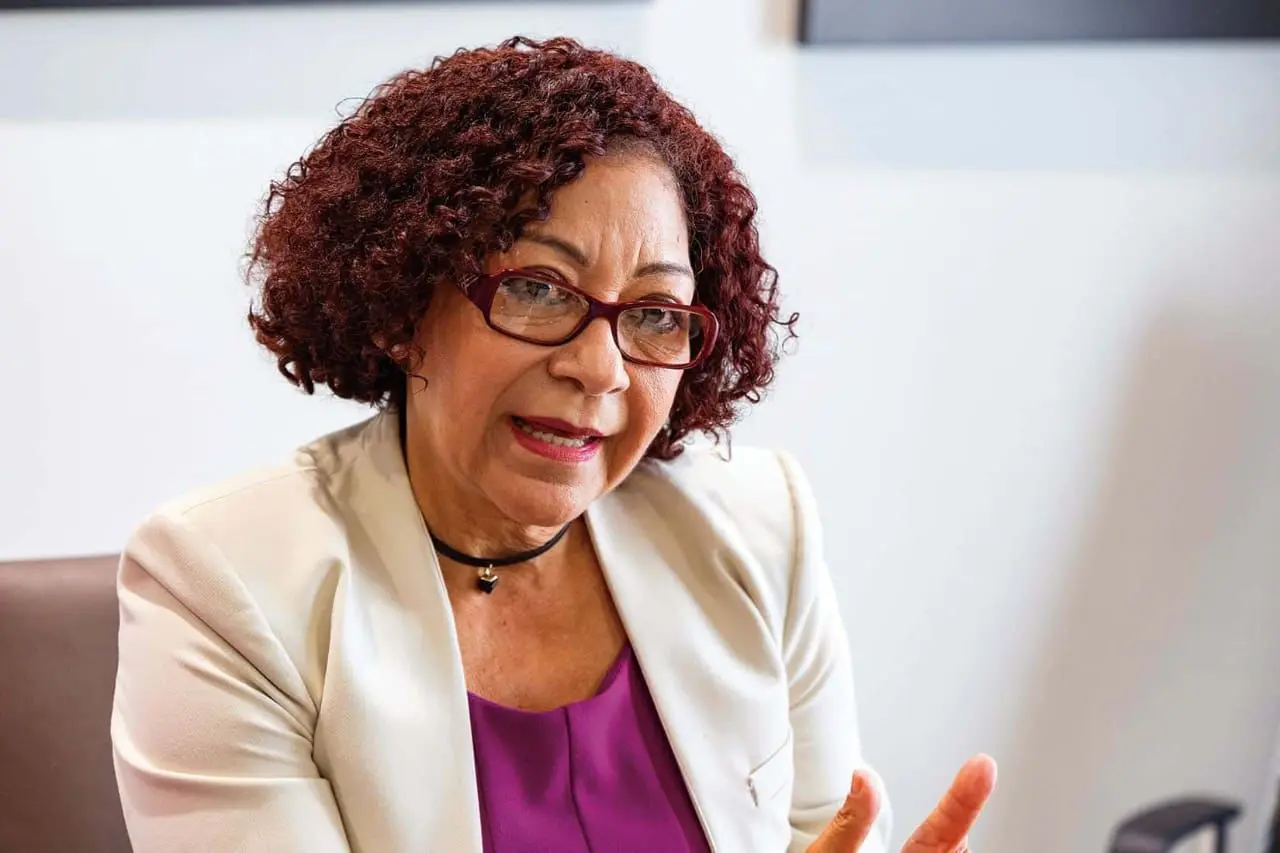
Santo Domingo – The Frente Amplio has issued a stern call for an immediate and transparent investigation into the widespread blackout that plunged the Dominican Republic into darkness on Monday afternoon. The outage, triggered by a failure at the Electricity Transmission Company (ETED) substation in San Pedro de Macorís, cascaded into a complete shutdown of all generating plants, including Punta Catalina. This incident has once again highlighted the fragility of the nation’s power grid. Party leader María Teresa Cabrera denounced the collapse as ‘unacceptable,’ emphasizing that a single substation failure should not have the capacity to cripple the entire system. She urged authorities to act with ‘absolute transparency’ and ensure accountability for those responsible. The Frente Amplio underscored the severe economic repercussions of such blackouts, which disrupt hospitals, industries, and the daily lives of millions. The organization demanded that the Government, ETED, the Superintendency of Electricity, and the Ministry of Energy and Mines provide a clear public report and develop an emergency plan to fortify the transmission network. They argued that the incident should not be dismissed as a mere technical failure but rather seen as a symptom of deeper structural issues, including poor oversight, inadequate planning, and insufficient public investment in the national energy system.
-
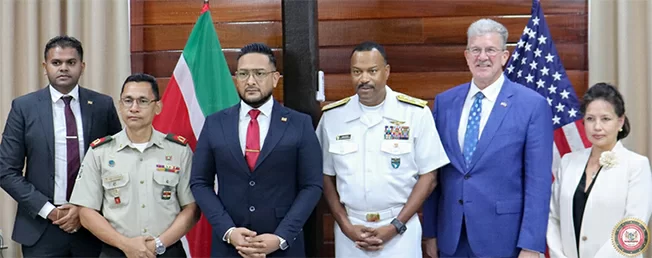
Suriname ontvangt hoge militaire delegatie; geen informatie gevoeligheden
In a significant diplomatic engagement, Admiral Alvin Holsey, Commander of the United States Southern Command (Southcom), paid an official visit to Suriname. The Ministry of Defense confirmed the visit, highlighting discussions aimed at bolstering bilateral defense and security cooperation. While the ministry did not disclose details of any government-level meetings, sources revealed that Admiral Holsey met with Acting President Gregory Rusland, Interim Foreign Minister Adelien Wijnerman, and Defense Minister Uraiqit Ramsaran. The talks reportedly touched upon the United States’ role in actions concerning Venezuela, though specific details remain undisclosed. President Jennifer Simons was notably absent, as she was in Brazil accompanying Foreign Minister Melvin Bouva. Suriname has consistently advocated for regional peace, a stance reiterated by its leadership. The visit underscores the enduring partnership between Suriname and the United States, rooted in mutual respect and trust. Both nations reaffirmed their commitment to enhancing security and fostering collaboration in defense matters.
-
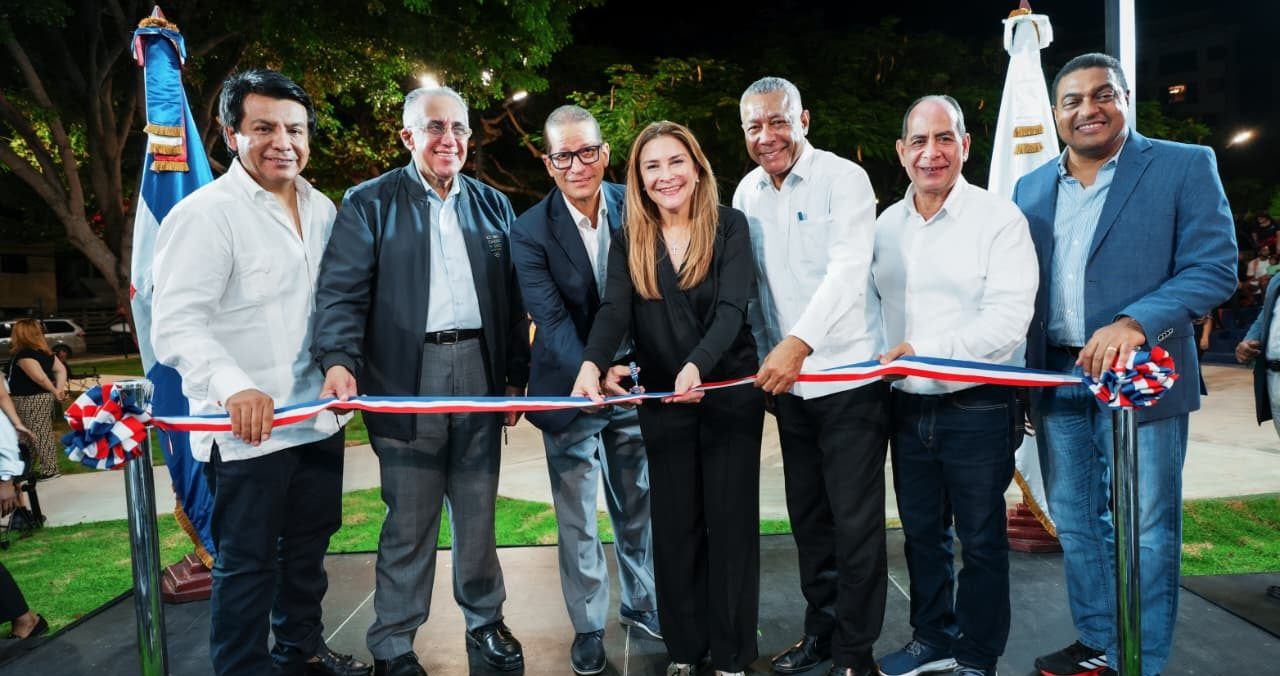
Mayor Carolina Mejía inaugurates Taíno Park dedicated to Santo Domingo 2026 Games
Santo Domingo witnessed a significant milestone on Tuesday as Carolina Mejía, Mayor of the National District, officially opened the newly transformed Taíno Park in Los Cacicazgos. This revitalized public space, designed to honor the XXV Central American and Caribbean Games set for 2026, has been reimagined from a basic green area into a multifunctional community hub. The park now boasts an outdoor gym, a children’s playground, a dedicated dog park, walking paths, an amphitheater for cultural events, energy-efficient LED lighting, and a commemorative sculpture celebrating José Martí, Máximo Gómez, and Chief Hatuey—iconic figures symbolizing freedom and unity across the Antilles.
-
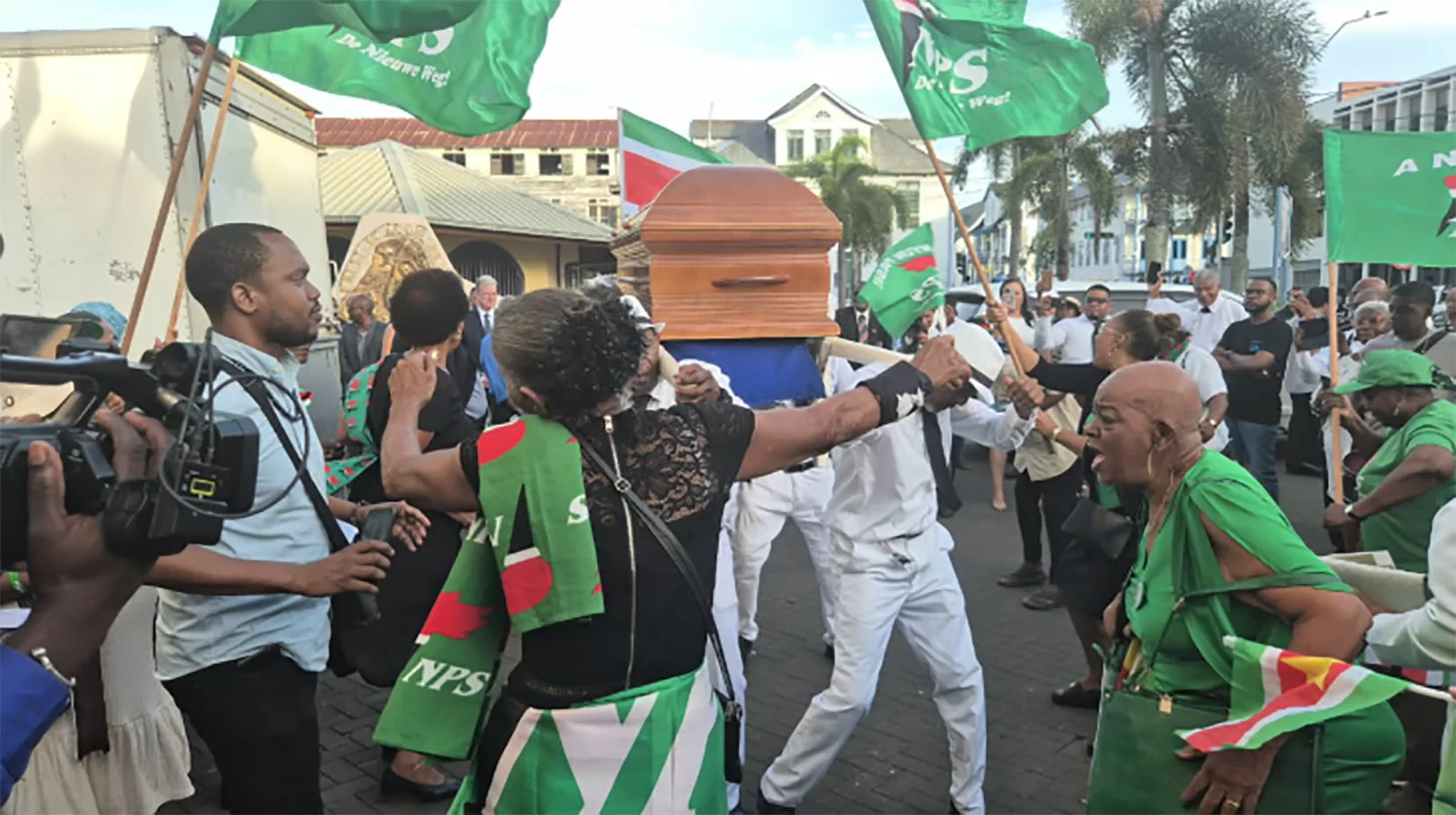
Suriname neemt afscheid van Venetiaan: Als RRV gekomen als RRV vertrokken
In a deeply emotional ceremony held at the crowded Cathedral Basilica, family, friends, politicians, foreign dignitaries, members of the National Party of Suriname (NPS), and numerous citizens gathered on Tuesday to bid farewell to former President Runaldo Ronald Venetiaan (RRV). The service was not just a tribute to the statesman but also a heartfelt goodbye to the man, father, and friend he was. The funeral was marked by his own words: ‘As RRV I came, and as RRV I leave,’ a sentiment echoed throughout the basilisk, accompanied by the Surinamese wish, ‘Waka bun, El Vene.’ Although Venetiaan had explicitly requested no state funeral, he was honored with a dignified tribute that reflected his life’s ethos: simplicity, dignity, and sincerity.
Roy Chyamnarain, a close friend and fellow party member, highlighted Venetiaan’s exceptional leadership. ‘What inspired a man passionate about nature, mathematics, guitar playing, and poetry to lead a nation plagued by economic collapse, corruption, crime, and poverty?’ he pondered. ‘It required vision, courage, and above all, unconditional love for his country and people. Despite the odds, he acted on faith, trust, and unwavering principles. With the support of many, he transformed Suriname into a better nation. Today, we honor the man who brought us these blessings.’
Family members painted a warm picture of the man behind the statesman. Children, grandchildren, nieces, and nephews shared personal memories of a caring father figure who was a source of inspiration not only for his immediate family but for the entire extended family. ‘Papa, opa was always there,’ was a recurring theme. Niece and writer Ruth San A Jong recounted her special bond with her uncle, sharing an anecdote about a fire at his house caused by her mother. ‘He never made us feel guilty. When the new house was built, he insisted I place a ‘loto’ (a five-cent coin) in the cement,’ she recalled with emotion.
Son Alvin reminisced about the challenging 1980s when his father was under house arrest. ‘Despite everything, he insisted that the soldiers guarding him were also fed. That’s who he was,’ he said. Father Esteban Kross emphasized that Venetiaan would be remembered not for his titles but for his humanity. ‘God will judge him not by his achievements or honors but by his sincere life. To Him, all people are equal. Ronald Venetiaan was a great man, not just as a president but as a deeply faithful individual, convinced that there is only one right path: that of values and norms.’
In a gesture of solidarity, the Surinamese government declared Wednesday, November 12, a national day of mourning in honor of Venetiaan, expressing condolences to his family and the Surinamese people.
-
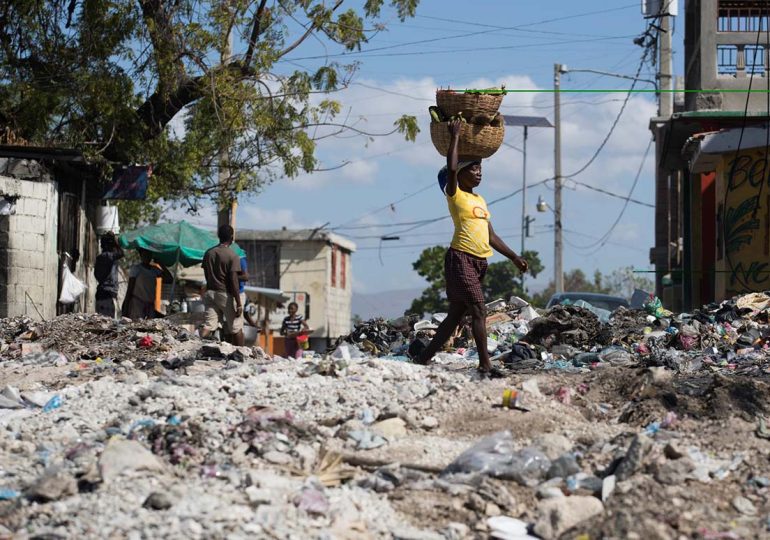
Haiti’s capital suffers major blackouts as power grid collapses
Port-au-Prince, Haiti, is grappling with a severe electricity crisis as widespread sabotage and the prolonged closure of the country’s primary hydroelectric plant have severely disrupted the power supply. The state electricity company, Électricité d’Haïti (EDH), announced on Tuesday that the crisis has been exacerbated by the unscheduled shutdown of the Péligre hydroelectric plant, which has been non-operational since June 17 when five transmission towers were sabotaged. Additionally, the private energy provider E-Power has reduced its output to less than 10 megawatts, only one-third of its usual capacity, due to technical difficulties. The combined impact of these issues has left much of the capital with limited or no electricity. EDH has acknowledged the grid’s instability, attributing it to the Péligre plant’s closure and insufficient generator capacity, which has necessitated drastic power rationing measures. The company has vowed to work ‘tirelessly’ to restore services and has called on citizens to remain patient as repair and logistical efforts continue.
-
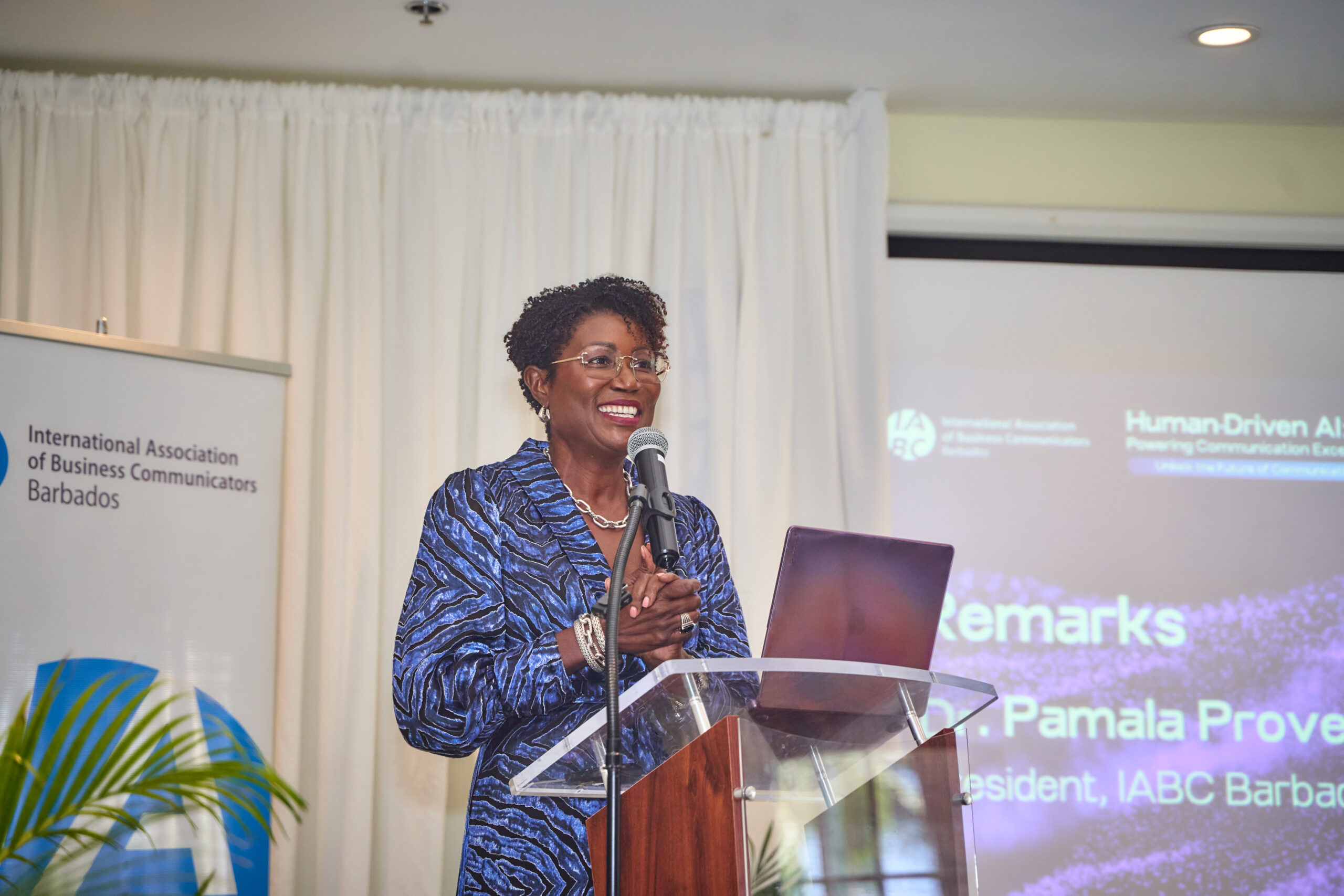
Communicators risk being left behind by rapid AI changes – IABC president
The rapid progression of artificial intelligence (AI) poses a significant threat to communications professionals, who risk being marginalized unless they enhance their professional standards and unify their collective voice, warned Dr. Pamala Proverbs, President of the International Association of Business Communicators (IABC) Barbados Chapter. Speaking at a workshop titled *Human-Driven AI: Powering Communication Excellence*, Dr. Proverbs highlighted the critical challenges facing the industry.
-

Operations resumed after smoke forced evacuation at Las Américas Airport
Las Américas International Airport (AILA) in Santo Domingo experienced a brief disruption on Tuesday afternoon, November 11, when smoke was detected in the arrivals corridor of Terminal B. The incident prompted an immediate evacuation of passengers and staff as a precautionary measure. Emergency teams swiftly responded to the situation, identifying the source of the smoke as a malfunctioning lamp within an air conditioning unit. The smoke had circulated through the airport’s ventilation system, causing concern among travelers and personnel. Authorities confirmed that no fire had occurred, and there were no injuries or material damages reported. Once the issue was resolved, normal operations resumed without delays or disruptions to domestic or international flights. Aeropuertos Dominicanos Siglo XXI (Aerodom), the airport’s operator, reiterated its commitment to passenger safety and commended the rapid response of its emergency teams. The incident highlighted the importance of robust safety protocols in maintaining smooth airport operations.