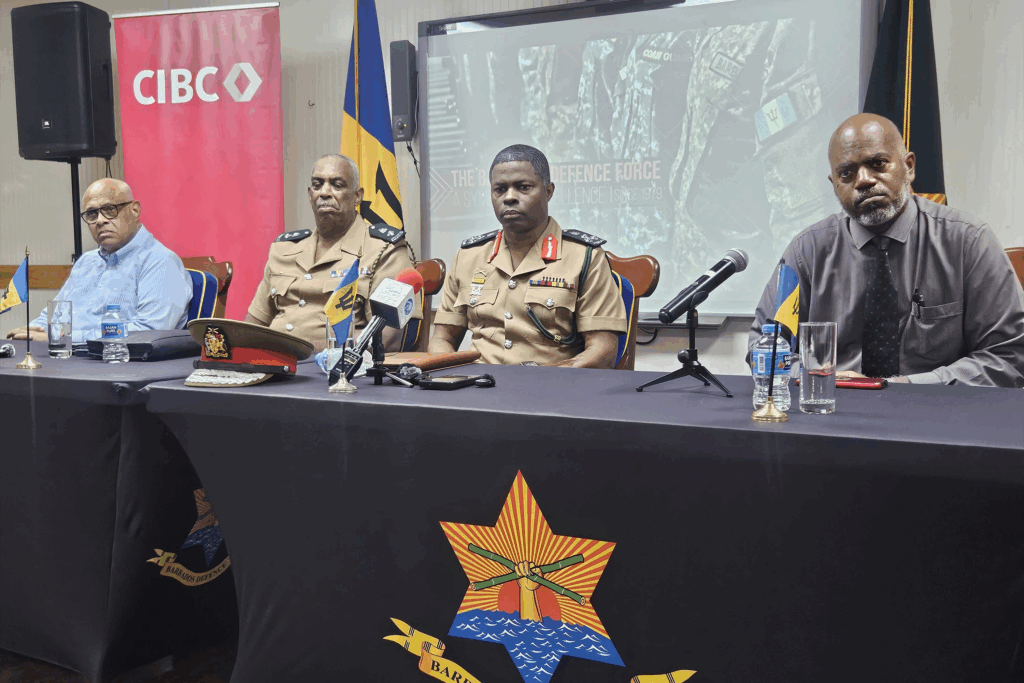
In a historic demonstration of Caribbean solidarity, Barbados has initiated a humanitarian mission to assist Jamaica in the aftermath of Hurricane Melissa. The Barbados Defence Force (BDF) announced the deployment of a field medical hospital, marking the first time the World Health Organisation-accredited Emergency Medical Team has been mobilized internationally following a severe weather event. The mission, dubbed ‘Operation Helping Hands,’ was approved by Prime Minister Mia Mottley and involves military personnel and medical volunteers providing emergency healthcare in Jamaica’s hardest-hit western region, particularly around Savanna-la-Mar Public General Hospital. The deployment, which begins next Tuesday, will last one month and include two rotations of approximately 70 personnel each, totaling around 140 to 150 participants. The BDF’s Type 2 field hospital requires 70 medical and logistical staff to operate, with 48 already mobilized and the remaining 22 expected to be filled through regional support from the Caribbean Disaster Emergency Management Agency (CDEMA) and the Jamaica Defence Force. Medical Liaison Officer Major David Clarke highlighted the coordination with regional health ministries and organizations, while acknowledging logistical challenges, including the need for special licences for medical supplies. Deputy Chief Medical Officer Dr. Arthur Phillips assured that essential health services in Barbados would remain unaffected. The mission underscores the importance of regional logistics and volunteerism, with Brigadier Carlos Lovell emphasizing the need for greater medical professional participation. CIBC FirstCaribbean Bank has also contributed $1 million to the relief effort, with half allocated to support the field hospital initiative.
作者: admin
-
Official Administrator Appointed for Global Bank of Commerce
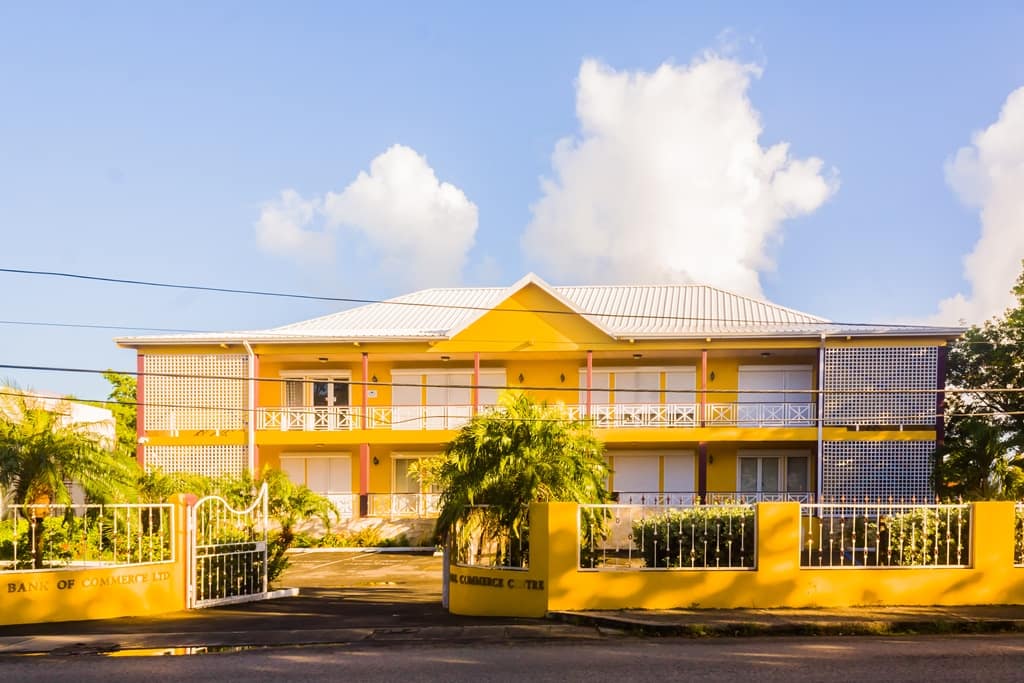
In a significant regulatory move, the Financial Services Regulatory Commission (FSRC) has appointed an Official Administrator to oversee the operations of the Global Bank of Commerce Limited. This action was taken under Section 104 of the International Banking Act, 2016 (No. 6 of 16 as amended), and became effective on November 10, 2025, as confirmed in a notice issued on November 12. The appointed Official Administrator has assumed full control, taking over “all of the duties and powers previously vested and discharged by the directors of the Bank.” The administrator’s role includes exercising, performing, and discharging all statutory powers, duties, and liabilities of the institution in accordance with the law for a limited period. The primary objective of this appointment is to conduct a thorough review of the bank’s financial position and present a detailed report to the FSRC. Despite the intervention, the bank has assured stakeholders that it “will continue to operate as normal.” Customers, creditors, and other stakeholders will be contacted to discuss the status of their obligations and confirm that all existing arrangements remain intact. The official communication was issued under the Global Bank of Commerce letterhead and signed by the Official Administrator, who has been designated “without personal liability.”
-
Central Bank of Barbados warns public of fraudulent website
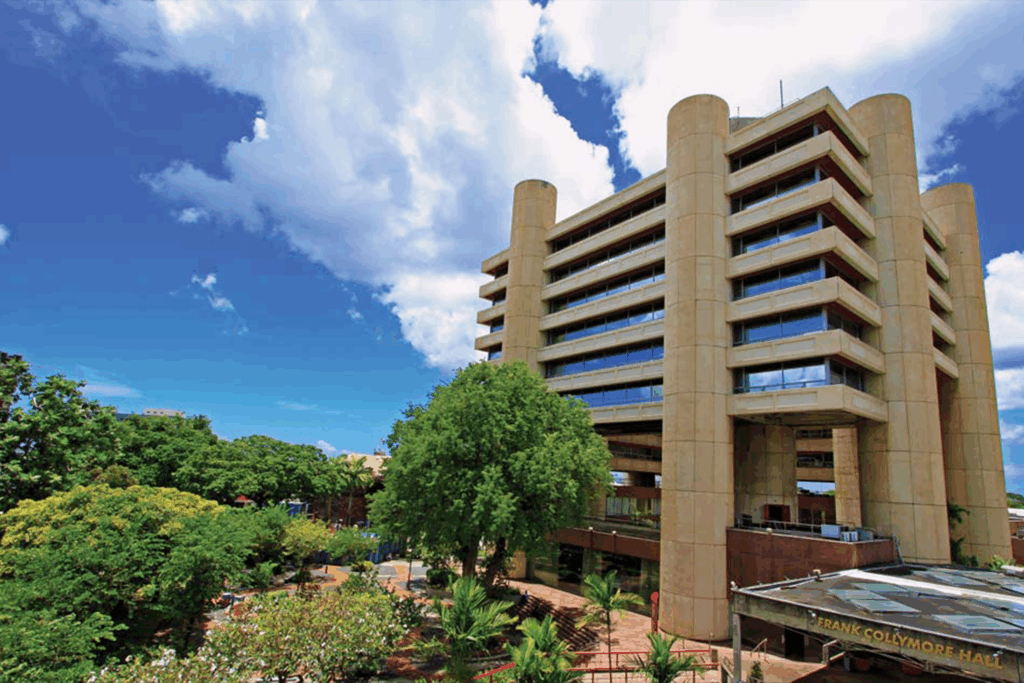
The Central Bank of Barbados (CBB) has issued a public alert regarding a deceptive website, bimpayer.pro, which is fraudulently using a logo resembling that of the Bank to solicit payments from individuals. This site is a calculated effort to mislead the public and engage in illicit activities. The CBB strongly advises individuals to avoid visiting or making payments through this platform and to refrain from sharing any personal or financial details. It is crucial to note that the Central Bank does not solicit money or payments from the public. The official website for the national instant payment system is www.bimpay.bb, which can also be accessed via the Bank’s primary website, www.centralbank.org.bb. Any other site claiming association with the Central Bank or BiMPay should be approached with utmost caution. Individuals who have already made payments or shared information through bimpayer.pro are urged to report the incident promptly to the Barbados Police Service and to seek guidance from the Central Bank’s Corporate Communications Unit.
-

Coroner Opens Inquest into Death of Shenika Baptiste
The Office of the Coroner has initiated an inquest into the untimely demise of 25-year-old Shenika Baptiste, who passed away shortly after delivering her child at the Sir Lester Bird Medical Centre. Coroner Dexter Wason commenced the proceedings at 8:15 a.m. on Tuesday at Barnes Funeral Home. A close family member formally identified the body in the presence of a seven-member jury before the session was adjourned indefinitely, awaiting further details. Senior officials from the Royal Police Force have been informed and are actively involved in the ongoing investigation. Baptiste, admitted for a routine Caesarean section, reportedly died soon after being moved to the Intensive Care Unit. Her grieving family is calling for accountability and contemplating legal measures to uncover the truth behind her sudden death.
-

Seaforth Wins IFBB Masters World Title in Malta
Melissa Seaforth, a celebrated IFBB Pro Bikini Fitness athlete and ambassador from Antigua, has triumphed at the IFBB Pro Masters World Championships in Malta, clinching the Masters Bikini title. This victory marks a significant addition to her already impressive 2025 season. Seaforth, who recently garnered gold in the Bikini Pro Masters Division and silver in the Bikini Pro Open Division at the IFBB Pro Grand Gala in Italy, described the win as an emotional and career-defining moment. “Winning a World Championship title at the Masters level is a tremendous honor,” she remarked. “It’s not only a historic achievement for Antigua and Barbuda but also a pivotal milestone in my professional bodybuilding journey.” Seaforth outperformed competitors from Russia, Spain, and Poland, securing her place at the top. Her next challenge will be at the IFBB Pro Bikini Fitness World Championships in Spain, where she will make her sixth consecutive appearance. With a bronze medal from the IFBB Grand Prix PEPA PRO in the Czech Republic on October 25, Seaforth is also a strong contender for Antigua and Barbuda’s Sportswoman of the Year.
-
OPINION: 90 Days Fix for VCBIA Impossible.
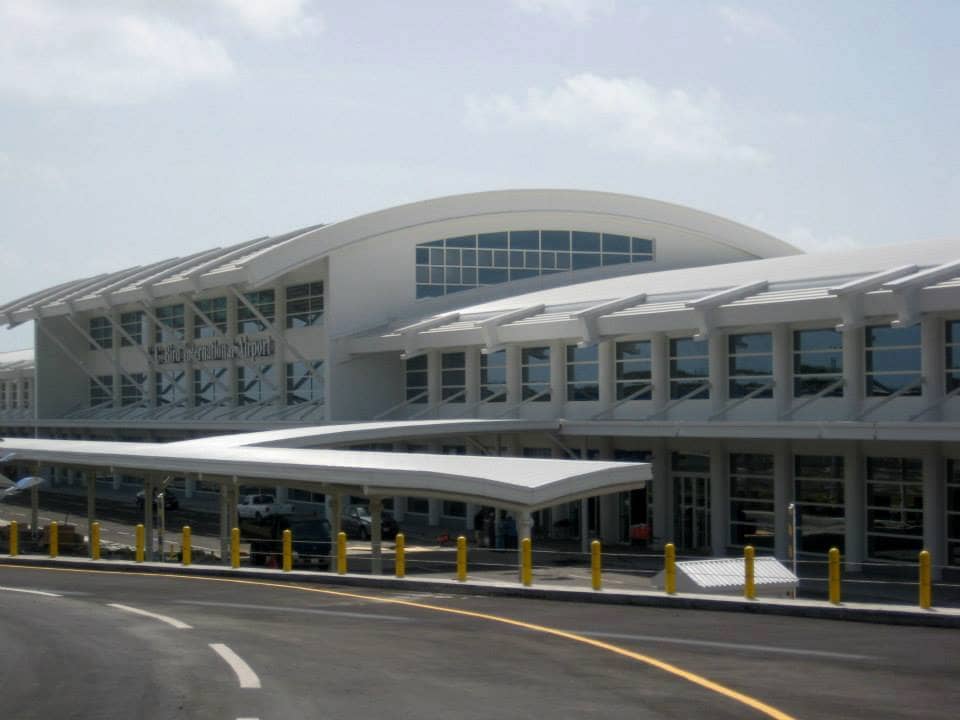
Antigua’s primary airport has been in a state of disarray since 2019, following a breakdown in relations within the Antigua and Barbuda Airport Authority (ABAA) and the abrupt departure of three successive CEOs. Attempts to fill the leadership void with accounting-trained personnel and other mismatched candidates proved futile, leaving the position vacant and the aviation hub in chaos. Over the past five years, seasoned aviators have witnessed a stark decline in standards, marked by the abandonment of rules, regulations, and transparency—the foundational pillars of aviation. Personal opinions have overshadowed International Civil Aviation Organization (ICAO) guidelines, and deteriorating relationships with stakeholders have replaced civility with disrespect in airport operations. The government, in a desperate bid to restore order, has struggled to find competent management, often appointing junior, unqualified officers to roles beyond their expertise. Regional efforts have also failed, exacerbating the chaos in this rule-oriented industry. The loss of Category 1 classification for Antigua and the Organization of Eastern Caribbean States (OECS), coupled with the looming ICAO Audit in 2026, has forced the government to seek international assistance. An Antiguan-owned company based in Atlanta, renowned in the global aviation sector, has been engaged for a 90-day contract. Its president, a respected figure with extensive experience in the Caribbean and Latin America, has taken on the role of Interim CEO. However, given the magnitude of the crisis, 90 days is widely regarded as insufficient to address the deep-rooted issues. The government’s approach, driven by sovereignty rather than integrity, has raised questions about the feasibility of this short-term solution. The interim CEO, known for his patriotism, faces an uphill battle against time, further complicated by the government’s lack of respect for both his capabilities and the ABAA. The challenges at V.C. Bird International Airport (VCBIA) cannot be resolved in such a limited timeframe, underscoring the need for a more sustainable and strategic approach.
-
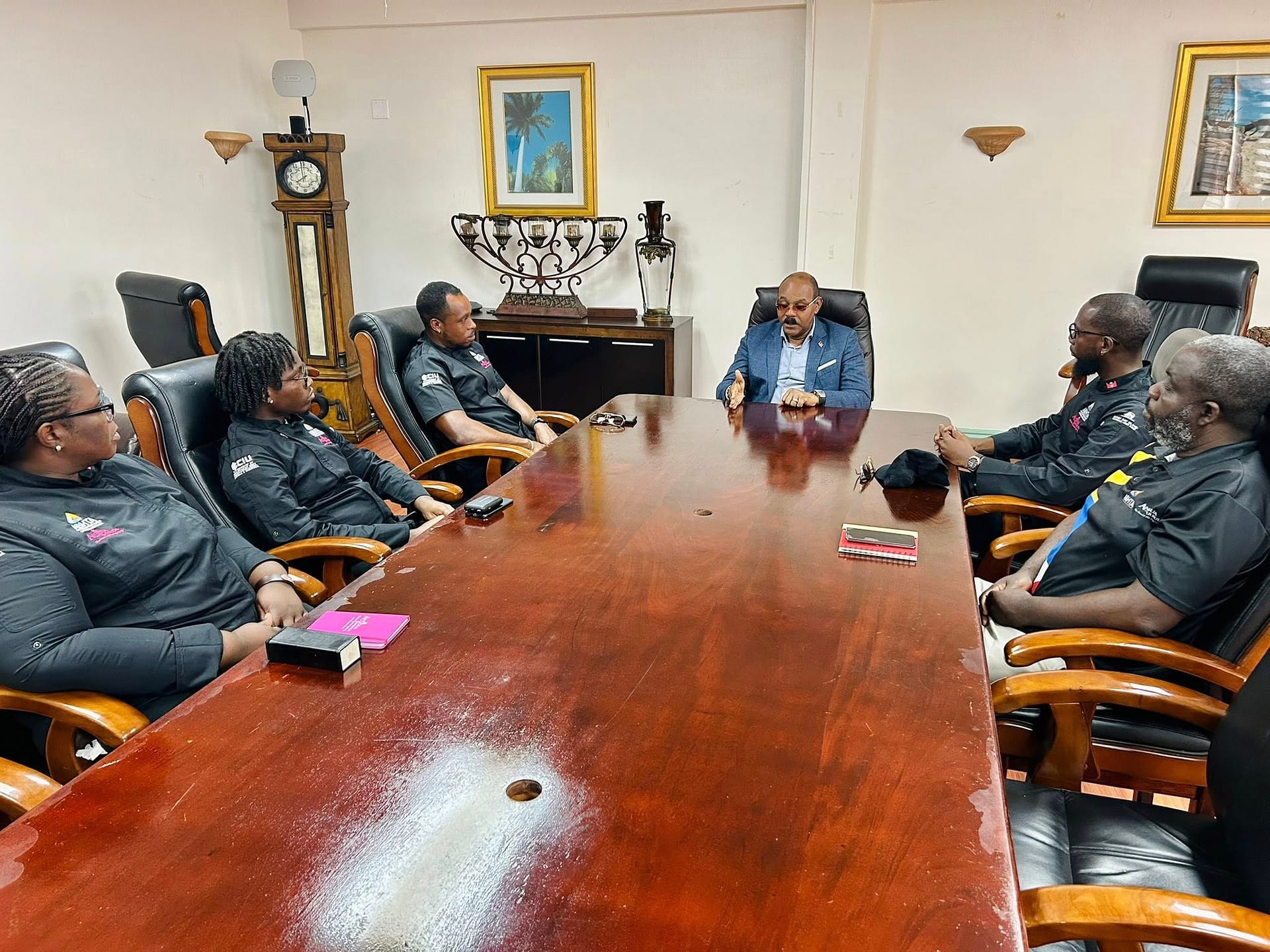
Prime Minister Meets National Culinary Team Ahead of Taste of the Caribbean
In a gesture of national pride and encouragement, Prime Minister Gaston Browne of Antigua and Barbuda met with the country’s National Culinary Team ahead of their participation in the prestigious Taste of the Caribbean competition. The event, set to take place from June 16 to 18 in Barbados, will bring together the region’s finest culinary talents. During the courtesy visit, described as both inspiring and honorable, Prime Minister Browne lauded the team’s dedication and urged them to showcase Antigua and Barbuda’s excellence and creativity on the regional stage. The team, organized under the Antigua and Barbuda Hotels and Tourism Association (ABHTA), aims to highlight the nation’s hospitality and culinary prowess. The ABHTA expressed deep appreciation for the Prime Minister’s motivational words, emphasizing that his support has bolstered the team’s determination to secure top honors and bring pride to their homeland.
-
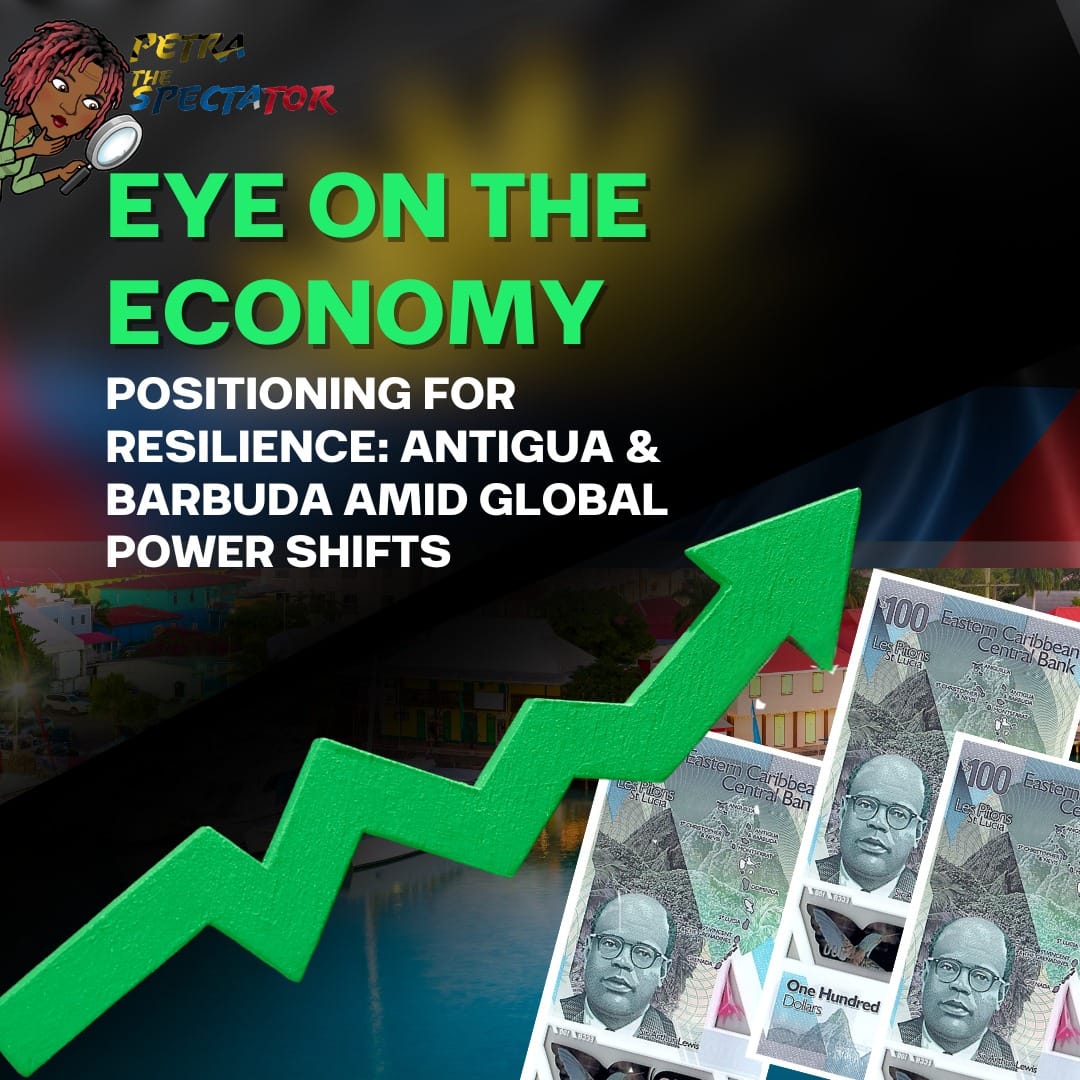
COMMENTARY: Eye on The Economy – Resilient Future
In an era marked by unprecedented global challenges, the concept of economic resilience has emerged as a cornerstone for sustainable development. The recent commentary titled ‘Eye on The Economy – Resilient Future’ delves into the critical strategies required to fortify economies against future uncertainties. The analysis underscores the importance of diversifying economic sectors, investing in innovation, and fostering robust public-private partnerships. By leveraging technological advancements and prioritizing green initiatives, nations can mitigate risks associated with climate change and geopolitical instability. Furthermore, the commentary highlights the role of adaptive policies in ensuring long-term economic stability. As the world navigates through complex economic landscapes, the emphasis on resilience is not merely a precautionary measure but a strategic imperative for fostering inclusive growth and prosperity.
-
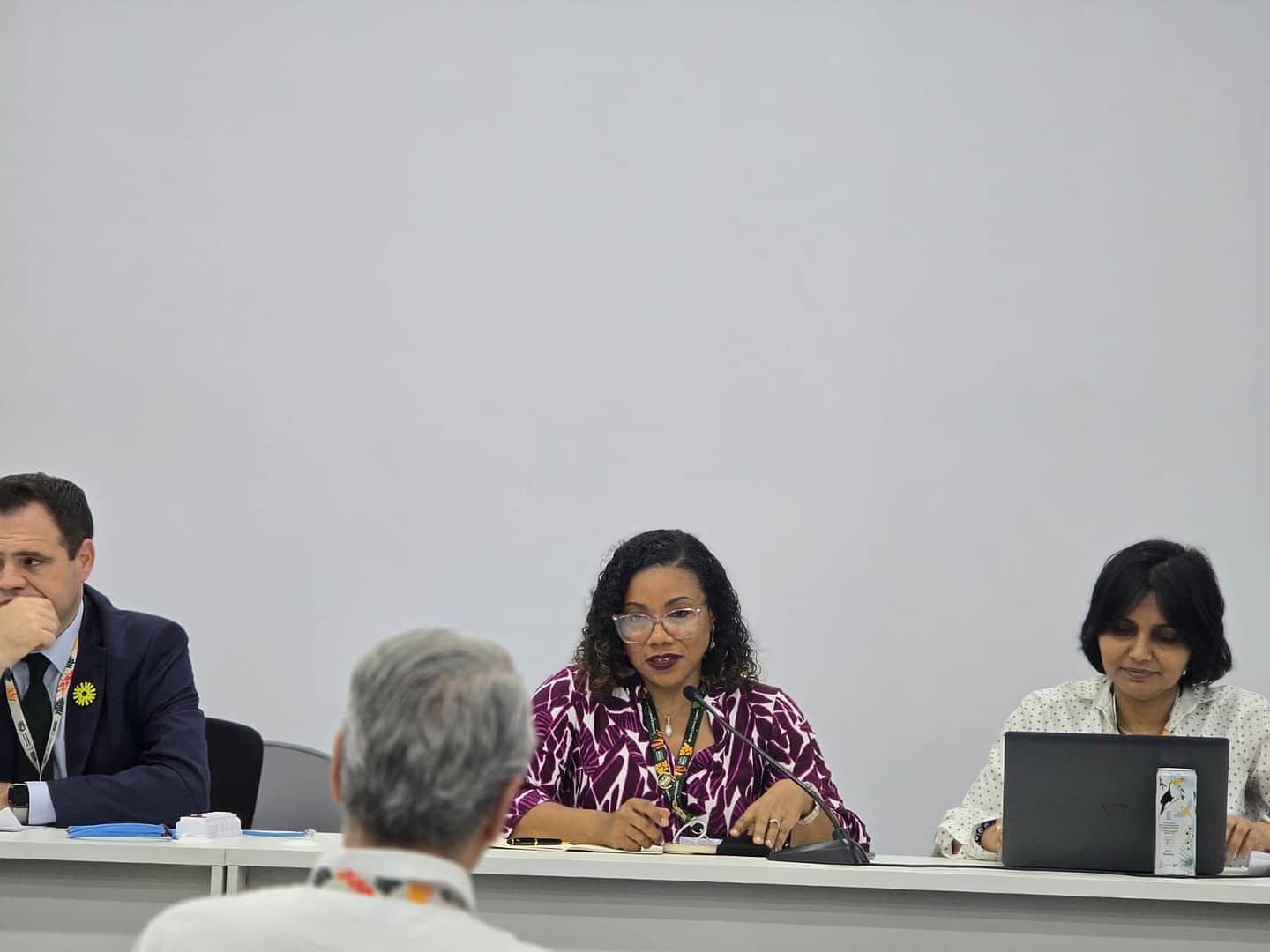
Antigua and Barbuda represented at High-Level side event at COP30 in Brazil
At the COP30 summit in Belém, Brazil, Her Excellency Ruleta Camacho Thomas, Ambassador for Climate Change for Antigua and Barbuda, delivered a compelling address during a high-level side event titled ‘Building Climate Resilience through Debt Reform, Infrastructure Investment, and Private Sector Action.’ Representing the Government of Antigua and Barbuda, Ambassador Camacho Thomas emphasized the urgent need for systemic financial reforms to empower Small Island Developing States (SIDS) in achieving climate-resilient prosperity.
Ambassador Camacho Thomas underscored the existential threat posed by debt to SIDS, stating, ‘Debt is not a technical issue but an existential one for small island nations.’ Despite contributing less than one percent of global emissions, these nations are among the most vulnerable to climate impacts. ‘Every storm, hurricane, or drought forces us deeper into debt as we rebuild what climate disasters destroy,’ she explained. This cycle of debt and disaster has left over 40 percent of SIDS in or near debt distress, with many spending more on debt servicing than on essential sectors like health, education, or climate adaptation.
The Ambassador highlighted the Antigua and Barbuda Agenda for SIDS (ABAS), a 10-year development strategy adopted by SIDS, which outlines a comprehensive framework to align debt reform, resilience, and sustainable growth. A cornerstone of ABAS is the Debt Sustainability Support Service (DSSS), a pillar of the Centre of Excellence for SIDS. The DSSS integrates debt reform, climate resilience, and access to finance, offering tools such as debt swaps, restructuring, and climate-contingent clauses to create fiscal space during disasters. It also promotes risk-layered protection systems through insurance and reserves, while channeling savings from debt relief into resilient infrastructure and climate-aligned growth.
Ambassador Camacho Thomas clarified that the DSSS is not a fund but a coordination mechanism connecting existing tools, institutions, and financial flows. ‘It transforms how the financial system treats vulnerable economies, ensuring financial flows align with climate-resilient development,’ she said. She stressed that debt sustainability and climate resilience are inseparable, and reforms like the DSSS are vital for SIDS to achieve resilient prosperity.
Antigua and Barbuda is collaborating with SIDS, Least Developed Countries (LDCs), and fragile states to operationalize the DSSS, providing technical expertise, supporting fairer negotiations, and ensuring debt relief translates into tangible resilience investments. Ambassador Camacho Thomas called on development banks, donors, rating agencies, and private investors to prioritize climate finance for debt and resilience reform. ‘Resilience begins with fiscal and financial stability,’ she concluded. ‘The DSSS aligns debt reform with the fight for climate justice. For small islands, this is about survival, dignity, and the right to a sustainable future—achieved through fairness and reform, not charity.’
-

COP30: Inheemsen protesteren..’Ons land is niet te koop’
Indigenous demonstrators clashed with security forces outside the venue of the COP30 United Nations climate conference in Belem, Brazil, demanding urgent climate action and forest protection. The protesters attempted to breach the UN compound on Tuesday, where thousands of international delegates had gathered for the climate talks. Many carried flags advocating for land rights and signs with messages such as ‘Our land is not for sale.’
Nato, a leader from the Tupinamba Indigenous community, emphasized the protesters’ demands, stating, ‘Money is not edible. We want our land free from agriculture, oil exploration, illegal mining, and logging.’ Security personnel pushed back the demonstrators, barricading the entrance with tables. Witnesses reported that a guard in a wheelchair was evacuated while clutching his stomach, and another guard sustained a cut above his eye after being struck by a heavy drumstick thrown from the crowd. Security confiscated several heavy sticks from the protesters.
Maria Clara, a demonstrator from the Rede Sustentabilidade Bahia association, highlighted the plight of Indigenous peoples, saying, ‘These voices are being ignored.’ The confrontation ended as the protesters, part of a larger march of hundreds, dispersed. Security later allowed delegates to leave after initially instructing them to remain indoors until the area was secured.
A spokesperson issued a statement confirming the incident: ‘Earlier this evening, a group of protesters breached security barriers at the main entrance of COP, resulting in minor injuries to two guards and slight damage to the venue. Brazilian and UN security personnel implemented protective measures in accordance with established protocols. Authorities are investigating the incident, and the venue is fully secured. COP negotiations continue.’
João Santiago, a professor at the Federal University of Para, noted that the Indigenous movement sought to voice its demands within the ‘blue zone’ but was denied access. Brazilian President Luiz Inacio Lula da Silva has emphasized the importance of Indigenous communities in this year’s COP30 negotiations. Earlier this week, dozens of Indigenous leaders arrived by boat to participate in the talks and advocate for greater involvement in forest management.
In an interview with Reuters, respected Indigenous leader Raoni Metuktire, also known as Chief Raoni, expressed frustration over ongoing industrial and development projects in the Amazon. He called on Brazil to support Indigenous efforts to preserve the rainforest.