作者: admin

  • Exclusive: Two Mile Hill fire survivor recalls bravery, loss

    Exclusive: Two Mile Hill fire survivor recalls bravery, loss

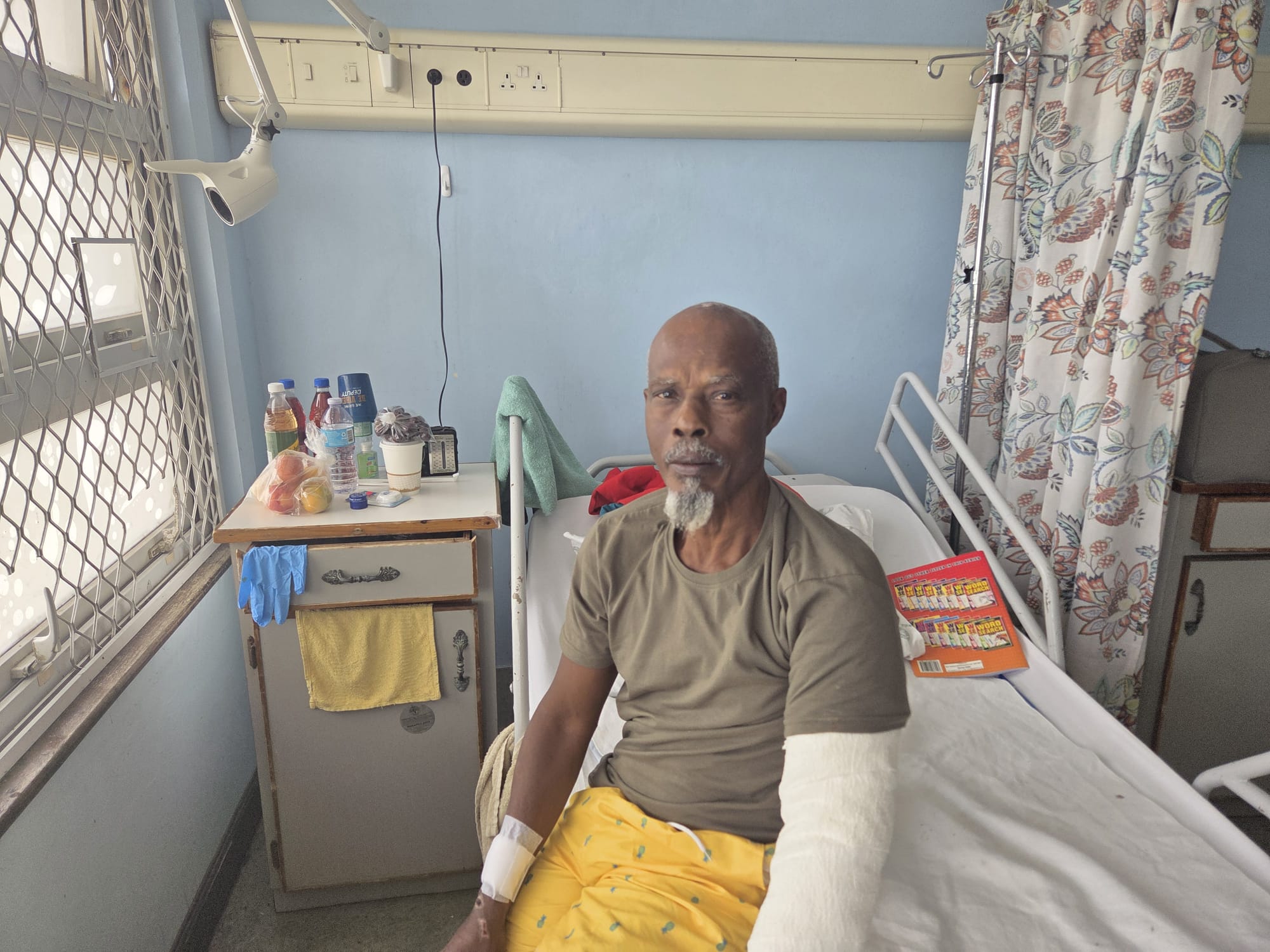
    A devastating house fire in the Bishop’s Land community of Barbados has revealed both profound tragedy and extraordinary human courage. Anderson Browne, a local artist and sculptor, risked his life in a valiant attempt to save his 98-year-old lifelong friend, Noel Marshall, from a raging blaze on Wednesday, March 4.

    The incident unfolded during a quiet afternoon while Browne was watching cricket and preparing a meal for his elderly neighbor. The tranquility shattered when his wife’s screams alerted him to the inferno consuming Marshall’s home. Despite suffering from a chronic hip condition that normally impedes his mobility, Browne rushed toward the flames barefoot, without even grabbing his keys.

    With inexplicable strength, Browne tore the entire front door from its hinges and plunged into the smoke-filled structure. Through suffocating black smoke and intense heat, he located Marshall trapped within the burning building. In a selfless act of protection, Browne used his own body as a shield against falling embers and scorching temperatures to reach his friend.

    Browne managed to drag Marshall to safety through the back door and a fence, sustaining significant burns in the process. Tragically, Marshall succumbed to his injuries days later in hospital, with burns covering over 50 percent of his body.

    In an exclusive interview with Barbados TODAY, Browne reflected on the mixed emotions of survival and loss. ‘Right now, from my heart, I feel good and bad,’ he stated. ‘Good in a way to see how the Lord still brought me through alive, and bad because the gentleman didn’t make it.’

    The two men shared a 40-year friendship, with Marshall described as a ‘genuinely nice person’ and community pillar. Browne’s motivation was simple: ‘I must get this gentleman out of here… even if it caused me to be in danger.’

    Though now hailed as a national hero, Browne carries quiet regret, wishing he could have done more. He hopes his experience will serve as a wake-up call for how Barbadian society treats its elderly population, urging greater attention and care for senior citizens.

    As Browne continues recovering from his injuries, supported by his wife Julia and his faith, his story stands as a testament to the power of human connection and the enduring bonds of friendship that not even fire can destroy.

  • Hiv-besmettingen in Caribisch gebied blijven hoog: 15.000 nieuwe gevallen per jaar

    Hiv-besmettingen in Caribisch gebied blijven hoog: 15.000 nieuwe gevallen per jaar

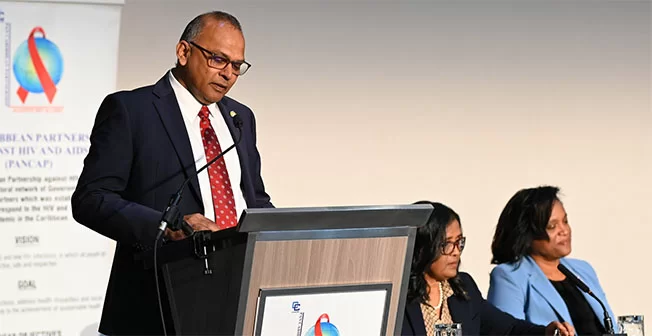
    The Caribbean region continues to face alarming HIV infection rates with approximately 15,000 new cases emerging annually, one-quarter affecting youth aged 15-24, according to Guyana’s Health Minister Dr. Frank Anthony. The warning came during Thursday’s opening of the tenth regional meeting of HIV program managers and partners in Trinidad and Tobago, where stakeholders convened to evaluate progress and develop new strategies.

    Minister Anthony emphasized the urgent need to accelerate HIV prevention initiatives and expand access to innovative treatments, particularly highlighting long-acting injectable medications like lenacapavir that may provide protection with just two annual administrations. He stressed that affordable and equitable access to such medical innovations remains essential for epidemic control.

    The health official simultaneously cautioned against diminishing international funding, which directly threatens prevention programs across the region. Anthony advocated for strengthened regional collaboration to negotiate better medication access and secure sustainable financing.

    Citing UNAIDS data, Anthony warned that significant reductions in prevention services could trigger nearly four million additional HIV infections globally within the next five years.

    Despite these challenges, the minister highlighted substantial progress: AIDS-related mortality in the Caribbean has plummeted by over 60% since 2010—the most dramatic decline recorded worldwide. This achievement stems from targeted treatment investments and collaborative efforts between governments and healthcare professionals.

    Anthony expressed profound appreciation for physicians, nurses, and health workers who have dedicated decades to combating HIV/AIDS, noting their contributions have not only saved lives but also established stronger healthcare systems throughout the region.

    The minister concluded by urging embrace of innovation, enhanced prevention measures, and centered focus on vulnerable populations. While acknowledging the Caribbean now possesses the knowledge and resources to end AIDS, he emphasized that political will and sustained commitment remain critical components for ultimate success.

  • Education : USD$13M to improve access to quality education

    Education : USD$13M to improve access to quality education

    The Caribbean Development Bank (CDB) has partnered with the Haitian government to launch a transformative educational initiative, the Quality Enhancement in Public Education II (QEPE II) Project. This $13 million grant-funded program represents a significant investment in Haiti’s future, targeting improved educational access and quality learning outcomes, particularly for children from impoverished and vulnerable communities.

    The comprehensive project builds upon the success of its predecessor with an expanded scope of interventions. Approximately 16,000 students and 700 educators will receive direct support through multiple channels including school nutrition programs, tuition waivers, gender-responsive support initiatives, and enhanced Information and Communication Technology equipment. The project will also facilitate professional development for teachers and school administrators while upgrading e-learning platforms for secondary students to ensure educational continuity during socio-political disruptions.

    Dr. Martin Baptiste, Division Chief of CDB’s Social Sector Division, emphasized the strategic importance of this investment, stating: “Education remains one of the most powerful tools for resilience, social stability, and long-term development. QEPE II represents a critical investment in Haiti’s future, ensuring children across all circumstances have access to safe, supportive, and high-quality learning environments.”

    Yves Roblin, Director General of Haiti’s Ministry of National Education and Vocational Training, welcomed the timely intervention, noting that the partnership strengthens institutional capacity and improves classroom resources nationwide. The project directly supports Haiti’s Decennial Education Sector Plan (2022-2032) and aligns with CDB’s Country Engagement Strategy, which identifies human capital development as a central pillar for sustainable growth.

    This initiative advances multiple development objectives including poverty reduction, gender equality, and inclusive development while reinforcing the Bank’s commitment to Haiti’s long-term educational transformation.

  • Government moves to curb sargassum impact on tourism at Council of Ministers

    Government moves to curb sargassum impact on tourism at Council of Ministers

    SANTO DOMINGO – In a decisive move to protect its vital tourism economy, the Dominican Republic government has unveiled a dual strategy addressing environmental challenges and workforce development. The initiatives received formal approval during the extended 56th Council of Ministers session, presided over by President Luis Abinader and Vice President Raquel Peña.

    The cornerstone environmental measure is the establishment of a new regulatory framework for sargassum management. This comprehensive policy sets forth official protocols for the collection, disposal, and potential commercial reuse of the invasive seaweed. The directive is designed to mitigate the ecological damage inflicted on coastal ecosystems and shorelines, thereby preserving the natural appeal that is fundamental to the nation’s tourism appeal. The persistent sargassum influx has long threatened beach quality and marine health, posing a significant risk to a sector that serves as a primary engine for job creation and foreign revenue.

    Concurrently, the administration is launching an ambitious workforce enhancement program tailored to the hospitality industry. This educational initiative will develop specialized technical and vocational training curricula in high-demand fields such as hotel administration, gastronomy, and tourism services. The objective is to elevate the overall caliber of service delivery, ensuring the local workforce is equipped with cutting-edge skills to enhance the country’s competitive standing in the global tourism market.

    The high-level meeting, which extended over three hours, also featured a progress assessment of the broader national development blueprint, Meta RD 2036. This strategic plan aims to fundamentally reshape the nation’s productive infrastructure and accelerate sustainable economic expansion. Collectively, these actions underscore a cohesive governmental commitment to fostering economic resilience through targeted environmental stewardship and strategic human capital investment.

  • Guatemala is Cleared to Intervene in Sapodilla Cayes Dispute

    Guatemala is Cleared to Intervene in Sapodilla Cayes Dispute

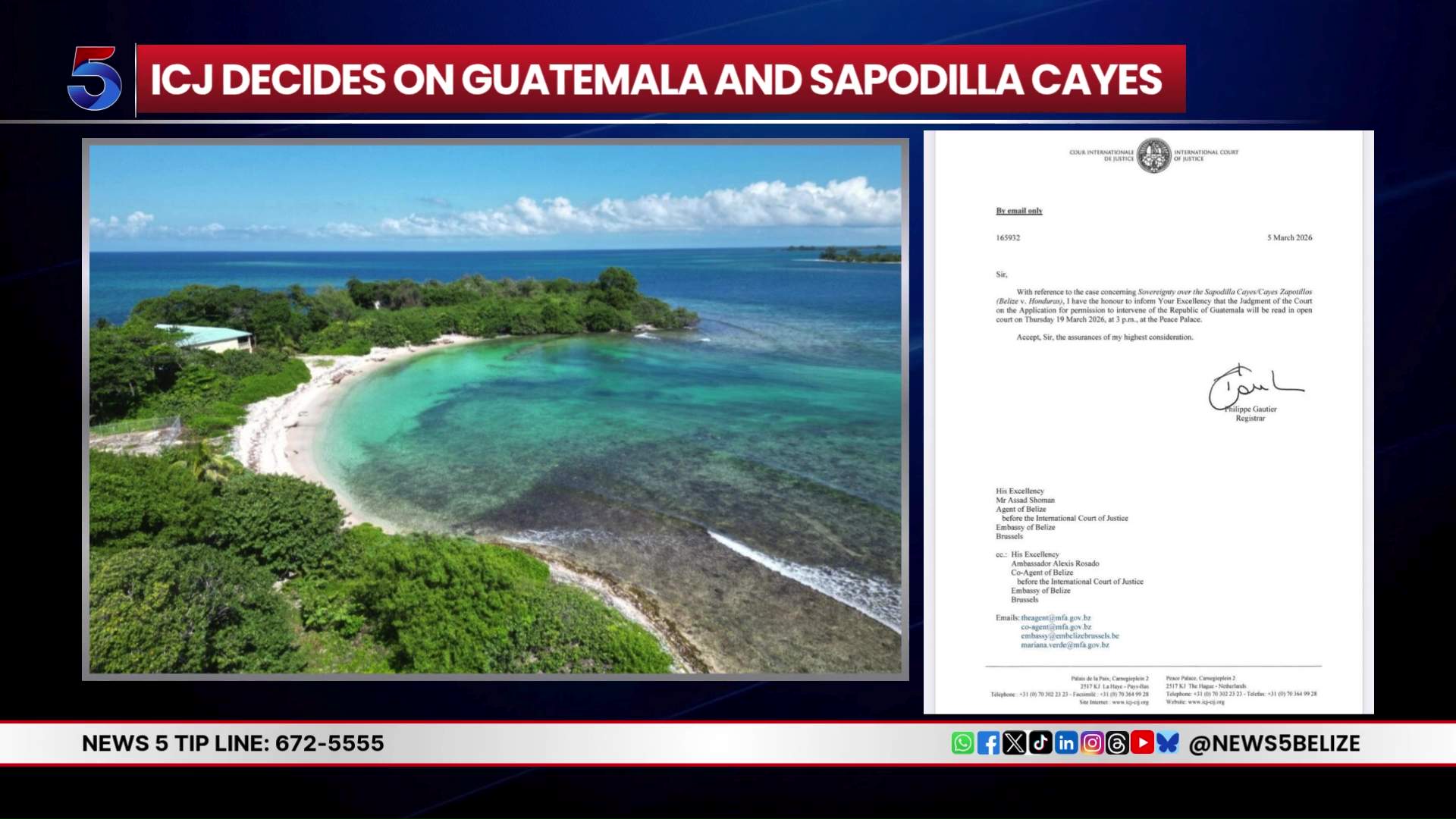
    The International Court of Justice (ICJ) has introduced a significant development in the protracted territorial dispute over the Sapodilla Cayes, authorizing Guatemala’s formal intervention in proceedings between Belize and Honduras. Delivered on March 19, 2026, the unanimous ruling establishes that Guatemala possesses a “real and concrete” legal interest in the outcome, given the islands’ overlap with claims previously submitted to the court in Guatemala’s separate 2019 case against Belize.

    Presiding Judge Iwasawa Yuji articulated the court’s position, stating Guatemala satisfied all requirements under Article 62 of the ICJ Statute. The court rejected Honduras’ objections that characterized Guatemala’s participation as an abuse of process. The intervention, however, carries defined limitations: Guatemala will participate as a non-party with speaking rights restricted exclusively to the sovereignty question over the Sapodilla Cayes (Cayos Zapotillos) and associated fishing rights in adjacent waters.

    This judicial development transforms the bilateral dispute into a triangular geopolitical confrontation involving three Central American nations. Unlike maritime boundary adjustments that can circumvent third-party interests, this case necessitates a definitive sovereignty determination over physically contested territory.

    Belize’s government responded with measured composure. Foreign Minister Francis Fonseca characterized the development as strategically advantageous, revealing Belize had raised no objections to Guatemala’s intervention. The Briceño administration perceives this as a strategic opportunity to comprehensively resolve all outstanding territorial claims simultaneously. Fonseca emphasized this approach aligns with Belize’s submissions requesting concurrent resolution of both the Honduran and Guatemalan territorial matters, ultimately serving Belize’s national interest in achieving permanent border definition.

  • Fonseca Shoots Down Budna Prisoner Swap

    Fonseca Shoots Down Budna Prisoner Swap

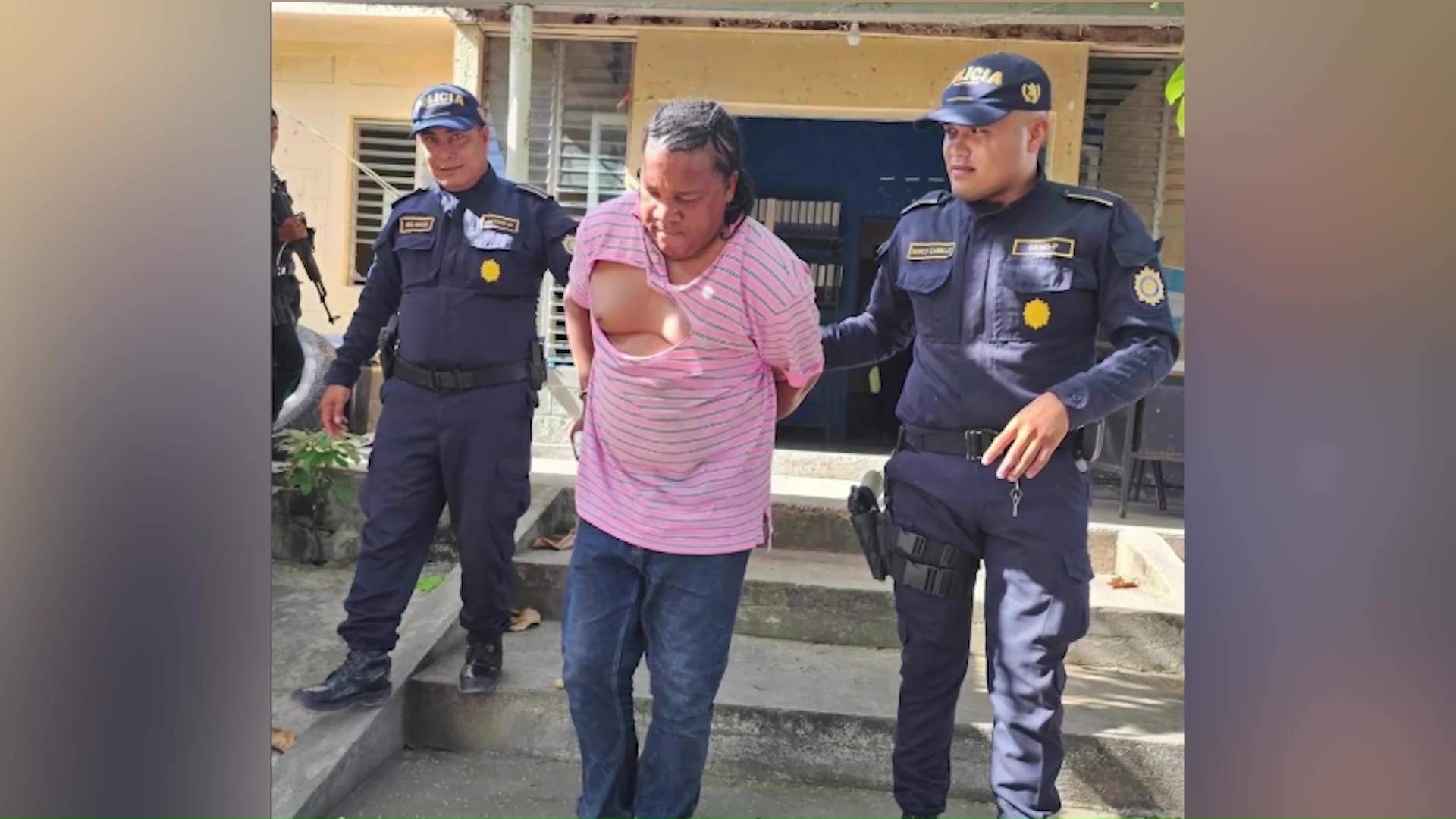
    A proposal by Belizean Prime Minister John Briceño to potentially exchange prisoners with Guatemala has encountered significant diplomatic and legal obstacles, according to official statements from Foreign Minister Francis Fonseca. The initiative, which aimed to secure the release of imprisoned Belizean national Joseph Budna, lacks the necessary framework between the two neighboring nations.

    During recent discussions, Foreign Minister Fonseca clarified that no prisoner exchange agreement or treaty currently exists between Belize and Guatemala, creating a fundamental barrier to any potential swap arrangement. The disclosure came in response to questioning about how such an exchange would function within the context of bilateral relations.

    Despite the absence of formal mechanisms for prisoner transfers, the Belizean government maintains its commitment to providing consular support through diplomatic channels. The Belizean embassy in Guatemala remains in active contact with Mr. Budna, offering assistance and standing ready to facilitate communications with Guatemalan authorities upon his request.

    This development highlights the complex diplomatic considerations involved in cross-border detention cases between the Central American neighbors. The government’s position emphasizes procedural adherence while maintaining support for its citizen abroad, balancing humanitarian concerns with existing legal frameworks.

  • Briceño Administration Rethinks Cuban Medical Partnership

    Briceño Administration Rethinks Cuban Medical Partnership

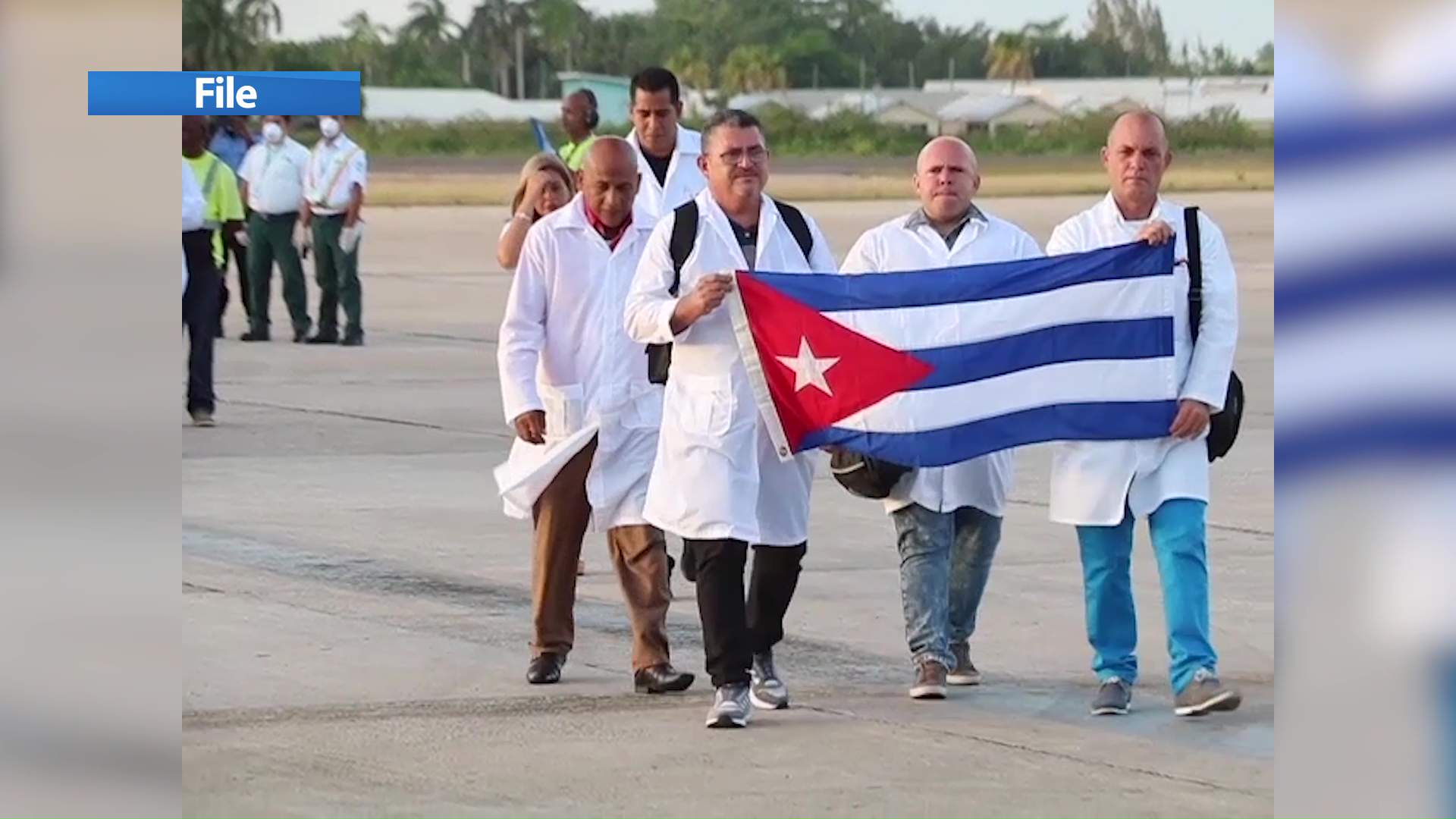
    The Briceño administration is undertaking a comprehensive reassessment of Belize’s longstanding medical partnership with Cuba, signaling a potential shift in the Central American nation’s healthcare strategy. Prime Minister John Briceño revealed that his government is engaged in sensitive negotiations with United States officials while simultaneously bolstering domestic medical education capabilities.

    Addressing concerns about the future of the Cuban Medical Brigade program, Briceño emphasized the temporary nature of the arrangement, stating it was ‘never meant to be permanent.’ The Prime Minister highlighted the University of Belize’s expanding medical program as a cornerstone of the government’s strategy to develop local healthcare professionals. Briceño’s comments came in response to Opposition Leader’s calls to maintain the Cuban partnership, with the Prime Minister characterizing his approach as ‘realistic and pragmatic.’

    Concurrently, the government is monitoring the situation of twenty-eight Belizean medical students currently studying in Cuba amid deteriorating conditions on the island. Foreign Minister Francis Fonseca confirmed ongoing daily communication with the students through Belize’s embassy in Havana. Most students are reportedly nearing completion of their studies and have not expressed desire to return prematurely. The government has prepared contingency plans should the situation require emergency evacuation, though officials emphasize the students remain focused on their academic objectives.

    The diplomatic recalibration reflects Belize’s evolving strategic positioning in regional healthcare partnerships and medical education development.

  • Man Fatally Run Over by Bus in Ladyville

    Man Fatally Run Over by Bus in Ladyville

    A tragic vehicular incident in Ladyville has resulted in the death of a male pedestrian following a collision with a bus on Thursday evening. The fatal accident occurred in proximity to the Puma Gas station at approximately 5:00 p.m., according to preliminary reports from the scene.

    Emergency response teams were promptly dispatched to the location following notification of the incident. Preliminary accounts from eyewitnesses indicate the victim was fatally injured after being run over by the commercial vehicle. Local law enforcement personnel have established a perimeter around the accident site while conducting preliminary investigations and managing resulting traffic congestion.

    The Belize Police Department has confirmed their presence at the scene and is currently gathering testimonies from individuals who witnessed the tragic event. Traffic authorities have advised motorists to exercise extreme caution when traveling through the affected area due to ongoing investigative proceedings and significantly reduced traffic flow.

    While the precise circumstances leading to the collision remain under formal investigation, authorities have confirmed the incident resulted in fatal injuries to the pedestrian. The identity of the deceased is being withheld pending notification of next of kin. Investigation into potential contributing factors including road conditions, visibility, and vehicle operational status remains ongoing.

    This developing story will be updated as additional verified information becomes available through official channels.

  • PM Briceño Preps for Three Days of Fiery Budget Debates

    PM Briceño Preps for Three Days of Fiery Budget Debates

    Prime Minister John Briceño is steeling himself for three days of intense parliamentary confrontations as Belize’s national budget debate approaches on March 23rd. The government leader has positioned the upcoming sessions as both a defensive operation against opposition criticism and a platform to showcase his administration’s accomplishments.

    Briceño has directed his cabinet ministers to utilize their parliamentary time to highlight what he characterizes as transformative developments across multiple sectors. The Prime Minister specifically emphasized infrastructure projects as evidence of his government’s impact, citing recent road paving initiatives connecting Spanish Lookout to San Ignacio and Santa Elena through Billy White.

    In anticipation of political clashes, Briceño warned he would vigorously counter what he described as opposition attempts to ‘twist the truth’ regarding governmental performance. The Prime Minister’s strategy appears to combine aggressive defense of his administration’s record with detailed presentations of development projects.

    Beyond transportation infrastructure, Briceño pointed to electrical grid expansion as another area of achievement, specifically mentioning new electrification projects in San Carlos and Fireburn communities that previously lacked power service. Additional electrical system expansions in the Toledo District were also noted as ongoing initiatives.

    The budget debate will serve as a comprehensive review of government spending priorities and policy implementation, with Briceño expecting ministers to highlight progress in agriculture, economic development, healthcare, education, and security forces support. The Prime Minister framed these developments as having ‘direct impact in the lives of our people’ through improved accessibility and services.

  • Fertilizer Costs Surge, PM Blames Global Fuel Spike

    Fertilizer Costs Surge, PM Blames Global Fuel Spike

    Belize’s agricultural sector faces mounting economic pressure as skyrocketing fertilizer costs threaten production stability. Prime Minister John Briceño has identified the global fuel price surge as the primary catalyst for this crisis, emphasizing the nation’s limited capacity to counteract international market forces.

    In a recent address, PM Briceño outlined the direct correlation between petroleum prices and agricultural inputs, noting that any commodity connected to oil derivatives will experience continued price escalation. The Prime Minister characterized this as an externally generated crisis that Belize must navigate despite its minimal influence on global energy markets.

    “The reality is that everything connected to petroleum will continue becoming more expensive,” Briceño stated. “Our current hope rests on a rapid resolution to international conflicts to stabilize global prices. As a small nation, we must develop strategies to operate within constraints we didn’t create and cannot control.”

    The administration now faces the complex challenge of balancing support for agricultural producers with consumer protection measures. Briceño emphasized the government’s commitment to finding equilibrium in supporting both farmers facing increased operational costs and citizens confronting potential food price inflation.

    This economic development occurs against the backdrop of ongoing global energy market volatility, with Belize’s agricultural community particularly vulnerable to international price fluctuations. The government’s response will likely involve targeted support mechanisms for the farming sector while exploring alternative agricultural practices to mitigate long-term dependency on petroleum-based fertilizers.