作者: admin

  • PM promises to examine police gratuity dispute

    PM promises to examine police gratuity dispute

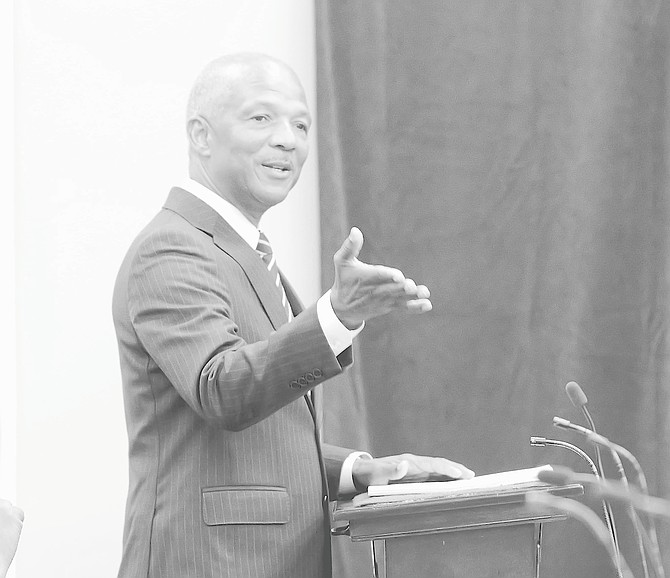
    A decades-long fight for owed gratuity payments by hundreds of retired police officers in The Bahamas has been thrust back into the national spotlight, with Prime Minister Philip “Brave” Davis committing to review the stalled dispute and engage judicial leaders to accelerate long-pending court proceedings. The long-running conflict reemerged publicly this week during budget debate in the House of Assembly, where James Ferguson, the Member of Parliament for MICAL and a retired police officer himself, raised urgent questions about whether the current administration had set aside funds to resolve claims that have lingered unresolved for between 15 and 20 years.

    Breaking down the core of the dispute, Finance Minister Michael Halkitis explained that the controversy centers on non-senior officers — specifically those who retired before reaching the rank of inspector or another officially gazetted position — and whether this group qualifies for the gratuity payments they have claimed for years. National Security Minister Myles Laroda noted that the matter is already tied up in the court system, with inconsistent outcomes: some retired officers have already received their owed gratuities, while hundreds of others have been left empty-handed. Laroda added that the dispute stretches all the way back to the administration of former National Security Minister BJ Nottage, and that he had previously advocated for affected officers earlier in his career.

    Opposition Leader Michael Pintard, who has repeatedly pushed for resolution of the conflict since 2023 when he first renewed public calls for compensation for the 450 affected officers, pointed to the staggering human cost of the delay: many of the retired officers who originally launched the claims have already died without ever receiving the payments they fought for. Pintard also backed the idea that the head of the national judiciary could help prioritize the pending cases and move them through the court calendar faster.

    Prior to this week’s debate, Prime Minister Davis said he had not been formally briefed on the full details of the dispute. He acknowledged that if the matter is before the courts, there is a legitimate legal conflict that requires a formal judicial ruling. However, he committed that once he receives full particulars of all outstanding claims, he will personally review the file and reach out to the chief justice to explore pathways to speed up the resolution process. Laroda later confirmed he is scheduled to meet with the Police Staff Association in the near future to discuss the officers’ demands directly.

    The history of the dispute dates back to at least 2023, when Pintard first revived public attention to the issue, estimating that hundreds of officers were collectively owed millions of dollars in wrongfully withheld payments that many had waited more than a decade to receive. At that time, then-National Security Minister Wayne Munroe confirmed that the Supreme Court had previously dismissed litigation brought by the officers on procedural grounds. Munroe noted that the Attorney General’s Office had already issued a formal legal opinion on the matter, and directed the officers’ legal team to refile the case properly through the court system, adding that the government would respect whatever final ruling the judiciary issues.


  • Asonahores highlights potential for shopping tourism in Santo Domingo

    Asonahores highlights potential for shopping tourism in Santo Domingo

    SANTO DOMINGO – As the Dominican capital continues to see a surge in ongoing tourism-related development projects, a top industry executive is laying out a strategic roadmap to turn Santo Domingo into a leading regional destination for shopping tourism. Aguie Lendor, vice president of the Dominican Republic Hotel and Tourism Association (Asonahores), shared his vision in a recent statement, noting that the city has already built a solid foundation to compete in the fast-growing shopping tourism segment, but targeted policy advances and infrastructure upgrades are still needed to unlock its full potential.

    One of the most critical priorities on Lendor’s agenda is the formal adoption of tax-free shopping policies for international tourists. He emphasized that gaining official approval from Dominican regulatory bodies is non-negotiable to make this visitor-friendly strategy viable. If implemented, Lendor argued, the tax-free framework would act as a powerful magnet for cross-border travelers, boosting retail spending and accelerating the city’s rise as a central shopping hub for the Caribbean and Latin American region.

    Beyond the shopping tourism push, Lendor also offered praise for the current administration’s progress in expanding the country’s MICE (meetings, incentives, conferences, and exhibitions) tourism sector. He specifically commended President Luis Abinader and Tourism Minister David Collado for their sustained efforts to grow this high-value tourism segment, pointing to the nearly completed Santo Domingo Convention Center as a transformative infrastructure milestone.

    While the convention center project is approaching final completion, Lendor stressed that maintaining strict quality and safety standards throughout the remaining construction work is essential. Even if finishing touches take additional time, he said, adhering to top-tier global standards will ensure the venue delivers long-term success and allows the Dominican Republic to compete effectively for major international events in the global MICE market.

  • INAPA highlights water and sanitation advances at EXCO RD 2026 in Santiago

    INAPA highlights water and sanitation advances at EXCO RD 2026 in Santiago

    SANTIAGO, DOMINICAN REPUBLIC — At the 2026 Expo Construcción RD (EXCO RD), a premier regional construction industry gathering held in Santiago, Wellington Arnaud, executive director of the Dominican Republic’s National Institute of Drinking Water and Sewerage (INAPA), delivered a keynote address outlining how strategic, long-term public water and sanitation infrastructure drives inclusive human development, environmental sustainability, and public confidence in government services. Arnaud’s presentation, titled “Planning to Transform: Effective Management as a Path to Human Development, Sustainability and Public Trust,” broke down key ongoing and completed projects advanced by INAPA over his tenure, framing each as a product of intentional strategic planning and consistent policy continuity.

    Among the major projects Arnaud highlighted are new drinking water systems serving communities across the country, including the aqueduct projects in Villa Altagracia, Monción, Navarrete, Ocoa, Miches, and Pedernales, which have expanded reliable access to clean drinking water for tens of thousands of Dominican households. Moving to sanitation and environmental initiatives, Arnaud spotlighted the rehabilitation of the Gurabo stream, a project widely recognized as one of the most impactful environmental interventions currently underway in the Dominican Republic. He also noted the completion and expansion of modern wastewater treatment facilities in Baní, Peravia province, and Las Matas de Farfán, San Juan province, two key facilities that are boosting public health outcomes and reducing water pollution in local ecosystems.

    “At its core, this work is human development,” Arnaud emphasized during his address. “Every investment we make in water and sanitation infrastructure is an investment directly into the quality of life of the Dominican people.” He added that all of INAPA’s recent achievements align with the commitment of Dominican President Luis Abinader to expand equitable access to essential public utility services across the country.

    Arnaud also drew attention to INAPA’s Universal Sanitation Program for Coastal and Tourist Cities, an initiative that has earned international acclaim from the Inter-American Development Bank (IDB), which has named the program a regional benchmark for innovation and measurable impact in the sanitation sector.

    Hosted at the Pontificia Universidad Católica Madre y Maestra (PUCMM) in Santiago, EXCO RD 2026 runs from June 17 to 19 and is organized by the Cibao Association of Housing Developers and Builders (APROCOVICI). As the leading construction and real estate trade fair for the Cibao region, the event is designed to accelerate industry growth, showcase cutting-edge construction innovation, create new cross-sector business connections, and establish itself as a flagship annual platform for the Dominican Republic’s fast-growing construction industry.

  • CELAC and OLADE launch regional strategy for clean energy interconnection

    CELAC and OLADE launch regional strategy for clean energy interconnection

    On June 17 in Montevideo, Uruguay, two leading regional bodies—the Latin American and Caribbean Energy Organization (OLADE) and the Community of Latin American and Caribbean States (CELAC)—unveiled an ambitious long-term strategy designed to transform energy integration across the region by 2040: the Regional Indicative Plan for Electrical Interconnection.

    This landmark initiative is not a solo undertaking: it was developed in partnership with the European Union under the broader Euroclima environmental program, with German development agency GIZ tapped to handle on-the-ground implementation. At its core, the plan maps out 16 priority cross-border infrastructure projects that will form critical new electricity transmission corridors, laying the groundwork for seamless energy connectivity across Latin America and the Caribbean.

    Technical projections for the initiative paint a compelling economic and environmental case. The full program requires an estimated $3.5 billion in cumulative upfront investment by 2040, with remarkably short payback periods ranging from just two to six years, positioning the plan as a high-return infrastructure opportunity. Once completed, the network will deliver a total optimized interconnection capacity of 5,000 megawatts, enabling expanded cross-border trade of renewable energy. This interconnected system will cut the region’s collective reliance on polluting fossil fuels and drive major reductions in carbon dioxide emissions, aligning with global climate action goals.

    Beyond climate benefits, the plan delivers substantial economic upside for participating nations. Officials calculate the initiative will deliver a 10:1 benefit-cost ratio, with annual net economic gains projected to fall between $1 billion and $5 billion, depending on how quickly member states expand regional access to electricity. These gains stem from three core improvements: more efficient energy distribution across national borders, strengthened resilience to supply disruptions, and lower overall energy costs for end users.

    The official launch of the plan coincided with the VIII CELAC Energy Ministerial Meeting, held June 18 in the same host city. The gathering brought together senior government representatives, leaders from global and regional financial institutions, and international development partners to address pressing shared challenges, including the need to harmonize inconsistent energy regulations across the region. This regulatory work comes at a critical juncture, as Latin America and the Caribbean face growing climate volatility and are navigating a rapid expansion of renewable energy capacity that outpaces existing cross-border frameworks.

    In his remarks to the meeting, OLADE Executive Secretary Andrés Rebolledo underscored the urgent need for progress toward a formal, binding Energy Integration Treaty for the region. He pointed out that no such unifying legal framework currently exists for cross-border energy cooperation, and that creating it has become increasingly critical to advancing three core priorities: strengthening regional energy security, deepening collaborative ties between member states, and accelerating the just transition to low-carbon sustainable energy systems.

    The ministerial meeting functioned as a key strategic launching pad for formal political negotiations around the proposed treaty. CELAC member states have set out a shared goal of establishing a future agreement that will standardize energy regulations across borders, streamline the sharing of energy resources, and reinforce collective energy security. This coordinated approach will position the region to better respond to shifting global energy market dynamics and evolving climate-related energy challenges.

  • Derrick Scott finds strength in Psalm 91 with new single ‘Deliver Me’

    Derrick Scott finds strength in Psalm 91 with new single ‘Deliver Me’

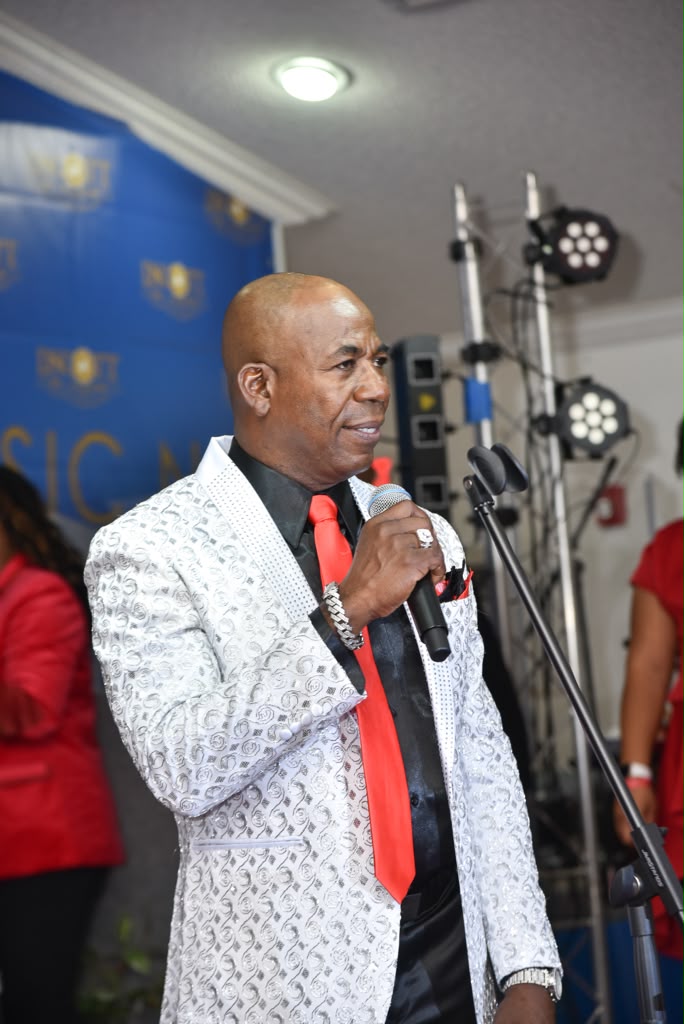
    For people of faith around the world, sacred scripture often serves as a lifeline during life’s darkest moments. For veteran gospel musician Derrick Scott, that lifeline became the spark for his latest creative release, a deeply personal single titled *Deliver Me* that draws its roots from his profound grief and unshakable belief.

    Scott, a South Florida-based committed Christian with more than two decades of walking in his faith, poured his heart into the track after losing his wife Nadine in February 2022. The couple, both natives of Linstead in Jamaica’s St Catherine parish, shared four years of marriage before her passing, leaving Scott navigating an overwhelming period of uncertainty and sorrow. It was during this grieving process that he turned once again to the Book of Psalms, a section of the Bible he has long turned to for comfort.

    “After losing my wife, I was going through a rough time, but my faith in God never wavered. I love reading Psalms, as it gives me some comfort,” Scott explained in an interview with Observer Online. “One night after reading Psalm 91, I got the inspiration to sing it, so I started to sing a few verses every day until it came to fruition and this is the final project.”

    Released on June 19, *Deliver Me* is the first new release from Scott’s own independent imprint DScott Music, which he founded to support his independent gospel work. Psalm 91, the text that inspired the track, is widely celebrated as a passage of profound resilience, with its opening verse promising rest and protection for those who abide in their faith. That message struck a deep chord with Scott, who had already spent decades building his relationship with Christianity after a conversion that reshaped his entire outlook on life.

    “I have been a different person since my conversion. A lot of things I used to do, I don’t have the desire to do them anymore and it doesn’t bother me,” he said.

    Scott comes from a family rooted in Jamaican music: he is the younger brother of Freddie McKay, the iconic Jamaican performer who rose to fame after winning the 1976 Festival Song Contest with his hit *Dance dis Ya Festival*. Scott got his own start in the music industry working as a deejay, performing on local sound systems across his hometown in Jamaica and nearby Spanish Town before transitioning to focus exclusively on gospel music. Over the course of his gospel career, he has built a solid discography that includes four full-length albums and fan-favorite singles such as *God Answers Prayers*.

    For Scott, *Deliver Me* is more than just a new song – it is a testament to how faith can sustain people through even the deepest loss, and a gift to other listeners who may be walking through their own periods of struggle.

  • Dominican Republic activates emergency plan as El Niño increases drought threat

    Dominican Republic activates emergency plan as El Niño increases drought threat

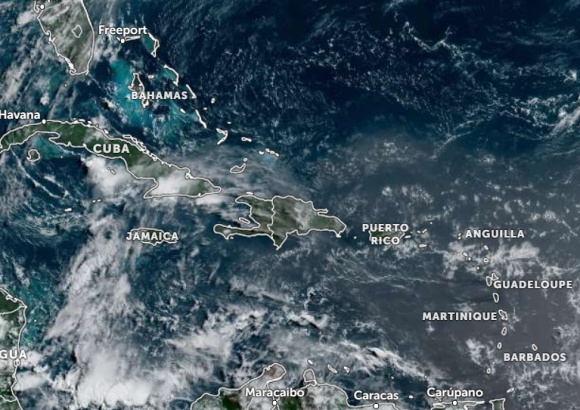
    Against the backdrop of shifting global climate patterns, climate scientists and meteorological bodies have issued a clear call to action for the Dominican Republic: the nation must brace for overlapping extreme weather threats tied to El Niño during the 2026 Atlantic hurricane season. Unlike typical hurricane season outlooks, this year’s forecast brings a contradictory mix of conditions: suppressed overall tropical cyclone activity paired with elevated risks of prolonged drought and record-high temperatures across the wider Caribbean basin.

    El Niño, a climate phenomenon driven by anomalous warming of surface waters in the central and eastern Pacific Ocean, is known to reshape global atmospheric circulation by shifting warm air masses toward the Caribbean. For the region, this shift consistently delivers two key outcomes: it creates unfavorable atmospheric conditions that dampen tropical cyclone formation, and it amplifies the risk of extended dry spells and above-average seasonal temperatures. Even with the projected dip in total storm numbers, meteorologists stress that reduced activity does not equal zero risk – major, destructive hurricanes can still form and impact coastal Caribbean nations including the Dominican Republic.

    The 2026 Atlantic hurricane season, which officially spans from June 1 to November 30, is currently forecast to produce between 8 and 14 named storms. Of these, 3 to 6 are expected to strengthen into hurricanes, with 1 to 3 reaching major hurricane strength (Category 3 or higher on the Saffir-Simpson scale). If the forecast holds, 2026 will mark the second consecutive below-normal Atlantic hurricane season, following 2025’s 13-storm season that also fell short of the long-term historical average.

    In response to the forecast, Dominican authorities have already formally activated the national 2026 Cyclone Season Contingency Plan during an official launch event hosted at the country’s Emergency Operations Center (COE), with President Luis Abinader in attendance. During the event, President Abinader underscored that even the most current projections do not rule out the development of powerful, destructive storms, and called for fully coordinated preparedness across every level of government and public institution.

    Abinader also announced upcoming scheduled meetings with the national Governing Council and local municipal authorities to refine and reinforce community-level prevention strategies. He emphasized that preparedness efforts must extend beyond hurricane response to address the full suite of El Niño and climate change-driven hazards, including extreme heat events, episodic intense rainfall, and prolonged regional drought.

    As part of the contingency plan rollout, national agencies conducted a full-scale simulation of a Category 4 hurricane landfall response. During the exercise, President Abinader issued a formal directive requiring all state institutions to make their resources fully available to emergency response teams. He also publicly recognized and commended the pre-season preparedness work carried out by the Emergency Operations Center, the Dominican Institute of Meteorology (Indomet), and national civil protection agencies.

    International climate projections, including updated analysis from the U.S. National Oceanic and Atmospheric Administration (NOAA), indicate that the ongoing El Niño event is likely to intensify in the coming months, with a 63% probability of it strengthening to a “very strong” classification between November 2026 and January 2027. A very strong El Niño would exacerbate existing rainfall deficits and prolong periods of extreme heat across the entire Caribbean region.

    These international warnings have been echoed by Dominican meteorological experts, who note that El Niño’s typical impacts in the country include reduced seasonal precipitation and a sharp increase in the likelihood of widespread meteorological drought, particularly during the second half of 2026 and the early months of 2027. Local experts have urged both the general public and key economic sectors, including agriculture and tourism, to embed a permanent culture of prevention to mitigate potential losses.

    Beyond emergency response planning, the Dominican government has already begun rolling out targeted preventive measures to address projected water shortages. National water authorities confirmed that preliminary water rationing protocols have already been implemented in at-risk regions to pre-empt supply shortfalls, while the interagency Water and Construction Committee continues to hold weekly coordination meetings to monitor conditions and adjust strategies as needed.

    Data from the National Institute of Hydraulic Resources (INDRHI) shows that the country’s major strategic dams currently hold approximately 73% of their total capacity, a level that provides stable water supplies for the near term. However, senior water resource officials warn that storage levels could drop rapidly if prolonged dry conditions take hold across the country in the coming months.

    As the Dominican Republic moves into the peak months of the 2026 hurricane season under El Niño conditions, national authorities continue to stress that proactive preparedness remains non-negotiable. The nation faces a unique balancing act: while the odds favor fewer named storms than average, the overlapping risks of major hurricane landfall, extreme heat, and worsening drought mean that constant vigilance and coordinated preparation remain critical to protecting communities and critical infrastructure.

  • CDB launches new initiative to advance renewable energy scaling in the region

    CDB launches new initiative to advance renewable energy scaling in the region

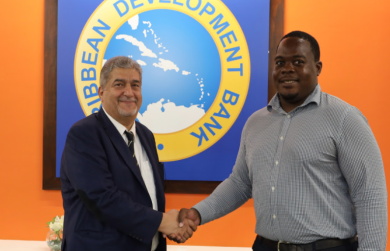
    BRIDGETOWN, BARBADOS — The Caribbean Development Bank (CDB), the region’s leading development financial institution, has inaugurated a groundbreaking technical assistance project designed to lay the groundwork for a coordinated, sustainable energy transition across the Caribbean basin.

    Named the Caribbean Regional Electricity Grid Interconnection and Renewable Energy Scaling Technical Assistance Project (CREGI-RES), the $1.5 million initiative is being framed as a pivotal milestone for the region’s decades-long push to build a more stable, affordable, and climate-resilient energy future.

    Through rigorous technical analysis, CREGI-RES will evaluate four critical pillars of regional energy development: untapped local renewable energy resources, current and projected national electricity demand, cross-border grid interconnection opportunities (including subsea cable connections), and bankable investment pathways. The project’s ultimate output will be a actionable regional roadmap that integrates all these elements to deliver measurable benefits for Caribbean nations.

    CDB Project Director L. O’Reilly Lewis emphasized that collective regional action through the initiative unlocks progress that no single small island nation could deliver independently. “The potential benefits could be significant and now must be tested through rigorous analysis,” Lewis noted during the project’s official launch.

    For decades, Caribbean energy systems have faced structural challenges that hold back economic growth. Most countries in the region rely almost entirely on imported fossil petroleum to meet their power generation needs, a dependence that pushes domestic electricity tariffs far higher than global averages and leaves local economies exposed to volatile swings in global fuel prices. Despite the region holding enormous untapped potential across multiple renewable energy sectors — including geothermal, offshore wind, utility-scale solar, and hydropower — clean energy currently makes up only a tiny fraction of the Caribbean’s total installed power generation capacity.

    To address these long-standing barriers, CREGI-RES will deploy a dedicated specialized advisor focused on grid interconnection and renewable energy scale-up, who will lead development of the comprehensive regional roadmap. The plan will cover everything from physical infrastructure needs for cross-border grids to large-scale renewable energy deployment and the development of functional regional power markets.

    The project will also establish thematic working groups composed of national and regional stakeholders, complemented by cross-regional workshops and individual country-level consultations. A core priority of these engagement efforts is identifying and removing outdated regulatory and institutional barriers that have long deterred long-term private investment in the region’s clean energy sector.

    CREGI-RES is financed through CDB’s internal Special Funds Resources, with additional financial backing from a coalition of global development partners. Supporting funders include the European Union Caribbean Investment Facility (EU-CIF) Geothermal Risk Mitigation programme, France’s Agence Française de Développement, and the Government of Canada through its regional Sustainable Reliable Green Energy (SuRGE) programme.

    Implementation of the project is scheduled to run through early 2028, with the first full draft of the regional roadmap targeted for completion in 2027. When finished, the roadmap is expected to highlight viable, bankable investment opportunities that will expand the region’s total renewable energy capacity, cut greenhouse gas emissions from power generation, bring down electricity costs for consumers and businesses, strengthen Caribbean energy systems’ resilience to climate impacts, and create more inclusive job opportunities in the fast-growing clean energy workforce.

    Project officials stressed that these final outcomes will depend on the results of ongoing technical, financial, environmental, social, and institutional analysis, as well as future policy and investment commitments from participating Caribbean countries and their financing partners.

    As a flagship initiative under CDB’s Accelerated Sustainable Energy and Resilience Transition 2030 Framework (ASERT-2030), CREGI-RES aligns directly with the development bank’s broader strategic plan, which prioritizes green energy investment across all of its borrowing member countries.

  • Caricom EPG to schedule visit to Haiti ‘as soon as possible’

    Caricom EPG to schedule visit to Haiti ‘as soon as possible’

    GEORGETOWN, Guyana — A high-level advisory panel assembled by the Caribbean Community (Caricom) has announced its intention to deploy an on-the-ground mission to Haiti at the earliest possible date, as the regional bloc ramps up its monitoring of the Caribbean nation’s fast-shifting political and security landscape.

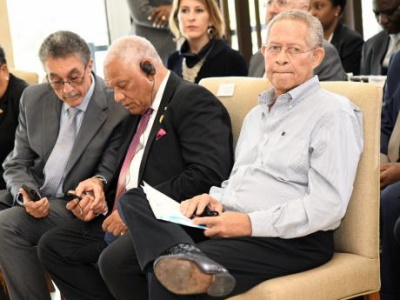
    The Caricom Eminent Persons Group (EPG)—a three-member panel led by former Saint Lucia Prime Minister Dr. Kenny Anthony, with fellow ex-heads of government Bruce Golding of Jamaica and Perry Christie of the Bahamas as members—has been tracking unfolding events in Port-au-Prince via consistent virtual consultations with a broad cross-section of Haitian stakeholders. These discussions have included input from government representatives, opposition political parties, and grassroots civil society organizations, the group confirmed in an official statement released this week.

    “Recognizing that firsthand engagement on the ground is critical to refining our understanding of the situation, and committed to empowering Haitian stakeholders to lead their own path out of crisis, the EPG will move forward with scheduling an in-country visit as soon as conditions allow,” the statement read. During the mission, panel members will hold face-to-face talks with political leaders, civil society representatives, and senior government officials to advance dialogue toward a peaceful resolution of the country’s long-running instability.

    Caricom first established the EPG in May 2023 with a clear mandate to broker inclusive dialogue and guide Haitian stakeholders through the country’s unprecedented overlapping political, security, and institutional breakdown. Beyond facilitating dialogue, the group is tasked with supporting the development of homegrown Haitian solutions that bring all major sectors together to build a peaceful transitional governance framework ahead of planned free and fair elections. It also backs targeted efforts to disarm and neutralize violent gang networks, reestablish state control over public spaces, and improve security for ordinary Haitian citizens who have borne the brunt of years of chaos.

    Since the panel was formed, it has already emerged as a key intermediary in the country’s fragile transition. Most notably, it played a central role in supporting the formation of Haiti’s Transitional Presidential Council and guiding the complex leadership changes that followed the ouster of former de facto leader Jovenel Moïse’s successor.

    The EPG’s announcement comes just days after United Nations Secretary-General António Guterres completed his own official visit to Haiti, during which he told reporters he remains confident the country’s transitional process is gaining momentum.

    “A positive dynamic is already in motion,” Guterres said during his trip. “My message to the international community is straightforward: it is past time for all of us to step up and meet our responsibilities to the Haitian people.” He called on every domestic stakeholder to unite alongside Haitians to work toward a shared future of peace, improved security, and human dignity.

    During his visit, Guterres held formal talks with interim Haitian Prime Minister Alix Didier Fils-Aimé, and used his public remarks to push back against what he calls the international community’s longstanding neglect of the crisis. He argued that the greatest threat facing Haiti today is not the pervasive violence of armed gang groups that control swathes of the country’s territory, but the global indifference that has allowed the crisis to fester for years.

    “The biggest wave we face is indifference—the tendency of the world to turn its attention away from Haiti for far too long,” Guterres said. “There is a direct connection between the international community’s absence and the lack of security that Haitian people live with every single day.

    Still, the UN chief struck an optimistic tone about the path forward, noting that incremental progress has already created opportunities to reverse the country’s downward trajectory. “Some key neighborhoods in central Port-au-Prince have already been recaptured by state security forces from gang control,” he pointed out. “The Council of Ministers has resumed holding regular meetings at the National Palace for the first time in more than three years. This is not just a symbolic moment—it is a clear sign that the Haitian state is progressively reestablishing its presence across the country.”

  • WATCH: Decomposing body found in Mandeville

    WATCH: Decomposing body found in Mandeville

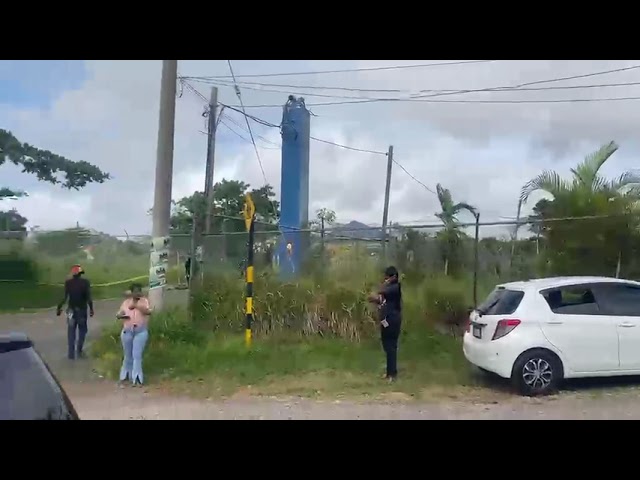
    MANDEVILLE, JAMAICA — Law enforcement officials have launched an investigation into a grim discovery made early Friday, when a decomposing human body was uncovered in dense foliage along Wint Road, just a short distance from Mandeville Infant School in Manchester.

    According to initial police accounts, the unexpected find came just after 8:00 a.m. local time, when pedestrians walking along the roadway accidentally came across the hidden remains. Immediately recognizing the seriousness of the situation, the passersby contacted Jamaican Constabulary Force to report their discovery. First responding officers were dispatched to the secluded spot off Wint Road, arriving at the location at 8:17 a.m. to secure the area and begin processing the scene.

    Preliminary on-site assessments have confirmed that the remains are consistent with those of an adult male. The body was found lying face down, concealed beneath a metal grille, and was clothed in a red long-sleeved sweater and black athletic shorts at the time of discovery.

    As of Friday morning, police have not yet released any information about the potential identity of the deceased, nor have they shared details on the cause or timeline of death. Investigators are expected to continue processing the crime scene for forensic evidence throughout the day, with autopsies and witness interviews set to follow as the probe moves forward. Local authorities have asked any residents who noticed unusual activity in the Wint Road area over the past week to contact the Manchester police division with tips.

  • Iran to lodge complaint with FIFA over World Cup restrictions

    Iran to lodge complaint with FIFA over World Cup restrictions

    TIJUANA, Mexico – In a growing dispute ahead of a key World Cup group stage match, the Iranian Football Federation announced Thursday it will submit an official complaint to FIFA over what it calls unfair and disruptive travel restrictions imposed on the national team by tournament organizers. The conflict centers on entry rules for the United States that have blocked the team from following its pre-planned preparation schedule for Sunday’s match against Belgium in Los Angeles.

    According to federation representatives, Iran submitted its full tournament preparation timeline months in advance, outlining a plan to travel from its current base camp in Tijuana, Mexico, to Los Angeles two days before Sunday’s kickoff. The early travel request was rooted in practical technical needs: with the match scheduled to start at 12 p.m. local Los Angeles time (1900 GMT), the team wanted extra time for players to acclimate to the local time zone, complete final on-site training sessions, and lock in game-day preparations. Despite the federation’s detailed technical justifications for the request, it was ultimately rejected.

    “This is not the first time our team has faced unnecessary restrictions that derail the plans our technical staff has put in place,” a federation spokesman stated. “We will formally communicate our dissatisfaction and submit our official complaint through FIFA’s designated channels.”

    This is not the first friction Iran has encountered during its 2026 World Cup preparation in North America. Following the team’s opening group stage match, a 2-2 draw against New Zealand in Los Angeles, Iranian officials expressed anger that the squad was required to leave the United States the same night the game concluded. The team also faced major disruptions before the tournament even began: amid existing regional tensions, Iran was forced to relocate its pre-tournament training base from Tucson, Arizona to Tijuana just weeks before kickoff after as many as 15 senior team officials were denied US entry visas.

    US officials have pushed back against Iran’s claims of unfair treatment, saying all entry rules were communicated to the Iranian delegation long before the tournament got underway. Andrew Giuliani, executive director of the White House FIFA Task Force, confirmed to CBS News that the established protocol for Iran’s matches is clear: the team will only be granted entry to the US one day before a scheduled match, and must depart the country the same evening the match concludes.

    “This same procedure will apply to all of Iran’s group stage matches in the United States, including their final group game against Egypt in Seattle on June 26,” Giuliani added. The US position maintains that all entry requirements were disclosed in advance, and the Iranian federation has no grounds for complaint over the implemented restrictions.

    The dispute comes as Iran already navigated a deeply disrupted pre-tournament buildup, exacerbated by ongoing conflict in the Middle East that has added layers of complexity to the team’s preparations for the global football competition.