作者: admin

  • Officers Destroyed Evidence In Drug Plane Landing? ComPol Says, No!

    Officers Destroyed Evidence In Drug Plane Landing? ComPol Says, No!

    Two back-to-back anti-drug operations in northern Belize’s Corozal District have sparked a growing controversy over evidence handling, with the country’s top law enforcement official pushing back against viral online claims that security agents deliberately destroyed key evidence.

    The first incident unfolded early Friday morning along the Old Northern Highway, when a team of customs patrol officers spotted a suspicious individual acting erratically. When officers moved in to question the person, they fled into nearby brush, prompting a search of the surrounding area. The search led investigators to a remote seafront landing zone in the Bomba region, where a Chevrolet SUV was found stocked with nine large canisters of aviation fuel. Law enforcement detained multiple people at the scene and also recovered an unregistered 9-millimeter pistol from the area. Before officers could secure the vehicle and its contents for forensic processing, the Chevrolet was intentionally set on fire, destroying the fuel and any potential forensic evidence that may have been held on the vehicle itself.

    Hours later that same evening, a large-scale coordinated multi-agency security operation launched in the region scored a major win against transnational drug trafficking. Teams made up of Belizean national police, the Belize Defence Force, and the Belize Coast Guard, backed by aerial support from Mexican security partners, intercepted a small drug plane that had just touched down in the Nuefeld area of Corozal. Operation teams successfully took both pilots into custody and seized an undisclosed amount of cocaine bound for distribution networks. Aviation sources familiar with the plane confirmed it is a Cessna 206, a single-engine aircraft commonly used by drug traffickers for its ability to land on unimproved airstrips and carry cargo loads of up to 900 kilograms.

    In the wake of the two operations, unsubstantiated claims began circulating on social media and local messaging platforms claiming that Belizean law enforcement officers deliberately set fire to the Chevrolet Tahoe to destroy evidence. But Belize’s Commissioner of Police Dr. Richard Rosado has forcefully rejected these allegations, calling them outright misinformation in an exclusive interview with local outlet News 5.

    “Contrary to false reports circulating online, the claim that officers deliberately set the vehicle on fire is entirely untrue. This is another instance of misinformation,” Rosado told reporters. The Commissioner, who was on the ground in Corozal during the operations alongside the national security minister and the ministry’s chief executive officer, declined to immediately name who he believes was responsible for setting the fire, asking for patience from the public and press as investigators complete their internal review.

    “Kindly allow us some time to put together the release. In the fullest of time a full press briefing will be done,” Rosado added, noting that a full, detailed account of the day’s events will be published publicly once investigators have finalized their initial findings.

  • Antigua and Barbuda fall 4-0 to Jamaica as Shaw scores hat-trick

    Antigua and Barbuda fall 4-0 to Jamaica as Shaw scores hat-trick

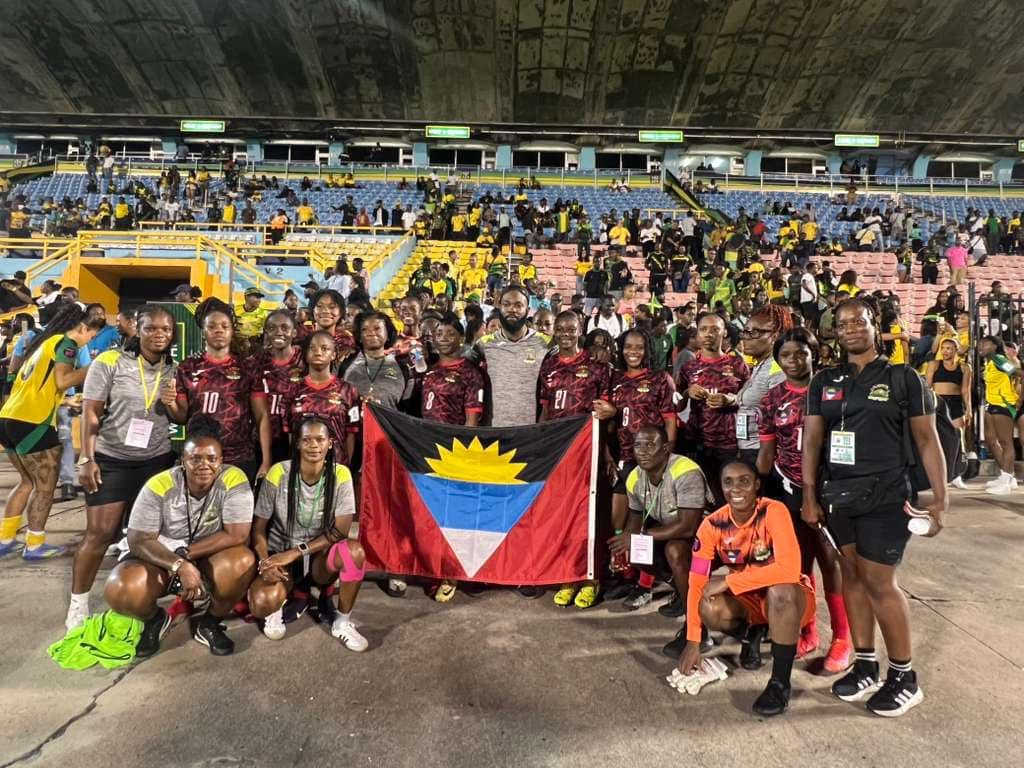
    In a hotly contested Concacaf Women’s Championship qualifying clash held in Kingston on Saturday, Jamaica secured a commanding 4-0 victory over Antigua and Barbuda’s women’s national team, with star captain Khadija “Bunny” Shaw delivering a standout three-goal performance that cemented her side’s position at the top of Group B.

    Though the final scoreline leaned heavily in Jamaica’s favor, Antigua and Barbuda’s squad put on a gritty, determined display from the opening whistle that earned widespread praise even in defeat. The breakthrough for the home side came just moments before the halftime break, when Shaw stepped up to the penalty spot. She sent Antigua and Barbuda goalkeeper Anik Jarvis diving the wrong direction to slot home the opening goal, putting Jamaica up 1-0 going into the interval.

    Shaw’s momentum did not slow after the restart. Just minutes into the second half, she fired a powerful left-footed strike from inside the 18-yard box to double Jamaica’s lead. Before Antigua and Barbuda could regroup, Shaw completed her hat-trick, rising above the defense to nod a floated cross into the back of the net. An additional late goal from Jamaica pushed the final score to 4-0.

    The three points from this win brings Jamaica’s total to nine points from three group stage matches, keeping them firmly at the top of Group B and on track to secure a spot in the Concacaf Championship finals scheduled for later this year. Despite the lopsided score, Antigua and Barbuda’s side emphasized post-match that their squad turned in a “strong and spirited performance,” with observers highlighting the team’s resilience and fight throughout the 90 minutes against the higher-ranked Jamaican side.

  • Final Day of Zero ABST on Food and School Supplies Underway

    Final Day of Zero ABST on Food and School Supplies Underway

    Shoppers across Antigua and Barbuda are racing against the clock to lock in savings, as the second and final day of the government’s temporary zero-rated Antigua and Barbuda Sales Tax (ABST) initiative on food and school supplies enters its final hours. Launched yesterday, this two-day tax relief program was crafted as a targeted intervention to ease mounting cost-of-living pressures for households across the twin-island nation, putting much-needed financial relief within reach for families stocking up on daily essentials and back-to-school necessities.

    Regulated by the Inland Revenue Department, the tax break applies to a clearly defined set of qualifying goods. All food products falling under tariff codes 1000 through 2501, plus biscuits, are eligible for the zero-tax designation. The extensive list of qualifying school supplies covers nearly every item students need for the academic year: writing tools including pencils, pens, markers, highlighters, crayons, and colored pencils; classroom accessories such as erasers, sharpeners, rulers, glue, glue sticks, scissors, and pencil cases; paper goods and organization supplies including construction paper, notebooks, index cards, binder sheets, folders, binders, and graph paper; along with larger necessities like geometry sets, calculators, school uniforms, school bags, art supplies, information technology supplies, and home economics supplies. Footwear for students is also included in the tax-free eligible list.

    Just as the eligibility parameters are clearly outlined, so are the exclusions, which have remained unchanged since the program was announced. Products excluded from the tax relief include all beer and other alcoholic beverages, tobacco products, manufacturing extracts, animal feed, and live plants.

    To ensure compliance with the program’s rules, local retailers have received formal guidance to log all qualifying sales under the dedicated zero-rated line on official ABST filing forms. Tax officials have also encouraged consumers to double-check whether an item is eligible for the tax break directly at the point of sale to avoid confusion at checkout.

    With the entire initiative set to expire at midnight local time, industry observers anticipate a significant surge in foot traffic and sales across supermarkets, office supply stores, and general retail outlets, as thrifty consumers rush to make last-minute purchases and maximize the savings offered by the temporary tax break.

  • LETTER: to the CEO of the Medicinal Cannabis Authority

    LETTER: to the CEO of the Medicinal Cannabis Authority

    A member of the public in Saint Vincent and the Grenadines has put forward a structured policy proposal to enhance the credibility and clinical quality of the nation’s licensed medicinal cannabis distribution outlets, calling for the placement of registered medical doctors on-site at all dispensaries. The suggestion comes after the writer attended two recent public discussions on medicinal cannabis that reshaped their perspective on the emerging industry.

    The first event was a radio interview on Observer FM with Regis Burton, Chief Executive Officer of the country’s Medicinal Cannabis Authority. The second was a televised panel discussion hosted by attorney Elease St. Romain, which featured a Vincentian medical doctor who publicly endorsed the clinical use of cannabis. These appearances marked a noticeable shift in public discourse: long-held social stigma and irrational fear surrounding cannabis use for medical purposes are gradually fading, thanks in large part to expanded public education efforts led by the Medicinal Cannabis Authority.

    Burton’s deep expertise and clear communication about the regulated cannabis industry left a strong positive impression on the writer, who noted that growing numbers of local residents are now open to accepting cannabis as a legitimate treatment option. Unfortunately, the Observer FM radio host did not open the segment to public questions, leaving the writer unable to share their idea during the live broadcast.

    The core of the proposal is a model that mirrors standard primary care clinics: rather than relying on nursing staff with more limited medical training to assess patient needs, each licensed cannabis outlet would employ a licensed physician to lead its dispensary team and serve as the primary point of clinical contact for patients. The writer adds that the plan would also address a pressing local employment issue: Saint Vincent currently has a surplus of newly graduated medical doctors, many of whom cannot secure positions at overcrowded public hospitals. Deploying these qualified young clinicians to medicinal cannabis outlets would solve two problems at once, boosting both the reputability of the regulated cannabis sector and employment opportunities for new medical graduates.

  • Antigua Racing Cup: Trade Wind Rhythm, Caribbean Blues

    Antigua Racing Cup: Trade Wind Rhythm, Caribbean Blues

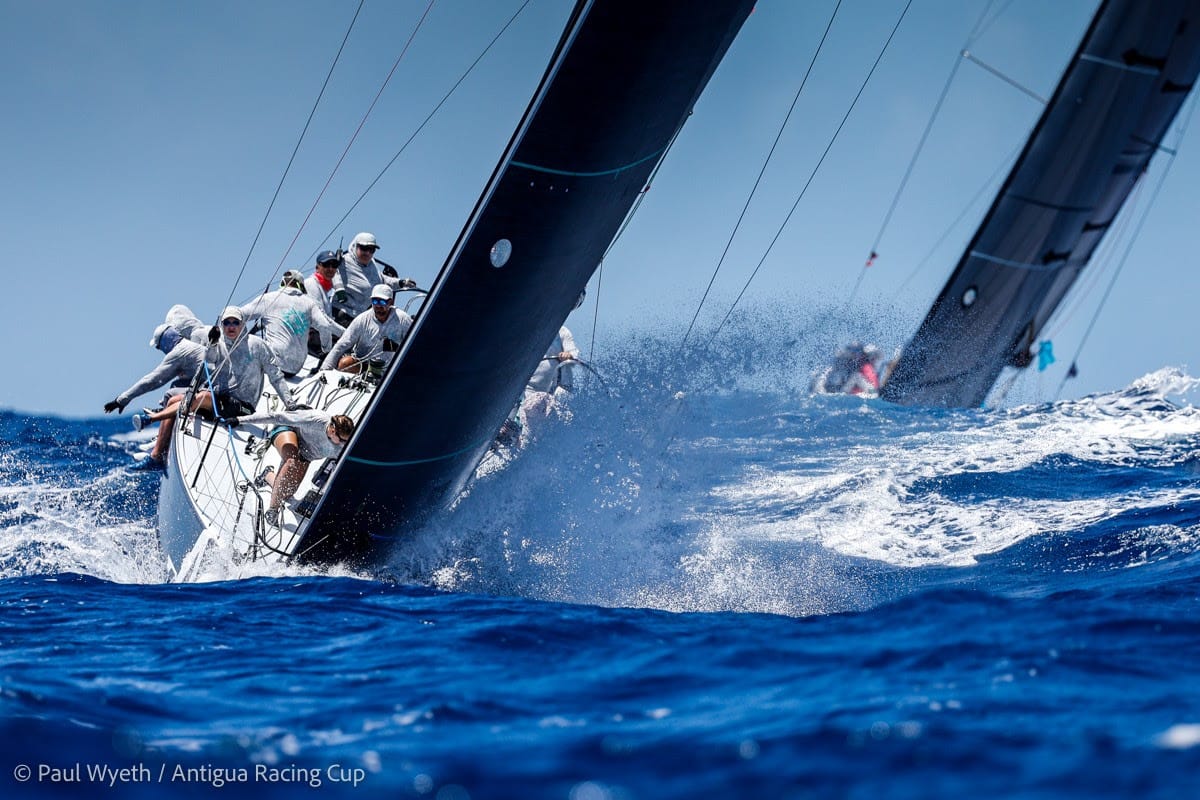
    Every spring, the turquoise waters off the coast of Antigua become the stage for one of Caribbean sailing’s most anticipated annual showdowns: the Antigua Racing Cup. Pulling in top-tier crews from more than 20 countries across the globe, the event has cemented its reputation as a bucket-list stop for competitive sailors who crave a unique mix of world-class racing and the unbeatable vibe of the Caribbean. The 2024 iteration of the race, which wrapped earlier this month, delivered exactly what competitors and spectators have come to expect: blustery trade winds that tested every seam of sails and every decision of skippers, stunning blue backdrops that make even the toughest races feel like a paradise escape, and unexpected on-water drama that kept fans on edge until the final crossing of the finish line.

    What sets the Antigua Racing Cup apart from other elite sailing competitions around the world is its one-of-a-kind relationship with the region’s famous trade winds. Blowing consistently at 15 to 25 knots throughout race week, these steady but dynamic winds create a playing field that rewards both raw speed and tactical precision. Unlike races held in erratic coastal wind patterns, Antigua’s conditions let crews push their yachts to the absolute limit, with many maxi divisions posting average speeds that top 18 knots across the 40-nautical-mile course. This year’s event featured six separate divisions spanning from classic wooden sailing yachts to cutting-edge carbon-fiber maxi racers, ensuring that every style of sailor got a chance to compete for silverware.

    Beyond the competitive racing, the event is as much a celebration of sailing culture as it is a contest. Post-race beach barbecues, live reggae sets, and informal crew gatherings along English Harbour draw thousands of visitors each year, boosting Antigua’s maritime tourism sector and bringing together sailing communities from across the world. Local organizers have worked for decades to balance elite competition with accessible, fan-friendly fun, allowing casual spectators to watch race starts from shore and even join spectator boats to get up close to the action. For many visiting sailors, the race becomes a yearly pilgrimage, combining their love of competitive sailing with a chance to relax in one of the Caribbean’s most beautiful coastal settings.

    This year’s edition saw a surprise victory in the premier maxi division, as the 100-foot sloop *Trade Wind Rhythm* pulled ahead on the final leg of the race to edge out defending champion *Caribbean Blues* by just 47 seconds. The photo finish capped off three days of back-and-forth racing, with the two yachts trading the lead at every mark. After the race, *Trade Wind Rhythm* skipper Sarah Johnson called the win “the result of a year of training and perfect teamwork, and we couldn’t have asked for better wind to pull it off.” Organizers have already opened registration for the 2025 Antigua Racing Cup, which is set to kick off in late April, with early sign-ups already 20 percent higher than last year’s record pace.

  • Artemis II-astronauten veilig terug op aarde na historische reis rond de maan

    Artemis II-astronauten veilig terug op aarde na historische reis rond de maan

    # Artemis II Crew Safely Returns to Earth, Marking Historic First Crewed Lunar Voyage in Over 50 Years

    On April 11, NASA announced the successful completion of the Artemis II mission, as the four-person crew of the Orion capsule *Integrity* splashed down safely in the Pacific Ocean off the coast of Southern California on Friday, capping a nearly 10-day groundbreaking journey beyond Earth. This mission marks the first time humans have traveled around the Moon in more than half a century, breaking multiple space travel records and clearing a critical milestone for NASA’s ambitious deep space exploration program.

    The Artemis II crew — commander Reid Wiseman, pilot Victor Glover, mission specialist Christina Koch, and Canadian Space Agency astronaut Jeremy Hansen — launched from Cape Canaveral on April 1. Over the course of the mission, they completed two orbits around Earth before conducting a close flyby of the Moon’s far side, passing just 6,400 kilometers above the lunar surface. At their farthest point, the crew traveled 407,000 kilometers from Earth, farther than any human mission has ever ventured from our home planet.

    Re-entry into Earth’s atmosphere was the highest-risk phase of the entire mission. The capsule slammed into the atmosphere at 32 times the speed of sound, subjecting its heat shield to extreme temperatures reaching 2,760 degrees Celsius. A six-minute radio blackout, a normal consequence of atmospheric ionization during high-speed re-entry, paused communications between the crew and mission control before contact was restored. Parachutes deployed as planned to slow the capsule’s descent, resulting in what NASA commentators called a “perfect bull’s-eye splashdown.”

    Shortly after landing, Wiseman confirmed via radio that the capsule was stable and all four crew members were in good health. Joint recovery teams from NASA and the U.S. Navy secured the capsule and extracted the astronauts within two hours of splashdown. The crew was then transferred via rescue raft and helicopter to the USS John P. Murtha for initial medical checks, before traveling to Houston to reunite with their families.

    Beyond its technical achievements, the Artemis II mission is a historic milestone for international and inclusive space exploration. Hansen is the first Canadian astronaut to participate in a lunar mission, while Glover is the first Black astronaut and Koch the first woman to join a crewed lunar voyage. The mission comes four years after the successful uncrewed Artemis I test flight in 2022, and serves as a critical validation of Orion’s capsule technology, heat shield, and life support systems ahead of planned crewed lunar landings.

    NASA’s Artemis program was developed to return humans to the lunar surface by 2028, and to lay the groundwork for future crewed missions to Mars. The program’s next step, Artemis III, is scheduled for next year and will include a crewed docking test in Earth orbit ahead of the first attempted crewed lunar landing in more than 50 years. The successful completion of Artemis II has cemented confidence in the program’s technical readiness, though challenges remain: development of the lunar lander has faced repeated delays, partially driven by NASA budget cuts that have reduced funding for scientific missions and cut the agency’s workforce by nearly 20%.

    To overcome these obstacles, NASA is collaborating with commercial space partners including SpaceX and Blue Origin, alongside space agencies from Europe, Canada, and Japan to deliver on the program’s goals. Global public interest in the mission has been unprecedented: more than 3 million viewers tuned in to watch the live broadcast of the splashdown. Former U.S. President Donald Trump congratulated the crew on his social media platform, calling the voyage “spectacular” and the landing “perfect.”

    The safe return of the Artemis II crew confirms decades of technological progress in human spaceflight, and stands as a critical stepping stone toward returning humans to the lunar surface and eventually sending the first crewed missions to Mars.

  • Four-Day Hazardous Materials Training Ends

    Four-Day Hazardous Materials Training Ends

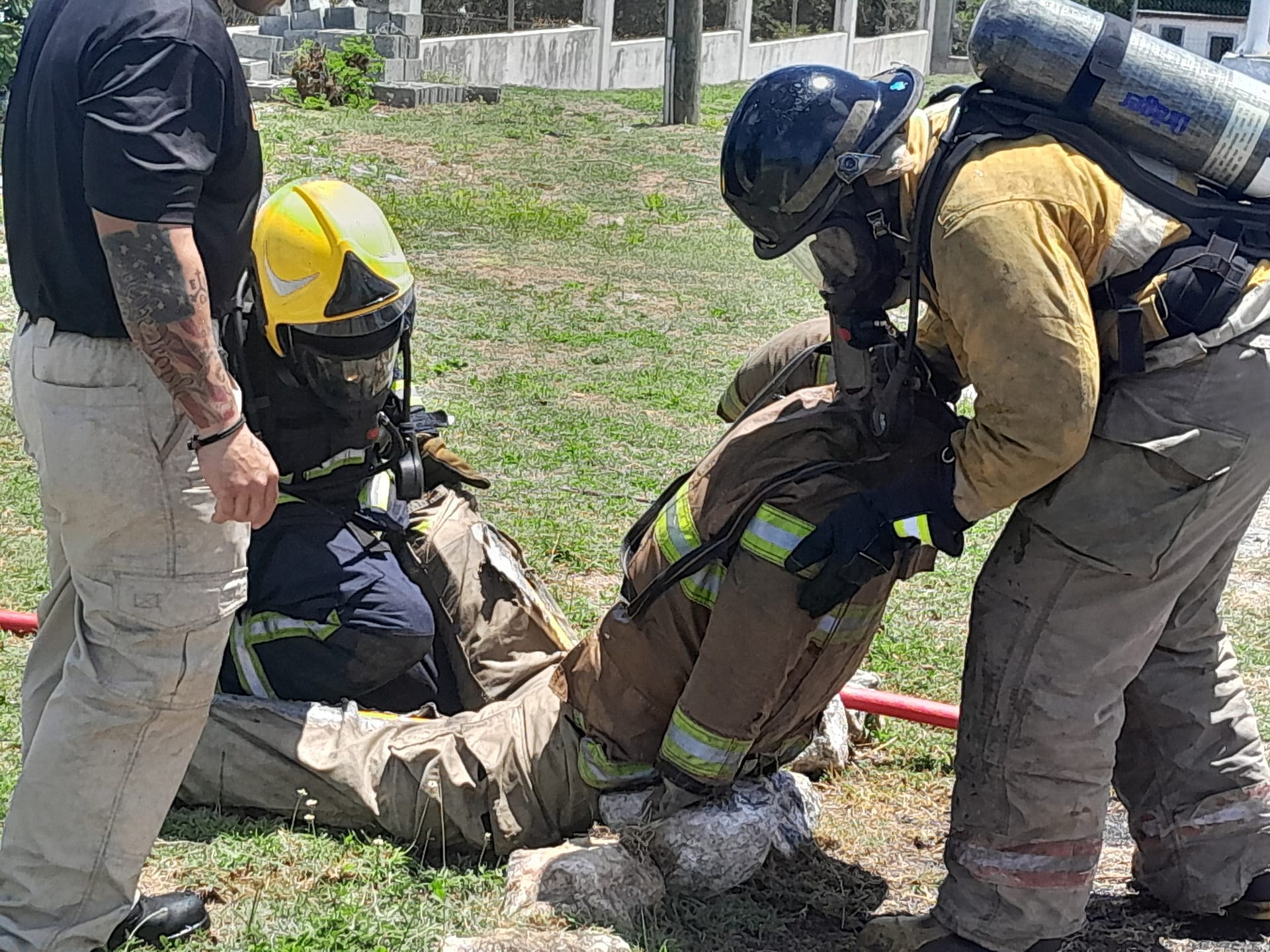
    A four-day intensive professional training program focused on hazardous materials management and emergency response has officially wrapped up this week, bringing together more than 120 frontline practitioners, safety supervisors and emergency response personnel from across the region.

    Organized jointly by the local work safety administration and the national occupational skill development center, the training was designed to address growing gaps in hazardous materials handling capacity amid rising industrial activity across multiple sectors including manufacturing, logistics and energy. The curriculum covered a wide range of critical topics, from classification and identification of hazardous substances, proper storage and transportation protocols, to on-site emergency response procedures for leaks, fires and chemical exposure incidents.

    Participants engaged in a mix of theoretical lectures delivered by industry experts and hands-on simulation exercises that replicated real-world emergency scenarios. Many attendees noted that the interactive training format helped them translate textbook knowledge into actionable skills that can be applied directly to their daily work. At the closing ceremony, organizers issued certificates of completion to all participants who passed the final assessment, and announced that similar targeted training programs will be held quarterly to meet ongoing industry demand for upgraded safety skills.

    Local work safety officials emphasized that strengthening professional training for hazardous materials personnel is a core step in preventing workplace safety accidents and protecting both frontline workers and surrounding community residents. The program comes as part of a broader regional initiative to upgrade overall work safety standards following a series of minor chemical incidents reported in industrial parks over the past year.

  • CARICOM IMPACS: New explosives storehouse to be constructed in Dominica

    CARICOM IMPACS: New explosives storehouse to be constructed in Dominica

    At the opening of a three-day inter-agency security roundtable in Roseau, a senior Caribbean regional security official has outlined a comprehensive multi-part initiative to boost Dominica’s national firearms regulation and explosive management capabilities, with spillover benefits for the entire Caribbean region.

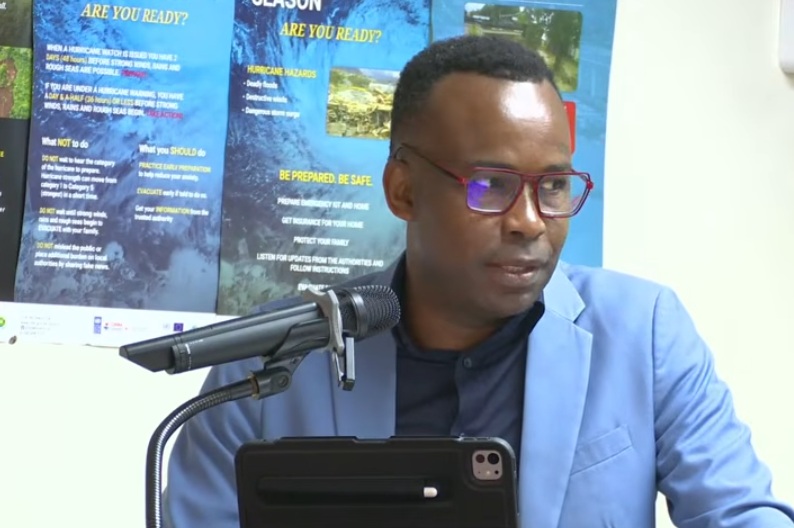
    Callixtus Joseph, acting Assistant Director of Policy, Strategy and Innovation at the CARICOM Implementation Agency for Crime and Security (CARICOM IMPACS), made the announcements during the conference, which ran from April 8 to 10 2026. The gathering was jointly convened by the Government of Dominica’s Ministry of National Security and Legal Affairs, the United Nations Regional Centre for Peace, Disarmament and Development in Latin America and the Caribbean (UNLIREC), and CARICOM IMPACS itself, bringing together cross-sector stakeholders to coordinate regional security action.

    Beyond the planned explosives depot, Joseph detailed a suite of targeted upgrades to Dominica’s law enforcement and firearms control infrastructure. CARICOM IMPACS is already expanding the island’s firearms ballistics testing capacity through direct on-the-ground support and new specialized equipment, he confirmed. The agency is also supplying purpose-built firearm marking tools to the Dominica Police Service, and backing the rollout of a cutting-edge digital system for firearms licensing and registration.

    Joseph stressed that the digital transformation of the licensing regime is far more than a technological upgrade: it lays the foundation for a modern, streamlined, and transparent regulatory framework that aligns with global best practices and updated national legislation. The new system will drastically improve the traceability of illegal weapons, while also simplifying administrative oversight and regulatory enforcement for local authorities.

    On the planned explosives storage facility, Joseph noted that CARICOM IMPACS is working in close partnership with the Dominican government and police service to scout and evaluate appropriate parcels of land for construction. In the near future, the agency will also roll out specialized training alongside partner organization the Mines Advisory Group (MAG), focusing on safe demolition and disposal of decommissioned weapons and unstable expired explosives.

    The security cooperation between CARICOM IMPACS and Dominica extends beyond weapons management, Joseph added. Upcoming joint maritime security operations are already in planning, designed to counter transnational illicit trafficking and strengthen border protection for the island.

    Joseph emphasized that all these combined initiatives are tailored to reinforce national-level preparedness, inter-agency coordination, and enforcement capacity. He noted that Dominican leadership and engagement in these security efforts delivers value not just for the island nation itself, but for the entire Caribbean community. Every incremental improvement to accountability, weapons tracing, record-keeping, inventory marking, storage security, criminal investigation, and enforcement bolsters the region’s collective ability to counter the threat of illicit weapons and organized crime.

    Looking ahead, Joseph confirmed that CARICOM IMPACS remains committed to ongoing collaboration with the Dominican government and all relevant stakeholders to see these initiatives through to successful completion.

  • Staatsolie en Belastingdienst bundelen krachten voor betere controle oliesector

    Staatsolie en Belastingdienst bundelen krachten voor betere controle oliesector

    Suriname’s state-owned oil and gas company Staatsolie has entered into a landmark three-year public-private partnership with the country’s Tax and Customs Administration to upskill government officials working in the rapidly expanding offshore energy sector, a move designed to strengthen regulatory capacity and secure public revenue from one of the nation’s most critical growing industries. The partnership agreement for the Tax Administration Capacity Enhancement Program 2025–2028 was officially signed on Friday, with Staatsolie CEO Annand Jagesar and Tax Director Marita Lautan-Wijnerman marking the occasion to formalize the collaboration.

    As Suriname’s offshore oil and gas industry continues to expand at an unprecedented pace, public regulators face growing pressure to keep up with the sector’s evolving technical complexity and rapid market changes. Stakeholders on both sides of the agreement note that accurate tax assessment, revenue collection and regulatory oversight require specialized, up-to-date expertise that many existing government staff currently lack. Without targeted training, the Surinamese government risks failing to capture the full economic benefits of the country’s natural energy reserves, undermining national development efforts.

    Under the terms of the new program, targeted training will be delivered to tax and customs officers directly engaged with oil and gas sector operations over the three-year timeline. The initiative will prioritize building both foundational technical knowledge and hands-on practical skills tailored to the unique needs of energy sector regulation. Training modules will be rolled out in phases, with most initial sessions hosted within Suriname, and supplementary international knowledge exchanges arranged when advanced global expertise is required.

    This capacity building effort forms part of the lead-up activities for Staatsolie’s 45th anniversary celebration scheduled for December 2025, and aligns perfectly with the company’s core anniversary motto: “empowering communities and institutions.” By investing in stronger government regulatory capacity, Staatsolie aims to ensure that oil and gas revenues are managed transparently and responsibly, channeling returns into inclusive national development that benefits all Surinamese citizens.

  • Fractieleiders eren Santokhi in rouwzitting DNA: Verschillen vallen weg, respect blijft

    Fractieleiders eren Santokhi in rouwzitting DNA: Verschillen vallen weg, respect blijft

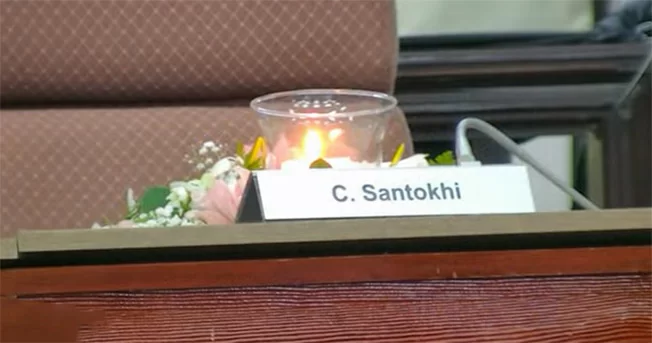
    On a somber Friday session, Suriname’s National Assembly gathered to hold a special memorial sitting honoring Chan Santokhi, a former national president and sitting assembly member who recently passed away. Across nearly all political parties represented in the legislature, faction leaders joined together to pay tribute to Santokhi’s legacy, setting aside longstanding partisan divides to deliver a unified message of respect, recognition, and reflection.

    The most notable absence from the memorial gathering was the entire ABOP faction, which did not attend the sitting. Speaking on behalf of the NDP faction, Rabin Parmessar opened tributes by reflecting on the fragility of life and the importance of collective remembrance. He walked attendees through Santokhi’s decades-long public career, which spanned from his early service as police commissioner all the way to his term as president of the Republic of Suriname, calling his passing a loss felt by every person who knew him.

    Irshaad Fathemohamed of the NPS described Santokhi as a “man of institutions” who left an indelible mark on Suriname’s rule of law and national political landscape. Even across competing political loyalties, Fathemohamed noted, mutual respect between Santokhi and his rivals was always a given. He emphasized that Santokhi’s public identity was defined by a commitment to dialogue, discipline, and unwavering devotion to the Surinamese people.

    Bronto Somohardjo, leader of the PL faction, echoed the call to rise above partisan differences in moments of national loss. He noted that occasions of collective mourning make clear that every elected representative, regardless of ideological stance, serves the nation in their own way. Somohardjo used the tribute to call for greater unity and empathy across Suriname’s political spectrum.

    Ronny Asabina of BEP characterized Santokhi as a multifaceted, transformative Surinamese leader whose leadership and perseverance left a permanent, positive imprint on national society. Asabina stressed that Santokhi never shied away from making difficult, unpopular choices when they served the best interests of the country.

    Steven Reyme, speaking for A20, observed that meaningful leadership always demands sacrifice and is not always widely understood during a leader’s lifetime. He echoed calls for greater mutual respect and political unity, noting that Santokhi’s entire life was centered on selfless service to the Surinamese public.

    For the VHP faction, of which Santokhi was a former leader, chair Asis Gajadien spoke with visible emotion about the loss of both a party leader and revered statesman. Gajadien said Santokhi was not just a colleague, but a constant source of inspiration, known for his unmatched discipline and commitment to public service. He described Santokhi’s legacy as “more than just a memory — it is a mandate” for current leaders to carry forward the work he began.

    Across all the tributes delivered during the sitting, a clear consensus emerged: despite deep political disagreements that often divide Suriname’s parties, Santokhi earned broad, cross-partisan recognition for his lifelong service to the nation. In the words of multiple speakers, moments of national mourning erase partisan dividing lines, leaving only shared humanity and respect for a lifetime of public dedication.