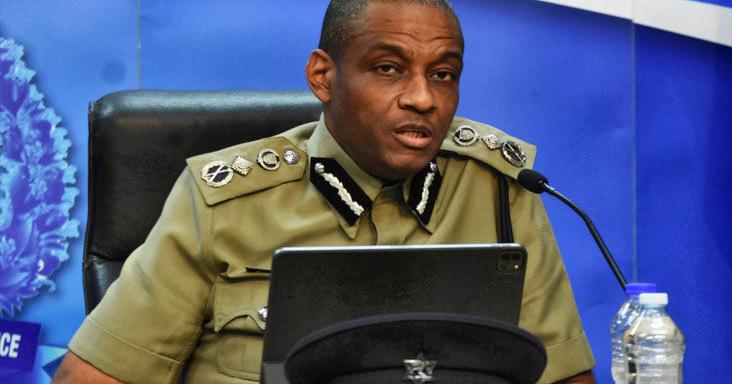
Top law enforcement leaders in Trinidad and Tobago are calling for urgent systemic changes to address a growing crisis of chronic understaffing, widespread officer burnout and unaddressed mental health strains across the national police service. Speaking at a press conference held Thursday at the Police Administration Building in Port of Spain, Police Commissioner Allister Guevarro detailed how persistent manpower gaps have stretched the service’s personnel to their breaking point, a crisis that has worsened dramatically since the onset of the COVID-19 pandemic six years ago.
Guevarro explained that over the past half-decade, officers have worked almost continuously, repeatedly called on to exceed their regular duty obligations to provide security for a packed calendar of major national events and public gatherings year-round. Even during extended periods of national state of emergency, officers have been required to maintain full public presence during peak holiday and celebration periods including Christmas, Trinidad and Tobago’s world-famous Carnival, and Independence Day observances, placing unrelenting pressure on the existing limited workforce.
This sustained strain is the core motivation behind Guevarro’s long-running campaign to expand the TTPS’s authorised officer headcount. He emphasized that the crisis demands both immediate interventions and long-term structural solutions, rather than the ongoing government delays that have kept the service understaffed.
Addressing widespread reports that officers have been denied vacation leave due to operational demands tied to the current state of emergency, Guevarro clarified that the TTPS has not implemented a blanket ban on leave. Instead, all leave requests are reviewed and approved on a case-by-case basis, a policy designed to balance the force’s operational readiness with officers’ critical need for rest and recovery. “One of the decisions I made, I spoke to the Deputy Commissioner of Police Administration…We have not been restricting vacation leave to officers, even though the state of emergency exists,” Guevarro said. “We are trying to manage the leave of the officers in a manner that will still allow them the opportunity to get that much-needed refresh and reflection.”
The Commissioner’s comments came on the heels of two back-to-back traumatic deaths of serving officers that have rocked the law enforcement community, underscoring the urgency of addressing unmet mental health needs. Last week, one officer was fatally shot in Sangre Grande, and a second officer died in prison custody just days later; Guevarro noted that both tragedies have weighed heavily on TTPS leadership, with investigations still ongoing to clarify the circumstances of the second death. Most recently, a suspected suicide on June 16 left Corporal Yohanis Joseph of the Sangre Grande Police Station dead, and a member of the Inter-Agency Task Force wounded, bringing the crisis into the public spotlight.
These incidents, Guevarro said, reinforce how critical it is to prioritize mental health support for law enforcement. He added that mental health struggles are not unique to policing, cutting across all sectors of Trinidad and Tobago society, urging anyone showing signs of distress to reach out for professional help without delay. The Commissioner also raised concerns about the additional toll that constant public criticism, particularly unregulated attacks on social media, has had on rank-and-file officer morale.
Ishmael Pitt, president of the Trinidad and Tobago Police Service Social and Welfare Association and an Assistant Superintendent of Police, echoed Guevarro’s warnings in comments to local outlet *Express* on Wednesday. Pitt renewed the association’s longstanding call for greater investment in officer mental health and stronger protections for work-life balance, noting that the suspected suicide of Corporal Joseph has highlighted the severity of long-unaddressed issues the association has flagged for years.
“We are deeply concerned as to the mental health of our officers. We have been seeing a lot of strange developments recently, and this incident yesterday [Tuesday] emphasises the consistent call we have been making regarding the work-life balance of police officers,” Pitt said. He noted that policing is inherently an emotionally and physically demanding occupation, but officers also carry private personal responsibilities, family obligations and personal struggles that must be accommodated. Pitt closed by urging any officer overwhelmed by personal or professional challenges to reach out for available support services.