作者: admin

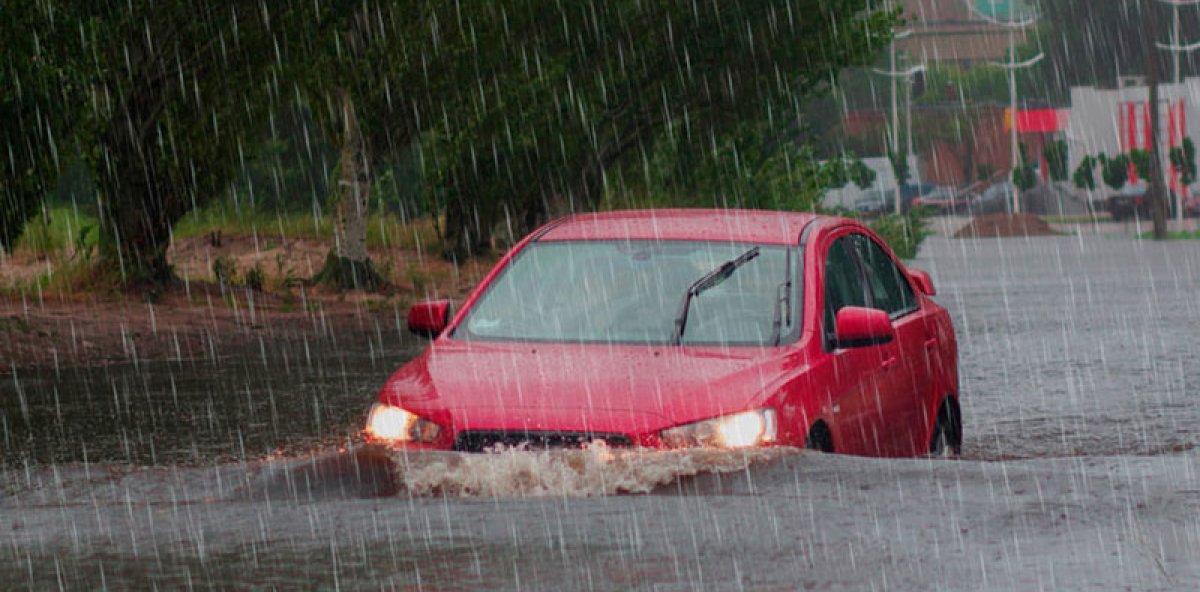
  • What does flood insurance really cover? A guide to protecting your assets.

    What does flood insurance really cover? A guide to protecting your assets.

    As extreme weather events grow more frequent across the globe, homeowners and vehicle owners face increasing urgency to understand the fine print of their insurance policies to safeguard their valuable assets. Leading insurance provider Mapfre has recently broken down common misconceptions around flood and water damage coverage, highlighting critical gaps that many policyholders only discover after disaster strikes.

    For residential and commercial multi-risk property policies, Mapfre’s Technical Director of General and Property Insurance Yesenia Vásquez confirmed that flood protection is included as a standard feature in most contracts. However, the company warns of a common cost-cutting choice that leaves many property owners unprotected: customers can opt to voluntarily remove flood coverage from their policy to reduce their annual premium. While this choice lowers immediate costs, Vásquez emphasized that it can lead to devastating financial losses when extreme flooding occurs.

    Mapfre also draws a clear technical distinction between flooding and other forms of water damage that are not covered by standard flood policies. For insurance purposes, flooding is officially defined as water originating outside a property that inundates and penetrates the building, damaging both the structural core (including walls and flooring) and personal or commercial contents such as furniture and equipment. In contrast, Vásquez noted that water damage resulting from internal issues like clogged pipe leaks, failing roof seals, or general poor maintenance does not qualify as flooding, and these claims will be denied under standard flood coverage. These types of damage are considered the responsibility of the property owner, who is expected to complete routine upkeep to prevent avoidable failures.

    When it comes to personal and commercial vehicles, the rules around water damage coverage differ significantly from property policies. Francisco Pérez Cuevas, Mapfre’s Technical Director of Auto Insurance, explained that water and flood damage is never included as an automatic feature of basic auto insurance policies. Instead, drivers must add this coverage as a separate add-on to their existing contract to be protected.

    Pérez Cuevas also pushed back against the widespread marketing term “full coverage insurance”, noting that this phrase is more of a promotional tool than a technically accurate description of a policy. “Many consumers assume that a ‘full coverage’ policy protects them against every possible risk, but that simply is not the case,” he explained. “It is essential that every policy holder review their specific coverage line-by-line, and explicitly ask their insurance provider whether their contract includes water and flood damage for their vehicle.”

    To help property and vehicle owners avoid costly surprises when filing a claim, Mapfre experts have outlined three core checks every insured person should complete before disaster strikes:

    First, always distinguish between flooding and routine leaks. Insurance is designed to cover extraordinary, external natural events, not damage that results from a property owner’s failure to complete routine maintenance on internal systems like pipes and roofs.

    Second, verify that both the physical structure of your property and all personal or commercial contents inside are explicitly included in your flood coverage. Flooding can damage everything from a building’s foundation to household appliances, and gaps in coverage can leave major costs uncovered.

    Third, never assume coverage based on the marketing name of your policy. Always ask your insurance advisor to provide a full written breakdown of all excluded risks, so there is no confusion when you need to file a claim.

    At its core, effective asset protection against rising extreme weather relies on more than just paying insurance premiums. It requires a clear understanding of exactly what your policy covers, and where exclusions apply. The difference between recovering your property after a flood and suffering a total financial loss often comes down to reviewing the details of your insurance contract before a disaster occurs.
  • Dominican Republic increased the number of provinces under Red Alert for 4 Provinces due to heavy rain and flood risk

    Dominican Republic increased the number of provinces under Red Alert for 4 Provinces due to heavy rain and flood risk

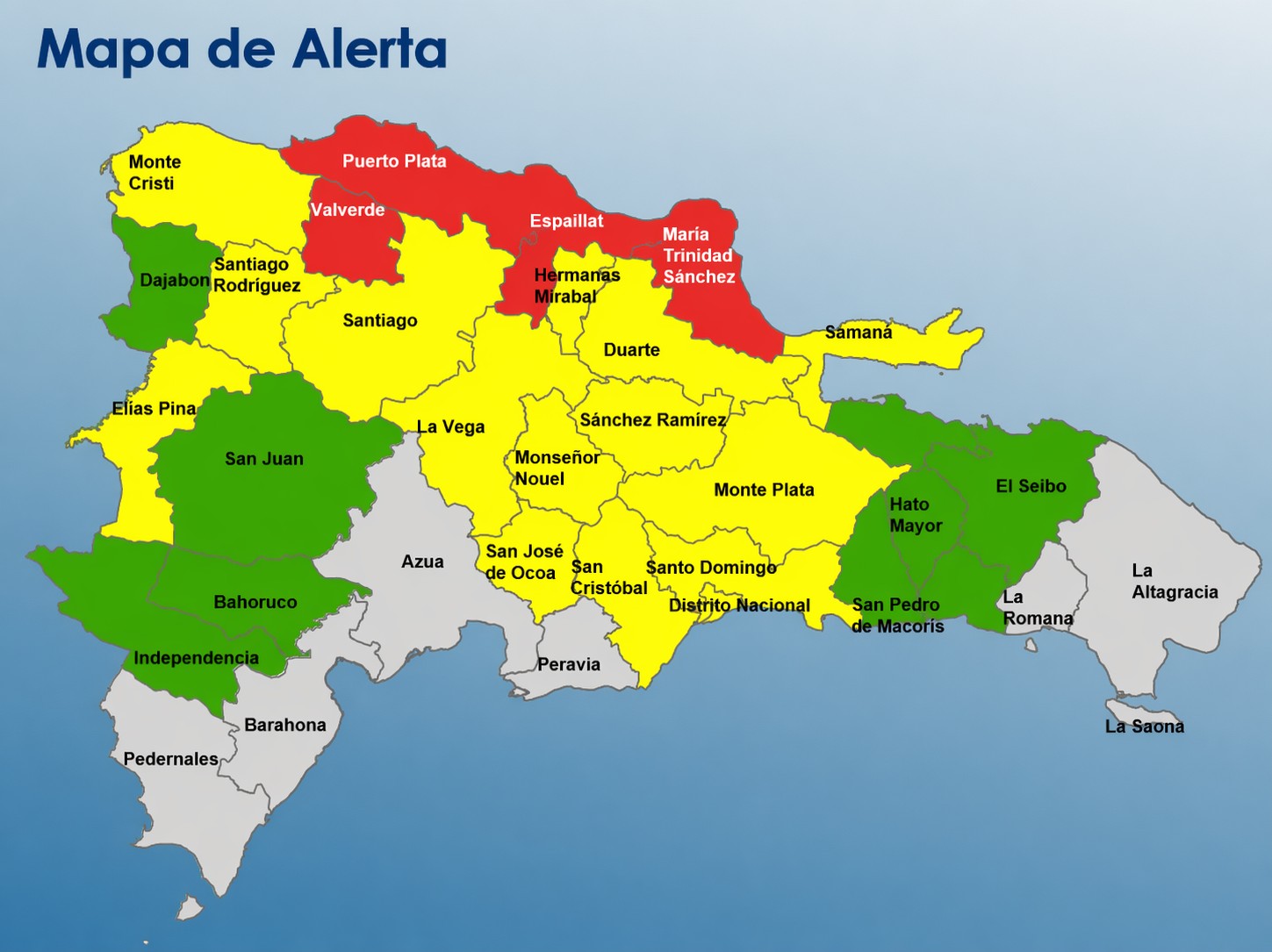
    The Dominican Republic’s emergency management authorities have rolled out a three-tiered national alert system, placing four northern provinces on the highest risk red alert as adverse weather conditions threaten widespread flooding across large swathes of the country.

    The four red-flagged provinces, which face the most severe potential hazards, are Puerto Plata, Valverde, Espaillat, and María Trinidad Sánchez. Beyond these high-risk zones, the country’s capital National District and an additional 14 provinces have been placed under yellow alert, signaling a moderate level of danger, while the remaining seven provinces carry the lowest-level green alert status, indicating minimal immediate risk.

    The nation’s Emergency Operations Committee (COE), which manages disaster preparedness and response, confirmed that the tiered alerts were triggered by growing threats of multiple flood types. At-risk areas face potential overflow across rivers, small streams, and natural ravines, alongside the looming possibility of sudden flash floods and standing water in dense urban areas.

    This latest alert update draws on official data and forecasts from two leading national institutions: the Dominican Institute of Meteorology (Indomet) and the National Institute of Hydraulic Resources (INDRHI). Technical assessments from both agencies confirm that atmospheric conditions across the country remain primed for sustained rainfall. A slow-moving trough connected to an active frontal system has kept moisture levels elevated, leaving already saturated soils in high-risk provinces far more vulnerable to runoff and flooding. Local authorities are urging residents in alert zones to monitor official updates, prepare for potential evacuation, and avoid low-lying flood-prone areas through the duration of the weather event.

  • Santiago Civil Defense highlights the preventive work of the Santiago City Council in the face of rains

    Santiago Civil Defense highlights the preventive work of the Santiago City Council in the face of rains

    As forecasters warn of incoming heavy precipitation across the Dominican Republic’s Santiago province, local Civil Defense leadership has publicly commended the proactive flood risk reduction work led by Santiago’s municipal mayor, Ulises Rodríguez.

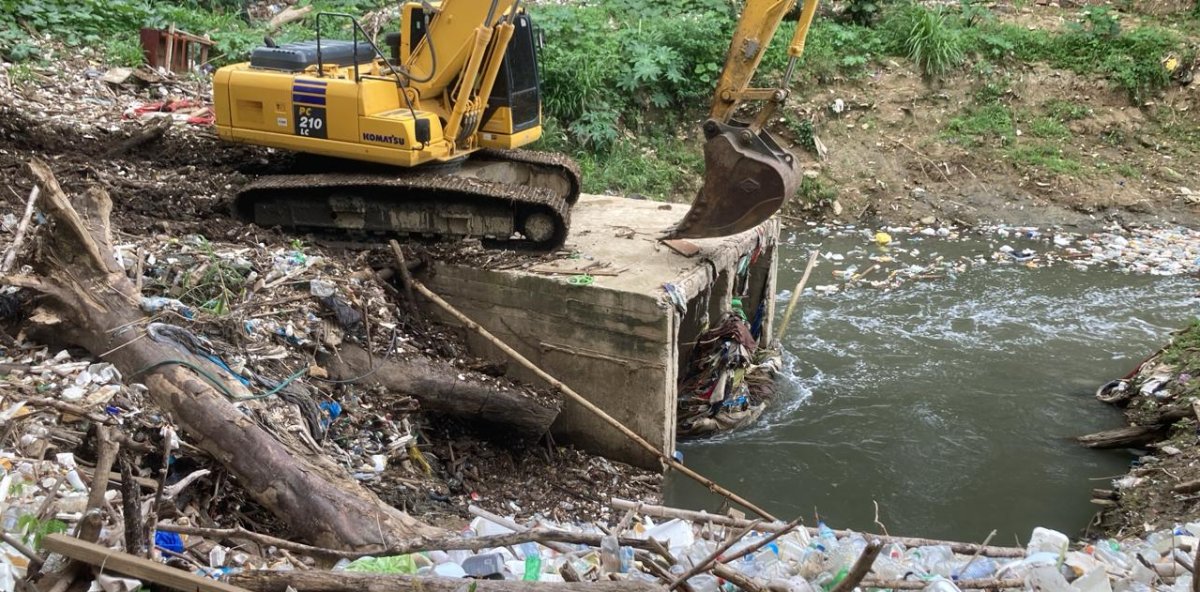
    Francisco Arias, regional director of the Dominican Civil Defense, highlighted that the municipal government has prioritized critical pre-storm preparedness tasks across high-risk neighborhoods and geographic hotspots. These interventions include clearing debris from natural ravines, unclogging urban drainage systems, removing accumulated waste from bridge approaches, collecting scattered solid waste from residential areas, and pruning overgrown tree branches that could threaten infrastructure during storms.

    The work has already been fully rolled out across a range of priority zones, Arias confirmed, including 20th Street, 8th Street, the communities of Nibaje and Hoya de Caimito, and the high-risk Devil’s Ravine — all locations long identified as prone to dangerous waterlogging during heavy downpours. Beyond the physical infrastructure work, Arias noted that municipal crews have maintained a consistent, visible presence in these flood-prone areas to respond quickly to emerging hazards as the rain approaches.

    In his remarks, Arias also extended recognition to Arismendi Dajer, the municipal government’s general secretary, and the full team of local municipal staff who have collaborated to advance the preparedness campaign.

    Arias explained that pre-event mitigation is a core component of effective disaster management: by addressing hazards before storms hit, officials can dramatically cut the risk of destructive flooding and keep local residents safe. “Our Civil Defense teams have been continuously moving through vulnerable neighborhoods to share safety guidance with residents, and the Mayor’s Office has complemented that work with on-the-ground infrastructure upgrades that directly reduce flood risk,” he explained.

    All of these coordinated actions fall under a broader, holistic disaster preparedness strategy designed to protect both the lives and property of Santiago residents, Arias added, emphasizing that the municipal government remains in a constant state of readiness to address any weather-related emergency.

    In a final update, Arias confirmed that the interagency Prevention, Mitigation, and Response Committee (PMR) has already been activated, with round-the-clock monitoring of shifting weather conditions already underway. Since the previous day, Civil Defense response brigades have been door-to-door in at-risk communities, walking local families through the key safety steps they should follow if flooding does develop.

  • Manhunt launched for gang behind daring cash robbery

    Manhunt launched for gang behind daring cash robbery

    A violent armed robbery has left three Chinese nationals targeted in their own residential property in Guyana, with four suspects currently evading law enforcement capture, the Guyana Police Force confirmed in an official update published Saturday, April 11, 2026.

    The attack unfolded around 3:53 p.m. local time on Friday, as the three victims had just arrived at their property in Eccles, a community located along Guyana’s East Bank Demerara. As the group stepped out of their vehicle, four male suspects ambushed them. According to initial police accounts, one of the four attackers was openly carrying a loaded handgun during the incident.

    After overpowering the victims, the suspects forced the three Chinese nationals back inside their home, where they carried out a systematic search of both the upper and lower floors of the residence. During the ransacking, the robbers stole a combined haul of multiple currencies and personal identification documents. The stolen assets include 500,000 Guyanese dollars, 900 U.S. dollars, 1,000 Mexican pesos, and 200 Hong Kong dollars, alongside a Chinese national identity card and other critical personal paperwork.

    Law enforcement investigators have already secured key evidence to advance the case, with closed-circuit television footage recorded by cameras installed on the victims’ property successfully collected for review. This footage is now a core component of the active manhunt and ongoing investigation into the robbery.

    As of Saturday afternoon, no suspects had been taken into custody, and police continue their efforts to locate and apprehend the four perpetrators responsible for the attack.

  • Vendor, construction worker prime suspects in thefts

    Vendor, construction worker prime suspects in thefts

    Authorities in Guyana have confirmed that two young local men are being held as prime suspects following a pair of related criminal offences committed earlier this month, regional outlet Demerara Waves Online News reported Saturday, with the information last updated at 19:38 local time on April 11, 2026.

    The two accused, a 22-year-old street vendor and a 21-year-old construction worker, both residents of Barnwell North in the Mocha community of East Bank Demerara, are linked to two distinct criminal incidents that took place on April 6, according to an official statement released by the Guyana Police Force.

    Investigators say the pair first carried out an armed robbery at a Chinese-owned supermarket located in Goed Fortuin, a community on the West Bank of the Demerara River. Later the same day, they allegedly committed a break-and-enter and larceny at a private residential property in Eccles, another settlement on East Bank Demerara.

    Following the crimes, law enforcement teams launched an immediate investigation that drew on key forensic evidence from both crime scenes. Investigators obtained and reviewed closed-circuit television footage captured at both locations, a step that significantly advanced the probe and helped lead investigators to identify the two suspects, police confirmed.

    After being identified, the pair were taken into custody and escorted to the Providence Police Station for formal questioning. They have since been remanded into continued custody as of Saturday’s update, and remain in detention while assisting law enforcement with ongoing inquiries into the offences.

  • NCCU investigates incident at  its ATM at cork street

    NCCU investigates incident at its ATM at cork street

    The National Co-operative Credit Union Ltd (NCCU) has launched an official investigation into a fire-related incident that impacted one of its automated teller machines located on Cork Street in Roseau. In a public statement released on Saturday, April 11, 2026, the financial cooperative confirmed that the affected site around the ATM is currently undergoing deep cleaning, while critical maintenance work is being carried out on the machine itself to guarantee the ongoing safety of the institution’s members.

    In the notice, NCCU appealed to customers for understanding as its technical teams work to restore full public access to the ATM in the shortest timeframe possible. The organization also extended heartfelt gratitude to local community members who stepped in to help contain the fire before emergency services arrived, crediting their quick action with preventing more extensive damage to the site.

    NCCU closed its statement by noting that additional updates will be shared promptly with the public as new details about the incident and repair progress emerge.

  • FLASH : Terrible tragedy 30 dead at the Citadelle Laferrière

    FLASH : Terrible tragedy 30 dead at the Citadelle Laferrière

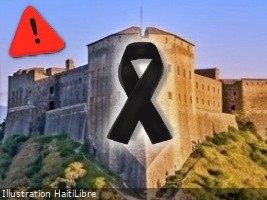
    A devastating crowd crush at one of Haiti’s most iconic historical landmarks has left at least 30 people dead and dozens more injured, in what local authorities are calling one of the worst public safety disasters in the region in recent years. The tragedy unfolded on Saturday, April 11, 2026, at the Citadelle Laferrière in Milot, where thousands of attendees gathered for annual traditional cultural festivities that drew a far larger turnout than organizers had anticipated.

    Preliminary investigations from Haiti’s Civil Protection agency point to severe overcrowding at the UNESCO-recognized site, compounded by critical gaps in pre-planned crowd management protocols, as the root cause of the deadly stampede. When overcrowding reached a breaking point, the sudden surge of people triggered a chaotic crush that left numerous victims trapped, suffering from asphyxiation and trampling injuries. The provisional death toll was confirmed at 30 as of early Sunday morning, with dozens of injured survivors currently receiving emergency care at regional hospitals across northern Haiti.

    Civil Protection officials have warned that the final death toll is likely to rise, as dozens of people remain unaccounted for in the aftermath of the incident. Sacré-Cœur Hospital in Milot, the closest major medical facility to the site, has already received multiple bodies of young victims who were pronounced dead on arrival, and eyewitnesses on the scene told local reporters they expect the total number of fatalities could climb above 50 as search and recovery operations continue.

    Local authorities moved swiftly to launch rescue operations in the wake of the disaster. The Cap-Haïtien Municipal Commission activated its emergency response protocol immediately, dispatching ambulances, emergency response teams and relief supplies to the Citadelle Laferrière to support evacuation, search and victim care efforts. In an official statement, the municipal body praised the rapid mobilization of Civil Protection workers, medical staff and civilian volunteers who have worked around the clock in difficult conditions to assist survivors.

    The commission also released an official message of condolence, expressing its deepest sorrow for the lives lost and extending its full solidarity to all families impacted by the tragedy. Haiti’s national government has also formally responded to the disaster. In a public statement released Saturday evening, Prime Minister Alix Didier Fils-Aimé and his administration expressed profound dismay and overwhelming sadness over the loss of life.

    “We share the profound emotion and immense sadness of the Haitian people following this unthinkable tragedy,” the statement read. “The Government extends its sincere condolences to the bereaved families and assures them of our deep solidarity during this time of mourning and great suffering.” All relevant national and local authorities remain on high alert, with the government confirming that all necessary support and medical care is being provided to survivors and their families without delay.

    The government is closely monitoring the evolving situation as an official investigation into the exact circumstances of the tragedy gets underway. Officials have called on the public to remain calm and exercise caution while waiting for the investigation’s full findings, and reaffirmed the government’s unwavering commitment to supporting the affected community through this crisis.

  • Missing Link Candidate Seeks Entry in St John’s Rural West Race

    Missing Link Candidate Seeks Entry in St John’s Rural West Race

    As Antigua and Barbuda prepares to hold its general election on April 30, a new political voice is emerging to challenge the dominance of the nation’s two leading political blocs. Nigel Bascus, president of the Missing Link–Voice of the People Party (MLVOP), has announced his bid for the St John’s Rural West parliamentary seat, casting himself as a grassroots alternative disconnected from the established political order.

    A working fisherman by profession, Bascus has pushed back against the common narrative that political candidates are driven by personal gain. In comments outlining his campaign motivation, he emphasized that his candidacy is rooted in public service rather than financial reward or elevated social status. “I’m not running for a bigger paycheck… I’m just running to make my country better,” he stated, framing his campaign as a people-centered movement rather than a quest for personal advancement.

    Before he can officially appear on the ballot, Bascus must secure the 10 qualifying nominations required by local election rules. Once this requirement is met, he will go head-to-head with two established opponents: Michael Joseph, the candidate fielded by the Antigua and Barbuda Labour Party (ABLP), and Richard Lewis, representing the United Progressive Party (UPP). Bascus told reporters he has already confirmed all required nominators, putting him on track to meet the nomination deadline and formalize his candidacy.

    The core of Bascus’s campaign platform centers on two historically underprioritized sectors that he argues are critical to the nation’s long-term stability: agriculture and aquaculture. Bascus pointed out that despite the key role these industries play in guaranteeing national food security, successive governments have repeatedly sidelined them in policy and budget allocations. To address this gap, he has already launched a skills training initiative designed to equip local residents with practical expertise in sustainable farming and commercial fishing, laying early groundwork for the policy changes he hopes to implement if elected.

    To connect directly with voters in the rural constituency, Bascus plans to run a grassroots, community-focused campaign that bypasses costly, disconnected national advertising campaigns. His outreach strategy includes door-to-door house visits to speak with voters one-on-one, regular appearances on local radio to answer questions and share his platform, and targeted direct engagement with community groups across the district.

  • Trinidad’s PM escalates feud with Caribbean neighbours

    Trinidad’s PM escalates feud with Caribbean neighbours

    A long-simmering dispute between Trinidad and Tobago and its Caribbean Community (CARICOM) neighbors over U.S. policy toward Venezuela and international drug trafficking erupted into open diplomatic conflict on Friday, as Prime Minister Kamla Persad-Bissessar doubled down on her demand that CARICOM Secretary-General Carla Barnett leave office when her current term expires this August. The 15-member regional trade and integration bloc has been fractured by ideological rifts since late last year, when a majority of member governments publicly condemned expanded U.S. military activity in the South Caribbean and the large deployment of American forces positioned near Venezuela, launched as part of a U.S. operation targeting then-Venezuelan President Nicolás Maduro. For years, CARICOM member states have collectively endorsed the vision of the Caribbean as a formal “zone of peace,” rejecting the introduction of extra-regional great power military competition into the bloc’s neighborhood. But since winning Trinidad and Tobago’s general election one year ago, Persad-Bissessar has openly rejected this longstanding regional consensus, dismissing the “zone of peace” framework as nothing more than “zone of peace fakery.” She has positioned her administration as a firm backer of U.S. military action in the region and the U.S. campaign against transnational drug trafficking and organized crime. Her latest move targets the bloc’s top administrative leadership, where she has waged a monthslong public campaign to block Barnett’s reappointment when her five-year term concludes at the end of August. To strengthen her push, Persad-Bissessar has repeatedly emphasized Trinidad and Tobago’s outsized financial contribution to CARICOM: the nation covers roughly 22% of the bloc’s total annual operating budget, equal to approximately $20 million per year. The prime minister has made no secret of her deep frustration with the bloc’s current policy direction, stating repeatedly that she cannot understand why most regional leaders have aligned with Venezuela and the Maduro administration rather than falling in line with the U.S. position. In a 2025 statement released as the U.S. ramped up preparations for its action against Maduro, Persad-Bissessar claimed that “CARICOM has chosen to support the Maduro narco-government through the fake zone of peace narrative.” Her comments came as multiple CARICOM governments raised formal complaints over the civilian casualties and alleged legal violations linked to deadly U.S.-aligned boat strikes in regional waters. Persad-Bissessar’s unyielding pressure ultimately forced CARICOM leaders to convene an emergency closed-door meeting on Friday to address the contentious question of Barnett’s reappointment, bringing the months of behind-the-scenes friction into full public view.

  • 10 kilo cocaïne uit Suriname onderschept in Bulgaarse haven

    10 kilo cocaïne uit Suriname onderschept in Bulgaarse haven

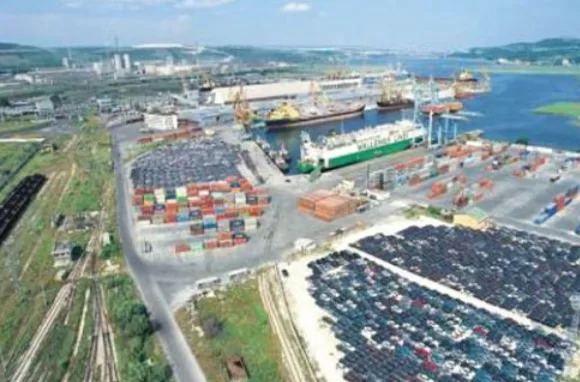
    Authorities in Bulgaria have intercepted a 10-kilogram shipment of cocaine hidden inside a shipping container at the Varna-West commercial port, with the container originating from the South American nation of Suriname. Bulgarian customs officials confirmed that the illegal narcotics were concealed in custom-built hollow cavities cut into a cargo of raw timber, a common smuggling tactic used by trafficking networks to hide contraband. The container was flagged for inspection through a targeted risk assessment protocol that the country’s customs service uses to identify high-risk shipments entering its borders. Once the suspicious container was pulled from the port’s processing queue, inspection teams discovered the carefully hidden cocaine stashed within the trunks of the timber load. Law enforcement experts note that this method of hiding contraband in modified cargo is a longstanding tactic employed by drug smuggling rings to evade detection at border checkpoints and port inspections. Following the seizure, Bulgarian authorities have transferred the full case to national police units, which have launched a formal criminal investigation to trace the full supply chain of the shipment, mapping out its original source and intended final destination across European markets. International law enforcement agencies monitoring organized drug trafficking have observed a growing trend in recent years: Black Sea ports including Varna are increasingly being exploited as key entry points for cocaine shipments originating in South America bound for consumer markets across the European continent. This latest seizure of Suriname-origin cocaine, officials confirm, fits squarely into this broader pattern of shifting smuggling routes that trafficking networks have adopted as traditional entry points along Western Europe’s Atlantic coast have tightened border security measures. The operation underscores the evolving challenges that Black Sea states face in countering transnational organized drug crime as trafficking groups adapt their logistics to avoid interdiction.