作者: admin

  • COE reports more than 700 displaced people, isolated communities, and maintains alert for 26 provinces

    COE reports more than 700 displaced people, isolated communities, and maintains alert for 26 provinces

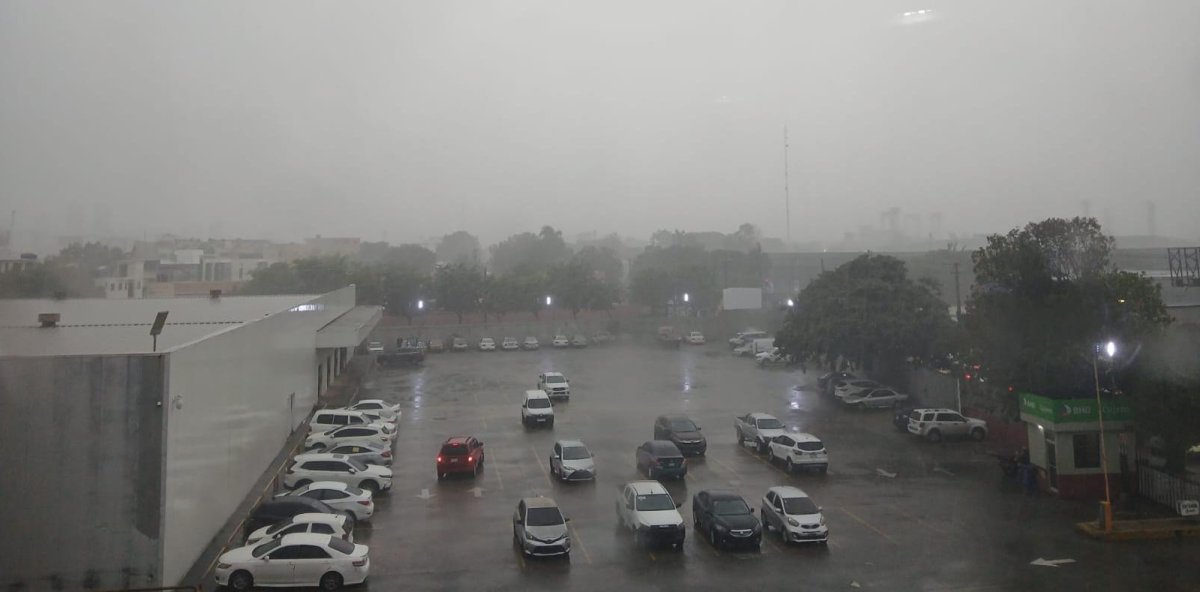
    Torrential rainfall that hit several northern and central provinces of the Dominican Republic Saturday night has triggered devastating flash flooding, leaving hundreds of residents displaced and disrupting critical infrastructure across the affected region, the nation’s Emergency Operations Center (COE) confirmed in an official update Sunday morning.

    In its latest situation bulletin, the COE detailed the widespread human and material toll of the disaster: across the hard-hit provinces of Puerto Plata, Monte Plata, Valverde, and María Trinidad Sánchez, the flooding has damaged 145 residential properties, forced 725 people from their homes, and left 167 residents taking temporary refuge in government-run emergency shelters. Twelve entire communities remain cut off from surrounding areas, blocked by floodwaters that have made local roads impassable.

    Beyond housing and displacement, the disaster has also triggered a major public health crisis by cutting off drinking water access for more than 113,000 users across the affected region. Seventeen regional aqueduct systems have been knocked out of commission by the heavy rains and flood damage, leaving vast swathes of the impacted population without access to safe running water.

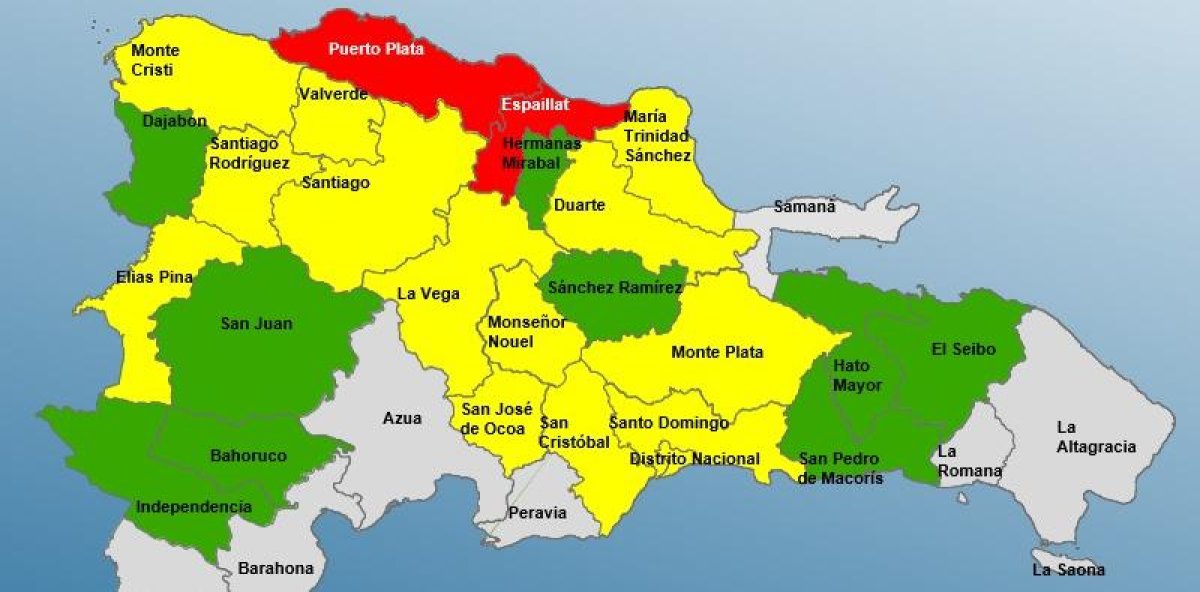
    In response to the ongoing hazard, the COE has activated its highest-level red alert for four of the most severely impacted provinces: Puerto Plata, Espaillat, María Trinidad Sánchez, and Valverde. The alert bars non-essential travel and mandates emergency response teams to remain on standby for rapid rescue and relief operations.

    An additional 15 provinces and administrative areas remain under lower-level yellow alert, warning residents of ongoing risks of flooding and landslides. The areas under yellow alert include Monseñor Nouel, Sánchez Ramírez, Santiago, La Vega, Monte Cristi, Elías Piña, Samaná, Santiago Rodríguez, San Cristóbal, Santo Domingo Province, the National District, Monte Plata, San José de Ocoa, Duarte – with particular focus on the high-risk Bajo Yuna region – and Hermanas Mirabal.

  • Suriname pleit voor eerlijke klimaatfinanciering tijdens Amazone overleg

    Suriname pleit voor eerlijke klimaatfinanciering tijdens Amazone overleg

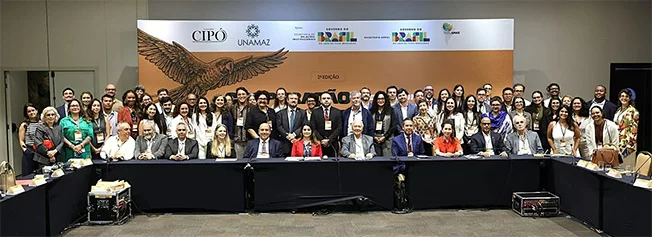
    On April 9, a critical regional consultation focused on Amazon rainforest protection brought together a diverse array of stakeholders in Brazil’s capital city of Brasília, where Suriname emerged as a leading voice demanding systemic reform to global climate finance frameworks that recognizes the contributions of nations preserving extensive, intact forest ecosystems.

    Organized to advance implementation of prior regional commitments to Amazon conservation, the gathering convened representatives from member states of the Amazon Cooperation Treaty Organization (ACTO), ACTO’s administrative secretariat, Brazilian federal authorities, civil society groups, Indigenous communities, and academic research institutions. Discussion centered on strengthening cross-border collaboration, updating scientific data infrastructure, and addressing longstanding inequities in global climate action support.

    Speaking on behalf of the Surinamese government, Ambassador Ike Antonius drew attention to a gaping oversight in current international climate funding structures: the failure to adequately compensate High Forest, Low Deforestation (HFLD) nations. These are countries that maintain vast tracts of intact forest cover with minimal deforestation rates, delivering substantial global public benefits by sequestering carbon and slowing the progression of anthropogenic climate change. Yet they have historically been locked out of the majority of climate finance allocated to forest protection, which is often directed only to nations tackling high existing deforestation rates.

    Suriname, which falls squarely into the HFLD category, has repeatedly raised this demand across global climate policy forums. The country’s position reflects a longstanding government push to overhaul the global financial architecture underpinning international climate policy, to ensure nations that have already prioritized forest conservation receive tangible recognition and support for their ongoing efforts.

    Beyond the debate over climate finance, the consultation reinforced the shared commitment of Amazon basin nations to deepening cross-border collaboration. Participants emphasized that coordinated action on knowledge sharing, aligned policy development, and improved access to up-to-date scientific data is essential to scaling up effective conservation across the region. Stakeholders from Indigenous groups and civil society also contributed perspectives on integrating traditional knowledge and community-led stewardship into regional conservation strategies, underscoring the multi-sectoral approach needed to protect the world’s largest tropical rainforest.

  • Meteorologist explains April rains reignite the debate: which is the rainiest month in the Dominican Republic?

    Meteorologist explains April rains reignite the debate: which is the rainiest month in the Dominican Republic?

    For many people living in or familiar with the Dominican Republic, a widespread misconception has persisted: that the country’s wettest weather aligns with November, or that unusually heavy early-spring downpours in recent years have shifted the peak rainfall to April. But 30 years of systematic climate measurements tell a far different story, according to a leading Dominican meteorologist.

    Cristopher Florian, a climatology specialist at the Dominican Institute of Meteorology (Indomet), shared the findings in an exclusive interview with local newspaper HOY, debunking the common misconception about the country’s rainfall patterns. Long-term climatological data collected consistently across decades confirms that May actually holds the title of the Dominican Republic’s rainiest month, with June ranking as the second wettest, Florian explained.

    “That conclusion is firmly established by climatological science, drawn from three decades of continuous rainfall measurements across monitoring sites across the country,” Florian told reporters. The meteorologist added that while extreme heavy precipitation events have occurred in April and November in recent years, that short-term trend is not enough to upend long-held climate patterns.

    To formally declare a shift in a region’s long-term climatology, scientists require a continuous 30-year dataset to filter out short-term random weather fluctuations and identify sustained trends, Florian noted. “We still need many more years of consistent measurements to confirm that April or November have overtaken May and June as the country’s rainiest months,” he clarified.

    Beyond correcting the long-held misconception, Florian also issued a practical forecast for the coming days, warning residents that widespread rainfall will persist through the weekend. He projected that precipitation levels will climb notably on Sunday, and the wet weather will continue into Monday with increased intensity. This forecast raises the risk of several hazardous conditions, including swelling of rivers, streams and mountain ravines, as well as flash urban flooding in low-lying developed areas, the meteorologist cautioned.

  • CARICOM Chairman insists T’dad Foreign Minister absented from retreat due to seasickness

    CARICOM Chairman insists T’dad Foreign Minister absented from retreat due to seasickness

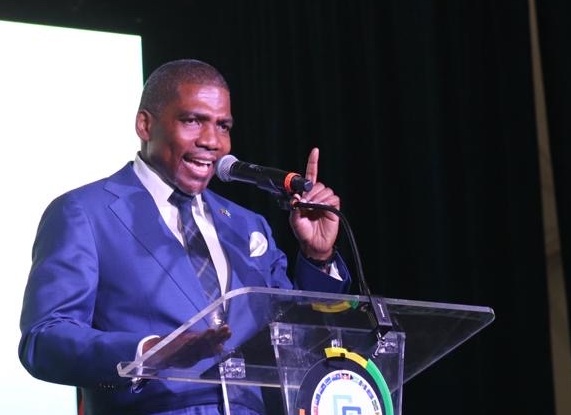
    A brewing internal dispute within the Caribbean Community (CARICOM) has moved into the public eye, with CARICOM Chairman and St Kitts and Nevis Prime Minister Dr. Terrance Drew issuing a detailed public refutation of Trinidad and Tobago’s claims surrounding the recent reappointment of the bloc’s Secretary General on Saturday evening. The core of the conflict centers on two key claims from Trinidad and Tobago: that its Foreign Minister Sean Sobers was deliberately disinvited from a critical leaders’ retreat focused on the Secretary General appointment, and that the reappointment process violated CARICOM’s foundational governing treaty.

    Addressing the first allegation head-on, Drew laid out a timestamped timeline of communications to back the bloc’s position that Sobers voluntarily opted out of the February 26 off-site retreat due to pre-existing seasickness. According to Drew, after Trinidad and Tobago Prime Minister Kamla Persad-Bissessar departed the broader CARICOM conference hosted in St Kitts and Nevis on the evening of February 25, Sobers reached out to incumbent CARICOM Secretary General Dr. Carla Barnett via WhatsApp at 10:33 PM that same night to ask if he could attend the retreat in Persad-Bissessar’s place. Barnett confirmed that foreign ministers routinely stand in for absent heads of government, clearing the way for Sobers to participate. In that same exchange, Drew said, Sobers noted that the retreat required a boat ride to reach its venue, and his chronic seasickness made attendance uncomfortable, leaving his participation uncertain. By 10:55 PM that night, Barnett forwarded the exchange to Drew, noting that Trinidad and Tobago would likely go unrepresented at the next day’s retreat. In a follow-up message sent at 12:37 AM on February 26, Barnett told Sobers that the CARICOM chair would fully understand his decision to skip the event if the boat trip would trigger illness. Drew emphasized that Sobers never sent any follow-up communication to either the chair or the Secretary General indicating he had changed his mind and was able to attend. This directly contradicts Trinidad and Tobago’s claim that Sobers was uninvited to the closed-door meeting.

    Drew also pushed back on Trinidad and Tobago’s second claim that the Secretary General appointment was never placed on the retreat’s formal agenda. He confirmed that the reappointment of incumbent Dr. Barnett for a second five-year term was discussed under the retreat’s existing “Financing and Governance of the Community” agenda item. The discussion was held in accordance with the provisions laid out in Article 24 of the Revised Treaty of Chaguaramas, CARICOM’s core governing document, and Barnett stepped out of the room during the deliberations to avoid any conflict of interest. After regional leaders reached a consensus to approve Barnett’s reappointment, Drew explained that the bloc intentionally delayed the public announcement as a courtesy to inform CARICOM heads who were not present at the retreat before making the decision official. However, repeated attempts to contact Persad-Bissessar via both email and phone went unanswered, and Drew was ultimately tasked with notifying Sobers of the outcome.

    Trinidad and Tobago has rejected the legitimacy of the process, arguing that the appointment violated the Revised Treaty of Chaguaramas. While the country has ruled out a full exit from CARICOM, it has announced that it will cut all financial contributions to the regional bloc until the dispute is resolved to its satisfaction. So far, at least two CARICOM member states — Guyana and Belize — have publicly expressed their support for the reappointment process that led to Barnett’s second term. Barnett made history as the first woman to hold the post of CARICOM Secretary General. The dispute also spilled over into an April 10 virtual summit called to address Trinidad and Tobago’s concerns about the reappointment, which Trinidad and Tobago boycotted entirely. Drew confirmed that neither the prime minister nor any other representative from the country attended the scheduled meeting.

  • Analyse: Rekenkamer legt systeemfout bloot: probleem is geen geld, maar bestuur

    Analyse: Rekenkamer legt systeemfout bloot: probleem is geen geld, maar bestuur

    Dutch Court of Audit’s 2025 annual report does more than just outline technical administrative gaps—it offers a unflinching diagnosis of deep-rooted systemic issues that have plagued the country’s public governance for years. Contrary to common assumptions, the core crisis is not a shortage of public funding or the absence of regulatory frameworks, but a persistent lack of consistent, accountable governance across all levels of government.

    The audit acknowledges that incremental progress has been made in recent years to strengthen oversight systems: the Accountability Act is now being broadly applied, a standardized single-audit principle has been rolled out across departments, and there is greater institutional focus on financial and administrative control. On paper, these reforms have left the public governance framework looking far more robust than it was a decade ago. But in real-world practice, structural shortcomings in implementation remain entirely unaddressed, leading to the report’s most stark conclusion: the Dutch public sector does not lack rules—it lacks consistent compliance with those rules.

    A particularly alarming trend highlighted in the report is the repeated pattern of identical failings across disparate policy areas. Whether the audit examines land allocation, social welfare distribution, or public subsidy disbursement, the same three flaws emerge consistently: inadequate internal control mechanisms, insufficient documentation and public accountability for spending, and most critically, the consistent failure to act on previous audit recommendations. This pattern is not evidence of isolated, one-off errors; it is proof of a fundamental systemic failure, where the government only addresses issues through reactive, ad-hoc corrections rather than implementing permanent structural fixes. This approach allows small errors to accumulate into larger, more costly problems over time.

    The report identifies misaligned policy design and budget implementation as the critical weak link in the current system. While this gap is often framed as a technical administrative issue, the Court of Audit makes clear it is inherently political. Governments regularly set ambitious policy targets and approve corresponding budgets, but the actual execution of those plans consistently falls short. This disconnect exposes a foundational unanswered question in Dutch public administration: who bears ultimate responsibility for policy delivery, and who actually enforces that accountability? Without a clear link between responsibility and oversight, policy remains disconnected from on-the-ground reality, the report confirms.

    Internal oversight, a mechanism designed to catch errors early before they result in public harm, also fails to deliver on its mandate. While every ministry formally maintains internal control systems, the audit found these systems either operate poorly or are not taken seriously by senior leadership. This flaw is consequential: by the time problems are identified through post-implementation audits, the damage to public funds and public trust has already been done.

    The report’s sharpest, though implicit, conclusion centers on a lack of political will to drive meaningful reform. Time and again, the Court of Audit issues evidence-based recommendations to address long-standing gaps, but those recommendations are never incorporated into sustained structural change. This confirms the problem is not a lack of knowledge about what needs fixing—it is a failure of political and administrative discipline to implement the required changes. Good governance, the report argues, is not a matter of expertise—it is a matter of political will to enforce accountability.

    Far from being a final assessment of governance failures, the 2025 report acts as a mirror held up to the Dutch government, ministries, and the National Assembly. The key finding of the audit is already clear; the open question now is how elected and appointed officials will act on these warnings. If the same failings are documented again in the 2026 audit, the conclusion will be unavoidable: the system is not just weak, it is unwilling to change.

  • Bridge over Camú River collapses; dozens of homes flooded and extensive damage in Puerto Plata

    Bridge over Camú River collapses; dozens of homes flooded and extensive damage in Puerto Plata

    On Saturday night, torrential downpours swept across the Dominican Republic’s Puerto Plata province, leaving a trail of widespread destruction that has disrupted communities and cut off critical transportation links. Two major bridge structures sustained serious damage, while rising floodwaters inundated dozens of residential properties across multiple municipalities.

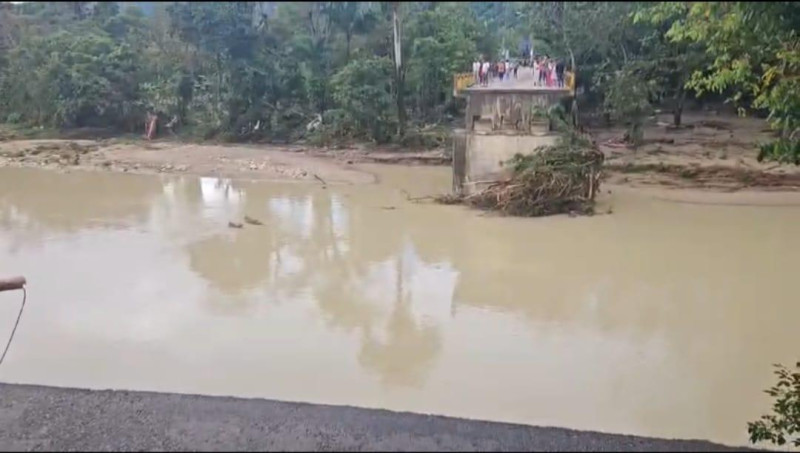
    The most critical infrastructure failure occurred on the region’s popular tourist corridor, where the Camú bridge collapsed entirely, trapping residents and cutting off access to the surrounding area. A parallel crisis unfolded in the Altos de la Boca sector of Los Hidalgos, where a second bridge was rendered impassable by flood-driven damage, creating another isolated pocket of the province.

    Flooding was not limited to infrastructure damage, with multiple low-lying communities across Villa Montellano registering severe inundation. Neighborhoods including Los Ciruelos, El Tamarindo, Monte Bravo, and the La Maternidad district all reported standing floodwaters that entered residential homes. In one dramatic incident in Monte Bravo, an entire family was forced to climb onto the roof of their flooded property to escape rising waters, where they waited for rescue before being pulled to safety by teams from Amber Rescue.

    In the municipality of Imbert, communities along the Bajabonico River including Baraguana, Barrabás, and La Yaguita all saw widespread flooding as the waterway overflowed its banks. The same pattern of river-driven inundation was reported across three additional municipalities: Guananico, Altamira, and Villa Isabela, where dozens of additional homes were flooded.

    Beyond flooding and infrastructure damage, the heavy rain also triggered multiple landslides along the Puerto Plata-Navarrete highway. Slope failures were recorded in the El Copey community of Altamira, as well as at the main entrance to the highway’s tunnel, closing sections of the critical intercity route.

    In response to the crisis, José Ignacio Paliza, the Dominican Republic’s Minister of the Presidency, announced that an official emergency assessment and relief mission would launch in the early hours of Sunday. Paliza confirmed the government’s commitment to supporting impacted families in a post to his official social media account, writing, “We are heading to Puerto Plata to assist the families affected by the heavy rains of the last few hours. God is in control!”

  • Commemoration of the 40th anniversary of the historic march for women’s rights in Haiti

    Commemoration of the 40th anniversary of the historic march for women’s rights in Haiti

    On April 10, 2026, Haiti’s Ministry on the Status and Rights of Women (MCFDF) hosted a day of reflection and national commemoration at Port-au-Prince’s Montana Hotel to mark both the National Day of the Haitian Women’s Movement and the 40th anniversary of the transformative April 3, 1986 women’s rights march. Billed under the theme “40 Years of Battle for Respect for Women’s Rights: Where We Are From, Where We Are, Where We Want to Go with Women’s Demands,” the gathering brought together a cross-section of senior government officials, election authority leaders, veteran feminist activists, senior United Nations representatives, and global institutional partners to examine decades of progress and map the path forward for gender equity in the Caribbean nation.

    Attendees included cabinet members Stéphanie Smith of the Ministry of Tourism, Rayina Forbin of the Ministry of Foreign Affairs, and James Monazard of the Ministry of Commerce, alongside Provisional Electoral Council (CEP) leadership: CEP President Jacques Desrosiers and women’s sector representative Yves Marie Edouard. Former high-ranking officials also joined the conversation, including Marjorie Michel, a former health minister, and Sofia Loréus, who led MCFDF from 2021 to 2024. The United Nations system was represented by Samir Anouti, the UN Population Fund (UNFPA) resident representative to Haiti, and Eric Voli Bi, the national representative for UNESCO.

    Kicking off the official proceedings, Marie Frantz Joachim, executive director of the leading women’s advocacy group Haitian Women’s Solidarity (SOFA), anchored the day in historical context, reminding attendees that the 1986 march endures as one of the most powerful symbols of Haitian women’s democratic awakening. Former minister Michel echoed this recognition of the march’s legacy, while drawing attention to a persistent gap in equity: women remain severely underrepresented in nearly all national decision-making bodies across government and politics.

    Over the course of the day, institutional and international partners called for tangible, accelerated action to turn formal equality commitments into lived reality. UNFPA reaffirmed its commitment to advancing sexual and reproductive health and upholding the inherent dignity of girls and young women across Haiti. Commerce Minister James Monazard outlined ongoing government support for women-led business ventures through the national Women’s Entrepreneurship Support Project (PAEF), while Tourism Minister Stéphanie Smith highlighted the irreplaceable role women play in Haiti’s tourism sector, from driving economic growth to stewarding the country’s cultural heritage. She framed expanded women’s entrepreneurship as a critical lever to build long-term resilience for Haiti’s tourism industry.

    In her closing address to attendees, MCFDF Minister Pedrica Saint Jean delivered a frank, unflinching assessment of where Haiti stands on gender equality four decades after the 1986 march. She acknowledged significant hard-won progress, pointing to the adoption of the 2014–2030 National Gender Equality Policy, the mandated 30% quota for women’s representation in public office, and the country’s ratification of the Belém do Pará Convention, the landmark international treaty to prevent, punish, and eliminate all forms of violence against women. Even with these gains, Saint Jean emphasized that deep gaps remain, and urgency is required to address ongoing systemic barriers. To that end, she announced a series of bold new government initiatives to advance equity, including the upcoming launch of four new regional Women’s Centers across four Haitian departments: West, Central, Artibonite, and Grand’Anse; targeted socio-economic integration programs designed to expand women’s financial independence; and a nationwide public outreach campaign to build broader support for the national gender equality policy.

    The commemorative day included moving tributes to the pioneers of Haiti’s feminist movement, with honorary plaques presented to iconic activists who have led the fight for women’s rights across decades. Moderated by journalists Ediana Pierre Louis and Evelyne Bien-Aimé, two panel discussions fostered dynamic, intergenerational dialogue between veteran movement leaders like Joachim and emerging next-generation advocates including Pascales Solages and the collective Nègès Mawon, alongside MCFDF technical staff.

    Closing out the event, Minister Saint Jean reaffirmed her ministry’s unwavering commitment to building a truly inclusive Haiti. Forty years after thousands of Haitian women took to the streets to demand equal rights and democratic representation, the core message of the movement remains unchanged: the fight for gender equality is far from over, and advocates will continue organizing until equal rights are a daily reality for all Haitian women, not just a stated demand.

  • Government asks the population to stay away from rivers and coasts

    Government asks the population to stay away from rivers and coasts

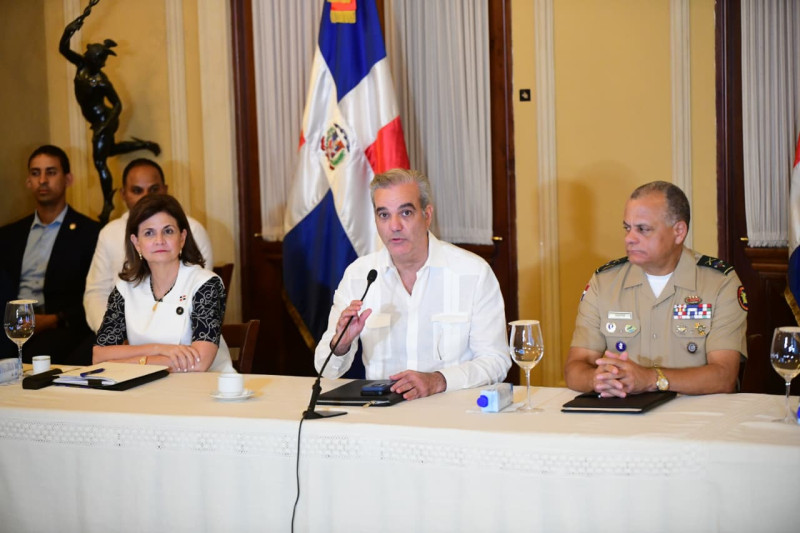
    Residents of the Dominican Republic are preparing for severe weather this weekend, after national authorities activated full emergency response protocols on Friday ahead of an approaching frontal system forecast to bring heavy, widespread rainfall across much of the country. The announcement followed a high-level coordination meeting led by President Luis Abinader at the National Palace in Santo Domingo, where officials confirmed the government would operate in permanent session to monitor the storm’s progression and coordinate rapid responses to any emerging hazards.

    Following the meeting, Juan Manuel Méndez, general director of the country’s Emergency Operations Center (COE), issued clear guidance to the public: all residents are asked to avoid recreational visits to coastal areas, and to cooperate fully with mandatory evacuation orders for communities located in high-risk, vulnerable zones. Méndez emphasized that public compliance is critical to preventing avoidable loss of life, stressing that non-cooperation during evacuations could put both residents and first responders at unnecessary risk.

    Two tiers of weather alerts are currently in effect across 19 provinces and the National District. Five provinces — Monseñor Nouel, Santiago Rodríguez, Santiago, La Vega, and Monte Cristi — are under yellow alert, indicating elevated risk of severe weather impacts. A green alert, signaling preliminary preparedness is required, covers the National District, the province of Santo Domingo, Elías Piña, San José de Ocoa, Monte Plata, Puerto Plata, Dajabón, Duarte (with a specific focus on the vulnerable Lower Yuna region), San Cristóbal, Valverde, San Juan, Independencia, and Bahoruco.

    According to updates from the Dominican Institute of Meteorology (Indomet), rainfall is set to begin in the early hours of Saturday and persist through the entire day. Over a 24 to 48-hour window, total precipitation accumulation is expected to reach 100 to 125 millimeters across most affected areas, driven by the combination of the approaching frontal system and an associated trough. Forecasters project rain will intensify through Saturday afternoon, bringing moderate to extreme downpours, with risks of isolated hailstorms, severe thunderstorms, and strong wind gusts. The hardest-hit areas are expected to include Greater Santo Domingo, Monte Plata, Sánchez Ramírez, Duarte, Monseñor Nouel, La Vega, Espaillat, Hermanas Mirabal, and much of the Cibao region, with particularly severe conditions forecast for the Central Mountain Range, the country’s border region, and southwestern provinces.

    Méndez warned that widespread soil saturation will increase the likelihood of flash flooding across large swathes of the country, and alert levels may be upgraded to higher tiers if the weather system intensifies beyond current projections. In addition to flood risk, Indomet has flagged hazards including urban flooding, rising water levels in rivers and streams, landslides in hilly terrain, and sudden wind gusts. The agency noted that alert levels will be updated continuously over the next 72 hours as new weather data becomes available.

    Alongside storm warnings, meteorological officials added that hot, humid conditions will persist before and after rain events, driven by warm, moist wind flow from the east and southeast. In urban areas, the heat index will reach particularly high levels, prompting Indomet to recommend that residents wear lightweight clothing, stay hydrated by drinking plenty of fluids, and limit extended exposure to direct sunlight.

    President Abinader reaffirmed the government’s commitment to proactive preparation, stating that national authorities will remain on constant alert to monitor every development of the weather system across the entire country, with resources pre-positioned to respond to any emergency that arises. “The Government will be attentive to every situation throughout the country, both to anticipate and to react in any case,” Abinader said. Méndez echoed this call for vigilance, urging all residents, even those not currently under elevated alerts, to follow guidance from civil protection agencies, monitor official weather updates closely, and avoid complacency. He added that residents should never attempt to cross swollen rivers, streams, or ravines while rain is ongoing, a leading cause of storm-related fatalities in tropical weather events.
  • Minister Aubourg promotes fishing productivity

    Minister Aubourg promotes fishing productivity

    In a working visit to Haiti’s far northern regions this week, Marcelin Aubourg, the country’s Minister of Agriculture, Natural Resources and Rural Development (MARNDR), led a inter-agency delegation to assess the progress of ongoing fisheries infrastructure development projects, part of a broader national push to unlock the sector’s untapped economic potential for coastal communities.

    The delegation’s first stop was Fort-Liberté, where they toured a local facility manufacturing marine engines and new fishing vessels. Bernard Chauvet, general manager of the workshop, confirmed that 20 of the 80 ordered fiberglass fishing boats will be ready for delivery by the end of May. Built at four feet wide, each vessel is outfitted with an average 15-horsepower engine, specifically engineered to withstand deep-sea fishing conditions that are common off Haiti’s northern coast.

    On April 10, 2026, Aubourg convened a working meeting with representatives from local fishing associations at the North Departmental Directorate of Agriculture (DDAN). During the talks, the minister stressed that fishing has evolved into one of Haiti’s most promising high-growth sectors for rural livelihoods. He noted a striking cultural shift in the industry: unlike decades past when fishing was often viewed as an unstable, low-status occupation, today’s Haitian fishermen embrace their professional identity, as the trade now reliably generates enough income to support their households. Aubourg, who previously served as departmental director of agriculture for the South and Grand’Anse regions, urged northern fishermen to fully invest in their work, noting that expanded infrastructure and training will open pathways to long-term improvements in household income and quality of life.

    The on-site inspections and community meetings are part of Haiti’s broader Program to Support Agricultural and Fisheries Productivity and Improve Rural Infrastructure for Market Access (PAPAIR), a national initiative focused specifically on boosting fisheries output and rehabilitating outdated coastal fishing infrastructure. After delivering measurable positive outcomes for small-scale fishing communities in Haiti’s southern departments, the program is now rolling out to the northern and northeastern regions.

    Laurent Mérisier, an agricultural engineer and one of three national PAPAIR coordinators, shared details on the program’s early progress in the north. To date, roughly 20 local fishing associations—15 in the North department and five in the Northeast—have completed technical training as part of the initiative’s organizational capacity-building component. Each participating association will receive four of the 80 new fishing boats currently under construction. All vessels will come fully equipped with marine engines and modern fish preservation tools, a upgrade that will particularly benefit small-scale fishmongers who rely on fresh product to serve local markets.

    PAPAIR is a flagship project of the Haitian government, implemented through MARNDR, with financial backing from two major international development bodies: the Inter-American Development Bank (IDB) and the Global Agriculture and Food Security Program (GAFSP).

  • Rode Kruis activeert landelijke aanpak tegen Chikungunya

    Rode Kruis activeert landelijke aanpak tegen Chikungunya

    As Suriname grapples with a growing Chikungunya outbreak, the Suriname Red Cross has rolled out a structured, community-focused response program to curb transmission and protect at-risk populations, according to the organization’s director general Glenn Wijngaarde.

    The initiative, which launched in early March and will run through the end of July, prioritizes public education, preventive action, and targeted support for vulnerable groups across the country’s highest-risk districts, including the capital district Paramaribo, Commewijne, and Nickerie. Among the populations receiving heightened attention are pregnant women, children, older adults, and school communities, which face greater potential complications from the viral infection.

    A core pillar of the program is eliminating breeding sites for the Aedes aegypti mosquito—the primary vector that carries the Chikungunya virus. Red Cross volunteers are conducting door-to-door outreach across affected communities to raise awareness about how maintaining a clean living environment and eliminating standing water can cut down on mosquito populations. Complementing these on-the-ground efforts, the organization is also running widespread public awareness campaigns through traditional media and social media platforms to reach broader audiences.

    Chikungunya is transmitted by the same mosquito species that spreads two other major tropical viruses: dengue and Zika. The transmission cycle begins when an uninfected mosquito bites a person already carrying the virus, then carries the pathogen to other healthy individuals through subsequent bites. This is why eliminating mosquito breeding grounds—primarily pools of standing water where the insects lay their eggs—is the most critical step in slowing and stopping outbreak spread.

    To ensure the response is coordinated and efficient, the Suriname Red Cross is working closely with national public health authorities. The organization holds regular coordination meetings with the National Chikungunya Working Group to align activities, share data, and avoid duplication of efforts across response teams. The entire emergency response operation is funded by the International Federation of Red Cross and Red Crescent Societies (IFRC), the global body that supports national Red Cross societies in delivering humanitarian and public health action.