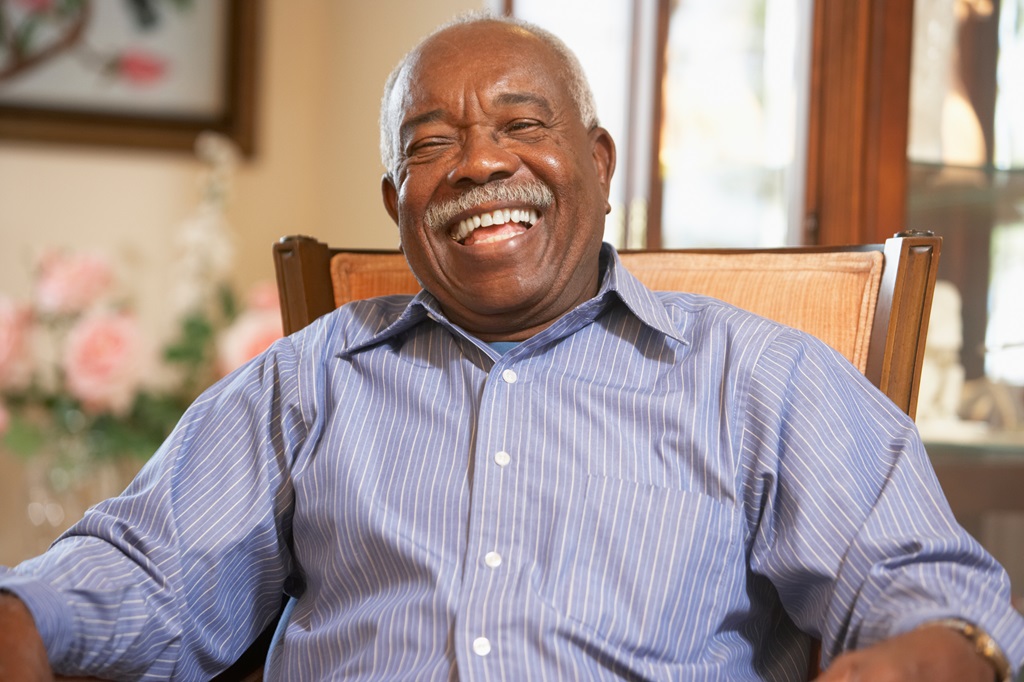
Scroll through any social media platform in 2024, and you are almost guaranteed to pause on a viral clip of an older adult that stops you mid-scroll and pulls a genuine smile. It might be a silver-haired grandfather sharing off-the-cuff life advice, his eyes crinkling with warmth. Or an 80-year-old grandmother dancing with more energy and rhythm than her grandchildren half her age. Or a retiree who distills a lifetime of learning into one pithy, wiser line than any best-selling self-help book could craft.
These clips spread like wildfire, shared between friends and tagged in group chats, because they tap into a universal, warm truth: there is a unique, profound joy in watching someone who has lived a full life continue to find delight in small, everyday moments. They remind us, even for just a fleeting minute, that growing old is not a fate to dread—it is a gift that too many people never get the chance to receive.
This reflection hits especially close to home on Father’s Day, a holiday when we gather to honor the fathers, grandfathers, uncles, and elder male mentors who have shaped who we are. Many of these beloved figures are now in the season of life we define as old age, making it the perfect moment to ask a question that matters to every single one of us: when our turn comes— as it inevitably will for all—how do we want to be treated as we age?
The reality is, all of us are already growing older. And for Jamaica, this demographic shift is far more than a passing talking point: it is a defining national transition. Right now, the country counts roughly 350,000 residents aged 60 and older, and that number continues to climb steadily. Globally, the United Nations projects the over-60 population will hit 2 billion by 2050. This shift is not the impending crisis many frame it as; in fact, it is a remarkable triumph of modern medicine and social progress that more people than ever get to live long, full lives. But it does demand that we build a society that works for the people who spent their lifetimes building it first.
One truth we rarely discuss openly is how pervasive loneliness is in older age. Children grow up and move away to build their own lives. Longtime friends and partners pass on. The phone rings less and less each passing year. For far too many seniors, the deepest pain does not come from creaky joints or slower steps—it comes from long, quiet days spent in isolation, feeling forgotten by the very communities and people they dedicated their lives to supporting.
But this is not an intractable problem. This is a problem we can solve together. Quality medical care is undeniably critical to healthy aging, but aging with dignity requires more than just access to treatment. It requires consistent connection, a sense of purpose, and the simple, foundational assurance that you still matter. It requires a society that chooses to grow kinder, not colder, as its population ages.
No one pretends that every senior in Jamaica currently receives the care and respect they deserve. Painful stories of neglect and isolation are all too common, and they demand our attention. But rather than only fixate on past failures, it is far more productive to focus on the inclusive future we are building right now—because the solution to loneliness and neglect is a community that shows up for its elders.
That community-centered spirit is at the heart of new initiatives advancing through Jamaica’s Ministry of Health and Wellness. The ministry is rolling out a new community-based model of geriatric care that brings critical services directly to older people, rather than forcing them to travel to distant hospitals to access support. Pilot specialized geriatric clinics will launch first in St Ann and St Catherine, offering comprehensive health assessments and condition-specific care tailored to older adults. The government is also expanding structured home-based care, where community health aides conduct regular, scheduled check-ins under the supervision of public health nurses, bringing support straight to seniors where they live.
But the Jamaican government cannot solve this challenge alone, nor should it. This is a national project that demands buy-in from every sector. Minister of Health and Wellness Dr. Chris Tufton is calling on private sector stakeholders and local community groups to reimagine what healthy, connected aging can look like for Jamaica. This could mean senior daycare centers, where working adult children can leave their parents in safe, social company instead of leaving them home alone all day. It could mean community retreats, recreational activities, and intergenerational gathering spaces designed specifically for older adults. These spaces would give seniors a place to come together, share their life stories, and pass down the hard-won wisdom that we already love celebrating in viral social media clips—reminding them they remain a vital, irreplaceable part of Jamaica’s national life.
Ultimately, the success of these efforts will not be measured by the number of clinics built or programs announced. It will be measured by whether our mothers and fathers, our grandparents and neighbors, can grow old with dignity, independence, and joy.
So this Father’s Day, as we honor the older men in our lives and every senior who has carried our nation to where it is today, we can make a quiet, collective promise: we will not let them grow old alone, and we will build a Jamaica that grows kinder as it grows older. Because if we are lucky enough to live long enough, each of us will one day be that voice in the video, that elder in the photograph, hoping the world still keeps a warm place for us. How would you want to be treated when your turn comes? Let us treat the seniors who built this country exactly that way today.
This commentary is by Dr. Chris Tufton, CD, MP, Jamaica’s Minister of Health and Wellness.