作者: admin

  • PM Browne Hopes Strait of Hormuz Reopens as Antigua Seeks Relief From High Fuel Costs

    PM Browne Hopes Strait of Hormuz Reopens as Antigua Seeks Relief From High Fuel Costs

    As a small island nation heavily dependent on imported fossil fuels to power its transportation networks, electricity grids and entire economy, Antigua and Barbuda is currently facing the strain of sky-high global energy prices. To ease the burden on local households and businesses, Prime Minister Gaston Browne confirmed the government has stepped in with financial support, including backing for the Antigua Public Utilities Authority (APUA) to cap spikes in electricity fuel surcharges, absorbing a share of rising international costs through sustained subsidies. These intervention measures have kept local costs stable for months despite extreme volatility in global oil markets, but long-term relief depends entirely on shifting global conditions.

    Speaking during an interview on the *Brown and Brown Show* this past Saturday, Browne laid out the connection between global energy infrastructure and Antigua and Barbuda’s domestic financial outlook, centered on the strategically vital Strait of Hormuz. The narrow waterway, sandwiched between Iran and Oman, is one of the world’s most consequential maritime chokepoints, handling a large share of daily global oil exports. Any disruption to shipping through the strait sends immediate shockwaves through international energy markets, driving prices upward for net fuel importers like the Caribbean nation.

    Browne shared that he initially felt encouraged by recent reports confirming the strait remained open to traffic, a development that had already pushed global crude prices down significantly from recent peaks. When he addressed the country’s executive leadership the previous evening, he noted prices had fallen to roughly $79 per barrel, down from a recent high of $120, at one point dipping as low as $77 before a modest uptick. This downward trend had raised cautious optimism that the government would soon be able to roll back emergency subsidy measures and pass lower costs directly to consumers, bringing much-needed relief to strained household and public budgets.

    That optimistic outlook was quickly tempered, however, when Browne confirmed he had received new reports that the strait had been closed again to shipping, throwing the recent downward price trend into uncertainty. With the route’s future still in question amid ongoing regional tensions, the prime minister stressed that a swift return to normal operations is critical for Antigua and Barbuda’s economic stability. Browne emphasized that reopening the strait would allow global oil prices to continue their downward trajectory, easing pressure on government finances and delivering immediate, tangible benefits to consumers across the country. Sustained higher prices, by contrast, would drive up operating costs across every sector of the nation’s economy, hitting both businesses and households with new financial strain. Looking ahead, Browne said he remains hopeful that regional tensions will de-escalate quickly, the strait will reopen, and Antigua and Barbuda’s residents will see lower energy costs in the coming months.

  • Antigua and Barbuda reaffirms commitment to United Nations charter at symbolic signing

    Antigua and Barbuda reaffirms commitment to United Nations charter at symbolic signing

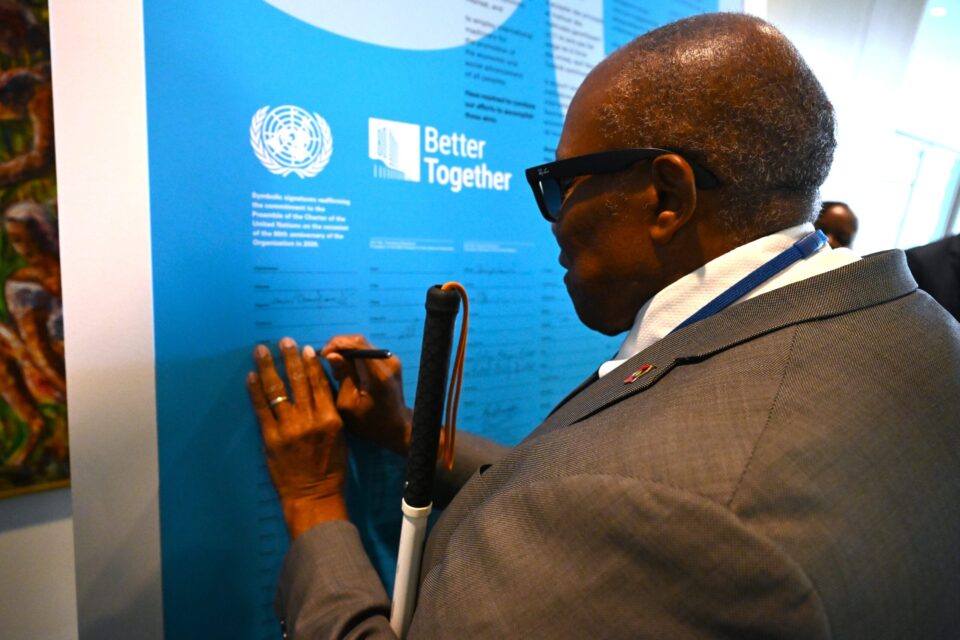
    Eight decades after the United Nations Charter was first signed by 50 allied nations in San Francisco at the close of World War II, the foundational treaty continues to shape global cooperation, and small island nations remain vocal in their steadfast support for its guiding principles. Last Thursday, Antigua and Barbuda stood alongside other member states of the Caribbean Community (CARICOM) at United Nations Headquarters in New York for a symbolic ceremony marking this milestone anniversary, reaffirming its unwavering dedication to the values enshrined in the document that forms the bedrock of the modern rules-based international order.

    The event was organized to highlight the enduring importance of the UN Charter in advancing inclusive multilateralism and coordinated collective action — two frameworks widely recognized as essential to tackling interconnected 21st century global challenges, from climate change to public health crises and cross-border security threats. At the ceremony, Antigua and Barbuda was represented by its Permanent Representative to the United Nations, Ambassador Walton Webson, who joined fellow permanent representatives from across the globe in adding his signature to a symbolic replica of the original 1945 charter.

    Historical context underpins the nation’s long-standing alignment with the UN mission: 51 original founding nations finalized and signed the charter in 1945, created in the wake of the devastation of the Second World War as a promise to prevent large-scale future conflict and prioritize collaborative diplomacy over unilateral aggression. Antigua and Barbuda, which gained full sovereignty in 1981, moved swiftly to join the UN and become an official signatory to the charter shortly after independence, embedding the document’s principles into its foreign policy from the earliest days of nationhood.

    “As a committed member of the United Nations, Antigua and Barbuda recognizes that the principles enshrined in the Charter remain as relevant today as they were when the Organization was founded in 1945,” Webson stated following the symbolic signing. Beyond the CARICOM collective ceremony, the 2025 milestone marks the 80th anniversary of both the UN Charter and the founding of the United Nations itself, sparking a series of commemorative and advocacy initiatives across UN offices. The Antigua and Barbuda Permanent Mission in New York has maintained active, full participation in all these related activities, underscoring the nation’s consistent support for multilateral solutions to shared global problems. The symbolic re-signing served not just as a commemoration of history, but as a public demonstration of the Caribbean nation’s ongoing, wholehearted backing for the United Nations and its core mission of maintaining global peace and collective progress.

  • Flow outage knocks out services across Saint Lucia

    Flow outage knocks out services across Saint Lucia

    A widespread telecommunications outage operated by Flow has cut off connectivity for thousands of users across Saint Lucia, leaving customers without service since Sunday evening and triggering the provider’s most urgent emergency response protocols.

    According to official statements from the company, the service breakdown began around 5:30 p.m. local time on Sunday. The disruption has hit every commercial and business customer in Saint Lucia, with additional connectivity issues reported among a subset of Flow users in neighboring Dominica.

    Flow has labeled the incident a “crisis-level event”, prompting the immediate activation of two dedicated response bodies: its cross-regional Network Disaster Response & Recovery Center and a local Saint Lucian Crisis Management Team. Both teams have ramped up restoration efforts to resolve the outage as quickly as possible.

    As of Monday morning, the root cause of the disruption remains unconfirmed. Technical investigation teams are currently focused on a suspected critical infrastructure fault that is believed to have cascaded across the entire Saint Lucian network before spilling over to affect some users in Dominica.

    A key complication of the outage is that it has disabled all network-dependent communication channels. Flow customers have been unable to receive real-time service updates via text message or email, the company’s standard notification methods. To work around this gap, Flow is partnering with local and regional media outlets and pushing regular updates through its public social media platforms to keep affected users informed.

    In an official statement, Flow recognized the severity of the disruption and the significant inconvenience it has caused to its customer base. “Our top priority is restoring full connectivity, and we have mobilised all necessary regional resources to address the issue as swiftly as possible. We appreciate our customers’ patience and understanding during this challenging time,” the company said.

    Restoration of service remains the provider’s number one priority, and Flow has reiterated its gratitude for customer patience as technical crews work to bring all networks back online. The company is urging all affected users to follow its verified social media channels and local media reports for the latest progress updates.

  • PM Browne Says Attorneys Urging Him to Sue Malaka Parker Over Pedophile Claim

    PM Browne Says Attorneys Urging Him to Sue Malaka Parker Over Pedophile Claim

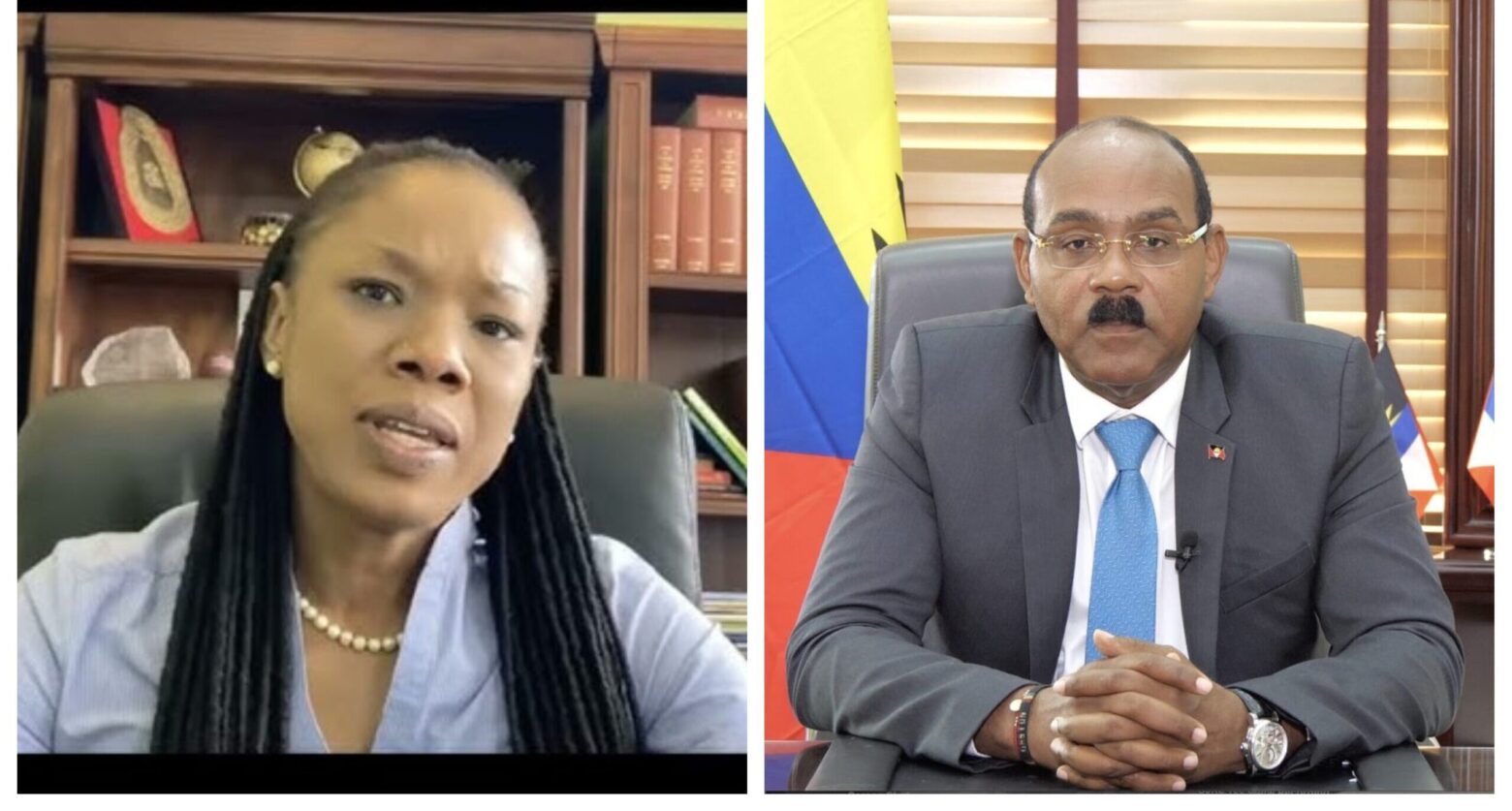
    A growing political conflict between Antigua and Barbuda Prime Minister Gaston Browne and Senator Malaka Parker has taken a sharp legal turn, with Browne confirming that his legal team is pushing him to launch a defamation lawsuit after Parker allegedly labeled him a paedophile during a public verbal exchange.

    Browne made the revelation during an appearance on his own program, the Browne and Browne Show, this past Saturday. He detailed that his legal counsel has formally advised him to preserve all digital and public records of the incendiary comment, and has repeatedly pressed him to move forward with formal legal proceedings.

    “My attorneys have insisted that I sue Malaka. They’ve asked me to screenshot everything and to save everything,” Browne told listeners of the program.

    Though the prime minister has not yet signed off on a final decision to file the suit, he made clear that the allegation crossed a line that separates acceptable political critique from harmful, legally actionable speech. Browne argued that Parker, who holds a professional law degree, should have been fully aware of the serious legal ramifications of making such a false public claim. He described the comment as a deliberate, reckless overstep rather than an unplanned remark amid political tension.

    Browne acknowledged that harsh criticism, mockery, and banter are inherent parts of competitive political life across every nation, and that politicians must accept ridicule as a standard part of public service. But he stressed that public figures engaging in heated debate must maintain a baseline of responsibility to avoid making false, reputation-damaging statements that meet the legal definition of defamation.

    “Not convinced I should. But I mean, I’m under some pressure from my attorneys to sue her because I feel that she ought to have known better and it is deliberate,” Browne said. “You can’t escape ridicule in politics. It is part of the game. It happens in every country. But you have to mature enough to know that when you respond, that you don’t respond with statements that are defamatory.”

    Calling out Parker’s particular professional background, Browne added: “For somebody who did a law degree, she also knows better.”

    The prime minister also referenced a prior legal conflict centered on identical allegations, recalling that he previously brought a defamation suit against another public figure who made the same false claim about him on a public radio broadcast. “The last person who called me a pedophile on radio, I took him to court,” he said.

    During the program, Browne drew a clear distinction between factual political criticism and false, harmful allegations that irreparably damage a person’s personal and professional reputation. He warned that when political tensions push individuals to make reckless, defamatory claims, they open themselves up to serious legal consequences. “When you become so reckless because somebody criticizes you or they roast you to the extent that your statement is defamatory, then you’re getting yourself in trouble,” he said.

    Browne firmly maintained that the allegation Parker made against him is both false and defamatory by any legal standard. His comments on Saturday came during a broader conversation about responsible political discourse, where he urged all politicians, activists, and members of the public to approach heated public exchanges with greater care and accountability.

    This latest public exchange marks a new escalation in a long-running war of words between Browne and Parker, who have clashed repeatedly in public over government policy and broader political issues.

    As of Saturday afternoon, Browne had not issued a final confirmation on whether he will follow his legal team’s recommendation to file the defamation suit. Parker has also not yet issued any public response to Browne’s latest remarks.

  • DHTA closes successful Hike Fest 2026, sets sights on expanded experiences next year

    DHTA closes successful Hike Fest 2026, sets sights on expanded experiences next year

    After six packed weeks of guided outdoor exploration that drew the largest crowd in its event history, Hike Fest 2026 has officially drawn to a close, organized by the Dominica Hotel and Tourism Association (DHTA). The annual event, designed to encourage both local residents and international visitors to uncover the hidden, underpromoted corners of Dominica—widely known as the Nature Island—blended rugged natural adventure with immersive cultural and historical education this year, delivering a standout experience that left participants raving.

    The festival’s closing chapter, a special themed hike titled “Echoes of the Maroons” held at Jaco Flats, took place on June 13, 2026, after organizers rescheduled it from its original May 23 date. This final route guided attendees through one of Dominica’s most culturally significant landscapes, a site deeply tied to the island’s historic Maroon communities of formerly enslaved people who fought for and won their freedom. Beyond the scenic tropical vistas that line the trail, the hike invited participants to reflect on the legacy of resistance, resilience, and self-determination that defines the area. Following the walk, attendees wrapped up the day with a refreshing river dip and a shared traditional one-pot meal, creating space for casual connection, story-swapping, and celebration of the festival’s success.

    Over the six-week run, the festival offered a diverse lineup of hikes across the island, catering to a range of skill levels and interests. Featured routes included iconic treks like the world-famous Boiling Lake trail, as well as less traveled paths to Boeri Lake, Trinity Lakes, Segment 11, the Charles Warner trail, and the popular Sylvania-to-Middleham Night Hike. Each excursion was curated to highlight a different facet of Dominica’s extraordinary natural biodiversity, while also advancing core DHTA goals: encouraging active, healthy lifestyles, boosting public environmental awareness, advancing sustainable tourism practices, and fostering deep, meaningful connections between visitors and the natural world.

    Hubert Winston, a member of both the DHTA Board and the Hike Fest organizing committee, called the 2026 edition a resounding success, noting that this year marked a historic turnout for the event. “This year’s Hike Fest saw our largest turnout ever. Several hikes, including Jaco Flats, offered participants a unique opportunity to connect with Dominica’s rich history through newly discovered sites, ruins, and relics. It was a meaningful experience to walk in the footsteps of our ancestors. We’re excited for next year and look forward to delivering even bigger, better-promoted events with enhanced experiences for participants to enjoy,” Winston shared in DHTA’s post-festival press release.

    DHTA President Kitwani Ferreira echoed this enthusiasm, emphasizing that Hike Fest’s impact extends far beyond recreational hiking. “What makes Hike Fest special is that it goes beyond hiking. It creates opportunities for people to discover hidden corners of Dominica, learn about our history and culture, and develop a deeper appreciation for the island’s unique assets. The response from participants this year confirms that experiential tourism continues to resonate strongly with both locals and visitors,” Ferreira said.

    Participant feedback has been overwhelmingly positive, with many attendees highlighting the event’s strong organization and unique blend of nature and culture. Mervin Wallace, a Dominican expatriate taking part in the festival for the first time, described checking the iconic Boiling Lake hike off his personal bucket list as an unforgettable milestone. “I did the Boiling Lake Hike and it was overall a great experience. I convinced my son to do it with me as it was something off my bucket list. The hike itself was challenging, but the event was well organized. I will be back next year with some of my colleagues who wish to take part in Hike Fest,” Wallace said.

    Ibrahim Brohim, a representative of the Dwivayez Hiking Club, echoed praise for the festival’s planning, adding that the event reinforced why Dominica has earned its nickname as the Nature Island. “The organization was excellent from start to finish. Hike Fest reminded me why Dominica is known as the Nature Island. The final hike felt like a celebration of everything the festival represents—adventure, history, community, and appreciation for our natural environment,” Brohim noted.

    DHTA closed its announcement by extending gratitude to all partners and contributors who made the 2026 festival possible, including certified trail guides, volunteer groups such as Next Level Hikers, event sponsors, community partners, emergency response teams, and every participant who joined the six-week series. The association reaffirmed its long-term commitment to developing sustainable tourism offerings that showcase Dominica’s unique natural beauty, while also protecting the island’s irreplaceable cultural and environmental heritage.

    Looking ahead, DHTA has already announced plans for a new series of guided hikes to be held during Dominica’s Independence season in November 2026, and early preparations for Hike Fest 2027 are already underway. Organizers are aiming to expand the event further next year, welcoming more attendees while continuing to introduce new trails, hidden historical and natural gems, and elevated immersive experiences across the island.

  • Verenigd Koninkrijk krijgt zevende premier in tien jaar na aftreden Starmer

    Verenigd Koninkrijk krijgt zevende premier in tien jaar na aftreden Starmer

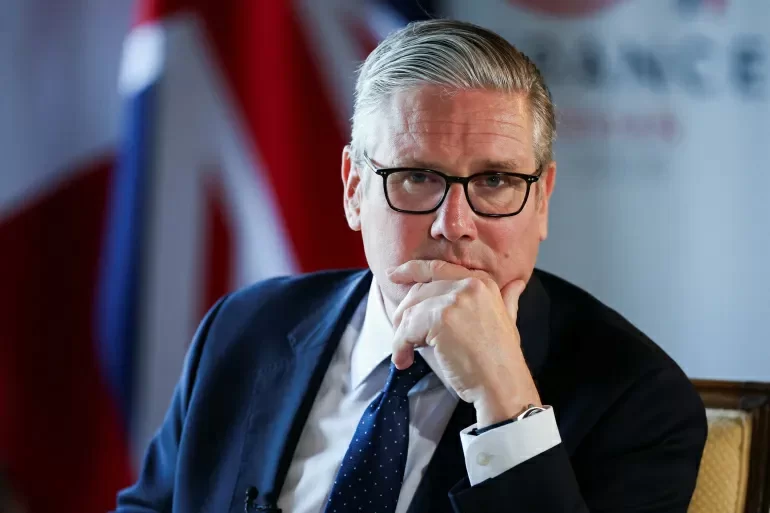
    In a move that deepens a decade-long streak of political turbulence in the United Kingdom, Keir Starmer, leader of the Labour Party and current British prime minister, announced his resignation on Monday amid mounting internal pressure from within his own party, just 20 months after taking office. His departure triggers a contest to name the UK’s seventh prime minister in 10 years, a milestone that has amplified global questions about the nation’s long-term political stability.

    In an emotional public address, Starmer confirmed he will remain in office as prime minister and party leader until a new Labour leader is selected, who will automatically assume the role of prime minister. The formal leadership contest will launch on July 9, with a deadline to finalize the result before the UK Parliament enters its summer recess.

    Starmer’s position began to unravel in recent weeks following deeply underwhelming performance by Labour in local elections across the country. The final blow came last week, when Labour suffered a decisive by-election defeat in the Makerfield constituency, where challenger Andy Burnham – the popular incumbent mayor of Greater Manchester – secured a victory that stripped the party of what had long been considered a safe seat.

    This latest resignation caps a period of unprecedented turnover in Downing Street that dates back to the 2016 Brexit referendum. Since that pivotal vote, the UK has seen six prime ministers hold office, for an average tenure of just 18 to 24 months. This marks a stark departure from the second half of the 20th century and early 2000s, when long-serving leaders such as Margaret Thatcher and Tony Blair held power for more than a decade each.

    The string of departures started with David Cameron, who resigned in 2016 after campaigning to remain in the EU and losing the Brexit referendum. Theresa May stepped down in 2019 after three years of failed attempts to pass her negotiated Brexit withdrawal agreement through Parliament. Boris Johnson resigned in 2022, forced out after a cascade of ministerial resignations tied to multiple ethics scandals. Later that same year, Liz Truss resigned after just 49 days in office – the shortest premiership in UK history – after her radical economic proposal triggered market chaos. Rishi Sunak departed in 2024 after the Conservative Party suffered a landslide general election defeat that brought Starmer’s Labour to power. Now, just two years later, Starmer follows his predecessors out of Downing Street.

    The repeated turnover at the top of UK government has sparked growing international concern, given the country’s status as a major global power and a core member of key international alliances including NATO. The rapid succession of prime ministers has raised urgent questions about the consistency and effectiveness of UK leadership on the global stage.

    Policy analysts warn that constant leadership changes could erode investor confidence in the UK economy, while also weakening the country’s negotiating position in critical international trade and diplomatic talks. Domestically, ongoing political turbulence risks delaying progress on key policy priorities, from post-Brexit economic growth and infrastructure investment to international relations and national security planning.

    Still, some political experts emphasize that the UK’s long-standing parliamentary institutions and established democratic framework are robust enough to weather this period of unrest. Whether the country can move past this cycle of turnover and restore long-term stability, they note, will depend entirely on how quickly and effectively the Labour Party can select a new leader capable of rebuilding public and parliamentary trust.

    As the contest gets underway, Andy Burnham – who has just returned to the House of Commons via the Makerfield by-election victory – is widely seen as the early frontrunner to replace Starmer. Other high-profile Labour figures, including former health secretary Wes Streeting, are also reportedly considering launching bids for the party leadership.

    To qualify for the leadership ballot, any candidate must first secure the backing of at least 81 sitting Labour members of Parliament. Depending on how many candidates meet this threshold and whether any behind-the-scenes deals are struck before the contest formally launches, the process could either stretch into a full summer-long campaigning period or conclude quickly with an uncontested transition.

  • Girl Guides Association of Dominica elects new executive team, names youngest-ever chief commissioner

    Girl Guides Association of Dominica elects new executive team, names youngest-ever chief commissioner

    ROSEAU, Dominica – In a landmark gathering for youth empowerment in the Caribbean nation, the Girl Guides Association of Dominica (GGAD) has confirmed a refreshed executive leadership lineup following its 2026 Annual General Meeting and Business Session, held June 19. The newly elected board members will serve three-year terms, joining existing sitting officers to advance the organization’s decades-long mission of building confidence, leadership skills, and community engagement among girls and young women across the country.

    At the top of the new leadership slate is Abigail Christmas, who will step into the role of Chief Commissioner – marking a historic milestone for GGAD, as Christmas becomes the youngest person to hold the position in the association’s history. The full roster of newly elected leaders also includes Valencia Webb, who takes on dual roles as Deputy Chief Commissioner and Treasurer; Cecilia Christmas as International Commissioner; and Keziah Darwton as Assistant Secretary/Treasurer.

    Webb, who served 10 years in the top post of Chief Commissioner before this leadership transition, will bring her decades of institutional knowledge and experience to the new deputy role, and has publicly expressed full confidence in Christmas and the broader incoming team. The mixed lineup of returning and new officials is framed by GGAD leadership as a deliberate balance of organizational continuity and fresh perspective, designed to steady the movement while opening space for new ideas.

    In her first public address after the election result was confirmed, Christmas spoke to her long-rooted connection to the Guiding movement, which has spanned local, regional, and international levels of the organization. “Girl Guiding teaches that no dream is too big or too far away,” she said. “I am honored to serve in this capacity and to continue building opportunities for girls and young women in Dominica… The Guiding movement has shaped my leadership journey, and I remain committed to ensuring that every girl sees herself as capable, powerful, and prepared to lead.”

    Christmas added that her cross-scale experience within the movement has deepened her personal commitment to expanding youth empowerment and advancing gender equity across Dominica. The other newly elected officials also echoed this commitment: Cecilia Christmas and Keziah Darwton both shared public remarks thanking GGAD members for the trust placed in them, and pledged to uphold the core mission and values of the Guiding movement in their new roles.

    Existing executive members who will continue their tenure through the next term include President Josette Seraphine-Hedrington, Vice President Marcia Dublin, Secretary Nailah Hurtault, Public Relations Officer Merkwan Pacquette, Training Commissioner AnnMarie Graneau, Brownie Commissioner Alicia Griffith, Deputy Brownie Commissioner Rose Caprice, Roseau District Commissioner (Cecilia Christmas, who also retains this post alongside her new international role), Rainbow Leader Agnes Laguerre, and Youth Representative Keziah Darwton, who also holds her new assistant secretary/treasurer position.

    GGAD remains fully aligned with the guiding principles of the World Association of Girl Guides and Girl Scouts, and the organization reaffirmed its core commitment to nurturing growth among young women through hands-on leadership opportunities, community service projects, advocacy for equity, and targeted personal development programming. In a formal press release announcing the election results, the association extended official congratulations to all newly elected leaders, noting it anticipates a productive, transformative three-year term that will expand reach and impact for girls across the island.

    The release closed with gratitude to local media for their ongoing coverage and support of the movement, as well as recognition for the hundreds of members, unit captains, volunteers, and community supporters whose consistent work continues to strengthen the Guiding movement across every district of Dominica.

  • Source of Wealth and Source of Funds in property transactions

    Source of Wealth and Source of Funds in property transactions

    For generations, buying real estate across the Caribbean has been widely understood as a straightforward, linear financial exchange: a buyer negotiates terms, funds change hands, and ownership transfers from seller to purchaser. What was once a relatively uncomplicated process has shifted dramatically in recent years, however, as global anti-money laundering standards and stricter regulatory frameworks have added layers of due diligence that many local buyers find unexpected and overwhelming. Today, every property transaction now includes mandatory scrutiny into where purchasing funds originate, how a buyer’s overall wealth was accumulated, and who ultimately stands behind the investment, turning a once-simple process into a multi-step compliance exercise.

    The most frequent reaction from buyers navigating this new landscape is confusion. Many argue that their funds are clearly legitimate, offering common explanations such as years of personal savings, gifts from family members working overseas, proceeds from a previous land sale, or transfers from foreign bank accounts. From the buyer’s perspective, these explanations are fully sufficient to prove the legitimacy of their purchase. But modern regulatory requirements demand more than verbal explanations: financial institutions and other regulated entities must now obtain tangible, documented evidence to back up every claim about a transaction’s funding.

    A key point of confusion for many buyers is the difference between two commonly mixed-up terms: source of funds and source of wealth. While the phrases are often used interchangeably, they carry distinct definitions in modern compliance protocols. Source of funds refers to the immediate origin of the money being used for the specific property purchase — for example, whether the sum comes from a salary deposit, a business loan, proceeds from selling an existing asset, or business revenue. Source of wealth, by contrast, digs deeper, tracing how a buyer built their entire net worth over the course of their life or career. In high-value transactions, cross-border transfers, or purchases involving buyers with cash-intensive business interests, both levels of scrutiny are almost always required.

    This new regulatory environment touches nearly every type of Caribbean property purchase, including the extremely common scenario of a family member living overseas sending funds to help a relative buy land or build a home back home. Cross-border remittances for family property purchases are a longstanding cultural and economic norm across the region, with millions of dollars flowing through these informal family arrangements every year. But once these funds enter the formal banking system, a cascade of compliance questions is automatically triggered: Who is the actual ultimate purchaser of the property? Can the origin of the transferred funds be fully explained and documented? Is the person sending the money directly connected to the transaction, and can that connection be proven? Importantly, these questions do not inherently signal that any wrongdoing is suspected; instead, they reflect a global shift toward greater financial transparency that now binds all regulated financial institutions.

    From the perspective of banks and other regulated financial bodies, these checks are no longer optional discretionary steps. Regional and international regulators now mandate that institutions verify the legitimacy of every transaction, especially in cases where fund movements do not align with a customer’s known financial profile or where transfers cross international borders. To meet these requirements, institutions routinely request a wide range of supporting documentation: bank statements spanning months or years, official proof of employment and income, sale agreements for previous assets, corporate registration documents for buyers operating through a business, formal gift letters for funds from family members, and additional background information for all cross-border transfers. While these requests can feel intrusive and unnecessary to buyers, they are a non-negotiable part of institutions’ legal compliance obligations.

    This shift marks a fundamental change in how Caribbean property transactions are structured and viewed. No longer are purchases treated solely as a legal conveyancing exercise to transfer ownership. Today, every property transaction is also a key entry point into the regulated global financial system, meaning legal practitioners now bear the added responsibility of not only confirming that a deal is legally valid, but also ensuring that every part of the transaction can be fully documented and explained if regulators raise questions at a later date.

    Looking at the broader regional context, wealth in the Caribbean has long moved through informal, family-centered networks that have grown out of generations of transnational family structures. Modern compliance frameworks do not seek to eliminate these longstanding traditions, but they increasingly require that these informal arrangements be formalized through clear documentation. For buyers and practitioners alike, this extra step of documentation is often the deciding factor between a smooth, on-time property closing and a weeks- or months-long delay that derails the entire transaction. This piece is part of an ongoing series exploring the evolving intersection of wealth, property ownership, and regulatory compliance across the Caribbean region.

    *Disclaimer: NOW Grenada holds no responsibility for the opinions and statements shared by this contributing author. To report content that violates platform policies, use the official reporting channel.*

  • Minister Huur: SRD 1 miljoen per district is volstrekt onvoldoende

    Minister Huur: SRD 1 miljoen per district is volstrekt onvoldoende

    During recent budget deliberations in Suriname’s National Assembly, Miquella Huur, Minister of Regional Development, publicly acknowledged that the current funding allocated to district commissioners is insufficient to allow these local officials to fulfill their legally mandated responsibilities. The minister has publicly backed calls for strengthening district-level financial autonomy and advancing deeper decentralization of governance and public service delivery across the country.

    Huur emphasized that the current maximum annual allocation of approximately 1 million Surinamese dollars (SRD) per district falls far short of what is needed to cover core local operations. These essential functions include routine waste collection, maintenance of secondary and tertiary waterways, and upkeep of other critical basic public infrastructure that local communities rely on daily.

    “I stand behind your call to increase funding for district commissioner offices,” Huur stated in response to questions and comments raised by National Assembly members. She confirmed that her ministry is currently advancing adjustments to the so-called Article 4 funds outlined in the Interim Law on Financial Decentralization, a policy change designed to boost district-level resourcing.

    In addition to increased central government allocations, the ministry is also pushing for revisions to two key pieces of legislation: the General Law on District Taxes and the Law on Financial Relations Between the State and Districts. These amendments are intended to expand districts’ authority to generate their own independent revenue, enabling local governments to operate with greater financial autonomy from the central state.

    Huurr reiterated a core principle guiding the government’s decentralization push: devolution of power can only succeed if new administrative responsibilities are paired with adequate funding and skilled local workforces. To address the skills gap, the ministry will roll out targeted training programs in 2026 for members of district and regional councils. These programs will build capacity in governance, administrative processes, and financial management to strengthen local-level operational capacity.

    Beyond funding for local districts, the minister also addressed longstanding administrative challenges facing her own ministry. Currently, the Ministry of Regional Development is spread across three separate locations across the capital. Huur explained that this fragmented setup slows internal collaboration, delays decision-making, and undermines the quality of public services the ministry delivers to citizens.

    Complicating plans to consolidate offices into a single new purpose-built building is the ministry’s tight budget: roughly 85% of its current annual allocation goes to employee wages and salaries, leaving almost no room for large capital investments like new construction. To move the consolidation project forward, the ministry plans to present its proposal for a new headquarters building to international development organizations, bilateral donor partners, and private donors to secure external funding.

    The minister also responded to questions from assembly members about the status of a government-owned plot at Van Rooseveltkade. Huur confirmed that based on current available records, the parcel has not been allocated or transferred to any private entity and remains formally classified as state property. To formalize this status, the Ministry of Regional Development is working alongside the Ministry of Land Policy and Forest Management to conduct a full verification of the land’s ownership. Parliament will receive a full briefing once all relevant documentation is compiled and reviewed, Huur added.

  • UK Prime Minister Starmer announces resignation

    UK Prime Minister Starmer announces resignation

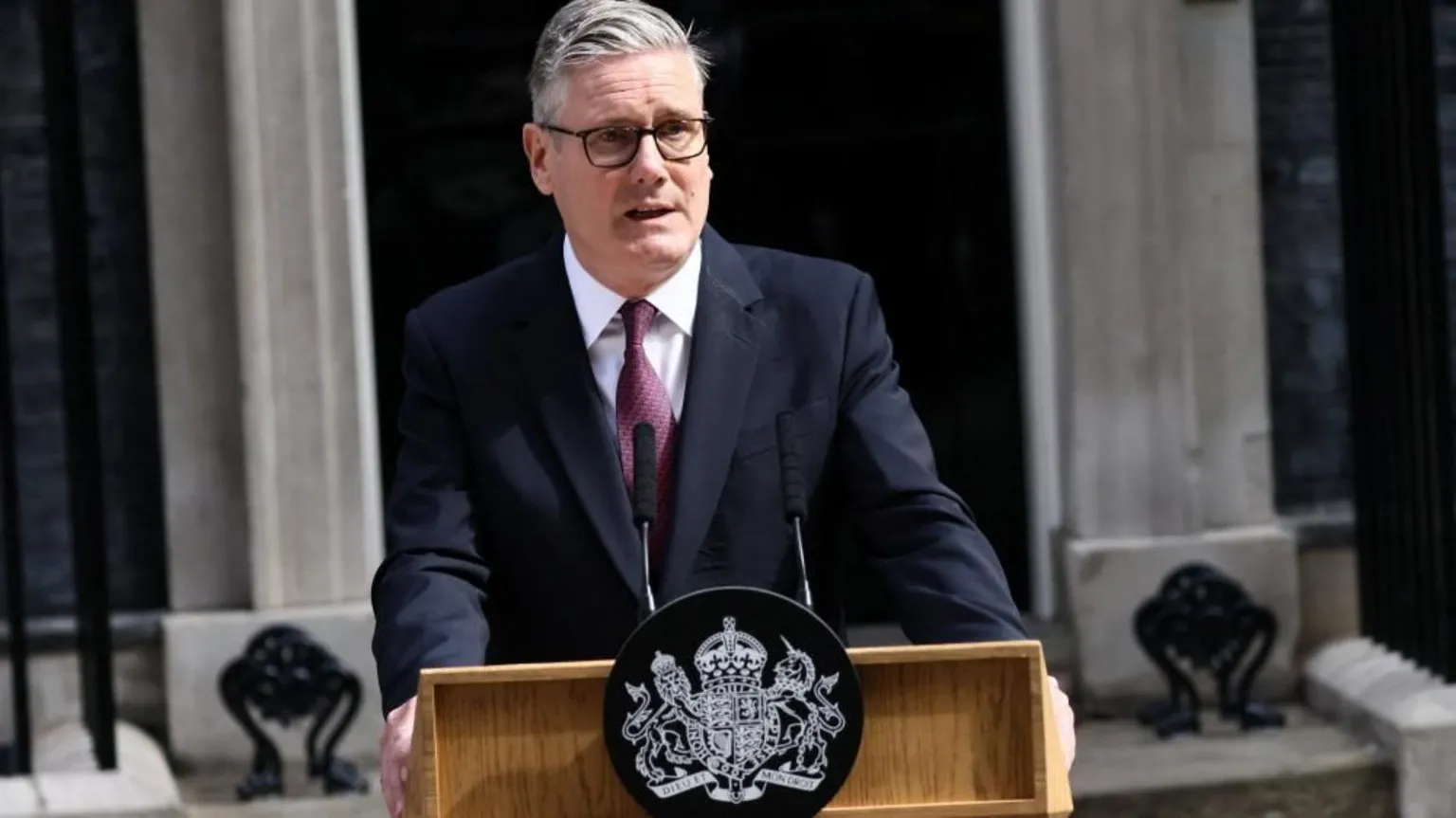
    In an emotional address from the steps of 10 Downing Street, Sir Keir Starmer has confirmed he will step down as both Prime Minister of the United Kingdom and leader of the Labour Party, opening the door for a fast-tracked leadership contest that will install Britain’s seventh prime minister in less than a decade by early September.

    Accompanied by his wife Victoria, Starmer said he had formally notified King Charles III of his decision to resign, and had already requested Labour’s national governing body to finalize a timeline for selecting his successor. Per the proposed schedule, nominations for the new Labour leader will open on July 9 and close by the summer parliamentary recess on July 16. If a contested race proceeds, the party will confirm its new leader — and therefore the UK’s new prime minister — before lawmakers return to Westminster in September.

    Starmer, who will remain in office at 10 Downing Street until the leadership process concludes, stressed he would dedicate all efforts to delivering a smooth and orderly transition of power, and would offer his full, unwavering backing to whoever takes over the role. “They will inherit a Britain that is far stronger and fairer than the one I inherited two years ago,” he said.

    First elected Labour leader in April 2020, Starmer led the party to a landslide general election victory in July 2024, taking office as prime minister shortly after. Looking ahead to his post-premiership life, an emotional Starmer said he planned to prioritize his family after leaving Downing Street. “When I leave the biggest job in the country, I shall spend more time on the most important job: being the best husband I can to my fantastic wife Vic, who has been a rock by my side through good times and bad; and being the best dad I can to my beautiful children, who are my pride and my joy.”

    Starmer’s resignation comes after weeks of growing internal and public pressure on his leadership. He spent the final weekend of his premiership deliberating on his future at Chequers, the prime minister’s official country retreat in Buckinghamshire. Internal discontent had been building since a poor showing for Labour across England, Wales and Scotland in May’s local and devolved elections, amplified by controversy over a series of last-minute policy U-turns on three major pledges within a single month, and the failed appointment of Lord Mandelson as UK ambassador to the United States. Mandelson was forced to step down from the post before taking office after new details emerged of his extensive ties to the late convicted sex offender Jeffrey Epstein, casting doubt on Starmer’s judgment and the competence of his Downing Street operation.

    Pressure surged last week after Andy Burnham, the former Greater Manchester Mayor and widely tipped potential successor, secured an emphatic victory in the Makerfield by-election over his Reform UK rival. Polling analyst Sir John Curtice described Burnham’s win as an extraordinary personal political achievement. Burnham will travel to Westminster on Monday to formally take up his parliamentary seat, cementing his position as the early frontrunner in the leadership race. Former Health Secretary Wes Streeting is also expected to announce a leadership bid in the coming days.

    Opening his resignation speech, Starmer pushed back against critics by defending his two-year record in government, highlighting progress on employment rights, immigration reform and reducing child poverty. He also argued he had restored stability to Labour after inheriting a party that was “politically, financially and morally bankrupt” in 2020. “The hard work of change was with a singular purpose – not power for power’s sake but to change Britain for the better, to build a fairer country with dignity and respect, where everyone is seen, everyone is valued, wealth and opportunity for all not just the privileged few,” he said.

    Opposition leaders were quick to respond to the announcement, with Conservative leader Kemi Badenoch dismissing Starmer as a “terrible prime minister” and attacking his policy agenda, including a rise in employer National Insurance contributions and what she called a failure to deliver meaningful welfare reform. Writing on X, Badenoch added: “But the problem isn’t just Starmer. Labour MPs only want higher taxes to hand out more benefits, as the welfare secretary has pointed out. These are Labour’s choices and their values, regardless of who is running the party.”

    Liberal Democrat leader Sir Ed Davey said the frequent turnover of prime ministers had left the British public fed up with broken promises and political stagnation. “The British people are sick of being let down by an endless merry-go-round of prime ministers while nothing really changes,” he said. “This time must be different. It can’t just be about changing who’s in Number 10, it has to be about changing our broken politics so we can fix our country.”

    Reform UK leader Nigel Farage joined calls for an early general election, arguing that the public — not just Labour MPs — should have a say on the country’s next leader. “If Labour thinks it can shove another professional politician into No 10, it has another thing coming,” Farage said. Green Party co-leader Zack Polanski said Starmer had lost public confidence because he failed to challenge the entrenched power of the UK’s political and economic establishment, adding that the country “needs a bold change of direction.”