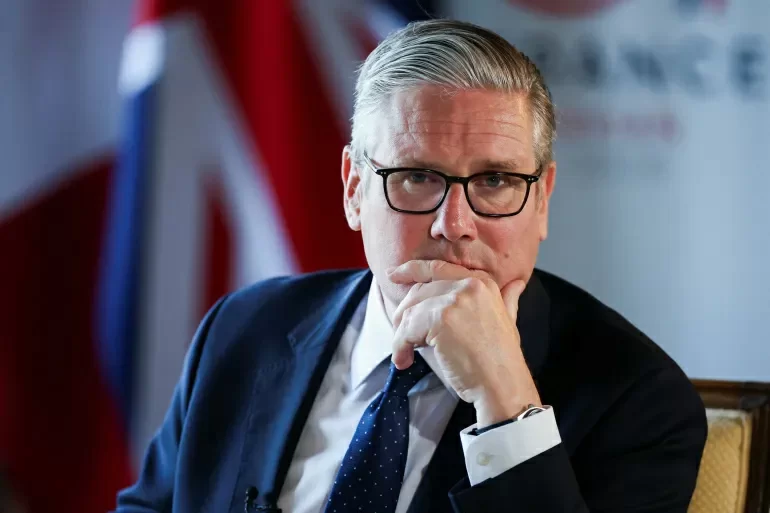
In a move that deepens a decade-long streak of political turbulence in the United Kingdom, Keir Starmer, leader of the Labour Party and current British prime minister, announced his resignation on Monday amid mounting internal pressure from within his own party, just 20 months after taking office. His departure triggers a contest to name the UK’s seventh prime minister in 10 years, a milestone that has amplified global questions about the nation’s long-term political stability.
In an emotional public address, Starmer confirmed he will remain in office as prime minister and party leader until a new Labour leader is selected, who will automatically assume the role of prime minister. The formal leadership contest will launch on July 9, with a deadline to finalize the result before the UK Parliament enters its summer recess.
Starmer’s position began to unravel in recent weeks following deeply underwhelming performance by Labour in local elections across the country. The final blow came last week, when Labour suffered a decisive by-election defeat in the Makerfield constituency, where challenger Andy Burnham – the popular incumbent mayor of Greater Manchester – secured a victory that stripped the party of what had long been considered a safe seat.
This latest resignation caps a period of unprecedented turnover in Downing Street that dates back to the 2016 Brexit referendum. Since that pivotal vote, the UK has seen six prime ministers hold office, for an average tenure of just 18 to 24 months. This marks a stark departure from the second half of the 20th century and early 2000s, when long-serving leaders such as Margaret Thatcher and Tony Blair held power for more than a decade each.
The string of departures started with David Cameron, who resigned in 2016 after campaigning to remain in the EU and losing the Brexit referendum. Theresa May stepped down in 2019 after three years of failed attempts to pass her negotiated Brexit withdrawal agreement through Parliament. Boris Johnson resigned in 2022, forced out after a cascade of ministerial resignations tied to multiple ethics scandals. Later that same year, Liz Truss resigned after just 49 days in office – the shortest premiership in UK history – after her radical economic proposal triggered market chaos. Rishi Sunak departed in 2024 after the Conservative Party suffered a landslide general election defeat that brought Starmer’s Labour to power. Now, just two years later, Starmer follows his predecessors out of Downing Street.
The repeated turnover at the top of UK government has sparked growing international concern, given the country’s status as a major global power and a core member of key international alliances including NATO. The rapid succession of prime ministers has raised urgent questions about the consistency and effectiveness of UK leadership on the global stage.
Policy analysts warn that constant leadership changes could erode investor confidence in the UK economy, while also weakening the country’s negotiating position in critical international trade and diplomatic talks. Domestically, ongoing political turbulence risks delaying progress on key policy priorities, from post-Brexit economic growth and infrastructure investment to international relations and national security planning.
Still, some political experts emphasize that the UK’s long-standing parliamentary institutions and established democratic framework are robust enough to weather this period of unrest. Whether the country can move past this cycle of turnover and restore long-term stability, they note, will depend entirely on how quickly and effectively the Labour Party can select a new leader capable of rebuilding public and parliamentary trust.
As the contest gets underway, Andy Burnham – who has just returned to the House of Commons via the Makerfield by-election victory – is widely seen as the early frontrunner to replace Starmer. Other high-profile Labour figures, including former health secretary Wes Streeting, are also reportedly considering launching bids for the party leadership.
To qualify for the leadership ballot, any candidate must first secure the backing of at least 81 sitting Labour members of Parliament. Depending on how many candidates meet this threshold and whether any behind-the-scenes deals are struck before the contest formally launches, the process could either stretch into a full summer-long campaigning period or conclude quickly with an uncontested transition.