作者: admin

  • Sixteen Dominican footballers highlighted for overseas development opportunities

    Sixteen Dominican footballers highlighted for overseas development opportunities

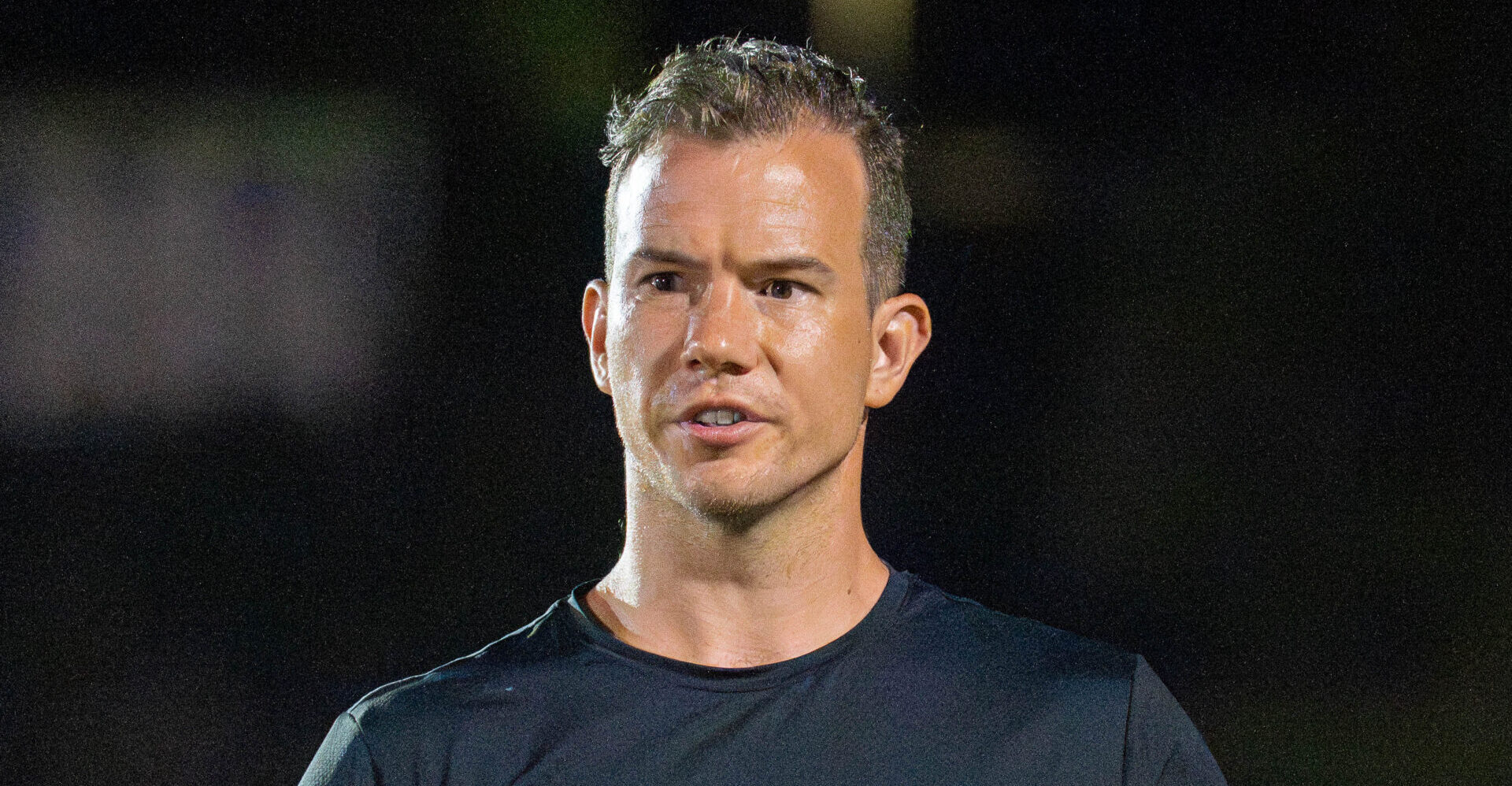
    A two-week working visit from the leader of an international football development organization has marked a major milestone for Dominica’s emerging ambitions to become a leading Caribbean hub for sports tourism and grassroots athlete advancement. Christopher Saul, founder and director of International Futbol Experiences (IFE), wrapped up a productive trip focused on unlocking new opportunities for local Dominican players while launching a game-changing new sports tourism offering for the global athletic community.

    Per a public statement from local coordinating group Creole Heartbeat, the core objectives of Saul’s visit centered on three key priorities: creating accessible scholarship pathways, opening doors to professional opportunities, and building structured player development pipelines for footballers across Dominica. During the visit, the team officially introduced IFE’s signature “Train & Play in Nature” programme, an innovative concept that leverages Dominica’s unspoiled natural landscape to draw international athletes for immersive preseason training, competitive matches, active recovery, and off-season preparation.

    The ambitious cross-sector initiative is the product of a collaborative partnership between a diverse coalition of local and international stakeholders, including Creole Heartbeat, tourism marketing platform VisitNatureDA.com, the 767 Sports Club, the Dominica Olympic Committee, Atlantique View Retreat Resort, Bombers Football Club, and Black Cab Taxi Services. To demonstrate the programme’s value, Saul was joined by two active IFE-affiliated players who completed a full two-week training block on the island, giving firsthand proof of Dominica’s suitability as a high-performance training destination.

    Speaking during his visit, Saul emphasized what makes Dominica stand out from other global training locations: “Dominica offers something that very few places in the world can provide. Its natural environment, climate, terrain and peaceful atmosphere create the perfect setting for athletes to prepare physically and mentally for the demands of their competitive season. We see tremendous potential for Dominica to become a premier destination for athlete development.”

    Throughout his 14-day stay, Saul led a full schedule of engagement with the local football community, running hands-on coaching clinics, conducting individual player evaluations, and hosting educational information sessions for both young athletes and their parents. These sessions focused heavily on the non-technical requirements for securing international opportunities, including personal commitment, competitive discipline, and the academic standards needed to qualify for U.S. collegiate athletic programs.

    IFE already maintains an established long-term partnership with Dominica’s Bombers Football Club, and Saul deepened this collaboration during the visit by leading specialized development sessions designed to build a clear, structured pathway that connects grassroots local football to U.S. college scholarships and global professional contracts. To ensure broad access for players across the island, additional coaching workshops were also organized with two more local clubs: Fond Cole FC and Harlem United FC.

    By the end of the visit, Saul had identified 16 promising Dominican players, including a number of female athletes, that he assessed have the raw talent to compete successfully at the U.S. collegiate level, with long-term potential to secure professional contracts in top European leagues with continued targeted development.

    In addition to working directly with local clubs and players, Saul prioritized building institutional partnerships to sustain long-term growth. He held formal meetings with leadership from the Dominica Football Association (DFA) to map out future collaboration on expanding scholarship pathways, organizing international player showcase events, arranging professional trial opportunities abroad, and creating more overseas pathways for local talent. Separate discussions were also held with representatives from the Dominica Olympic Committee (DOC) to explore joint initiatives for athlete development and high-performance programming, aligned with the shared goal of positioning Dominica as a top global sports tourism destination.

    Saul’s visit marks just the first step in a broader, multi-faceted vision that integrates football development, educational advancement, tourism growth, and expanded economic opportunity for local communities. Beyond the benefits for local players, the “Train & Play in Nature” programme is designed to attract collegiate teams, professional clubs, youth academies, and individual athletes from across North America, Europe, and the Caribbean to host preseason camps, book specialized training experiences, and run recovery programs on the island.

    Local organizers project that beyond opening international doors for Dominican athletes, the initiative will deliver broad economic benefits by driving new revenue for local hotels, transportation providers, restaurants, tour operators, and public and private sports facilities, directly strengthening Dominica’s fast-growing sports tourism sector.

    Organizers emphasized in the statement that the effort extends far beyond the pitch: “This is about much more than football. It is about creating educational opportunities for our young people, strengthening our national programme, expanding sports tourism and positioning Dominica as one of the Caribbean’s leading destinations for athlete development.”

    All partnering organizations have confirmed their commitment to continuing collaborative discussions in the coming months to expand the programme and unlock additional development and career opportunities for Dominican footballers.


  • OECS Forms Advisory Team as U.S. Seeks Regional Help with Third-Nation Deportees

    OECS Forms Advisory Team as U.S. Seeks Regional Help with Third-Nation Deportees

    Amid rising geopolitical tensions and growing global uncertainty, leaders from the Organisation of Eastern Caribbean States (OECS) have greenlit the creation of a specialized high-level advisory team to coordinate regional negotiations with the United States over Washington’s controversial request to accept third-country deportees. This landmark decision was unveiled during the official opening of the 78th OECS Authority Meeting, hosted at the Royalton Resort in Deep Bay, where outgoing OECS Chairman and Prime Minister Godwin Friday formally passed the leadership gavel to incoming chair Gaston Browne.

    In his opening remarks to the assembly of regional leaders, Friday framed the U.S. request as one of the most pressing policy challenges the Eastern Caribbean bloc has confronted in decades, emerging at a moment of unprecedented global instability that already strains the region’s critical systems. “We are navigating an era of profound geopolitical uncertainty, the most impactful our region has seen in a generation,” Friday told delegates. “Broader tensions across our hemisphere send ripples that touch every part of our collective life: our national security, energy security, household living costs, migration patterns, and diplomatic standing.”

    The U.S. proposal, first brought to OECS member states early this year, asks small Caribbean nations to take in migrants deported from the United States who do not hold citizenship in the receiving countries. Friday emphasized that the bloc has approached the request with extreme caution, as its potential ramifications cut to core national interests across the sub-region. To date, the matter remains under active review, with leaders flagging serious risks to public safety, strained limited national budgets, threats to long-term economic stability, and compromises to national sovereignty that could come from accepting additional non-citizen deportees.

    “We are still working through this issue with great care because it carries serious implications for our economy, the personal safety of our citizens, the allocation of already scarce public resources, and our sovereign autonomy,” Friday explained. In response to the complexity of the negotiations, regional leaders voted unanimously to form the cross-bloc advisory body, which will bring together technical experts and senior representatives from all OECS member states to coordinate unified negotiating positions, whether members engage with Washington individually or as a collective group.

    Beyond the immediate deportation issue, Friday used the platform to reaffirm the unique vulnerability of small island developing states to external global shocks. “What register as mere small tremors for large, powerful nations are felt as catastrophic earthquakes for us,” he noted. “As small island developing states, we end up bearing the worst, and longest-lasting, consequences of international events we had no hand in creating.”

    For Caribbean governments across the region, the challenge of third-country deportations has grown increasingly urgent in recent years. Leaders are forced to strike a precarious balance between upholding long-standing diplomatic ties and humanitarian obligations, and protecting their limited institutional capacity, national security frameworks, and sovereign right to control entry into their territories.

  • Sagicor webinar explores modern fatherhood, family relationships and financial planning

    Sagicor webinar explores modern fatherhood, family relationships and financial planning

    To mark this year’s Father’s Day, regional financial services group Sagicor organized a timely virtual webinar focused on one of the most discussed yet under-explored topics in Caribbean family life: the shifting landscape of modern fatherhood. Titled “The Dad Blueprint: Building Strong, Present and Purpose-Driven Fathers”, the online convening brought together a diverse cross-regional panel of social advocates, media professionals, influencers and financial experts to unpack the challenges, rewards, and core responsibilities of contemporary fatherhood, drawing from both personal experience and professional insight. The event was moderated by Sherlon Leon, Head of Sales at Sagicor Life (Eastern Caribbean) Inc.’s St. Lucia branch, per an official press release from the company.

    A central thread running through all panel discussions was the rapidly evolving role of fathers in 21st-century family structures. Fabian Sargeant, a Barbados-based social worker and founder/president of the Men Empowerment Network Support (MENS), observed that while a growing number of men today are stepping into active nurturing and caregiving roles long dominated by mothers, outdated societal attitudes have failed to keep up with this cultural shift. “Many of us want to be actively present in our children’s lives, and we are taking on responsibilities that were once seen as exclusively maternal,” Sargeant explained. “But society still struggles to recognize and validate these new approaches to fatherhood, even as more men reimagine what it means to be a dad.”

    Panelists also delved into the profound, long-lasting impact of paternal involvement on children’s long-term development and emotional well-being. Garth Williams, a communications strategist and broadcaster from Jamaica, emphasized that child-centered co-parenting is non-negotiable even when couples separate, pointing to stark data on the outcomes for children growing up without engaged father figures. “Globally, the majority of repeat criminal offenders and individuals struggling with chronic addiction come from homes marked by either absent fathers or abusive paternal presence,” Williams noted. He stressed that whether parents live together or co-parent apart, a stable, loving family foundation is the most critical predictor of whether a child will grow into a well-adjusted, socially responsible adult.

    The conversation also included deeply personal reflections from Trinidad and Tobago social media influencer Anil James, who shared his experience growing up fatherless after his father died by suicide when James was only two years old. James explained that the absence of his own father shaped his intentional approach to raising his son, filling the gaps he experienced in his own childhood. “I grew up watching other boys bond with their dads and wishing I had that chance,” James said. “Fatherhood wasn’t taught to me, but I learned what I needed from that experience of longing. Today, I make sure to give my son everything I ever wanted as a child.”

    Beyond social and emotional dimensions of fatherhood, the webinar also turned to the practical topic of long-term financial planning for children’s futures. Dunovan De Graff, Business Development Manager at Sagicor Investments Trinidad and Tobago Limited, urged parents of all income brackets to start investing for their children as early as possible, pushing back against a common misconception that investing is only for high earners. “Many low- and middle-income parents put off investing because they think they don’t have enough money to get started, or they’re overwhelmed by daily living expenses,” De Graff explained. “But waiting to start is one of the costliest mistakes you can make. Nothing beats the power of early compounding, no matter how small your initial contribution is.”

    Andre Barrow, Assistant Vice President of Innovation and Business Solutions at Sagicor General Insurance Inc., echoed this message, encouraging parents to prioritize consistent, gradual progress over overnight success. He noted that social media’s distorted depiction of instant success often discourages parents from making small, steady investments in their children’s futures. “Social media makes it look like you can go from zero to hero overnight,” Barrow said. “But real progress, whether financial or personal, happens incrementally. A journey of a thousand miles starts with a single step, so any small improvement you can make today is worth making.”

    Sagicor officials noted that the webinar was a core part of the company’s 2026 Father’s Day outreach, designed to highlight the critical importance of active paternal engagement in building strong, resilient families across the Caribbean. Through the day’s open, honest discussions, panelists collectively concluded that modern fatherhood demands intentional presence, clear purpose, adaptive resilience, and an ongoing commitment to personal growth.

  • Another setback for Equity Insurance appeal as tribunal delays hearing

    Another setback for Equity Insurance appeal as tribunal delays hearing

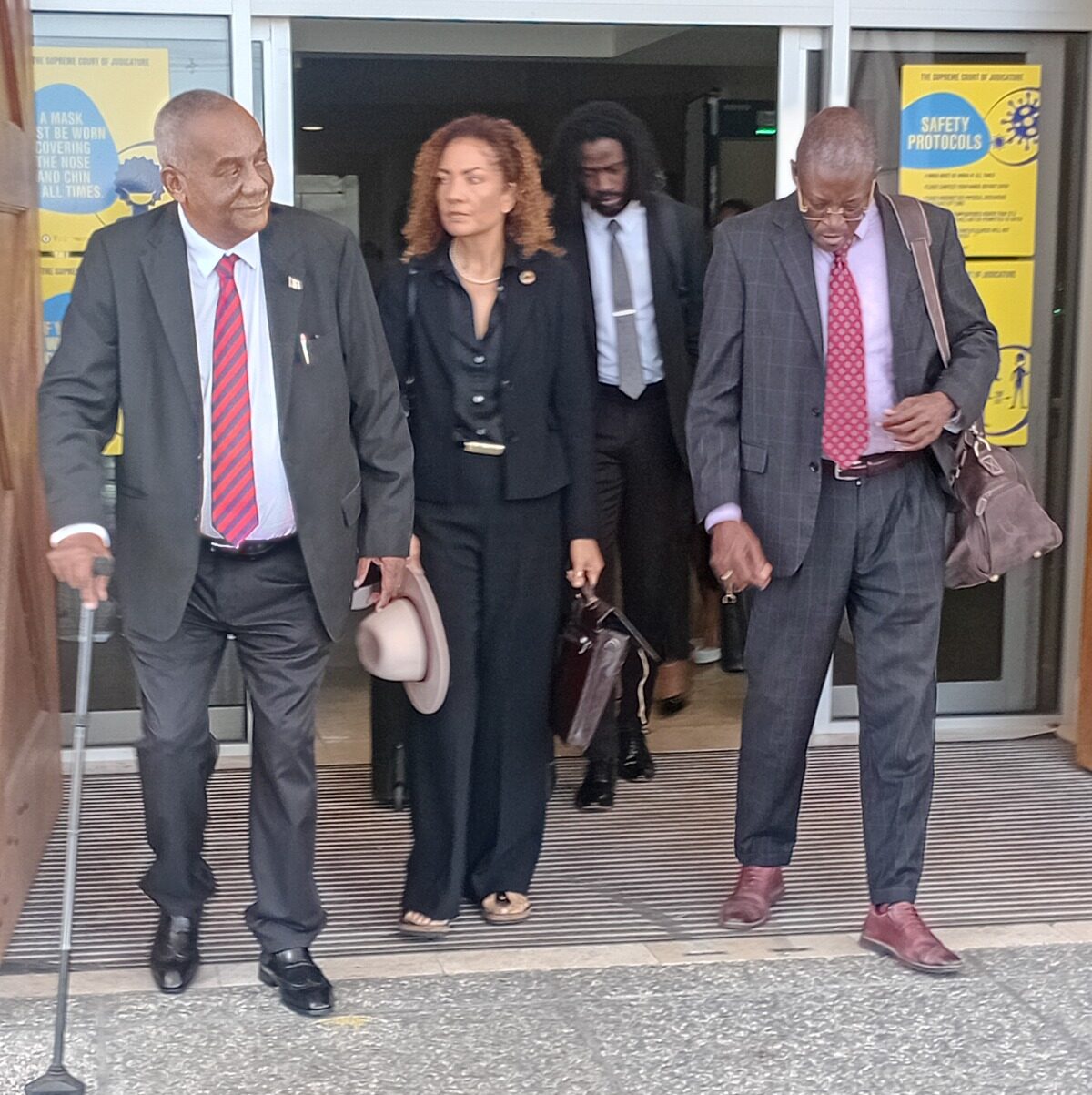
    Equity Insurance Company Limited’s latest legal bid to reverse the Financial Services Commission’s (FSC) decision to shut down the firm hit a major procedural hurdle this Monday, when preliminary disagreements pushed back the start of its high-stakes appeal hearing and pushed the final substantive proceeding out to mid-October.

    The case, which was originally scheduled to open before the three-member Financial Services Appeals Tribunal (FSAT), was entirely consumed by pre-hearing procedural disputes that will now be sorted out at a dedicated case management conference slated for July. Following guidance from FSAT chair Justice Christopher Blackman, a retired High Court judge, both legal teams for the insurer and the regulator agreed that the window of October 12 to 16 is the appropriate timeframe to schedule the full substantive hearing.

    Alongside pushing back the main hearing, the tribunal issued three key procedural rulings on Monday. First, it formalized the deferral of the substantive appeal to October. Second, it delayed a separate application by Equity Insurance to amend its official appeal grounds, after the company’s supporting affidavit was found to contain factual inaccuracies. Third, it formally dismissed a “statement of protest and reservation of rights” submitted by the insurer as procedurally inappropriate.

    Explaining the dismissal of the protest statement, Justice Blackman noted that the document included a false claim that the company had been forced to work on separate winding-up proceedings while the appeal was pending. He clarified that a prior High Court order issued by Justice Dr. H. Patrick Wells on April 10 explicitly paused all winding-up actions until the FSAT ruled on the appeal, leaving no valid foundation for the protest.

    Equity Insurance, represented by senior counsels Alrick Scott KC and Larry Smith KC, has pushed back against the tribunal’s rulings. Scott rejected the finding that the amendment application was defective, arguing that the application notice explicitly and thoroughly addressed the specific seventh ground for appeal that the tribunal flagged as missing from the affidavit.

    “We reject the suggestion that the application is defective, because we dealt specifically with the specific ground in our notice of application,” Scott told reporters following Monday’s proceedings. He also defended the insurer’s decision to file the protest statement, noting that it was intended to formally document the company’s objections over the tribunal’s failure to order document disclosure, as well as what the firm calls an unreasonably tight hearing timetable.

    Scott emphasized that the timetable set by the tribunal, which was appointed only in February, was always unrealistic for a complex, high-stakes commercial appeal. He added that a late affidavit filed by the FSC on Sunday, on behalf of restructuring manager Craig Waterman, also contributed to the need to reschedule the full hearing. Waterman was present at Monday’s proceedings in his official capacity as the regulator-appointed restructuring lead for the struggling insurer.

    Senior Counsel Garth Patterson, representing the FSC, backed the tribunal’s dismissal of the protest statement, calling the unusual filing unnecessary. Patterson, who has 40 years of experience in legal practice, said he had never encountered such a document being submitted to an appeals tribunal in his career, and agreed with Justice Blackman that it was redundant to the tribunal’s record.

    Monday’s procedural dispute is the latest chapter in a months-long legal battle between the insurer and the national financial regulator. The conflict dates back to March, when the FSAT rejected the FSC’s request to suspend Equity Insurance’s appeal entirely. At that time, FSC attorney Amanda Best had asked the tribunal to pause the appeal while a separate High Court application to wind up the insurer moved forward.

    That separate High Court application was ultimately dismissed by Justice Dr. H. Patrick Wells in a 77-page ruling. Justice Wells found that the FSC had failed to establish a clear legal basis for immediate winding-up, and warned that forcing liquidation at that stage would undermine the statutory appeal process. He did leave the door open for the FSC to renew its application after the FSAT rules on the current appeal, and noted that the regulator could ask the court for guidance if the appeal process suffers unreasonable delay.

    The entire dispute traces back to August of last year, when the FSC seized regulatory control of Equity Insurance, citing long-standing unresolved breaches of multiple financial sector laws and ongoing risks to the policyholding public.

  • Grenada’s alcohol use reality

    Grenada’s alcohol use reality

    As we mark Men’s Mental Health Awareness Month, a critical, underdiscussed link between harmful alcohol use and declining psychological well-being demands urgent public attention. While common conversations about alcohol and health tend to focus on physical harms such as liver disease, throat cancer, and withdrawal symptoms, a far more insidious threat often flies under the radar: the lasting damage alcohol inflicts on mental health.

    Data from the World Health Organization collected in 2018 paints a stark picture for the Caribbean nation of Grenada, where the average man consumes five times more alcohol than the average woman. This stark gender gap raises pressing questions about why so many men turn to drinking, and what role alcohol plays in shaping their mental health outcomes.

    To unpack this issue, it is first important to acknowledge the multifaceted role alcohol plays in communities around the world, including Grenada. For many, alcohol is a centerpiece of social connection, a marker of adult autonomy that people proudly defend, and a core economic driver that supports livelihoods across the hospitality, retail, and agriculture sectors. It is widely celebrated as a social lubricant that eases awkwardness, dissolves unnecessary inhibitions, and creates space for people to relax and enjoy time together. It is this very social acceptance, however, that opens the door to its hidden harms.

    For men in particular, alcohol often becomes intertwined with male social bonding. It provides a socially acceptable excuse to gather, a cover to drown unspoken sorrows and downplay deep-seated fears, and a crutch that makes it easier to open up about daily struggles like work stress, strained relationships, and overwhelming responsibilities. At first glance, this seems like a helpful release: alcohol offers quick, convenient temporary relief, which keeps people coming back to it again and again. But that relief is nothing more than an illusion of escape. It fades quickly, and in its place comes growing dependence that erodes long-term well-being.

    This analysis does not claim that all alcohol use is inherently harmful. Countless people across Grenada and globally consume alcohol responsibly, within healthy limits. But this widespread responsible use has a side effect: it desensitizes communities to the more dangerous impacts of harmful drinking, allowing those harms to grow unchecked.

    Harmful alcohol use damages more than just the drinker’s physical health. It tears apart families, robs young boys of stable male role models, and eats away at already tight household budgets that could cover basic needs. While alcohol lowers inhibitions to create a sense of freedom, those inhibitions often serve a critical purpose: they keep people from making reckless, life-altering decisions that lead to regret, everything from drunk driving to violent outbursts. Even more damaging to mental health is the way alcohol masks underlying pain: it temporarily numbs the stress and hardship of daily life, but it also robs people of the chance to confront their challenges, seek meaningful help, and build emotional resilience. In a context where overall mental health awareness is already low, drinking away anxiety becomes a way to sweep problems under the rug. Drowning sorrows translates to denying the very real symptoms of depression, particularly when men feel they have nowhere else to turn for support.

    The biggest unspoken danger of all is addiction. Alcohol is classified medically as a drug — one that is deeply socially normalized and often seen as harmless, but a drug nonetheless. The temporary relief it provides is powerful but deceptive: instead of easing the pain people chase, it leaves them feeling worse than before. Over time, it alters brain chemistry and actively worsens underlying mental health conditions, both in the immediate term and over the course of a lifetime. These are often conditions that people do not even realize they are living with, or are actively trying to outrun.

    The public health risk becomes even more acute when framed against Grenada’s unique systemic gaps. For more than a decade, the nation has operated without a dedicated rehabilitation center to support people struggling with addiction. Many communities already carry an unmeasured, unaddressed burden of mental health distress, and for most people, the most accessible social outlet remains the local rum shop. When the systemic support people need is not available, it is far easier for harmful drinking patterns to take root, and far harder for men to reach out for help when alcohol has already damaged their mental health.

    This piece comes from Dr. Ishma Harford, a medical doctor and Commonwealth Scholar completing a master’s degree in Health Analysis, Policy and Management. “The Health Imperative” is an educational, politically neutral column focused on health, health systems, and their broader societal impacts. NOW Grenada does not take responsibility for opinions or statements shared by contributing authors.

  • Clayton Jeffery Pleads Guilty to Scalding Sister with Boiling Water

    Clayton Jeffery Pleads Guilty to Scalding Sister with Boiling Water

    A Bolans resident has entered a guilty plea to a violent assault charge that left his own sibling with life-altering injuries and months of painful recovery. Clayton Jeffery admitted in court on Monday to intentionally wounding his sister in the unprovoked October 29, 2023 attack, which unfolded in public along a residential road in the community.

    Court documents and prosecution accounts detail a chilling sequence of violence: Jeffery armed himself with a kettle full of boiling water, chased his fleeing sister down the street, and caught up to her before pouring the scalding liquid directly across her back. After the woman collapsed to the ground from the burn pain, Jeffery continued his assault, kicking and punching her repeatedly before local bystanders stepped in to stop the attack and call for emergency assistance.

    The victim was rushed immediately to a local hospital for urgent care, where clinicians diagnosed her with third-degree burns across her back, a fractured left leg, and a broken right hand. She required three weeks of inpatient hospital treatment to stabilize her injuries, followed by an additional eight months of forced bed rest at home as she worked to regain her health. What makes the attack even more shocking, court records confirm, is that there was no pre-existing argument or conflict between the two siblings before the violence erupted.

    Jeffery later told investigating officers that he had been tipped off by neighbors to rumors about his personal life, and he incorrectly assumed his sister was the person who had spread the gossip. That misplaced anger was the sole trigger for the brutal attack, according to his statement to police.

    Following Monday’s guilty plea, the High Court has scheduled Jeffery’s sentencing hearing for July 20, where he will face a judge’s determination of the penalty for his violent crime. The case has drawn local attention to the devastating harm that can stem from unchecked anger and unconfirmed gossip, even within immediate family units.

  • Bee scherpt aanpak spookambtenaren aan: salarissen sneller geblokkeerd

    Bee scherpt aanpak spookambtenaren aan: salarissen sneller geblokkeerd

    Suriname’s Minister of Internal Affairs, Marinus Bee, is launching an aggressive campaign to eliminate systemic waste in the country’s civil service, targeting so-called “ghost employees”, public workers who reside abroad while continuing to collect full government salaries, politically appointed unqualified staff, and idle civil servants who collect pay without reporting for work.

    Addressing lawmakers during budget deliberations, Bee emphasized that the government cannot sustain unlimited public spending on workers who contribute no labor to state institutions. “Public funds are meant to support services that benefit all Surinamese, not to line the pockets of people who do not hold up their end of the agreement,” the minister stated.

    The crackdown is already underway, leveraging the mandatory national civil servant registry to conduct rigorous cross-checks of all active public employees. Any worker who fails to verify their employment status after repeated official notifications will have their salaries immediately halted or frozen. Authorities are also conducting a full audit of national payrolls to root out duplicate payments and unauthorized compensation, with Bee confirming that multiple cases of individuals collecting two or even three simultaneous government salaries have already been uncovered.

    In collaboration with the country’s Border Management System, authorities are also cross-referencing border exit data with active payroll records to identify public servants who have left Suriname permanently, failed to return from extended international stays, and remain on government payrolls. Bee estimates that roughly 2,000 civil servants currently fall into this category. Early progress has already been seen: a number of affected employees have voluntarily resigned after learning of the ministry’s ongoing investigation, the minister reported.

    Going forward, enforcement will be significantly tightened, Bee confirmed. The government will no longer conduct prolonged searches for employees who cannot be located or have provided false residential addresses. Salaries for unresponsive workers will be blocked much faster, forcing employees to come forward to formalize their employment status to restore pay. The ministry is also considering the launch of an anonymous tip line, allowing ordinary citizens to submit information about public servants who have lived abroad for years while still collecting government salaries.

    Bee framed the crackdown as a core part of a broader, long-overdue reform of Suriname’s entire civil service system. For decades, he explained, the public sector has been misused as a political tool, particularly during election cycles. Political parties have hired thousands of supporters to reward loyalty, with no actual vacant positions available and no requirement that hires meet basic job qualifications. After changes in government, ousted political appointees have often been sent home without work but continue to collect full salaries.

    “Let’s be honest: we do not need 51,000 civil servants,” Bee said. The end goal of reforms is to build a smaller, more efficient, performance-focused public sector, where workers are hired and retained based on professional competence rather than political loyalty.

    To ease the transition, the minister plans to reassign surplus public workers to other ministries and public entities that are facing staffing shortages where possible. He is also exploring the design of voluntary early retirement incentive packages to encourage workers to exit the public sector willingly. Most importantly, Bee noted that the savings generated by closing these costly payroll “leaks” will be redirected to raise compensation for active, hardworking civil servants – particularly underpaid strategic groups including teachers and healthcare workers.

  • Antigua and Barbuda May Need Higher Water Rates, Browne Warns

    Antigua and Barbuda May Need Higher Water Rates, Browne Warns

    The twin-island nation of Antigua and Barbuda is facing a growing fiscal dilemma over its water supply, as Prime Minister Gaston Browne has confirmed that gradual rate increases may be unavoidable in the coming years. The revelation came during Browne’s weekly public radio segment *Browne and Browne* on Saturday, where he outlined the heavy financial burden the government already carries to keep running the country’s water systems.

    Each year, the Antigua and Barbuda government pours an estimated 40 million Eastern Caribbean dollars into direct subsidies for water production and distribution, costs that have surged as the country has shifted away from traditional groundwater extraction to far more energy-intensive reverse osmosis desalination. Unlike pulling water from natural underground aquifers, desalination requires specialized infrastructure, large amounts of energy, and ongoing maintenance that drive production costs far higher. To prevent consumers from absorbing the full brunt of these expenses, the state has stepped in to cover the gap, but the strain on public finances is becoming unsustainable.

    Even with this pressure, Browne emphasized that the government has no plans to implement sudden, drastic rate hikes that would disrupt household budgets. Instead, he framed any future changes as modest, manageable adjustments that align with the actual value of the resource Antiguan and Barbudan consumers receive. For context, he pointed to the current flat rate structure: consumers currently pay $22 for access to 1,000 gallons of water, and even a potential increase to $30 would still represent an affordable rate for the volume provided.

    Beyond balancing the government’s books, Browne noted that fairer pricing also serves a critical public goal: encouraging water conservation at a time when the country is battling one of the most severe multi-year droughts it has seen in decades. The prime minister argued that artificially low water prices have incentivized wasteful use, even amid the ongoing dry spell. He cited the persistent practice of residential lawn watering as one example of unnecessary water use that cheap pricing enables.

    As climate conditions push Antigua and Barbuda to deepen its reliance on desalination to guarantee a consistent water supply for residents, responsible consumption will only grow in importance, Browne added. Currently, the government is already pouring investment into upgrading water distribution infrastructure and expanding the country’s reverse osmosis production capacity to address long-standing gaps in service and the ongoing impact of the drought. Moving forward, Browne stressed that any future rate adjustments will be crafted to strike a careful balance: keeping water accessible and affordable for all households, while acknowledging the real costs of producing and delivering this essential resource in a small island nation that must increasingly turn to desalination.

  • Tropical Weather Outlook:  Tuesday, 23 June 2026 (8 am)

    Tropical Weather Outlook: Tuesday, 23 June 2026 (8 am)

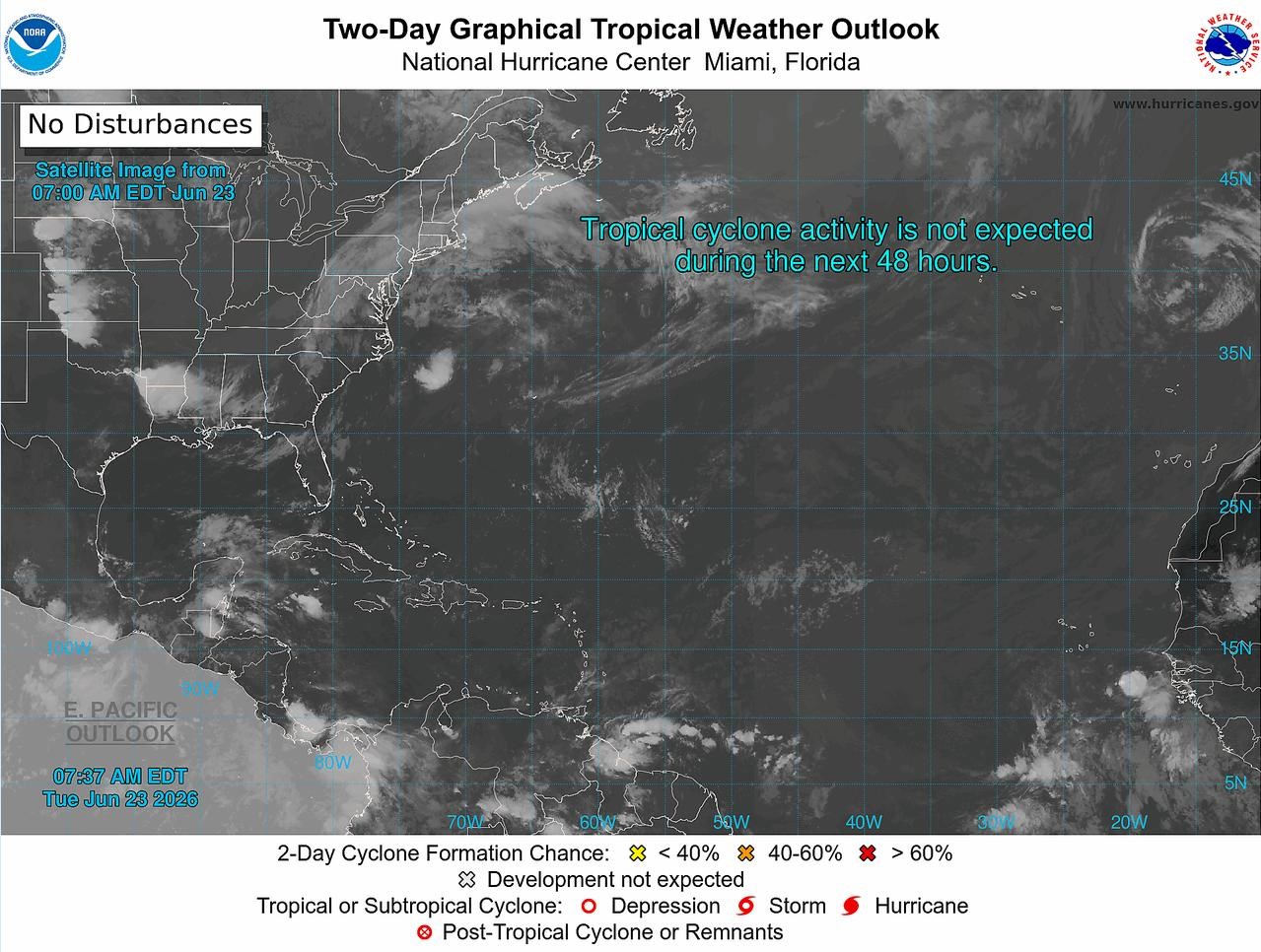
    The Meteorological Services under the Maurice Bishop International Airport (MBIA) and the Grenada Airports Authority (GAA) have released an active tropical weather update for the tropical North Atlantic Ocean, Caribbean Sea, and Gulf of Mexico, covering a designated area of special interest spanning 10–20°N latitude and 40–65°W longitude. As of the latest advisory, two distinct tropical waves are currently moving westward across the Atlantic basin, with varying levels of convective activity and forecast impacts for the region.

    The first system, labeled Tropical Wave 1, is a disturbance originating in the central Atlantic. Its center is positioned along the 58°W meridian, stretching southward from 16°N latitude. The wave is progressing westward at a steady speed of approximately 15 knots. Meteorological observations show scattered moderate convection, with isolated strong thunderstorm activity concentrated between 06°N and 10°N latitude, and between 53°W and 60°W longitude. Based on its current forward momentum, forecasters project the core axis of Tropical Wave 1 will pass over the island nation of Grenada between later this evening and Wednesday. As the wave moves across the island, residents can expect an increase in overall cloud cover and scattered shower activity through the period.

    The second system, Tropical Wave 2, is located further east across the tropical Atlantic, centered near the 46°W meridian and extending southward from 15°N latitude. This wave is moving slightly faster than its central Atlantic counterpart, tracking west at speeds between 15 and 20 knots. Scattered moderate convective activity has been observed for this system, confined between 06°N and 09°N latitude between 44°W and 52°W longitude. Unlike Tropical Wave 1, current meteorological modeling and conditions do not support the development of tropical cyclone activity from this system over the next 48 hours.

    This official advisory notes that the next scheduled update on the activity of these tropical waves will be issued to the public at 2 pm.

    This weather advisory is published in partnership with NOW Grenada, which notes that it holds no liability for opinions, statements, or third-party contributor content included in public advisories. Users may report any inappropriate content related to these updates through official reporting channels.

  • CAF commits US$10 billion to boost regional integration across Latin America and the Caribbean

    CAF commits US$10 billion to boost regional integration across Latin America and the Caribbean

    Against a backdrop of rising global geopolitical instability, shifting trade patterns, and economic volatility, the Development Bank of Latin America and the Caribbean (CAF) has announced a landmark $10 billion investment initiative set to run through 2031, aimed at accelerating deepened regional integration across Latin America and the Caribbean (LAC).

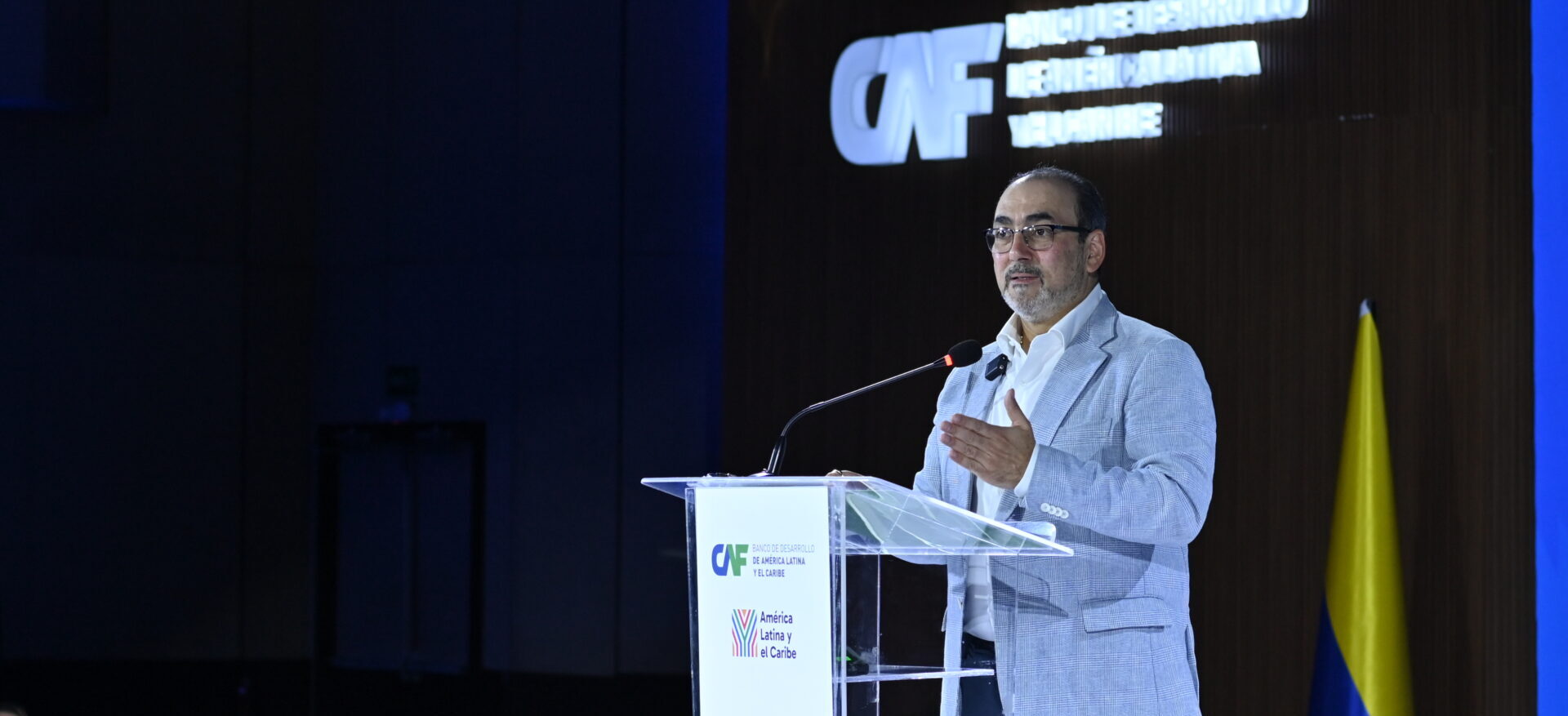
    The commitment was formally revealed by CAF Executive President Sergio Díaz-Granados at the conclusion of the International Forum on Regional Integration, hosted by CAF in the Colombian coastal city of Cartagena in May. The high-level gathering assembled a diverse cross-section of stakeholders: senior government officials, leaders from multilateral development bodies, private sector executives, academic experts, and regional development partners to collectively chart actionable strategies for advancing cross-border cooperation across the LAC region.

    Caribbean stakeholders took a prominent role in the forum’s discussions, with senior representatives in attendance including Timothy Antoine, Governor of the Eastern Caribbean Central Bank; Ambassador Wayne McCook, Assistant Secretary-General of the Caribbean Community (CARICOM); Ian Durant, Director of Economics at the Caribbean Development Bank; Martín Portillo, Chief Engagement Manager for Central America and the Dominican Republic at the Caribbean Catastrophe Risk Insurance Facility (CCRIF); and Natalie McGuire, Curator at the Barbados Museum & Historical Society.

    Per CAF’s official announcement, the $10 billion allocation will be directed to eight high-priority sectors critical to integration: cross-border physical and digital infrastructure, intra-regional trade expansion, food security, renewable energy transition, sustainable tourism, technological innovation, logistics network modernization, and cross-border mobility. The overarching goals of the investment are to close persistent development gaps between regional economies, upgrade connectivity across the region, and strengthen LAC’s global competitiveness at a time of unprecedented global economic uncertainty.

    Díaz-Granados framed deepened regional integration as a non-negotiable strategic imperative for LAC nations to build long-term resilience, drive shared growth, and improve their global positioning. In his remarks at the forum, he noted that growing geopolitical frictions, fragmented global trade systems, volatile financial markets, and widespread macroeconomic uncertainty have sharply increased the urgency for coordinated regional action. He emphasized that closer integration will empower LAC countries to secure stronger positions in global value chains, speed up the transition to low-carbon energy systems, strengthen domestic and regional food security, and adapt to rapidly shifting global production trends.

    “Integration is the answer to protecting our strategic ecosystems, creating jobs, addressing informality, and defending the democratic values that underpin our coexistence, freedom, and future,” Díaz-Granados stated.

    A key deliverable from the Cartagena forum was the signing of the *Declaration on the Convergence of the Processes and Mechanisms of Integration of Latin America and the Caribbean* by 15 major regional institutions. Signatories included the Economic Commission for Latin America and the Caribbean (ECLAC), the Amazon Cooperation Treaty Organization (OTCA), the Organization of Ibero-American States (OEI), and the Latin American Energy Organization (OLADE), among others. The declaration calls for a more coordinated, strategic approach to integration by aligning the priorities, resources, and expertise of existing regional bodies, eliminating redundant efforts, and unlocking new opportunities for cross-organization collaboration.

    CAF’s new investment pledge builds on the institution’s 30-year track record of backing regional integration efforts. To date, the development bank has approved 118 credit operations totaling $16.73 billion for integration-focused projects across the region. Over the past five years alone, CAF has scaled its support to target priority areas including cross-border physical connectivity, productive sector development, digital transformation, regional energy integration, and environmental conservation.

    In closing, Díaz-Granados stressed that the region must move beyond strategic planning and accelerate the delivery of tangible integration projects. “Regional integration has already achieved important progress, but it must now enter a more ambitious phase of implementation. Fewer barriers, more infrastructure. Fewer diagnoses, more projects,” he said.