作者: admin

  • “Busgeddon” Looms as Bus Operators Threaten Nationwide Shutdown

    “Busgeddon” Looms as Bus Operators Threaten Nationwide Shutdown

    Belize’s public transit network is on the brink of a total shutdown, with industry leaders warning that thousands of buses could be pulled from roads across the country as early as next Monday if the national government does not address urgent industry demands. The Belize Bus Association (BBA), the group representing the majority of bus operators nationwide, has issued a formal ultimatum that hinges on immediate government intervention to resolve a growing financial crisis driven by skyrocketing fuel costs.

    BBA President Philip Jones laid out the dire financial reality facing operators in a press statement, explaining that relentless increases in diesel prices have flipped daily operations from marginal profit to consistent loss for most service providers. Independent small-scale operators, who make up a large portion of Belize’s bus network, confirm that fuel costs now consume the single largest share of their monthly operating revenue, leaving little to no room for vehicle maintenance, insurance, or driver wages.

    To ease the financial strain, the BBA has put forward three potential policy solutions to the government: temporary fuel tax relief, targeted operating subsidies for small operators, and a controlled adjustment to passenger fares. As of press time, none of these proposals have received official approval from government bodies, and no formal negotiations have been scheduled to address the association’s concerns.

    Jones emphasized that operators have no desire to disrupt public service or inconvenience commuters. “We don’t want to strike. We don’t want to discontinue service,” he stated, doubling down on a call for Belize’s Minister of Transport to meet directly with operator representatives to find a mutually acceptable solution. Still, he warned that without urgent action, the country will face a systemic disruption he has dubbed “busgeddon” – a shutdown far more disruptive to daily life than many commuters and officials currently anticipate.

    If the BBA follows through on its threat, the impact will be felt immediately by tens of thousands of commuters across Belize, from daily work travelers to students and families relying on affordable public transit to access essential services. With less than a week remaining before the proposed shutdown date, both government and industry stakeholders are facing growing pressure to reach a last-minute compromise.

    Local outlet News 5 plans to air a full in-depth report on the unfolding crisis, including detailed breakdown of operating cost data and interviews with representatives from both the BBA and government transport officials, during its 6 p.m. News 5 Live broadcast tonight.

  • Second Teen Death Under Investigation Near Port Loyola

    Second Teen Death Under Investigation Near Port Loyola

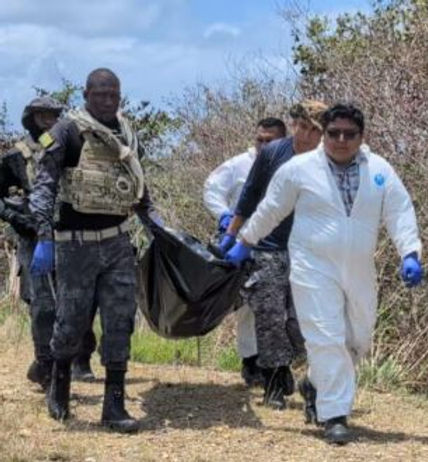
    Residents of Port Loyola, a coastal neighborhood in Belize City, are grappling with growing fear and insecurity after law enforcement was called to the area over the weekend to recover an unidentified body found washed up along the shoreline. This discovery marks the second suspicious death in the exact same general region within just seven days, a pattern that has shaken the tight-knit local community.

    Initial unofficial reports from law enforcement indicate the newly discovered body is likely that of 17-year-old Alwin Marin Jr., who had not been publicly reported missing prior to the find. The corpse was located in a cove southwest of Port Loyola, just a short distance from the spot where the body of 19-year-old was recovered last week. That first death has already been classified as a homicide, and investigators launched an active murder probe following the discovery.

    Complicating the ongoing investigation and amplifying community anxiety is the fact that a teenage person of interest connected to last week’s homicide has disappeared in the days since the first body was found. This coincidence has sparked widespread speculation among local residents that the two deaths and the disappearance may be linked, but law enforcement officials have stressed that no official connection has been confirmed at this stage of the probe.

    As of the latest update, formal identification of the newly recovered body has not been completed. Investigators are still processing physical evidence collected from the coastline, and are awaiting full forensic autopsy results to confirm the identity of the deceased and determine an official cause of death.

    Law enforcement has confirmed that parallel investigations into both the recent discovery and last week’s homicide remain active and ongoing. Investigators are working methodically to piece together the timeline of events leading up to both deaths, and to clarify whether any connection exists between the two incidents. In the meantime, police have issued a public advisory urging all Port Loyola residents to remain alert to unusual or suspicious activity in the area, and to contact law enforcement immediately with any information that could aid the investigation.

  • Bus Owners Threaten Strike Over Fuel Costs

    Bus Owners Threaten Strike Over Fuel Costs

    Belize is bracing for a potential widespread disruption to its public transit system next week, after the Belize Bus Association (BBA) issued a formal warning that its member operators could halt all services nationwide starting April 20, 2026. The strike threat comes as escalating fuel costs have pushed the country’s bus operators to the breaking point, with industry leaders describing current expenses as unmanageable for small business owners operating on razor-thin margins.

    For weeks, bus operators have lobbied the Belizean government for emergency relief measures to offset skyrocketing fuel bills. The BBA put forward three targeted policy proposals: removing the General Sales Tax (GST) on key inputs including fuel, tires, and bus replacement parts; rolling out a temporary fuel subsidy to cover incremental cost increases; and approving a regulated fare hike that would let operators pass a portion of higher costs to passengers. All three requests were rejected by government officials, who have advised operators to hold out for a potential decline in global oil prices instead.

    That advice has fallen flat with the BBA, which says waiting for international market shifts is not a viable solution for local businesses already struggling to stay open. Bus owners note that the industry has long operated on extremely narrow profit margins, and recent consecutive fuel price increases have completely erased the small earnings that keep their operations running. Unlike larger transit systems in bigger economies, Belize’s bus network is made up largely of small independent operators with very limited financial buffers to absorb unexpected cost shocks.

    For thousands of Belizeans across the country, public buses are not a secondary transportation option — they are the primary mode of travel for daily life. Students rely on buses to get to classes, working commuters depend on them to reach their jobs, and residents of isolated rural communities have no other affordable way to access hospitals, grocery stores, and other essential services. A full national shutdown would send ripples across nearly every sector of daily life, leaving vast swathes of the population stranded without viable transit alternatives.

    The current fuel price crisis in Belize is not an isolated issue. It stems from persistent volatility in the global oil market, driven by ongoing international geopolitical tensions and lingering global supply chain concerns. This pressure has impacted transport sectors across the Caribbean and Central America, but industry representatives note that small, open economies like Belize are far more vulnerable to sudden price swings than larger nations with more diversified industrial bases.

    To date, the Belizean government has shown no indication that it will reverse its rejection of the BBA’s proposals. Formal talks between association leaders and government officials are scheduled to continue in the coming days, but with the strike deadline just days away, there is no clear path to a last-minute resolution. Commuters across the country have already been advised to make alternative transit arrangements in case an agreement is not reached before next Monday, leaving the nation in a state of uncertainty over the future of its public bus network.

  • Over 1,300 Served as Medical Mission Wraps Up in Belize City

    Over 1,300 Served as Medical Mission Wraps Up in Belize City

    A major four-day free healthcare outreach organized by the Seventh-day Adventist Church has successfully drawn to a close in Belize City, leaving a positive mark on local communities after delivering care to well over 1,000 underserved residents. The initiative, which offered no-cost medical consultations and clinical support to members of the public, was covered by local outlet News Five earlier in the week, and final post-mission tallies confirm that community turnout far outpaced event organizers’ initial projections.

    Dr. Zoraida Powell, who serves as Health Ministry Assistant for the Belize Union of Seventh-day Adventists, shared that patient attendance grew steadily day over day throughout the event. Roughly 230 people accessed care on the mission’s opening day, a number that jumped to 350 on the second day, and climbed again to 420 on the third. While early projections already put total patient numbers over 1,000 by the event’s end, final counts from clinical leadership show even higher participation.

    Dr. Roger Chene, Director of the Amazing Facts Medical Clinic, confirmed that the combined medical team ultimately cared for more than 1,300 unique patients across the four-day outreach. Calling the entire experience a profound blessing, Chene highlighted the deep gratitude expressed by patients who accessed the free services, and credited the event’s success to strong cross-partner collaboration. The mission brought together visiting medical professionals, Belize’s national Ministry of Health, and local members of the Adventist community to coordinate care for all attendees.

    Local residents have widely praised the initiative, with many noting the meaningful impact of the free health services on the community. Longtime Belize City resident Evonne Longsworth shared that she was thrilled the church chose to bring its health outreach and education messaging to Belize, and said she was stunned by the large volume of community members that turned out to access care. Another local attendee, Edward Belizeaire, described the outdoor community-focused mission as a one-of-a-kind positive experience that brought people together around a shared goal of improved public health.

  • National Youth Ambassador Christal Percival delivers compelling national statement at Youth Forum at the United Nations

    National Youth Ambassador Christal Percival delivers compelling national statement at Youth Forum at the United Nations

    On April 16, 2026, at the United Nations headquarters in New York, Christal Percival, National Youth Ambassador of Antigua and Barbuda, delivered a powerful national address during the plenary session of the UN Economic and Social Council (ECOSOC) Youth Forum, drawing widespread attention from attending delegates.

    Percival’s intervention opened by spotlighting Antigua and Barbuda’s leading role among the world’s Small Island Developing States (SIDS), while making a clear case for the urgent action needed to accelerate progress on global sustainable development priorities. Her speech centered specifically on Sustainable Development Goal 11: Sustainable Cities and Communities, bringing into sharp focus the daily struggles that low-lying island nations face as they grapple with accelerating sea-level rise, more frequent and intense extreme weather events, and deep-seated economic vulnerability that leaves communities exposed to climate shocks.

    The youth ambassador outlined a series of concrete domestic initiatives that reflect Antigua and Barbuda’s unwavering commitment to building inclusive, climate-resilient development. One flagship program she highlighted is the government’s ongoing effort to break down systemic barriers for young entrepreneurs working in the agricultural sector, by expanding access to affordable land, accessible financing, and targeted tax incentives. These policy changes, she explained, are simultaneously boosting national food security and giving young people the tools to drive growth in more resilient local economies.

    Percival also emphasized that Antigua and Barbuda’s national action plan aligns closely with the Antigua and Barbuda Agenda for SIDS (ABAS), pointing to ongoing work to expand public health access, raise national literacy rates, and mitigate key risk factors for non-communicable diseases, including high obesity rates linked to poor dietary patterns.

    Two key policy areas dominated much of her address: energy transition and climate-resilient affordable housing. She detailed the country’s ongoing efforts to scale up renewable energy generation across the islands, reinforce infrastructure and protective measures for the most climate-vulnerable communities, and roll out a national “housing revolution” designed to deliver safe, climate-resilient homes to all residents.

    In addition to climate and development action, Percival underlined Antigua and Barbuda’s commitment to deepening inclusive governance. She noted that the country is actively expanding opportunities for public participation in policy-making, strengthening national civic education programs, and building more accessible, community-centered platforms for open dialogue between citizens and policymakers.

    Throughout her compelling address, Percival stressed that small island developing states cannot deliver sustainable progress on their own. “It requires steadfast global alliances and sustained investment,” she told the forum, issuing a clear call to the international community to step up and support small island nations as they work to build safer, more resilient cities and communities for current and future generations.

    Percival’s address focused on SDG 11 followed earlier interventions from two other Antigua and Barbuda National Youth Ambassadors, Amelia Williams and Kristine Louisa, who also echoed the urgent need for targeted policy action to advance the outcomes and objectives of the UN Sustainable Development Goals.

    The Antigua and Barbuda delegation to the forum consists of seven members, led by Dr. Jrucilla Samuel, Director of Youth Affairs. Alongside Percival, the delegation includes three other National Youth Ambassadors: Amelia Williams, Kristine Louisa, and Shacia Albertine. The team is also completed by two members of the National Youth Volunteer Corps, Sara Bacchus and Esquire Henry.

  • Dubai Completes First Flying Taxi Station

    Dubai Completes First Flying Taxi Station

    In a landmark leap forward for advanced urban mobility, Dubai has officially completed construction on the world’s first purpose-built flying taxi station, with commercial passenger operations on track to launch before the close of 2026. The milestone was announced by Crown Prince Sheikh Hamdan bin Mohammed bin Rashid Al Maktoum during an inspection tour of the new electric vertical take-off and landing (eVTOL) facility, located just a short distance from Dubai International Airport.

    The completed infrastructure is a four-story central hub purpose-built to support the nascent air taxi industry. Designed to accommodate growing passenger demand, the station has an annual capacity of up to 170,000 passenger trips, and will act as the primary base for all of Dubai’s upcoming commercial air taxi services. Authorities have already unveiled plans to develop three additional stations across other key districts of the city in coming phases of the project.

    Commercial flight operations will be run by Joby Aviation, a California-based aerospace company specializing in electric urban air mobility. Under the terms of its agreement with Dubai authorities, Joby has secured exclusive operating rights for the air taxi network for an initial six-year period.

    City officials frame the project as a transformative step forward for urban transportation in Dubai. By rolling out this new zero-emission transit mode, they expect to cut travel times dramatically between the emirate’s key economic, residential, and tourist destinations, while advancing the region’s goals for building faster, more sustainable urban mobility infrastructure that aligns with global carbon reduction targets.

  • Hotels boost disaster readiness as BHTA urges full preparedness

    Hotels boost disaster readiness as BHTA urges full preparedness

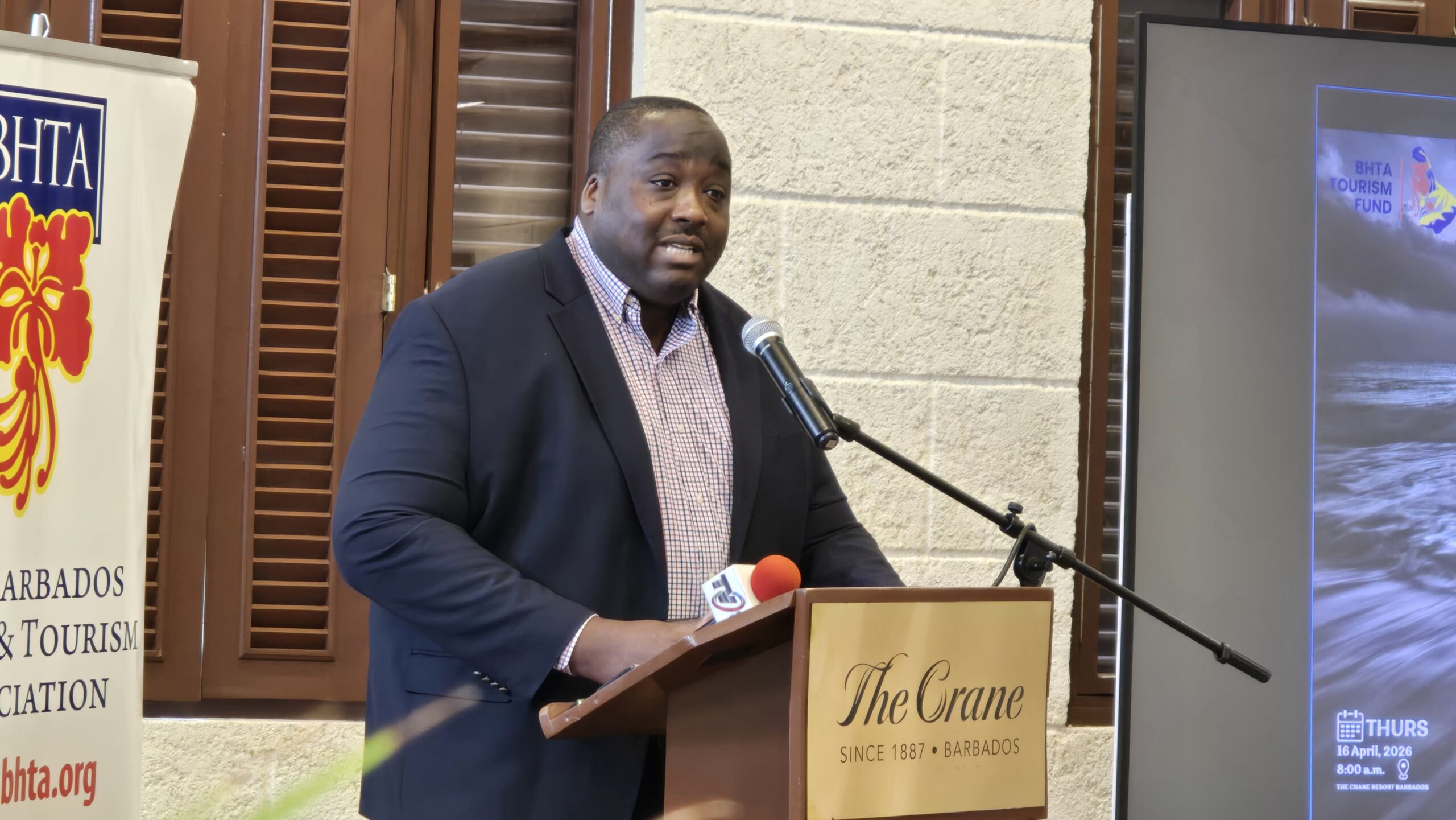
    Barbados’ tourism and hospitality industry has made major strides in strengthening disaster and emergency preparedness, with nearly all member properties of the Barbados Hotel and Tourism Association (BHTA) now holding formal crisis management plans, according to new data shared at the association’s 2026 Emergency Management Workshop held at Crane Resort in St Philip.

    Javon Griffith, chairman of the BHTA, opened the workshop by emphasizing that comprehensive crisis readiness is far more than a bureaucratic requirement — it is a core commitment to protecting guests, employees, and critical industry assets. The Caribbean island’s tourism sector, which serves as a backbone of the national economy, faces constant exposure to unforeseen hazards, from intense hurricanes and extreme weather events to public health threats, operational disruptions, and labor challenges. Griffith argued that when crisis hits, pre-planning, clear leadership, and structured processes matter far more than last-minute improvisation or panicked reactions.

    New data presented by BHTA Tourism Liaison Officer Sade Deane quantified the sector’s progress. Currently, 93% of BHTA-member tourist accommodations and hotels maintain fully developed emergency management plans, with 80% of these documents updated annually to reflect changing risks and operational conditions. During peak hurricane season, BHTA members collectively account for up to 10,000 guests that require coordinated safety planning, making standardized preparedness a high-stakes priority.

    Ninety percent of surveyed properties have formal evacuation protocols in place and maintain dedicated emergency committees trained to respond to different types of crises, most commonly hurricanes, wildfires, and flooding. Sixty-seven percent of properties conduct regular, rigorous emergency drills to ensure all staff understand their roles during a crisis, alongside ongoing training and tabletop simulation exercises for shelter operations. Most properties have pre-arranged agreements to use sister hotels as alternate shelters if on-site capacity is exceeded, with 89% of staff able to quickly direct guests to these nearby safe locations.

    When hurricane forecasts predict severe storm activity, properties prioritize guest welfare by encouraging pre-storm evacuation off-island. To reduce risk for visitors who choose to or must remain on Barbados, hotels offer flexible booking policies including rescheduling and extended stays, and provide emergency support including stocked meals and essential supplies. Sixty-eight percent of BHTA members have formal mutual aid agreements with non-member accommodations to host displaced guests if local capacity is overwhelmed during a major event.

    Deane outlined the range of standard protective and response measures deployed across the sector, including pre-storm preparation steps such as placing sandbags, clearing drainage systems, securing outdoor furniture and equipment, and stocking up on non-perishable food, water, and critical backup infrastructure including water tanks and power generators. For communication, properties maintain multi-layered systems that work even if traditional cell and internet networks go down, combining social media updates, WhatsApp groups, mobile calls, internal radio systems and island-wide VHF radio coverage to maintain connectivity during crises.

    Despite the notable progress captured in the new data, Griffith stressed that emergency management must evolve beyond simply having a written plan stored on a shelf. He argued that for true resilience, crisis preparedness must be embedded into the daily organizational culture of every hospitality business, understood by senior leadership, embraced by frontline teams, and continuously strengthened through regular planning, training, rehearsals, and post-incident reviews.

    Griffith added that true resilience depends as much on people as it does on infrastructure and formal systems. Emergency preparedness, he noted, is not the sole responsibility of a single department — it requires buy-in and participation across every level of an organization, and across the entire tourism industry. As the leading economic sector in Barbados, the tourism industry holds a collective responsibility as stewards of local jobs, representatives of the island’s national hospitality brand, and guardians of the visitor experience. The preparations, response actions, and recovery efforts the sector undertakes have impacts that stretch far beyond individual hotel businesses, affecting the entire island’s reputation and economic health.

    The 2026 workshop was designed to address both the operational and human elements of emergency management, covering not just infrastructure and protocol planning, but also how to prepare staff for crisis, support workers during disruptions, maintain fair workplace practices under extreme pressure, and support teams and organizations to recover fully after a crisis passes.

  • Cricket legends to mentor students in new programme

    Cricket legends to mentor students in new programme

    Across Barbados, a growing number of secondary and tertiary students are gaining unprecedented access to first-hand wisdom from cricket icons and industry leaders, thanks to the new Legacy Talks initiative spearheaded by Cricket Legends of Barbados Inc. This targeted youth engagement program, which launched earlier this year, marks a major step forward in the organization’s ongoing mission to reconnect young Barbadians to the island’s rich cricketing heritage while equipping them with life skills that extend far beyond the pitch.

    During a press briefing held at the organization’s Fontabelle headquarters in St. Michael, General Manager Julia Caine laid out the program’s core objectives: to bridge the gap between legendary former cricketers and the next generation, expanding discussions beyond the sport to cover critical topics that shape young people’s lives. From personal discipline and the value of education to navigating career pathways and fostering long-term personal growth, the structured sessions are designed to broaden students’ perspectives on professional opportunities. Since launching in January, the initiative has already welcomed four secondary schools and one tertiary institution, building on the momentum of the organization’s existing successful outreach program, Fun Time with the Legends.

    Launched in 2024, Fun Time with the Legends has already reached 18 primary and secondary schools across the island, with five more visits scheduled for the upcoming academic term. Caine emphasized that both programs work in tandem to deliver structured engagement for young people at every educational level, from primary school through tertiary education. Unlike the more accessible Fun Time program, Legacy Talks is crafted specifically for older students preparing to transition from higher education to the workforce, offering deeper, discussion-driven sessions with topics tailored to their unique needs. Caine noted that the organization is optimistic about the new program’s long-term growth and impact on Barbadian youth.

    The most recent Legacy Talks session was led by Carlisle Best, a celebrated former Barbadian and West Indies cricketer who also enjoyed a long career with the Central Bank of Barbados. Best brought his dual expertise to a session focused on financial legacy, engaging students from Barbados Community College and The Alleyne School with practical, actionable insights that sparked thoughtful, meaningful dialogue among attendees.

    Joel Garner, chairman of Cricket Legends of Barbados, opened up about the organization’s motivation for expanding its school outreach, acknowledging that the sport has not received the consistent media visibility it deserves in recent years. He noted that modern young people are increasingly drawn to digital devices and screen-based activities, pulling focus away from traditional local sports. Garner admitted that the cricketing community made missteps in the past, failing to maintain a consistent visible presence in schools and build robust partnerships with local businesses. To grow the sport across all age levels, he argued, the organization needs expanded partnerships not only with the Ministry of Education but also the Ministry of Sport to create a meaningful, sustainable impact on junior and elite cricket development across the entire island.

    Garner added that the organization’s outreach extends far beyond school programs. Legends of Barbados has also worked closely with the country’s senior national men’s team, hosting informal sessions to help players relax, sharing first-hand lessons on what it takes to reach the top of international cricket, and how to sustain success once they achieve their goals.

    Shareholder and former international cricketer Dwayne Smith shared his personal journey with the sport, recalling how his uncle introduced him to cricket at a young age. While he noted that he did not always achieve every outcome he dreamed of during his career, Smith emphasized that cricket transformed his life, opening doors to international travel he never could have imagined – from Kenya and Australia to New Zealand, South Africa, England and dozens of other destinations. For Smith, cricket provided not only financial stability – allowing him to own a home, a car, and achieve the lifestyle he wanted – but also invaluable life lessons about navigating the world and interacting with people from all walks of life. He expressed hope that more young Barbadians will follow his path and build their own futures through the sport he loves.

  • “Who Killed My Son”: Alwin Marin’s Mother Demands Justice

    “Who Killed My Son”: Alwin Marin’s Mother Demands Justice

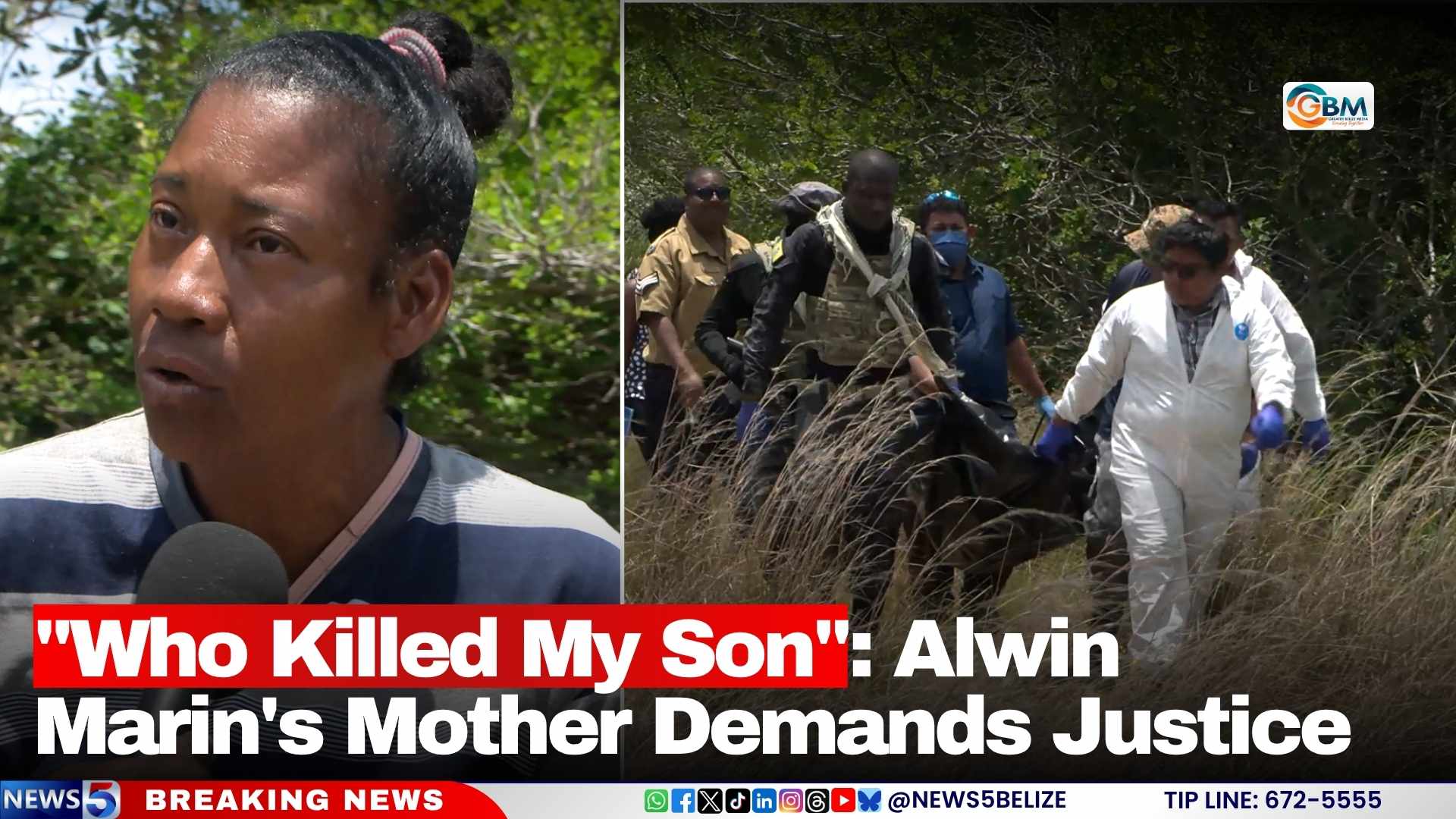
    Nearly one week after another missing teenage boy was found fatally shot in thick brush behind Belize City’s Port area, a heartbroken Belizean mother has personally located the body of her own 17-year-old son, leaving her demanding urgent answers and action from authorities.

    Patricia Cardinez, who stepped in front of reporters wearing her late child’s own shirt to share her pain, made the grim discovery on April 16, 2026, while searching the overgrown terrain herself. Her son, Alwin Marin Jr, had disappeared alongside 19-year-old Jaheil Westby, whose gunshot-wounded remains were uncovered in the exact same location six days earlier. Belizean law enforcement has now officially classified the incident as a double homicide investigation, confirming the pair’s disappearances are directly connected.

    In an interview with local outlet News Five, Cardinez described her unwavering determination to find her son even as days of uncertainty passed without any official breakthrough. “I search in the bush. I see johncrows, and I search that I find my son,” she recalled of her efforts. “I said I would not give up my hopes, I would not give up my faith… Jah guide me and protect me so that I can find my son today.”

    The moment of finding her son brought no closure for Cardinez, only overwhelming grief mixed with fiery anger and urgent calls for accountability. “I find my son now, so who killed my son? That’s the answer I want to know now… I need justice for my son,” she stated firmly.

    Cardinez told reporters she believes the brutal killings stem from a prior dispute over a horse, adding that a violent confrontation between the teens and other parties occurred shortly before the pair went missing. Though she declined to publicly name any people she suspects of involvement, she made clear that she expects law enforcement to make rapid arrests in the case. A full broadcast update on the investigation is scheduled to air on News 5 Live at 6 p.m. local time.

  • Who’s Filing and Who’s Not?

    Who’s Filing and Who’s Not?

    Less than two months after the annual legal deadline for Belize’s public officials to submit financial disclosure declarations, transparency and accountability in government has returned to the center of public debate, driven by a social media announcement from one of the country’s sitting cabinet ministers.

    On Wednesday, Infrastructure Minister Julius Espat — who also serves as the elected representative for Cayo South Constituency — made a public post confirming that he had submitted his 14th annual declaration to the nation’s Integrity Commission. In the announcement, Espat emphasized that open accountability and transparent governance are non-negotiable core values for anyone holding public office, noting that he remains committed to upholding these standards through consistent compliance with disclosure requirements.

    “Today I had the honor of submitting my 14th Integrity Commission Report as the representative for the Cayo South Constituency. Transparency and accountability remain at the core of public service, and I am committed to upholding these principles. Grateful for the opportunity to serve,” Espat wrote in his public post.

    Espat’s voluntary confirmation of his compliance has sparked renewed public attention to a longstanding requirement for all elected public officials in Belize, and prompted questions about how many other elected representatives have met their legal obligations ahead of the deadline. Under Belizean existing anti-corruption and good governance legislation, all elected members of the national legislature, appointed senators, and municipal councilors at the town and city level are legally mandated to submit annual declarations of personal assets and private financial interests to the Integrity Commission by March 1 of every calendar year. These disclosures are explicitly designed to prevent conflicts of interest, increase government transparency, and reinforce broader good governance practices across all levels of elected office.

    In follow-up comments to reporters this week, Henry Charles Usher, Belize’s Minister of Public Service and Disaster Risk Management and the Area Representative for Fort George, confirmed that he has completed all required submissions and met the March 1 deadline without requesting an extension. “I’m up to date and I was on time. The Integrity Commission filings are due on March first of each year, so I was on time. I didn’t have to ask for an extension,” Usher stated.

    When pressed to address longstanding public concerns that the Integrity Commission lacks sufficient enforcement authority to compel non-compliant officials to submit their declarations and penalize those who miss the deadline, Usher said that the current legislative framework already includes the tools necessary to hold public officials accountable for meeting this requirement. “I think that the law, the legislation is there to hold public officers to account. Remember this is part of good governance for elected officials to make sure that they produce these filings every year. It has to be done on time,” he added.

    A full interview with Usher is set to air on News 5 Live this evening, where further questions about compliance rates and the Integrity Commission’s oversight role are expected to be discussed.