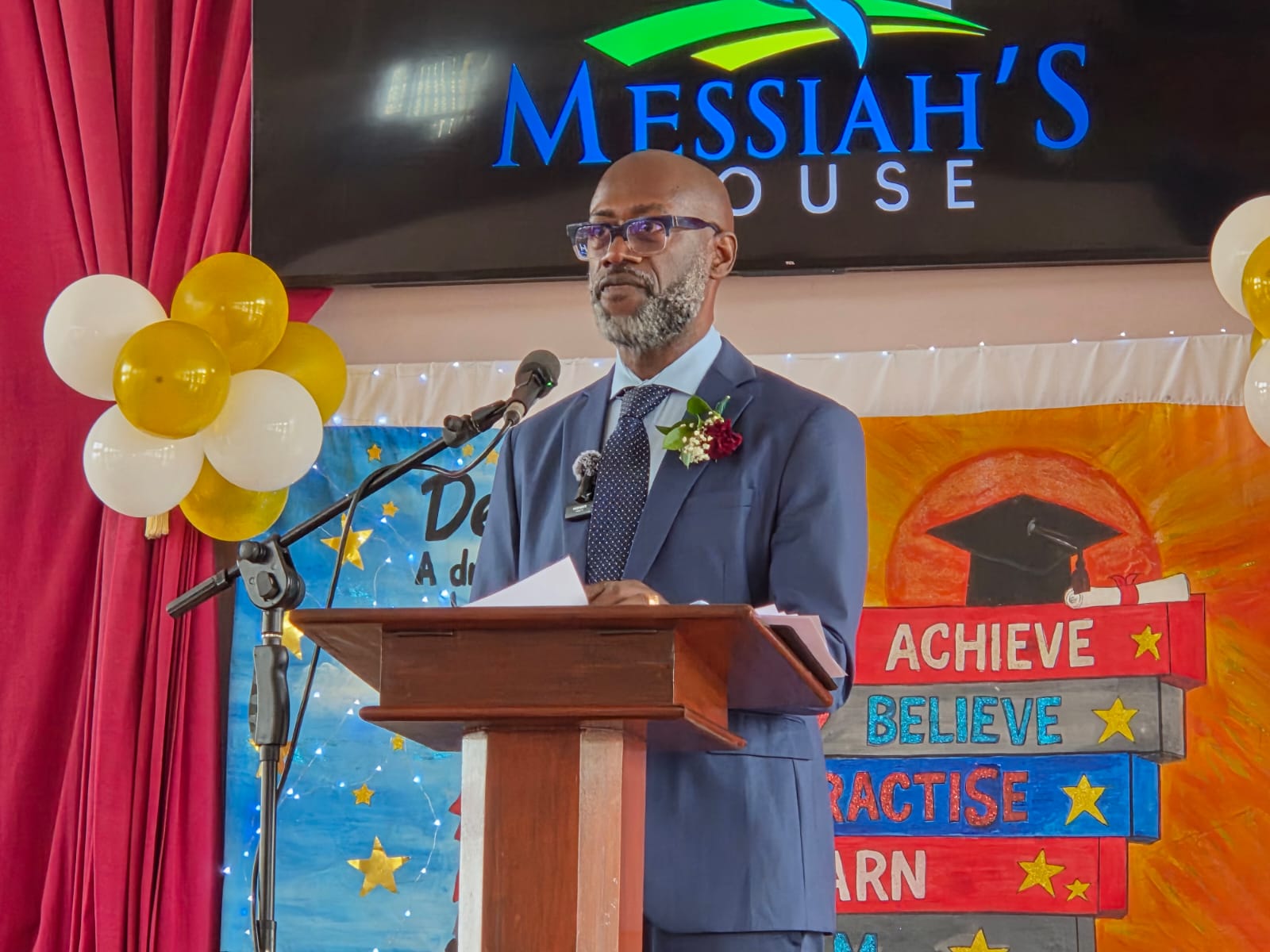
On the occasion of Cuthbert Moore Primary School’s 2026 graduation ceremony, Barbados Union of Teachers (BUT) President Rudy Lovell delivered a keynote address centered on the event’s theme — “Destiny, a dream achieved by hard work” — challenging the graduating cohort to embrace full personal accountability for their next chapter in secondary education and beyond.
Lovell pushed back against the widespread modern myth that success stems from luck or innate talent, emphasizing that every academic milestone and long-term achievement is the product of consistent effort, intentional discipline and unshakable resilience. Rejecting the idea that graduation is merely a symbolic ceremonial step, he framed the milestone as concrete evidence of what young people can accomplish when their ambitions are powered by sacrifice, hard work and deep self-belief.
Acknowledging the obstacles the graduates had already overcome to reach this point, Lovell noted that many students navigated crippling academic anxiety, spent long hours in extra lessons, and gave up precious vacation time to complete their primary education. “Regardless of the challenges, you all shared one thing in common: a dream of your future,” he told the crowd. “But let us be honest, dreams alone are not enough. Dreams don’t just come to us — they do in fairy tales. You have to go and fight for them. This theme is not just a phrase. It is the story of every late night, every early morning, every setback, and every triumph that brought you here.”
To cement his message of personal responsibility, Lovell led the graduates in an interactive call-and-response exercise, having the group repeat the mantra: “If it is to be, it is up to me.” He pointed out that popular culture often glorifies instant fame and overnight success, but the most meaningful, lasting achievements are built slowly through steady, consistent effort over time. He warned that unacted-upon dreams are easily destroyed by self-doubt and fear, adding that the key difference between those who only dream and those who achieve their goals is the choice to prioritize discipline over comfort and persistence over excuses.
Citing Thomas Edison’s famous observation that opportunity is so often missed because it comes disguised as work, Lovell explained that every difficult assignment and challenging exam students have completed was not just a requirement — it was a training ground to build the strength they would need for future success. To bring this principle to life, he highlighted the careers of two global sports legends: Jamaican sprint icon Usain Bolt and Portuguese football superstar Cristiano Ronaldo.
Lovell recounted how Bolt overcame early career injuries, inconsistent performances and public doubt through years of rigorous, disciplined training to claim his title as the fastest human in history. Similarly, Ronaldo rose from a working-class, financially strained childhood, and put in thousands of extra hours of practice to transform himself from a skinny young prospect into one of the most accomplished athletes in football history. “Both journeys demonstrate that early failures do not define success,” Lovell said. “Determination, hard work, and continuous improvement can turn dreams into greatness.”
Turning to the unique challenges of adolescence and secondary school, Lovell issued a clear warning about the social pitfalls young people may face as they enter this new phase. He referenced Nelson Mandela’s iconic quote that “it always seems impossible until it’s done” to encourage students to ignore critics who claim their goals are too big. But he also stressed the critical importance of choosing social circles carefully, noting that not everyone they meet will share their values and ambitions.
“Not everyone you meet will share your vision, values, or goals. Some people may have dreams and ambitions that are vastly different, and if you are not careful, they may influence you to take paths that lead you away from the future you desire,” he said. “Always remember that negative influences such as drugs, gangs, and unhealthy friendships will never help you achieve your goals.” Lovell added that while these harmful paths may offer short-term excitement, they carry lasting consequences that can derail a young person’s life and destroy a reputation built through years of hard work. He urged graduates to surround themselves with supportive, positive peers who push them to succeed, and to hold onto the guidance of their parents and teachers.
Addressing parents and guardians in attendance, Lovell reminded them that their role as supporters and mentors does not end with primary school graduation. As students navigate the more complex social and academic landscape of secondary school, he noted, they will need even more parental wisdom, emotional support and steady guidance to thrive.
To ease widespread anxiety among students about their secondary school placements, Lovell left the Class of 2026 with two core reassurances to carry into their next phase. “Firstly, the school you have passed for is not your final destination. You are not your school. Your exam is only a small fraction of what you are and how you learn,” he said. “Secondly, never let small minds convince you that you cannot achieve your dreams. This island, this region, and this world, all need people who are ambitious and committed to achieving.”