作者: admin

  • URGENT : Yellow alert for 3 departments, reinforcements expected

    URGENT : Yellow alert for 3 departments, reinforcements expected

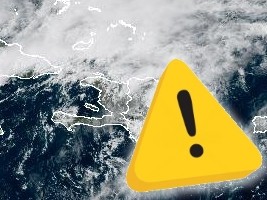
    On April 24, 2026, Haitian national disaster authorities issued a yellow-level heavy rain alert for three of the country’s northern departments, as a lingering cold front brings forecasts of intense precipitation that could trigger life-threatening flash floods and mudslides across large swathes of the nation.

    While the segment of the cold front currently impacting Haiti has begun to weaken, its residual effects continue to disrupt local atmospheric conditions, leaving unstable weather patterns across the system’s entire path. Forecasters note that lingering frontal instability, paired with the inflow of mildly moist air masses pushing into Haiti’s southern regions, has already sparked scattered rainfall across the Upper Artibonite, Lower Northwest, and multiple southern localities.

    These ongoing showers, which carry a high chance of turning into severe thunderstorms, are projected to grow in intensity through Friday afternoon, evening, and into overnight hours, eventually expanding to cover nearly the entire Haitian archipelago. The most extreme precipitation is expected to concentrate in Haiti’s far northern region, where dangerous conditions are forecast to persist longest. While gradual weather improvement is set to begin in the far north by overnight Friday, many low-lying areas in the far south can expect a soggy start to Saturday, April 25, with scattered wet conditions continuing through the morning.

    Meteorological projections estimate total 24-hour rainfall accumulations ranging from 100 millimeters to 200 millimeters across the far north, with steep, mountainous zones potentially recording totals in excess of 250 millimeters. Periodic wind gusts reaching 20 to 40 kilometers per hour will accompany the storm system, adding additional risk to already hazardous conditions.

    Haiti’s Hydrometeorological Unit (UHM), operating under the country’s Ministry of Agriculture, Natural Resources and Rural Development (MARNDR), partnered with the General Directorate of Civil Protection (DGPC) to issue the alert. In coordination with the National Disaster Risk Management Plan (SPGRD), the DGPC kept the yellow heavy rain alert active Friday for the Northwest, North, and Northeast departments. Officials have indicated emergency reinforcements are on standby to respond to potential disasters, as pre-existing saturated soil across the region creates high susceptibility to rapid flash flooding and landslides if the predicted heavy, intermittent rainfall materializes.

  • Efforts to restore thermal power generation capacity continue unabated

    Efforts to restore thermal power generation capacity continue unabated

    Cuba’s national energy expansion and restoration initiative is making steady progress, with the full reconstruction of the Felton Thermoelectric Plant’s Unit 2 moving forward entirely through local, homegrown solutions, according to official statements from the country’s energy leadership. Once completed, the strategic unit will add 250 megawatts of stable generation capacity to Cuba’s National Electric System. This project sits at the core of the nation’s 2026 plan to restore national generation capacity relying exclusively on domestic resources and local innovation, as outlined by Minister of Energy and Mines Vicente de la O Levy during an appearance on the national television program Mesa Redonda.

    Levy explained that rather than relying on imported original factory components, the restoration initiative leverages locally developed solutions forged through domestic innovation, adaptive engineering, and targeted technological substitution. The 2026 roadmap sets a target of restoring 570 megawatts of total thermal generation capacity across the country by the end of the year. Official data shows that Cuba has already outpaced its first-quarter interim goal: while the target called for adding 365 MW by the end of March, the country successfully brought 370 MW of restored thermal capacity online in the first three months of the year.

    Levy credited key completed projects for this early overachievement, including the successful reactivation of Unit 2 at the Santa Cruz del Norte thermoelectric plant following comprehensive maintenance, and the integration of Céspedes 4 into the national grid. He noted that Céspedes 4 faced unplanned delays after a critical malfunction was detected during its synchronization process with the National Electric System, but the project still moved forward enough to contribute to the first-quarter results.

    Edier Guzmán Pacheco, Director of Thermal Generation at Unión Eléctrica, Cuba’s national electric utility, detailed the background and current progress of the Felton Unit 2 reconstruction project. The Lidio Ramón Pérez thermoelectric plant in Felton holds unique strategic importance for Cuba because it is designed to run on domestically produced crude oil, a feature that directly supports the country’s energy sovereignty efforts.

    Guzmán recalled that the unit was knocked offline after a fire broke out in its boiler several months ago. The blaze damaged a core structural component of the boiler, which in turn caused cascading damage to the rest of the facility that left the original structure unrepairable, eliminating any possibility of reusing the original boiler framework. The 250 MW unit had been a key contributor to national generation before the incident, so its outage created a significant gap in Cuba’s power supply.

    Given the extensive scope of the damage, Cuban energy officials made the decision to launch a full, complex reconstruction of the unit rather than scrapping the project. All structural components for the new boiler are being manufactured locally in Las Tunas province, even though the full restoration requires working with highly complex internal engineering parts. Guzmán emphasized that work on the reconstruction has proceeded without interruption since the project launched. Officials prioritized continuous progress to get the unit back online as quickly as possible, given its outsized role in boosting Cuba’s energy independence and sovereignty by running on local crude oil supplies.

  • Like a rifle, the pen at the ready for the Fatherland

    Like a rifle, the pen at the ready for the Fatherland

    On a Thursday held at the Council of Ministers headquarters in Cuba’s Palace of the Revolution, Prime Minister Manuel Marrero Cruz headlined a formal gathering to join the nationwide “My Signature for the Fatherland” movement, a grassroots initiative galvanizing national unity amid escalating external pressure on the island nation.

    Marrero Cruz was joined at the event by José Amado Ricardo Guerra, Major General and Secretary of the Council of Ministers — both of whom hold seats on the Political Bureau — alongside deputy prime ministers and other senior government officials. Palace of the Revolution workers also added their signatures to the movement, aligning with the core goals that have driven the initiative since it launched across the country on April 19.

    Far more than a simple exercise in public participation, the movement stands as a deliberate, collective reaffirmation of Cuba’s revolutionary values, a public condemnation of the U.S. trade embargo that has crippled the country’s economy for decades, and a defense of Cuban national sovereignty that organizers say is non-negotiable. Every signature collected through the campaign represents a individual commitment to protecting the nation’s right to self-determination, free from external interference, economic coercion, or military aggression against the Caribbean nation.

    The gathering at the Palace of the Revolution comes against a backdrop of intensifying external sanctions, marked most acutely by a worsening energy blockade and coordinated international disinformation campaigns targeting Cuba’s government. In this context, participants used the event to send a clear message: the Cuban people reject all destabilizing external measures and remain steadfast in their defense of the foundational principles of the Cuban revolution.

    Thursday’s signatures also formalized support for a call issued by Miguel Díaz-Canel Bermúdez, First Secretary of the Party’s Central Committee and President of the Republic. During a ceremony marking the 65th anniversary of the proclamation of the socialist character of the Cuban Revolution, Díaz-Canel called on Cubans to spread the unfiltered truth about Cuba’s reality and struggle to every corner of the globe.

    Organizers and participants alike reaffirmed that the movement’s collective voice stands for a nation committed to upholding global peace, advancing cross-border dialogue, upholding international solidarity, and safeguarding hard-won independence at any cost. As the campaign continues to spread across every region of Cuba, the gathering at the seat of national government served as a high-profile demonstration of the commitment of the country’s leadership and public sector workers to the movement’s core mission.

  • Díaz-Canel Highlights Digital Transformation and AI Adoption at the Institute of Neurology and Neurosurgery

    Díaz-Canel Highlights Digital Transformation and AI Adoption at the Institute of Neurology and Neurosurgery

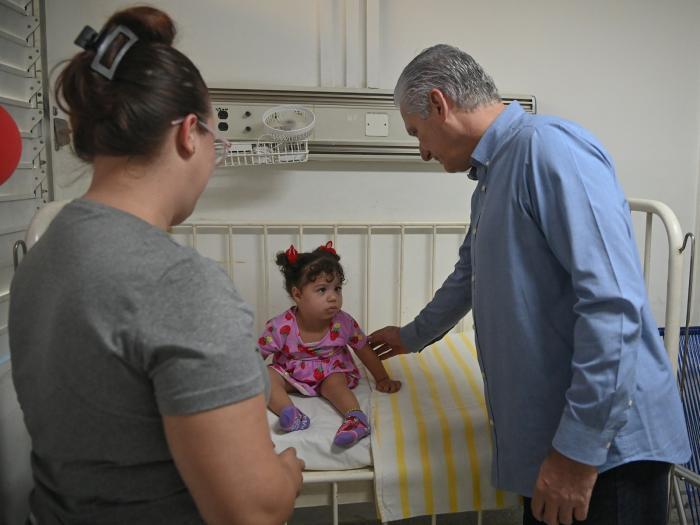
    Against the backdrop of decades of intensified economic and energy blockades that have strained resource access across every sector of Cuban society, one of the nation’s most prestigious medical institutions is emerging as a trailblazer for digital transformation in public health. On a working visit in April 2026, Cuban President Miguel Díaz-Canel Bermúdez—accompanied by senior government officials including Deputy Prime Minister Eduardo Martínez Díaz, Public Health Minister José Angel Portal Miranda, and Communications Minister Mayra Arevich Marín—highlighted the groundbreaking work of the Institute of Neurology and Neurosurgery, praising its team for turning resource constraints into a catalyst for innovation.

    Díaz-Canel’s institutional visits across Cuba are a core component of the national government’s digital transformation strategy, which prioritizes innovation in three critical public sectors: healthcare, K-12 education, and higher education. Since the close of 2025, the president has conducted monthly site visits to leading health centers, which have been designated as the vanguard of the country’s push to integrate digital tools into public services. During his tour of the 64-year-old neurology institute, Díaz-Canel emphasized that the team’s ability to advance ambitious digital projects despite severe external limitations is a powerful example of what Cuban officials term “creative resistance.” “On each of these visits, we see teams raise the bar higher, launch new initiatives, consolidate existing progress, and scale results to bring more institutions into these processes,” the president noted during discussions with facility leadership and clinical staff. He added that the institute’s longstanding national and international prestige made it a fitting leader for this national shift.

    Founded shortly after the Cuban Revolution, the Institute of Neurology and Neurosurgery stands as the nation’s leading hub for specialized neurological care and research, leading national working groups for both neurology and neurosurgery. While the facility is compact in terms of bed count and physical footprint, its leadership says it punches far above its weight in the scope of specialized care it delivers to patients across the country—from complex neurosurgeries on pediatric patients to specialized care for adults. During the recent 2025-2026 Chikungunya outbreak, the institute stepped in to manage all national cases of the virus presenting with neuropathic pain, a responsibility its team was able to take on due to pre-existing specialized training and preparedness, according to institute director general Dr. Orestes López Piloto.

    For the institute, the push into digital transformation and telemedicine did not begin overnight. Digital pilot programs first launched at the facility back in 2012, and work accelerated dramatically starting in 2018 when the Cuban government identified digital transformation as a core national priority. Dr. Duniel Abreu Casas, deputy director of Diagnostic Services at the institute, explained in an interview that while the country’s prolonged blockade has created steep barriers to accessing critical technology components and specialized software, the team’s collective commitment to advancing care has allowed the project to cross key milestones. “We’ve already won 50% of this battle,” Abreu Casas noted, pointing to persistent challenges such as accessing specific software application packages that are often blocked by international sanctions.

    Despite these obstacles, the institute has achieved widespread digitization across its core operations. All diagnostic laboratories have transitioned to digital record-keeping, feeding directly into a centralized national electronic health record system that clinicians can access remotely from any workstation on the facility’s internal network. Three dedicated high-definition teleconsultation stations have been established, enabling real-time collaborative care between the institute’s specialists and medical teams at regional facilities across Cuba, as well as partner clinicians abroad. Digital storage of medical imaging and patient documentation has also eliminated the space constraints and retrieval delays associated with physical paper records, giving clinicians instant, location-independent access to critical patient data.

    Abreu Casas emphasized that telemedicine is not just a technological upgrade for the Cuban healthcare system—it is a practical solution to the resource shortages imposed by the blockade. “While it is technically demanding, telemedicine delivers significant long-term savings across paper, printing, and clinical time, which is why the entire world is shifting toward this model,” he explained. “For us, it is a strategic way to address the tremendous shortages we face.”

    Following his tour, Díaz-Canel left a note of tribute in the institute’s guestbook celebrating the team’s achievements. “It is very heartening, in these difficult times we are living through—marked by severe shortages and the impact of the intensified blockade, compounded by the energy blockade—to witness the dedication, determination, professionalism, tenacity, and drive to excel demonstrated by the staff of the National Institute of Neurology and Neurosurgery,” he wrote. “The progress made in the development of the digital transformation process and the use of AI at this important institution is particularly noteworthy. If we can do it today, we can always do it.”

    Dr. López Piloto shared that the visit was a point of deep pride for the institute’s entire staff, from veteran clinicians with decades of experience to early-career researchers. For 2026, the institute’s core priorities are consistent: expanding access to high-quality neurological care for patients across Cuba, while continuing to scale up its work in telemedicine, digital transformation, and tele-education to share the institute’s expertise across the national healthcare system.

  • F15 Softball Cricket Week 3 results

    F15 Softball Cricket Week 3 results

    The third week of the highly anticipated F15 Softball Cricket Tournament 4.0 delivered four days of high-octane, edge-of-your-seat action across a weekend of competition, with two matches held on Saturday and two additional clashes closing out the schedule on Sunday.

    The weekend’s action kicked off with Match 7, where RS Production Kombat Warriors won the pre-game coin toss and opted to take the batting crease first. The side was bowled out after 14.3 overs, posting a total of 78 runs. Danroy Fergus emerged as the team’s top run-scorer with 17 runs, while Lesroy Richards contributed a solid 14 runs to the total. The Spring Super Sixers bowling attack put in a clinical display to restrict Kombat Warriors: Watson Seaton led the dismantling with an impressive 3 wickets for just 21 runs across his 3 overs, and Rikel Stapleton matched Seaton’s figures, also claiming 3 wickets for 21 runs.

    Chasing a modest target of 79 runs to claim victory, Spring Super Sixers reached the required mark in 14.5 overs, finishing at 79 for 7 to secure a hard-fought 3-wicket win. Stapleton delivered a standout all-round performance, adding 24 runs with the bat to his three wickets with the ball, earning him the well-deserved Man of the Match award. For Kombat Warriors, Kamal Jackson turned in an exceptional bowling spell of his own, picking up 3 wickets for only 5 runs, while Romano Pierre claimed 2 wickets for 13 runs.

    In Saturday’s second fixture, Match 8, BoSVG All Stars won the toss and also elected to bat first. The side put on an explosive batting display, posting an imposing total of 147 runs for the loss of 4 wickets from their full 15 overs. Asquith Mapp anchored the innings with a brilliant unbeaten knock of 48 runs, a performance that earned him Man of the Match honors, while Kody Horne provided valuable support with a quick 34 runs. Against the total, Spring Super Sixers’ Rikel Stapleton and Damal Gould each claimed one wicket, finishing with identical figures of 1 wicket for 24 runs.

    Chasing 148 runs for victory, Spring Super Sixers put up a determined fight but ultimately fell short, finishing their 15 overs at 117 for 5. Akiel Mason shone for the chasing side with an aggressive unbeaten half-century, scoring 50 runs from just 29 balls. For BoSVG All Stars, Kelly Murray impressed with 2 wickets for 16 runs from 2 overs, while Earl Pope chipped in with 1 wicket for 8 runs from 3 overs to help lock in the 30-run win.

    Sunday’s action opened with Match 9, where Valley Boys won the toss and chose to bat first. The side posted a total of 66 runs for the loss of 5 wickets from their 15 overs. Lyndon Lewis led the scoring for Valley Boys with 24 runs from 35 balls, with only minor additional contributions coming from the rest of the batting order. Dr. Thomas Injectors’ Kentish Phillips delivered a match-changing bowling spell, finishing with 2 wickets for just 9 runs from 3 overs, while Kevin Jack supported with 1 wicket for 11 runs from 2 overs.

    In response, Dr. Thomas Injectors made light work of the low chase, reaching the required 67 runs in just 10.3 overs, finishing at 68 for 4 to secure a comfortable 6-wicket victory. Wendel Corridon guided his side home with a composed, unbeaten innings of 25 runs from 25 balls. For Valley Boys, Clinton Keir picked up 2 wickets for 13 runs from 2 overs, and Javon Jack added 1 wicket for 14 runs from 3 overs.

    The weekend’s fixtures concluded with Match 10, where Richmond Hill United won the toss and elected to bat first. However, the side was skittled out for just 49 runs in 13 overs, with Marvin Harry posting the highest score of the innings: 13 runs from only 10 balls. Fairban United’s bowling attack put on a devastating display, led by Antonio “The Great One” Barker, who recorded remarkable match-winning figures of 4 wickets for just 4 runs from 3 overs. Chrisston Williams supported Barker with 2 wickets for 15 runs from 2 overs.

    Fairban United made similarly quick work of the chase, cruising to the 50-run target in just 5.3 overs, finishing at 50 for 1 to secure a dominant 9-wicket victory. Andrew Glasgow led the batting charge with a blistering quick-fire knock of 27 runs from 11 balls. For Richmond Hill United, Collin Lee claimed the only wicket to fall, finishing with 1 wicket for 7 runs from 3 overs. A flawless all-round performance from Fairban United sealed their commanding win to close out Week 3 of the tournament.

  • SVG-Taiwan ties secure despite shift to ‘performance‑based’ diplomacy

    SVG-Taiwan ties secure despite shift to ‘performance‑based’ diplomacy

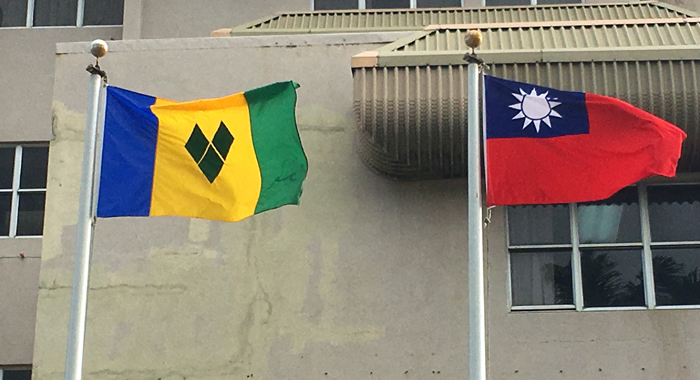
    When the New Democratic Party (NDP) won general elections in St. Vincent and the Grenadines (SVG) last November, it signaled a new direction for the Caribbean nation’s foreign engagement. That policy shift was laid out clearly to lawmakers this week by Foreign Minister Dwight Fitzgerald Bramble, who outlined the government’s pivot to a results-driven “performance-based diplomacy” model that prioritizes tangible domestic development gains over traditional ceremonial diplomacy — while explicitly confirming that the 45-year diplomatic relationship with Taiwan will remain unchanged.

    Speaking in Parliament on April 21 in response to a question from opposition senator and former foreign minister Keisal Peters, Bramble opened with a straightforward confirmation of SVG’s commitment to Taipei. “We appreciate and value the relationship that we have built over the last 45 years with the government and people of Taiwan,” he said, adding that the administration is preparing to take part in enthusiastic celebrations of the sapphire anniversary of diplomatic ties, scheduled for August 15.

    Bramble, a career former diplomat whose portfolio also covers foreign trade, foreign investment and diaspora affairs, explained that the NDP’s new diplomatic framework marks a deliberate break from the previous model, which centered primarily on diplomatic presence and protocol. Under the revised approach, overseas missions and consulates will no longer be assessed by the flags they fly or ceremonial events they attend, but by the tangible economic and social value they generate for SVG’s 110,000 residents.

    “Foreign policy is not ceremonial, and I’m sure we all know this,” Bramble told parliamentarians. “It is economic policy, social policy and national security policy projected beyond our borders.” For a small island developing state like SVG, which lacks global military or geopolitical influence, the priority of foreign engagement must be advancing the welfare of the national population, he added. “We have to make sure that our people cannot only eat and survive, but they can thrive and develop… with a decent standard of living. That is exactly what our overseas missions will be doing under the guidance of this new government.”

    Under the new model, SVG’s overseas diplomatic posts — particularly those in North America and the United Kingdom, which host large segments of the SVG diaspora — will be repositioned to act as active engines of economic development. Key priorities for diplomatic engagement include facilitating trade connections for local exporters, attracting high-quality foreign investment in targeted high-growth sectors including renewable energy, sustainable tourism, the blue economy and agro-processing, and expanding market access for Vincentian goods and services, with a particular focus on diaspora niche markets for creative industries, ICT services and skilled professional services.

    Multilateral diplomatic participation will also be tied to clear, actionable national priorities, Bramble said, with core advocacy focused on climate financing, global recognition of small island developing states’ economic vulnerability, and expanded access to concessional lending.

    The administration is also reframing its engagement with the global SVG diaspora, treating the community as a strategic economic partner rather than merely a source of remittances. Bramble noted that the government will work to mobilize diaspora members as investors, entrepreneurs, mentors and contributors of professional skills and expertise to support domestic development.

    Turning again to the question of SVG’s relationship with Taiwan, Bramble noted that a large community of Vincentian students and diaspora members already reside in Taiwan. The government will work to streamline support for Vincentian students to complete their education, he said, while leveraging the community’s connections to turn any potential brain drain into a “brain gain” that advances national development. As with all of SVG’s international partnerships, the NDP administration will work to deepen ties with Taiwan and translate the relationship into measurable, tangible benefits for SVG citizens, he added.

    The confirmation of continued relations with Taiwan closes a chapter of uncertainty that stretches back to 2016, when the NDP, then led by now-retired leader Arnhim Eustace, announced that it would cut diplomatic ties with Taipei if elected. Since winning November’s election in a landslide, the party has fully reversed that earlier position: Prime Minister Godwin Friday met with Taiwan’s ambassador to Kingstown as one of his first diplomatic engagements after taking office, and the administration appointed Taiwan-trained Mandarin-speaking journalist Kenton X. Chance, who holds a master’s degree in international affairs, as SVG’s resident ambassador to Taipei in March. Later that month, Deputy Prime Minister St. Clair Leacock led a four-member official delegation to Taipei, where he publicly reaffirmed the new government’s commitment to maintaining the long-standing bilateral relationship.

  • Public Urged to Get Moving as MBS Launches ‘Sneakers on the Move 2026’ Wellness Campaign

    Public Urged to Get Moving as MBS Launches ‘Sneakers on the Move 2026’ Wellness Campaign

    Public health officials in Antigua and Barbuda have launched a new community-focused wellness initiative designed to get more people moving, boost mental well-being, and spread knowledge of healthy stress-coping practices. Organized by the island nation’s Medical Benefits Scheme (MBS), the ‘Sneakers on the Move 2026’ campaign centers on accessible, engaging activities that welcome people of all ages to prioritize their physical and emotional health.

    The campaign features three interconnected flagship events spread across April and May to cater to different segments of the population. First, the Move for Mental Wellness School Tour will visit educational institutions across the country across three windows: April 21 to 28, and an additional stop on May 11. The tour is designed to connect directly with students and school staff, introducing actionable habits that support long-term well-being in academic and daily life.

    Following the school tour, the nationwide Wear Your Sneakers Week will run from May 5 to 8, encouraging all members of the public to tie up their athletic shoes and incorporate extra movement into their daily routines, whether that means walking to work, taking a midday hike, or playing recreational sports with friends and family. The campaign will cap off its lineup with the Sweat to the Beat Street Jam on May 7, a community-centered open event that combines physical activity with live music to make exercise a fun, social experience for attendees.

    In a public statement announcing the initiative, MBS emphasized that the campaign was intentionally designed to engage students, education workers, and the broader Antigua and Barbuda public through visible, hands-on activities that make adopting healthier lifestyles feel approachable rather than intimidating. The scheme framed the initiative as a key part of its ongoing work to support population-wide physical and mental health outcomes, noting that regular physical activity is one of the most accessible tools for improving overall quality of life.

    Organizers are encouraging community members to share their participation in the campaign on social media using the official hashtags #SneakersOnTheMove and #MedicalBenefitsScheme to help spread the word about the initiative’s goals across Antigua and Barbuda.

  • Raad van Toezicht VKI wijst op ernstige tekortkomingen bij vertrek directeur

    Raad van Toezicht VKI wijst op ernstige tekortkomingen bij vertrek directeur

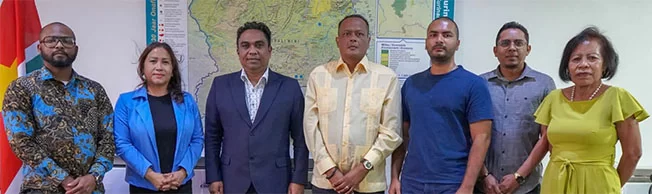
    The newly installed Supervisory Council (Raad van Toezicht) of Suriname’s Fish Inspection Institute (Viskeuringsinstituut, VKI) has publicly outlined a series of serious governance and financial shortcomings that preceded the departure of former director Juliette Colli-Wongsoredjo, triggering an independent external investigation into the state-run agency. The revelations, made public on April 24, 2026, follow weeks of internal scrutiny of the institute’s operations, after the new council took office in late January 2026. The council notes that all document and information requests issued over the preceding months were strictly aligned with its legal regulatory mandate, and the review uncovered multiple layers of dysfunction within the agency. Among the most serious issues identified are a total lack of transparency in financial management, and the absence of formally approved annual financial statements covering every year from 2021 to the present. Additional problems flagged include irregularities in the institute’s internal control systems, consistent non-compliance with required governance standards, and evidence pointing to potential conflicts of interest involving senior leadership. The council also confirmed that Colli-Wongsoredjo repeatedly failed to implement binding decisions issued by the supervisory body. Most notably, the council reported that Colli-Wongsoredjo returned large sums of money to VKI’s bank account, but has failed to provide a sufficient explanation for these transactions despite multiple formal requests. The investigation also uncovered long-term structural dysfunction at the agency: the previous Supervisory Council failed to operate in accordance with the institute’s statutory requirements for multiple years, creating a vacuum of oversight that allowed the issues to persist. Addressing claims about unapproved public disclosures, the council confirmed that its secretary has never shared information outside formal, procedurally compliant meetings with the president, in line with all governing rules. All findings collected to date have been documented in formal reports, which have served as the basis for launching an independent probe led by the Quick Scan Team and an external accounting firm. Ahead of the conclusion of the investigation, the council placed Colli-Wongsoredjo on paid mandatory administrative leave on April 23, 2026. The council emphasizes that this move was a temporary precautionary measure, designed solely to protect the continuity and institutional integrity of VKI’s operations, and to ensure the investigation can proceed without obstruction. Following the placement on leave, Colli-Wongsoredjo chose to resign from her position as director, a decision the council characterizes as a personal choice. The council reaffirmed its unwavering commitment to advancing transparency, strong governance, and protection of the interests of VKI and Suriname’s entire fishing sector. The current Supervisory Council, installed on January 26, 2026, is led by chair Emanuel Enjoem, with members Udo Karg, Mark Lall, Ajey Ramkisor, Farida Mentowidjojo, Sanduela Belong, and Rashly Resida (who serves as secretary). Local outlet Starnieuws confirms that only five of the seven council members attended the key meeting held at the Ministry of Agriculture, Animal Husbandry and Fisheries. The decision to place Colli-Wongsoredjo on mandatory leave was passed by three members: Enjoem, Resida, and Ramkisor, while the two other attending members, Karg and Lall, publicly dissented from the ruling.

  • PANCAP congratulates The Bahamas on achievement of elimination of mother-to-child transmission of HIV

    PANCAP congratulates The Bahamas on achievement of elimination of mother-to-child transmission of HIV

    In a landmark win for Caribbean public health, the Pan Caribbean Partnership against HIV and AIDS (PANCAP) has officially congratulated The Bahamas on securing formal certification from the Pan American Health Organization/World Health Organization (PAHO/WHO) for eliminating mother-to-child transmission (EMTCT) of HIV. The certification was presented during a formal ceremony held on April 22, 2026, marking a major step forward in the global fight to end AIDS by 2030.

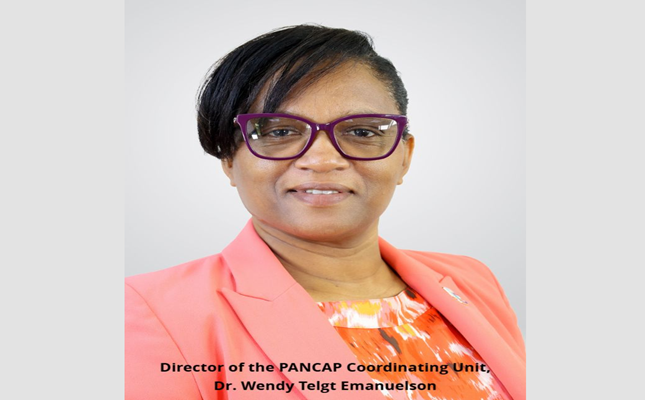
    Dr. Wendy Telgt Emanuelson, director of the PANCAP Coordinating Unit, framed the achievement as the outcome of coordinated, long-term investment and shared commitment across The Bahamas’ public health ecosystem. Speaking at the certification event, she emphasized that the milestone reflects strong national leadership, tireless work from frontline healthcare workers, collaborative partnerships with global and regional health bodies, and widespread trust between families and the national health system.

    “What this achievement proves is that with intentional coordination, strategic wisdom and sustained effort, even the most ambitious public health goals are within reach,” Telgt Emanuelson said. She added that The Bahamas’ success reinforces the Caribbean’s longstanding reputation as a global leader in HIV elimination efforts, demonstrating that small island states can deliver world-class public health outcomes through collaboration and determination. This win, she noted, sends a message of hope to countries across the region still working toward the same milestone.

    Globally, EMTCT certification is recognized as one of the most critical public health milestones in the fight against HIV/AIDS, and a core component of United Nations Sustainable Development Goal 3. SDG 3 aims to ensure universal healthy lives and well-being, with Target 3.3 specifically calling for ending AIDS as a public health threat by 2030. The elimination framework works by ensuring all HIV-positive pregnant people receive timely testing, continuous antiretroviral treatment, and targeted care that drastically reduces the risk of transmitting the virus to their children during pregnancy or childbirth, resulting in HIV-free infants.

    With this latest certification, The Bahamas becomes the 11th member state of the Caribbean Community (CARICOM) to reach the EMTCT milestone, joining a regional cohort that includes Anguilla, Antigua and Barbuda, Belize, Bermuda, the Cayman Islands, Dominica, Jamaica, Montserrat, Saint Kitts and Nevis, and Saint Vincent and the Grenadines. It also becomes only the third PAHO member country in the Americas to earn the distinction, following Cuba — the first country in the world to receive global EMTCT certification — and Brazil.

    Bahamas Minister of Health & Wellness Dr. Michael R. Darville called the certification a testament to the strength and equity of the country’s national health system. He attributed the success to a deliberate, disciplined, and well-executed public health strategy that prioritized maternal and child health across every level of care.

    “From our local antenatal clinics to hospital delivery wards, from community health centers to national reference laboratories, this outcome is a reflection of the consistency, discipline and professionalism of our entire healthcare workforce,” Darville said. “It is a national achievement that speaks both to the strength of our health system and to the vulnerable lives it protects every day.”

    According to PAHO/WHO assessments, The Bahamas reached the milestone by pioneering a comprehensive, inclusive public health model centered on universal access to antenatal care for all pregnant people. Key components of the strategy include a robust integrated laboratory network, a rigorous two-step testing protocol that screens patients at their first antenatal visit and again in the third trimester, and close coordination between the country’s national Maternal and Child Health programme and the National Infectious Disease Programme, which oversees HIV and sexually transmitted infection prevention and treatment.

    Telgt Emanuelson highlighted the outsized leadership of two key figures in the achievement: Dr. Nikkiah Forbes, director of The Bahamas’ National HIV/AIDS and Infectious Disease Programme and chair of PANCAP’s Advisory Coordinating Committee, who led both national and regional efforts to advance EMTCT, and Sandra Jones, technical advisor at the PAHO/WHO Caribbean Office, whose years of dedicated on-the-ground support to countries across the region was called “invaluable” to this progress. She also reiterated PANCAP’s gratitude for PAHO/WHO’s sustained leadership and cross-border partnership in supporting Caribbean countries to reach and maintain these critical public health gains.

    Even as stakeholders celebrated the landmark achievement, leaders emphasized that the work of ending AIDS is far from over. Telgt Emanuelson noted that continued, consistent investment in maternal and child health services, routine testing, accessible treatment, and prevention programming remains essential to protect current gains and ensure no mother or child is left behind in the elimination agenda.

    “While we celebrate today, we know the work must continue,” she said. PANCAP, she confirmed, remains fully committed to partnering with The Bahamas and all its member states to advance the shared global goal of ending AIDS as a public health threat by the 2030 target date.

  • Cricket West Indies Congratulates Christopher Taylor on ICC Umpire Panel Appointment

    Cricket West Indies Congratulates Christopher Taylor on ICC Umpire Panel Appointment

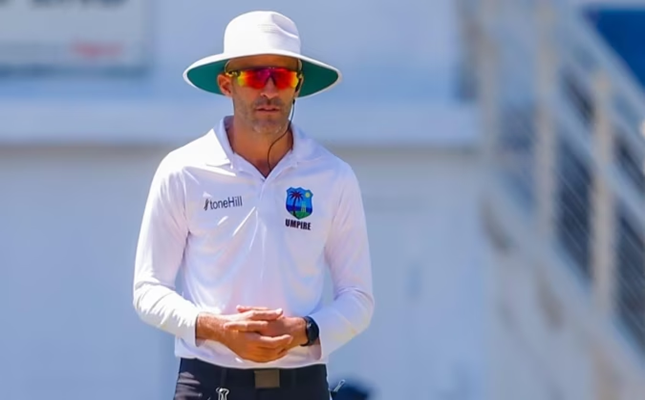
    After 20 years of consistent dedication to cricket officiating, Jamaican referee Christopher Mark Taylor has secured a coveted spot on the International Cricket Council’s International Panel of Umpires, with the appointment officially taking effect on April 1, 2026. Cricket West Indies (CWI), the governing body for cricket across the Caribbean region, announced the news in a formal press release from St. John’s, Antigua, issuing a warm public congratulations to Taylor for this career milestone.

    Taylor earned the promotion by becoming the latest CWI official to successfully complete the ICC’s rigorous umpire accreditation process. Earlier this year, he gained critical international match experience through the ICC Umpire Exchange Programme, where he officiated matches in Pakistan’s top-tier President’s Trophy Grade 1 competition. Match officials and observers rated his performance during the assignment as outstanding, reinforcing his readiness for international duties.

    In comments following the announcement, the 45-year-old umpire shared his reflections on a two-decade journey that began unexpectedly back in 2006. That year, he took his initial local umpiring certification exam alongside Jacqueline Williams, who has since gone on to become one of international cricket’s most respected female umpires. At the time of starting, Taylor was still working in the corporate sector, introduced to officiating by former first-class umpire Maurice Chung. What began as a side interest quickly grew into a lifelong passion.

    Recalling the path to his new role, Taylor noted that the achievement required years of patience, persistence and intentional sacrifice. He served on CWI’s regional second-tier umpiring panel starting in 2011, making the climb to the international panel a 15-year process of incremental growth. “It’s been a long and tough journey, but those tough times prepare you for what’s to come. So, I’m excited about it and looking forward to experiencing new things and putting all the work into practice,” he said.

    Taylor also used the moment to shine a light on a less celebrated but critical side of professional cricket, urging young athletes across the Caribbean to consider officiating as a viable full-time career. “Umpiring might not be seen as a glorious position because when persons are exposed to a sport it’s usually in the capacity of a player and not an official. In any sport officiating is always tough… but that builds character,” he explained. “There is opportunity in umpiring. It’s now a full career that you can dedicate yourself to, and I’d love to see younger persons getting into it, not only when they get into their 30s and 40s but even thinking of it as an option when they’re 18 or 20 years old or coming out of university.”

    CWI Chief Executive Officer Chris Dehring echoed the regional pride in Taylor’s achievement, noting that his appointment reflects well on both the umpire’s personal grit and the strength of CWI’s training pathway for emerging officials. “Chris’ appointment reflects not only his personal commitment and professionalism, but also the strength of our officiating pathway. His recent international exposure and consistent performances have prepared him well for this step, and we are confident he will represent West Indies cricket with distinction,” Dehring said.

    Taylor will kick off his tenure as an international panel umpire during West Indies’ upcoming home international cricket season, where he will make his first official appearance in the new role.