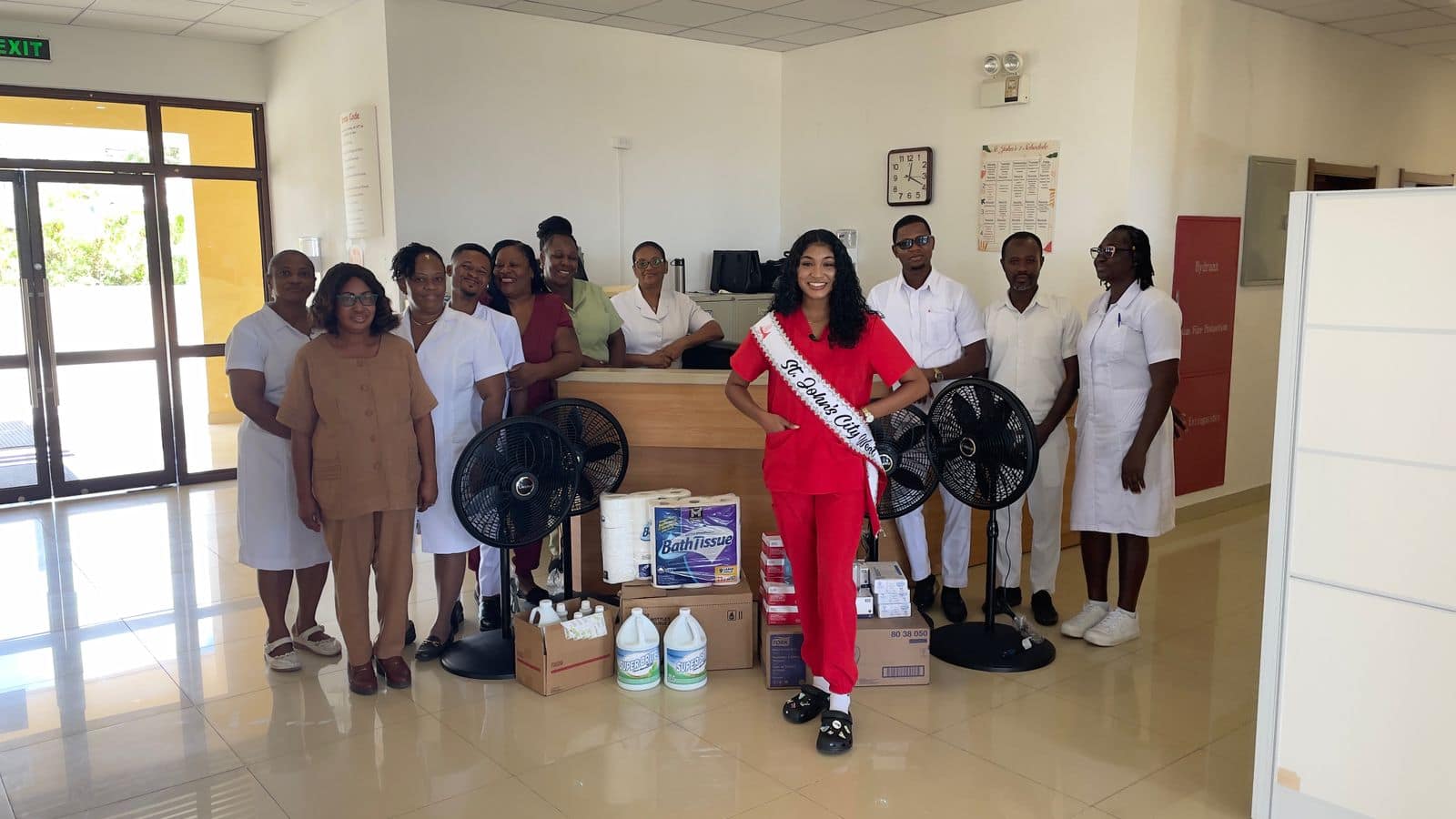
The annual Antigua and Barbuda Labour Party (ABLP) Queen Pageant is breaking traditional beauty competition norms this year, reframing its core mission around civic action and grassroots community impact. Instead of focusing solely on appearance and stage presentation, the 2024 iteration requires all competing delegates to design and execute targeted community projects across their home constituencies, tying the pageant directly to public service.\n\nOrganized through the pageant’s Queen’s Committee, the new mandate tasks each contestant with launching an initiative that centers on ‘giving back and making a difference right where it matters most.’ This reimagined framework, branded ‘Queens with a Purpose,’ evaluates contestants on both their on-stage presence and their tangible contributions to local residents.\n\nThree contestants have already rolled out distinct, community-aligned projects tailored to their constituencies’ unique needs. Treveisha Adams, the delegate for St. John’s Rural West, kicked off her initiative with a constituency-wide community walk alongside Senator Michael M. Joseph. The walk was designed not as a campaign stunt, but as an opportunity to connect directly with constituents, listen to their concerns, and strengthen social bonds across the district. Adams also took part in the grand opening of a new public playground in Five Islands, where she reflected on how shared public spaces form the backbone of strong connected communities. Following the opening, she noted that the experience reinforced how important accessible gathering spaces are for fostering shared moments among neighbors of all ages.\n\nFor Mia Griffith, the St. John’s City West delegate, the project aligned perfectly with her professional and personal passion: healthcare. A third-year nursing student, Griffith organized a supply drive alongside her team, collecting and donating critical medical and operational supplies to the Villa Polyclinic. Working with local MP and ABLP leader the Honorable Gaston Browne, Griffith’s team selected the clinic because of their core belief that even small acts of service can ripple out to improve outcomes for both patients and frontline healthcare staff. Clinic officials told pageant organizers the donation fills key gaps in the facility’s daily operations, and they extended sincere gratitude to Griffith and her team for the contribution. The project also reflects Griffith’s ongoing training and commitment to patient care as she works toward becoming a full-time registered nurse.\n\nSt. George delegate Nakierra Martin centered her project on democratic engagement, leaning into the current election cycle to connect with constituents across her district. Martin participated in a full slate of local campaign events, holding one-on-one conversations with voters, listening to their policy priorities, and experiencing grassroots electoral organizing firsthand. Reflecting on her work, Martin shared that the experience gave her a new, firsthand understanding of how impactful transparent representation, open dialogue, and active citizen participation are to a healthy democracy.\n\nPageant organizers emphasized that the ‘Queens with a Purpose’ framework is a permanent shift for the competition, designed to move beyond outdated judging standards that prioritize only aesthetics. Contestants are ranked on the reach and impact of their community work alongside their presentation and performance in traditional pageant segments. As part of the ABLP’s broader calendar of public engagement activities, delegates will continue their community outreach efforts through the lead-up to the final main pageant event, maintaining their connections with constituents across the country.
作者: admin
-

LETTER: Fairy Tale Sports Complex Would Cost YOU Billions
When the United Progressive Party (UPP) unveiled its ambitious new AI-generated concept for a sprawling regional sports complex, the renderings painted an impressive picture: a multi-purpose arena, multiple competition-ready stadiums, and a regulation Olympic-sized swimming pool. But behind the polished digital visuals lies a critical, unanswered question that has dominated public discussion of the proposal: where will the billions of dollars in required funding come from?
Critics of the plan have outlined three potential outcomes that could impact everyday residents if the project moves forward: steep increases in local taxes, a massive expansion of public sector borrowing, or deep cuts to already strained core public services that working communities rely on. These at-risk services include the development of affordable housing, ongoing road improvement projects, upgrades to aging water infrastructure, and the maintenance of basic municipal support programs.
Beyond the funding gap, the proposal has also sparked questions about the UPP’s ability to deliver on large-scale public infrastructure. The party has long been plagued by persistent internal infighting and factional disputes, leaving it struggling to maintain internal cohesion. Political observers point out that if the UPP cannot effectively govern its own internal party dynamics, there is little reason to trust it to manage a multi-billion dollar complex public works project.
In stark contrast, the incumbent Antigua and Barbuda Labour Party (ABLP) has already moved forward with a concrete, financially secured alternative initiative focused on sports-led development. The party has announced a dedicated funding stream for a carefully planned Cricket West Indies High-Performance Campus located at Coolidge, a phased development project built around clear, achievable goals. Unlike the UPP’s broad, unfunded concept, the ABLP’s plan is centered on tangible outcomes: elite athlete training, new local job creation, expanded sports tourism, and sustained, real economic activity that benefits the broader community.
The gulf between the two proposals highlights a core difference in governing philosophy, critics argue. The ABLP has put forward a detailed plan with confirmed financing aligned with public needs, while the UPP’s proposal is dismissed as an unrealistic campaign-style fairy tale that would only deliver economic pain to residents in the form of higher taxes, heavier debt, or reduced access to essential services.
While widespread public support exists for improving local sports infrastructure across the country, residents and observers alike agree that good governance requires transparency around project costs, and leadership that prioritizes the most pressing public needs over flashy, unfunded political promises.
-
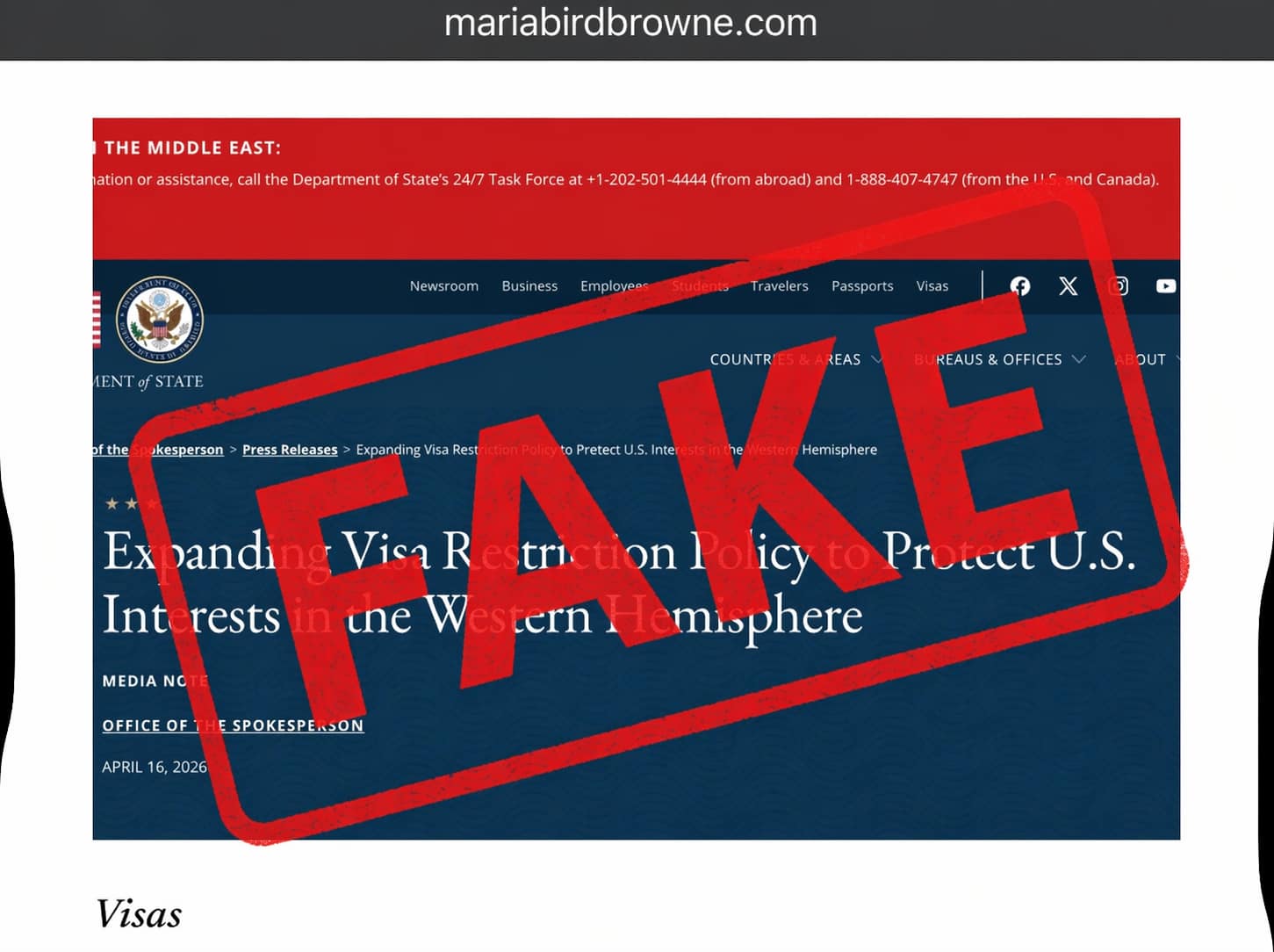
LETTER Big. Fat. Chupes.
In the chaotic, noise-filled landscape of modern political campaigning, a cynical tactic has come into sharp focus: the deployment of unsubstantiated smears paired with calculated deniability. Political actors pushing these false claims repeatedly tease damaging, baseless allegations, only to publicly claim they have “no connection” to the origin of the smear, all while continuing to amplify the false narrative to their audience. This is a deliberate, well-worn political trick – spread the lie to seed doubt and damage an opponent, then step back and feign innocence, reaping all the political benefits of the harm caused without accepting any accountability for spreading misinformation.
This strategy has nothing to do with holding public figures or opponents accountable for legitimate missteps. Instead, it is a clear sign of profound election desperation: when a campaign or political party abandons policy debate and legitimate criticism to embrace outright falsehoods, it signals that they believe they cannot win on the merits of their own platform or ideas. This dynamic raises a fundamental question that voters must grapple with: if a political group is willing to rely on such transparently false claims to win elected office, what precedent does that set for how they will behave once they hold power? Can a political organization that cuts ethical corners during a campaign to gain power ever be trusted to govern honestly and in the public interest?
-
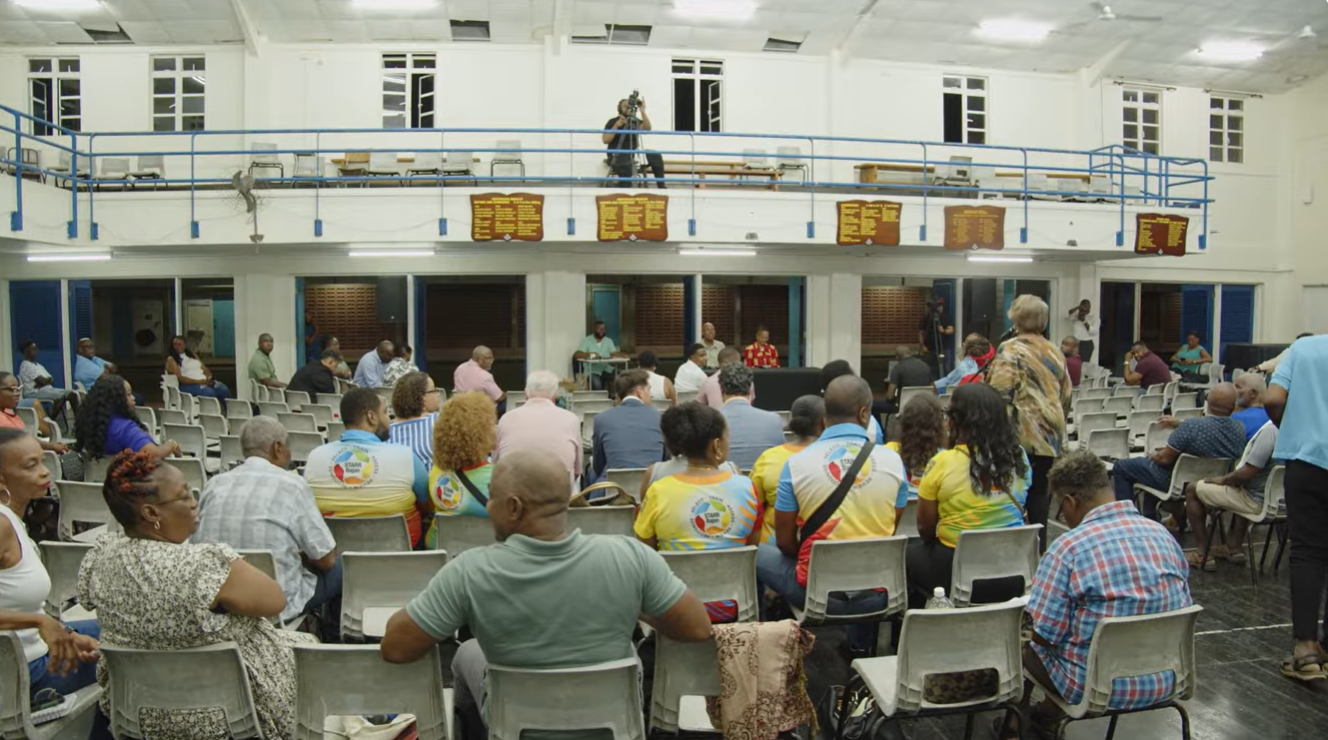
PM: Govt moving ahead with police restructuring in crime response
Against a backdrop of growing public unease over surging violent crime, the government of Barbados has commenced a comprehensive restructuring of the Barbados Police Service, Prime Minister Mia Mottley has confirmed. While announcing urgent institutional changes, the prime minister has emphasized that law enforcement reform alone cannot reverse the island’s worsening crime trends.
Mottley’s public address on the issue came during Wednesday’s Ideas Forum, where a resident with professional law enforcement experience drew attention to deep-seated flaws in the existing police structure. The speaker argued that the current force is ill-prepared to tackle Barbados’ rapidly shifting security landscape and the increasingly bold criminal activity taking hold across the island. He warned that patterns of crime that have plagued other Caribbean nations are now emerging locally, and called for a long-term, fundamental reinvention of the national police service.
“The Barbados Police Service as it is currently structured is not equipped to manage the state of crime on this island,” the resident stated, noting that meaningful reform would require adopting new investigative techniques, increasing institutional support, and raising officer compensation to successfully attract and keep skilled personnel.
In her response, Mottley confirmed that the modernization process is already well underway, stressing that the institution must be updated to meet 21st-century security demands. “We are very much in the process of the restructuring of The Barbados Police Service,” she said, adding that every core system and operational practice must be aligned with modern realities. The prime minister outlined that government has spent months working to address longstanding challenges around staffing, officer retention, and internal institutional capacity.
She pointed to earlier policy moves to regrade the pay scales of detectives and Special Branch officers as a key step to fix long-standing pay disparities, a change designed to stop the outflow of experienced law enforcement personnel. A broader public sector pay reclassification exercise is also in the works, with policing marked as one of several critical sectors prioritized for adjustment.
Beyond compensation, the reforms target deep structural gaps within the organization, including the absence of key senior administrative roles. Mottley questioned how a force of more than 1,300 sworn officers, plus additional non-police support staff, could operate effectively without a dedicated human resources director. She similarly noted that an agency with an annual budget of roughly $200 million cannot function properly without a qualified director of financial services leading budget management.
The prime minister also outlined plans to redraw decades-old policing district boundaries that no longer reflect current population distribution across Barbados, alongside plans to expand and upgrade police infrastructure. Several communities are set to receive new or renovated police stations, and widespread technology upgrades are being rolled out to improve coordination between police and other emergency response services.
Even as she laid out the ambitious reform agenda, Mottley stressed that institutional change on its own will not solve the island’s crime crisis. “The major lifting that has to be done if we are to be successful in this country is us,” she said, urging all Barbadians to take greater responsibility for security within their own households and local communities.
She explained that widespread access to illegal firearms, combined with a culture of silence where community members choose not to report suspicious activity, are key contributing factors to the current security environment, and called for far greater public cooperation with law enforcement. “What cannot happen is people seeing things and doing nothing, saying nothing and then being surprised at the outcome,” she noted. While Mottley acknowledged that fear of retaliation stops many residents from coming forward with information, she emphasized that anonymous and protected reporting channels are already available to support those who wish to share details about criminal activity.
Mottley also placed Barbados’ current challenges in a broader regional context, noting that multiple Caribbean nations have faced similar surges in violent crime in recent months, framing the issue as a shared systemic challenge across the region.
Despite rising public anxiety, the prime minister maintained that the situation remains controllable, as long as the country pursues sustained, coordinated action. “This is not yet bad enough that we can’t pull it back,” she said. She added that long-term success will depend on a combination of robust law enforcement, adaptive policy making, adequate resourcing, and active participation from ordinary citizens.
Mottley reaffirmed that her administration is continuing to invest heavily in strengthening the police service, from expanded recruitment and better retention support to improved training and operational upgrades. Still, she warned that meaningful cultural and institutional change cannot happen overnight. “A cruise ship can’t just turn like a speedboat… it takes space and time,” she explained, adding that rebuilding public confidence and restoring widespread security will require both systemic police reform and a fundamental shift in public behavior. “If we are to be successful in pulling it back, it is not dependent on the police alone… it is dependent on the people in this country,” she reiterated.
-

Communicatiestoringen en personeelstekort zetten luchtverkeersleiding onder zware druk
Suriname’s civil aviation sector is facing a potentially catastrophic air traffic control crisis that puts flight safety and continuous national airspace operations at grave risk. In recent weeks, all core communication systems for the country’s air traffic management infrastructure have completely failed, leaving controllers with only extremely limited backup alternatives to coordinate flights.
In response to this emergency, frontline air traffic controllers have resorted to using their personal mobile phones to communicate with neighboring aviation authorities and coordinate air traffic movements, as well as to liaise with other relevant domestic departments and agencies. This ad-hoc workaround has placed enormous additional pressure and responsibility on already stretched teams, laying bare the extreme understaffing and systemic vulnerability that plagues the nation’s air traffic control sector today.
On Thursday, the Suriname Air Traffic Controllers Association (Satca) issued a forceful public pushback against recent statements from Raymond Landveld, Minister of Transport, Communication and Tourism (TCT), regarding the state of the country’s air traffic control system. Satca officials argue that much of the information shared by the minister does not align with the day-to-day reality faced by working controllers. The association says the vast majority of government commitments to address sector issues remain unfulfilled promises on paper, with implementation falling drastically behind schedule, pushing the already strained situation into increasing untenability.
Satca has outlined a litany of long-standing unaddressed issues that have pushed the sector to the breaking point. The association notes that the TCT Ministry has not released any relevant updates on planned reforms since February 2026, bringing consultation and progress on key changes to a complete standstill. While overtime payments have been deposited into controllers’ personal bank accounts, no formal, written regulatory framework for these payments has ever been established. Promised government-issued mobile phones, intended to serve as a dedicated communication backup during system outages, have still not been delivered, despite repeated power outages that repeatedly take the central air traffic control system offline.
Additionally, the promised increase in training incentives for trainee air traffic controllers only exists on paper, Satca says. Two aspiring controllers have already dropped out of the national training program due to poor working and training conditions. Even after nearly two years of training, the candidates have not received formal job offers or access to health insurance coverage. The mandatory on-the-job training period, which requires a minimum of three months of hands-on experience, has also been delayed, and trainees remain locked in uncertainty over whether they will receive back pay for the hours they have already worked.
Mandatory medical certifications for active controllers are also running as much as seven months behind schedule, leading to the expiration of operating licenses for multiple experienced controllers. This situation directly violates both international and national aviation safety regulations, meaning the affected controllers are formally prohibited from working, further worsening the sector’s staffing crisis.
Remarkably, air traffic control operations have remained continuously operational so far, with only a limited number of flight delays recorded. Satca credits this to the extraordinary voluntary overtime work put in by its members to keep the system running despite unsafe conditions.
The recurring power outages that trigger the communication system failures also disable essential aviation equipment, complicating communication between controllers, pilots, and neighboring aviation authorities. The outages leave controllers relying on jerry-rigged workarounds at their workstations to manage daily air traffic.
Minister Landveld has acknowledged the existence of the sector’s problems, but noted that, to date, no formal damage claims have been filed by airlines that have been forced to divert to airports in neighboring countries due to the air traffic controller shortage. He did admit that the crisis has already created additional operational costs for carriers, and that formal claims could be submitted in the future, while pointing to existing structural failures as the root of the issue.
The minister said his ministry is working to correct long-standing structural errors inherited from previous administrations, and has already taken initial steps to address key problems, including processing overtime payments, scheduling delayed medical examinations, and initiating orders for the promised backup mobile phones. He also clarified that salary adjustments cannot be implemented unilaterally by his ministry, and that the issue falls under the purview of the national negotiating body, where discussions with air traffic controller representatives are still ongoing.
Landveld projected that newly trained air traffic controllers will be able to enter active service around September or October 2026 to ease the severe staffing shortage, but admitted that safety incidents and operational disruptions are likely to continue between now and then. Currently, Suriname only has 25 active certified air traffic controllers, while full, safe operations require a staff of 80 to meet global aviation standards.
Satca is calling for transparent, honest and full communication between all stakeholders to rebuild trust between the government, frontline aviation staff and the Surinamese public. The union is demanding that the ministry follow through on all previously agreed commitments, and align all future public communications with the actual on-the-ground conditions facing the nation’s air traffic controllers.
-

Works Minister Says Roadworks Will Increase, Not Slow After Elections
As the country prepares for its upcoming general election on April 30, a sharp uptick in nationwide road construction activity has sparked speculation that the infrastructure push is merely a short-term pre-election political gesture. However, Public Works Minister Browne has pushed back firmly against these claims during a recent \”Know Your Candidate\” interview, framing the expanded works programme as the product of years of deliberate strategic planning that will continue to grow long after ballots are cast.
-
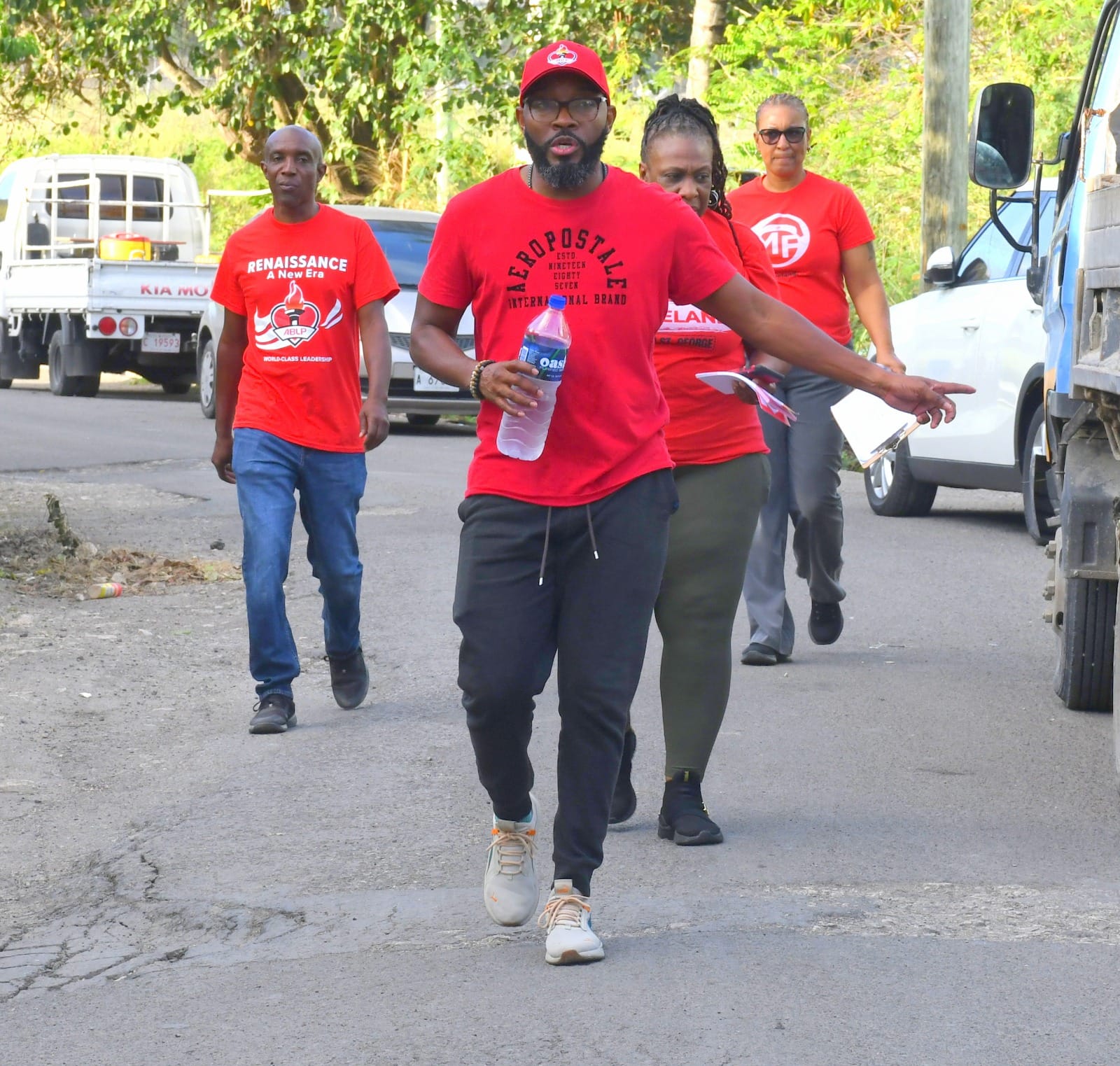
Freeland Says Parts of St. George Could Get Water Within a Year After Decades Without Supply
As the April 30 general election approaches, Antigua and Barbuda Labour Party (ABLP) candidate Michael Freeland has pledged that long-running, generations-old water access crises in multiple underserved communities across St. George will finally be resolved within the next year.
Freeland made the promise during a pre-election “Know Your Candidates” interview, where he highlighted that unreliable and non-existent water supply remains one of the most persistent and infuriating challenges for local residents. The problem is concentrated in three key areas of the constituency: sections of New George’s, Carlisle’s and Potter’s, where entire neighborhoods have gone without consistent access to clean running water for up to 30 years.
Freeland explained that the decades-long crisis is rooted in obsolete, aging water infrastructure that has failed to keep pace with growing community demand across the constituency. The existing outdated distribution networks cannot deliver adequate water to outlying neighborhoods, even as residential and commercial development has stretched existing supply thinner over the years.
However, Freeland noted that ongoing national water infrastructure upgrades have created a turning point for the struggling communities. He confirmed that senior government officials and water management leaders have already committed to advancing the targeted fixes, which will center on installing new, modern water pipelines and building out more efficient distribution networks.
“I’ve been assured by the minister and the water manager that they have all the necessary equipment on hand, and they are ready to move forward with installing these new pipes,” Freeland said, reassuring frustrated residents who have waited generations for reliable service.
The local infrastructure upgrades will also be backed by a national expansion in water production. Freeland referenced Prime Minister’s recent announcements that the country has boosted daily water output by millions of gallons, a capacity increase that will directly support the improved distribution networks and ensure consistent supply for long-underserved neighborhoods.
While acknowledging that decades of unaddressed need have left residents deeply frustrated, Freeland emphasized that tangible change is now on the near horizon. “I know the frustration is there, but I’m working for you,” he said. “Within short order, we’ll have these problems addressed.” He clarified that full upgrades will not be completed overnight, but residents can expect visible, meaningful improvements to water access within the next 12 months.
The water access crisis has emerged as a defining campaign issue for the St. George constituency, joining other top voter priorities including road maintenance, drainage systems, and affordable housing. Freeland’s pledge underscores how long-running infrastructure failures remain a key factor shaping voter choices ahead of the April 30 general election.
-

Parents urged to read daily as World Book Day held with islandwide push
As communities across Barbados marked World Book Day this Thursday, a clear, urgent message took center stage at all public and school-hosted events: educational authorities cannot cultivate strong, confident readers without consistent support from parents. To mark the global celebration of books and reading, the Ministry of Education Transformation rolled out a full schedule of engagement activities, including interactive reading sessions for students across all early and primary campuses, and curated public displays at two of the island’s busiest shopping hubs, Sky Mall and Sheraton Centre. These showcases highlighted the range of ongoing national literacy initiatives and put student work on display for the general public. At the Sky Mall exhibit, organizers laid out the full scope of evidence-based tools now integrated into Barbadian classrooms, ranging from structured phonics-focused instruction to targeted reading comprehension strategies. Shamel Edwards, a peripatetic teacher with the Ministry of Education Transformation, used the event to directly appeal to caregivers across the island, emphasizing that in-school instruction can only go so far without home reinforcement. “Parents, parents, we need you. We need your support. The teachers can’t do it alone,” Edwards stressed. “We provide the learning environment and structured literacy instruction in school, but you are the key to building a lifelong love of reading at home. Read to your children, read alongside them, and give them space to read aloud to you.” Edwards added that World Book Day serves as a critical reminder that reading remains a foundational, relevant skill in modern life, pushing back against narratives that books are an outdated form of engagement. Current efforts center on reconnecting students to core literacy fundamentals while making reading a joyful, low-pressure activity, rather than just another academic task. Nursery and primary school students are taking part in daily read-aloud sessions, peer buddy reading programs, and curated book displays, with dedicated book clubs and cozy classroom reading corners used to spark organic interest in reading. “We’re not just reading to complete school work. We’re reading for pleasure,” Edwards explained. The day’s public outreach is part of a far broader national literacy push launched in September 2024, which targets literacy skill-building from as early as age three, through to the end of primary school at age 11. Janelle Little, Education Officer and National Literacy Lead, outlined that the strategy prioritizes structured, age-appropriate literacy instruction from a student’s first day in the education system. Ministry outreach teams have already completed visits to roughly 35 primary and early childhood institutions across the island, where they lead group reading sessions and track student progress. “Initial assessments revealed that the students have been responding positively to the new programming… we have already recorded some incremental growth in core reading skills,” Little shared. She added that the new initiative also introduces updated screening tools that allow educators to flag common learning challenges such as dyslexia far earlier, leading to faster targeted support. As part of her World Book Day activities, Little visited St Lawrence Primary School, where she read *In the Land of the Shak Shak Tree*, a local children’s story by Barbadian author Jade Small. The title was selected by ministry staff as part of a deliberate push to center local and Caribbean children’s literature in classroom programming. Lorraine Gittens, principal of St Lawrence Primary, said the impact of the new national literacy programs is already tangible on her campus. “We have seen a significant increase in the reading capacity and capabilities of our students,” Gittens said, crediting evidence-based approaches such as Jolly Phonics for the improvement. Echoing the central appeal of this year’s World Book Day events, Gittens emphasized that sustained progress relies on intentional partnership between schools and homes. “It is a balance… what we do here in school must be supplemented at home as well,” she said. “We are working hard to build stronger links with parents to ensure they reinforce the literacy skills and habits we teach in the classroom. We want every caregiver to get on board, so that all our students can get the maximum benefit from the programming we offer.”
-

Government House Museum Opens Daily Tours by Appointment, Urges Visitors to Book Online
Nestled in the heart of Antigua and Barbuda, the newly accessible Government House Museum is opening its doors to history lovers across the globe, launching a structured guided tour program that requires advance booking from all visitors. Designed to bring the nation’s rich, layered past to life for audiences of all ages, the initiative invites locals and international travelers alike to dive deep into the cultural heritage that shapes modern Antigua and Barbuda.
The museum maintains daily operating hours from 8:30 a.m. to 5:00 p.m., with four pre-scheduled tour slots available each day at 9:00 a.m., 11:00 a.m., 1:00 p.m., and 3:00 p.m. Unlike traditional drop-in museum visits, all attendees must secure their spot ahead of time to maintain a high-quality, intimate tour experience, allowing guides to dedicate personalized attention to each group.
In a promotional statement for the new program, event organizers emphasized the museum’s goal to make national history engaging and accessible, encouraging visitors to “step into history” as they walk through thoughtfully curated exhibits paired with expert, story-driven guided commentary. Each display is carefully assembled to highlight key moments, cultural artifacts, and influential figures that have defined Antigua and Barbuda’s journey to the present day.
To make the program inclusive for local communities, the museum has implemented a tiered admission pricing structure: local residents pay just Eastern Caribbean $15 per person, while international visitors are charged $15 U.S. dollars. Recognizing the educational value of the museum’s collections, local students receive complimentary entry, removing financial barriers for student groups and young learners looking to expand their knowledge of their home country’s history.
The entire booking process is streamlined through the museum’s official website, located at https://governmenthousemuseum.ag/. On the platform, prospective visitors can browse available tour dates, select their preferred time slot, access directions, and find updated information about special exhibits and upcoming events at the attraction.
-
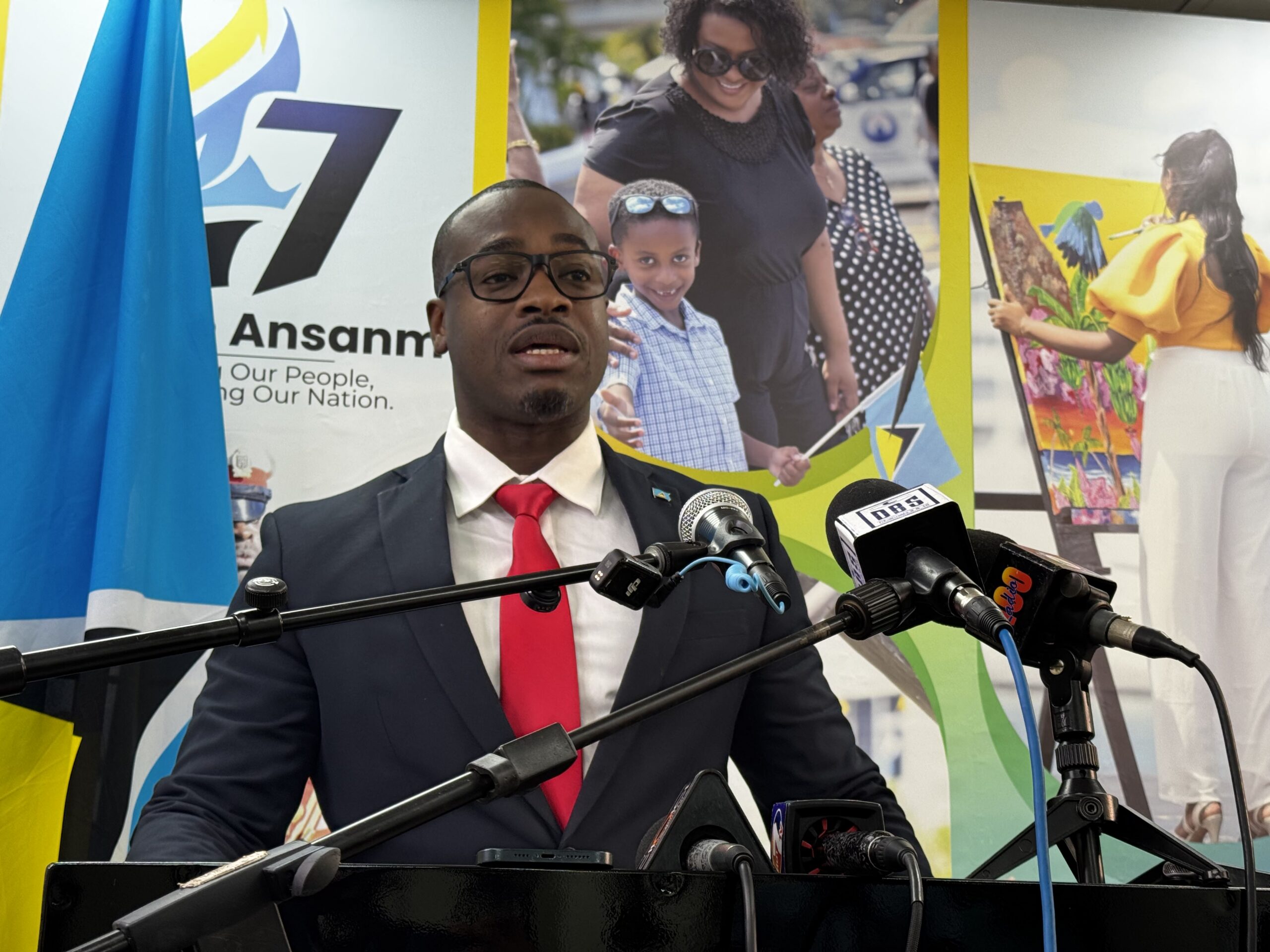
Government to pay school cooks, janitors in August
CASTRIES, Saint Lucia – The government of Saint Lucia is moving forward with two landmark policy changes aimed at advancing equity in education and supporting low-wage education workers, announced by Education Minister Kenson Casimir this Wednesday. Speaking during the debate over the national Appropriation Bill in the country’s House of Assembly, Casimir outlined details of the two progressive initiatives set to roll out in the coming term.
The first reform centers on expanding the island nation’s period poverty relief program, which has already delivered free menstrual sanitary products to all secondary school students since its launch in the 2024/25 fiscal year. Moving forward, the initiative will extend coverage to primary school learners, with plans to eventually include students enrolled at Sir Arthur Lewis Community College, bringing free access to students across every academic level in the country.
Officials designed the program from its inception to address two critical interconnected challenges: reducing the financial strain placed on low and middle-income households, and eliminating barriers to consistent school attendance for students who struggle to access affordable menstrual products. By expanding the program to cover all grade levels, policymakers aim to ensure no student is forced to miss class or manage menstrual hygiene in unsafe conditions due to cost barriers.
In a second, separate announcement, Minister Casimir confirmed that for the first time in the country’s history, school cooks and janitorial staff will receive full pay during the annual August vacation period. To fund this commitment, the government has allocated $407,000 for cook salaries and an additional $558,000 for sanitation worker pay, bringing the total allocated funding to just under $1 million. This policy follows a similar step the current administration took in 2025, when it moved to guarantee full vacation salaries for temporary teachers, closing another gap in income support for education workers.
Hundreds of school support staff across Saint Lucia previously went without any income during the six-week August break, as their contracts only covered active school terms. The new guarantee is expected to provide much-needed financial stability to these workers, many of whom rely on the monthly income to cover basic household needs.