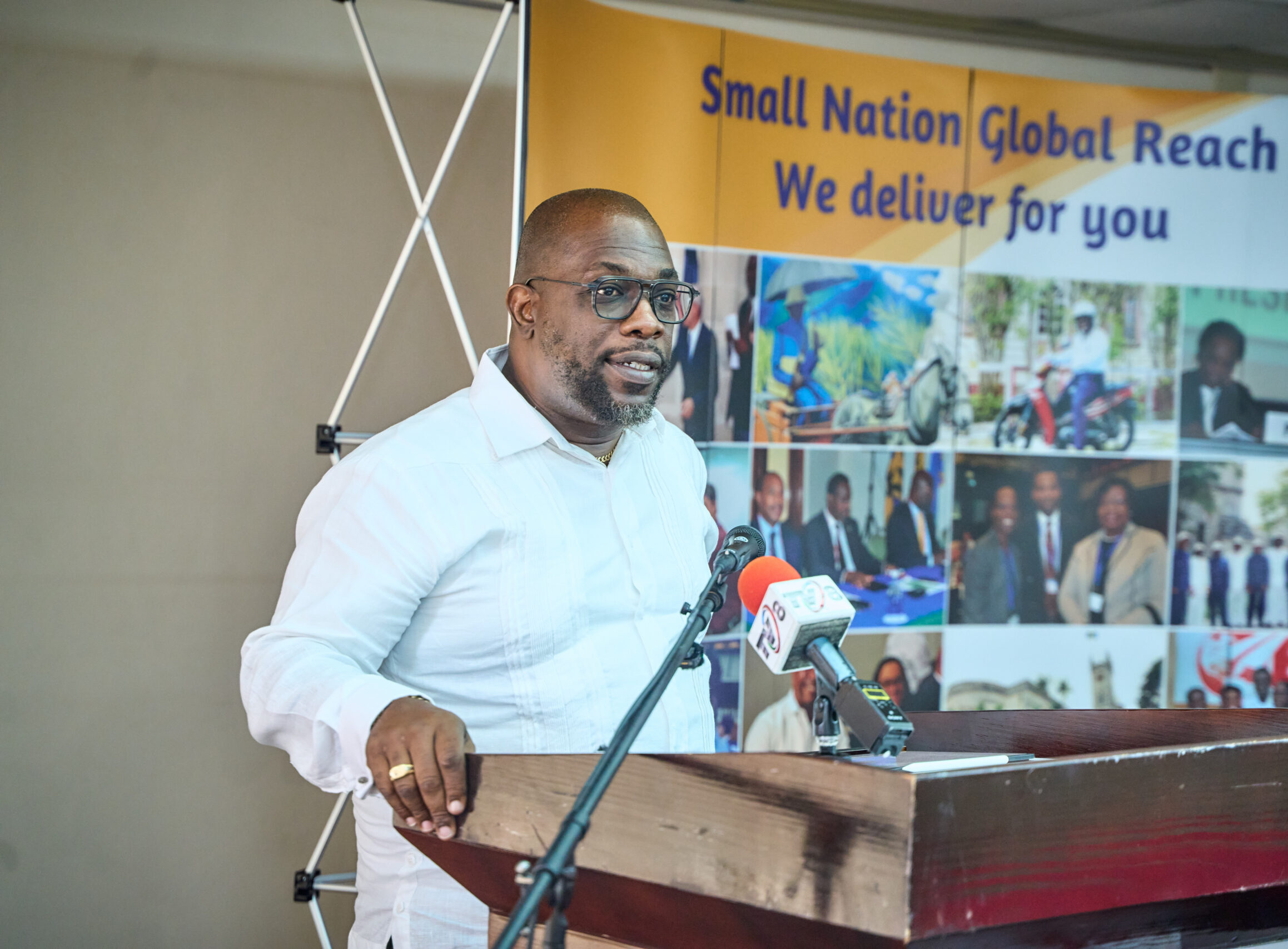
As the Atlantic hurricane season approaches, Barbados has wrapped up extensive upgrades to its nationwide network of emergency hurricane shelters, putting contingency plans in place to preserve response capacity even with limited temporary facility closures, according to Home Affairs and Information Minister Gregory Nicholls. In an exclusive interview with Barbados TODAY, Nicholls outlined the full scope of pre-season preparedness work, confirming that the island’s shelter system has seen substantial improvements over recent months.
Much of the renovation and readiness work was led by the Ministry of Education Transformation, Nicholls said, crediting the department for delivering on key infrastructure targets ahead of the season. The upgrades have allowed the government to reopen the majority of former Category 1 shelters that were previously offline, bringing much needed additional capacity to the island’s emergency response network. Only one to two shelters remain out of service this season, as they undergo structural retrofitting and long-term renovations that cannot be completed before the first storm threats emerge. To offset this small reduction in available space, government agencies have already secured vetted alternative locations that maintain the island’s total emergency shelter capacity at required levels.
Beyond just opening available spaces, authorities have completed full inspections and preparations of all critical life-support infrastructure at active shelters. Every designated facility has topped up potable water storage tanks, and all backup diesel generators have been tested, fueled, and confirmed to be fully operational, Nicholls added. Officials have also ticked every item off an extensive preparedness checklist developed for the season, a milestone the minister attributed to coordinated work across multiple government departments.
While infrastructure preparations are largely complete, Nicholls highlighted one ongoing priority that requires broader community buy-in: expanding the pool of volunteer emergency responders across all of Barbados’ local districts. Community volunteers form the backbone of local disaster coordination and response, but the current workforce faces gaps that put response efforts at risk. “If those existing volunteers are incapacitated in an emergency, then who fills the gap?” Nicholls asked, emphasizing the urgent need to recruit and train new volunteers at the community level to strengthen disaster planning operations.
The government is also working on long-term improvements to its core disaster response frameworks, alongside deepening cooperation with regional emergency management bodies. “Logistical planning can also always be improved, and that is what we’re working on to refine those plans, modernise our systems, and make sure that we are able and ready to respond,” Nicholls explained. Fresh from attending the Caribbean Disaster Emergency Management Agency (CDEMA) Council of Ministers meeting in Trinidad, he noted that Barbados continues to receive critical technical and operational support from the regional agency, strengthening the country’s own preparedness efforts.
In closing, Nicholls stressed that government preparedness alone is not enough to keep Barbadians safe during hurricane season, calling for individual action from all residents to reduce collective risk. “We’re working hard to make sure that all these things are done to keep Barbadians safe… but at the end of the day it’s going to require individual participation, individual vigilance,” he said. The minister urged local communities and households to complete basic pre-season risk reduction measures, including clearing drainage pathways, trimming overgrown tree branches, and removing accumulated debris from gullies. These simple steps cut the risk of dangerous flying projectiles during high winds and reduce widespread flooding during severe storm events, he added.