
Last Saturday, Jamaica’s iconic Negril 7-mile beach gained a new milestone in its ongoing entertainment resurgence, as the highly anticipated Bare Skinz event turned the sun-soaked shores of Wavz Beach into a vibrant, energy-charged celebration of Caribbean dancehall culture. Organized by Damage Musiq Group, the one-night showcase was designed not just to deliver world-class live entertainment to attendees, but to reinforce Negril’s long-held reputation as one of the Caribbean’s premier must-visit locations for large-scale music events.
作者: admin
-

Woman slain outside church had been receiving death threats, says friend
MONTEGO BAY, Jamaica — A shocking act of gun violence has cut short the life of a 38-year-old Jamaican woman who was gunned down Wednesday afternoon while selling books on the grounds of a prominent church in this western Jamaican city, with investigators now pointing to a dispute over property inherited from her recently deceased husband as a leading line of inquiry.
Cora Thompson was attacked just after 2:00 pm outside the Montego Bay New Testament Church of God on Water Lane, where she had been an active, committed member for five years and served as a choir singer. At the time of the shooting, congregants inside were holding a live-streamed fasting and prayer service, and the echo of at least five gunshots sent the gathering into shock and disbelief.
A close anonymous friend of Thompson confirmed to local publication Jamaica Observer on Friday that Thompson had been targeted with repeated threats before her killing. According to the friend, at least three separate death threats had been made against Thompson in the period leading up to the attack.
While Jamaica’s police force has not publicly confirmed the existence of these threats, a senior officer involved in the ongoing investigation, speaking on condition of anonymity, told the Observer that domestic dispute rooted in contested assets is the primary direction detectives are leaning toward. The officer added that investigators are focusing on property and assets linked to Thompson’s late husband, who died recently of undisclosed natural causes and was scheduled to be laid to rest this weekend.
Family members, who have requested privacy amid their grief, remembered Thompson as a gentle, giving person who avoided conflict at all costs. A cousin described her as someone who would choose to walk away from any confrontation rather than engage. Those close to her also noted she was a quiet, devout Christian who spent much of her time engaged with church activities. Bishop Ruel Robinson, senior pastor of the Montego Bay New Testament Church of God, echoed those tributes, calling Thompson a high-spirited, cooperative and supportive community member who got along well with nearly everyone she met.
Thompson, a native of Roehampton in southern St James who most recently resided in central Montego Bay’s Humber Avenue, is survived by her 12-year-old son, who is now in the care of Thompson’s grieving mother.
The killing marks the second time in recent years that a woman has been murdered on the grounds of a house of worship in western Jamaica, and the two cases bear striking, unsettling similarities. In January 2021, Andrea Lowe-Garwood was shot and killed while worshipping inside the Agape Christian Fellowship Church in Falmouth, Trelawny. Like Thompson, Lowe-Garwood’s death was immediately linked to disputes over her late husband’s property and possessions.
In that 2021 case, Lowe-Garwood’s stepson Javon Garwood was charged with contracting gunman Dwight Bingham and getaway driver Leon Hines to carry out the killing. Bingham and Hines both pleaded guilty to their roles in the crime and agreed to testify against Garwood, but Bingham later withdrew his cooperation, leading to a jury acquittal for Garwood. Bingham was ultimately sentenced to 45 years in prison for the murder, while Hines received a six-year sentence as an accessory after the fact.
-

‘Bredda Dawg’ sets Monday date with cops after claims he has issued death threats
A high-stakes situation unfolding in eastern Jamaica has taken an unexpected turn, as the attorney for an accused gang leader says his client will voluntarily turn himself in to Portland law enforcement next week, pushing back against widespread claims that he threatened to kill local police officers.
The chain of events began in the early hours of Wednesday, when members of the Portland Police Division fatally shot two men identified as 21-year-old Troy McKenzie and 21-year-old Marlon Lewis in the Sherwood Forest neighborhood. Law enforcement officials report the shooting occurred during an exchange of gunfire with the pair, who they say are linked to the Corporate Area-based Gully Gang. Following the confrontation, officers recovered two unregistered firearms from the scene.
Within hours of the shooting, reports began to spread that 39-year-old Marious Alanzo Davis — more widely known by his alias “Bredda Dog” and alleged to be a leading figure in the gang — had been spotted near the Port Antonio Police Station and had publicly vowed retaliation against officers for the killings. By Friday, Portland police had been placed on heightened security alert over fears of imminent attacks on members of the force. Unverified posts circulating widely on social media attached Davis’s image to the claims of threats against police.
But Davis’s newly retained legal counsel, attorney Rodain Richardson, has forcefully rejected these accusations, speaking publicly to the *Jamaica Observer* on Friday. Richardson says Davis, who is described as a working poultry farmer operating a legitimate business, had no connection to any threats against the Jamaica Constabulary Force, and is ready to cooperate with authorities to clear his name.
“We are strongly refuting the claims that Mr Davis has made threats against the Jamaica Constabulary Force and intends to allow his name to be cleared in the appropriate manner,” Richardson stated in the interview. “I find this development to be quite curious. We intend to get a full appreciation at the appropriate time as to what exactly is unfolding. Mr Davis has no involvement with respect to any threat being made.”
Richardson also pushed back against recent media coverage that labeled his client a wanted man and linked him to a string of serious criminal cases spanning Jamaica and the United States. He emphasized that Davis is a law-abiding, contributing member of Jamaican society, noting that his client currently runs a small poultry operation selling chickens to local buyers.
“Anything of note about his past is just that — his past,” Richardson added. After seeing the widespread negative reports about him, Davis reached out to his attorney directly to arrange a voluntary surrender. Richardson subsequently negotiated a time and location with a Portland division superintendent, and the pair will attend the Port Antonio Police Station on Monday to complete the process and address all allegations formally.
-
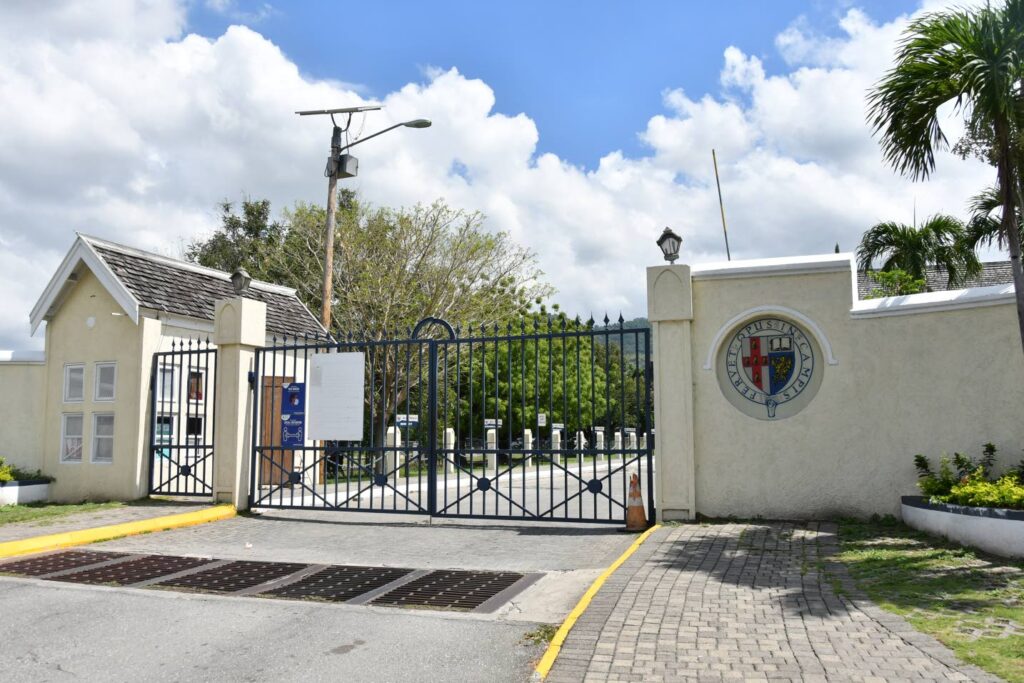
Deep blues at schools
A wave of violent incidents involving high school students across Jamaica has sparked urgent alarm from senior law enforcement, who warn that physical and armed conflicts among young people are rising at an alarming rate despite ongoing proactive intervention efforts.
Acting Senior Superintendent Mark Harris, head of the St Andrew Central Police Division, outlined the growing crisis in an interview with Jamaica Observer on Friday, just one day after a 16-year-old student from elite all-boys school Jamaica College was formally charged with assaulting a peer. The teen faces charges of assault occasioning bodily harm and is scheduled to appear in juvenile court in the coming week.
Jamaica College has recently dominated local headlines for dual historic athletic and academic triumphs: in March 2026, the school claimed the Mortimer Geddes Trophy as boys’ national champion at the ISSA/GraceKennedy Boys’ and Girls’ Athletics Championships, and just days later ended a 39-year title drought to win the 2026 TVJ Schools’ Challenge Quiz championship. But the institution’s celebratory momentum has been overshadowed by a string of violent incidents on and off its campus. Just weeks after the championship wins, a March 24 assault left one student injured and a classmate under arrest. More recently, a viral video surfaced online showing two Jamaica College students repeatedly attacking a fellow student, sparking public outcry.
Jamaica College is not an isolated case. Just this month, the country was rocked by the fatal stabbing of 13-year-old Kland Doyle, a Seaforth High School student, who was killed by a classmate in Morant Bay, St Thomas. Harris also detailed a string of other recent violent incidents involving armed students across the St Andrew Central policing district. Four schoolboys were arrested and charged in Gordon Town after officers found them in possession of illegal offensive weapons. Three days before his interview, police intervened to break up a mass brawl between four students at Papine High School, where all four were found carrying knives, ice picks and machetes. While no assault charges were filed as none of the participants reported injuries, all four were charged for possession of prohibited weapons. Harris also recalled a near-fatal incident ahead of this year’s Boys’ and Girls’ Athletics Championships, where a 14-year-old Calabar High School student was stabbed and admitted to intensive care in critical condition; the suspect charged in that attack remains in police custody.
Harris acknowledged that the Jamaica Constabulary Force (JCF) has extensive experience responding to youth violence, but emphasized that the current frequency of incidents has reached unacceptable levels. “We are not strangers to treating with these things, but they are getting one too many, and that is what we want to reduce,” he said. A major unaddressed challenge, he added, is that many violent altercations between students are never reported to authorities, meaning the true scale of the crisis is likely higher than official data reflects.
To curb the trend, the JCF has partnered with the Ministry of Education and other local stakeholders to roll out targeted interventions, including pre-event tension mitigation that Harris said successfully reduced violence ahead of the 2026 athletics championships. The force’s Community, Safety and Security Branch maintains a permanent presence in schools across St Andrew Central, with dedicated school resource officers and territorial leads assigned to at-risk institutions, regular campus visits, and ongoing educational programming to teach students about the long-term consequences of violent behavior.
Harris warned that normalized violence in schools sets a dangerous foundation for adulthood, when criminal acts carry far more severe lifelong consequences. “These [students] will become adults in a few years and then the adult world is so different and demanding and even needs more discipline than in schools, because serious crime is not a joke, it has serious implications on persons if they commit these crimes,” he said. “We are working with other stakeholders and other agencies to assist these persons and to let them understand the implications of these senseless acts that end with them being arrested, charged, and taken before the court.”
-

Jamaica looks to US to secure more ambulances
Jamaica’s Ministry of Local Government and Community Development is actively advancing talks with the United States Embassy to secure a donation of new ambulances, a move aimed at closing critical gaps in the Caribbean nation’s emergency medical response infrastructure. The high-level discussion, held Thursday at the ministry’s Kingston headquarters, brought together Portfolio Minister Desmond McKenzie, US Embassy representatives, officials from the Jamaica Fire Brigade (JFB), and members of the Board of Supervision to outline the scope of the proposed collaboration.
McKenzie revealed that initial outreach to the US mission for ambulance support first began roughly two years ago, rooted in a long-recognized systemic gap in Jamaica’s emergency services. As the country’s lead first responder agency, the JFB currently lacks consistent access to ambulance services across all its emergency medical services (EMS) outposts, leaving many communities underserved during urgent medical events. The proposed US donation is designed to directly resolve this gap, ensuring that every response location can deliver seamless pre-hospital care to patients.
Beyond the ambulance donation initiative, the conversation also covered plans to expand ambulance access through Jamaica’s national network of infirmaries. McKenzie noted that follow-up discussions will explore how the US Embassy can support efforts to upgrade equipment and expand operational capacity at infirmaries across the island, extending the reach of emergency care to more rural and underserved areas.
Beyond infrastructure improvements, McKenzie emphasized that the ongoing dialogue underscores the deep, enduring bilateral ties between the two nations. He called the working partnership between the governments and peoples of Jamaica and the United States a highly valued friendship that continues to deliver tangible benefits to Jamaican communities.
-

Dancing for their future
Jamaican-born educator Karen Francis has turned her decades-long commitment to youth development into action, completing a grueling 12-hour dance marathon at Trench Town’s iconic Culture Yard this Wednesday to raise $500,000 for a new youth entrepreneurship initiative tailored to the tight-knit community in St Andrew.
The effort, designed to unlock the latent creative talent of Trench Town’s young people and turn that skill into sustainable, globally connected livelihoods, will breathe new life into a shuttered local reading centre, which will serve as the headquarters for the upcoming Trench Town Community 4-H Youth Entrepreneurship Programme. Alongside fundraising for the programme, the dance marathon also marked the official launch of the Founding Supporter Circle, an international outreach campaign that invites 500 donors across the globe to contribute $1,000 over one to two years to hit the $500,000 target. Interested backers can choose to sponsor individual segments of the marathon or make direct donations to the youth-focused project.
In an interview with the Jamaica Observer on the day of her performance, Francis explained that the idea for the programme grew out of her observation that the unused reading centre – once supported by a sponsor that could no longer sustain funding – was leaving local children without access to a critical community learning space. Drawing on her years of experience organizing and leading 4-H clubs, she saw an opportunity to repurpose the space and leverage her own skills to uplift the neighborhood she holds close.
The programme will equip participating young people with three core pillars of training: entrepreneurship basics, cultural arts skill-building, and business English instruction, all designed to help participants access and engage with international markets. Unlike traditional community aid models, the initiative focuses on empowering youth to build their own independent trade relationships, including connections with young creators and businesses across other African nations. Leveraging 4-H’s existing global network, the programme will help integrate Trench Town creators into an established circular economic ecosystem, turning untapped local talent into stable, long-term income.
Francis, who now resides in the United States and has led youth-focused projects across the world, emphasized that Trench Town already boasts a vibrant informal local economy full of skilled creators – from seamstresses and garment makers to artisans – that just needs intentional structure to scale. “Anything that you need, they have here. This is what black economy looks like, and it just needs to be properly structured and organised,” she noted. Participants will learn to design, produce, and market a range of cultural goods for local and international sale, including handmade jewelry, crocheted goods, original paintings, pottery, and branded Trench Town merchandise.
To enrich the programme’s training offerings, Francis has arranged for alumni from the U.S. State Department’s English Language Fellow Programme and other international exchange initiatives to join as mentors, guest instructors, and supporters. She stressed that fluency in standard English is a critical tool for global commerce, noting that while Jamaican patois – the primary daily language of most Trench Town residents – is a culturally rich and valuable part of local identity, the ability to code-switch between patois and standard English is essential for international trade. “It is important for all of us to be able to switch from patois and back into English. We need it to engage in trade, which is what all countries are pretty much engaged in,” she explained.
Beyond economic empowerment, the initiative also seeks to reshape harmful public narratives about Trench Town. While the community is globally celebrated as the birthplace of reggae legends including Bob Marley, Peter Tosh, and Bunny Wailer, it has long been stigmatized due to past violent incidents, and many local young people lack access to structured entrepreneurial opportunities. Francis aims to rewrite that story by centering Trench Town’s youth and their creative work.
The programme will position products made by participants to sell directly to tourists visiting the Culture Yard, moving beyond a handout model to a mutually beneficial exchange that helps youth recognize the inherent value of their work. “Rather than handouts, they are able to come and spend their money; we want them to see the value in their products. They are not begging; they assign the value to it and they exchange it that way so they learn the value of what they’re producing,” Francis said. This model, she added, will help young people build lasting personal pride and a stronger sense of connection to their community, laying the groundwork for long-term, community-led growth.
-
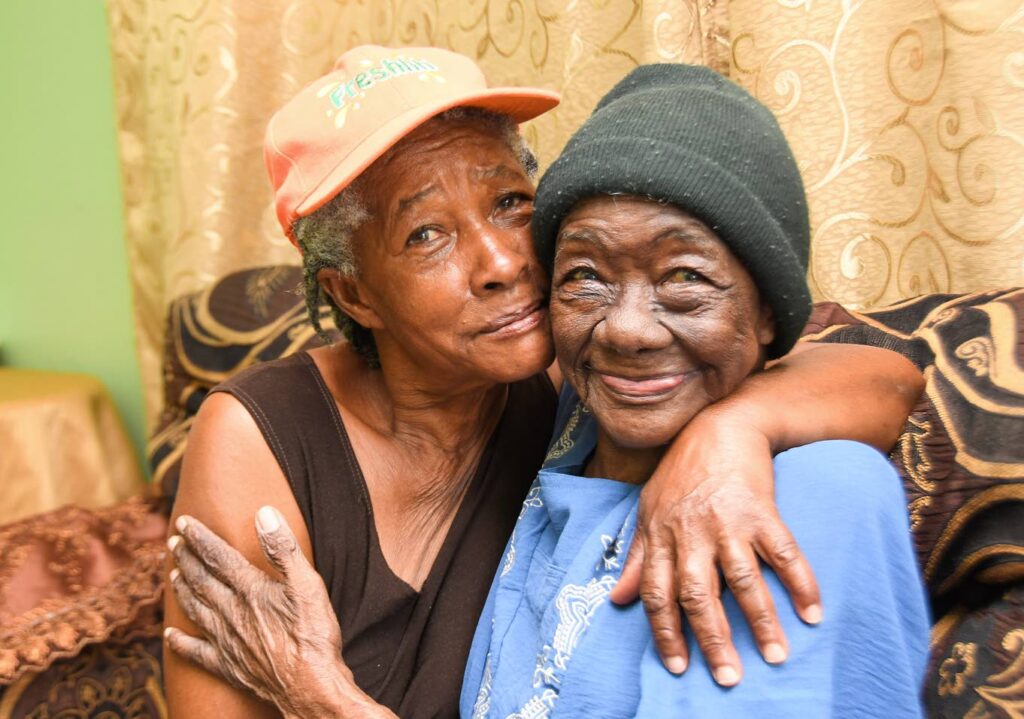
A century of gratitude
On a quiet Thursday in Kingston, Jamaica, 100-year-old Vera Green woke to mark a historic milestone few ever reach: her centennial birthday. Though a recent chronic obstructive pulmonary disease (COPD) diagnosis has left her movement limited and breathing labored, the soft-spoken centenarian says she feels nothing but gratitude for the century of life she has lived.
“I can hardly catch my breath, so I mostly have to stay in one place, but I thank the Lord and I am quite satisfied,” Green shared in an interview with the Jamaica Observer during a home visit Thursday.
Born as one half of a pair of twins in the rural community of Stanmore, St Elizabeth, Green and her brother Vivian were the youngest children of their working-class parents. From an early age, she showed a sharp curiosity and love for learning, enrolling at St Albans Primary and Infant School with a clear dream: to become a teacher. That ambition was cut short, however, when crippling family financial hardship forced her to leave schooling after sixth grade to help support her household.
“I wasn’t backward in school; my head was very good and everything. I wanted to be a teacher, but my parents never had the means to support my studies,” Green reflected. “I made sure all my own children got an education, went to school, church, every opportunity, and they turned out well. If my parents had been able to help me pursue my goals, I know I would have achieved something great too.”
After leaving primary school, Green took on casual day labor for local families, and later supplemented her income with small-scale farming, she said. Her granddaughter Lisa, who now helps care for her, shared that Green’s resourcefulness extended far beyond standard work — for decades, she served as an uncertified community midwife, helping dozens of local women deliver their babies at a time when the nearest hospital, Black River Hospital, was miles away and inaccessible for many rural families.
“In the rural countryside back then, there weren’t formal career opportunities for women like her, so she took on whatever work she could do, from housekeeping to farm work that local community members hired her for,” Lisa explained. “What always stuck out was how she stepped up when people needed her. Any time a woman went into labor, people would come running for Vera, and she would go help deliver the baby — no questions asked.”
Today, Green lives with COPD and hypertension, which has slowed her movement considerably, but she retains her sharpness and daily devotional routine. Remarkably, she still reads her Bible every day without needing prescription glasses, recites scripture daily, and maintains a steady practice of prayer, Lisa added.
Even as Green embraces gratitude for reaching 100, she acknowledges that advanced age brings unignorable challenges. “When you get old, everything fades. You can’t take care of yourself the way you used to. If people don’t help me, if they don’t put what I need in my hand, I can’t get it for myself,” she said. “But still, I thank God, and I bless the people who take care of me.”
Members of Green’s church community, the Kencot Seventh-day Adventist Church, gathered to celebrate her milestone this week. Christopher Johnson, leader of the congregation’s Seniors Ministry, who hails from the same St Elizabeth community as Green, said the centenarian is a beloved member of the church, and currently the only member of the congregation to reach the 100-year mark.
“We are delighted to share this 100th birthday with her. It’s an extraordinary milestone,” Johnson said. “We have several other nonagenarian members, three women aged 97, 98 and 99, but Vera is our first centenarian. She is quiet but always active, incredibly warm and friendly to everyone she meets.”
-

DAPD offers sign language course
The Dominica Association of Persons With Disabilities (DAPD) is opening access to a comprehensive six-week sign language training program starting in May 2026, designed to break down longstanding communication barriers between the general public and community members who rely on sign language as their primary mode of communication. The training program is structured to serve a wide cross-section of Dominican society, with targeted outreach to professionals whose daily work brings them into regular contact with the public: frontline service providers, medical and healthcare staff, primary and secondary school educators, tourism and hospitality employees, and workers across public and private sector organizations. Members of the general public who are interested in learning the skill are also invited to register for the course.
Judy Sango, president of DAPD, explained that the core mission of the initiative extends far beyond just teaching basic signs. The program is rooted in a broader goal of advancing full social and economic inclusion for non-verbal Dominicans and people with hearing impairments. By equipping more people across the island with foundational sign language skills, the association aims to foster more respectful, independent, and empowering interactions for community members who use sign language daily.
Sango emphasized that the training will deliver mutual benefits for both course participants and sign language users. For example, business owners and hospitality workers who complete the program are likely to draw more customers from the sign language community, who will actively seek out establishments where they can receive equal, respectful communication without barriers, rather than going to businesses that lack this accessibility. “I believe upon completion of the course it will benefit both participants and those who use sign language as a daily means of communication,” Sango noted.
In a call to action for Dominican residents, Sango encouraged all interested people to sign up, framing the course as a critical step toward building a more equitable society that leaves no one behind. The program is scheduled to run from May 7 to July 23, 2026, with classes held from 4:30 PM to 6:30 PM at DAPD’s headquarters in Goodwill. The total registration fee for the full six-week course is $250 Eastern Caribbean dollar, and interested applicants can contact the DAPD office directly at 440 0842 to secure a spot or request additional information about the curriculum.
-

Santa Cruz Labourer Latest Murder Victim
Authorities in Dangriga, Belize have launched a homicide investigation into the death of Luis Martinez, a resident of Santa Cruz Village in the Stann Creek District, who became the latest fatality in a growing wave of violent crime sweeping the small Caribbean nation.
Local law enforcement confirmed that officers were dispatched to the Maya King region early Friday following reports from community members of an unidentified body left abandoned near a public roadway. Upon arriving at the scene, first responders confirmed Martinez’s death, noting he had sustained multiple gunshot wounds. His remains have since been moved to the Dangriga morgue for autopsy to formally confirm the cause and manner of death.
As of the latest update, investigators have not disclosed any potential motives for the killing, nor have they identified any persons of interest in connection with the crime. Law enforcement officials note that key details remain under wraps as the active investigation progresses.
Martinez’s murder comes amid an alarming string of violent incidents and unresolved cases across Belize that have raised public concern over rising crime rates in recent months. Just in recent weeks, multiple young people have been killed across the country: 19-year-old Jamir “Jam” Cambranes, 17-year-old Alwin Marin Jr, and 19-year-old Jaheil Westby all lost their lives to violence in Belize City, while 24-year-old delivery worker Steve Lewis was murdered in Dangriga.
In addition to these confirmed homicides, the country is also grappling with a series of missing person cases that have turned deadly or remain unresolved. Jericho Humes was reported missing before his body was eventually discovered, while 23-year-old Lidahni Martinez and 28-year-old Deborah “Bree” Arthurs are still listed as missing, with no updates on their fates months after they were last seen.
Public safety advocates have called on national authorities to step up crime prevention efforts and accelerate investigations into these unsolved cases as the death toll continues to climb.
-

Pringle Promises Major Sports Complex, Youth Opportunities at UPP Rally
As campaigning ramps up ahead of Antigua and Barbuda’s April 30 general election, United Progressive Party (UPP) opposition leader Jamale Pringle has laid out an ambitious policy platform centered on youth empowerment and expanded economic opportunity, headlined by a proposal for a world-class regional sports and entertainment complex. Speaking to a fired-up crowd of UPP supporters at a campaign rally, Pringle confirmed that a future UPP government would build the Sir Vivian Richards Sports and Entertainment Complex in North Sound, marking it as the party’s priority flagship infrastructure project for its first term in office.
Pointing to the UPP’s track record of delivering the island nation’s existing international cricket stadium, Pringle doubled down on his pledge to deliver the new facility, telling attendees “I give you my commitment… I give you my promise. We will do it again.”
The proposed mixed-use development is designed to address longstanding gaps in Antigua and Barbuda’s athletic and cultural infrastructure. Its planned amenities include an 8,000-seat professional football stadium, a 5,000-seat indoor arena capable of hosting basketball, netball and other indoor sports, a certified track and field training and competition facility, and a full aquatic center for competitive swimmers. Pringle emphasized that local young athletes have long showcased elite talent on regional and global stages, but have been held back by a lack of accessible, high-caliber facilities to hone their skills and advance their careers.
Beyond competitive sports, the complex will also dedicate dedicated space for music, theater and other creative arts, functioning as a centralized hub for cultural expression and live entertainment that the nation currently lacks. Pringle framed the project as a response to shifting global labor trends, noting that younger generations of Antiguans and Barbudans are increasingly building sustainable careers in sports, creative entertainment and new emerging sectors, rather than following the path of traditional industries that have long dominated the local economy.
The initiative also carries a key economic development angle, Pringle explained: the completed complex would position Antigua and Barbuda as the premier hub for sports tourism across the Caribbean, equipped to host large-scale international tournaments and events that draw visitors from across the globe. It would also create new opportunities for local talent to be scouted by international organizations, while attracting targeted foreign investment to the nation’s leisure and sports sectors.
Pringle used the rally platform to take aim at the incumbent Antigua and Barbuda Labour Party administration, criticizing the sitting government for failing to deliver on past campaign pledges to local athletes – including the long-promised construction of a public aquatic center. Closing his address, the opposition leader called on UPP supporters to mobilize ahead of polling day, urging all eligible voters to confirm their voter registration is up to date and plan to turn out early to cast their ballots.
The rally forms part of a broader, coordinated campaign push from the UPP ahead of the April 30 vote, with the party building its overall electoral platform around three core pillars: expanding youth empowerment, delivering transformative public infrastructure, and diversifying the local economy to create more sustainable opportunity for all residents.