作者: admin

  • Dag 2: Koningspaar bezoekt jeugd, onderwijs, buurtwerk en bedrijfsleven

    Dag 2: Koningspaar bezoekt jeugd, onderwijs, buurtwerk en bedrijfsleven

    King Willem-Alexander and Queen Máxima of the Netherlands continued their state visit to Suriname on Tuesday with a focus on youth engagement, cultural preservation, and bilateral cooperation. The second day of their diplomatic mission featured visits to key institutions demonstrating the nations’ shared commitment to education, innovation, and sustainable development.

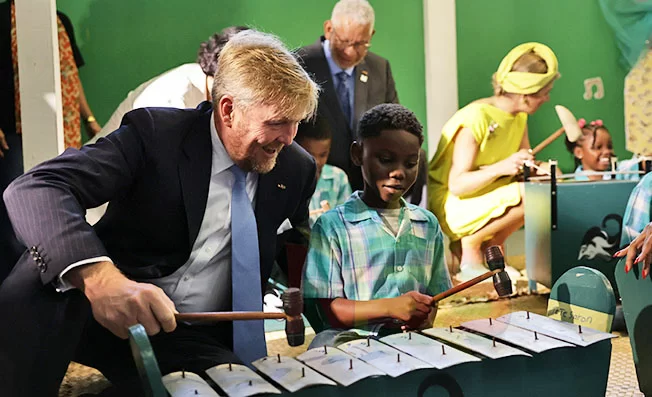
    The royal itinerary began at Villa Zapakara Children’s Museum, where the monarchs and President Jennifer Simons explored interactive exhibitions blending art, culture, and education. The royal participants engaged in workshops including music production and video creation while learning about Javanese cultural elements such as gamelan music, batik art, poco-poco dance, and traditional cuisine. Director Coco Duivenvoorde emphasized the institution’s role in connecting youth with cultural heritage and global citizenship.

    At the Natural Technical Institute (NATIN), the delegation witnessed Suriname’s advancements in vocational education. Minister Dirk Currie highlighted the critical importance of technical training for developing nations during a tour of modern facilities featuring process technology and electrical engineering simulation equipment supported by oil companies including Staatsolie. The visit featured presentations from Hackathon Deltares participants developing solutions for climate resilience and water management, alongside Anton de Kom University students showcasing food security innovations from the WUR 2025 Food Systems Innovation Challenge.

    A significant milestone emerged with the launch of the Netherlands-Suriname Educational Cooperation Platform, formalizing collaboration between vocational, higher education, and university institutions through joint projects, exchanges, and research initiatives stemming from the 2023 Memorandum of Understanding.

    The royal couple subsequently visited Stibula community center in Latour, where coordinator Wilgo Koster demonstrated decades-long social programs operating without government subsidies. The center provides safe spaces for sports, cultural activities, and theater productions for both youth and seniors.

    At Fernandes Bottling Company, the monarchs examined production methodologies and quality control systems during a facility tour highlighting 45 years of Dutch partnership. Sustainability took center stage through discussions about the FUSE Kitchen project—a mobile mini-factory converting plastic waste into construction materials—developed in collaboration with green technology firm Great Plastic Bake Off to reduce pollution while creating local recycling employment.

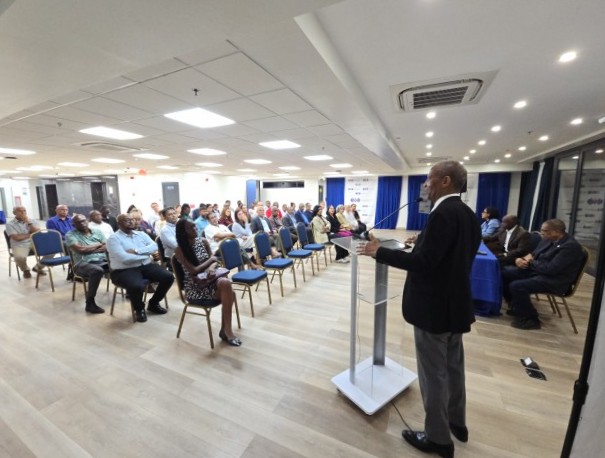
    The day concluded with a CEO Roundtable addressing economic cooperation, investment climate improvement, talent development, workforce capacity building, and sustainable economic transition, followed by a gratitude concert featuring Dutch artist Sabrina Starke at Thalia Theater.

  • Violent start to yuletide season

    Violent start to yuletide season

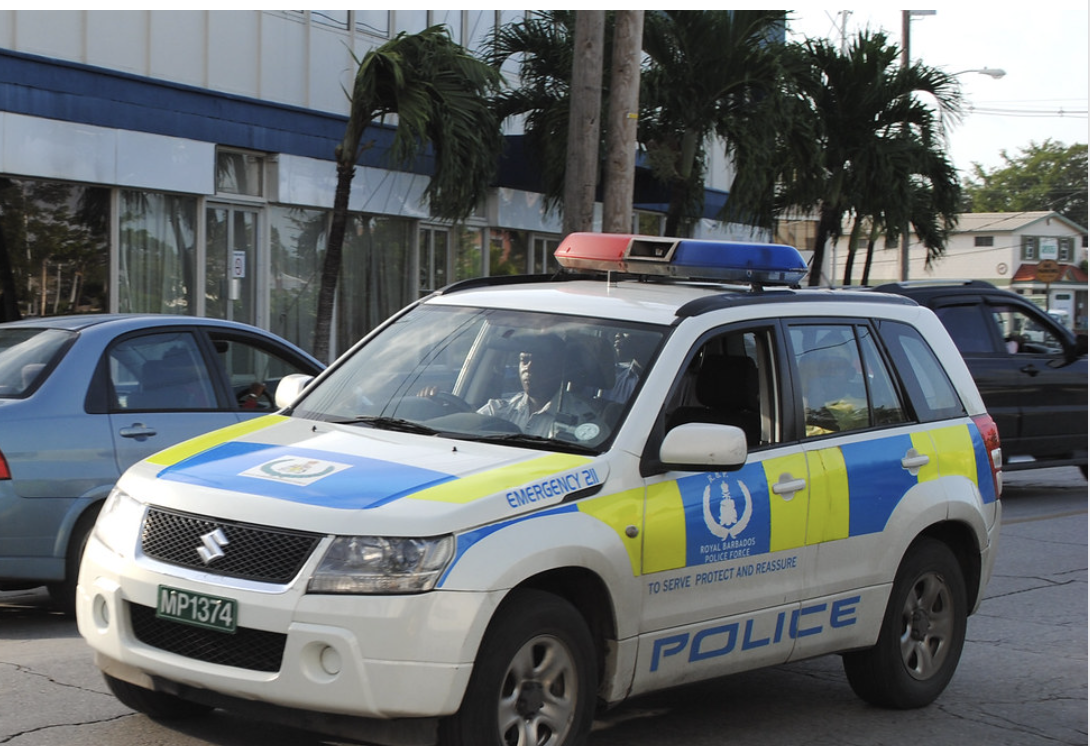
    The festive atmosphere in Christ Church, Barbados was shattered by violence on Monday evening as two separate shooting incidents occurred within a three-hour timeframe, leaving two victims hospitalized at Queen Elizabeth Hospital (QEH).

    According to police reports, the first attack unfolded at approximately 7:30 p.m. in the Gall Hill area. An unidentified motorist was traveling along the roadway when an assailant opened fire on his vehicle. The wounded driver managed to transport himself to QEH via private vehicle, where he currently remains under medical supervision.

    At around 10:30 p.m., a second violent encounter occurred when a local catamaran owner was confronted at gunpoint within his own residence. Investigations reveal that the perpetrator discharged multiple rounds, striking the homeowner before fleeing the scene. Emergency responders transported the gunshot victim to QEH by automobile for urgent treatment.

    Barbados law enforcement authorities have confirmed that active investigations into both shootings are ongoing, though no suspects have been publicly identified nor motives established.

    A colleague of the catamaran owner, speaking anonymously on Tuesday, provided a medical update: ‘He’s stable but requires surgery today for two gunshot wounds—one to the chest and another to the face. Remarkably, he remained coherent throughout the ordeal, even providing essential operational information during transportation to the hospital. We maintain positive expectations for his full recovery.’

    The victim himself reflected on the psychological impact and security implications of the attack. ‘Assailants strike when you’re most vulnerable—when your guard is down. This reality necessitates constant vigilance, not just for business professionals but all citizens. Even within your own home, traditionally considered a safe haven, situational awareness remains critical.’

    The traumatic experience has prompted the businessman to comprehensively reassess security protocols for his commercial operations and rental properties. ‘This incident forces me to reexamine how I protect myself, my business, my guests, and most importantly, my family. My priority now is implementing enhanced security measures for everyone under my protection.’

  • U.S. halts citizenship and residency applications for Cuba, Haiti, Venezuela, and 16 others

    U.S. halts citizenship and residency applications for Cuba, Haiti, Venezuela, and 16 others

    The Trump administration has implemented a significant suspension of residency permit and citizenship application processing for migrants from 19 countries, marking a substantial escalation in its hardline immigration agenda. This policy specifically targets Cuba, Haiti, and Venezuela while encompassing numerous other nations previously subject to travel restrictions.

    The suspension comes amid heightened tensions with Venezuela, following an unprecedented U.S. military deployment to the Caribbean that Washington claims targets drug trafficking operations. Venezuelan authorities contend the military movement represents an attempted overthrow of President Nicolás Maduro’s government.

    Cuba continues to operate under longstanding U.S. embargo restrictions, while Haiti faces severe humanitarian crises exacerbated by widespread gang violence, making the immigration suspension particularly consequential for citizens of these nations.

    According to an official memorandum obtained by AFP, U.S. Citizenship and Immigration Services (USCIS) has halted processing of green cards and naturalization applications for individuals from countries already subject to expanded travel restrictions implemented in June. The comprehensive list includes Afghanistan, Burma, Burundi, Chad, Eritrea, Equatorial Guinea, Iran, Laos, Libya, Republic of Congo, Sierra Leone, Somalia, Sudan, Togo, Turkmenistan, and Yemen alongside the three Latin American nations.

    The policy shift follows the fatal shooting of two National Guard members near the White House, with the suspect identified as an Afghan national who entered during the 2021 mass evacuations. Senior administration officials have cited this incident to justify enhanced vetting procedures, emphasizing USCIS’s critical role in preventing potential terrorists from entering the country.

    The memorandum explicitly states that national security considerations must take precedence in all screening and adjudication processes, warning that inadequate vetting could endanger American citizens. This position aligns with President Trump’s campaign promise to implement mass deportations and his November 26 declaration to ‘permanently pause immigration from all Third World countries’ to allow systemic recovery.

    Homeland Security Secretary Kristi Noem has concurrently advocated for expanding the list of restricted countries, utilizing inflammatory rhetoric on social media platforms to justify implementing stricter immigration bans.

  • Paw-paw revival ‘could cut imports’ — agriculture officials

    Paw-paw revival ‘could cut imports’ — agriculture officials

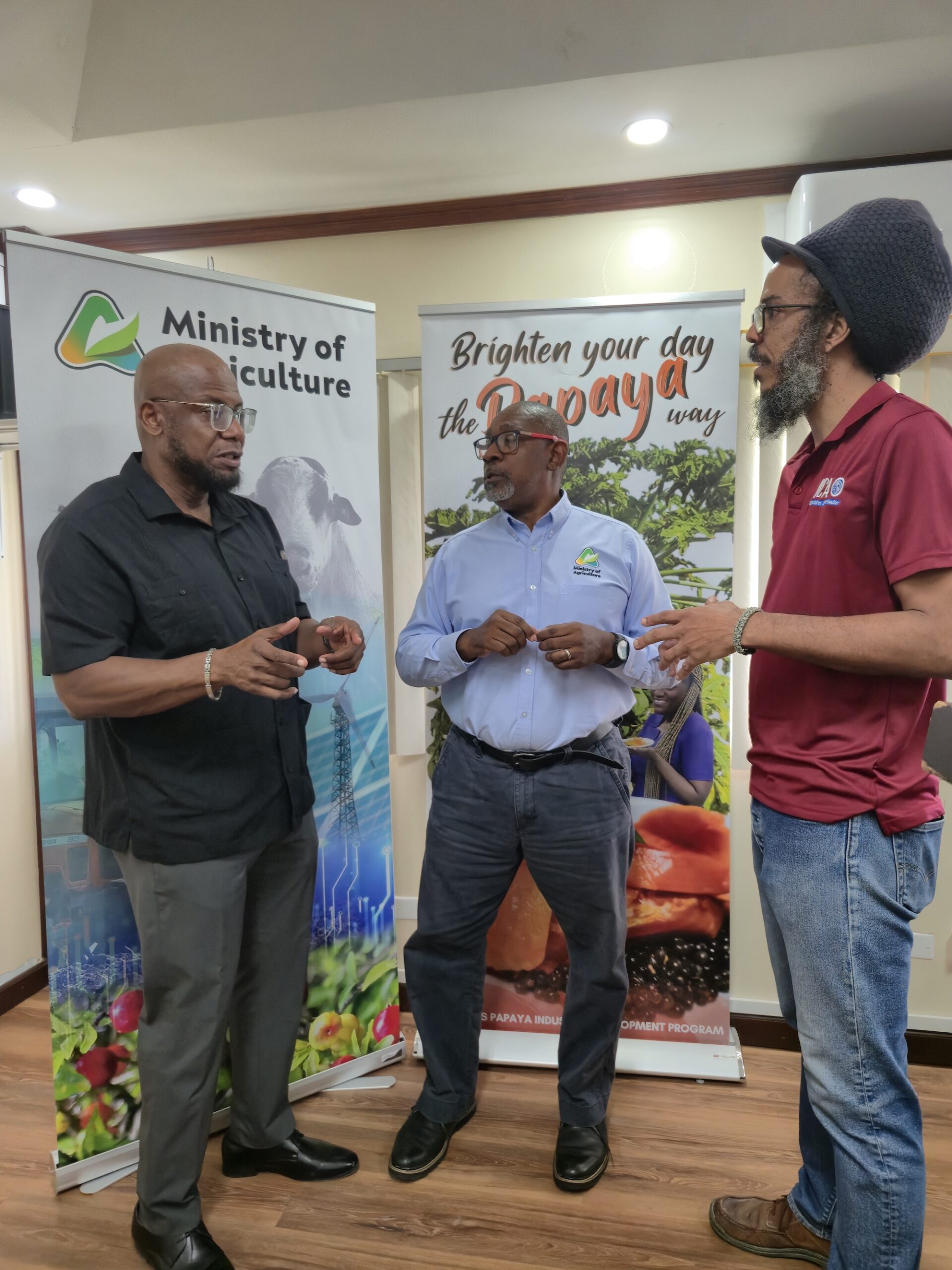
    Barbados stands on the brink of a potential agricultural transformation that could dramatically reduce its dependence on imported papaya within the coming years. This optimistic outlook emerges from groundbreaking research into disease-tolerant papaya varieties and innovative integrated pest-management techniques currently undergoing validation in local trials, according to senior agricultural officials.

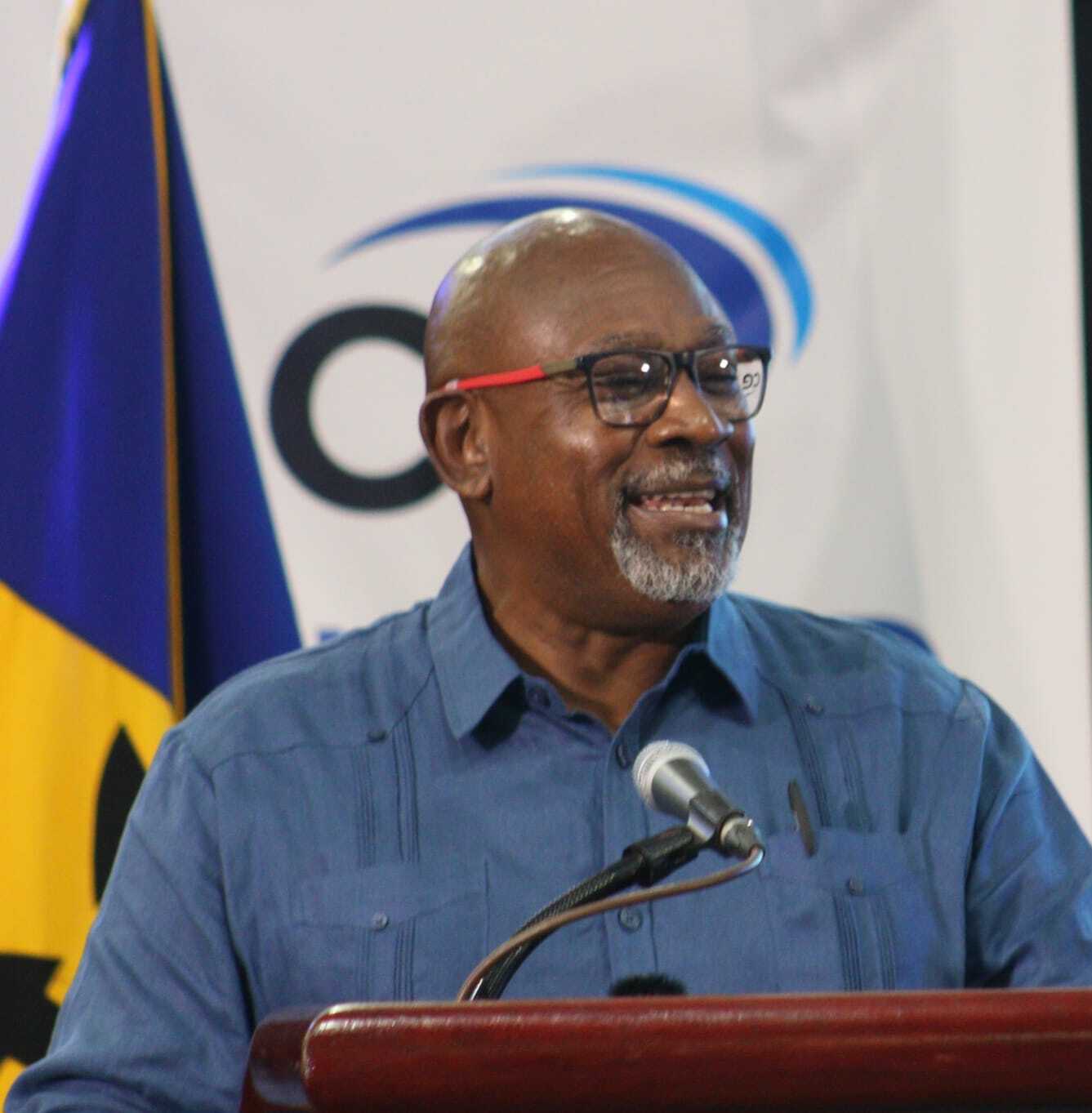
    Acting Chief Agricultural Officer Michael James disclosed these significant developments to Barbados TODAY during the inauguration of a specialized workshop focused on papaya nutrition and pest management. The initiative represents a collaborative effort involving the Ministry of Agriculture, local farmers, the University of the West Indies (UWI), the Caribbean Agricultural Research and Development Institute (CARDI), and the Inter-American Institute for Cooperation on Agriculture (IICA), working in partnership with major agricultural input suppliers.

    The research specifically targets the devastating bunchy top disease that decimated Barbados’s once-thriving papaya industry. Unlike sudden agricultural collapses, the decline of papaya cultivation occurred gradually over decades. Barbados previously maintained commercial-scale papaya production, particularly during the 1970s and early 1980s, before the viral disease obliterated most orchards.

    By 2024, national production had deteriorated to such an extent that the island nation became heavily reliant on imports to satisfy domestic demand. This concerning dependency has catalyzed a renewed governmental and institutional push to revitalize papaya cultivation as an integral component of Barbados’s broader food security strategy.

    James explained the scientific challenge: “The major problem with the papaya industry in Barbados is bunchy top. It is a disease vectored by an insect, and the causal agent is, at this present time that we know, a bacterium, a fastidious bacterium.”

    The ministry initiated an extensive research project several years ago after agricultural scientists observed that certain trees demonstrated unexpected tolerance to the disease. “The whole idea was to get some of those seeds, get some other seeds that are around, and see how well they perform,” James elaborated. “You would like to get resistance… but really and truly we’re looking for tolerance, that it can tolerate the disease but still give you production.”

    Researchers have evaluated at least ten different varieties to date, with “one or two” demonstrating particularly promising tolerance levels. However, the most remarkable outcomes emerged when trials incorporated comprehensive integrated pest-management practices alongside the tolerant varieties.

    “They eventually can know the bunchy top,” James noted, “but you still managed to get some good yields, which is important… better than having to grow the crop and it coming down with the bunchy top and you’re not getting as much yield.”

    Both ministry experimental plots and participating farmers conducting off-site trials have successfully produced marketable yields using these integrated methods. The primary challenge now lies in achieving widespread farmer adoption of these techniques.

    James addressed the economic realities: “It can only do that if you have greater uptake with farmers. Farmers are in it to make a profit… so I think this workshop will go somewhere in assuaging those fears by saying: ‘Yes, we think if you follow this prescription, you can get yields that can give you a profit.’”

    While acknowledging that papaya cultivation with these new methods demands more intensive management than other crops—requiring meticulous attention to nutrition, field conditions, and pest control—James emphasized that the potential returns justify the additional effort.

    “It is worth it,” he asserted, referencing planning unit data indicating that Barbados imported approximately 44,000 to 47,000 kilograms of papaya last year—equivalent to an entire acre’s yield. “We don’t have to import it, or we might reduce the imports, if you get persons more interested.”

    The crop’s exceptional nutritional profile and culinary versatility further strengthen the argument for industry expansion. “It can be used as a fruit; it can be used as a vegetable,” James highlighted.

    Allister Glean, IICA Representative, appealed directly to Barbadians to support the agricultural revival through conscious consumption choices. “How many of you all are deciding, ‘I am going to eat papaya?’” he challenged attendees during the opening ceremony. “We talk about food security… but if we really want to be independent, then we have to consider food security as a key tenet to that overall independence.”

    Glean outlined the committee’s objective to “resuscitate the industry” and encourage both agricultural producers and consumers to embrace locally grown papaya as part of a national effort to reduce dependency on imported fruits.

    “We need a cadre… a troop… a platoon of farmers who are willing to carry along the cause,” he stated, applauding participants. “This information is what will lead to transformation. Knowledge equates to power.”

    The two-day workshop convenes researchers, farmers, agronomists, extension officers, and regional agencies in a coordinated effort to stabilize production and reestablish papaya as a viable commercial agricultural option for Barbados.

  • FAI-directeur aangehouden op verdenking van malversaties

    FAI-directeur aangehouden op verdenking van malversaties

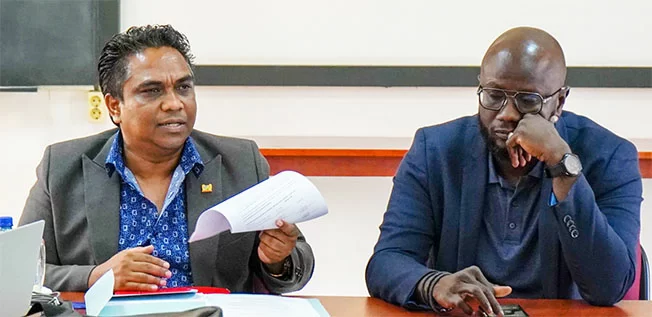
    Suriname’s state-owned agricultural enterprise Food and Agriculture Industries (FAI) N.V. is confronting a severe financial crisis with accumulated debts reaching $22 million, prompting emergency government intervention. Operations Director Nitesh Ramlakhan has been arrested following allegations of financial misconduct, while General Director Permila Bissumbhar remains suspended—both under criminal investigation for suspected corruption and violation of national anticorruption laws.

    The Ministry of Agriculture, Livestock, and Fisheries (LVV) disclosed that despite approximately SRD 200 million in government subsidies over five years, FAI now faces critical liquidity shortages preventing payment of employee wages and essential operational expenses. Minister Mike Noersalim convened an urgent meeting with stakeholders including parliamentary representatives, union leaders, and board members to address what he described as “an extremely dire situation.”

    Investigations reveal multiple systemic failures: export operations to Barbados and Trinidad & Tobago have been suspended due to unpaid logistics contracts, while production has plummeted to 200 hectares—far below the 350-hectare break-even threshold. Outdated irrigation infrastructure and forced reductions in fertilizer use have exacerbated production declines.

    Minister Noersalim confirmed evidence of unauthorized asset sales, including non-seaworthy containers sold below market value, and salary increases implemented without board approval. With $8.5 million owed to Hakrinbank alone, the minister has initiated emergency talks with financial authorities to prevent collapse. “We cannot continue this way,” Noersalim stated, emphasizing government commitment to restoring FAI as Suriname’s banana sector leader through transparent restructuring.

    Stakeholders have pledged collaborative efforts to reduce debt burdens, revitalize production, and restore operational viability. The coming weeks are deemed critical for preserving export markets and ensuring the company’s survival.

  • Surge in Christmas food imports ‘possible’ after floods

    Surge in Christmas food imports ‘possible’ after floods

    Barbados confronts potential disruptions to its Christmas food supply chain following recent flash floods that severely impacted agricultural production just weeks before the critical holiday harvest period. According to Tuesday’s statements from the Ministry of Agriculture, the extent of crop damage remains unquantified as field assessments continue across the island nation.

    Acting Chief Agricultural Officer Michael James provided cautious insights to Barbados TODAY, indicating that while some farming operations experienced significant setbacks from the flooding, others emerged relatively unscathed. The destructive waters particularly affected vulnerable vegetable crops including cucumbers, peppers, tomatoes, and young seedlings, while root vegetables such as sweet potatoes and yams demonstrated greater resilience due to their underground growth patterns.

    The ministry emphasized that any predictions regarding import requirements remain premature until comprehensive data collection concludes. Agricultural officers have been conducting intensive field evaluations over multiple weeks to accurately determine production losses. James specifically noted that farmers typically increase planting in anticipation of heightened Christmas demand, suggesting that some market supplies might remain available despite the natural disaster.

    Beyond production concerns, authorities highlighted heightened regulatory vigilance during the holiday season. James issued stern warnings against unauthorized food imports, emphasizing that all fresh fruits, vegetables, and meat products must comply with Barbados’ strict import permit and certification requirements. These measures protect against potential plant and animal health threats that could accompany uncontrolled food imports.

    The ministry anticipates providing definitive guidance once final assessment data becomes available, urging both consumers and importers to adhere strictly to national food safety protocols during this period of agricultural uncertainty.

  • Surinamese police intercept fuel smuggled from Guyana

    Surinamese police intercept fuel smuggled from Guyana

    In a significant crackdown on cross-border crime, Surinamese law enforcement authorities have intercepted a substantial shipment of smuggled fuel originating from neighboring Guyana. The operation culminated in the arrest of a gas station proprietor in the Nickerie district, located near the strategic Corentyne River border.

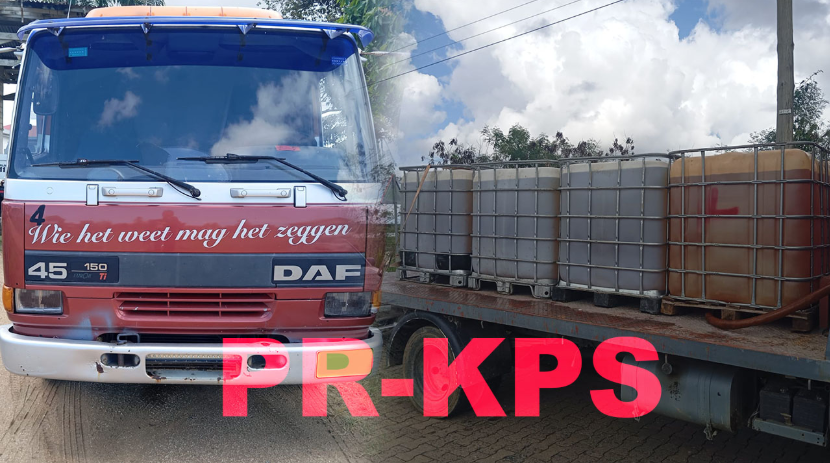
    According to an official statement released by the Suriname Police Corps, the interception followed a meticulously planned surveillance operation targeting illicit cross-border activities. Officers initially identified a truck loaded with fuel whose distinctive coloration matched specifications used exclusively in Guyana. The vehicle was initially spotted parked at a local gas station on Ramadhar Rajaramweg in the Corantijnpolder district.

    Police temporarily withdrew from the scene for preliminary assessments, but upon returning discovered the truck had been moved. Investigators immediately suspected the owner, identified as LR (36), had relocated the contraband to his secondary gas station facility in the Henar district. With coordinated assistance from Paradise police units, authorities successfully intercepted the vehicle on Ir. Mn. Ataoellahweg in Henar.

    The subsequent inspection revealed four large square barrels containing approximately 4,000 liters (nearly 880 imperial gallons) of illegal fuel concealed on the truck bed. Both the gas station owner and his employee, MM (39), who were present inside the vehicle, were promptly arrested and transported to Paradise police station for processing. The truck and its illicit cargo were impounded as evidence in the ongoing investigation.

    Following consultation with the Public Prosecution Service, the primary suspect has been remanded in custody pending further investigation, while his employee has been released. The case has now been transferred to the West Region Detective Department for comprehensive investigation, highlighting the seriousness with which Surinamese authorities are treating cross-border fuel smuggling operations.

  • AZP voert samen met Leiden en Den Haag 15 complexe neurochirurgische operaties uit

    AZP voert samen met Leiden en Den Haag 15 complexe neurochirurgische operaties uit

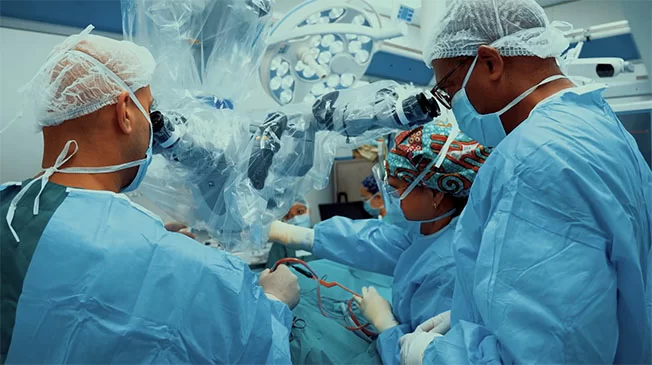
    Paramaribo Academic Hospital (AZP) has achieved a significant milestone in neurosurgical care through its seventh collaborative mission with Dutch medical specialists. From December 2nd, a joint team comprising neurosurgeons from Leiden, The Hague, and Suriname successfully performed fifteen complex brain and spinal procedures on patients with severe neurological conditions.

    The surgical interventions included advanced spinal reconstructions and delicate brain operations, with four pediatric cases among those treated. Several patients presented with existing neurological deficits, while others received preventive care to avoid impending damage. The mission featured a multidisciplinary approach that integrated expertise from maxillofacial surgeons from AZP, The Hague, and Utrecht University Medical Center.

    This ongoing partnership between Suriname’s neurosurgical program and the University Neurosurgical Center Holland has enabled increasingly sophisticated procedures to be performed locally. The collaboration has now progressed to training Surinamese medical professionals, with one candidate currently undergoing specialized training at the Dutch center.

    The surgical team was led by Professor W. Peul, working alongside Surinamese neurosurgeons Dr. H. Kort and Dr. R. Tjong Tjin Joe. They received operational support from Dutch neurosurgeons Dr. R. Nandoe Tewarie and Dr. W. Moojen for the brain surgeries. Critical assistance was provided by various AZP departments including operating theater staff, intensive care units, neurocare teams, and temporary Dutch operating room assistants.

    The Surinamese Ministry of Health provides structural support for this partnership, recognizing its vital role in developing local medical capabilities. The primary benefit remains that patients can now receive high-quality neurosurgical care within their own country, eliminating the need for expensive and logistically challenging medical referrals abroad.

  • Santo Domingo joins prestigious Assouline travel book series

    Santo Domingo joins prestigious Assouline travel book series

    NEW YORK – In a significant cultural achievement, the Dominican Republic has secured a position within the world of luxury travel publishing. Tourism Minister David Collado announced on Tuesday that the nation’s capital, Santo Domingo, is now featured in the exclusive Assouline book collection, marking a pivotal moment for the country’s international prestige.

    The official launch event, held in New York City, was presided over by Minister Collado and Alexandre Assouline, president of the eponymous publishing house. The gathering attracted prominent figures from the tourism sector, cultural commentators, and influential voices from the creative industries.

    Founded in Paris in 1994, Assouline has established itself as the definitive publisher of high-end, artisanal coffee-table books. Its collections are synonymous with luxury, chronicling iconic global destinations, legendary fashion brands, and artistic movements. These volumes are treated as collectible art objects, gracing the interiors of five-star hotels, exclusive boutiques, and private libraries worldwide. Inclusion in this curated series signifies a destination’s arrival on the global cultural stage, placing Santo Domingo in the company of the world’s most admired cities.

    Minister Collado articulated that the new volume is a tribute to ‘the essence, history, and elegance of the First City of the Americas,’ thereby highlighting its profound heritage and value as a premier tourist destination. Demonstrating immense anticipation, the book achieved a rare feat by selling out its inventory twice across all Assouline global stores ahead of its formal release—a testament, as Collado noted, to the surging international fascination with Dominican culture, history, and way of life.

    The project was brought to life through the editorial direction of Rossana Rivera, with critical contributions from Patricia Read, Manuel García Arévalo, Manuel García, and Juan Mubarack. Their collaborative efforts encompassed content development, meticulous visual curation, and narrative storytelling. This publication provides Santo Domingo with an unparalleled platform for global promotion, aligning seamlessly with the Ministry of Tourism’s strategic objective to enhance the nation’s profile within elite markets and the most exclusive luxury travel media.

  • CARICOM member states have lost tourism competitiveness- former CDB President

    CARICOM member states have lost tourism competitiveness- former CDB President

    A stark warning about the declining competitiveness of Caribbean Community (CARICOM) tourism sectors was issued by Professor Compton Bourne, former President of the Caribbean Development Bank. Speaking at a World Trade Centre Georgetown panel discussion on December 2, 2025, the renowned economist revealed that CARICOM member states are rapidly losing market share to non-CARICOM Caribbean destinations that offer superior infrastructure, more favorable tax regimes, and enhanced visitor experiences.

    Professor Bourne identified the Dominican Republic and Puerto Rico as primary beneficiaries of this shift, noting these nations have dramatically expanded their tourism infrastructure through modernized hotels, improved transportation networks, and diversified tourism products emphasizing heritage attractions. Unlike CARICOM nations, these competitors have implemented significantly lower taxes and levies that directly impact stay-over visitors, creating substantial price advantages.

    The economist criticized CARICOM governments for prioritizing revenue collection over tourism sector growth, noting that intra-regional travel faces particularly heavy taxation. “The behavior of governments is like if the tourism demand is not price sensitive so that you can simply add taxes to the product and people will buy the same quantity. That is not so. They shift to other destinations,” Bourne stated, revealing he had previously delivered similar warnings to CARICOM Heads of Government.

    For emerging tourism destinations like Guyana, Professor Bourne recommended strategic positioning as a “product innovator” leveraging its unique biodiversity. He emphasized that success requires addressing critical infrastructure gaps including quality accommodations, efficient internal transportation, rest stops, and multilingual guides capable of serving non-English speaking visitors from South America and Latin America.

    Additionally, Bourne proposed developing virtual exports of entertainment and sports as lucrative alternatives to traditional tourism. He stressed that successful online delivery would require reliable technological infrastructure, strict adherence to scheduling, and high-quality production standards to compete effectively in digital marketplaces currently constrained by physical venue limitations.