作者: admin

  • Pringle Urges Change, Browne Promotes Strong Leadership in Final Appeal to Voters

    Pringle Urges Change, Browne Promotes Strong Leadership in Final Appeal to Voters

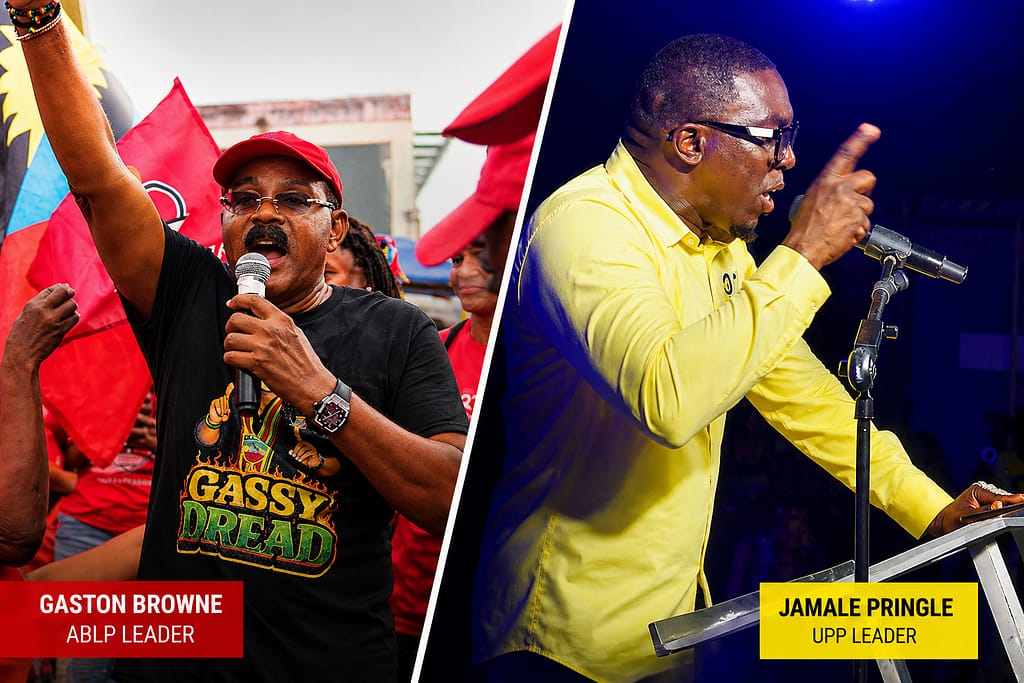
    As Antigua and Barbuda prepares to head to the polls for its critical general election, the nation’s two leading political forces have laid out starkly competing visions for the country’s future in last-ditch appeals to the electorate. On the eve of voting, opposition leader Jamale Pringle of the United Progressive Party (UPP) framed the upcoming ballot as a once-in-a-five-year opportunity to reverse what he calls a 12-year downward trajectory under the incumbent administration, while sitting Prime Minister Gaston Browne of the Labour Party is begging voters for a second term to build on the national “renaissance” his government claims to have already delivered.

    In a pre-election video address published Wednesday, Pringle positioned the 2023 election as a defining turning point that will touch every corner of voters’ daily lives, from household grocery bills to the quality of public infrastructure and accessible healthcare. “Tomorrow… may be your last opportunity for five years to determine the future of this nation,” Pringle told the public, urging every eligible citizen — particularly undecided voters and those planning to skip voting — to show up to their polling stations and make their voices heard.

    Pringle leaned into widespread voter frustration, acknowledging that large swathes of the population have been left “deeply disappointed” over the 12 years of Labour Party rule, with many facing declining personal finances and worsening economic mobility. He listed a litany of grievances that have eroded public trust: crumbling road networks, inconsistent access to clean drinking water, a steady rise in violent and petty crime, and the skyrocketing cost of living that has stretched household budgets thin. All these issues, he argued, are clear proof that a change in leadership is long overdue.

    Beyond domestic failures, Pringle also called out what he framed as governance missteps that have damaged Antigua and Barbuda’s standing on the global stage. He pointed to strained diplomatic relations with key international partners and emerging financial risks that threaten the nation’s economic stability, arguing that these challenges are “not accidental circumstances” but the direct outcome of poor policy choices by the Browne administration.

    Making his pitch for the UPP, Pringle highlighted the party’s proven track record in past government roles, noting that the party has previously inherited complex national challenges and managed them effectively. He urged voters to “vote against the situations that hinder your progress and the behavior that threatens democracy,” while calling on supporters to back the UPP and hold the party accountable if it fails to deliver on its pledges to boost living standards and drive inclusive national development. To counter doubts about the opposition’s readiness to govern, Pringle emphasized the “education, experience, competence, and the character” of the UPP’s full slate of candidates, framing the team as uniquely prepared to tackle the nation’s most pressing issues.

    Meanwhile, during his final pre-election televised address, Prime Minister Browne made the case that his sitting administration has already delivered tangible, measurable progress for Antigua and Barbuda, and deserves another term to deepen those gains. Centering his re-election campaign on a theme of national renewal, Browne argued that the country is already in the midst of a transformative renaissance, pointing to sustained economic growth, large-scale infrastructure upgrades, and expanded social programs as proof of positive change under his leadership. “We are already in the Renaissance,” he said, adding that continued investment in physical infrastructure and human development would unlock the “blossoming of our nation” and lift living standards for all citizens.

    Browne highlighted improvements across key economic metrics, including steady GDP growth, record low unemployment, and improved fiscal performance. He claimed his administration has strengthened the country’s overall financial position and steadily reduced economic inequality over its term. He also pointed to signature policy initiatives including subsidized affordable housing, broad duty waivers on essential goods, and expanded social safety net programs, all part of a broader push to distribute national wealth more equitably and improve quality of life for all Antigua and Barbudans.

    Looking ahead to a second term, Browne laid out key policy pledges: his government would raise the national minimum wage and work toward implementing a full “livable wage” for all workers, while continuing critical subsidies to shield domestic consumers from volatile global price hikes. He argued that ongoing economic expansion, backed by billions of dollars in committed domestic and foreign investment projects, will create thousands of new jobs and solidify Antigua and Barbuda’s position as an economic and political leader across the Caribbean. Browne also pushed back against claims of exclusionary governance, emphasizing that his administration’s popular policies — from duty waivers to social support — have been distributed evenly to all citizens regardless of their political party affiliation.

    These sharply contrasting closing messages highlight the stark choice facing voters as they head to the polls on election day. After more than a decade of Labour Party rule, voters must decide whether to align with the opposition’s call for sweeping change after years of perceived decline, or endorse the incumbent’s argument that its policy framework has already laid a strong foundation for continued growth and shared prosperity. The closely contested election, which will set the country’s political direction for the next five years, will see voters deliver their verdict today.
  • Uncertainty over Venezuela

    Uncertainty over Venezuela

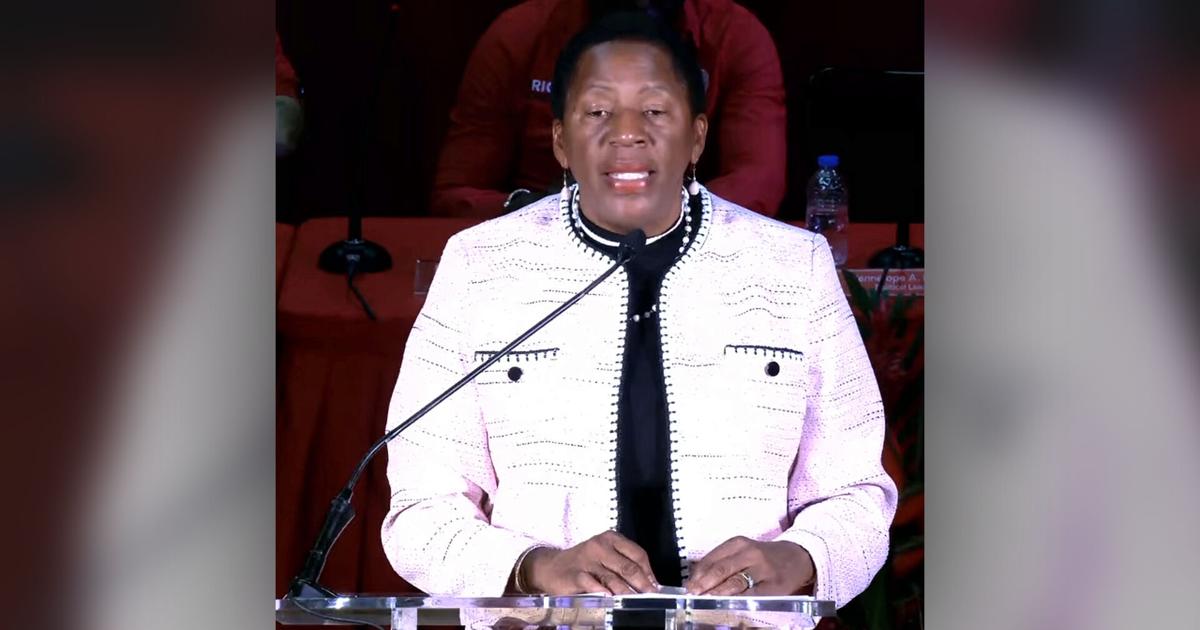
    In a sharp rebuke of Trinidad and Tobago’s ruling United National Congress (UNC) administration, People’s National Movement (PNM) political leader Pennelope Beckles has raised alarms over the rapidly deteriorating diplomatic relationship between the twin-island nation and neighboring Venezuela, arguing that the fractured bilateral ties are directly undermining the country’s ability to lock in critical energy contracts that underpin its economy.

    Speaking at a “State of the Economy” political gathering hosted at Port of Spain’s City Hall Monday night, Beckles emphasized that strained cross-border relations have severely eroded Trinidad and Tobago’s negotiating leverage at a moment when the energy sector remains the backbone of the country’s public revenue, export earnings, and overall economic stability. She told attendees that growing uncertainty around official engagement with Caracas has slowed progress on high-priority cross-border energy initiatives, most notably the long-planned Dragon gas project.

    Beckles called out the current government for inconsistent public messaging around the status of the Dragon gas development, criticizing its clumsy handling of international diplomacy. She noted that nearly 12 months have passed since Prime Minister Kamla Persad-Bissessar announced the securing of a new Office of Foreign Assets Control (OFAC) license and the revival of the Dragon gas deal, yet administration officials have still not been able to conduct official visits to Venezuela to advance the project. She contrasted this inaction with progress under the previous PNM administration, recalling that former energy minister Stuart Young made repeated trips to Caracas to lay the critical groundwork for the agreement.

    “They say the Dragon gas deal is dead, they repeat it over and over, but imagine they are so bold-faced and have no shame. All of a sudden the same deal they said was dead they supposedly revived,” Beckles said, accusing the current administration of taking credit for diplomatic and technical progress achieved by the previous government while simultaneously dismissing those past efforts.

    She also reiterated criticism of Persad-Bissessar’s past confrontational approach to Venezuela, noting that the prime minister’s aggressive, undiplomatic attacks on the Venezuelan government led to her being declared persona non grata. “Be careful how you bad talk people,” Beckles warned.

    Turning to the broader health of Trinidad and Tobago’s economy, Beckles underscored the outsized role the energy sector plays in sustaining national livelihoods, breaking down its contribution to key economic metrics: it accounts for one-third of total government revenue, one-fifth of overall gross domestic product, and roughly 80 percent of the country’s total export earnings. “Without the benefits of the energy sector we would not enjoy the lifestyle we have come to take for granted,” she said.

    Beckles stressed that Trinidad and Tobago’s entire economic model is built around natural gas, with upstream extraction feeding a robust downstream industrial sector that includes some of the largest petrochemical facilities in the Caribbean and Latin America. This industrial estate model, she noted, relies entirely on stable, long-term access to natural gas supplies.

    Against this backdrop, she explained, declining production from maturing domestic gas fields has put growing pressure on the sector, making strategic cross-border partnerships and binding international energy agreements more important than ever. Production volumes have dropped sharply from historic highs, she said, while proven domestic reserves continue to decline, creating an urgent need to develop new supply sources like the Dragon field off Venezuela’s coast.

    Beckles also criticized what she described as repeated attempts by the ruling administration to misrepresent the true state of the energy sector, arguing that political messaging often disregards hard technical realities around declining production and shrinking reserves. She closed by noting that previous negotiations under the PNM administration had strengthened Trinidad and Tobago’s standing in the global energy market, securing more favorable pricing structures and expanded participation in liquefied natural gas operations that benefit the entire nation.

  • Kamla warned about fallout over Trump

    Kamla warned about fallout over Trump

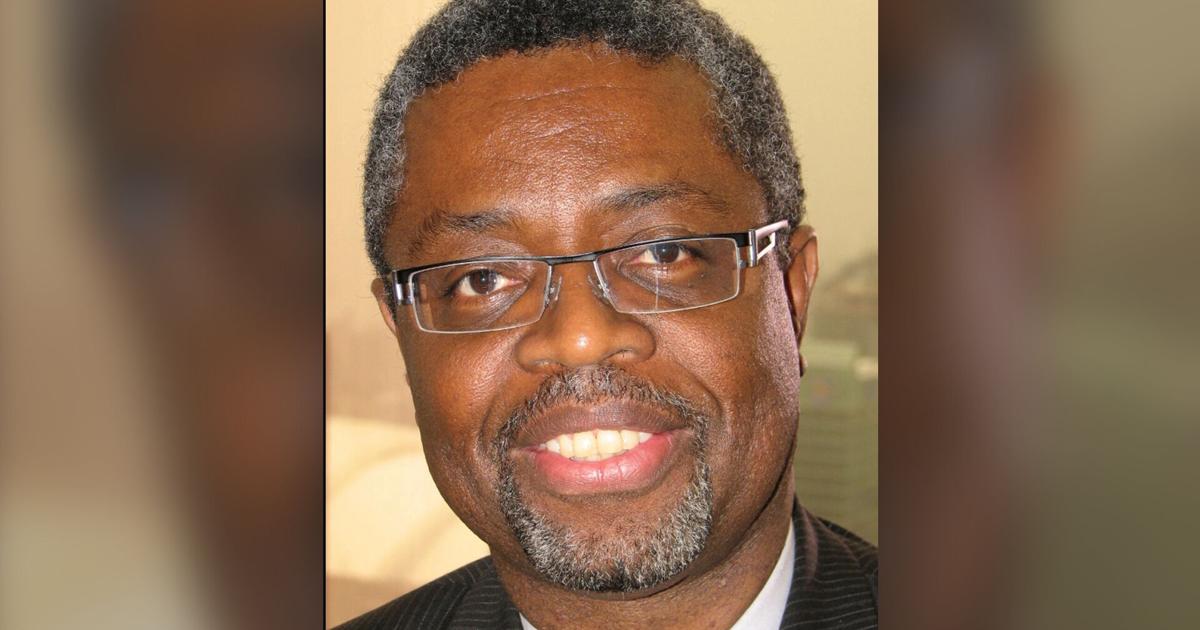
    Against the backdrop of shifting global political tides, a leading international relations scholar has sounded a urgent alarm over the strategic choices shaping Trinidad and Tobago’s foreign policy. Dr. Andy Knight, speaking at the weekly Movement for Social Justice (MSJ) Tuesday Talk forum hosted by MSJ leader David Abdulah, argued that the current close alignment of Prime Minister Kamla Persad-Bissessar’s administration with U.S. President Donald Trump carries significant long-term risks that the small Caribbean nation cannot afford to ignore.

    At the core of Knight’s warning is the unpredictable nature of American political cycles, which stand in sharp contrast to the stable long-term relationships small states depend on for their security and economic prosperity. “Right now, we see one or two Caricom nations tying their fate to a sitting U.S. president, but leaders in these capitals need to remember that no presidential term lasts forever,” Knight explained. He noted that even before the next presidential election, midterm congressional shifts could easily turn the sitting president into a lame duck, drastically limiting their ability to deliver on any informal or formal commitments made to Caribbean allies.

    For a country like Trinidad and Tobago, which relies heavily on consistent, mutually respectful diplomatic ties to sustain its trade and security, this overalignment could leave the nation exposed when the inevitable leadership change occurs in Washington. “When you hitch your entire wagon to a single president, you set yourself up for long-term harm,” Knight emphasized. “If a new administration takes power in the next U.S. election, your close ties to the previous president could leave you on the wrong side of Washington, with few paths to repair the damage. That’s an existential threat for a small state that can’t afford to burn diplomatic bridges.”

    Knight also pointed out growing unease across the Caribbean Community (Caricom) over Trinidad and Tobago’s close adoption of U.S. security priorities, noting that regional rifts have already begun to emerge. One high-profile example he cited was Venezuela’s decision to suspend energy cooperation with Trinidad and Tobago shortly after a U.S. warship was deployed to the region, a move that illustrates how quickly alignment with a major power can trigger damaging diplomatic and economic tension with neighboring states.

    This reality, Knight argued, underscores the need for Trinidad and Tobago to prioritize both major power relations and regional integration. The nation maintains extensive trade and people-to-people ties across the Caribbean, and a breakdown of those relationships would carry severe economic and political consequences. “The smarter long-term play is to align your national interests with your Caribbean neighbors,” he said. “If regional partners grow frustrated with your choices and scale back cooperation, Trinidad and Tobago will find itself in an extremely difficult position.”

    Adding another layer of risk is Trump’s well-documented unpredictability, Knight argued. Even in the short term, there is no guarantee that the current favorable alignment will hold: “We have no certainty that this president will maintain his support for Trinidad and Tobago, given how fickle he has proven to be. He can reverse course on past allies in an instant, which would leave the nation isolated almost overnight.”

    Instead of tying the nation’s future to Washington, Knight argued that all Caribbean states should pursue a more balanced, independent foreign policy that preserves regional autonomy and unity. “We shoot ourselves in the foot when we tie our entire future to one individual or one single administration,” he said. “The entire region needs to think strategically about how to protect its sovereignty, strengthen regional cohesion, and avoid being left vulnerable when the inevitable shifts in global politics occur.”

  • Man to hang for killing wife, infant

    Man to hang for killing wife, infant

    In a landmark judge-alone trial held this week, a 31-year-old Barrackpore resident has been handed the ultimate capital punishment for the brutal 2024 murders of his separated common-law wife and their 14-month-old child. Rishi Motilal, who also goes by the street alias “Cook Meat”, was found guilty on two separate counts of premeditated murder by Justice Nalini Singh on Monday, who formally sentenced him to death by hanging.

    The guilty verdict follows the prosecution’s thorough presentation of evidence connecting Motilal to the fatal October 8, 2024 attack that claimed the lives of 31-year-old Tara “Geeta” Ramsaroop and the couple’s young daughter, Shermaya Motilal. Court proceedings laid out a grim timeline of the violence, which erupted inside Motilal’s Rig Road residence after a routine argument between the estranged couple escalated to lethal force. Per the case presented by the State, Motilal first assaulted Ramsaroop with an iron pipe before retrieving a cutlass, which he used to repeatedly slash his victim before cutting her throat. After killing Ramsaroop, he turned the weapon on their defenceless toddler to end her life as well.

    Following the attack, Motilal fled the scene in a blue station wagon owned by a relative of Ramsaroop’s new romantic partner. Investigators later located the vehicle torched and abandoned in a dense, bushy terrain off Rochard Road in Penal, a finding that Motilal did not contest. He also entered a guilty plea for the charge of malicious property damage related to the arson, for which he was sentenced to time already served behind bars leading up to the trial.

    A core pillar of the prosecution’s case rested on first-hand testimony of Motilal’s own confessions delivered immediately after the killings. Both his mother, Farisha Mohammed, and sister-in-law, Gayatri Motilal, told the court they received phone calls from a distraught Motilal, who openly admitted to carrying out the double homicide. An independent civilian witness corroborated this account, confirming that Motilal had made a similar admission to them as well.

    In an effort to reduce the charges against his client, Motilal’s defence team mounted a provocation defence, arguing that the killings were not premeditated. Motilal testified that Ramsaroop’s comment that he would never be allowed to see their children again pushed him over the edge, saying he fell into a “dark hole” and could not clearly remember the sequence of events that followed. His legal team urged Justice Singh to reduce the charges from murder to manslaughter on these grounds.

    Justice Singh ultimately rejected the defence’s argument, pointing to multiple pieces of evidence that proved Motilal acted with clear, deliberate intent to kill. She noted that the sequence of events—from Motilal choosing to arm himself with two separate weapons to the brutal nature of the injuries inflicted—demonstrated premeditation rather than a sudden, uncontrollable outburst of rage. She further highlighted Motilal’s own statement to police, in which he explained he killed the infant to prevent her from “suffering” without her mother, as additional confirmation that he made a calculated choice rather than acting out of uncontrolled passion. The judge emphasized that the deliberate manner of the child’s killing left no room for any finding other than intentional murder.

    The prosecution team was led by barristers Dylan Martin, Josiah Soo Hon and Khi Cambridge, while Motilal was represented throughout the trial by defence attorneys Stephen Wilson and Ayanna Norville-Modeste.

  • ‘HEAT’ OVER WATER

    ‘HEAT’ OVER WATER

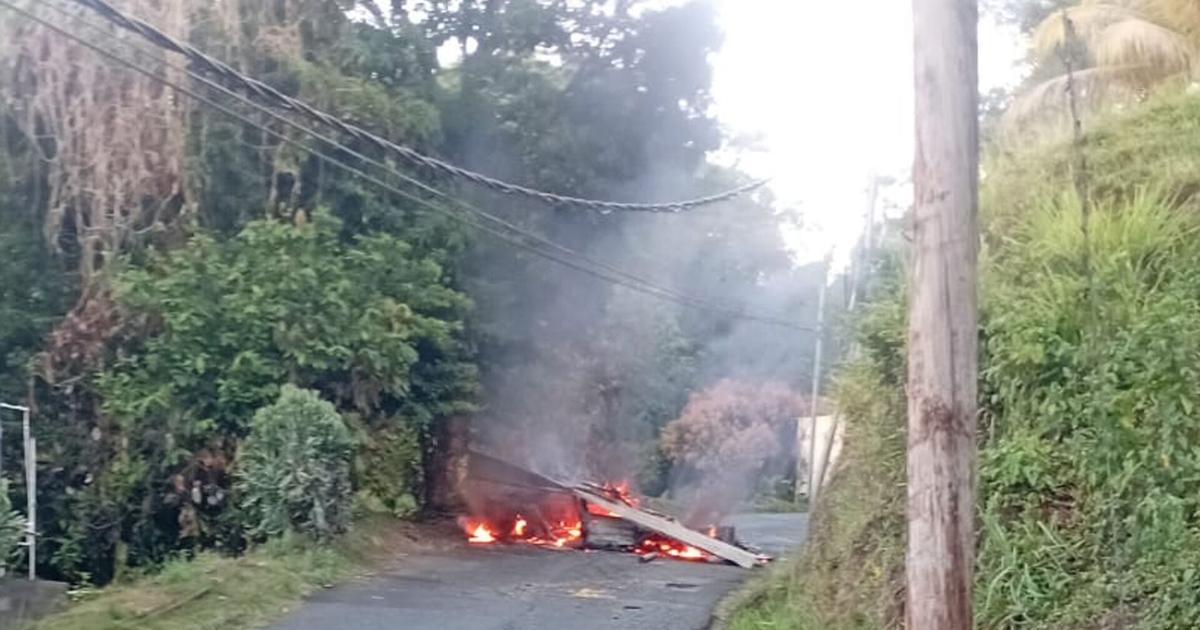
    A simmering public grievance boiled over into direct action in the quiet coastal village of Castara, Tobago, on Wednesday, when angry residents ignited debris, blocked key local roads, and demanded urgent intervention to resolve a debilitating month-long disruption to their piped water supply. For weeks, the community has endured inconsistent or completely absent water access, forcing households to ration stored reserves and rely on unregulated alternative sources to carry out even the most basic daily tasks, from cooking to cleaning.

    Renrick Jackson, a long-time Castara resident and one of the organizers of the demonstration, told reporters that the community’s patience had run out after repeated unaddressed complaints to local water officials. “We are exhausted and fed up with this ongoing neglect,” Jackson said during the protest. “We took to the streets today to make our voices heard, and if this issue is not resolved as quickly as possible, this will not be the last you see of us. The disruption has upended every part of our lives – families are being forced to reallocate water set aside for farm and livestock just to drink and cook, simply because there is no other option.”

    Residents specifically point to unaddressed leaks along the local transmission line and inconsistent, unfair distribution as the core of the crisis. Omari Solomon, another hillside resident, explained that geographic inequity has exacerbated the problem for households located at higher elevations. “Water does make it to some parts of the village, but it all goes to low-lying, flat areas,” Solomon said. “The problem is simple: WASA technicians are supposed to adjust the valve and pressure line to get water up the hill, but they never show up when they say they will. Most of us up here have gone weeks without consistent running water.” Jackson added that WASA crews have been observed driving past the known leaks daily for weeks without stopping to make repairs, leaving residents feeling completely ignored.

    Shortly after the protest began, local and national officials acknowledged the crisis and outlined steps to resolve the issue. Minister of Public Utilities Barry Padarath confirmed that the community’s demands had been escalated to his office, noting that cross-island logistical delays had held up critical repair work for weeks. “We have been struggling to transport heavy required equipment from Trinidad to Tobago to fix the faults that are straining the local distribution line,” Padarath explained. “But we have now secured assistance from the Tobago House of Assembly to source local heavy equipment while we wait for our mobilization from Trinidad to be completed.”

    To provide immediate relief to affected residents, especially those on elevated terrain where low pressure has cut off access entirely, Padarath added that additional emergency water trucking routes have been arranged, with service expected to be fully operational by the end of the protest day. Public Utilities Secretary Ricky Joefield also traveled to Castara on Wednesday to meet with residents and oversee the ongoing relief and repair efforts.

    In an official public statement released Wednesday, the Water and Sewerage Authority (WASA) confirmed it had launched an urgent response to the community’s concerns, noting that multiple leaks along the transmission line connecting the Bloody Bay Water Treatment Plant to Castara and surrounding areas had left high-elevation customers without consistent service for more than a month. The authority announced it had already deployed two water trucks to serve affected communities across Northside Tobago, including Castara and neighboring Parlatuvier, while repair teams worked to seal active leaks across the network.

    WASA officials explained that while a major pressure-reducing leak was successfully repaired on Saturday, unforeseen electrical and mechanical failures at Bloody Bay Well #1 on Monday extended the service disruption. Full restoration of the water system was projected to be completed by 2 a.m. Thursday. The authority also implemented a temporary scheduled water distribution program for high-elevation areas to ensure fair access while final repairs are completed: high points in the Castara Housing Scheme will receive water from 6 p.m. to 6 a.m. Sunday through Wednesday and on Saturdays, while high points in Parlatuvier will receive daily scheduled distribution limited by overall system capacity.

    WASA has also deployed dedicated customer response and communications teams to the area to provide residents with real-time updates and address individual concerns. “We fully understand the deep inconvenience and frustration this extended outage has caused our customers, especially those in elevated areas, and we share the community’s sense of urgency,” the statement read. “We can assure all residents that every available resource is being deployed to stabilize the distribution network and restore a reliable, consistent water supply as quickly as possible.” Residents seeking additional information or emergency trucked water deliveries are encouraged to contact WASA’s 24/7 call center, operating three dedicated lines for the affected region.

  • Valle Nuevo National Park remains public, Environment Ministry clarifies

    Valle Nuevo National Park remains public, Environment Ministry clarifies

    SANTO DOMINGO – Recent circulating speculation around the privatization of the Dominican Republic’s iconic Valle Nuevo National Park has been formally debunked by the nation’s Ministry of Environment and Natural Resources, which confirmed the protected conservation area remains fully public and open to all visitors.

    Tourists and local outdoor enthusiasts can still access and explore the full expanse of the park by paying the standard RD$150 entry fee, the same rate that has been in place for general admission for years.

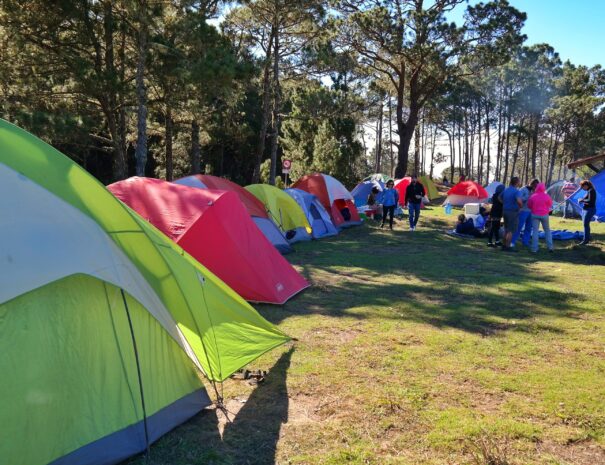
    The confusion stemmed from a newly implemented separate camping fee that applies exclusively to a newly zoned section of the park called the “Garden of Eden”, a purpose-built area designed specifically to organize and accommodate overnight camping stays. Ministry authorities explained that the new zoning and fee structure was created to address longstanding issues with unregulated camping, which had gone unmonitored for years and caused measurable harm to the park’s fragile native ecosystem.

    First launched in 2021, the zoned camping initiative was developed to advance the goal of sustainable recreation across the country’s protected areas. The Garden of Eden operates with low-impact infrastructure, integrated environmental education programming for visitors, and strictly controlled visitor capacity to limit ecological disruption.

    Officials emphasized that the site operates under an ecotourism concession model, a framework that permits licensed private operators to manage visitor services within the zone – but does not in any way transfer ownership of the public land to private entities. Valle Nuevo National Park remains fully public property under continuous government oversight, and the new camping model is just one part of a broader national strategy to improve conservation outcomes and visitor management across the Dominican Republic’s National System of Protected Areas.

    This concession model is not new to the country’s protected park network. Several other well-known Dominican conservation and recreation sites already operate under the same structure, including Cotubanamá National Park (which encompasses the popular tourist destination Saona Island), Catalina Island, and Damajagua Falls.

  • Saint Kitts and Nevis Government slashes import duties for fully electric vehicles

    Saint Kitts and Nevis Government slashes import duties for fully electric vehicles

    Basseterre, Saint Kitts – In a bold policy move designed to accelerate the Caribbean nation’s transition to low-carbon transportation, the government of Saint Kitts and Nevis has announced a 35-percentage-point cut to import duties on fully electric vehicles under four years old. The sweeping reduction, which will lower import taxes from 45 percent to just 10 percent, takes effect May 1, 2026.

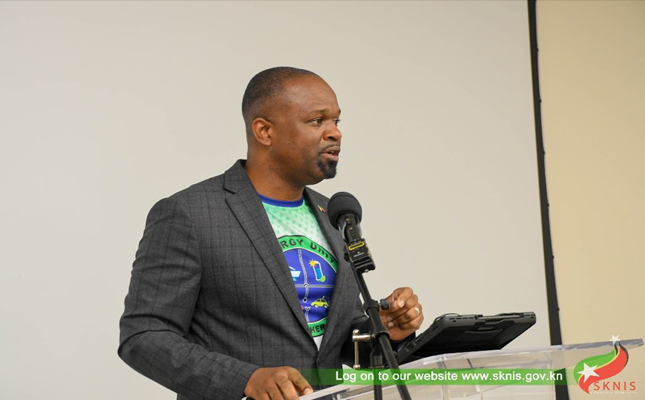
    Energy Minister Konris Maynard unveiled the new measure during an official launch ceremony for two groundbreaking national sustainability programs – Solar Integration for Sustainable Energy (SOLARISE) and Decarbonised Roadway Initiative for Vehicle Electrification (DRIVE) – held at the CUNA Conference Room on April 30.

    Maynard emphasized that the tariff cut is far more than a minor policy adjustment, framing it as a transformative shift for the country’s transportation and energy sectors. “This government is about accelerating the transition to electric mobility and electric vehicles,” he told attendees, noting that the steep reduction is intended to remove a key financial barrier to EV adoption for local residents and citizens.

    Beyond making the initial purchase of electric vehicles more accessible, Maynard – a personal EV owner himself – pointed to the ongoing financial benefits that come with electric transportation. Owners of EVs routinely see far lower costs for fuel, regular operation, and routine maintenance compared to drivers of traditional gas-powered vehicles, he explained.

    The policy forms a core part of the government’s broader long-term strategy to build a more resilient national energy system, modernize the country’s transportation infrastructure, diversify the local economy, and position Saint Kitts and Nevis to compete effectively in an increasingly decarbonized global economy.

    The launch of both the SOLARISE and DRIVE initiatives, along with the accompanying tariff cut, drew full high-level support from the national Cabinet, including Prime Minister Dr. Terrance Drew, Deputy Prime Minister Dr. Geoffrey Hanley, Tourism Minister Marsha Henderson, Sustainable Development Minister Dr. Joyelle Clarke, and Social Development Minister Isalean Phillip. This cross-government backing signals the country’s unified commitment to advancing its climate and sustainability goals.

  • Public Works announces temporary closure of Tiradentes Avenue overpass

    Public Works announces temporary closure of Tiradentes Avenue overpass

    A major infrastructure upgrade project in Santo Domingo is set to trigger a temporary full traffic shutdown on a key urban overpass, with local transportation authorities releasing detailed timelines and contingency context for the upcoming disruption.

    The country’s Ministry of Public Works and Communications confirmed that the overpass linking two of the city’s busiest thoroughfares, Tiradentes Avenue and 27 de Febrero Avenue, will be closed to all vehicle traffic starting at 10:00 p.m. on Saturday, May 2. The shutdown will extend through the weekend, with the overpass scheduled to reopen to motorists by 4:00 a.m. the following Monday.

    In a public statement addressing the closure, project leaders noted that the decision to concentrate all rehabilitation work within an overnight weekend window was a deliberate strategic choice. By scheduling the entire intervention during off-peak hours, authorities aim to strike a balance between advancing critical infrastructure updates and limiting the impact of the shutdown on the city’s daily commuting routines. This timing also creates a safer working environment for construction crews carrying out rehabilitation tasks, while reducing the risk of accidents that could occur if work progressed alongside active heavy traffic.

    Public works officials acknowledged that even with the carefully planned weekend timing, the temporary restriction will likely force thousands of regular drivers to adjust their travel routes over the closure period. However, they stressed that the long-term benefits of the project far outweigh the short-term inconvenience. The ongoing rehabilitation work is designed to address aging infrastructure, boost overall road safety for all users, extend the service life of the overpass, and improve the long-term functionality of this key urban connection for years to come.

  • Gonsalves attempts to use IMF report to rally ULP supporters

    Gonsalves attempts to use IMF report to rally ULP supporters

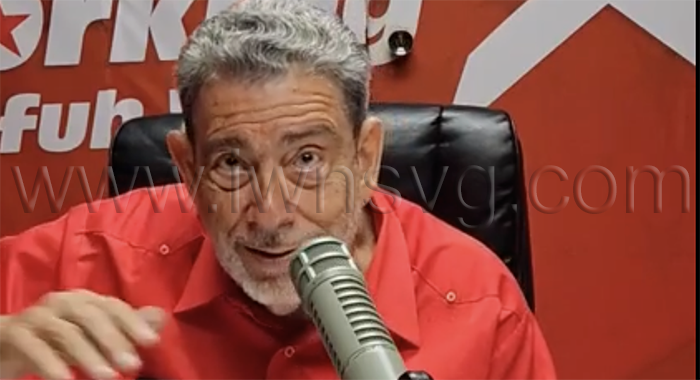
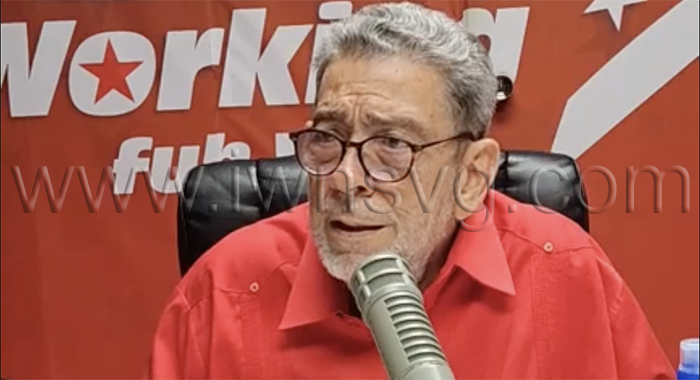
    Five months after the Unity Labour Party (ULP) ended its 24-year consecutive rule over St. Vincent and the Grenadines (SVG), veteran opposition leader and former prime minister Ralph Gonsalves is leveraging a newly released International Monetary Fund economic assessment to mobilize his base and push for an early reversal of the electorate’s decision. The 80-year-old leader, who remains head of the ULP despite the party’s historic electoral defeat, laid out his political campaign in an hours-long broadcast on the ULP-owned Star Radio’s popular “Morning Comrade” show Wednesday.

    In the December 2024 general election, the New Democratic Party (NDP) secured the most lopsided electoral victory in SVG since 1989, beating the ULP by more than 10,000 popular votes. The election saw a dramatic shakeup within the ULP: while Gonsalves retained his own parliamentary seat, both his son Camillo Gonsalves, the former finance minister, and Saboto Caesar, former agriculture minister and a leading contender to succeed the elder Gonsalves, lost their seats. With former deputy leader Montgomery Daniel, 70, retiring from politics last year, the ULP has not yet filled the deputy leadership position after delaying a vote at its 2022 convention.

    On Tuesday, one day before Gonsalves’ broadcast, sitting Prime Minister Godwin Friday upheld his pledge to government transparency by hosting a joint press conference with the Washington-based IMF team to announce the preliminary findings of the fund’s annual Article IV Consultation, a routine assessment SVG completed during every ULP administration. Friday confirmed that while the IMF identified a need for targeted economic reform, his NDP government will develop a locally led economic stabilization program that centers national ownership of the recovery process. He also emphasized that policy adjustments will prioritize protecting the country’s most vulnerable vulnerable populations from hardship. The full IMF staff report and executive board concluding statement are expected to be published at a later date, with additional detail on the fund’s full assessment and policy recommendations.

    Gonsalves seized on the consultation results to frame the new government’s economic approach as illegitimate, arguing that voters made a mistake when they ousted the ULP after more than two decades in power, and now have a political duty to correct that error as quickly as possible. He positioned the conflict as a clear clash of competing economic visions: rejecting what he called the IMF and NDP’s “austerity message,” he argued that the ULP’s platform prioritizes prudence, enterprise, and inclusive growth that benefits all segments of SVG society. Gonsalves called on all ULP party bodies, from constituency councils to national leadership, to activate immediately, announcing that a national council meeting is scheduled for next month to lay the groundwork for the ULP’s return to power.

    This is not the first time in less than a month that Gonsalves has leveraged a current policy debate to rally ULP supporters. Earlier in February, he mobilized opposition to a proposed constitutional amendment put forward by the NDP, framing the change as a self-serving “insurance policy” the governing party introduced to counter the ULP’s ongoing election petitions, which challenge the eligibility of Friday and Foreign Affairs Minister Dwight Fitzgerald Bramble over their dual Canadian citizenship. Friday responded that the amendment will be referred to a parliamentary select committee, and no floor vote or debate will be held until broad public consultation is completed.

  • Gonsalves rejects IMF proposals, embraces statements favourable to ULP

    Gonsalves rejects IMF proposals, embraces statements favourable to ULP

    A sharp political debate has erupted in St. Vincent and the Grenadines after the International Monetary Fund presented its annual economic assessment to the island nation’s new five-month-old administration, drawing fierce criticism from the former ruling party leader who claims the proposed austerity measures will disproportionately harm low-income workers and the growing middle class.

    Ralph Gonsalves, head of the Unity Labour Party (ULP), stepped into the fray shortly after the IMF concluded its 2026 Article IV consultation — the Fund’s mandatory annual economic health check for member states — with a public press conference hosted in Kingstown on Tuesday. The ULP, which held power for 25 consecutive years, was ousted in the November 2025 general election, winning just one of 15 parliamentary seats against Prime Minister Godwin Friday’s New Democratic Party (NDP).

    Gonsalves argues that the IMF’s proposed austerity framework directly contradicts the fiscally prudent, growth-focused economic philosophy his administration advanced during its time in office. “The main issue is they want to impose an austerity programme, which is a wrong and dangerous idea,” Gonsalves stated in his response to the Fund’s recommendations. He warned that the policies, which the IMF is pushing the young NDP government to adopt, would deepen poverty for the nation’s most vulnerable residents and reverse economic gains that lifted many working-class people into the middle class. “Those who are poor it gonna make you poorer… Those who came out of poverty and into the middle class it will drag you down, back into poverty,” he added.

    The Tuesday press conference marked a break from long-standing practice in SVG: for the first time, the IMF’s mission chief for the country presented the Fund’s conclusions directly to the public, rather than having findings filtered through the sitting administration’s partisan framing — a norm that prevailed during Gonsalves’ two-and-a-half decades in office. Prime Minister Friday, who also serves as the nation’s finance minister, spoke before IMF Mission Chief Sergei Antoshin at the event, framing the public presentation as a core commitment of his new government to open governance.

    Friday emphasized that the Article IV consultation is a necessary, routine process that his administration takes extremely seriously. “We have to deal with situations as they are, not as we would like them to be,” he noted, adding that his government is prepared to address the nation’s economic challenges with honesty and pragmatism, prioritizing the best interests of all Vincentians. Having held office for just five months, Friday reiterated that his administration campaigned on a pledge of transparency, saying the public press conference is part of a broader commitment to keep citizens informed of every major policy challenge and decision the government faces. “Today’s session is a part of that process of engaging with the people of this country on important matters that confront them,” he said.

    But Gonsalves took issue not only with the substance of the IMF’s recommendations, but also with Friday’s decision to share the stage with Antoshin. The former prime minister claimed he never invited an IMF mission chief to appear alongside him at a public press conference during his tenure, arguing that Friday’s move amounts to the NDP leader hiding behind the Fund to push unpopular “bitter medicine” on the Vincentian public. Gonsalves accused the NDP government of a “mentality of submission” to the IMF, rather than pursuing genuine dialogue and pushing back against harmful policy prescriptions when necessary.

    The debate has also centered on SVG’s long-running high debt burden, which the IMF has repeatedly flagged as a critical risk to economic stability. As of December 31, 2025, the nation’s total national debt stood at 3.5 billion Eastern Caribbean dollars, equal to an estimated 113% to 120% of gross domestic product, per World Bank calculations. Antoshin noted during Tuesday’s press conference that SVG has been classified at high risk of debt distress since 2016.

    Gonsalves, who served as finance minister for 17 of his 25 years as prime minister, defended his administration’s debt record, pushing back against framing that links the rising debt to reckless public spending. He cited Antoshin’s own comments that growing fiscal deficits were driven by post-disaster relief and reconstruction efforts, large public infrastructure projects, and rising current expenditures. Gonsalves clarified that the major construction projects completed under his administration included critical public assets: primary and secondary schools, coastal and riverine flood defenses, community clinics, a new national hospital, an upgraded port, an international airport, and a national sports stadium.

    He also disputed characterizations of the debt portfolio as overly expensive, noting that total debt sits at 3.3 billion Eastern Caribbean dollars, 2.1 to 2.3 billion of which is low-interest external debt, with less than 1 billion in domestic debt held primarily in government bonds. “When they’re talking about the debt … the bulk of the debt is cheap, overwhelmingly,” Gonsalves said. He added that his administration had already agreed on a framework with the IMF to gradually reduce the debt-to-GDP ratio to 60% to 65% by 2035, putting the nation’s debt on a sustainable long-term trajectory.

    Full details of the IMF’s assessment and policy recommendations are expected to be released publicly in the coming weeks when the Fund publishes its full Article IV staff report and Executive Board concluding statement.