作者: admin

  • Perfect scores for SEA trio

    Perfect scores for SEA trio

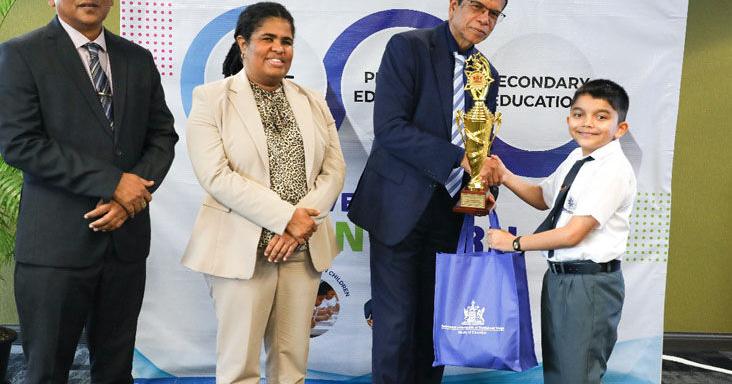
    A landmark achievement for Trinidad and Tobago’s primary education system was celebrated this week, as nine top-performing students from across the country were honored at an awards ceremony hosted by the Ministry of Education at its Port of Spain headquarters.

    Among the standout cohort, three students achieved a rare perfect 100% score on the 2026 Secondary Entrance Assessment (SEA), the national examination that determines placement for secondary school. While Ministry officials opted not to publicly rank the top nine awardees to avoid singling out individual students, Education Minister Dr. Michael Dowlath confirmed the three-way tie for first place, adding that the highest overall Composite Weighted Standard Score hit an exceptional 253.423. One of the perfect scorers, Shazana Mohammed of Debe Hindu School, publicly shared her full-mark achievement during her acceptance speech at the event.

    Senior education officials including Acting Permanent Secretaries Simone Williams and Keshore Lutchman, Chief Education Officer Dr. Peter Smith, and National Parent-Teachers Association (NPTA) president Walter Stewart joined the ceremony to congratulate the cohort. The nine honorees, called to the stage in alphabetical order to deliver remarks and collect their awards, are Katherine Ajodha (St Peter’s Private School), Amara Batan (Curepe Presbyterian), Shivan Khan (Caroni Hindu), Shazana Mohammed (Debe Hindu), Adam Ng Tang (Montrose Government), Liam Rajnauth (Trinidad Renaissance Preparatory), Ethan Ramlackhansingh (San Fernando TML), David Ramlakhan (Montrose Government), and Vivek Supersad-Maharaj (Munroe Road Hindu).

    Beyond the top individual performances, the 2026 SEA results reflect broad, encouraging gains across the entire national student body, Dowlath announced. A total of 17,509 students sat the examination this year, and across all subject areas, national mean scores improved from 2025 results. In Mathematics, the average score rose from 52.10 to 53.84; English Language Arts saw an increase from 66.70 to 68.66; and the writing component of the exam edged up from 11.25 to 11.57 out of a possible 20 points.

    These improvements extended across all performance tiers, the minister noted. This year, 70.73% of all test-takers (12,384 students) scored above the 50% benchmark, up from 66.18% (11,827 students) in 2025, meaning 557 more students crossed this key achievement threshold. Gains at the highest end of performance were even more striking: 670 students scored above 90% in 2026, compared to just 421 in 2025, a jump of 249 exceptional performers.

    “These results demonstrate that our collective efforts to strengthen teaching and learning are beginning to bear fruit, and it signals what I believe is a meaningful return to excellence across our education system,” Dowlath said. “The data tells us a clear story: more students are reaching higher levels of achievement, and more students are proving that with the right support, academic success is within reach.”

    NPTA president Stewart opened his remarks saying he felt ecstatic and proud of the cohort, highlighting a particularly notable trend: six of the nine top awardees are boys. For years, education stakeholders in Trinidad and Tobago have flagged persistent underperformance among male primary students, making this outcome especially welcome. “When I see boys excelling in this way, I’m doubly proud and doubly pleased,” Stewart said.

    He also praised the resilience of this year’s entire SEA cohort, noting that these students entered primary school just as the COVID-19 pandemic hit, and spent their first two years of primary education learning remotely through digital devices. “That speaks volumes about their resilience and perseverance. Apart from their incredible achievement, I really want to applaud that determination that gave us the kind of results we are seeing today,” Stewart added. He also thanked principals and teachers for their tireless work to lift student outcomes, and expressed optimism for even stronger results in coming years as the education system transitions to integrate a new Continuous Assessment Component into student evaluations.

  • Kamla: Most don’t meet criteria

    Kamla: Most don’t meet criteria

    Trinidad and Tobago’s Prime Minister Kamla Persad-Bissessar has announced sweeping corrective changes to the country’s controversial diplomatic passport system, revealing that systemic abuse has left hundreds of ineligible people holding the high-privilege documents. As part of the new policy framework, two former top leaders — ex-prime ministers Dr Keith Rowley and Stuart Young — have been ordered to surrender their diplomatic passports and will receive official passports in their place, the head of government confirmed this week.

    The announcement came in response to public pushback from Young, who had publicly criticized the move after receiving an unexpected notification to turn in his diplomatic passport. In a social media video released Thursday, Young framed the order as ongoing political victimization, arguing that diplomatic passports are a standard entitlement for former prime ministers. Issued his document in May of last year without any request from him, Young said he was blindsided by the sudden demand to surrender the credential. “Get a call out of the blue: return the passport,” he described the interaction.

    Persad-Bissessar pushed back sharply against Young’s complaints in an interview with the Express on Monday, dismissing the former leader as a “cry baby” while laying out the catalyst for the policy review. She confirmed that the review was launched after a foreign government formally requested Trinidad and Tobago examine its loose diplomatic passport issuance practices, which an internal investigation found had resulted in 985 people holding diplomatic passports — most of whom do not meet the official eligibility criteria.

    Under international and domestic rules, Persad-Bissessar explained, diplomatic passports are reserved exclusively for individuals acting as official representatives of the Trinidad and Tobago state on international assignments. Official passports, by contrast, are designated for non-cabinet parliamentarians and government staff carrying out state technical, administrative, or departmental work abroad. While both passport types carry special travel benefits, only diplomatic passports grant potential diplomatic immunity, a privilege that is strictly granted by receiving nations in line with the Vienna Convention on Diplomatic Relations.

    Young, who no longer holds a qualifying office for a diplomatic passport, will be switched to an official passport under the new rules, Persad-Bissessar confirmed. He is not the only one affected: the policy overhaul will reclassify many current diplomatic passport holders to official passports, move some entirely to standard ordinary passports, and allow a small number of eligible holders to retain their diplomatic status. The prime minister stressed that the reclassification is not a punishment or a reflection of wrongdoing for any affected individual, but simply a long-overdue correction of past abuses.

    “When some people get used to preferential treatment, equal treatment seems like discrimination to them. Stuart should stop his cry baby, beh-beh behaviour. It’s unbecoming,” Persad-Bissessar said, pushing back on claims the move is politically motivated.

    Addressing the status of former prime minister Keith Rowley, Persad-Bissessar confirmed he will also be required to surrender his diplomatic passport. Per existing regulations, all diplomatic passport holders must return their documents to the Ministry of Foreign and Caricom Affairs once their overseas posting ends, they retire from public office, or they leave a political position that qualifies them for the credential. Rowley is retired from office and no longer represents Trinidad and Tobago in any official capacity, so he does not qualify to retain the document, she said.

    Ministry staff will contact Rowley in the coming weeks to coordinate the surrender and issue him an official passport, which will retain most of the travel benefits of a diplomatic passport but will not include eligibility for diplomatic immunity, Persad-Bissessar added. Rowley had not issued any public response to the announcement as of Monday, when reached for comment by the Express.

    In addition to the passport policy announcement, Persad-Bissessar confirmed she will travel to St. Lucia tomorrow to attend the 51st Regular Meeting of the Conference of Caricom Heads of Government, scheduled to run from July 5 to 8. She will be joined on the trip by Foreign and Caricom Affairs Minister Sean Sobers and Prime Minister’s Office Minister Nicholas Morris.

    The conference will also oversee an upcoming leadership transition for the regional bloc: St. Lucia Prime Minister Philip J Pierre will assume the Caricom chairmanship on July 1, 2026, and will hold the role through the end of the year, replacing current chairman Dr Terrance Drew, the prime minister of St Kitts and Nevis. Persad-Bissessar noted she has already held preliminary discussions with Pierre ahead of the formal meeting.

  • Sunrise Airways Launches Antigua-Barbados Route With Introductory Fares From US$129

    Sunrise Airways Launches Antigua-Barbados Route With Introductory Fares From US$129

    Caribbean-based regional carrier Sunrise Airways has announced the launch of a brand-new direct air connection linking Antigua and Barbados, marking a key expansion of its route network across the Eastern Caribbean. To encourage early bookings and build momentum for the service, the airline has rolled out attractive introductory one-way fares that start as low as US$129, opening up more affordable travel options for both leisure and business travelers between the two popular island nations.

    The new route is designed to address long-standing gaps in regional connectivity, making it easier for tourists to combine multiple Caribbean destinations into a single trip, while also streamlining business travel for cross-island commerce and trade. Industry analysts note that enhanced air links between Antigua and Barbados will not only benefit the two countries’ tourism sectors — a core economic driver for both island economies — but also strengthen people-to-people ties, support small and medium-sized enterprises, and boost regional integration efforts.

    Sunrise Airways, which has built a reputation for focusing on underserved regional routes across the Caribbean, says the launch of the Antigua-Barbados service aligns with its long-term growth strategy to connect more island communities with reliable, reasonably priced air travel. The airline has not yet released detailed scheduling information, but early reports indicate the service will operate multiple weekly rotations to accommodate varying travel demands. Travel industry stakeholders have welcomed the move, noting that increased competition and expanded route options will ultimately give consumers more choice and push for more accessible air travel pricing across the region.

  • Guyana en Barbados schrijven CARICOM-geschiedenis met reizen zonder paspoort

    Guyana en Barbados schrijven CARICOM-geschiedenis met reizen zonder paspoort

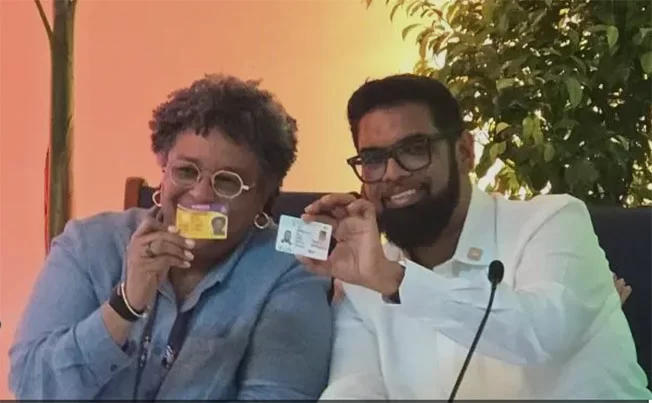
    Two Caribbean nations, Guyana and Barbados, have marked a groundbreaking turning point for regional integration within the Caribbean Community (CARICOM), rolling out a new regime that allows their citizens to cross shared borders using only a digital national electronic ID (e-ID), eliminating the longstanding requirement for a physical passport. The policy officially came into force on July 1.

    This launch makes Guyana and Barbados the first member states of CARICOM to roll out a fully functional passport-free travel framework built entirely on nationally issued electronic identification. The arrangement is open to all citizens of both countries who hold e-ID credentials that meet the strict international standards set by the International Civil Aviation Organization (ICAO).

    A ceremonial inaugural flight to mark the historic change took place on Wednesday, carried out by regional carrier Caribbean Airlines on the route from Guyana’s capital Georgetown to Barbados’ capital Bridgetown. Senior immigration officials from both nations traveled on the flight to formally activate the new cross-border processing procedure. According to statements from the two governments, the entire system was planned and rolled out in less than six weeks, after the initial agreement was struck earlier this year by Guyanese President Irfaan Ali and Barbadian Prime Minister Mia Mottley.

    Officials from both countries say the new arrangement is designed to make cross-border travel simpler, faster and more affordable for all eligible citizens. Travelers no longer need to apply for or renew a passport when making trips exclusively between the two nations, cutting down on administrative costs and wait times. Beyond convenience, the policy is expected to drive growth in key areas including cross-border tourism, bilateral trade, business networking and labor mobility across the two countries.

    CARICOM leaders have framed the move as far more than a minor adjustment to travel rules—it aligns directly with the long-term ambition of the CARICOM Single Market and Economy (CSME), which seeks to build out full free movement of people, goods, services and capital across the entire Caribbean region. The bloc has spent decades working toward a unified system that allows Caribbean citizens to move seamlessly between member states for work, leisure and family visits.

    The development also carries important implications for fellow CARICOM member state Suriname. Suriname has committed to advancing regional integration and free movement of people as part of its bloc membership. While passports are still required for travel to and from Suriname for now, the Guyana-Barbados agreement provides a tested blueprint for future bilateral or regional free movement arrangements. Notably, Suriname already issues modern, ICAO-aligned electronic identity documents, making it technically well-placed to join similar initiatives in coming years.

    Regional observers and CARICOM officials broadly expect that more member states will join similar passport-free travel frameworks over the next several years. This incremental progress is steadily bringing the Caribbean region closer to a unified border regime that makes intra-bloc travel as seamless as it is within long-established regional blocs such as the European Union.

  • ABEMS Congratulates Acting Clinical Director Brandon Browne on Master’s Degree

    ABEMS Congratulates Acting Clinical Director Brandon Browne on Master’s Degree

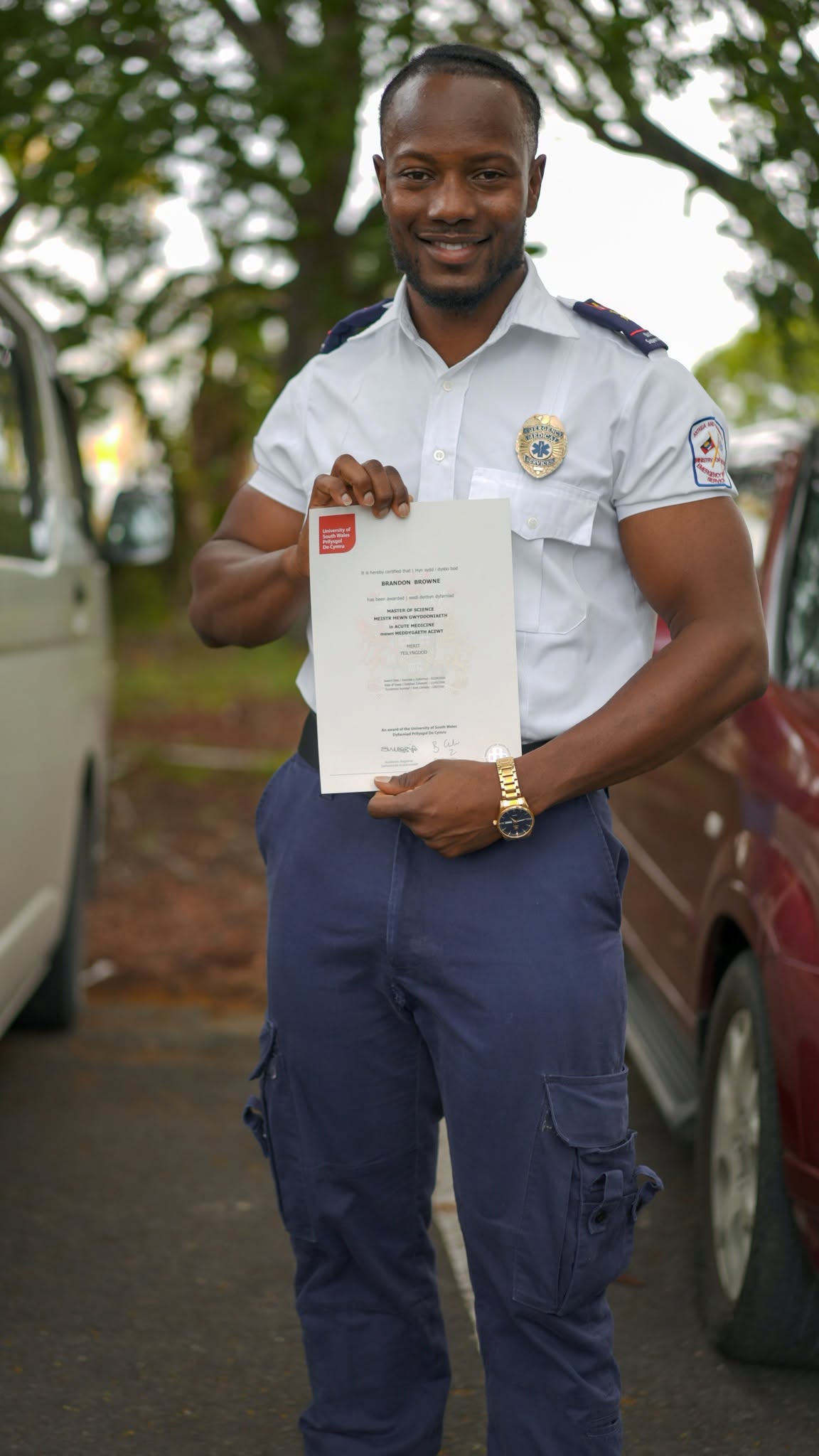
    A key leader in Antigua and Barbuda’s emergency healthcare system has reached a major new professional milestone, with Acting Clinical Director of the Antigua and Barbuda Emergency Medical Services (ABEMS) Brandon Browne officially graduating with a Master’s Degree in Acute Medicine from the University of South Wales, located in the United Kingdom.

    Browne’s core role at ABEMS centers on delivering clinical direction and strategic leadership for the nation’s emergency medical response network. This postgraduate qualification adds a new layer of specialized expertise to his already established professional profile, marking a significant step forward in his ongoing academic and clinical career development.

    Leadership at ABEMS has highlighted that the advanced specialized training Browne completed will translate directly to tangible improvements for the organization. It will bolster ABEMS’ overall clinical capacity, allowing the agency to raise the quality of emergency medical care delivered to communities across both Antigua and Barbuda.

    The agency emphasized that Browne’s successful completion of the master’s program is a clear reflection of his personal dedication to continuous professional growth and the advancement of evidence-based acute care in the country. The specialized knowledge and hands-on clinical expertise he gained through the course will deliver widespread benefits, not only for ABEMS as an institution but, more critically, for every patient that relies on the agency’s emergency services.

    Looking ahead, ABEMS leadership expressed confidence that Browne will leverage his advanced qualification and clinical leadership skills to continue driving up standards for emergency medical care across Antigua and Barbuda, benefiting both frontline response teams and the public the agency serves.

  • Landelijk gezondheidsonderzoek start maandag met huis-aan-huisbezoeken

    Landelijk gezondheidsonderzoek start maandag met huis-aan-huisbezoeken

    Paramaribo, Suriname – July 4, 2025 – Suriname’s Ministry of Public Health, Welfare and Labor kicked off a nationwide public health initiative this Monday, launching the WHO-endorsed STEPS survey to identify key risk factors for chronic non-communicable diseases (NCDs) across the country’s adult population.

    The STEPS methodology, developed specifically by the World Health Organization to standardize NCD risk factor surveillance, will run through the end of September 2025. Its core mission is to build an accurate, up-to-date profile of public health outcomes across Suriname, highlighting modifiable and population-wide risk factors for widespread chronic conditions including diabetes, hypertension, and cardiovascular disease. The de-identified, aggregated data collected through the survey will directly inform the development of evidence-based national health policy, targeted prevention programs, and future public health interventions, according to ministry officials.

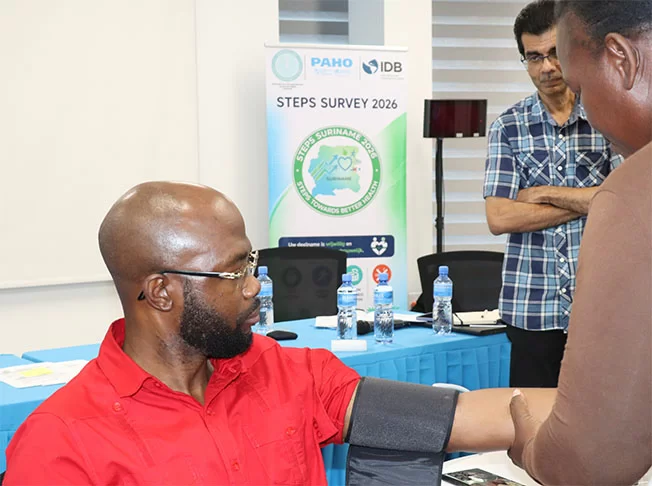
    Leading the launch of the project’s training period for field staff, Public Health Minister André Misiekaba emphasized the foundational role that reliable, comprehensive health data plays in advancing Suriname’s national public health strategy. He called on all selected community members to participate voluntarily to support the project’s success. To demonstrate the research process firsthand, Minister Misiekaba stepped into the role of a study participant during a practical simulation exercise held to wrap up the intensive field training program for data collectors.

    Prior to the launch of fieldwork, dozens of aspiring data collectors completed a rigorous, multi-week training program to prepare for on-the-ground survey activities. The training culminated in a full role-play simulation held at the ministry’s headquarters, where practicing data collectors walked through every step of the research protocol: conducting structured lifestyle and health interviews, performing standardized physical measurements, and communicating clearly and respectfully with voluntary participants. Minister Misiekaba joined the simulation, volunteering to have his own blood pressure measured as part of the exercise.

    Fieldwork is scheduled to begin immediately following the completion of training. Data collectors will travel to randomly selected households across all regions of Suriname, with participants chosen via a statistically robust random sampling method designed to ensure the survey’s results are representative of the entire adult population. Participation is entirely voluntary and restricted to adults. During the approximately one-hour in-home visit, participants will complete a structured questionnaire covering personal health history and lifestyle habits, undergo simple physical measurements including blood pressure screening, and provide a small blood sample via a routine finger prick for testing.

    To help residents verify the identity of official survey staff, the ministry has noted that all authorized data collectors will wear branded STEPS study apparel and carry official government-issued photo identification badges. Officials strongly advise residents to only admit staff that can provide this official identification to avoid safety risks.

    Ministry representatives stressed that high population participation is critical to producing a reliable, accurate snapshot of Suriname’s current public health landscape. All personal information collected during the survey will be treated as strictly confidential, used exclusively for approved research purposes, and never released publicly. Final study results will only be published in aggregated, anonymized form that protects the privacy of individual participants.

  • Derde helft WK 2026:Colombia vecht zich in matige wedstrijd langs Ghana naar volgende ronde

    Derde helft WK 2026:Colombia vecht zich in matige wedstrijd langs Ghana naar volgende ronde

    The 2026 FIFA World Cup knockout stage kicked off with a gritty, physical encounter between Group K winners Colombia and surprise Group K third-place finishers Ghana, with the South American side squeezing out a 1-0 victory to book their place in the tournament’s Round of 16. The match’s decisive moment arrived early in the first half, with winger Jhon Arias slotting home the winning goal in the 14th minute, finishing a precise build-up play from veteran striker Luis Suárez. What followed was 76 minutes of rugged, physical contest that saw far more fouls than flowing attacking football, forcing the referee to brandish multiple yellow cards to players on both sides.

    The clash got off to a frenetic start: just two minutes before his match-winning goal, Arias himself was shown a yellow card for a late challenge. The early breakthrough gave Colombia consistent control of possession and the scoreline for the rest of the 90 minutes, but the South Americans were unable to unlock Ghana’s compact defense to add a second goal that would have put the result beyond doubt.

    For their part, Ghana threw everything into an equalizer, leaning heavily into aggressive physical play to disrupt Colombia’s rhythm and create openings. Despite their relentless effort, the African side failed to carve out any clear-cut goal-scoring opportunities, a shortcoming that led to growing frustration as the clock wound down. That frustration translated into a string of yellow cards for Ghanaian players including Christopher Yirenkyi, Issahaku Fatawu and Alidu Seidu, while Colombia’s Richard Ríos also picked up a late caution in the closing minutes of the match.

    For Colombia, the result cements a strong group-stage campaign and proves their ability to grind out results even when they are not playing at their dynamic best. The win was far from a display of attacking flair, but it was a mature, clinical performance that got the job done, a hallmark of a side capable of going deep in the tournament. For Ghana, however, the exit brings an end to a campaign that ended in disappointment. Having fought their way into the Round of 32 as one of the best third-place finishers, the Black Stars entered the clash hoping to pull off a major upset. But despite tireless work rate and aggressive physicality, they lacked the cutting edge and creative spark to break down Colombia’s defense.

    Next up for Colombia is a Round of 16 clash against Switzerland, who booked their own knockout spot with a comfortable 2-0 win over Algeria earlier in the matchday. The upcoming fixture will present a far different test for the South Americans: unlike Ghana’s aggressive, open physical approach, Switzerland are a well-drilled, organized and efficient side that is notoriously difficult to disrupt, meaning Colombia will need to bring a far more polished attacking performance to advance to the quarter-finals.

  • Zapping Haiti of July 4th, 2026

    Zapping Haiti of July 4th, 2026

    In a series of interconnected updates from Haiti spanning the first days of July 2026, multiple administrative, security and institutional developments have unfolded across the Caribbean nation, alongside a regional security gathering focused on combating transnational crime.

    On July 3, 2026, Serge Gabriel Collin, Haiti’s Minister of Economy and Finance, formally swore in Goethie Varnelle Morency as the new Director General of the country’s Anti-Corruption Unit (Unité de Lutte Contre la Corruption, ULCC). Morency takes over the top leadership role from Hans L. Joseph, whose dismissal from the post came without any public explanation of the underlying reasons.

    Separately, the National Identification Office (ONI) has disclosed a major quality issue with identification cards manufactured between 2019 and 2021. ONI Director General Reynold Guerrier confirmed that internal audits uncovered widespread manufacturing flaws tied to low-quality raw materials supplied by the original vendor. Even under proper storage conditions, affected cards experience lamination peeling and cracking, rendering them invalid for official use. In response to the problem, the office has already transitioned to a new supplier, which produces updated identification cards constructed from far more durable materials that meet stringent international quality standards. To date, the Haitian government has placed an order for nearly 600,000 of these new-generation cards to replace the defective older batches.

    In the security space, law enforcement agents from the Bureau for Combating Drug Trafficking (BLTS) and the Haitian Coast Guard carried out a successful arrest in the southern department on July 2, 2026. The operation, conducted in the Fogas neighborhood of Les Cayes, took alleged marijuana trafficker Emmanuel Louisius into custody. Officers seized 3.7 kilograms of marijuana during the raid, and Louisius remains in detention as legal proceedings move forward.

    A regional security note: Haitian Minister of Justice and Public Security Patrick Pélissier traveled to Martinique on July 2 and 3, 2026, to participate in a regional security conference hosted by the French government. The gathering brought together delegates from 20 regional nations, plus representatives from Canada and the United States, to coordinate cross-border anti-crime efforts. At the close of the conference, participating parties adopted a joint policy document titled the “Martinique Appeal,” which formalizes a collective commitment to deepen regional cooperation, develop unified counter-crime strategies, crack down on illicit weapons and drug trafficking, secure shared borders, protect civilian populations, and reduce the spread of gang activity and transnational organized crime.

    In a consular alert, the Haitian Embassy in Mexico issued an urgent public request for information, asking the Haitian diaspora in Mexico to help connect embassy staff with the parents of Heline Joseph, or any individual who has contact with the Joseph family.

    Finally, administrative updates from foreign missions in Port-au-Prince: the Canadian Embassy in Haiti announced it will suspend all public operations on Monday, July 6, 2026, for a holiday, with regular services resuming on July 7. The embassy noted that members of the public experiencing consular emergencies can reach the 24/7 emergency team toll-free at +1-613-996-8885 or via email at sos@international.gc.ca.

  • Vuilophaal Paramaribo en Wanica voortaan vanaf 17:00 uur

    Vuilophaal Paramaribo en Wanica voortaan vanaf 17:00 uur

    Starting Monday, July 6, the Suriname Directorate of Public Greenery and Waste Management (OGA) is rolling out a sweeping overhaul of residential waste collection services across the districts of Paramaribo and Wanica, centered on a major shift in collection timing and redesigned service zones. The updated framework moves the daily start of household waste collection to 5:00 p.m. local time, a change designed to cut longstanding customer complaints and boost overall service efficiency, according to acting OGA director Anwar Moenne.

    In an interview with local outlet Starnieuws, Moenne explained that the service changes come after the waste collection contracts for Paramaribo and Wanica were recently put out for new tender. As part of the re-tendering process, agency officials redrew service coverage zones to better align with population density and route logistics. The 5:00 p.m. start time was not a random adjustment: the choice was rooted in years of operational experience and addresses two key pain points of the old schedule.

    First, the later timing gives local residents the chance to place their waste curbside after they finish work for the day, eliminating the need for many to leave trash out overnight before collection. Second, it removes large waste collection trucks from busy city and suburban routes during the morning rush hour, a shift that Moenne says will improve overall road traffic flow and let collection crews complete their work more quickly without getting stuck in congestion.

    To ensure the new system delivers on promised improvements, Moenne confirmed that the OGA will enforce strict oversight of contracted collection firms to guarantee they adhere to all agreed terms and scheduling requirements. The enhanced monitoring is intended to prevent a repeat of past service failures, which left uncollected waste piling up in multiple neighborhoods for days at a time.

    In addition to regulatory changes for contractors, Moenne is calling on local residents to adapt their own habits to support the new system. He specifically urged households to use designated waste bins instead of unsecured plastic trash bags. This simple adjustment, he noted, prevents stray dogs from tearing open bags and spreading garbage across streets, which degrades local living environments and adds unnecessary work for collection crews.

    In a public notice released ahead of the launch, the OGA reminded all residents of Paramaribo and Wanica that they must have their household waste placed curbside by 5:00 p.m. on their regular scheduled collection day. The agency also asked residents to pay attention to whether collection trucks cover all streets and alleys in their area. If a street is missed during collection, residents can report the issue to the OGA’s Waste Collection and Processing Department the following working day.

  • Emergency Preparedness : Civil Protection Harmonizes Contingency Plans Nationwide

    Emergency Preparedness : Civil Protection Harmonizes Contingency Plans Nationwide

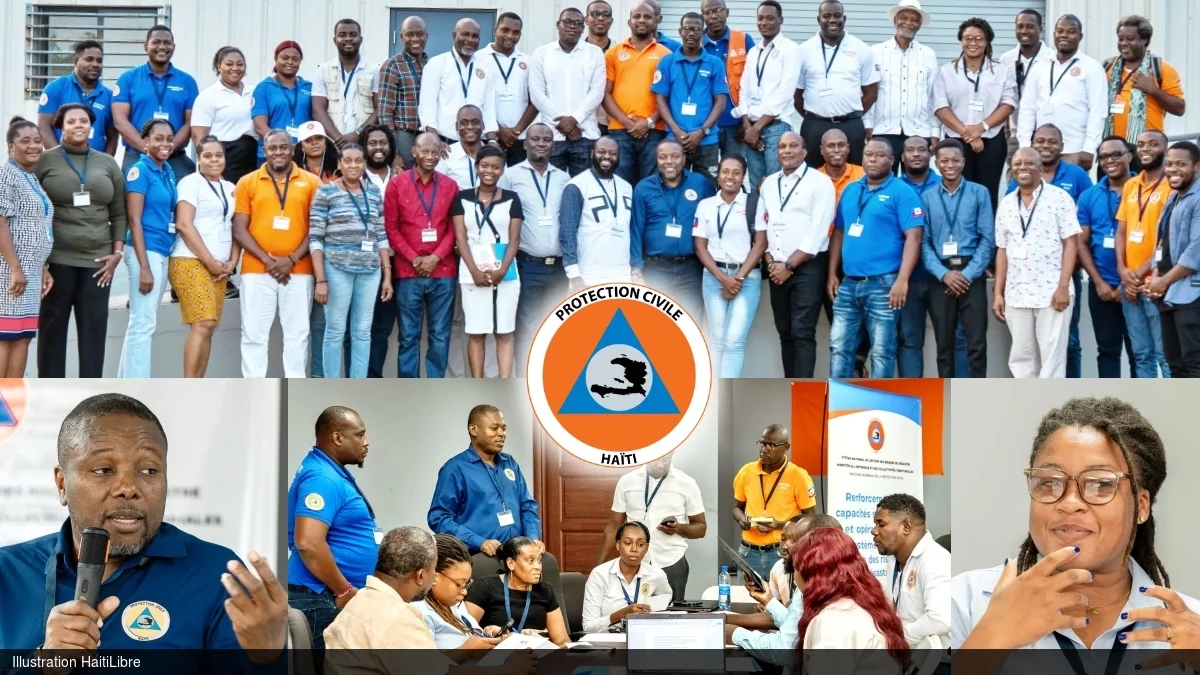
    As the 2026 North Atlantic, Gulf of Mexico and Caribbean hurricane season entered its most active phase weeks after its official June 1 launch, Haiti’s General Directorate of Civil Protection (DGPC) has moved to modernize the country’s disaster preparedness infrastructure with a landmark four-day national workshop held in Les Cayes from June 29 to July 2. The gathering, which brought together 50 key stakeholders across national and departmental emergency management bodies, focused on aligning and updating the country’s scattered contingency plans into a unified, digitized system capable of addressing a full range of natural hazards.

    This workshop marks a major milestone in the DGPC’s five-year ongoing reform agenda to strengthen Haiti’s emergency response capacity. Built on incremental improvements to preparedness frameworks rolled out since 2021, the initiative prioritizes reconciling national and departmental-level contingency protocols, integrating hard-won lessons from recent disaster response operations, standardizing operational workflows, and closing coordination gaps between the multiple public and private sectors involved in emergency relief efforts.

    Fifty participants representing ten departmental emergency management directors, central DGPC leadership, technical civil protection staff, independent national risk experts, and member institutions of Haiti’s National Risk Management System (SNGRD) gathered for the workshop, which was made possible through targeted technical and financial support from international partner organizations. Key backers include the World Food Programme (WFP), the International Organization for Migration (IOM), the United Nations Children’s Fund (UNICEF), the Phoenix Project, and the United States Forest Service (USFS), all of which have long partnered with the DGPC to build sustainable disaster resilience across Haiti.

    Over the four-day event, attendees rotated between in-depth technical presentations, collaborative working groups, hands-on practical training, and simulated hydro-meteorological disaster scenarios designed to test and refine the emerging unified framework. All work was aligned with the 2020 June 15 presidential decree that established the SNGRD and introduced a new unified command structure for disaster management across the country. Core focus areas included comprehensive multi-hazard risk assessment, clarification of cross-sectoral responsibilities, budget allocation for different response scenarios, and the transition from outdated paper-based planning tools to modern digital systems.

    Workshop organizers outlined several concrete, actionable outputs expected from the gathering. These include a fully harmonized overarching national framework for contingency planning, a standardized methodological guide for all stakeholders to follow, tailored departmental work plans to finalize local planning documents, and a clear national roadmap that lays out timelines and protocols for the validation, public dissemination, and full rollout of the updated plans.

    In opening remarks to attendees, DGPC Director General Emmanuel Pierre reaffirmed that proactive emergency preparedness remains the foundational pillar of effective national risk reduction and management. He stressed that accessible, regularly updated, cross-stakeholder aligned contingency plans are non-negotiable for boosting Haiti’s overall preparedness, streamlining operational coordination during crises, and ultimately delivering far more effective response when large-scale disasters strike.