作者: admin

  • Cap

    Cap

    The northern Haitian city of Cap-Haitien was gripped by bewilderment and horror on January 6, 2026, following the grim discovery of three deceased family members inside a stationary vehicle. The white Toyota Corolla, parked at the ‘Barrière Bouteille’ southern entrance point since January 4th, contained the bodies of Ralph Gustave, Wilnica (or Wiltana) Gustave, and their nine-year-old son Wildensky Rolph Gustave.

    Local residents were alerted by an increasingly potent odor emanating from the car’s interior, despite its proximity to a police station. Initial examinations conducted by Justice of the Peace Serge Fénélus revealed no visible trauma, gunshot wounds, or stab marks on the victims, deepening the mystery surrounding their sudden demise.

    This incident marks the fifth such discovery in Haiti’s North department since late December 2025, following two similarly decomposed bodies found in a vehicle in Charrier on December 17. While investigators have eliminated carbon monoxide poisoning due to the vehicle’s operational condition, the pattern of unexplained deaths has generated widespread alarm throughout the region.

    Authorities have launched a comprehensive judicial investigation to determine the cause of these mysterious fatalities as communities remain unsettled by the troubling recurrence of such incidents.

  • Too Many Drones? Belize Debates Safety, Growth, and Control of the Skies

    Too Many Drones? Belize Debates Safety, Growth, and Control of the Skies

    BELIZE CITY – The rapid proliferation of unmanned aerial vehicles across Belize’s skies has sparked a critical national dialogue on aviation safety, economic development, and regulatory oversight. As drones become increasingly integrated into diverse sectors including agriculture, real estate, media, and land surveying, aviation authorities warn that the nation’s unique airspace characteristics demand immediate regulatory intervention.

    The Belize Department of Civil Aviation has initiated a comprehensive public consultation process regarding a proposed operational directive that would establish binding nationwide regulations for all drone operations. This regulatory framework aims to replace the current patchwork of approvals with standardized licensing protocols and operational limitations, aligning Belize’s drone policies with international aviation standards observed in the United States and European nations.

    Director of Civil Aviation Nigel Carter emphasized the critical safety implications of unregulated drone activity, noting Belize’s distinctive aviation environment where low-altitude aircraft operations intersect with densely populated urban centers and busy tourism routes. “We have to be very careful not to create a mix of manned and unmanned aircraft in the same vicinity,” Carter stated, highlighting the potential for catastrophic consequences without proper oversight.

    The technological adoption has accelerated across multiple industries, with drones now serving essential functions in agricultural monitoring, geographic information system (GIS) mapping, property marketing, and land surveying. Training programs have emerged to address the growing demand for certified operators, including comprehensive courses covering both technical proficiency and regulatory compliance.

    However, the mandatory nature of the proposed directives has raised concerns among commercial operators and technical professionals who depend on drone technology for their livelihoods. Stakeholders are organizing emergency meetings to discuss the potential economic impact and operational constraints that standardized regulations might impose.

    The ongoing consultation process represents a pivotal moment for Belize as it attempts to reconcile technological innovation and economic growth with the imperative of maintaining aviation safety standards. The outcome will likely establish precedents for how developing nations manage the integration of emerging technologies within existing infrastructure frameworks.

  • A Five-year Moratorium on Extractions from National Land

    A Five-year Moratorium on Extractions from National Land

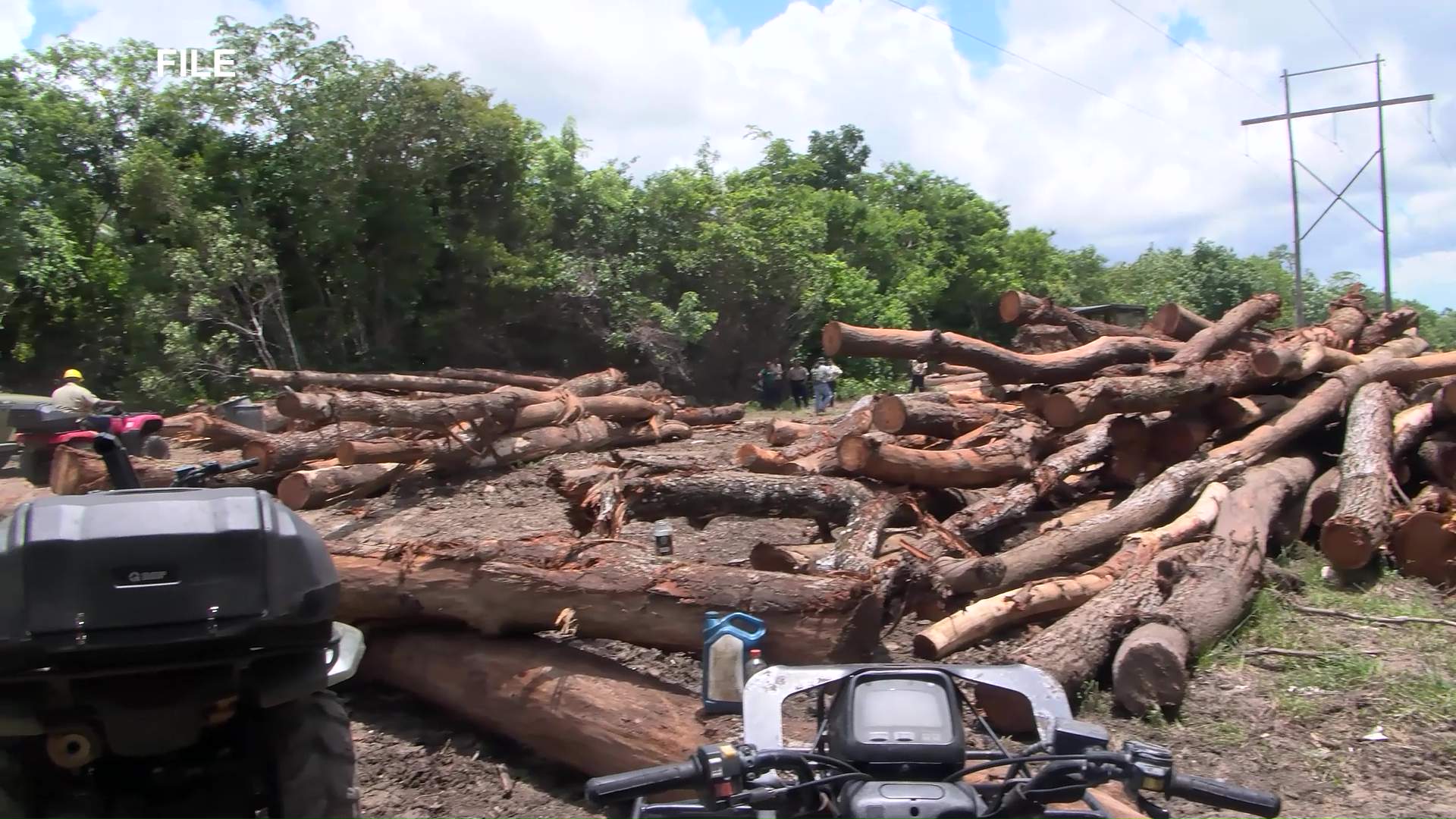
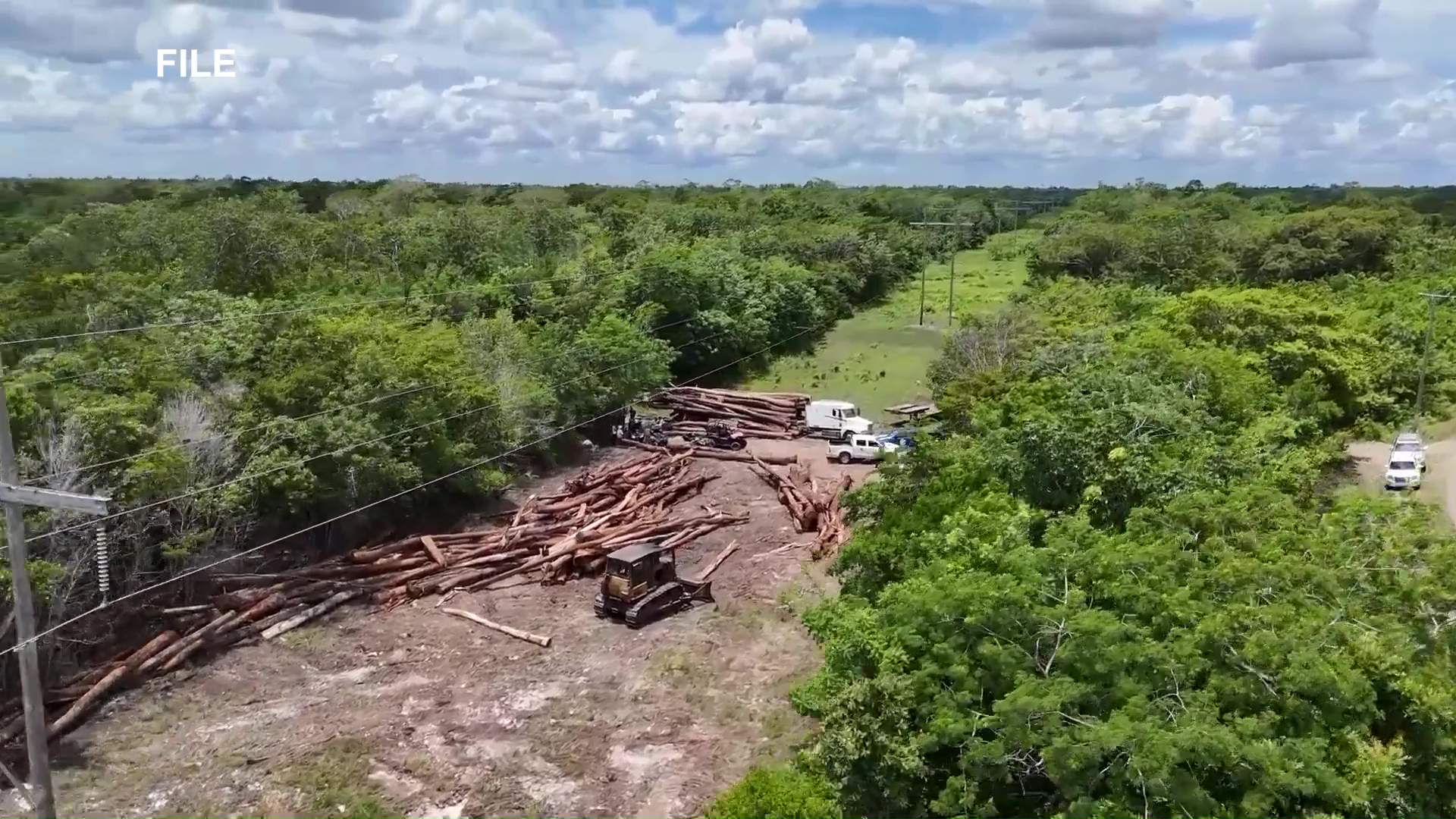
    Belize has declared a comprehensive five-year prohibition on resource extraction from national lands in response to an escalating environmental emergency. The moratorium, implemented in early December, represents the government’s decisive action against rampant illegal logging operations that are systematically stripping public forests of timber, bush sticks, bay leaves, and other vital natural resources.

    Despite the stringent measures, offenders have adapted their tactics, increasingly operating during holiday periods when enforcement capabilities are stretched thin. Deputy Chief Forest Officer John Pinelo reported that during the recent Christmas and New Year’s season, authorities successfully intercepted multiple truckloads of contraband materials and levied fines exceeding fifty thousand dollars.

    The environmental crisis extends beyond immediate tree loss, threatening entire ecosystems that future generations will depend upon. Pinelo emphasized the severity of the situation, noting that social media platforms have become marketplaces for illegal forest products, with advertisements openly offering five hundred bush sticks—representing five hundred potential future trees—for single home construction projects.

    Under the new regulations, logging is now strictly permitted only on private properties or through legitimate leases with proper extraction permits. To enhance enforcement capabilities, the government established a dedicated hotline (610-1524) three months ago, which has significantly improved the identification and apprehension of illegal operators. Forest Department personnel routinely confront major violations, including the recent seizure of a fifty-foot truckload of unauthorized bay leaves.

    The five-year moratorium aims to allow critical recovery time for renewable resources like bay leaf and pimienta sticks, which nevertheless require years to regenerate, while addressing the irreversible damage caused by the destruction of immature trees and established timber.

  • Forest Officers Confront Violence in Line of Duty

    Forest Officers Confront Violence in Line of Duty

    Forestry officials in Belize are confronting increasingly violent resistance while combating illegal logging operations, with armed confrontations becoming alarmingly routine. Deputy Chief Forest Officer John Pinelo Jr. revealed that enforcement teams now regularly face direct threats, weapon brandishment, and even attempted vehicular assault during their patrols.

    The escalation follows successful crackdowns on national land extraction, which has redirected illegal operations to private properties. Pinelo described a particularly dangerous incident where officers responding to reports of illegal activity were nearly rammed by a tractor operator who subsequently drew a firearm on the entire team. Private security personnel monitoring the area were forced to disable the tractor by firing at its radiator before the suspect aimed his weapon at officers.

    Despite these hazards, forestry teams continue monitoring remote regions, frequently operating with police support to ensure their safety. All officers now conduct patrols in groups, especially during nighttime operations or in isolated areas. The individual involved in the tractor incident has been formally charged, with forestry authorities advocating for maximum legal consequences for assaults on officers performing their duties.

    This dangerous trend highlights the increasing risks environmental protection personnel face while safeguarding Belize’s natural resources against organized illegal logging networks.

  • Ombudsman’s Office Empty After Government Declines Contract Renewal

    Ombudsman’s Office Empty After Government Declines Contract Renewal

    In a move that has ignited widespread public concern, the Belizean government has allowed the position of Ombudsman to fall vacant by declining to renew the contract of retired Major Gilbert Swaso at the conclusion of 2025. The decision, made without official explanation, has created a constitutional void in the nation’s primary mechanism for citizen protection against governmental maladministration.

    The Office of the Ombudsman, established in 1999 as an independent constitutional watchdog, serves as a critical safeguard against abuse of power, violations of the Freedom of Information Act, and systemic injustice. The position carries significant authority, with compensation equivalent to Supreme Court justices and a mandated three-year term with eligibility for reappointment.

    Former Ombudsman Swaso previously emphasized the office’s vital role during a 2023 interview, stating, ‘We exist for people who suffer injustice, people who are vulnerable, people who essentially are not getting the service that they believe they deserve.’ His departure leaves citizens without this essential recourse mechanism.

    The vacancy comes at a time when the office was actively handling multiple high-profile cases, including a wrongful eviction complaint from an elderly Belize City resident, an investigation into a police-involved shooting, and a transparency request from social activist Jerry Enriquez regarding government legal fees.

    While some citizens have reported successful resolutions through the Ombudsman’s office, others like Belize City resident Monique Teck have expressed frustration with unresolved complaints against police departments. The current vacancy raises fundamental questions about governmental commitment to accountability and transparency, particularly regarding the appointment process for this supposedly independent position.

    With no interim replacement announced and no explanation provided for the non-renewal, Belizeans are left to ponder whether this constitutional protection mechanism will be maintained or allowed to deteriorate through neglect.

  • Enriquez Claims Swaso Penalized for Supporting FOI Disclosure

    Enriquez Claims Swaso Penalized for Supporting FOI Disclosure

    A significant controversy has emerged in Belize’s political landscape following the government’s decision not to renew the contract of retired Major Swaso as Ombudsman. Social activist Jerry Enriquez has publicly condemned this move, characterizing it as a deliberate retaliation for Swaso’s support of transparency initiatives against the Briceño administration.

    The conflict originated in August when Enriquez filed a formal Freedom of Information request seeking disclosure of financial details regarding government payments to attorneys involved in recent constitutional cases. In a pivotal October ruling, the Ombudsman’s office determined in Enriquez’s favor, formally recommending that the Attorney General’s Ministry release portions of the requested information.

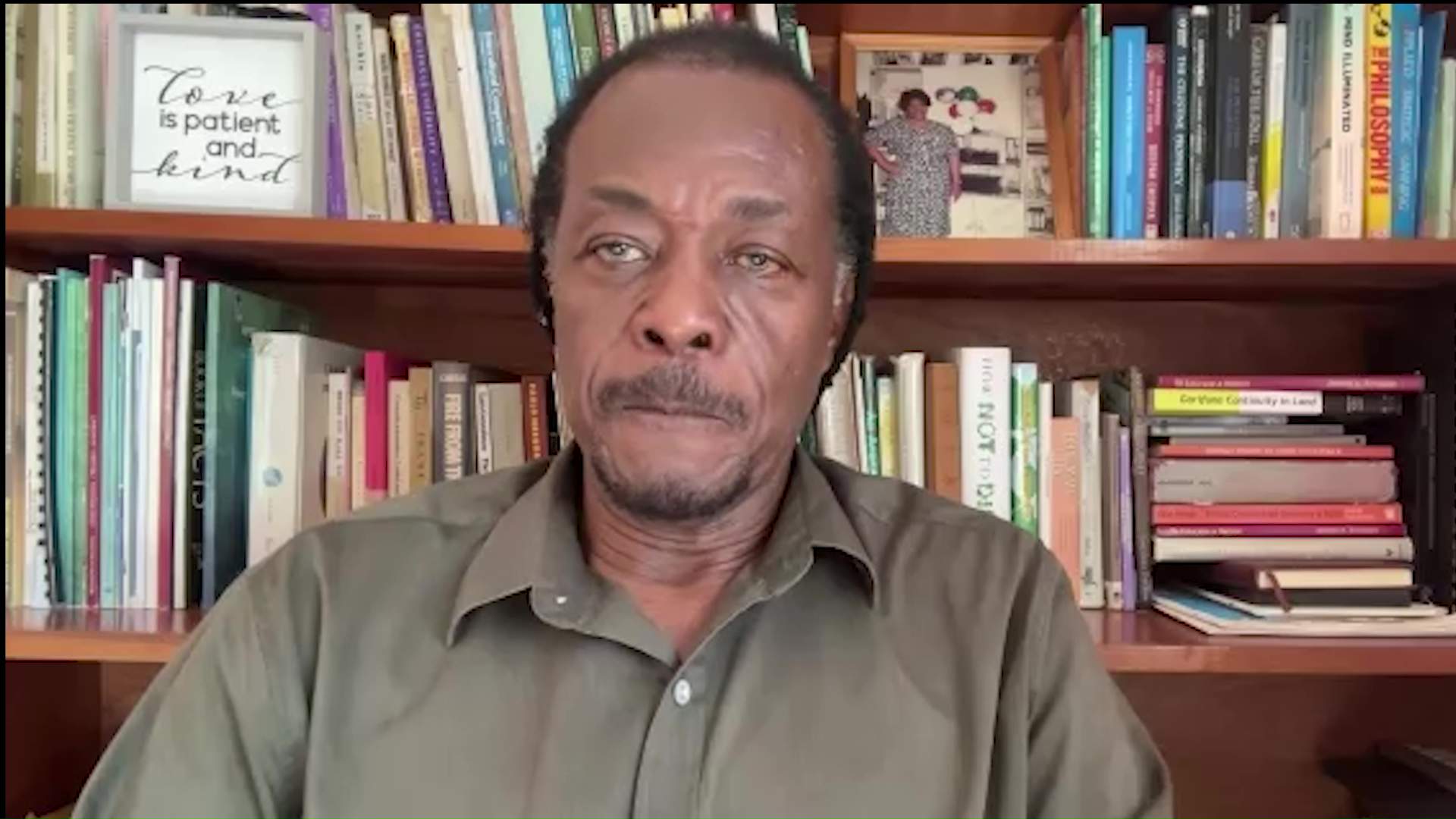
    Enriquez contends that the non-renewal of Swaso’s contract represents a calculated effort to undermine institutional independence. “This appears to be a deliberate act by the Government of Belize to undermine anyone who stands for what is right when it becomes inconvenient for them,” Enriquez stated in an interview with News Five.

    The activist further emphasized the concerning departure from established norms, noting that Ombudsman appointments typically extend for renewable terms totaling approximately nine years. Enriquez expressed grave concerns about the potential replacement, questioning whether the government would install “a pliable political servant rather than a person committed to the laws and constitution of Belize.”

    This development raises fundamental questions about the preservation of institutional independence within Belize’s democratic framework, particularly regarding offices designed to serve as checks on governmental power rather than extensions of executive authority.

  • Frustration Mounts at UB over Credit Transfer Between Schools

    Frustration Mounts at UB over Credit Transfer Between Schools

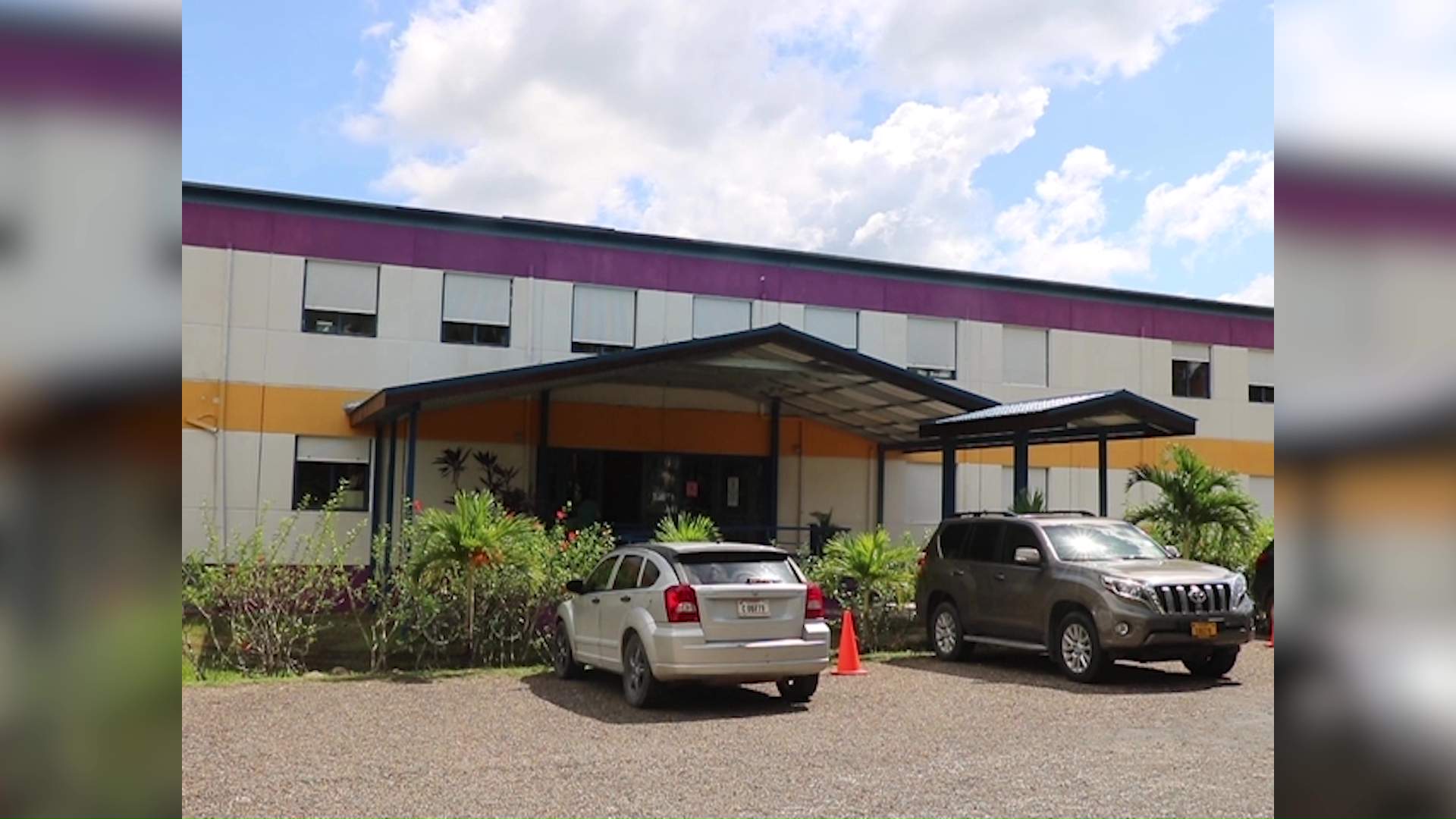
    A significant academic pathway agreement between Sacred Heart Junior College and the University of Belize is facing operational challenges, creating substantial obstacles for students attempting to transfer credits. Despite a Memorandum of Understanding established in 2023 that was designed to streamline academic transitions, numerous graduates report encountering unexpected bureaucratic barriers and academic redundancies.

    The agreement, which enabled UB to offer bachelor’s programs on SHJC’s Cayo campus, has failed to deliver the seamless credit recognition that students anticipated. Hazel Tut, a Business Management major who recently transitioned from SHJC to UB, exemplifies the difficulties. She reports being required to retake over ten courses despite having completed equivalent coursework at the associate level, creating both financial strain and academic frustration.

    “I genuinely expected a smooth transition, but reality has proven otherwise,” Tut explained. “While I appreciate UB’s educational quality, the implementation of this agreement has created unnecessary complications. The fundamental purpose of the MOU was to establish course equivalency, yet I cannot secure proper credit transfer.”

    The situation has created cascading effects for students from economically disadvantaged backgrounds who specifically selected Sacred Heart Junior College to minimize transportation costs and financial burdens. Tut emphasizes that many families remain unaware of these transfer complications when enrolling at SHJC.

    Both institutions acknowledge the ongoing challenges, with advisors and administrative staff reportedly working to resolve the credit evaluation process. However, students like Tut continue to face delayed graduation timelines and duplicated educational expenses, calling into question the practical implementation of the inter-institutional agreement.

  • Students Question Credit Transfers Despite UB Agreement

    Students Question Credit Transfers Despite UB Agreement

    A significant misunderstanding regarding credit transfers continues to affect students at Sacred Heart Junior College seeking to advance their education at the University of Belize. This confusion stems from a 2023 agreement that many students misinterpreted as guaranteeing seamless credit transfers between the institutions.

    University officials have clarified that the memorandum of agreement signed in 2023 was specifically designed to facilitate the University of Belize offering bachelor’s degree programs on the Sacred Heart campus, particularly focusing on business administration programs for students in western regions. The agreement did not establish any automatic credit transfer system between the two institutions.

    Dr. Bernard Watler, Dean of the Faculty of Management & Social Sciences at the University of Belize, explained the current evaluation process: “When students have completed courses or earned associate degrees at Sacred Heart Junior College, their credits undergo rigorous individual assessment on a course-by-course basis. This evaluation is conducted by qualified faculty members to ensure students possess the necessary prerequisites for bachelor-level studies.”

    The current framework requires Sacred Heart graduates to have each course individually evaluated, with only those meeting UB’s academic standards being accepted for transfer. Courses deemed insufficient in preparation require retaking at the University of Belize before students can advance to higher-level coursework.

    University representatives emphasize that this selective transfer process maintains academic standards and ensures student readiness for advanced studies. Meanwhile, both institutions continue developing a more comprehensive transfer framework to address the ongoing concerns of students facing educational pathway uncertainties.

  • Belizeans Feel Financial Squeeze of Maaga Season

    Belizeans Feel Financial Squeeze of Maaga Season

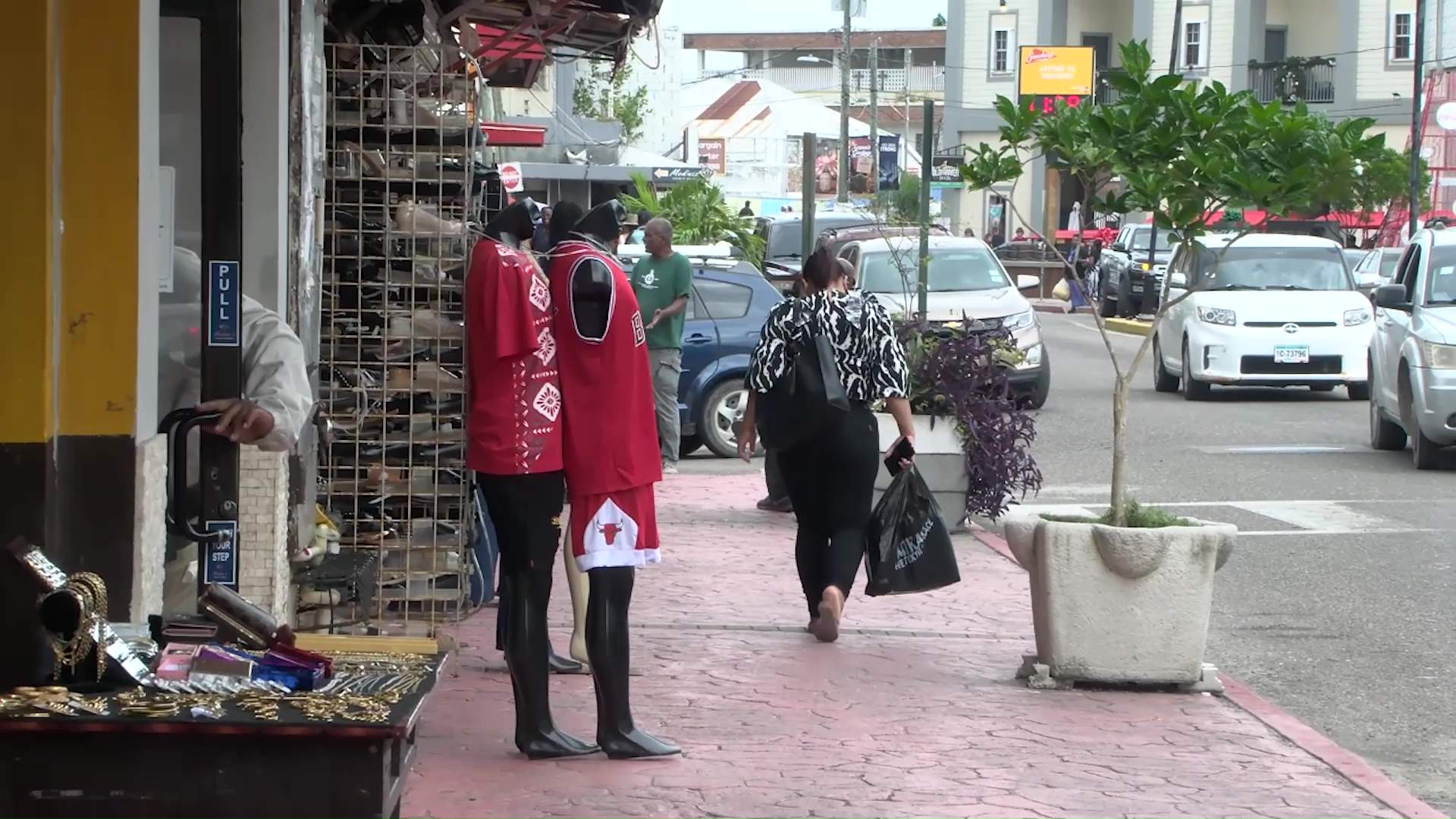
    As Belize enters the new year, the festive atmosphere gives way to financial reality as the annual ‘Maaga Season’ takes hold. This period of economic constraint following holiday expenditures has prompted widespread budgetary adjustments across Belizean households, with essential spending prioritized over discretionary purchases.

    Market vendors in Belize City report significant declines in customer traffic and sales volume during this traditional lean period. Veteran fruit seller Gilharry, with over two decades of experience, emphasizes the importance of strategic preparation. ‘It doesn’t affect me because I’m accustomed to it and I balance up,’ he explains. ‘I focus on quality rather than quantity—my customers return whenever they need me.’

    The economic challenges have been compounded by post-pandemic recovery difficulties. Nadia Quetzal, operating at Pound Yard Market, observes that while Christmas brought heightened activity, the subsequent decline has been more severe in the COVID-19 era. ‘After Christmas, things decline significantly,’ Quetzal notes. ‘People are recovering from expenses, and everything is slow right now—very slow.’

    Vendors have adopted strict budgeting measures to maintain operational viability. Quetzal emphasizes the necessity of working within constrained financial parameters: ‘We have to ensure we don’t exceed expenses and operate at a profitable margin. We’re coping.’

    Belize City resident Allen Francis represents the consumer perspective, advocating for adaptability during the lean season. ‘I relax and try something new,’ Francis states, highlighting that financial prudence needn’t preclude life enjoyment.

    The collective response to Maaga Season reveals a community employing practical financial strategies, religious faith, and psychological resilience to navigate annual economic pressures. As vendors and consumers alike adjust their economic behaviors, the season demonstrates Belizeans’ capacity to balance fiscal responsibility with maintaining quality of life during cyclical financial constraints.

  • New Year Begins in Ashes for Belama Resident

    New Year Begins in Ashes for Belama Resident

    A Belize City resident’s New Year celebration transformed into a devastating tragedy when his home was engulfed by flames in what appears to be a suspected arson attack. The incident occurred around 9:00 PM on Sunday in Belama Phase Four, where thirty-two-year-old Damian Sanchez received urgent alerts from neighbors about smoke billowing from his property.

    Upon rushing to the scene, Sanchez discovered neighbors gathered along the roadside while emergency responders battled the blaze. Although firefighters managed to contain the destruction, the interior of the home suffered catastrophic damage with most belongings completely charred. Remarkably, the exterior structure remained largely intact.

    Sanchez expressed gratitude that no injuries occurred but revealed disturbing details suggesting deliberate foul play. Multiple witnesses reported seeing an unidentified individual in a white pickup truck behaving suspiciously near the property shortly before the fire erupted. The suspect reportedly fled when noticed by neighbors.

    Further examination revealed evidence supporting the arson theory, including a forcibly cracked window shutter that may have served as the point of entry. Sanchez confirmed there were no electrical faults or live wires that could have accidentally ignited the blaze.

    Despite facing overwhelming loss, the resilient homeowner maintains an optimistic perspective, stating: ‘Fortunately thanks to God, you could just rebuild. At one certain point it could look better than it used to be.’ As authorities continue their investigation into the fire’s origins, Sanchez has begun the arduous process of reconstruction, hoping to transform this catastrophic beginning into a fresh start.