作者: admin

  • Robinson targets first Chairman’s Cup victory

    Robinson targets first Chairman’s Cup victory

    For three consecutive editions of the CARICOM Chairman’s Cup Elite 10K, Barbadian distance runner Carlie Robinson has left the race with a podium placement – two third-place finishes and one runner-up spot to her name. This year, as the event kicks off Sunday in Gros Islet, Saint Lucia, she is finally gunning for the top spot she has never claimed.

    Robinson is not traveling to Saint Lucia alone: she will be joined by fellow Barbadian athlete Joshua Hunte, marking the country’s official two-person delegation to the elite race. Per event rules, each CARICOM member state sends one male and one female athlete to compete, creating a high-stakes showcase of the Caribbean’s top long-distance running talent.

    In an exclusive interview with Barbados TODAY, Robinson shared that the annual event has long been a highlight on her racing calendar, offering a rare chance to measure her skill against the most competitive runners across the region. “Historically, I’ve done really well in this race and I’ve always been on the podium, but I’ve never won yet,” she explained. “So this year, I really, really want to win this race and bring home the top position. When you get the top position, you get the Chairman’s Cup, and I really want to bring that home for Barbados.”

    Even as she enters the race with clear title ambitions, Robinson acknowledges that the road to victory is far from guaranteed. The elite field draws top talent from across 15 CARICOM member states, making for one of the most competitive open distance races in the Caribbean each year. That said, the Barbadian runner enters this year’s competition in peak form, after months of consistent, focused training through the current racing season.

    “ I’ve been working hard all season and I tend to put in a lot of consistent work, so I feel confident in myself,” she said. “I’m gonna try not to think about time, but I really want to run for position so I’m gonna approach the race in a strategic way. It’ll be an exciting way to approach it I think, and I’ll need to react based on what other people do, but I’m very confident going in. I think that I can at least be in a strong position to control the race, or most of it. I’m really looking forward to it.”

    The CARICOM Chairman’s Cup Elite 10K serves as the flagship competitive race of the annual CARICOM Road Run/Walk, a community event held in conjunction with the 51st Regular Meeting of the Conference of Heads of Government of CARICOM. Launched back in 2005, the initiative was created to advance a key public health goal for the bloc: encouraging regular physical activity and promoting healthy lifestyles across the region as part of CARICOM’s coordinated campaign to combat rising rates of non-communicable diseases (NCDs). Last year’s 2024 edition (correction: the 2025 iteration was hosted in Montego Bay, Jamaica), marking the ninth staging of the regional event.

  • Pierre urges renewed commitment to stronger Caribbean on CARICOM Day

    Pierre urges renewed commitment to stronger Caribbean on CARICOM Day

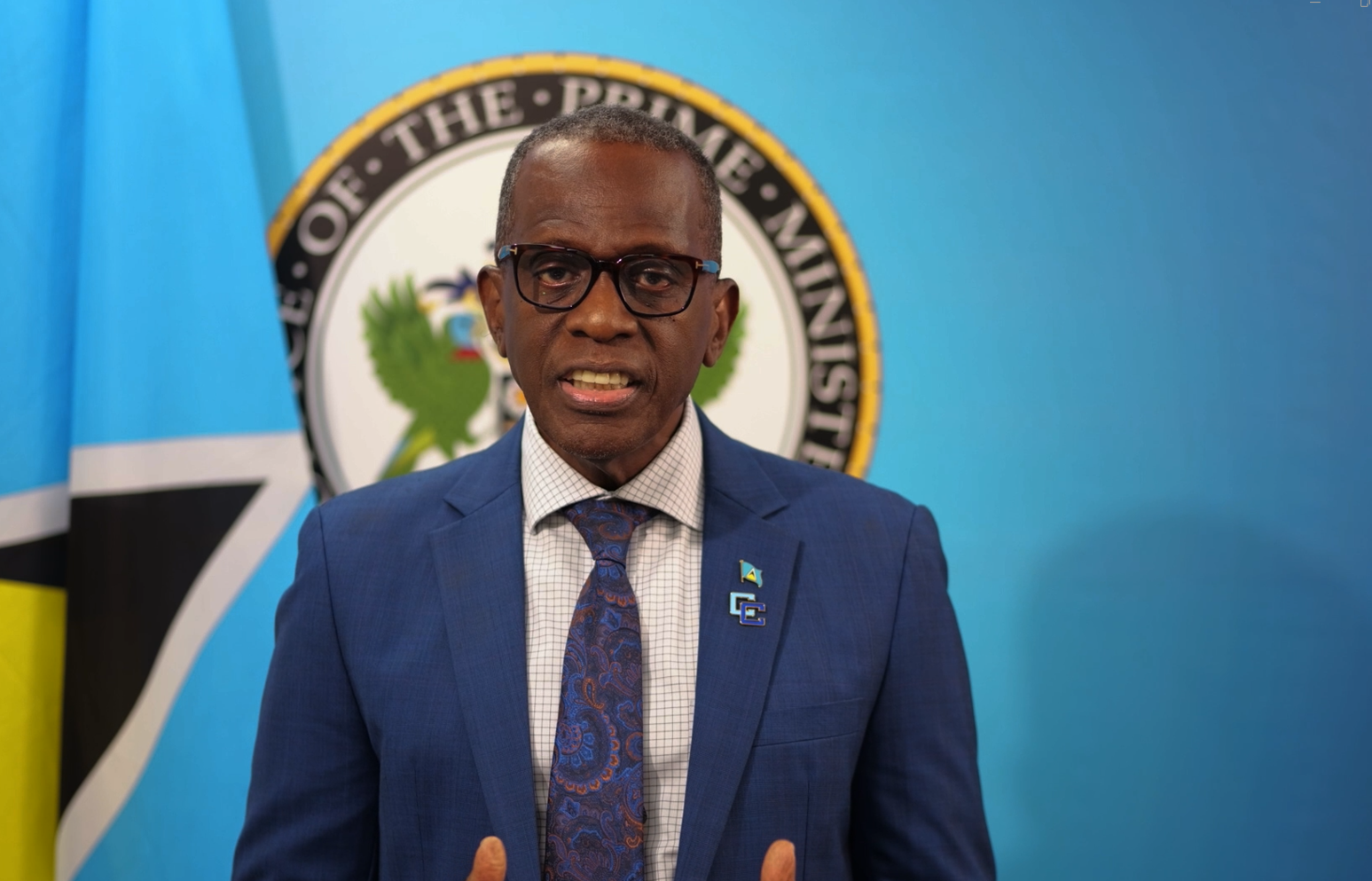
    As the Caribbean Community (CARICOM) prepares to mark its 2026 Day of celebration and reflection, bloc chair and St. Lucia Prime Minister Philip J. Pierre has delivered a stirring call to action, asking all Caribbean citizens to reaffirm their commitment to regional collaboration amid a growing landscape of global and local challenges.

    In his official annual address for CARICOM Day 2026, Pierre centered his remarks on the core foundational belief that has guided the 15-member integration bloc since its creation: small island nations gain far more from collective action than they can ever achieve through isolated, individual effort. For Pierre, CARICOM is far more than a bureaucratic intergovernmental body—it represents a shared promise to the people of the region. “CARICOM has always been more than an institution. It is a promise: a promise that our small states can achieve far more together than we ever could alone; a promise that our people, our cultures, our economies, and our aspirations are strengthened when we work in unity,” he told the regional audience.

    Pierre did not shy away from acknowledging the multiple, overlapping crises that continue to test Caribbean nations today. The region confronts unrelenting climate-related pressures, persistent global economic uncertainty, widespread instability in food and energy supply chains, growing transnational security concerns, and an urgent need to expand quality economic opportunities for the region’s large youth population. Even in the face of these headwinds, Pierre emphasized that Caribbean communities have repeatedly proven their extraordinary ability to withstand and overcome hardship. “Time and again, our people have shown that we can meet adversity with courage, adapt with determination, and move forward with confidence,” he noted.

    Against this backdrop, the CARICOM chair outlined that the bloc’s central priority in the current era must be intentional renewal—rebuilding and refocusing integration efforts to deliver a Caribbean that is stronger, more equitable, more secure, and more prosperous for all residents. “This is why our focus must now be on renewal,” Pierre said. “We must build a stronger, fairer, safer, and more prosperous Community; one that delivers real opportunities and meaningful progress for the people of our region.”

    To turn this vision of renewed integration into reality, Pierre laid out key actionable priorities for member states: deepen regional integration by expanding and improving cross-border transportation infrastructure and digital connectivity, shore up domestic and regional food and nutrition security, accelerate implementation of the long-planned CARICOM Single Market and Economy, fully embrace the digital transformation unfolding across the global economy, and invest in local innovation to drive sustainable growth.

    A core focus of Pierre’s 2026 message was elevating the role of young people in shaping the bloc’s future. He directly called on the region’s youth to step into leadership roles, framing them as the primary innovators and builders of the next chapter of Caribbean integration. “On this CARICOM Day, I especially call on our young people to see themselves as leaders, innovators, and builders of this Caribbean Community. Our future will be shaped by your ideas, your creativity, your energy, and your belief in what we can achieve together,” he said.

    Pierre closed his address by urging every Caribbean citizen to renew their personal and national commitment to the founding principles that birthed CARICOM decades ago. “Let us recommit ourselves to the founding ideals of CARICOM: cooperation, solidarity, shared development, and respect for the dignity of every Caribbean person,” he said, closing with wishes for a happy, hopeful, and purpose-driven CARICOM Day 2026 for all people across the region.

  • UNICEF: Bescherming van kinderen blijft achter bij snelle opkomst van AI

    UNICEF: Bescherming van kinderen blijft achter bij snelle opkomst van AI

    On July 4, UNICEF issued a stark warning following new research: children around the world are adopting artificial intelligence at a far faster rate than governments and regulators can put in place protective safeguards, leaving millions of young users exposed to preventable harm to their privacy, safety and fundamental rights.

    Drawing on data collected across 10 countries, UNICEF’s analysis estimates that at least 20 million children have already used AI tools, with children adopting the emerging technology three times faster than their adult counterparts on average. The report breaks down common use cases among young users: roughly 13 million children leverage AI for school assignments and homework, while more than 2 million turn to the technology to get advice on personal issues they may be reluctant to share with adults.

    Beyond daily use, UNICEF highlighted a deeply alarming abuse case: previous estimates confirm that AI has already been misused to create sexually explicit deepfake images of at least 1.2 million children.

    The organization emphasized that the exponential growth of child AI use has raced far ahead of updated legislation and regulatory frameworks. Currently, most AI systems interact with children without meaningful checks to protect their privacy, physical and emotional safety, and basic human rights. Worse still, children have almost no input into how these AI systems are designed or governed, even though they will bear the long-term consequences of poorly regulated AI technology for decades to come.

    While UNICEF acknowledged that AI carries transformative potential to advance children’s learning, spark creativity and expand access to knowledge, major gaps remain in understanding how persistent AI use impacts children’s long-term cognitive development, overall well-being, and risk of emotional dependence on technology. Right now, an entire generation of children is growing up surrounded by AI at a time when the full impacts of this technology on young people remain largely understudied, the report noted.

    The research also captured children’s own concerns about AI risks: one in three children surveyed expressed worry that AI will be used for scams, manipulation and disinformation, while one in four fear their own photos or videos will be altered to create non-consensual sexually explicit deepfakes.

    In response to these growing risks, UNICEF is calling on governments, technology companies, and civil society organizations to place child protection at the core of all AI development and governance. The organization’s policy recommendations include expanded investment into research on AI’s impact on children, stricter legislation to crack down on AI-fueled sexual exploitation of children, mandatory “safety-by-design” AI frameworks that embed child protection into system development from the start, and expanded investment in digital literacy training for children, parents and educators.

    UNICEF notes that this call for action is particularly urgent for Suriname, where recent incidents of AI-manipulated images and videos being spread online have already demonstrated the new risks unregulated AI brings to the country. For Suriname, investments in digital resilience, AI literacy, updated appropriate legislation, and effective child protection measures are critical to addressing these risks, the organization says.

    To support these efforts, UNICEF has confirmed it stands ready to partner with the Surinamese government, education sector, civil society groups and private industry to build a safe digital environment where children are protected from harm while still being able to access and use AI’s opportunities responsibly.

  • St Kitts: The island, the Festival, the experience

    St Kitts: The island, the Festival, the experience

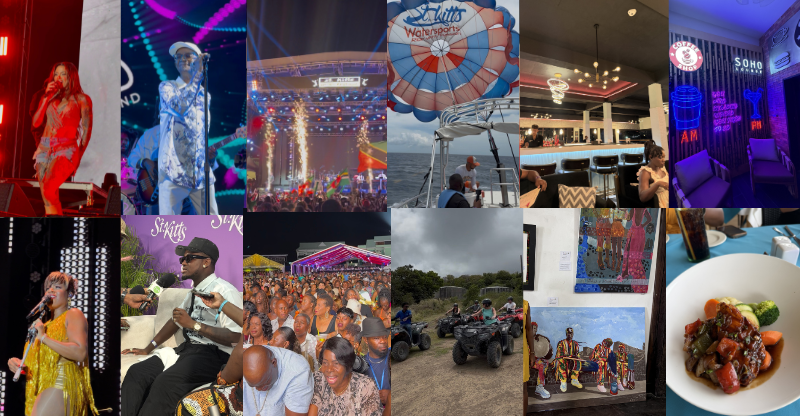
    Nestled in the heart of the Caribbean, the St Kitts Music Festival has long held a reputation as one of the region’s most beloved cultural gatherings, and a recent immersive visit to the June 25–27 event confirms why it draws visitors and music lovers from across the globe every year. Far more than just a series of live performances, the festival delivers a holistic destination experience that weaves together world-class music, local hospitality, cultural preservation, and outdoor adventure into one unforgettable trip.

    Upon arrival at the Marriott Beach Resort, the event’s hospitality partner, attendees are immediately met with the warm, genuine welcome that defines St Kitts’ local culture. A welcome dinner at the resort’s on-site Soho Lounge sets the tone for the trip, with perfectly prepared steak and attentive, friendly service that leaves a lasting first impression. Each day of the festival follows a satisfying rhythm: a hearty, diverse healthy breakfast at the resort kicks off the morning, followed by exclusive access to artist press conferences that give media and industry guests rare insight into the creative processes and core messages driving the performers’ work. Between official festival engagements, attendees have the chance to explore the island’s charming towns and natural landscapes, with lunch stops at local favorites Yani’s One Pot and Serendipity consistently delivering fresh, flavorful local cuisine paired with exceptional service.

    Beyond its headline musical lineup, the festival curates a range of optional off-site activities designed to let attendees tailor their experience to their interests, with six distinct excursions available this year. For those craving adventure, a guided off-road jeep tour with local outfitter SKN Jeepers is a standout option. The two- to three-hour trip winds along rugged, rocky coastal and inland roads, balancing heart-pounding excitement with stunning views of the island’s diverse terrain. Lead guide Eric Jeffers prioritizes guest safety throughout the journey, while building in stops at two iconic local sites: the historic Shadwell Great House and independent retailer Bougainvillea Books and Gifts.

    At Shadwell Great House, visitors get the chance to explore the Masquerade Traditions Art Exhibition, a community-led initiative dedicated to preserving St Kitts and Nevis’ centuries-old cultural heritage. The exhibition doubles as a crowdsourcing project to build a publicly accessible Masquerade Traditions Digital Collection, highlighting the critical importance of documenting and sharing the islands’ unique cultural legacy with new generations and global audiences.

    For visitors craving a different kind of thrill, parasailing with St Kitts Watersports offers a one-of-a-kind perspective of the island. Even first-time participants will find the experience equal parts thrilling and serene: ascending 600 feet above the Caribbean coast rewards guests with sweeping, panoramic views of the island’s lush green landscapes and turquoise shoreline. Guides Ricky and Diamond walk participants through every step of the process, prioritizing safety and putting first-time guests at ease.

    To round out the excursion lineup, the low-key Perfume & Prosecco session at Belle Mont Sanctuary offers a relaxing, creative counterpoint to more high-adrenaline activities. Attendees get the chance to craft their own custom signature fragrance, guided by local artisans, while enjoying sparkling prosecco and the quiet beauty of the sanctuary’s grounds.

    When it comes to the festival’s core musical programming, the three-night lineup delivers something for every taste, bringing together a dynamic mix of regional Caribbean stars and internationally acclaimed artists. Standout sets from across the weekend included soca icon Machel Montano’s high-energy return to the St Kitts stage, electric performances from leading dancehall artists Mavado and Masicka, and a much-anticipated set from Grammy-nominated international R&B star Kehlani.

    The third and final night of the festival proved to be the most memorable for many attendees, with powerhouse performances from Fantasia, Kehlani, and reggae star Tarrus Riley that kept crowds dancing late into the night. One of the weekend’s most touching moments came during Fantasia’s lively headlining set, when the festival organized an on-stage birthday celebration that highlighted the event’s close, community-focused spirit.

    For media guests, the event’s organization sets a high standard for Caribbean music festivals: a dedicated, well-equipped media booth, accessible charging stations, and pre-organized meal services ensure that working guests can cover the event comfortably. Robust, unobtrusive security protocols, including mandatory pass scanning for both audience and media areas, keep all attendees safe without detracting from the festive, welcoming atmosphere. Throughout the entire weekend, the local St Kitts festival team goes above and beyond to meet every guest’s need, reinforcing the island’s reputation for warm Caribbean hospitality.

    As one of the Caribbean’s longest-running and most respected music events, the St Kitts Music Festival more than lives up to its reputation. For anyone seeking a travel experience that combines world-class live music, deep cultural immersion, outdoor adventure, and unforgettable local hospitality, it is a must-visit destination that delivers lasting memories and meaningful connections to both music and place.

  • Flood risk warning issued for Caribbean as heavy rains forecast

    Flood risk warning issued for Caribbean as heavy rains forecast

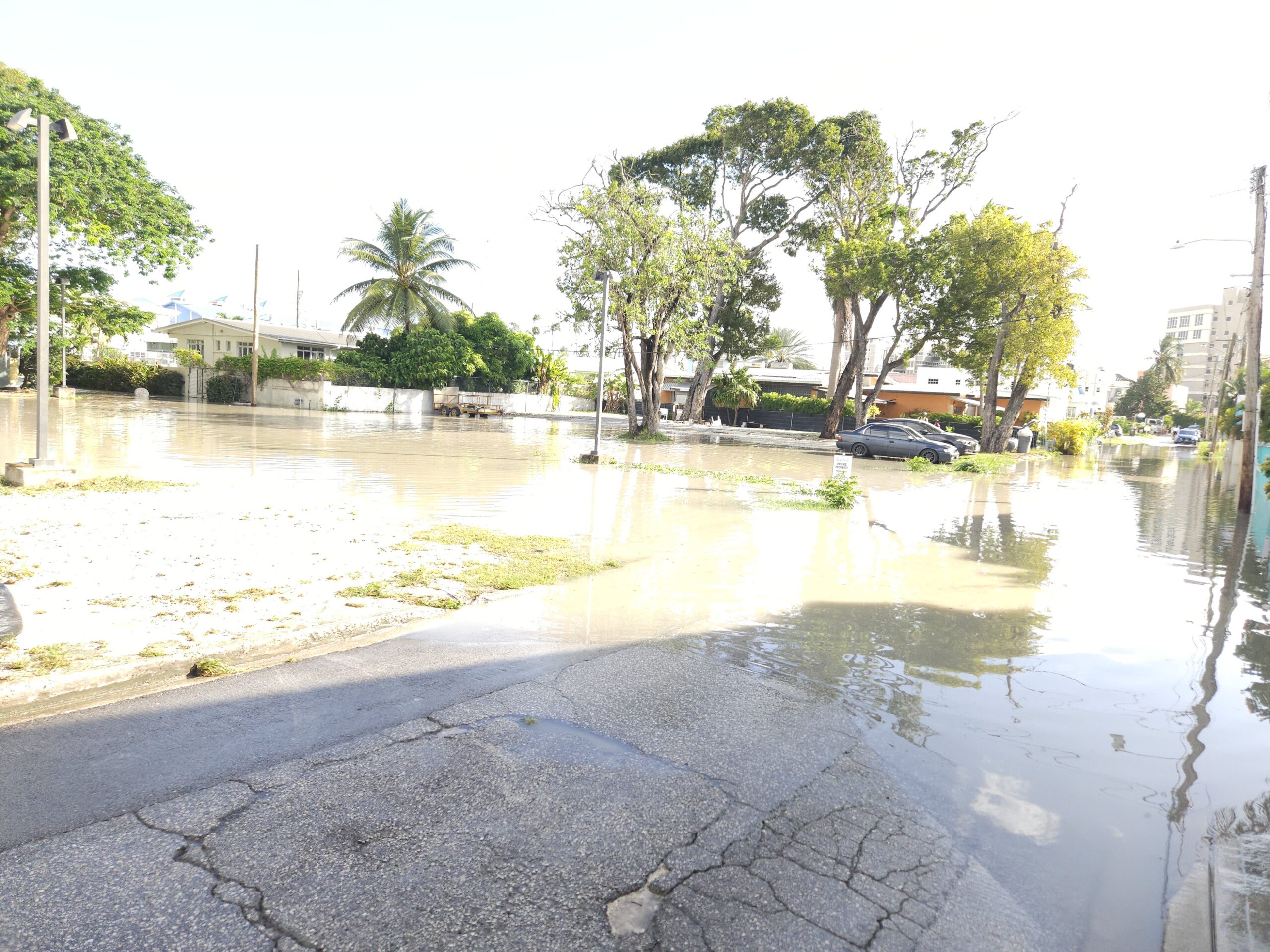
    As the Atlantic hurricane season enters its most dangerous three-month stretch, climate scientists have issued a stark warning: Barbados and the broader Caribbean region face sharply elevated risks of flash flooding and a cascade of related climate hazards through September, driven by strengthening El Niño conditions, above-average ocean warming, and expected periods of extreme rainfall. The updated outlook comes from the Caribbean Climate Outlook Forum (CariCOF), which released a full suite of seasonal forecasts covering every key climate variable for the July-to-September period, ranging from temperature and precipitation projections to drought outlooks, heatwave risk assessments, and even a long-range early projection for the 2026 Atlantic hurricane season.

    CariCOF’s analysis confirms that the ongoing warming of Caribbean waters paired with a strengthening El Niño through the region’s summer wet season creates ideal conditions for extreme downpours. Those heavy rainfall events, in turn, push the risk of flash flooding and cascading secondary hazards into the high to extremely high range across much of the region. A mitigating factor for hurricane activity, however, is the expected frequent intrusion of dry, dusty air masses from the Sahara. While these airborne dust plumes will suppress the formation and strengthening of tropical cyclones, they carry their own risks: they are projected to worsen oppressive humid heat and push air quality to unhealthy levels across many islands.

    The steadily warming regional ocean environment will also drive more intense heat events through the peak of the annual heat season in September, with frequent recurrent heatwaves expected, particularly across the northernmost Caribbean islands. For the 2024 hurricane season, forecasters project irregular storm activity through August, followed by an unusually quiet peak period in September. For areas dealing with existing dry conditions, relief will come slower than usual: lingering drought across the Lesser Antilles is not expected to ease substantially by September, and the overall increase in rainfall frequency through the season will be slower than the historical average.

    As of May 1, when the latest on-the-ground drought data was collected, CariCOF confirmed that severe or extreme short-term drought has already developed across parts of western Cuba, St Lucia, and St Vincent. Long-term severe drought is already in place in Aruba and southern Belize. For agricultural stakeholders, the outlook offers a small degree of short-term reassurance: forecasters do not expect widespread agricultural drought to develop across the region by the end of August. However, long-term drought is already progressing in St Lucia, and conditions are likely to remain dry through the end of November in Martinique and St Kitts.

    Looking ahead to the September-to-November period, which marks the peak of the Caribbean wet season, the second half of the Atlantic hurricane season, and the peak and conclusion of the annual heat season, ocean temperatures are forecast to continue climbing through September. Record-breaking ocean and air heat is particularly likely in the northern Caribbean.

    CariCOF’s long-range assessment ties the strength of the current El Niño event to future climate hazards across the region: the stronger El Niño becomes, the more intense regional heat will be in coming months, and the more likely the 2026-27 dry season will bring widespread, severe drought across the Caribbean. At the same time, a stronger El Niño also correlates with less intense tropical cyclone activity and reduced severe weather risk during the current hurricane season.

  • Surrender of British forces on Grenada: 4 July 1779

    Surrender of British forces on Grenada: 4 July 1779

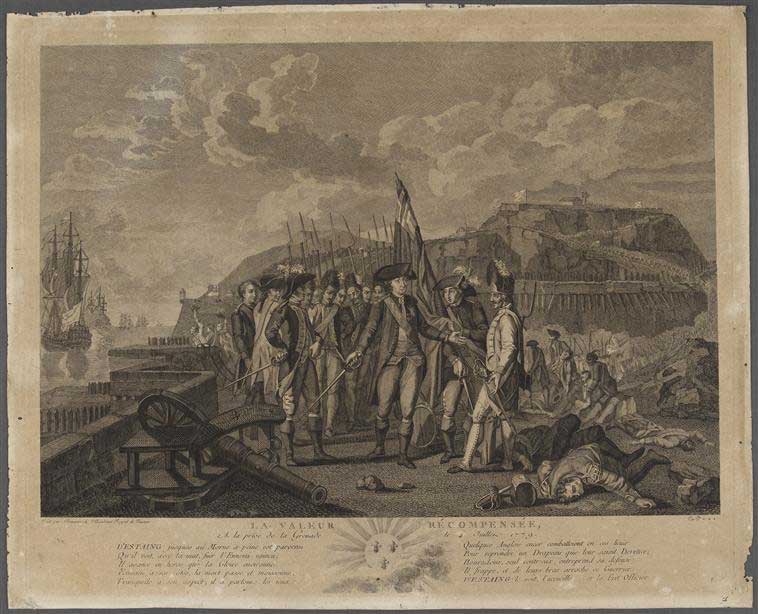
    Two and a half centuries ago, on July 4, 1779, a decisive colonial military campaign shifted control of the Caribbean island of Grenada from Britain to France, a victory that reshaped regional power dynamics and left lasting physical and cultural traces across the island.

    The operation grew out of a broader sequence of French military moves in the Caribbean that summer. After successfully capturing the neighboring island of St. Vincent on June 18, French Vice-Admiral Charles-Henri comte d’Estaing sailed his fleet north on June 30. Originally planning to strike the British-held island of Barbados, persistent unfavorable winds made the assault unfeasible, forcing d’Estaing to redirect his massive force toward Grenada instead.

    British colonial leaders on Grenada received advance warning of the impending attack, prompting Governor George Macartney to immediately declare martial law and rally all available defensive forces. His entire garrison amounted to just 101 regular soldiers from the 48th Regiment, 24 new artillery recruits, and between 300 and 400 local militiamen. Deeming the existing Fort George too weak to hold off a large-scale assault, Macartney chose to anchor his primary defense at the Hospital Hill Redoubts, a fortified position perched 400 feet above sea level with a direct vantage point over Fort George. He also dispatched an urgent request for reinforcements to the main British naval command in the Caribbean, holding out hope that Admiral John Byron’s fleet would arrive in time to repel the invasion.

    By mid-afternoon on July 2, d’Estaing’s fleet—comprising 25 ships of the line, 12 frigates, and more than 6,500 soldiers and sailors—dropped anchor off Molinere Bay on Grenada’s western coast. By the end of the day, between 1,300 and 1,500 French troops had come ashore and secured the surrounding coastal area, with the outnumbered British forces unable to spare any men to oppose the landing.

    That same night, French forces began a long flanking march around Hospital Hill to position for their assault. After leaving Molinere Bay, the column split into two groups near Grand Mal: the larger contingent moved toward the de Pradine estate, while a smaller detachment advanced toward Hospital Hill and took up a forward position on Cherry Hill. In a preliminary probe that night, the French sent one ship toward the main town to test British defenses. The vessel exchanged a small number of shots with the Hospital Hill garrison before withdrawing under fire. A secondary French attempt to advance along the St. John River around 2 a.m. also failed, after British defensive fire threw the advancing force into confusion, forcing a retreat when the troops became lost in the dark terrain.

    D’Estaing’s final plan for storming Hospital Hill called for three main infantry columns to attack from the east and southeast, a maneuver that required a full day of marching across difficult terrain on July 3 to reach their attack positions by nightfall. A diversionary false attack from the west and north would draw British attention away from the main assault columns. Before launching the attack, d’Estaing sent a truce envoy to demand Macartney’s surrender, framing the demand as an act of mercy: “Humanity requires it and the personal consideration which the Count d’Estaing has for Lord Macartney induces him in the most solemn and pressing manner to summon his Lordship to surrender.” Macartney rejected the demand, clearing the way for the French assault.

    Around 11 p.m. on July 3, French infantry silently began climbing the steep trails leading to the Hospital Hill summit. By midnight, the main force had gathered near William Lucas’ estate—now the site of Grenada’s Government House, roughly one mile from the redoubts—and spread into formation. At approximately 2 a.m. on July 4, the smaller diversionary force launched its planned false attack along the St. John River. Seizing the moment, the three main assault columns began their final push up Hospital Hill.

    An advanced guard leading the left column, commanded by the Comte de Durat who would later become French governor of Grenada, successfully breached the palisade defenses and opened a path up the hill for the rest of the column. Overwhelmed by the French force’s superior numbers, British defenders were pushed out of every defensive position one by one. The entire assault on Hospital Hill took just over an hour for the French to secure. Macartney and a small contingent of remaining troops fled the redoubts before they fell and retreated to Fort George. In his later accounts, Macartney blamed the quick collapse on mass desertions, claiming most free colored fighters and local French militiamen abandoned their posts as soon as the attack began.

    As dawn broke on July 4, the French turned the captured British artillery on Hospital Hill directly toward Fort George. In their hasty retreat, British troops had no time to disable the guns, leaving them fully operational for the French. After just a single shot was fired from the heights, the British garrison raised a white flag of surrender. Macartney was granted a few hours to draft surrender terms, and presented 17 articles of capitulation to d’Estaing. The French commander rejected all of Macartney’s terms outright and immediately presented his own 28 articles, which Macartney later described as “the most extraordinary and unexampled project that ever entered into the mind of a General or Politician.” With no remaining military leverage to negotiate, Macartney had no choice but to accept unconditional surrender, as local leaders concluded that trusting to the international laws of war was better than facing further bloodshed.

    The 1779 capture of Grenada was one of only three times the island changed hands during its colonial history, and one of the only violent transfers of power. The British viewed the loss as a major strategic blow to their Caribbean holdings, while the French celebrated the victory as a major military triumph across the empire. Paris held public celebrations, commissioned commemorative paintings and satirical plays mocking the British defeat, and put captured British flags and prisoners of war (including Macartney) on public display. The victory even influenced French fashion, with commemorative designs becoming popular in Paris after the news arrived.

    The capture also left lasting legacies that remain visible on Grenada today. The current location of Grenada’s Government House traces its origins directly to the 1779 seizure. After the victory, the French appropriated William Lucas’ Mt. George estate for new defensive entrenchments on Richmond Hill, and repurposed Lucas’ existing residence as the official residence for Governor Durat. By 1785, the Grenada colonial government purchased the full estate, and British governors took up residence there, with a new official residence constructed on the site in 1807 that remains in use today. Recognizing how easily the island had fallen, the French also prioritized building new fortifications on the high ground of Richmond Hill, a defensive network that remains a key historical site on the island.

  • Derde helft WK 2026: FIFA reserveert record prijzenpot van US$ 871 miljoen

    Derde helft WK 2026: FIFA reserveert record prijzenpot van US$ 871 miljoen

    The FIFA World Cup has always been far more than a contest for the iconic golden trophy. While national teams battle it out on the grass to secure a spot in the next round of the tournament, a high-stakes off-pitch struggle unfolds behind the scenes, centered on millions in prize money, career-defining individual honors, and long-term commercial gains that can shape a player’s entire professional journey.

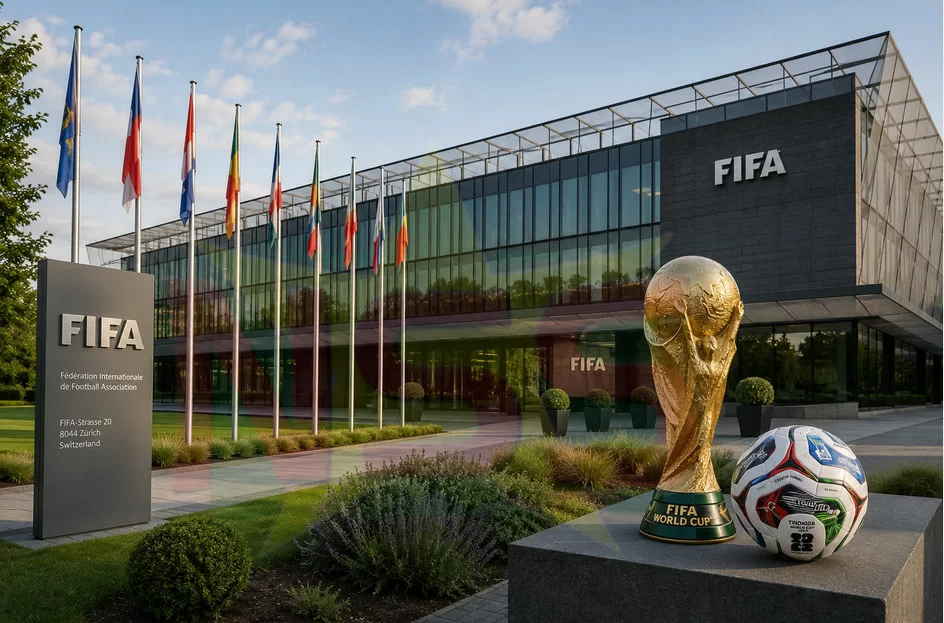
    For the 2026 edition of the World Cup, co-hosted by the United States, Canada and Mexico, global governing body FIFA has allocated a historic record-breaking prize pool totaling $871 million. Unlike common misconceptions, this massive sum is not distributed directly to competing players, but instead awarded to each participating nation’s national football association. The tournament champions will walk away with $50 million, while the runner-up will receive $33 million. Even teams eliminated in earlier knockout stages are guaranteed multi-million dollar payouts: for example, teams that reach the round of 16 earn $15 million each before exiting the competition.

    Beyond the team-based prize purse, individual awards carry nearly equal weight for many competing players, even if FIFA does not publicly disclose separate cash prizes for these honors. The most coveted individual accolades include the Golden Ball for the tournament’s best player, the Golden Boot for the top goal scorer, the Golden Glove for the best goalkeeper, an award for the tournament’s best young player, and a Man of the Match award handed out after every single game. While these titles come with no immediate large cash reward from FIFA, their long-term value is immeasurable. A player named the World Cup’s best performer sees an instant surge in their market transfer value, becomes far more attractive to global brand sponsors, and secures a permanent place in football history.

    For the three North American co-host nations, this expanded 48-team 2026 World Cup extends far beyond the scope of sport. FIFA collects the majority of the tournament’s total revenue from four core streams: broadcast rights, corporate sponsorships, premium hospitality packages, and merchandise licensing. Host nations, by contrast, capture most of their economic gains through indirect channels: increased tourism revenue, hotel and hospitality spending, local transportation revenue, added tax income, and new job creation across the tournament period.

    There is no formal fixed revenue-sharing formula between the three co-hosts, as the final economic gain each nation sees depends primarily on the number of matches it hosts and the volume of visiting fans it attracts.

    Industry analysts broadly expect the United States to capture by far the largest share of the tournament’s economic benefits, for clear structural reasons. Out of the 104 total matches scheduled for the 2026 World Cup, 78 will be held on U.S. soil, and 11 of the 16 host cities are located in the United States. Every match from the quarterfinals onward will be hosted in the U.S., including both the third-place play-off and the tournament final. Both Mexico and Canada will host 13 matches each, meaning the bulk of direct economic spillover will naturally flow to the United States without any formal allocation rule from FIFA.

    All told, the 2026 FIFA World Cup will not only go down as the largest edition in the tournament’s history in terms of participating teams and total matches—it will also stand as a major global economic contest. For competing players, the tournament offers glory, multi-million dollar commercial gains, and permanent fame. For host nations, it brings international prestige, significant revenue, and an unspoken competition to see which country can extract the maximum benefit from the world’s biggest football stage. At its core, the World Cup is never just about scoring goals—it is always a battle for money, status, and a permanent place in history.

  • CoP: No ‘sacred cows’  as 17 officers lose jobs

    CoP: No ‘sacred cows’ as 17 officers lose jobs

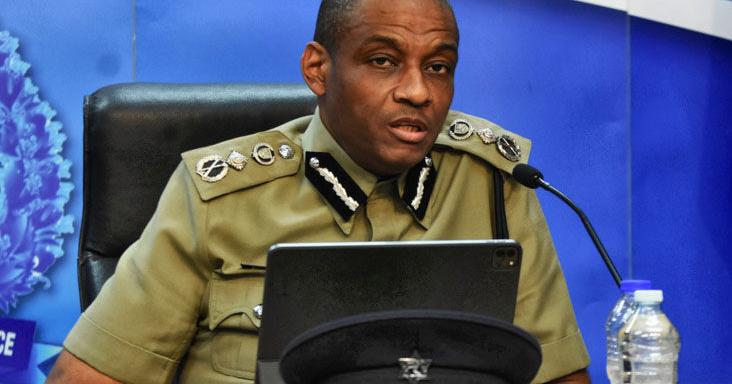
    A major anti-corruption and disciplinary overhaul is underway in the Trinidad and Tobago Police Service (TTPS), after top official Allister Guevarro announced the permanent revocation of appointments for 17 suspended police officers this week, reaffirming a zero-tolerance policy for misconduct that leaves no member of the force exempt from accountability.

    The 17 affected officers are just a fraction of the 280 TTPS personnel currently suspended over a range of alleged rule-breaking and criminal infractions. Their names were formally released in an official advisory, with the revocation confirmed in a public voice note address from Police Commissioner Guevarro shared with media over the weekend following Thursday’s initial announcement.

    In his address, Guevarro centered his remarks on a core principle guiding the disciplinary push: there are no “sacred cows” within the TTPS. Police officers across all ranks are granted extraordinary public authority to maintain safety and uphold the law, Guevarro explained, and this public mandate comes with a non-negotiable duty to hold themselves to the highest standards of integrity, discipline, and service to the people of Trinidad and Tobago.

    “Any officer who wears this uniform and engages in criminality will face the full weight of lawful action. I will take every step necessary to remove you from this organisation,” Guevarro said. He stressed that when officers break their oath of office, consequences will be unambiguous, swift, and applied equally to all ranks, regardless of position or seniority. Drawing on a vivid local turn of phrase to underscore his commitment to equal accountability, Guevarra argued that all criminals face the same consequence: “it will be big gouti, small gouti, same shot.”

    The commissioner added that the TTPS remains fully committed to the values of transparency, accountability, and the highest ideals of public service. This disciplinary crackdown is part of a broader push to strengthen institutional integrity, rebuild public confidence in the force, and remind every serving officer that their core duty is to serve the public without bias or favoritism. Guevarro promised that as the zero-tolerance policy is rolled out, the public will see a more determined, united response to widespread crime.

    Reaction to the decision from the Trinidad and Tobago Police Service Social and Welfare Association, the representative body for officers, has been measured but broadly supportive. Association president ASP Ishmael Pitt told reporters that if Commissioner Guevarro is acting within the bounds of his legal authority, the association has no objections to the revocations.

    “We support any move to improve the image of the TTPS and address issues of accountability, integrity and ethics,” Pitt said. But Pitt did highlight a longstanding point of friction between the association and TTPS leadership: the association has concerns in cases where disciplinary action is taken prematurely, without adhering to core principles of natural justice that guarantee officers fair process. Pitt stressed that once all due process requirements and legal parameters are met for the 17 revoked officers, the association will not challenge the decision.

    Following the announcement, the TTPS released the full list of officers whose appointments have been revoked: Tamara Boyce, Vijay Singh, Elliot Chin, Joanne Jadoo, Owen Hem-Lee, Jilann Holder, Kizzy Thomas, Karlon Murray, Christopher Gobin, Michael Alcala, Carlos Thorne, Devon Basant, Akiel Smith, Desron Dillon, Shaun Reid, Joff Awong and Daryl Baksh.

  • Normal course of business

    Normal course of business

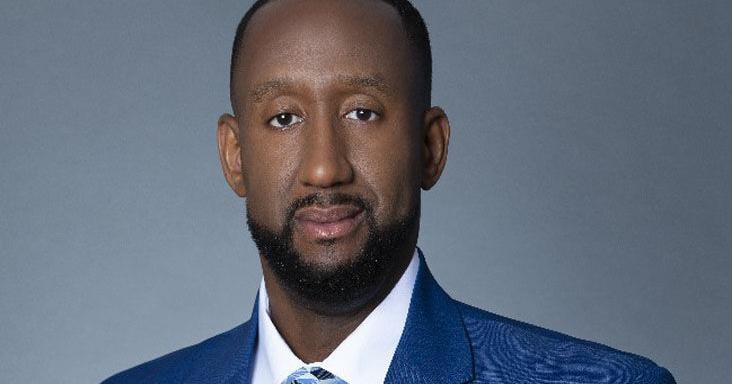
    A high-profile currency seizure at one of Trinidad and Tobago’s busiest international airports has drawn the involvement of multiple regional and U.S. law enforcement agencies, after local customs officials intercepted $2 million in U.S. currency bound for Miami. In an exclusive statement to local outlet the Express, NCB Merchant Bank (Trinidad and Tobago) Ltd. has formally claimed ownership of the seized funds, maintaining the transaction was a routine, fully compliant part of its regular commercial operations.\n\nThe interception unfolded on June 25 at Piarco International Airport, where customs and excise inspectors flagged the cash, stowed inside a plain white crocus bag, during pre-shipment checks. The currency was scheduled to be routed to Miami via a stopover in Jamaica, but regulators raised concerns about gaps in the accompanying shipping documentation. Following the interception, the funds were transferred to the Central Bank of Trinidad and Tobago for secure holding while official investigations proceed. As of the latest reporting, the cash remains in the central bank’s custody, with no clearance for shipment granted yet.\n\nIn an email response to the Express’ questions Thursday evening, NCB Merchant Bank chief executive Marli A. Creese laid out the bank’s official position on the incident. “The cash referred to belongs solely to the bank,” Creese confirmed, emphasizing that the courier shipment followed all standard internal protocols and aligned with every applicable domestic and international law. “All usual and required protocols were adhered to,” he added, addressing questions about whether the bank had followed its own internal compliance procedures for large currency shipments.\n\nCreese also confirmed that the bank has been in direct contact with investigating authorities and is committed to full cooperation throughout the probe. The Customs and Excise Division reached out to the bank requesting additional verification and supporting documentation related to the shipment, he said, and the institution has already fulfilled all information requests. Addressing early reports that customs identified major documentation deficiencies, Creese clarified that the situation only amounted to a routine request for supplementary information, which the bank has already resolved.\n\nTrinidad and Tobago’s Finance Minister Davendranath Tancoo confirmed Thursday that the investigation is ongoing, with multiple security and financial regulatory agencies working in parallel to resolve the case. “This matter is now engaging the attention of several relevant security and financial agencies. Obviously, it would be inappropriate to comment at this time. Suffice it to say that a thorough investigation is being pursued involving all parties to this transaction,” Tancoo told the Express. Multiple sources also confirm that U.S. law enforcement and financial authorities are assisting with the probe, a standard step for large currency shipments bound for the U.S.\n\nThe Express submitted additional follow-up questions to both NCB Merchant Bank and Central Bank Governor Larry Howai on Thursday, but neither party issued an immediate additional comment. Investigations are expected to continue in the coming days as authorities work to confirm all regulatory requirements for the large currency export were met, before a final decision on releasing the funds is made.

  • Triumph amid tragic loss

    Triumph amid tragic loss

    For one Trinidadian family, the long-awaited release of Secondary Entrance Assessment (SEA) results brought a bittersweet moment: a brilliant academic achievement that should have been a cause for full celebration is instead marked by the gaping absence of a father killed just hours after his daughter sat for the high-stakes exam.

    Rajkumar Pope, a 45-year-old engineering supervisor at Trinidad’s Ministry of Agriculture, Land and Fisheries and father of two, was killed in a fatal altercation at a local community shop in Friendship Village, Golconda, just outside San Fernando on March 26. The tragedy unfolded on the very day his younger daughter completed her SEA, the standardized exam that determines placement into Trinidad’s secondary schools.

    On the day of the attack, Pope and his family had enjoyed a quiet outing together: after picking up his daughter following her exam, they collected their 17-year-old son, browsed local malls in San Fernando, and headed home. It was only when they stopped at a neighborhood shop at 6:25 p.m. to buy bread that the violent confrontation broke out.

    Circulated security camera footage of the incident shows a 17-year-old male and an older man with an infant waiting inside the shop moments before Pope entered. When Pope walked past the teen inside the store, an unprovoked attack began, with both men exchanging blows before the fight ended after several seconds and Pope left the shop.

    Pope returned to his home unharmed at first, but collapsed later that night. Emergency paramedics rushed him to San Fernando General Hospital, where he was pronounced dead just over three hours after the attack, at 9:30 p.m. A post-mortem examination later confirmed his death was caused by a combination of blunt force trauma from the beating and pre-existing heart complications.

    Following the killing, the 17-year-old suspect was arrested, charged with Pope’s murder, and remanded into custody to await trial.

    In an interview with local outlet *Express* this week, Pope’s widow Annie Pope opened up about the family’s months-long struggle to navigate crippling grief while celebrating their daughter’s hard-won academic successes. For the family, every milestone – from June’s Father’s Day, their first without Pope, to their wedding anniversary, to the recent SEA results release – has been marked by equal parts pride and sorrow.

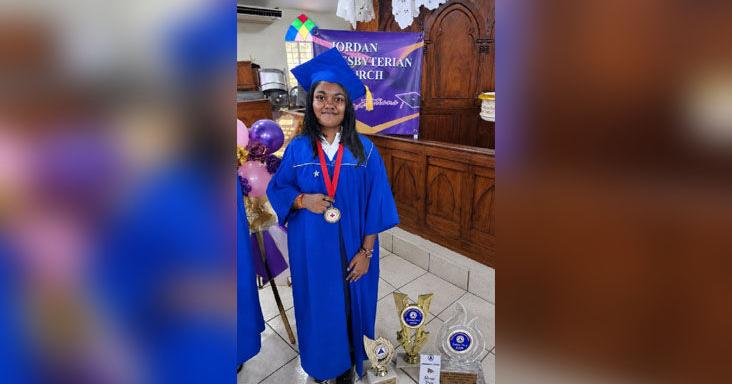
    Just days after Father’s Day, Pope’s daughter graduated as valedictorian from Jordan Hill Presbyterian School in Princes Town, a crowning achievement that would have brought enormous joy to the father who was her biggest cheerleader.
    “Her daddy was her biggest supporter. He should have been there to see her receive that honour. He would have been so proud,” Annie said, her voice breaking as she recalled her husband’s constant encouragement of their daughter’s academic goals.
    That same ache resurfaced when SEA results were officially released this month. Pope had long prioritized his children’s education, and had been eagerly anticipating his daughter’s transition into secondary school after her exam. Annie said that even in his absence, the family holds onto his support and love.
    “His children’s education was very important. He’s not here, but she has his blessings and he will always be with her. I told her no matter what, he will always be there with you and he will be rooting for you. He knew she worked very hard and that she would do well. He was looking forward to her continuing on her journey into secondary school,” she said.
    Annie added that her daughter is excited to start her new secondary school and meet new classmates, and carries with her the final encouragement her father gave her on exam day. “The last thing he told her that day was that he was proud of her.”
    Though the family is doing their best to cope with the tragedy and move forward, the void left by Pope’s sudden, senseless death remains, turning every hard-won win into a reminder of the man who is no longer there to share in the joy.