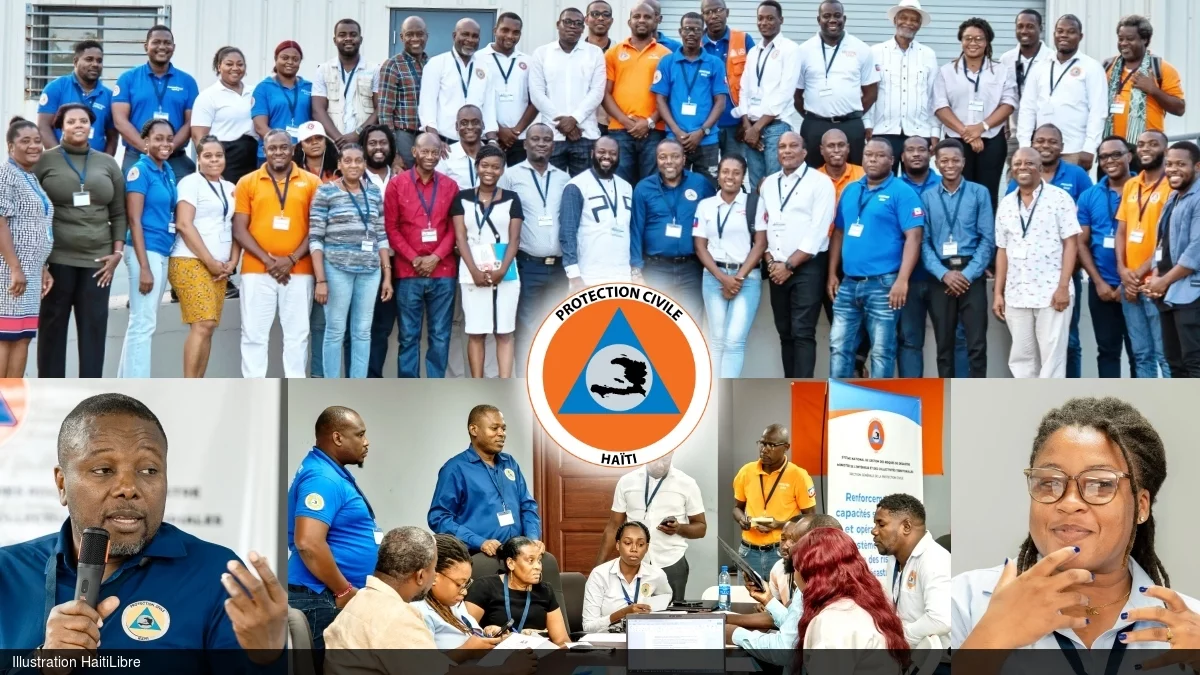
As the 2026 North Atlantic, Gulf of Mexico and Caribbean hurricane season entered its most active phase weeks after its official June 1 launch, Haiti’s General Directorate of Civil Protection (DGPC) has moved to modernize the country’s disaster preparedness infrastructure with a landmark four-day national workshop held in Les Cayes from June 29 to July 2. The gathering, which brought together 50 key stakeholders across national and departmental emergency management bodies, focused on aligning and updating the country’s scattered contingency plans into a unified, digitized system capable of addressing a full range of natural hazards.
This workshop marks a major milestone in the DGPC’s five-year ongoing reform agenda to strengthen Haiti’s emergency response capacity. Built on incremental improvements to preparedness frameworks rolled out since 2021, the initiative prioritizes reconciling national and departmental-level contingency protocols, integrating hard-won lessons from recent disaster response operations, standardizing operational workflows, and closing coordination gaps between the multiple public and private sectors involved in emergency relief efforts.
Fifty participants representing ten departmental emergency management directors, central DGPC leadership, technical civil protection staff, independent national risk experts, and member institutions of Haiti’s National Risk Management System (SNGRD) gathered for the workshop, which was made possible through targeted technical and financial support from international partner organizations. Key backers include the World Food Programme (WFP), the International Organization for Migration (IOM), the United Nations Children’s Fund (UNICEF), the Phoenix Project, and the United States Forest Service (USFS), all of which have long partnered with the DGPC to build sustainable disaster resilience across Haiti.
Over the four-day event, attendees rotated between in-depth technical presentations, collaborative working groups, hands-on practical training, and simulated hydro-meteorological disaster scenarios designed to test and refine the emerging unified framework. All work was aligned with the 2020 June 15 presidential decree that established the SNGRD and introduced a new unified command structure for disaster management across the country. Core focus areas included comprehensive multi-hazard risk assessment, clarification of cross-sectoral responsibilities, budget allocation for different response scenarios, and the transition from outdated paper-based planning tools to modern digital systems.
Workshop organizers outlined several concrete, actionable outputs expected from the gathering. These include a fully harmonized overarching national framework for contingency planning, a standardized methodological guide for all stakeholders to follow, tailored departmental work plans to finalize local planning documents, and a clear national roadmap that lays out timelines and protocols for the validation, public dissemination, and full rollout of the updated plans.
In opening remarks to attendees, DGPC Director General Emmanuel Pierre reaffirmed that proactive emergency preparedness remains the foundational pillar of effective national risk reduction and management. He stressed that accessible, regularly updated, cross-stakeholder aligned contingency plans are non-negotiable for boosting Haiti’s overall preparedness, streamlining operational coordination during crises, and ultimately delivering far more effective response when large-scale disasters strike.