作者: admin

  • ‘Social Media Lockout’ in Australia for Users Under Sixteen

    ‘Social Media Lockout’ in Australia for Users Under Sixteen

    In a groundbreaking move to safeguard youth from digital risks, the Australian government has mandated a comprehensive social media prohibition for all citizens under sixteen years of age. Effective December 10, 2025, this sweeping regulation requires major platforms—including Facebook, Instagram, TikTok, YouTube, Snapchat, Reddit, X, Threads, and Kick—to deactivate accounts belonging to minors below the specified age threshold.

    Platform operators must comply with stringent reporting protocols, submitting monthly documentation detailing the number of underage accounts terminated. Non-compliance carries severe financial penalties, with fines reaching up to 50 million Australian dollars for violations. The Australian eSafety Commissioner will formally issue enforcement notices to social media companies on December 11, initiating the compliance verification process.

    Communications Minister Anika Wells defended the policy, citing mounting evidence of platforms’ inadequate protection of younger users. While acknowledging the technical complexities of age verification systems, Wells emphasized that systemic violations would trigger substantial financial consequences.

    The policy has drawn mixed reactions from technology corporations. YouTube, operated by Google, expressed strong opposition, stating the measure would ultimately decrease safety for Australian youth on their platform. Conversely, Meta announced proactive measures to identify and remove suspected underage accounts beginning December 7.

    Australia’s decisive action has generated international attention, with several nations considering similar age restrictions. Malaysia has announced plans to implement comparable social media prohibitions for users under sixteen within the coming year. European nations are pursuing alternative approaches: France mandates age verification and parental consent for users under fifteen, Denmark is preparing restrictions for those under fifteen, and Italy requires parental authorization for social media access by individuals under fourteen.
  • NODS Begins Nationwide Audit to Strengthen Antigua and Barbuda’s Disaster Preparedness

    NODS Begins Nationwide Audit to Strengthen Antigua and Barbuda’s Disaster Preparedness

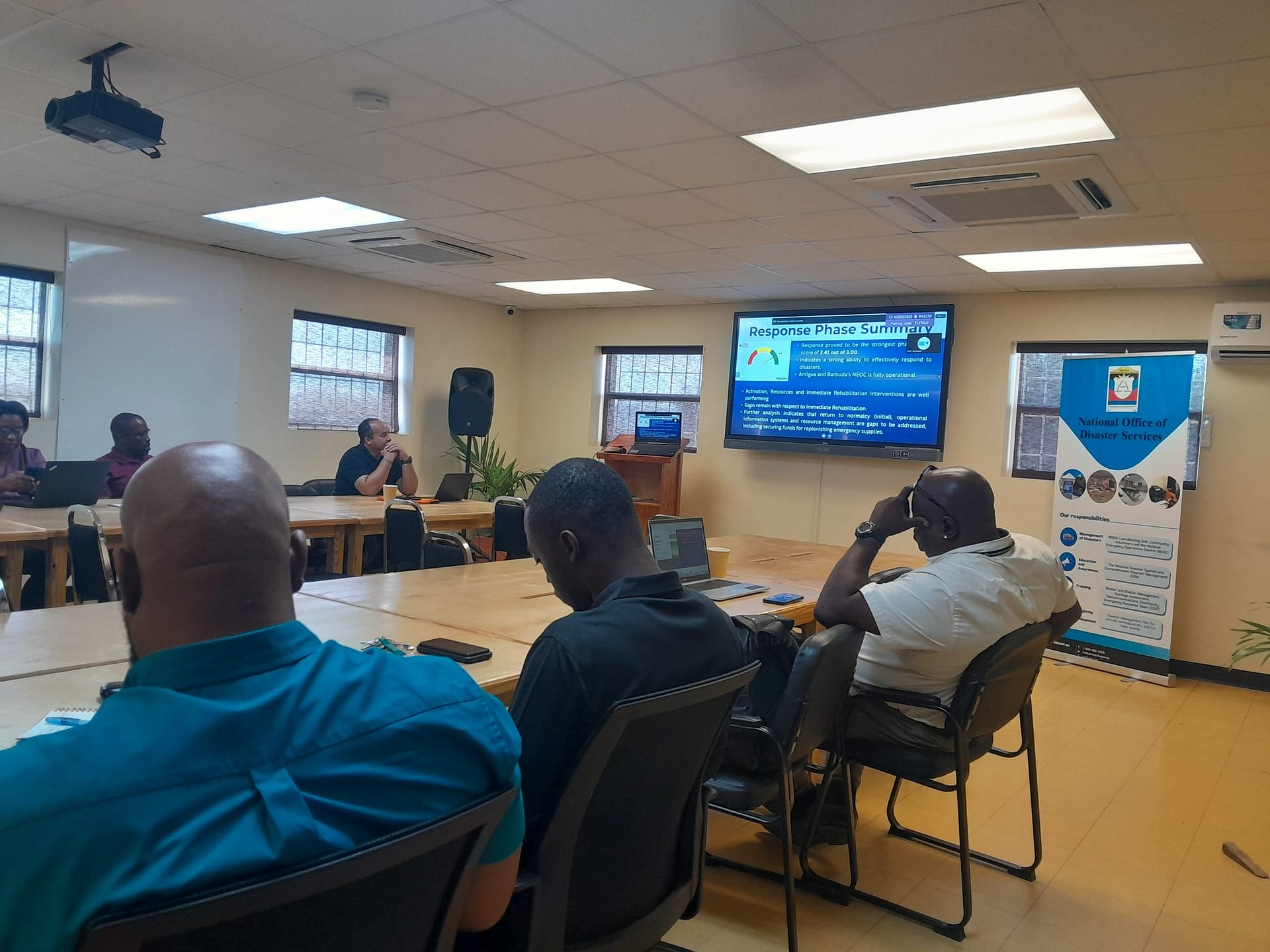
    Antigua and Barbuda has initiated a sweeping evaluation of its national disaster resilience framework. The National Office of Disaster Services (NODS), in a strategic partnership with the Caribbean Disaster Emergency Management Agency (CDEMA), has commenced a Comprehensive Disaster Management (CDM) audit. This critical, cyclical assessment represents a foundational effort to meticulously gauge the nation’s preparedness across the four essential pillars of disaster management: preparedness, response, recovery, and mitigation.

    Under the direction of NODS Director Sherrod James, the audit is designed to deliver an objective analysis of the country’s current operational standing. The initiative will pinpoint requisite resources and strategic initiatives necessary for a substantive enhancement of national disaster strategies. To facilitate this process, CDEMA, in collaboration with the University of the West Indies (UWI), has procured a local consultant to develop a specialized audit instrument—a structured questionnaire deployed to a wide array of national stakeholders.

    The collated data from these engagements will yield a holistic and unbiased overview of existing capabilities. All compiled intelligence will be integrated into a centralized, standardized database. This repository will serve as a critical benchmark for measuring the nation’s advancements and setbacks in disaster management over recent years.

    This systematic review is expressly engineered to identify operational deficiencies, chronic challenges, and nascent threats, thereby informing a proactive and forward-looking national strategy. The ultimate objective is to utilize the audit’s findings to comprehensively upgrade NODS’s existing multi-year work program. This endeavor is poised to culminate in a significantly more robust and resilient national apparatus, capable of confronting future disaster scenarios with enhanced efficacy and coordination.

  • Israel carried out more than 2,140 attacks in the West Bank in November

    Israel carried out more than 2,140 attacks in the West Bank in November

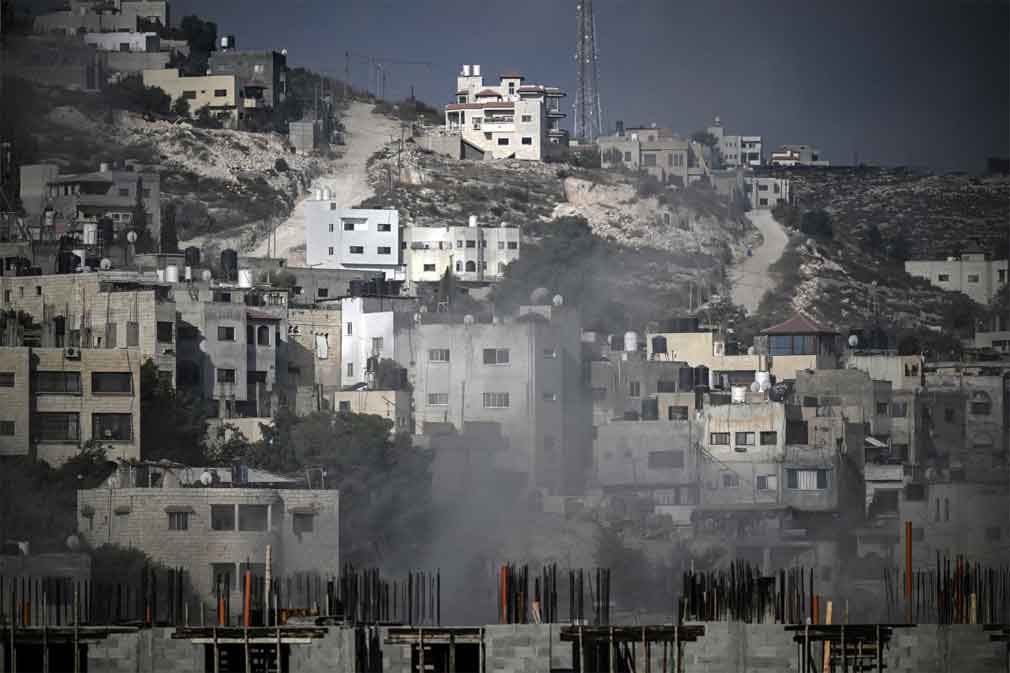
    A comprehensive monthly report from the Palestinian Commission Against the Wall and Settlements has documented an alarming escalation of Israeli military and settler activities across occupied territories. According to Commission Head Muayyad Shaaban, security forces perpetrated 1,523 distinct operations while settlers conducted additional attacks throughout the reporting period.

    The investigation reveals a systematic pattern of violations including structural demolitions, property confiscation, deliberate vandalism, movement restrictions, lethal violence, physical assaults, and widespread theft. Shaaban emphasized these actions represent not random incidents but a coordinated strategy to displace indigenous populations and establish an institutionalized system of racialized control.

    Particularly concerning is the attempted establishment of 19 unauthorized settler outposts—initial infrastructures designed to evolve into permanent Jewish settlements. The report asserts these developments occur with explicit political authorization from the highest levels of Israeli governance, intentionally fragmenting Palestinian territorial continuity and imposing demographic realities through fait accompli tactics.

    Quantitative analysis confirms the seizure of approximately 280 hectares (692 acres) of West Bank land through multiple legal mechanisms including confiscation orders, expropriation procedures, and reclassification of state land boundaries. Additionally, authorities executed 46 demolition operations affecting 76 structures while issuing 51 preliminary notices targeting additional properties for future destruction.

  • China financiert drinkwaterprojecten voor 26 dorpen in binnenland

    China financiert drinkwaterprojecten voor 26 dorpen in binnenland

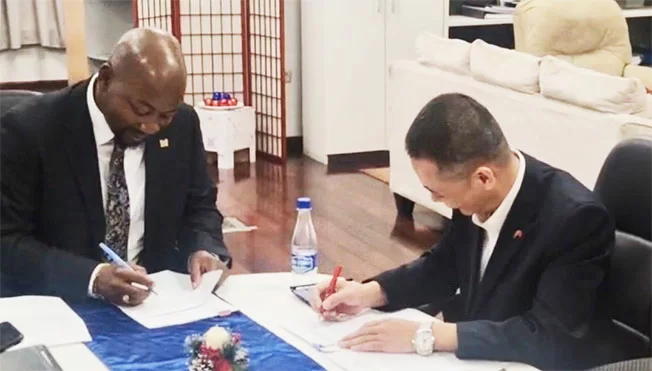
    Suriname and China have formalized a significant bilateral agreement to construct drinking water infrastructure across 26 villages in the remote interior regions of Boven-Suriname, Marowijne, and Brokopondo. The partnership was cemented through the signing of official minutes by David Abiamofo, Suriname’s Minister of Natural Resources, and Jia Jinyi, Counselor of the Chinese Embassy in Suriname.

    This development cooperation initiative focuses on installing advanced groundwater purification systems designed to provide sustainable access to safe drinking water for thousands of residents in historically underserved communities. The project represents a complete donation from the People’s Republic of China, covering all implementation costs.

    The agreement follows extensive preparatory work conducted in June by Chinese technical experts who performed comprehensive feasibility studies and meticulously assessed local conditions in each beneficiary village. Suriname’s Water Supply Service will facilitate project execution through logistical support, community communication, and capacity building programs.

    This infrastructure development marks a substantial step toward addressing structural water supply deficiencies in Suriname’s interior regions, potentially transforming public health outcomes and living standards in these communities.

  • Film Festival in Cuba, blend of cultures

    Film Festival in Cuba, blend of cultures

    The Havana Film Festival is launching a groundbreaking Latin American Film Market named Isla Abierta (Open Island) to commemorate the 80th anniversary of Mexican cinema’s iconic production company. Festival President Tania Delgado announced the initiative during an exclusive interview with Radio Rebelde, revealing the market will operate from December 7-11 through a collaborative effort between the Cuban Film Institute (ICAIC) and festival organizers.

    This strategic expansion aims to position Havana as a crucial nexus for cinematic exchange between Latin America, the Caribbean, and the Eurasian region. The festival’s official Facebook platform describes Isla Abierta as possessing “an inclusive and dynamic vision” that will facilitate content circulation, talent discovery, and innovative East-West cooperation pathways while generating unprecedented investment opportunities and strategic alliances.

    The new market will feature comprehensive industry activities including pitching sessions, expert panels, negotiation tables, location portfolio showcases, collaboration roundtables, virtual reality stations, immersive installations, and narrative video game exhibitions. These components are designed to create a holistic ecosystem for film professionals across multiple disciplines.

    Running parallel to the main festival from December 4-14—recognized as one of Latin America and the Caribbean’s most significant cinematic events—Isla Abierta will maintain the traditional participation categories while introducing these new market dimensions. The festival continues its role as a vital platform for regional cinematic expression while now expanding into international market functions that promise to reshape transcontinental film collaboration.

  • Exhibition reveals A Case for Montalbano in Cuba

    Exhibition reveals A Case for Montalbano in Cuba

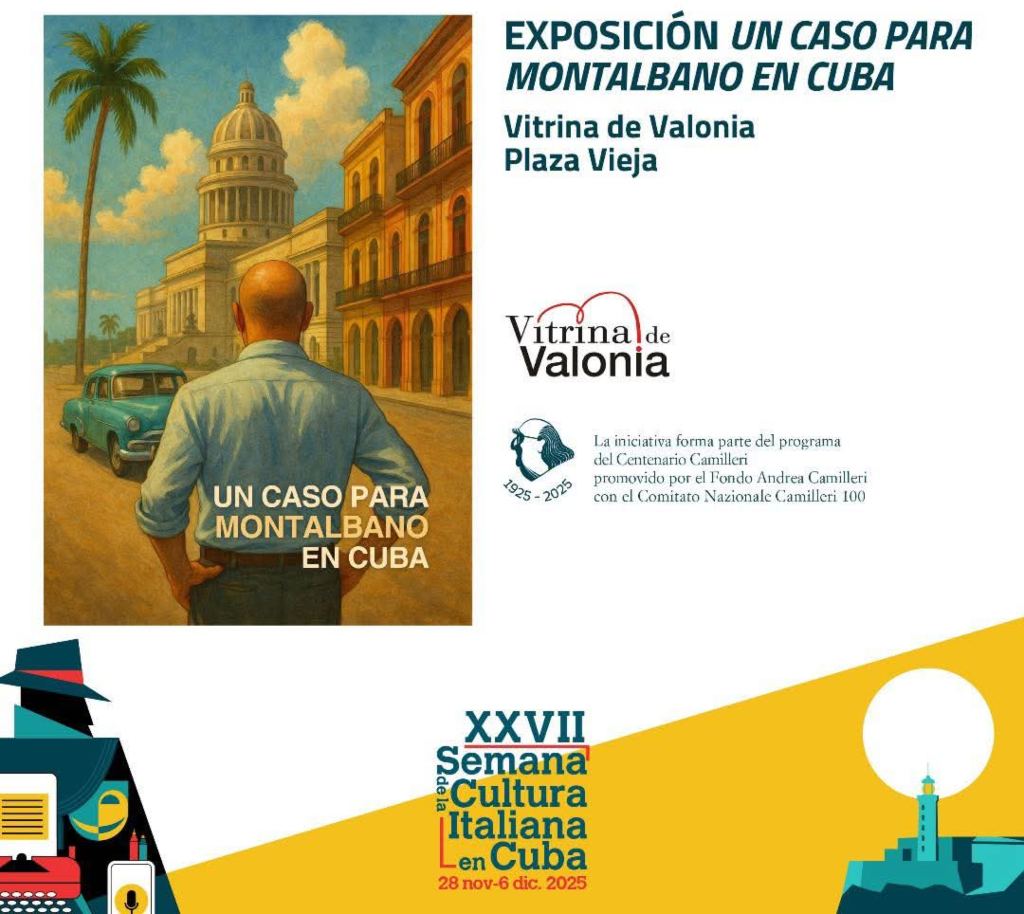
    Cuba is currently hosting the 27th edition of its longest-running cultural festival, the Week of Italian Culture, which continues through December 6th with a diverse program celebrating Italy’s rich literary heritage and artistic innovations. This year’s edition pays special tribute to three iconic Italian authors—Giovanni Boccaccio, Eugenio Montale, and Andrea Camilleri—marking significant anniversaries for each literary master through workshops, original performances, and creative competitions.

  • Jessica Berman Announces Expanded Christmas Outreach in Honor of the Late Sonia Benjamin

    Jessica Berman Announces Expanded Christmas Outreach in Honor of the Late Sonia Benjamin

    On what would have been her 75th birthday, the memory of Sonia Benjamin, a revered public servant who passed away last year, is being honored through an expanded charitable initiative bearing her name. The late Benjamin, remembered for her distinguished service in the Royal Police Force of Antigua & Barbuda and her devout membership at St. Peter’s Anglican Church, continues to inspire through her legacy of generosity and unwavering commitment to community welfare.

    Building upon the success of a previous outreach conducted in December 2024, Jessica Berman has announced a significant expansion of this year’s ‘Remembering Sonia Benjamin Christmas Outreach.’ The initiative aims to extend its reach to a greater number of households and individuals during the upcoming holiday season, embodying Benjamin’s core principles of duty and compassionate action.

    The revitalized program will feature a trio of core charitable activities meticulously designed to provide both essential support and festive joy. These include operational soup kitchens dedicated to serving warm meals to the underprivileged, organized distributions of food packages containing essential groceries to struggling families, and the giving of gifts to spread seasonal cheer.

    Organizers emphasize that the enlarged scope of the outreach is a direct reflection of Sonia Benjamin’s lifelong dedication to uplifting others. The public is being encouraged to support the endeavor, ensuring its impact resonates with the same spirit of service that defined her life.

  • Book on Italian expeditionary of the yacht Granma presented in Rome (+Photos)

    Book on Italian expeditionary of the yacht Granma presented in Rome (+Photos)

    A significant commemorative event in Rome celebrated the profound historical connections between Cuba and Italy through the extraordinary life of Gino Doné, an Italian partisan who became a Cuban revolutionary. The gathering, orchestrated by the Cuban Embassy in Italy, served as a poignant reminder of shared struggles for justice and freedom.

    Ambassador Mirta Granda presided over the ceremony, which coincided with the 79th anniversary of the Granma yacht’s landing—a pivotal moment in Cuban history when 82 revolutionaries sailed from Mexico’s port of Tuxpan to initiate the final phase of Cuba’s liberation struggle. The ambassador characterized Doné’s life as “one of the most sublime symbols of the brotherhood of our peoples,” emphasizing how common ideals forge unbreakable bonds between nations.

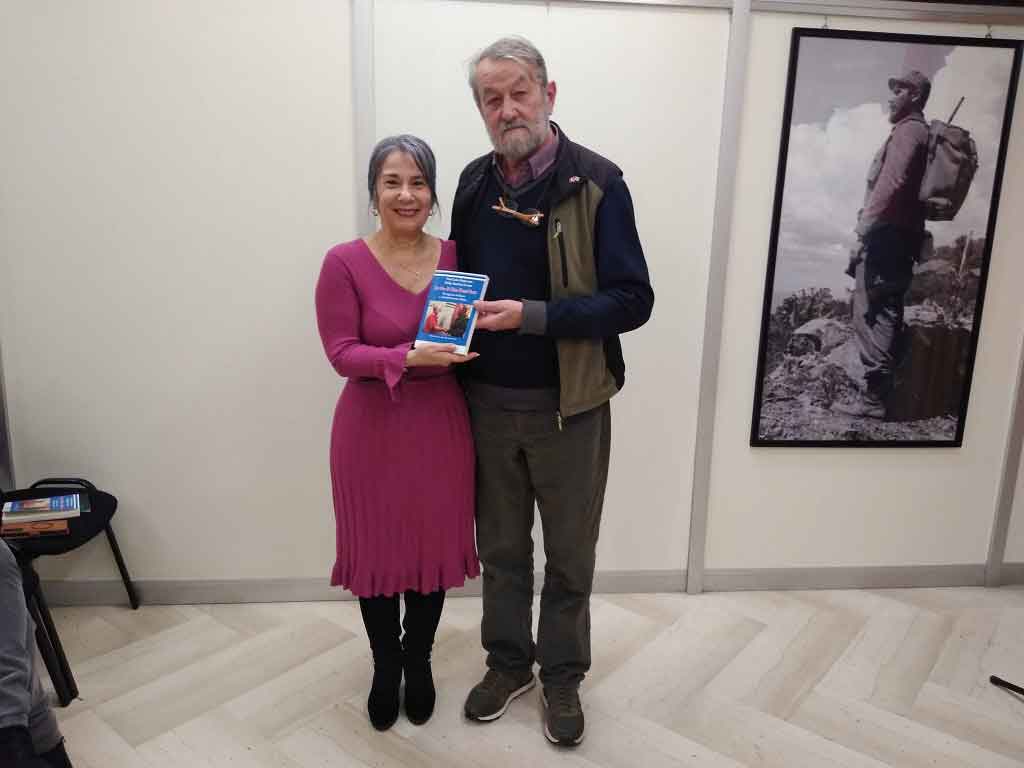
    The centerpiece of the December 2nd event was the presentation of the biographical work “The Life of Gino Done, Italian Partisan and Cuban Revolutionary.” Ambassador Granda extended gratitude to diverse attendees representing various sectors of Italian society with connections to Cuba, plus members of the Cuban expatriate community in Italy.

    The diplomatic official particularly acknowledged the National Association of Italy-Cuba Friendship (Anaic) for spearheading this initiative and praised the dedication of co-authors Pier Carlo Porporato (Anaic member) and Daily Sanchez Lemus (Cuban journalist and historian) in bringing this important historical account to fruition.

    The ceremony featured video contributions from prominent Cuban figures: Fernando González Llort, president of the Cuban Institute of Friendship with the Peoples (ICAP); René González Barrios, director of the Fidel Castro Ruz Center; and co-author Sánchez Lemus. Each highlighted Doné’s remarkable journey from fighting fascism in Europe to joining Cuba’s revolutionary movement.

    A particularly emotional anecdote recalled Doné’s final meeting with Fidel Castro in 2005 during commemorations for the 52nd anniversary of the assaults on Moncada and Carlos Manuel de Céspedes barracks. Their heartfelt embrace culminated in Doné’s pledge: “I will be with you until the last drop of my blood.” His subsequent request—that his remains eventually rest in Cuba alongside his Granma comrades—underscored his eternal devotion to the Cuban cause.

  • Urgency to stop aggression against Venezuela, call highlights

    Urgency to stop aggression against Venezuela, call highlights

    A pressing alert has been issued to the American public regarding potential military aggression against Venezuela, framed as a response to drug trafficking concerns that lack international credibility. Authored by prominent journalist and international analyst Luis Manuel Arce, the analysis presents a stark warning against what it describes as Washington’s underlying motives to control the South American nation’s extensive oil reserves.

    The report draws historical parallels to the 1846 Mexican-American War, when U.S. expansionist policies resulted in the annexation of significant Mexican territory. However, Arce contends that modern geopolitics cannot accommodate a repetition of such 19th-century imperialism, particularly not 179 years later under the potential leadership of Donald Trump.

    According to the analysis, the strategic objective extends beyond resource acquisition to establishing Venezuela as a military stronghold for continental dominance. The alleged plan would position the nation as a protective barrier against global competitors including European powers, Russia, and China, fundamentally altering the Western Hemisphere’s balance of power.

    The examination further characterizes Trump’s political ambitions as seeking to extend presidential authority beyond constitutional limits, effectively establishing an authoritarian regime. This agenda purportedly involves cultivating alliances with far-right elements across the Americas to support absolute dominance over Latin America and the Caribbean.

    In his direct address to U.S. citizens, Arce invokes historical precedent, recalling the 1973 coup against Chilean President Salvador Allende. The analysis concludes with Venezuelan President Nicolás Maduro’s declaration that the Venezuelan people remain prepared to defend their convictions and patriotic sovereignty at all costs, suggesting potential armed resistance to any foreign intervention.

  • Cuba celebrates Latin American Medicine Day

    Cuba celebrates Latin American Medicine Day

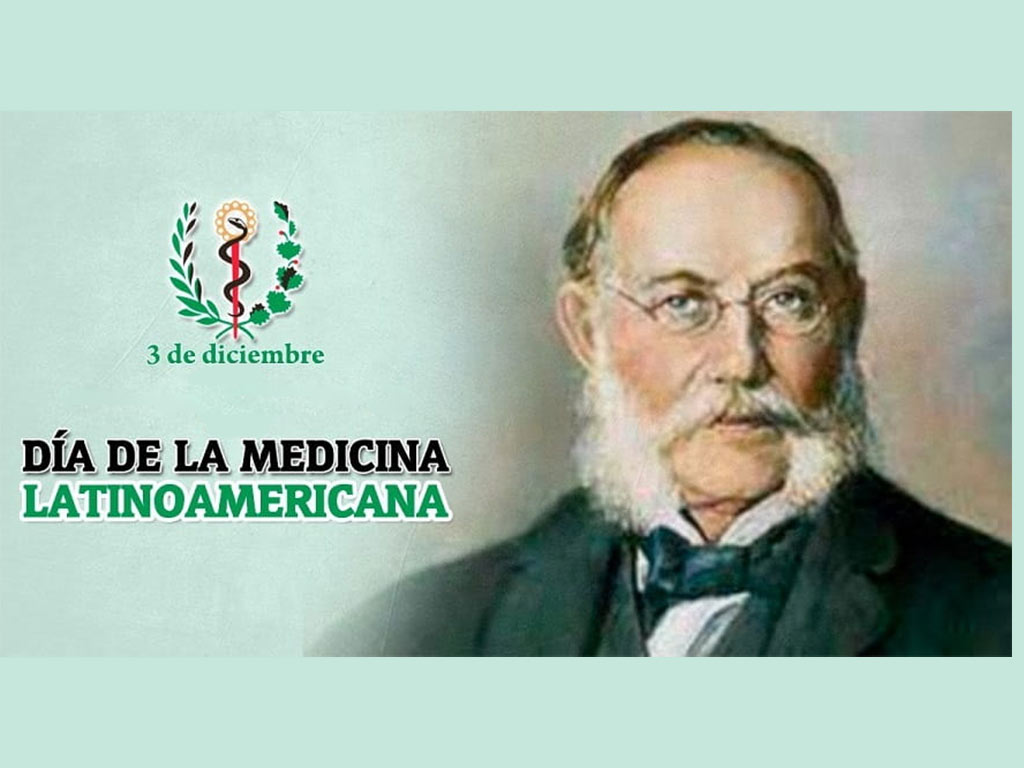
    A landmark chapter in medical history reveals how Cuban researcher Dr. Carlos J. Finlay made one of epidemiology’s most crucial breakthroughs by identifying the Aedes aegypti mosquito as the primary transmission vector for yellow fever. Through meticulous research, Dr. Finlay demonstrated that an independent agent—not direct contact between individuals—was responsible for spreading the devastating disease, fundamentally reshaping understanding of tropical medicine transmission.

    Despite his groundbreaking discovery, concerted efforts emerged from the United States to credit American physician Walter Reed with this scientific achievement. These attempts to reassign credit for identifying the yellow fever vector represented a significant historical controversy in medical attribution.

    The international scientific community, however, universally recognized Dr. Finlay’s pioneering work. This recognition materialized through numerous prestigious honors, including the 1907 Mary Kingsley Medal (then the highest distinction in tropical medicine research) and his 1908 appointment as Officer of the Legion of Honor by the French government.

    UNESCO subsequently enshrined Dr. Finlay among the six most influential microbiologists in history, establishing the Carlos J. Finlay Prize in 1980 to encourage ongoing microbiological research. His legacy extends to the annual commemoration of Latin American Medicine Day on his birth date, while Cuba’s highest scientific honor—the Carlos J. Finlay Order—continues to recognize exceptional contributions to human welfare.

    Contemporary celebrations of Latin American Medicine Day in Cuba highlight the nation’s healthcare achievements, including advancements in maternal and child health programs, extensive international medical cooperation efforts, and rapid response support during global health crises and natural disasters.