作者: admin

  • Belize hosts sustainable tourism conference, concludes with regional awards ceremony

    Belize hosts sustainable tourism conference, concludes with regional awards ceremony

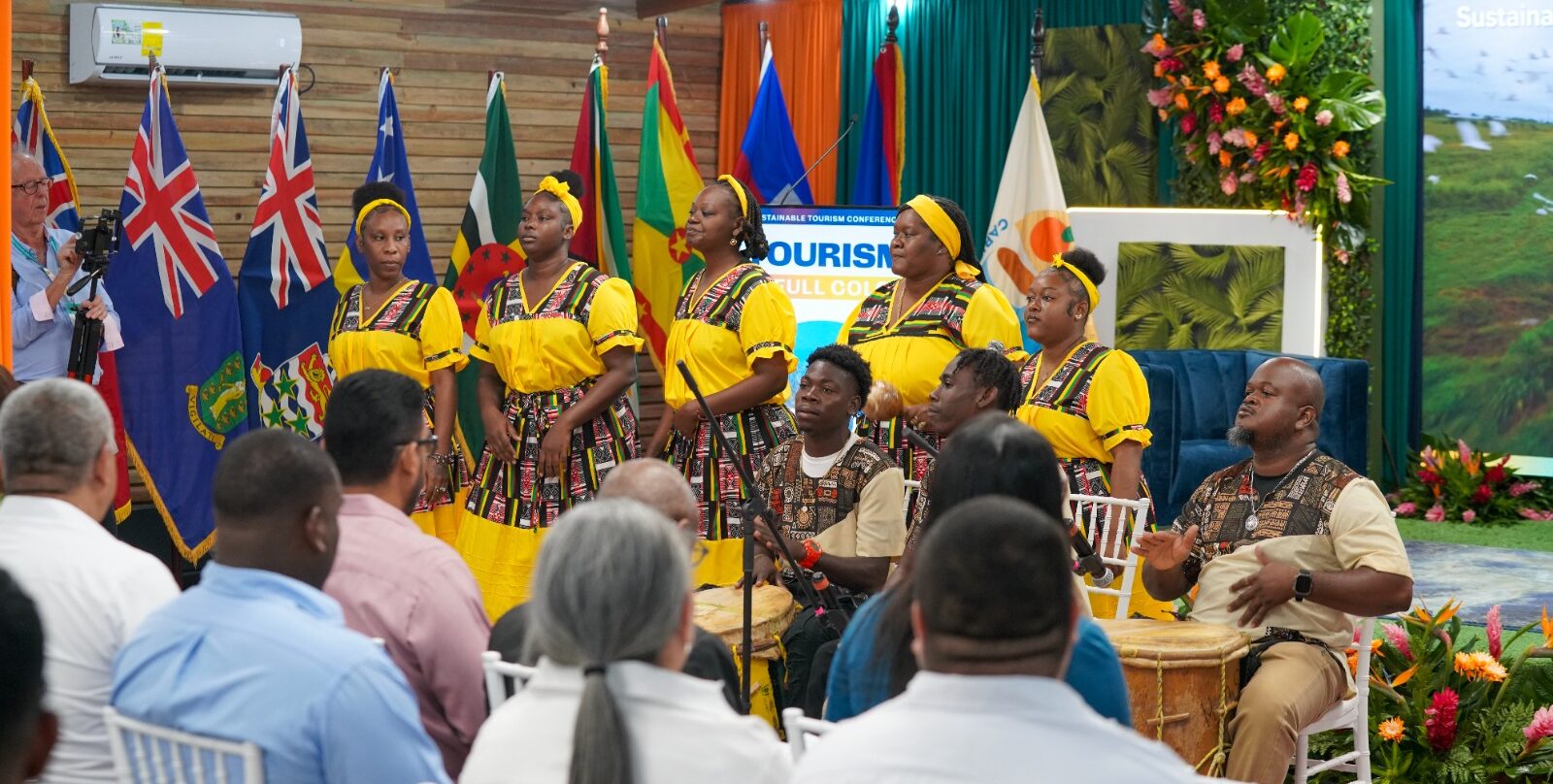
    Last week, one of the Caribbean’s most influential annual tourism industry gatherings came to a close on a note of collective optimism in San Pedro, Belize’s Ambergris Caye, after five days of robust collaboration and strategic exchange between regional and global tourism leaders.

    Organized around the forward-looking theme “Tourism in Full Color: Integrating Blue, Green, Orange and Beyond Economies into Sustainable Planning and Development”, the 2026 Sustainable Tourism Conference (STC 2026) brought together a diverse cross-section of tourism stakeholders from 30 countries around the world between April 26 and 30. Co-hosted by the Belize Tourism Board and the country’s Ministry of Tourism, Youth, Sports and Diaspora Relations, the event was designed as an open space for innovative thinking, cross-sector partnership, and solution-focused dialogue focused on shaping the future of travel across the Caribbean.

    The 350-plus delegates in attendance spanned every corner of the tourism ecosystem, from cabinet ministers and national tourism directors to senior policymakers, private sector investors, non-profit leaders, climate and sustainability researchers, and tourism students. Discussions centered on the most pressing challenges and transformative opportunities facing Caribbean tourism today: building climate resilience to protect vulnerable coastal destinations, safeguarding unique Indigenous and local cultural heritage for future generations, expanding economic empowerment for marginalized coastal communities, and unlocking accessible financing to scale up sustainable development projects across the region.

    Unlike traditional industry conferences that rely solely on closed-door panel discussions, STC 2026 blended high-level strategic dialogues with immersive on-site experiences. Delegates took part in hands-on field visits to Belize’s most iconic natural and cultural attractions, allowing them to see first-hand how community-led sustainability models work in practice, and connect abstract policy goals to on-the-ground impact. Throughout the entire event, a unifying message resonated across all sessions: the Caribbean region does not only hold the bold vision needed to reimagine global sustainable tourism — it already possesses the practical tools and local expertise needed to lead the world in this transition.

    Central to the conference’s “full color economy” framework was the focus on integrating interconnected economic sectors that drive inclusive, sustainable growth. Participants broke down silos between the blue (ocean-based), green (environmental), orange (cultural and creative), yellow (small business), purple (gender equity), silver (senior tourism), and black (Indigenous and Black diaspora-led) economies to develop concrete, actionable strategies that prioritize people and the planet alongside profit. A core priority throughout the event was turning idea-sharing into tangible progress, with a shared emphasis on cross-border partnership, effective on-the-ground implementation, and measurable, trackable sustainability outcomes.

    The conference concluded with the Caribbean Tourism Organization’s annual Sustainable Tourism Awards Ceremony, an event that celebrates outstanding environmental stewardship and sustainable innovation across the Caribbean region. The awards recognize excellence across four core categories: Excellence in Sustainable Tourism, Destination Stewardship and Resilience, Community-Based Tourism, and Regenerative Tourism. In a highlight moment for the host nation, Belize’s Turneffe Flats took home the top honor in the prestigious Excellence in Sustainable Tourism category.

    STC 2026 was held at Belize’s Grand Caribe and Sunset Caribe resorts, and marks a key milestone in the Caribbean’s collective push to position the region as a global leader in equitable, regenerative tourism development.
  • De Nully Calls for ‘Livable Pensions’ for Workers

    De Nully Calls for ‘Livable Pensions’ for Workers

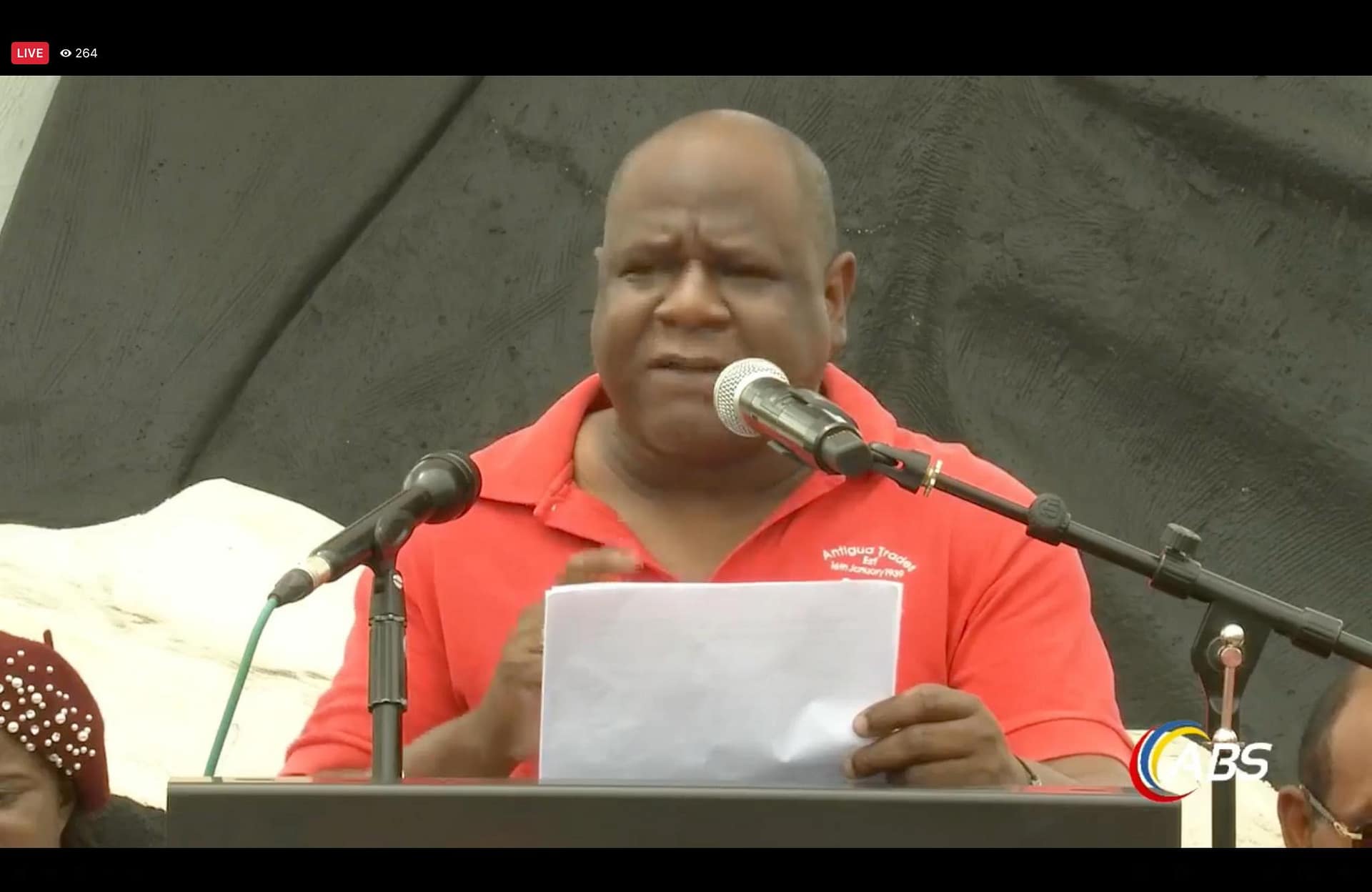
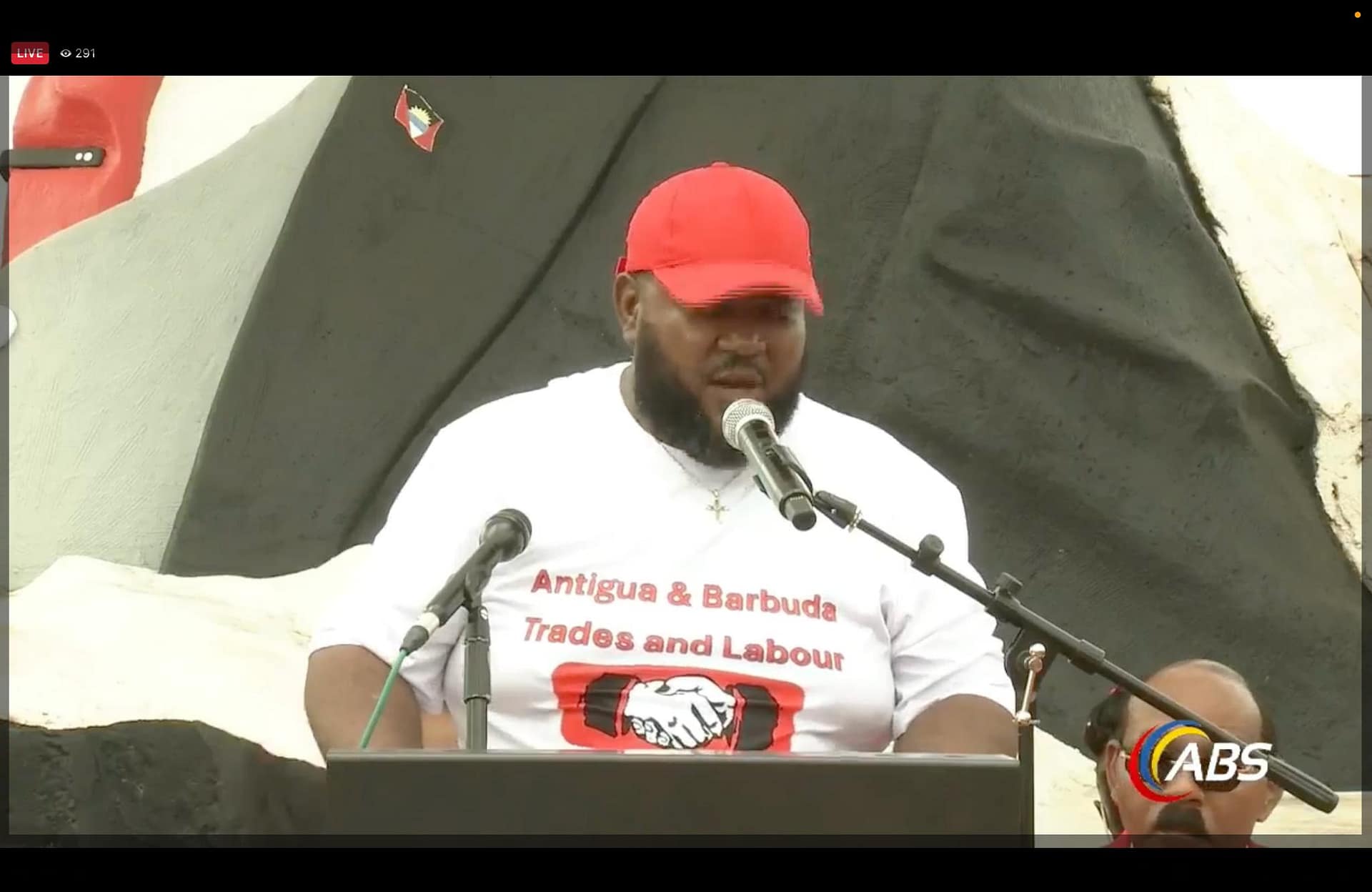
    As the Antigua and Barbuda Trades and Labour Union (AT&LU) marked its 75th year of advocating for working people, union president Bernard De Nully used the platform of a joint Labour Day rally with the Antigua and Barbuda Labour Party to center a critical demand: pension systems must deliver real, livable retirement benefits that guarantee long-term financial security for former workers.

    De Nully pushed back against the common treatment of pensions as an afterthought or bureaucratic formality, arguing that after decades of dedicated service to workplaces across Antigua and Barbuda, retirees deserve a meaningful safety net that supports their quality of life. For him, the conversation around pensions is never just about receiving regular checks — it is about ensuring benefits keep pace with rising cost of living, and allow retired workers to retain a dignified, reasonable standard of living that matches their years of contribution.

    The call for livable pensions was the centerpiece of a broader address focused on advancing workers’ rights and social welfare across all sectors of the national economy. De Nully used the 75th anniversary milestone to reaffirm the union’s core mission of standing up for working people, emphasizing that under his leadership, the AT&LU will not back down from pushing for tangible improvements to workplace conditions and employee benefits.

    “The AT&LU will fight for you until results are achieved,” De Nully told assembled rally attendees.

    He also signaled a shift toward a more aggressive, results-focused approach to advocacy, noting that the union is prepared to leverage stronger collective action when negotiations and public appeals fail to deliver progress. “All this talk… is finished. It is time for action,” he said.

    De Nully’s demand comes as workers and labor organizers across Antigua and Barbuda continue to advance a wider public conversation about fair wages, safe working conditions, and long-term financial stability that supports working people from onboarding through retirement.

  • Three Dead After Suspected Virus Outbreak on Cruise Ship

    Three Dead After Suspected Virus Outbreak on Cruise Ship

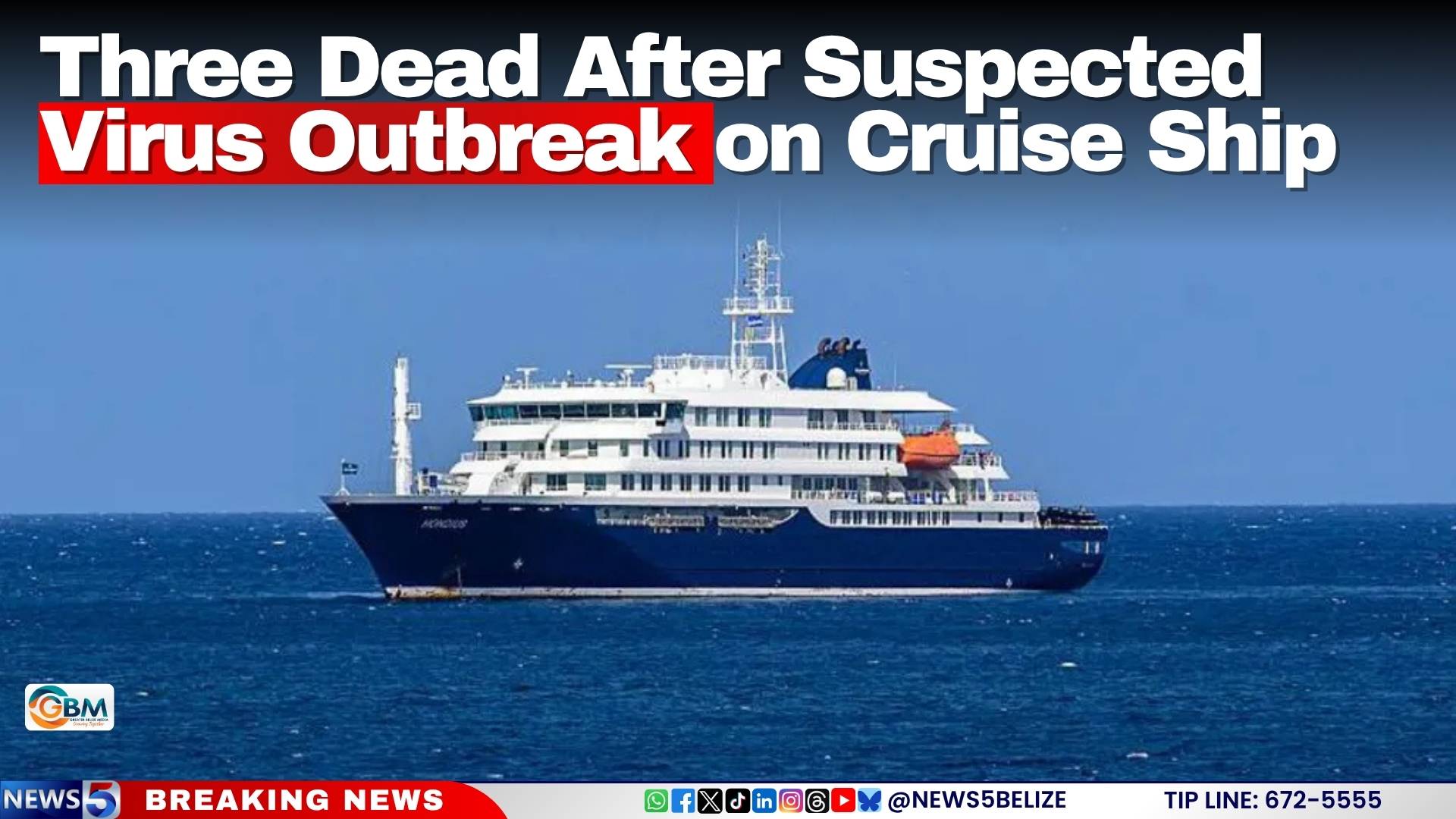
    A suspected hantavirus outbreak on the cruise vessel MV Hondius operating in the Atlantic Ocean has resulted in three passenger fatalities and left one British national in critical condition, international health authorities and the vessel’s operator have confirmed.

    Tour operator Oceanwide Expeditions, which manages the polar expedition cruise ship, confirmed the deceased include a Dutch couple and a single German passenger. Final official causes of death have not yet been released as laboratory investigations remain ongoing, leaving open questions about links between the deaths and the suspected outbreak.

    The timeline of the incident stretches back more than a month: the first passenger first showed signs of illness on board and died on April 11, per the company’s official timeline. Due to the ship’s remote voyage route, his body was retained on the vessel until it docked at the South Atlantic territory of St. Helena on April 24, when it could be transferred to local authorities. The man’s wife disembarked alongside him at the port, but developed severe symptoms during her return travel and later died, with no formal confirmation yet that her death is connected to the on-board virus event.

    The third fatality, the German national, was recorded on the Saturday preceding the official public announcement of the outbreak, with the cause still under active review by investigators. The situation escalated into a major public health concern on April 27, when the 69-year-old British passenger developed acute, life-threatening symptoms and required emergency medical evacuation to a specialized hospital in Johannesburg, South Africa. It was here that lab tests confirmed he had contracted hantavirus; as of the latest update, he remains in intensive care in critical but stable condition.

    In addition to the confirmed and suspected passenger cases, two crew members on the MV Hondius—currently anchored off the coast of Cape Verde with 149 total people still on board—have reported respiratory symptoms matching hantavirus infection. One of the crew members is classified as having a mild case, while the other is considered severe, but neither has received a formal positive test for the virus to date.

    Hantavirus, a rare pathogen most commonly carried by wild rodent populations, spreads to humans through direct contact with the urine, saliva, or feces of infected animals. While infection can lead to life-threatening respiratory failure, global health experts have repeatedly emphasized that person-to-person transmission is extremely rare, lowering the risk of large-scale community spread.

    The World Health Organization (WHO) has mobilized an urgent response team to support local and national health authorities managing the incident. Dr. Hans Henri P. Kluge, WHO Regional Director for Europe, released a public statement aimed at quelling unnecessary public anxiety: ‘While hantavirus infections can be serious, they are uncommon and not easily spread between people. The risk to the wider public remains low. There is no need for panic or travel restrictions.’

  • World Court receives evidence Venezuela consistently recognised1899 boundary settlement

    World Court receives evidence Venezuela consistently recognised1899 boundary settlement

    On Monday, May 4, 2026, Guyana launched the merits phase of its long-running border dispute case at the United Nations’ highest judicial body, the International Court of Justice (ICJ), by presenting what it calls irrefutable, decades of documentary proof that Venezuela accepted the 1899 Arbitral Tribunal Award establishing the two nations’ land boundary for more than six decades, without raising a single formal objection.

    Leading Guyana’s opening arguments before the court, Nilufer Oral, Director of the Centre of International Law at the National University of Singapore and a prominent international law expert, laid out a comprehensive case that contradicts Venezuela’s current claims challenging the award’s legal validity. Oral emphasized that the historical record is unequivocal: from the moment the 1899 ruling was issued 127 years ago, all the way through 1962, Venezuelan authorities consistently acknowledged, abided by, and enforced the boundary set out in the award.

    Oral pointed out that despite Venezuela’s current denials, historical records confirm the country was fully aware of any potential legal grounds to contest the award at the time of its passage. Far from opposing the outcome, top Venezuelan officials repeatedly publicly stated their satisfaction with the ruling, even framing it as a strategic victory that granted Venezuela control over the most strategically valuable portion of the contested territory: the mouth of the Orinoco River.

    To back these claims, Oral presented the ICJ judges with a wide range of authenticated primary sources, including official Venezuelan government maps, formal diplomatic correspondence, and public statements by high-ranking Venezuelan leaders. One key example she cited was a 1929 boundary protocol between Brazil and Venezuela, which explicitly recognized the 1899 award’s demarcation of the tripoint where the borders of Brazil, Venezuela, and what was then British Guiana converge.

    Oral also highlighted a specific incident that underscores Venezuela’s historic commitment to the award: when one official boundary marker along the border was destroyed by natural forces, Venezuelan authorities demanded the marker be replaced at the exact location specified in the 1899 ruling. She emphasized that Venezuela has long insisted the award be implemented precisely to its terms, rejecting even minor adjustments to the agreed boundary.

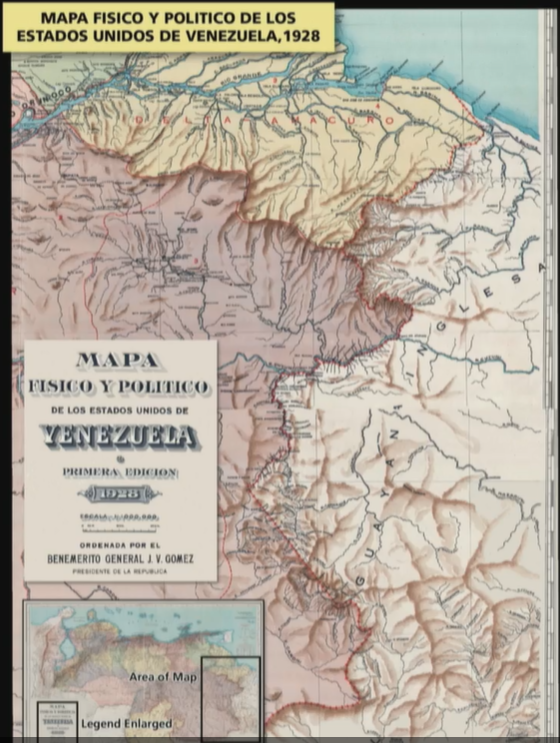
    Further, Oral referenced Venezuela’s 1948 Organic Federal Territorial Law, which formally defines the eastern boundary of the country’s Delta Amacuro Federal Territory as “the border between Venezuela and Great Britain” — the exact border established by the 1899 award. She also displayed an official map Venezuela itself submitted to the United Nations that clearly draws the Guyana-Venezuela border in line with the 1899 demarcation.

    Oral questioned the credibility of Venezuela’s current argument that it was forced into the 1900–1905 joint boundary demarcation process with British Guiana against its will. During that five-year process, Venezuelan surveyors and commissioners worked alongside British counterparts to demarcate the 825-kilometer border. Throughout the entire undertaking, Oral noted, Venezuelan officials never recorded a single objection, reservation, or protest regarding the alignment laid out in the 1899 award. In fact, Venezuelan representatives to the joint commission, who reported directly to Venezuela’s Ministry of Foreign Affairs, carried out their work with meticulous attention to detail and full commitment to upholding the terms of the 1899 ruling when the commission’s work concluded.

  • Daniel Warns Workers Not to Squander Their Money

    Daniel Warns Workers Not to Squander Their Money

    As the Antigua and Barbuda Trades and Labour Union (AT&LU) marks its 75th anniversary, the organization’s top leader is calling on the nation’s workers to build two critical foundations for navigating coming economic headwinds: intentional personal savings and continuous skills development through lifelong education.

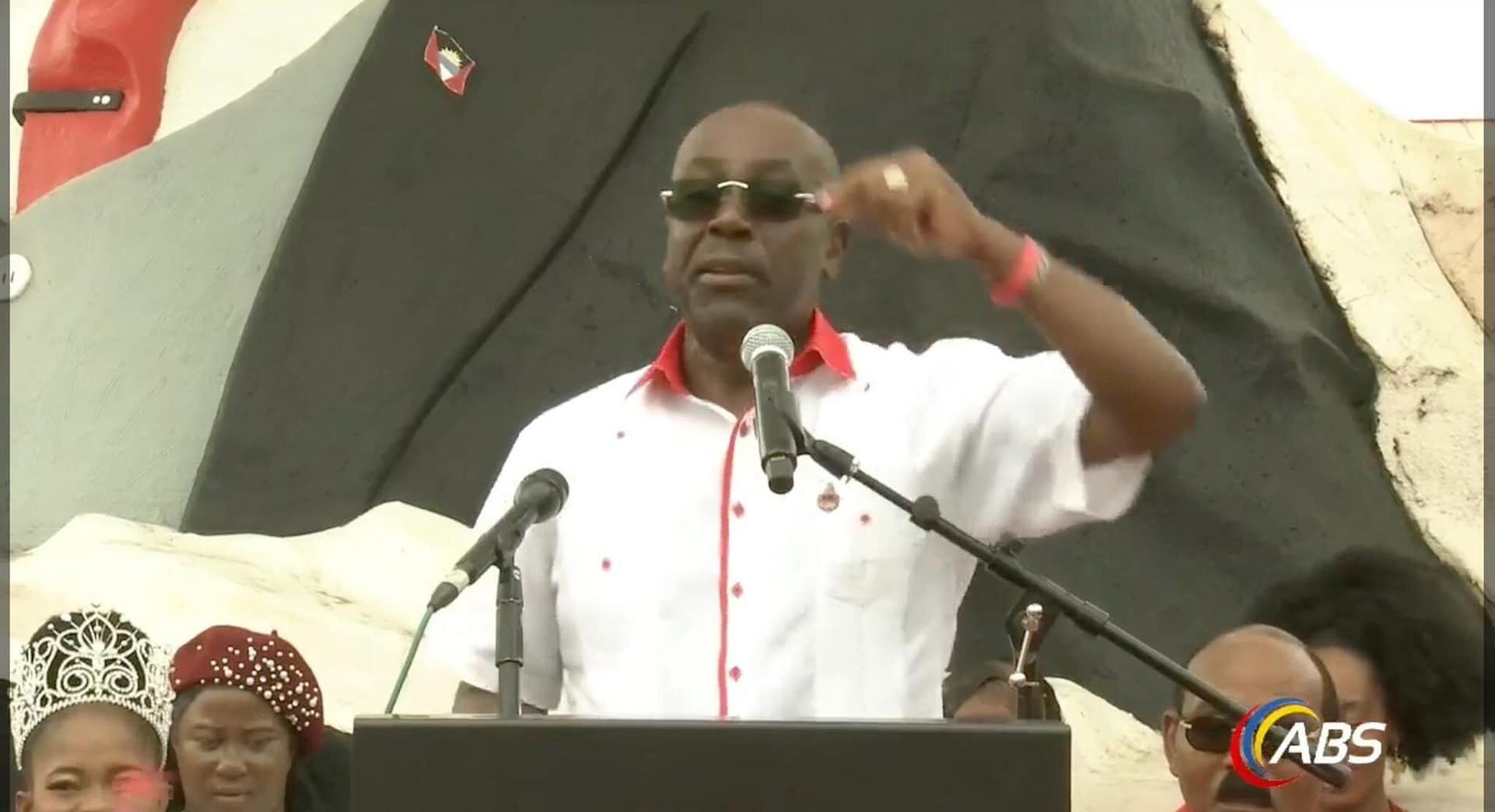
    AT&LU General Secretary Alrick Daniel delivered the appeal during a joint Labour Day rally co-hosted by the union and the Antigua and Barbuda Labour Party, framing preparedness as non-negotiable for working people facing an unpredictable global economic landscape. He pressed attendees to leave reckless, wasteful spending habits behind, urging a shift toward deliberate, responsible financial planning that benefits both individual workers and their families.

    “Hardship is not a question of if—it is a question of when,” Daniel emphasized, explaining that consistent saving creates a critical financial buffer to weather unforeseen difficulties that can arise at any point in a person’s career. Beyond financial discipline, he placed equal weight on ongoing education, arguing that learning has no age limit and that workers of all backgrounds and life stages should prioritize expanding their skill sets.

    For those who left formal schooling early, Daniel pushed back against the idea that age or past circumstances create insurmountable barriers to continued learning. He also challenged workers to reframe their relationship with employment, moving beyond the narrow view of a job as simply a place to earn a paycheck. Instead, he described work as a foundational tool that supports family survival and drives long-term improvements in living standards.

    In the face of a rapidly evolving global economy, Daniel encouraged workers to cultivate professionalism, boost productivity, and pursue upward mobility—all of which make workers more competitive in shifting labor markets. His remarks anchored the union’s 75th anniversary Labour Day message, which centers on equipping working people to navigate uncertainty and build sustainable, long-term professional and financial growth.

  • Greene Predicts By-Election in All Saints East & St. Luke as Pressure Mounts on Pringle

    Greene Predicts By-Election in All Saints East & St. Luke as Pressure Mounts on Pringle

    In a fiery address to supporters at a joint Labour Day rally hosted by the Antigua Trades and Labour Union (AT&LU) and the ruling Antigua and Barbuda Labour Party (ABLP) this Monday, ABLP Chairman E.P. Chet Greene has made a bold prediction: a by-election will be called in the swing constituency of All Saints East & St. Luke within six months, driven by mounting internal unrest within the opposition United Progressive Party (UPP) that he claims will force UPP leader Jamale Pringle to step down from his parliamentary seat.

    Greene doubled down on his claim that the opposition bloc is entering a period of accelerating collapse, telling assembled rally attendees that internal factions within the UPP are growing increasingly vocal in their opposition to Pringle’s leadership. This growing pressure, he argued, will leave the UPP leader with no choice but to resign his parliamentary seat, triggering a fresh contest for the constituency that has remained a key battleground between the two major parties since the April 30 general election.

    In that general election, ABLP’s candidate Lamin “Lammy” Newton lost the All Saints East & St. Luke seat by only a narrow margin. Greene framed a potential by-election as a critical second chance for Newton, telling supporters he expects the ABLP candidate to secure victory in a fresh vote. This win, he added, would help the ruling party complete what he described as a “clean sweep” of parliamentary seats across the nation.

    Beyond his prediction of an imminent by-election, Greene used the high-profile Labour Day platform to launch a pointed critique of the UPP’s recent performance as the official opposition. He argued that the party has failed entirely to fulfill its core democratic role as a check on ruling party power, pointing to high-profile internal disagreements over key policy issues including the national government’s COVID-19 public health response and its cruise ship tourism regulations as evidence of the UPP’s ineffectiveness. “None of us in this country can honestly claim that the UPP has been an effective opposition,” Greene stated.

    Notably, even amid his sharp criticism of the current opposition, Greene stopped short of rejecting the role of opposing political voices in a functional democracy. He emphasized that robust democratic governance requires a credible, effective opposition, and rejected any push to eliminate dissenting political views from national discourse.

    Greene also used the rally to outline a new transparency and engagement pledge for the ruling ABLP, announcing that all elected ABLP parliamentary representatives will now be required to host quarterly public town hall meetings in their respective constituencies. The policy, he explained, is designed to keep elected officials directly connected to the constituents they represent, reinforcing the government’s commitment to democratic accountability. “That’s the balance we strike for democracy: constant engagement with the people,” Greene said.

    As of Tuesday, the UPP has not issued any public response to Greene’s claims and predictions, leaving open questions about the actual level of internal pressure facing Pringle and the party’s future in the constituency.

  • Editorial Independence at Risk in OECS as Political Influence Grows — 2026 Report

    Editorial Independence at Risk in OECS as Political Influence Grows — 2026 Report

    The 2026 World Press Freedom Index has delivered a mixed assessment of media freedom across the Organisation of Eastern Caribbean States (OECS), finding that the bloc continues to uphold broadly free working conditions for journalists while warning of accelerating threats to editorial independence from political interference, structural economic vulnerabilities and digital intimidation.

    While the report acknowledges that reporters in the region generally operate without the severe physical violence that endangers journalists in many parts of the world, it outlines a cascade of systemic challenges that are gradually eroding the core principles of independent media across OECS member states. One of the most pressing issues flagged in the analysis is concentrated media ownership, with multiple islands reporting that major political parties hold controlling equity stakes in leading local media companies. This direct financial ties have sparked widespread questions about whether outlets can deliver impartial, unbiased coverage, especially when reporting on the parties that own them. Beyond private ownership, the report documents that state bodies regularly exercise informal and formal influence over a wide range of media platforms, from traditional print newspapers and radio stations to digital and online news outlets.

    This political leverage becomes particularly acute during national election cycles, when control over media narratives can shape electoral outcomes. For many small regional media outlets, state advertising contracts represent one of the steadiest and most critical sources of operating revenue. The report highlights that governments can pull this funding abruptly if coverage is deemed unfavorable, creating chronic financial vulnerability that gives officials implicit power to sway editorial decisions.

    Concrete case studies from across the region illustrate how these pressures play out in practice. In 2024, Grenadian authorities faced widespread criticism after restricting press access to a public cabinet swearing-in ceremony, closing off a key government event to independent scrutiny. In a separate incident in the country, a local media outlet received formal legal threats over a published investigative story, ultimately forcing the outlet to remove the content from its platforms even after the outlet’s editorial team stood by the accuracy of the reporting.

    Outdated and overbroad legal frameworks also create persistent risks to press freedom in some member states. In Saint Vincent and the Grenadines, a 2016 national cybercrime law includes provisions tied to online defamation that critics argue grant authorities excessive power to restrict independent digital reporting, opening the door to arbitrary enforcement against critical outlets.

    Cultural and economic headwinds further weaken the sustainability of independent journalism across the bloc. In most OECS societies, the report finds that the public does not view journalism as a prestigious or financially viable career path, leading to high turnover and a lack of new talent entering the sector to support independent outlets.

    On the issue of journalist safety, the report offers one small positive note: while there have been no killings, long-term detentions or imprisonments of media workers in the OECS recorded so far in 2026, psychological and digital intimidation is on the rise. The growth of social media and digital news platforms has exposed journalists to sustained harassment, much of it orchestrated by individuals aligned with major political parties seeking to discredit critical reporting.

    In its concluding assessment, the report emphasizes that the OECS still ranks among the stronger regions globally for overall press freedom. But it warns that the cumulative impact of growing political influence, lingering economic instability and evolving digital pressures is putting the long-term independence and sustainability of regional journalism to an increasingly severe test.

  • APUA Shop Steward Pushes for Better Mental Health Support for Workers

    APUA Shop Steward Pushes for Better Mental Health Support for Workers

    At a joint rally hosted by the Antigua and Barbuda Labour Party and the Antigua and Barbuda Trades and Labour Union, held at the site of the V.C. Bird bust, a leading Antigua Public Utilities Authority (APUA) workers’ representative put workplace mental health at the top of the national labor advocacy agenda, calling for sweeping policy changes to prioritize frontline worker well-being.

    Zabina Nicholas, APUA’s elected shop steward, used the public gathering to press for stronger, more comprehensive worker protections across all sectors of the island nation’s economy. She opened her address by emphasizing that ongoing, organized advocacy for workers’ rights cannot slow down, pointing to outdated employment contracts that fail to address the modern challenges of rising workplace stress and persistent staffing shortages that have left workforces stretched thin.

    “Change the contract… because we care about the mental health,” Nicholas told the assembled crowd. She highlighted that stress levels among Antiguan and Barbudan workers have stayed critically high in recent years, arguing that workers are long overdue for formal employment policies that explicitly recognize and prioritize their holistic well-being, rather than only focusing on output and operational demands.

    Nicholas laid out an ambitious, time-bound national goal: to establish permanent, binding mental health frameworks in every Antiguan and Barbudan workplace by 2027. The plan outlines three core foundational requirements to make these frameworks effective: visible, sustained commitment from organizational leadership, dedicated budget and personnel resources to support mental health initiatives, and full integration of mental health protocols into routine human resource management practices.

    The specific proposals contained in the roadmap cover a range of worker-focused changes: mandatory mental health literacy and de-escalation training for all people managers, accessible flexible work arrangements tailored to help employees manage personal and mental health needs, strict privacy protections for workers who disclose mental health conditions to avoid stigma and discrimination, guaranteed paid medical leave for workers seeking ongoing mental health treatment, and structured, supported return-to-work systems for employees returning to their roles after extended mental health leave.

    Drawing on global public health and labor research to back her calls, Nicholas noted that work-related mental health disorders are not just a local challenge, but a growing global public health crisis. International studies consistently link excessive working hours and unchecked workplace pressure to a range of severe negative outcomes, including increased rates of anxiety, depression, and chronic physical illness, she explained.

    Speaking to rally supporters, Nicholas reinforced the movement’s commitment to protecting workers: “We will not allow our people to succumb to this cycle.” The end goal of the proposed reforms, she clarified, is to reposition workplace mental health as a core component of overall workplace safety and organizational productivity, rather than an afterthought added only after crises occur. This push for mental health reform is part of a broader national campaign to improve working conditions and quality of life for all workers across Antigua and Barbuda.

    Closing her address, Nicholas framed the movement as an investment in the nation’s future: “A strong mind makes a strong worker, but many strong minds make a great nation.”

  • Reparations to take centre stage at Saint Lucia Jazz & Arts Festival with Repair

    Reparations to take centre stage at Saint Lucia Jazz & Arts Festival with Repair

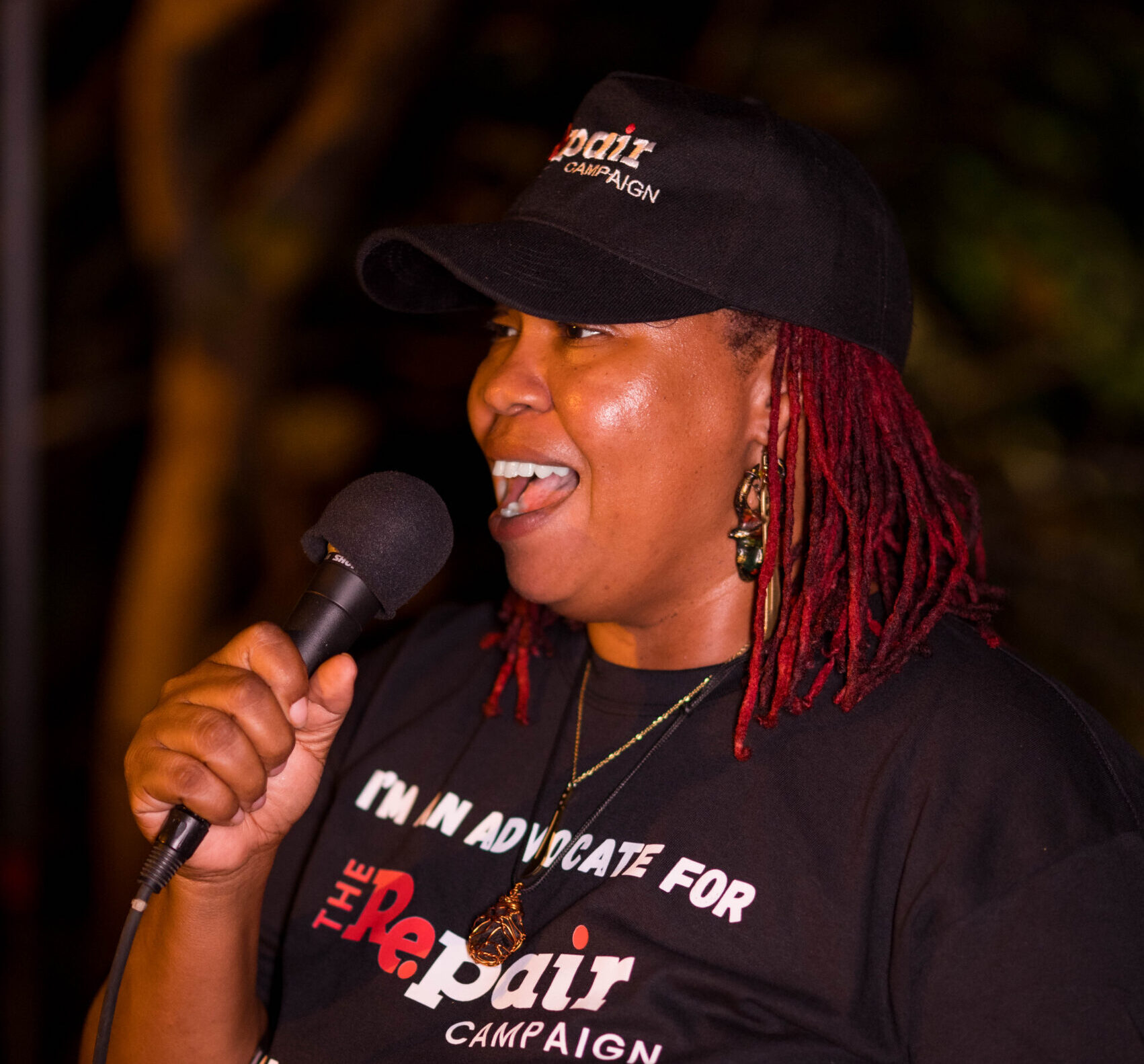
    This year’s highly anticipated Saint Lucia Jazz & Arts Festival will introduce a fresh, thought-provoking addition to its cultural programming: a satirical musical production titled *Repair*, set to take the stage at Castries’ Anchorage Car Park on May 5. Slated as a core offering of the festival’s popular Art and the City initiative, the production weaves together original music, sharp humor, and intimate storytelling to push audiences toward a deeper examination of the lingering links between Saint Lucia’s colonial past, its current social and economic hurdles, and the transformative changes needed to build a more equitable future.Organized and sponsored by The Repair Campaign, a local advocacy group focused on advancing reparatory justice, *Repair* is designed to open the often complex conversation around reparations to a broad, general audience through approachable, engaging art. Sherween Gonzales, a community organizer based in Saint Lucia who works with The Repair Campaign, explains that the musical frames identity, collective community, and reparatory justice in a format that feels accessible rather than intimidating.

    “As an educator, I have long believed that the arts stand as one of the most powerful tools to connect with people across all backgrounds,” Gonzales shared in an interview ahead of the performance. “*Repair* draws audiences in through laughter, song, and relatable narrative, inviting quiet reflection while still asking hard, necessary questions about who we are as a nation, what inherited legacies we carry, and what tangible reparations could look like for the people of Saint Lucia.”

    The production features a cast of local Saint Lucian performers bringing the story to life, including Christelle Lee in the lead role of Ma Ayo, and Kolbe Devaux portraying the character Robert. Lee emphasizes that the musical’s core message centers on the unbroken connection between historical harm and modern daily life in Saint Lucia.

    “Every part of our lives today is woven through with the legacy of our history,” Lee explained. “The centuries of subjugation, torture, and trauma that our ancestors endured did not stay in the past — it has quietly shaped our collective mindset, influenced how we engage with the world around us, how we view and trust public systems, and even how we show up for one another as community members. That is precisely why this story matters. This play does not lecture; it invites you to reflect, to question, and to reconnect with a history that still lives inside all of us.”

    Devaux echoed that sentiment, noting that *Repair* intentionally reframes reparations from a distant, abstract political debate to a relatable, community-centered conversation rooted in Saint Lucian culture. For the cast and organizing team, the goal is to turn what is often seen as a niche policy topic into a personal, shared reflection.

    “The question of reparations grows more urgent for our nation every day, and we owe it to our people to seize every opportunity to educate and start conversations,” Devaux said. “For me, bringing this conversation to audiences through theater is the perfect combination of art and activism. It creates a new space to share important information with the public, taking a cultural art form that is often dismissed as just entertainment and reimagining it to create real, meaningful impact for every person who attends. That aligns completely with the core goals our team holds for every performance we do.”

    Admission to *Repair* is completely free for all attendees, making the conversation accessible to any member of the public who wishes to participate. The performance is scheduled to begin at 12:30 p.m. at the Anchorage Car Park venue in central Castries.

  • Barbadiaanse minister ziet grote exportkansen na bezoek Agrarische Beurs

    Barbadiaanse minister ziet grote exportkansen na bezoek Agrarische Beurs

    On May 4, during a working visit to Suriname’s agricultural trade fair, Barbados’ Minister of Agriculture, Food and Food Security Shantal Munro-Knight has expressed high praise for the event and highlighted promising opportunities for bilateral collaboration and Surinamese agro-product exports to the Caribbean nation.

    Leading a government delegation that held working discussions with Suriname’s Minister of Agriculture, Livestock and Fisheries Mike Noersalim, Munro-Knight said she was deeply impressed by the scale of processing development that Suriname has achieved for its local agricultural products. She specifically called out the country’s broad, sustained investment in agro-processing as a standout strength, with one locally developed innovation drawing particular attention: a homegrown hydroponic indoor farming system. Unlike most similar systems that are currently operated exclusively by large corporate entities, Munro-Knight noted that this model has clear potential for community-level adoption across Barbados, calling the innovation “very impressive”.

    Beyond the hydroponic system, the minister highlighted two other Surinamese agricultural sectors that stood out during her tour: cassava processing and specialty product development. While Barbados also grows cassava, Munro-Knight emphasized that Suriname has reached a far more advanced level of processing that turns the root crop into a wide range of finished consumer products, a development that Barbados can learn from. She also pointed to noni, a tropical medicinal fruit, as a product with strong untapped export potential for Suriname in the Barbadian market. She even sampled a locally produced yoghurt during the fair, describing the artisanal product as “wonderfully produced”.

    Overall, Munro-Knight concluded that Suriname’s approach to agricultural manufacturing is innovative and uniquely positioned to meet Barbados’ market demand, creating clear pathways for increased exports of Surinamese agro-goods to the Caribbean island.

    Looking ahead to the rest of her visit, the Barbadian minister said her delegation will prioritize forging concrete, output-focused partnerships between the two countries, with knowledge-sharing positioned as a core priority for collaboration. She noted that both nations stand to gain from mutual learning, and ongoing discussions will work to identify additional areas of aligned interest, with regional food security flagged as a top cross-border priority.

    For his part, Suriname’s Mike Noersalim echoed the optimistic outlook, reflecting on the successful conclusion of the three-day agricultural fair that wrapped up on Sunday evening. Noersalim said the event achieved its core goal of strengthening connections across Suriname’s domestic agricultural sector while drawing meaningful international attention to the quality and diversity of Surinamese agricultural products. The fair also laid critical groundwork for future private-sector collaboration between Surinamese and international agribusinesses. “The goal of facilitating connections between all actors across the agricultural sector has without a doubt been achieved,” Noersalim said.