作者: admin

  • MP vows cleanup amid Glendairy area safety concerns

    MP vows cleanup amid Glendairy area safety concerns

    A residential community in St Michael, Barbados, faces a mounting public health and structural safety crisis stemming from the derelict Glendairy Prison complex, abandoned since a devastating riot and fire two decades ago. Approximately twenty households in Glendairy Gap, Station Hill, now confront triple threats: an unstable perimeter wall compromised by invasive tree roots, proliferating rodent populations, and expanding colonies of monkeys and bees.

    The historic correctional facility, operational from 1855 until its 2005 closure, now poses imminent danger to adjacent residences. Roland Thorpe, a long-term resident, detailed how mature trees within the prison grounds have embedded root systems into the aging masonry, creating cavities and destabilizing the structure. ‘The wall may fall in a matter of time,’ Thorpe warned, noting that moisture-seeking roots are actively separating the construction materials.

    Compounding the structural concerns, wildlife infestations have created severe public health challenges. Monkeys have established habitats in the overgrown vegetation, while rat populations continue multiplying unchecked. Elderly residents particularly fear disease transmission from rodents, and though bees provide pollination benefits, their rapidly increasing numbers present additional safety concerns.

    Frustrated by governmental inaction despite repeated complaints, residents propose innovative solutions. Thorpe suggests implementing community service programs where individuals on probation would maintain the area, simultaneously addressing cleanup needs while instilling work ethics in offenders.

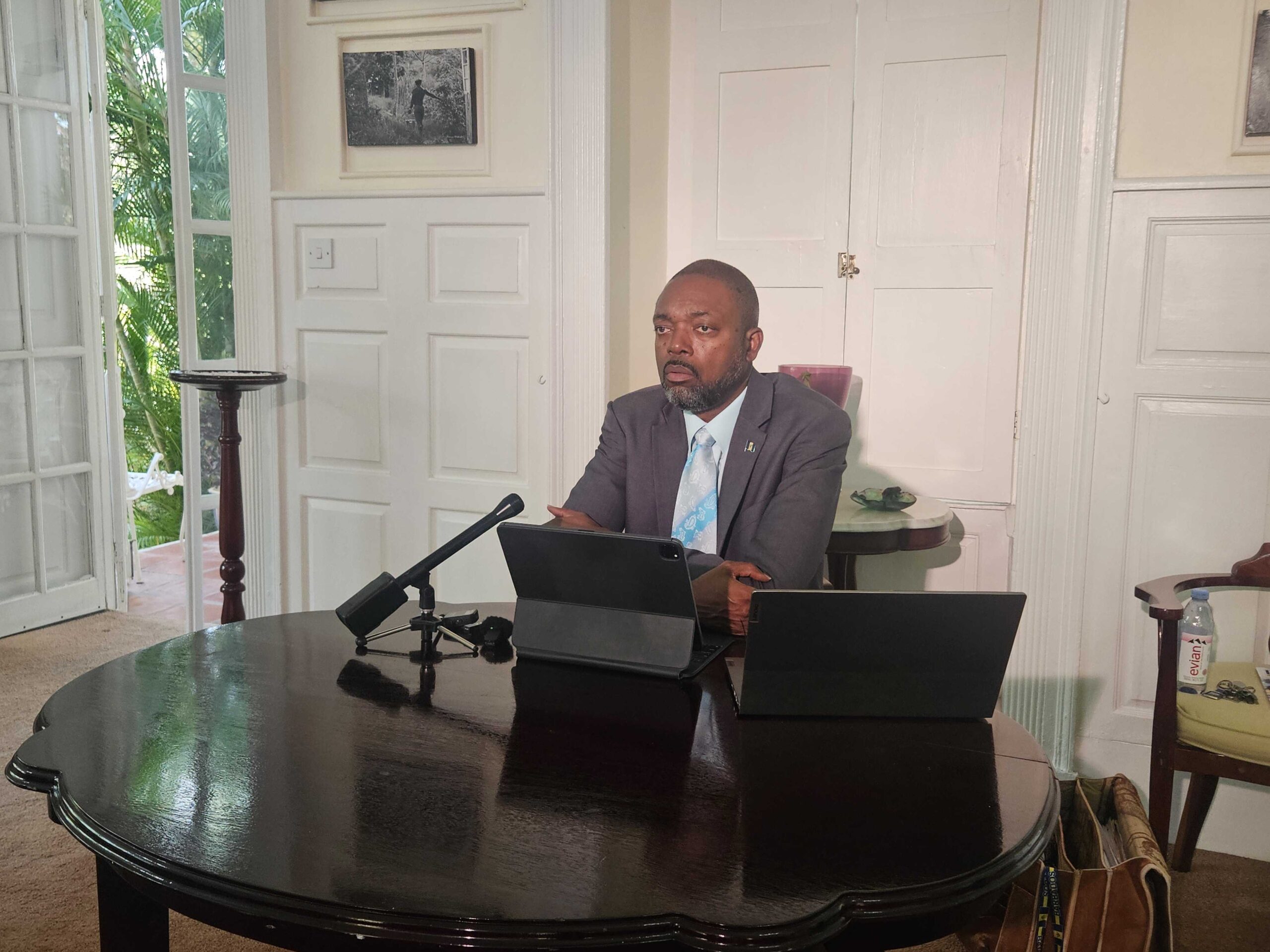
    Political response appears forthcoming as Member of Parliament Arthur Holder, Speaker of the House of Assembly, announced an imminent community enhancement initiative. The project, scheduled to launch within weeks, will deploy workers to address vegetation overgrowth, clear drainage systems, and improve environments for vulnerable seniors. Holder specifically identified the Glendairy area as a priority, indicating that safety improvements and environmental restoration will be among the program’s primary objectives.

  • Govt defends two per cent minimum wage rise ‘compromise’

    Govt defends two per cent minimum wage rise ‘compromise’

    The Barbadian government has formally implemented a two per cent elevation in both national and sectoral minimum wages, effective January 2026. Labour Minister Colin Jordan staunchly defended this policy decision, characterizing it as a carefully calibrated measure that strikes an equitable balance between bolstering low-income workers and preserving corporate profitability.

    During a press briefing at Illaro Court, Minister Jordan elaborated that this incremental adjustment aims to alleviate financial strain on the most vulnerable earners while maintaining business sector stability. The adjustment elevates the national minimum wage from $10.50 to $10.71 hourly—a 21-cent increase—while security guards will see their sectoral minimum rise from $11.43 to $11.66 per hour.

    Minister Jordan emphasized the government’s commitment to predictable, annual wage indexing since its establishment in the 2025 Budget. He revealed that official notifications regarding the January implementation were disseminated as early as March 2025, providing approximately eight months’ advance notice to employers and stakeholders.

    Addressing concerns from some business operators who expressed surprise at the announcement, Jordan maintained that communication had been both timely and unambiguous. He urged employers to remain vigilant about labor policy developments while focusing on core business operations.

    The Minister provided historical context, noting that Barbados had no official minimum wage until the Mottley administration instituted one in April 2021. Previous wage regulations only covered shop assistants and domestic workers under the Shops Act. The most recent significant adjustment occurred six months prior, when rates jumped from $8.50 to $10.50 nationally and from $9.25 to $11.43 for security personnel.

    Jordan confirmed that the Minimum Wage Board has commenced comprehensive analysis of the June 2025 increase’s economic impact. This evaluation will inform development of a scientifically-grounded indexing model tailored to Barbados’ specific economic conditions. While international frameworks have been examined, no domestic model has been finalized yet. Cabinet will ultimately determine policy based on the board’s recommendations.

    Regarding inflationary pressures, Jordan acknowledged that imported inflation affects Barbados significantly, but asserted that the two per cent adjustment remains modest compared to global inflation trends. He framed the increase as essential for worker subsistence, noting that the additional 21 cents hourly could determine whether workers can afford basic protein sources to accompany their staple meals.

  • Youth ambassadors urge education to tackle violence against women

    Youth ambassadors urge education to tackle violence against women

    Barbados’ newly appointed CARICOM Youth Ambassadors have commenced their 2025–2027 mandate with a powerful appeal for comprehensive educational reform and community mobilization to address gender-based violence and advance women’s rights. The inauguration coincided with both Human Rights Day and the culmination of the global 16 Days of Activism Against Gender-Based Violence campaign, adding symbolic weight to their message.

    Janae Herbert, one of the newly installed ambassadors, emphasized the necessity of a fundamental societal re-education regarding gender-based violence. She advocated for an ‘all-sector approach’ that transcends formal education systems, highlighting the crucial need for personal education about what constitutes violence and which societal narratives perpetuate harmful behaviors. Herbert called for the deconstruction and reconstruction of societal concepts surrounding the respect and reverence afforded to women, asserting that women must be recognized first as human beings and equally important participants in societal transformation.

    Fellow ambassador Jennifer Burrows reinforced these sentiments while specifically addressing the structural dimensions of the issue. She identified gender-based violence as a pervasive problem affecting Barbados, the Caribbean region, and the global community. Burrows stressed the imperative of introducing gender equality education from the primary school level, focusing on teaching about diverse gender roles, inherent strengths of each gender, and individual potential. Additionally, she underscored the critical need for systemic institutional changes to effectively combat the deep-rooted problem, positioning education and structural reform as complementary essential tools.

  • Column: De feiten achter de stoelendans

    Column: De feiten achter de stoelendans

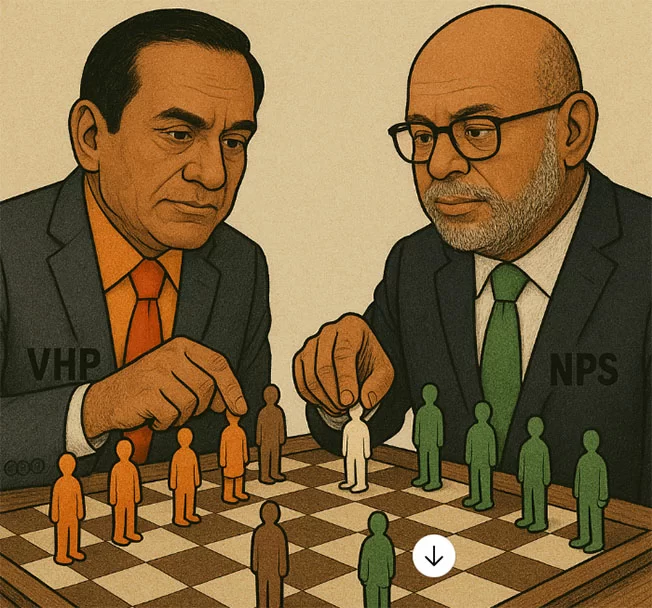
    In Suriname’s Ministry of Education, Science and Culture, recent administrative reshuffling continues to be officially characterized as “policy restructuring” and “professionalization.” However, mounting evidence reveals these personnel changes represent nothing more than deeply entrenched political gamesmanship and ethnic patronage systems that have long plagued the nation’s governance.

    The pattern emerges with striking clarity when examining recent political transitions. During the previous administration—when VHP and NPS parties collaborated—VHP Minister Henry Ori exploited the rupture with NPS to systematically replace predominantly non-Hindustani executives aligned with NPS with officials from his own Hindustani support base. Now, under a new power constellation, the identical maneuver unfolds in reverse: primarily Hindustani officials are being dismissed while some NPS-affiliated personnel previously ousted by Ori are being reinstated.

    This cyclical pattern of removal, replacement, and reinstatement isn’t anomalous—it constitutes the fundamental operating system. Framing these changes as merit-based discussions inadvertently creates dangerous stigmatization by suggesting Hindustani experts are being replaced by non-Hindustani incompetents, or vice versa. The reality remains that expertise bears minimal consideration, overshadowed by partisan shortsightedness with strong ethnic motivations.

    The dangerous fallacy lies in characterizing this musical chairs exercise as a debate about qualifications. Accepting this framing perpetuates the precise ethnic stigma society must avoid. While some suggest discrimination based on race and political affiliation, this not only misrepresents reality but creates an ethnic smokescreen obscuring the core issue.

    For the officials appointed and replaced, the process becomes a mockery—they serve merely as political pawns deployed not based on competency but partisan grudges. What requires acknowledgment is that these have become political positions, and political positions inevitably change hands with administrative transitions. While not inherently unusual globally, Suriname’s process occurs without framework, transparency, and consistently along ethnic lines, rendering it particularly destructive.

    Suriname might benefit from examining established democracies like the United States, which maintains a clear distinction between political appointees (temporary, administration-linked positions) and career officials (diplomats, civil servants, policy analysts who remain regardless of electoral outcomes). This system preserves both stability and neutrality.

    Suriname lacks—or insufficiently defines—this crucial distinction. Consequently, bureaucratic functions and political appointments remain toys of political immaturity, with each new administration resetting progress while citizens bear the consequences. The time has arrived to definitively classify which positions are truly political and which are not, to terminate ethnically-charg appointment traditions, and to construct a professional, stable, and depoliticized apparatus where career civil servants serve based on expertise rather than partisan interests.

    Until these reforms materialize, Suriname remains trapped in the same cycle: petty political games infused with ethnic tensions producing significant consequences. Ultimately, the nation invariably pays the price.

  • Dominican Republic recognized at NovaGob Awards for Zero Bureaucracy program

    Dominican Republic recognized at NovaGob Awards for Zero Bureaucracy program

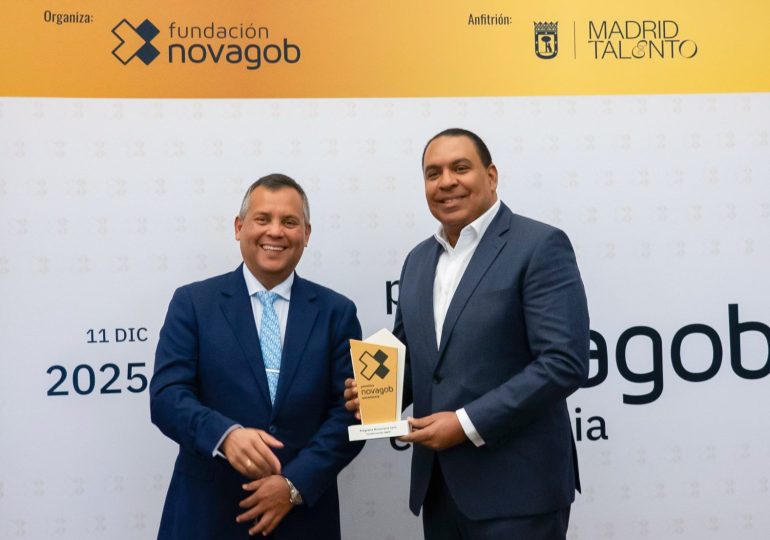
    MADRID – The Dominican Republic has achieved international recognition for its groundbreaking digital governance initiative, receiving the NovaGob Excellence Award 2025 for Digital Transformation. The nation’s ‘Zero Bureaucracy’ program, designed to eliminate administrative redundancy and enhance governmental efficiency, was honored during a ceremony at Madrid’s historic Casa de la Panadería.

    Edgar Batista, Director of the Government Office of Information and Communication Technologies (OGTIC), accepted the award on behalf of the Dominican government. In his address, Batista emphasized that the initiative represents more than technological adoption—it signifies a fundamental restructuring of state operations with citizen needs at its core. ‘This recognition validates our commitment to building a modern, efficient, and people-centered public administration,’ Batista stated, highlighting the program’s focus on prioritizing citizens’ time and reducing procedural burdens.

    The Zero Bureaucracy initiative forms the cornerstone of a comprehensive strategy to enhance institutional efficiency and transparency through digital innovation. By streamlining processes, removing regulatory obstacles, and integrating digital services, the program aims to create a more agile and accessible public sector for both citizens and businesses.

    Established under Decree 640-20, the program operates through an inter-institutional commission coordinated by the Ministry of the Presidency, the Ministry of Public Administration, OGTIC, and the National Competitiveness Council. Numerous government entities are actively integrating their services into this centralized platform.

    The NovaGob Excellence Awards represent one of Latin America’s most prestigious recognitions for public-sector innovation, celebrating projects that improve governance and citizen engagement. This achievement solidifies the Dominican Republic’s position as a regional leader in digital transformation and state modernization efforts.

  • Minister Bharrat: Maak local content sterk, maar sluit de deur niet voor investeerders

    Minister Bharrat: Maak local content sterk, maar sluit de deur niet voor investeerders

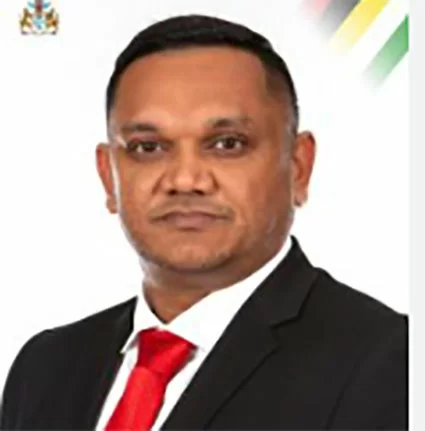
    Guyana’s Minister of Natural Resources Vikram Bharrat has offered strategic counsel to neighboring Suriname regarding local content policy formulation for emerging oil economies. Speaking with Starnieuws during a Production Sharing Agreement signing with Ghana’s Cybele Energy, Minister Bharrat emphasized the critical balance between national development and investor attraction.

    “The best advice I can give Suriname in its pursuit of local content policy is to create well-considered legislation applicable to national development while keeping doors open for investors,” stated Minister Bharrat. Guyana has transitioned from basic local content policies to comprehensive legislation mandating foreign companies to hire Guyanese citizens and contractors while implementing skills transfer programs.

    Senior Petroleum Advisor Bobby Gossai, present at the PSA signing ceremony at Pegasus Hotel, highlighted that attracting foreign investors remains a priority in multinational negotiations. “Corporate capabilities must align with our national conditions,” Gossai explained. “During negotiations, we ensure companies understand our established timelines and investment focus areas for coming years.”

    The negotiation process for agreements like PSA requires companies to recognize the Guyanese government’s dual responsibility to both corporate partners and society. Extensive development has gone into Guyana’s fiscal policy for oil and gas, including 10% royalty fees, 10% taxes, cost recovery mechanisms, and profit sharing arrangements.

    Guyana has secured seven Foreign Direct Investment contracts since beginning its transformation into one of the world’s fastest-growing economies. Following over 30 oil discoveries since 2015, four sites are currently operational with two additional sites expected within two years. The seven FDIs include Liza Phase 1 (2017), Liza Phase 2 (2019), Payara (2020), Yellowtail (2022), Uaru (April 2023), Whiptail (April 2024), and Hammerhead (September 2025).

    Minister Bharrat confirmed the ongoing strategy: “The intention is naturally to attract as many investors as possible” while maintaining responsible resource management and national benefit structures.

  • Nominees For 2025 National Sports Awards – Ratified

    Nominees For 2025 National Sports Awards – Ratified

    The Ministry of Sports of Antigua and Barbuda has officially ratified the complete list of distinguished nominees for the highly anticipated 2025 National Sports Awards. Following an extensive and meticulous vetting process, the nominees have been confirmed across eight competitive categories, setting the stage for a grand recognition ceremony scheduled for March 1st, 2025. This premier event will honor the nation’s most exceptional athletes, coaches, officials, and administrators for their outstanding contributions and remarkable achievements in the sporting arena.

    The selection process for the awards is both rigorous and transparent. An esteemed panel of judges will evaluate the nominees based primarily on their documented success in regional and international competitions over the past year. The sporting associations representing each athlete are responsible for submitting detailed performance records, the accuracy of which is subsequently verified through independent research to ensure the highest standards of integrity and fairness.

    Among the top contenders, the Senior Sportsman of the Year category features a stellar lineup including cricketer Alzarri Joseph (Antigua and Barbuda Cricket Association), footballer Shahoi Dorsett (Football Association), and athlete Christopher B. Johnson (Athletics Association). The Senior Sportswoman of the Year nominees are equally impressive, showcasing talent from sprinter Joella Kenjel Lloyd (Athletics Association) to netball player Erverdine Parker-Barnade (Netball Association).

    The awards also celebrate the future of national sports through the Junior Sportsman and Sportswoman of the Year categories, alongside specialized honors for Coaches, Officials, and Administrators who form the backbone of the sporting community. A special Lifetime Achievement award will recognize the enduring legacy of veterans like Neil Lloyd (Cricket) and Joseph H. Meade (Bodybuilding & Weightlifting).

    The Ministry has publicly released the full nominee list to promote transparency and facilitate media coverage, extending its congratulations to all nominees for their exemplary dedication and prowess. The nation now eagerly awaits the March ceremony where the winners will be unveiled, celebrating the very best of Antigua and Barbuda’s sporting excellence.

  • Foreign currency transactions: a necessary step to strengthen the national economy

    Foreign currency transactions: a necessary step to strengthen the national economy

    Cuba has enacted sweeping financial reforms through Decree Law 113, establishing a comprehensive framework for foreign currency management and allocation. This landmark legislation, published in the Official Gazette, represents a fundamental shift in Cuba’s economic policy aimed at macroeconomic stabilization and growth stimulation.

    The new mechanism allows multiple currencies to function as legal tender alongside the Cuban peso, marking a departure from previous restrictions that limited transactions to domestic currency. The reform applies to Cuban, foreign, and mixed legal entities, as well as individuals engaged in productive activities or economic transactions involving foreign currency instruments.

    Under the leadership of the Ministry of Economy and Planning (MEP) and the Central Bank of Cuba (BCC), the system will prioritize export activities, production linked to export sectors, import substitution initiatives, and other ventures that contribute to increasing foreign currency revenues. The regulations establish procedures for entities to retain significant portions of their foreign currency earnings, ensuring liquidity and operational flexibility.

    Central Bank President Juana Lilia Delgado Portal emphasized that this represents a higher-level legal regulation updating previous provisions. The framework introduces Foreign Currency Access Capacity Allocation (ACAD), authorizing economic actors who don’t generate foreign currency to purchase it from the Central Bank at official exchange rates for priority activities.

    Economy Minister Joaquín Alonso Vázquez outlined four fundamental objectives: organizing the foreign currency management system, regulating transactions based on existing accounts or ACAD allocations, defining legal access to foreign currency, and specifying which economic transactions will be conducted in foreign currency.

    The reforms are designed to stimulate export revenues rather than recirculate existing currency within the national economy. The measures also encourage import substitution, development of legal currency access mechanisms, and expansion of foreign currency-generating activities including e-commerce with international payments.

    Authorities indicate these changes represent an interim step toward establishing necessary macroeconomic conditions for eventual restoration of the Cuban peso’s convertibility in a transformed foreign exchange market.

  • Consumentenrisico’s steeds vaker zichtbaar tijdens supermarkcontroles

    Consumentenrisico’s steeds vaker zichtbaar tijdens supermarkcontroles

    In a sweeping enforcement operation, Suriname’s Economic Control Service (ECD) has uncovered multiple serious violations across supermarket chains, exposing consumers to significant health and financial risks. The comprehensive inspections revealed a pattern of non-compliance with basic consumer protection standards, prompting immediate regulatory action.

    The investigation was triggered by a complaint from Wim Bos Verschuur School, where teachers discovered students carrying energy drinks both before and during school hours. During subsequent inspections, a supermarket operator on Boulangerstraat admitted selling energy drinks to minors while claiming ignorance of the prohibition. This establishment, previously cited for selling alcohol to underage customers, faced temporary closure as a consequence.

    Among the most concerning findings were expired food products—including cookies, pasta, instant noodles, and spices—discovered on shelves at multiple locations along Pelthoporumlaan, Indira Gandhiweg, Martin Luther Kingweg, and Houttuin Road. While some violations involved isolated items, others revealed entire product categories past their expiration dates, all of which were immediately removed from sale.

    The ECD also identified critical labeling deficiencies, with numerous supermarkets selling frozen chicken, fish, and other products lacking essential information such as production dates, origin, storage instructions, or expiration dates. These omissions violate fundamental food safety protocols. Coffee and various other unlabeled food items were similarly removed from circulation. Notably, one supermarket on Anamoestraat demonstrated full compliance with labeling requirements and was permitted to continue operations.

    Pricing irregularities emerged as another significant concern. Commonly purchased items including onions, eggs, flour, salt, and brown sugar frequently lacked price tags altogether. In one particularly egregious case, brown beans were priced at SRD 75 without supporting purchase documentation—after recalculation, the correct selling price was determined to be SRD 70. Additionally, numerous stores operated with uncalibrated weighing scales, creating potential for inaccurate measurements and incorrect pricing.

    The operation also uncovered unauthorized sales of pharmaceutical products and tobacco. During an inspection along Sir Winston Churchillweg, ECD officials discovered illegal cigarettes and paracetamol being sold without proper licensing. This case has been referred to specialized inspectors for further investigation.

    The ECD has called for increased public vigilance and urged citizens to report similar violations promptly, emphasizing that robust consumer protection requires ongoing collaboration between regulators and the community.

  • Puntacana Resort announces launch of “Padel Week”

    Puntacana Resort announces launch of “Padel Week”

    PUNTA CANA – The prestigious Puntacana Resort is poised to become the epicenter of international padel as it prepares to host an exclusive Padel Week from December 16 to 21. The world-class Oscar de la Renta Tennis Center, in a strategic partnership with LUX Tennis, will stage the high-profile event featuring two of the sport’s renowned figures: Coki Nieto, currently ranked 7th globally, and Alfonso Sánchez, holding the world No. 171 position.

    The week’s itinerary is designed to offer an immersive experience, commencing with premium training clinics. Participants will have the rare opportunity to engage in intensive group practice sessions directly with the professionals. These exclusive clinics, capped at just three players per session to ensure personalized coaching, are scheduled on alternating days. Training sessions with Alfonso Sánchez will be conducted on December 16 and 18, while clinics led by Coki Nieto are set for December 17 and 19.

    The competitive highlight of the week, a professionally organized tournament, is slated to run from December 18 through December 21. The sporting competition will reach its climax with an official awards ceremony at 6:00 p.m. on the final day, celebrating the champions. Immediately following the ceremony, spectators will be treated to a spectacular exhibition match. Nieto and Sánchez will join forces to face a formidable duo consisting of the head coach from LUX Padel and a distinguished local player, showcasing elite-level play.

    Padel Week will conclude on a celebratory note with a dedicated meet-and-greet event. Scheduled from 7:00 to 8:00 p.m. on December 21st, this session provides attendees and participants with direct access to the athletes for autographs, photographs, and personal interaction, creating memorable moments to cap off the prestigious sporting gathering.