作者: admin

  • Justice Antoinette Moore Retires After Twelve Years on the Bench

    Justice Antoinette Moore Retires After Twelve Years on the Bench

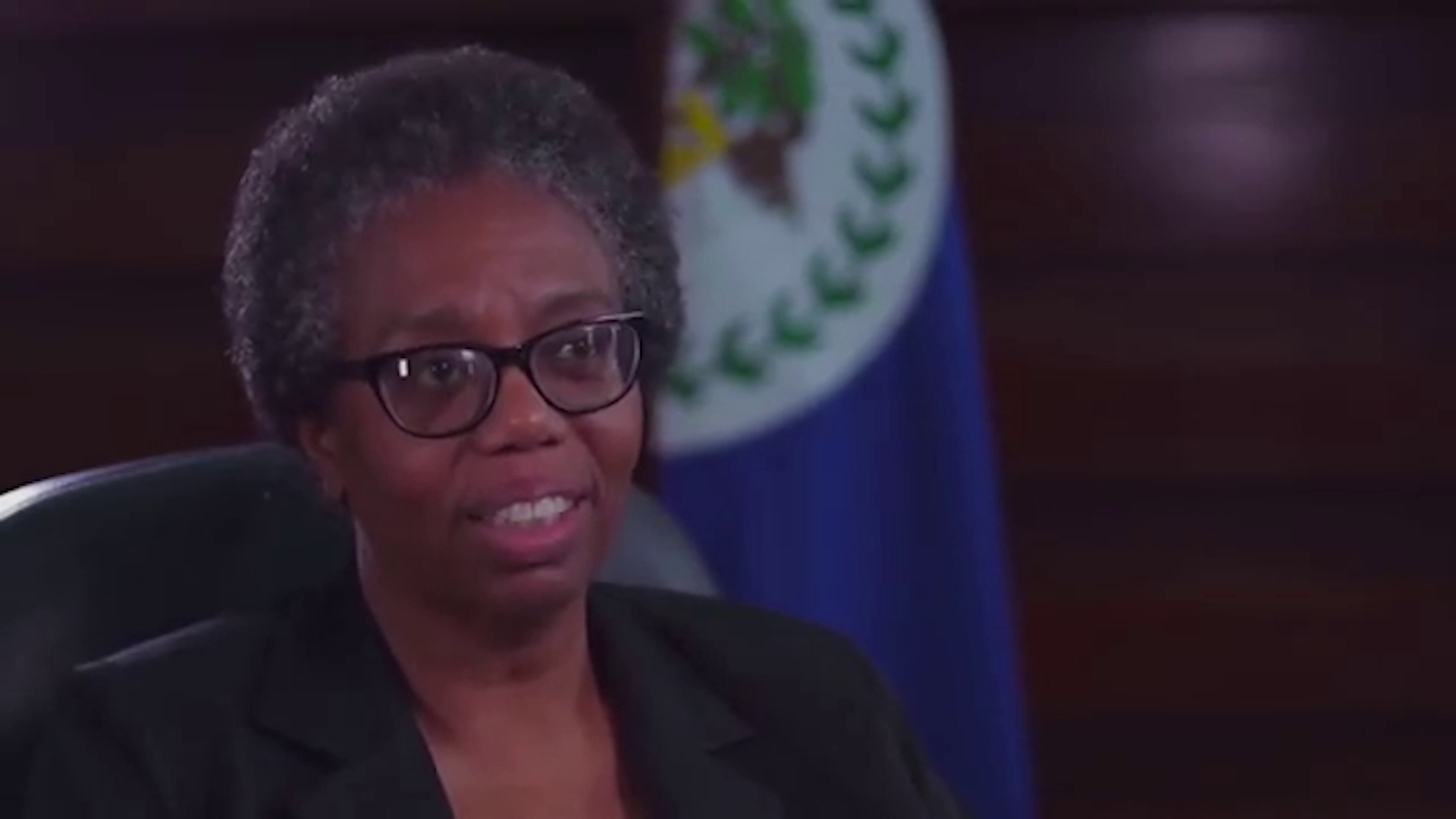
    Twelve years ago, what started as a six-month emergency appointment to clear a case backlog at Belize’s Supreme Court is drawing to a close: Justice Antoinette Moore, one of the nation’s most influential legal figures, will step down from the High Court at the end of August 2026, leaving an indelible mark on Belize’s pursuit of equal justice.

    Moore’s long career in law began long before she took the bench. A legal scholar trained at two of the world’s most prestigious institutions — Loyola University Chicago and the University of Oxford — she first built her reputation as a fierce human rights attorney working in private practice. Throughout these early years, she dedicated much of her work to upholding constitutional protections and amplifying the voices of marginalized, vulnerable communities across Belize. Her most landmark contribution from this era came in her decades-long advocacy for Maya customary land rights, a battle that wound through domestic Belizean courts, regional human rights bodies, and ultimately reached the nation’s highest judicial forum. “That is what you have been struggling for and that certainly… That has gone for the last ten years through the courts, through the regional human rights bodies, through the courts of Belize and until now it reached the last, the highest, that mountaintop in terms of the courts, the highest court,” Moore said of the land rights campaign in a 2015 interview.

    Beyond her human rights work, Moore also stepped into a critical role as lead prosecutor for Belize’s Financial Intelligence Unit, where she took on the complex, high-stakes work of combating financial crime. She led the prosecution of what was then the largest money laundering case in Belize’s history, which involved more than $1.5 million in illegally laundered funds. Her work secured guilty convictions against all five accused, including defendants Michael and Melonie Coye. “We are very pleased that the jury saw the evidence and resulted in guilty verdicts for all five of the accused, which of course includes the corporate accused and the four natural persons,” Moore stated after the 2012 verdict.

    In 2014, Moore was tapped for a temporary six-month assignment to the Supreme Court’s criminal division, tasked solely with clearing a backlog of more than 70 pending criminal cases. What was meant to be a short-term gap-filling role extended far beyond its original timeline: 12 years later, Moore leaves the bench as one of Belize’s most respected and trusted criminal judges, having presided over nearly all of the nation’s most high-profile, consequential criminal trials in over a decade.

    Among her most notable rulings was the life sentence handed down to William “Danny” Mason and four accomplices for the brutal kidnapping, murder, and beheading of Pastor Llewellyn Lucas, a case that shocked the nation and became one of the most sensational criminal events in Belize’s modern history. She also delivered life sentences for a string of high-profile murders, including Enrique DePaz for the killing of Harrison Bowers, Shane Bennett for the murder of Anthony Parks, Wilmer Escobar for the double murder of sisters Cresencia and Josephine Oh, Nicholas Swazo for the murder of Gerald “Shiny” Tillett, and Christopher Bradley for the death of Martha Gonzales. In 2023, Moore drew national attention for her sentencing of former police corporal Kareem Martinez to 18 years in prison for the manslaughter of 14-year-old Laddie Gillett, a ruling that sparked renewed national conversation and scrutiny over excessive use of force by law enforcement.

    Across more than three decades in Belize’s legal system, Moore has served in nearly every critical role: from human rights advocate, to financial crime prosecutor, to judicial educator, to High Court Justice. As she prepares to retire, her legacy extends far beyond the walls of the courtroom, shaping how Belize approaches justice, equity, and accountability for all.
    This report is from Shane Williams, for News Five.

  • Farm theft ‘organised crime’ as minister goes on patrol

    Farm theft ‘organised crime’ as minister goes on patrol

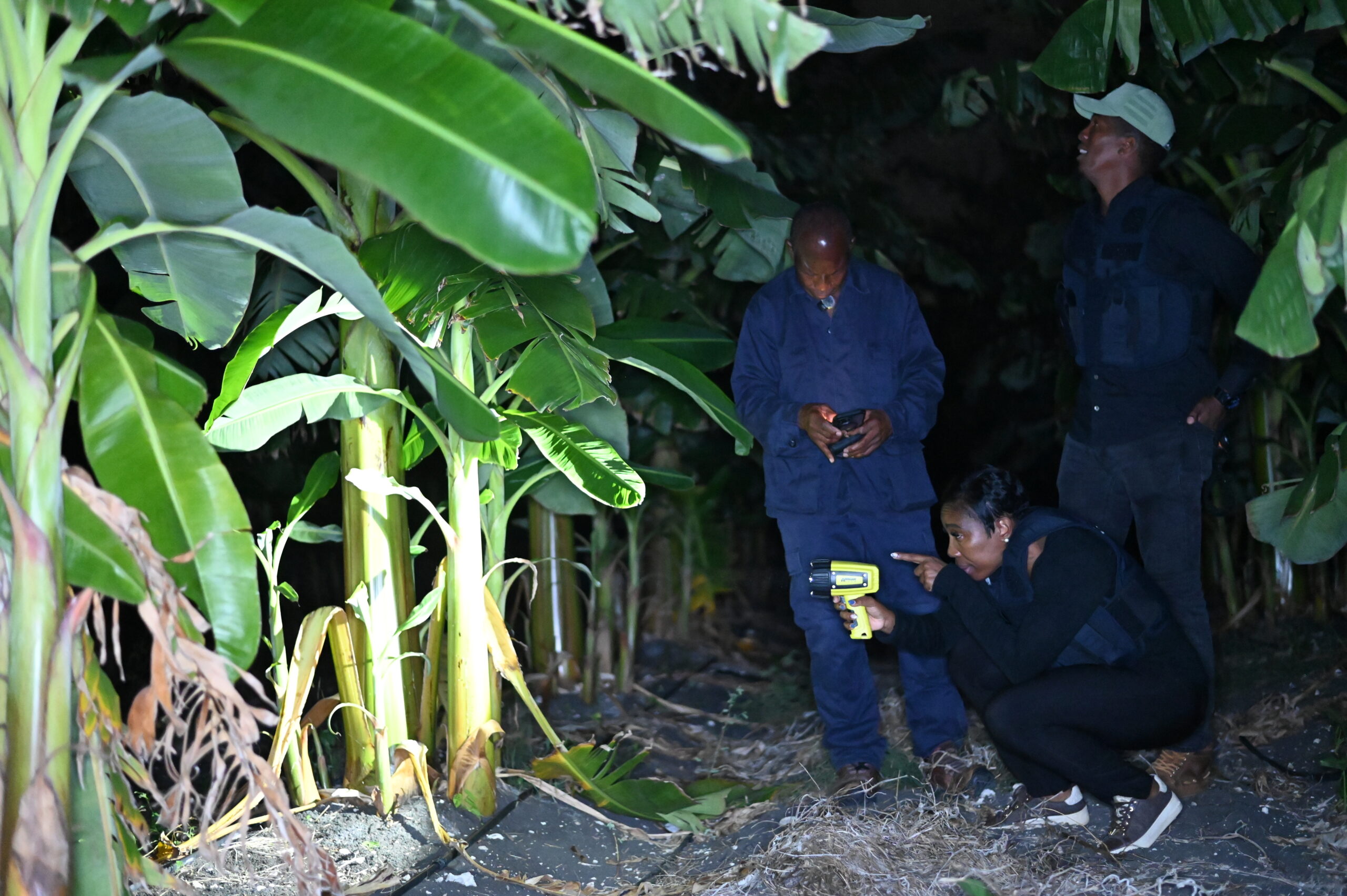
    After joining an overnight patrol with law enforcement and agricultural producers to see the sophistication of farm and livestock theft firsthand, Barbados’ Minister of Agriculture Dr. Shantal Munro-Knight has announced sweeping new measures targeting thieves, vendors who handle stolen produce, and consumers who unknowingly purchase it. The patrol, part of a pilot program launched in March by the Barbados Police Service’s new crop protection unit, took the minister to multiple active farm sites across the country, and left her convinced that decisive, cross-sector action is needed to dismantle the well-organized criminal networks that have plagued the island’s agricultural industry for decades.

  • Are Statutory Bodies Following the Law or Flying Under the Radar?

    Are Statutory Bodies Following the Law or Flying Under the Radar?

    In the wake of the unfolding Mira millions corruption controversy, public scrutiny in Belize has expanded beyond the initial scandal to cast a probing light on the nation’s network of statutory bodies, raising urgent questions about widespread compliance with financial reporting and public disclosure rules.

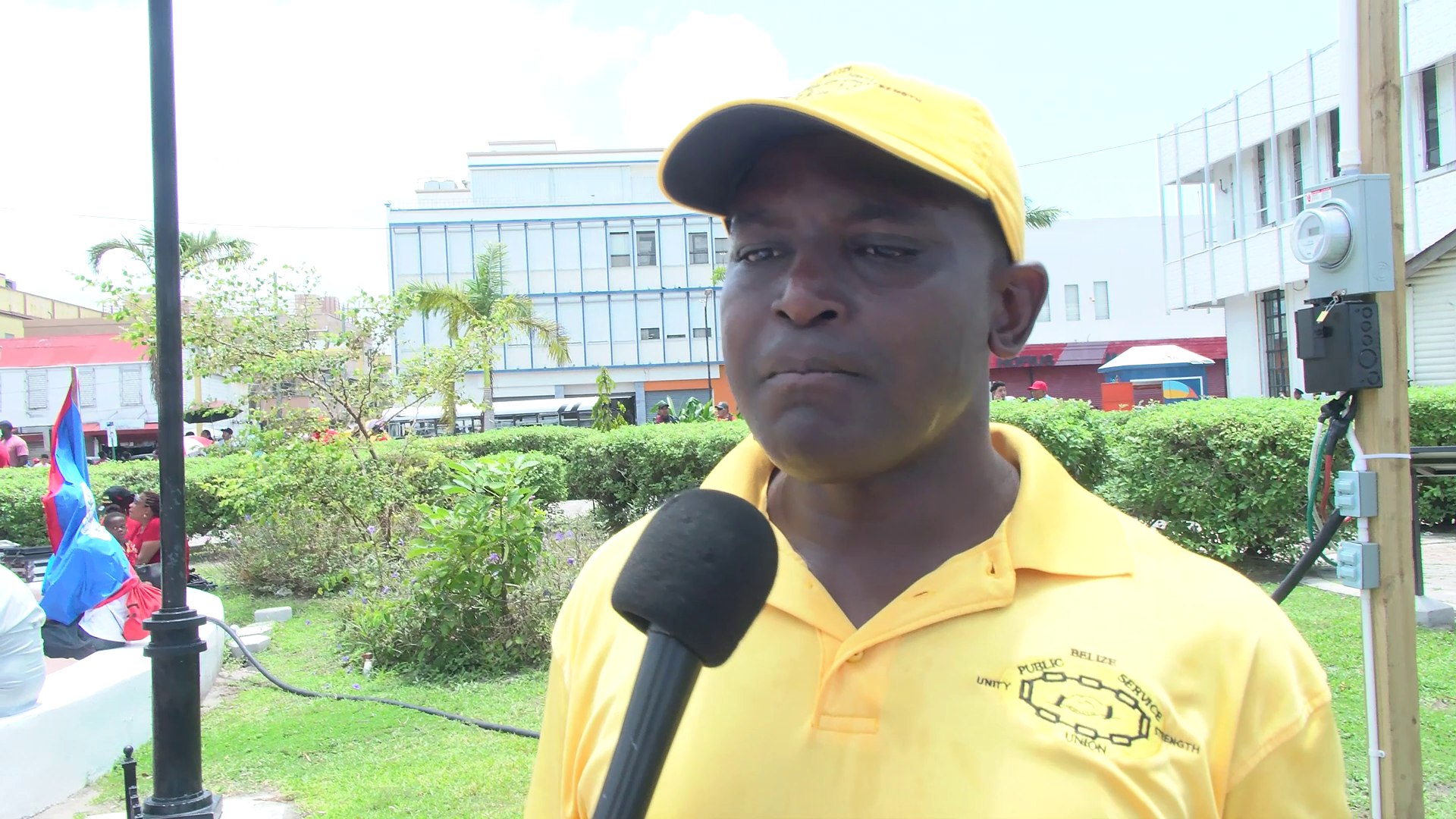
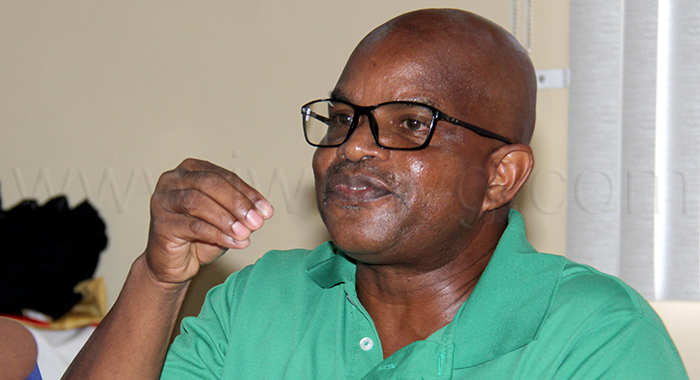
    Dean Flowers, president of Belize’s Public Service Union, has emerged as a leading voice demanding a comprehensive, long-overdue review of these state-affiliated agencies. Under existing Belizean law, nearly all statutory bodies are mandated to submit detailed audited financial statements, approved budgets, and annual performance reports to the National Assembly, with many required to publish key documents publicly via the official Gazette. But Flowers argues that non-compliance is systemic, and the corruption exposed at the Ministry of Defense tied to the Mira case is only the first visible layer of a far deeper problem.

    “Ever since I took office as union president, I have warned the Belizean people that dozens of statutory bodies managing millions, and in some cases hundreds of millions of dollars, are failing to account for how those public funds are spent,” Flowers stated in an on-camera interview, portions of which aired during a primetime evening newscast. “If people think the Mira scandal is bad, they need to prepare for what will come when the veil is pulled back on these agencies. The problem isn’t isolated to defense, either. Ministries including Health, Education, and Works—all of which handle hundreds of millions in annual public spending, particularly for large procurement contracts—have not had their full spending properly documented and audited by the Auditor General for decades. We need the government to commit to full, unobstructed investigations to expose the corruption that has festered over the past 20 to 30 years.”

    One high-profile agency already under public examination is the Belize Tourism Board (BTB), a key statutory body that drives one of Belize’s largest economic sectors. An independent review by news reporters found that BTB has not tabled a single audited financial report in the National Assembly for more than six years, despite a clear requirement to do so under the Belize Tourism Board Act. No audited reports are available to the public on BTB’s official website either, leaving the public with no independent insight into how public tourism funding is allocated and spent.

    This report is an official transcript of a televised evening newscast, with all Kriol-language quotes transcribed using a standardized spelling system for public accessibility.

  • Stevedores Warn Port Stalemate Could Put Economy at Risk

    Stevedores Warn Port Stalemate Could Put Economy at Risk

    Four months have passed since the Essential Services Arbitration Tribunal brought an end to a years-long labor standoff between the Port of Belize and its stevedore workforce, yet not a single step has been taken to finalize a new collective bargaining agreement (CBA) that would resolve the core issues at the heart of the dispute. The entire arbitration process, which dragged on for more than 12 months, came to an abrupt halt in March when the Christian Workers Union rejected a revised confidentiality agreement, walking away from the negotiating table and leaving the dispute unresolved.

    Today, after the government of Belize assumed formal control of the Port of Belize, stevedores say they are still waiting for the new administration to follow through on its public promise to restart good-faith negotiations. Bruce Diaz, the chief union representative for the stevedores, says workers have maintained extraordinary patience through months of inaction, but issued a stark warning: if government and port officials do not return to negotiations imminently, the entire Belizean economy could face cascading disruption.

    “There is no tribunal left – the process abandoned us back in February,” Diaz explained in an interview. “We have been waiting to coordinate a meeting with Port of Belize leadership ever since, and we have not received any response at all. After the government took control, they confirmed they would sit down with us to finalize the CBA. To date, we have had no meetings, no productive discussions, and we need to move forward. We all know that if stevedores are forced to stop work, every Belizean will feel the impact – and we workers will feel it too. We do not want to take that step, so we have held off in good faith to see if they will meet with us to sort through the current issues.”

    Diaz emphasized that getting a new CBA signed is non-negotiable for the workforce, highlighting the grueling, uncelebrated work stevedores perform to keep the national economy moving. “Stevedores work around the clock, through rain and extreme heat, while executives and directors are at home asleep,” he said. “We work in pouring rain, dry off in the sun, and keep going to keep Belize’s economy flowing. If the Port of Belize stops functioning, basic goods from noodles to chicken sausage will not reach local communities – and prices for all goods will skyrocket. In past negotiations, we have made concessions to keep operations running even when we did not get the terms we needed, and that remains the case today. We are calling on the Port of Belize to meet with our negotiating team and finalize this CBA before the situation escalates.”

    Diaz added that stevedores initially viewed the government’s takeover of the port as a positive turning point, with workers holding out hope that the new administration would bring a more collaborative approach to labor relations. Months later, however, the workforce says it feels ignored, sidelined, and forced to issue a public warning to get the attention of port leadership. This report is a transcribed excerpt from an evening television newscast, with Kriol language statements standardized to written English for clarity.

  • Drone Regulations Delayed Until July Thirtieth

    Drone Regulations Delayed Until July Thirtieth

    The Belize Department of Civil Aviation (BDCA) has announced a one-month extension to its deadline for releasing a revised draft of national unmanned aircraft systems regulations, pushing the date from the originally scheduled June 30 to July 30, 2026. The extension comes in the wake of a public consultation phase that drew far more input than initially anticipated, with dozens of targeted comments and technical recommendations submitted by key stakeholders across both the traditional aviation sector and fast-growing commercial and recreational drone industries. BDCA officials have emphasized that the timeline shift is purely an administrative adjustment to accommodate the review of all submitted feedback, and in no way signals a reduction in the department’s commitment to rolling out clear, effective rules for drone operations in Belizean airspace. Once the revised draft is published next month, the department will open a second public comment window, giving all interested parties another opportunity to review the proposed framework and submit formal feedback before the regulations are finalized. BDCA reaffirmed that its top priority is upholding full transparent regulatory due process, with the end goal of establishing a clear set of standards that allows both manned commercial and private aircraft and unmanned drone systems to operate safely in shared Belizean airspace, mitigating collision risks and supporting the sustainable growth of the burgeoning local drone sector.

  • Belize Strengthens Child-Centered Justice System

    Belize Strengthens Child-Centered Justice System

    BELIZE CITY, July 10, 2026 — When minors become involved with the country’s legal system, every decision carries outsized consequences for their long-term development and well-being. Now, the Central American nation of Belize is taking targeted steps to transform its justice framework to be more responsive, empathetic, and centered on the unique needs of children.

    A two-day specialized training program for judicial professionals wrapped up recently in Belize City, drawing together sitting judges and leading stakeholders from across the country’s justice sector. The curriculum focused on four core priority areas: child-centered justice frameworks, combatting human trafficking, restorative justice practices, and diversion programs that keep children out of traditional punitive court systems when appropriate.

    The initiative was spearheaded by three leading national bodies: Belize’s Ministry of Human Development, the national Anti-Trafficking in Persons Council, and the Child Justice Committee. The Judicial Education Institute provided logistical and technical support to make the training possible.

    Per program organizers, the core objective of the training is to equip judicial officers with the tools and knowledge to more effectively protect vulnerable children and victims of trafficking. The training emphasizes trauma-informed, victim-centered legal practices that prioritize a child’s physical safety, mental health, and overall well-being as the central consideration in every case involving minors.

    This training marks a key milestone in Belize’s ongoing efforts to reform its justice system to align with international standards for child protection, addressing widespread recognition that traditional legal approaches often fail to account for the developmental needs and trauma experienced by children who come into contact with the law.

  • Labour Department moves to tackle issues in security industry

    Labour Department moves to tackle issues in security industry

    In a groundbreaking move to tackle widespread labor disputes, the Saint Lucia Department of Labour has launched an unprecedented targeted engagement initiative with private security service providers, a sector that has consistently accounted for a disproportionate share of worker complaints related to unfair wages, substandard working conditions and unlawful employment termination.

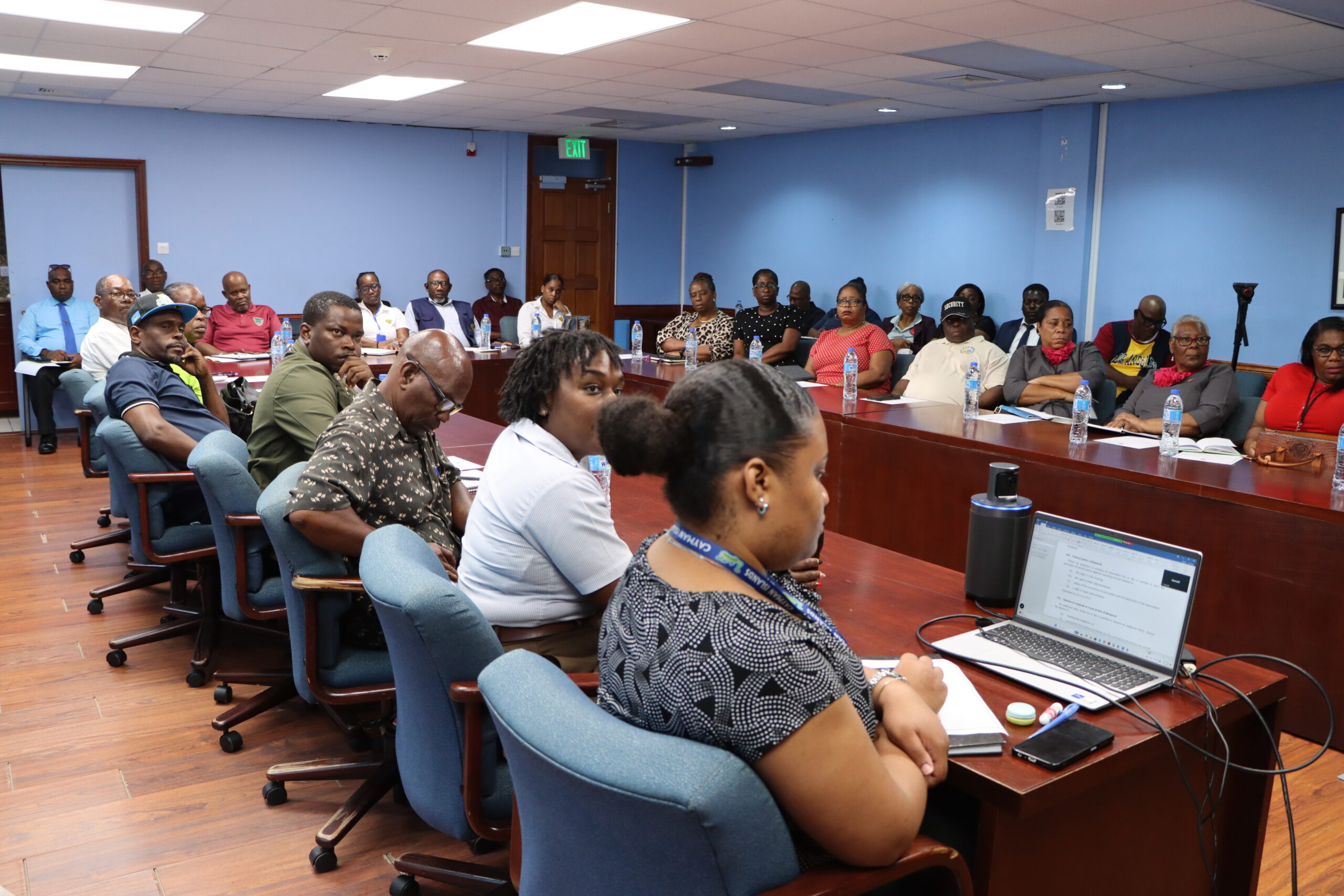
    The first gathering of this initiative, held on July 8, brought together key operators and senior leadership from across the private security industry. The meeting centered on unpacking the most common recurring labor relations challenges, walking stakeholders through explicit employer obligations outlined in the national Labour Act, and rolling out evidence-based best practices for ethical and compliant human resource management.

    Deputy Labour Commissioner Nicolai Lansiquot explained that the unprecedented collaborative approach was born from years of data showing the private security sector outpaces most other industries in labor complaints. “For years, our department has recorded that security firms make up a significant share of all grievances we receive, covering everything from unpaid wages to unfair dismissal,” Lansiquot noted in remarks at the meeting. “Through routine inspections, formal investigations and alternative dispute resolution conciliation processes, we’ve mapped out consistent, solvable gaps in compliance. This direct engagement lets us address these concerns head-on, boost industry-wide understanding of legal requirements, and encourage voluntary compliance before individual issues escalate into costly, formal legal disputes.”

    Department investigations have outlined eight core recurring violations that plague the sector: employers failing to issue legally compliant pay slips to workers, incorrect calculations of overtime wages, refusal to pay mandatory premium rates for work on public holidays, violation of legally required rest break rules, inadequate and non-compliant employee record-keeping, improper and unlawful use of fixed-term employment contracts, and significant procedural flaws in disciplinary actions and employment termination processes.

    While the Department of Labour remains fully committed to rigorous enforcement of the Labour Act to protect worker rights, Lansiquant emphasized that the new strategy prioritizes proactive education, dispute prevention and public-private partnership over reactive enforcement alone. The agency recognizes that private security firms operate under unique operational constraints: the nature of the work requires nonstop around-the-clock coverage, irregular shift scheduling, extended work periods and mandatory staffing on public holidays. Even with these unique operating conditions, the department stressed that all employers are legally obligated to meet the minimum labor standards set out in the national legislation.

    Speaking directly to industry stakeholders at the July 8 meeting, Labour Minister Emma Hippolyte acknowledged the outsized positive contribution the private security sector makes to both national economic activity and public safety. “Our government recognizes the critical work done by private security officers and the companies that employ them,” Hippolyte said. “This sector delivers essential services across every corner of our national economy, and it plays a huge role in upholding public safety and keeping businesses operating smoothly. That said, compliance with the Labour Act is non-negotiable: it is the foundation of fair, stable and productive workplaces that benefit both employers and employees.”

    Hippolyte reaffirmed the government’s dual commitment to supporting sustainable private sector growth while upholding fundamental worker rights and fostering healthy, collaborative industrial relations. “Strong, positive industrial relations deliver benefits for every group: employers, workers, and the entire national community,” she added. “Our core goal is to partner with industry stakeholders to strengthen employment practices, boost overall compliance, and make sure every workplace in the sector remains fair, respectful and productive for all.”

    Moving forward, the Department of Labour plans to hold regular ongoing engagement sessions with private security industry stakeholders as part of its long-term efforts to cut down on preventable workplace disputes, lift overall compliance with labor laws, and build stronger, more collaborative labor relations across the entire sector.

  • Govt to target derelict properties tied up in family disputes, revive City

    Govt to target derelict properties tied up in family disputes, revive City

    Barbadian Prime Minister Mia Mottley has announced a sweeping new national housing initiative designed to unlock thousands of derelict properties trapped in intergenerational family disputes, a move aimed at easing national housing shortages, cutting urban blight, and driving widespread homeownership across the island ahead of key national milestones.

    Speaking at a groundbreaking ceremony for a new public-private joint venture housing project in Vineyard, St. Philip, Mottley explained that hundreds of unused properties across Barbados have sat abandoned for decades, frozen in limbo after the death of their original owners when surviving family members fail to reach a consensus on managing or developing the assets. What starts as a private family deadlock quickly becomes a public liability, she noted, dragging down neighborhood property values and contributing to urban decay. To break these logjams, the Prime Minister has tasked the Ministry of Housing with developing a comprehensive support framework that brings together a cross-disciplinary team of legal experts, architects, engineers, financiers and contractors to offer families a flexible “menu of options” to move forward with stalled properties.

    Under the proposed scheme, the government will offer multiple pathways to unlock deadlocked assets. The state can enter into formal agreements to standardize legal documentation and pre-approved architectural plans for families, or even enter into long-term leases of up to 15 years, developing the property before returning full ownership to the family. The administration is also open to increasing housing density in established neighborhoods, allowing underused single-family derelict structures to be converted into duplexes, four-unit or six-unit multi-family dwellings to expand the total housing stock.

    This initiative forms the centerpiece of a far-reaching restructuring of Barbados’s national housing policy, launched as the country prepares to mark its 60th anniversary of independence. Mottley outlined a clear strategic shift away from the traditional model of fully state-funded housing construction toward a model centered on public-private partnerships and joint ventures. The ambitious target of this new approach is to deliver at least 2,000 new housing units per year, generating an estimated $400 million in annual economic activity across the construction and real estate sectors.

    “It is the ambition of this government to see and to create the opportunities for every Bajan to be homeowners rather than renters and tenants in their own land,” Mottley said. To scale up housing production to meet this goal, the administration is working to transform Barbados’s housing construction sector from a fragmented, artisanal activity into a streamlined industrial process. Key regulatory reforms planned in the coming months include expanding the scope of the Mortgage Indemnity Act to cover all commercial banks, a change designed to make mortgage lending more accessible to average citizens — including informal sector workers and self-employed people who can prove consistent income via digital records.

    Mottley emphasized that revitalizing existing communities by repurposing abandoned and derelict properties carries major cost benefits compared to building new greenfield residential developments, as it avoids the heavy public expense of building entirely new roads, water, sewage and power infrastructure for undeveloped land. She also moved to reassure the public that the national urban renewal drive, which includes planned multi-storey residential developments across the greater Bridgetown area, will not come at the expense of Barbados’s agricultural sector or food security. This assurance came even as she presided over the groundbreaking of a new residential project that converts a former rural plantation into a large residential district. Mottley noted the country is already shifting toward vertical, climate-smart greenhouse agriculture to boost domestic food production and protect food security, freeing up low-lying urban and former agricultural land for residential use.

    Looking ahead to the 400th anniversary of Bridgetown’s settlement in 2028, the Prime Minister laid out a two-year timeline to revitalize the capital city and bring it back to active life. She argued that a functioning capital city must be more than a hub for work and commerce; it must also be a vibrant residential community where people live year-round. To achieve this vision, the government is moving forward with new multi-storey condominium developments within Bridgetown’s city limits, with active planning already underway for central city districts including Exmouth and Greenfield. By building upward and expanding the range of housing options available in the urban core, the administration aims to modernize Bridgetown, reverse decades of urban blight, and make homeownership a reality for more Barbadians.

  • The price SVG paid for saying ‘no’ to CBI

    The price SVG paid for saying ‘no’ to CBI

    For over two decades, St. Vincent and the Grenadines’ (SVG) former Unity Labour Party government stood firm in its opposition to a citizenship-by-investment (CBI) programme. Then-prime minister Ralph Gonsalves framed the policy as a threat to national sovereignty, warning it would open SVG to global reputational harm and create unmanageable governance risks. For successive election cycles, this rejection was not a evidence-based policy option up for debate—it was an unchallenged ideological doctrine, even as the economic costs of that choice mounted year after year.

    Gonsalves’ concerns were not entirely unfounded. Across the Organisation of Eastern Caribbean States (OECS), poorly run CBI initiatives have indeed drawn intense international scrutiny and created tangible governance challenges for some member states. But sound public policy requires weighing both avoided risks and forgone opportunities—and it is on this second metric that the former administration’s decision demands rigorous re-examination.

    When SVG’s neighbors embraced CBI, the small island nation stood alone as the only independent OECS member to reject the programme. St. Kitts and Nevis launched the Caribbean’s first CBI initiative as early as 1984, followed by Dominica in 1993, Antigua and Barbuda in 2012, Grenada in 2013, and Saint Lucia in 2015. Between 2013 and 2025, these five programmes collectively generated an estimated 16.5 to 22.1 billion Eastern Caribbean dollars (EC$) in non-tax revenue for their economies, while SVG opted to hold to its ideological stance rather than pursue the transformative economic opportunity.

    Economic analysis of that choice delivers a sobering conclusion: SVG is estimated to have foregone between EC$1.1 billion and EC$4.9 billion in potential revenue over that 13-year period. Even the lower end of that range marks one of the most significant missed economic opportunities in SVG’s modern history. This is far from an abstract academic debate: as of April 2026, the International Monetary Fund (IMF) pegs SVG’s public debt-to-GDP ratio at 120.1%. Even under conservative projections, the forgone CBI revenue would have nearly offset the total national debt accumulated over that 13-year period—debt that SVG was forced to build through interest-bearing borrowing, while neighboring countries banked direct cash inflows from CBI.

    The contrast between SVG and its CBI-participating neighbors is nowhere clearer than in their approach to major infrastructure. Argyle International Airport, the flagship infrastructure project of the Gonsalves era, was almost entirely financed through public borrowing, adding hundreds of millions of dollars to the national debt that SVG taxpayers will repay for decades. Just a short distance away, Dominica is constructing a billion-dollar, wide-body-capable international airport in Wesley, entirely funded through CBI revenue, with all financing risk carried by the developer rather than the Dominican public treasury. Dominican officials have explicitly confirmed that no current or future Dominican taxpayer will be on the hook for the project—an outcome that stands in stark opposition to SVG’s experience with Argyle.

    Critics often frame the CBI debate as a simple clash between principle and profit, but that framing is a misleading oversimplification. The real comparison is between the development gains neighboring countries have secured and what SVG could have achieved if its former government had chosen to manage CBI risks rather than reject the entire opportunity out of hand. While SVG leaned on heavy borrowing to fund core development, neighboring states used CBI revenues to deliver far-reaching public goods: new airports, upgraded hospitals, modernized schools, climate-resilient affordable housing, utility-scale renewable energy projects, and fully funded disaster recovery programmes.

    Dominica, in particular, offers a striking case study for comparison. Like SVG, it is a small island nation highly vulnerable to natural disasters, with limited natural resources and deep structural economic vulnerabilities. Yet CBI revenue has allowed Dominica to fund transformative projects that would have otherwise required massive public borrowing: the new international airport, thousands of climate-resilient homes for families displaced by 2017’s Hurricane Maria, dozens of new community health centers, and a raft of critical infrastructure upgrades. The gap between the two countries’ outcomes was not a product of geography or luck—it was a product of deliberate policy choice.

    For SVG, the lack of alternative non-tax revenue left successive governments with no option but to borrow for every major project. From road upgrades and coastal sea defenses to new housing, port expansions, hospitals, and post-disaster recovery, nearly all major public investment was debt-financed. While many of these investments were necessary, debt carries unavoidable long-term costs. As of the first quarter of 2026, SVG’s total disbursed outstanding public debt stands at EC$3.611 billion, with the 120.1% debt-to-GDP ratio forcing the government to divert hundreds of millions of dollars annually from core public services to debt interest payments. That is the true opportunity cost of rejecting CBI: not just the billions in unearned revenue, but the hundreds of millions in annual interest payments that could have been funding improved healthcare, higher education budgets, increased pension benefits, and higher public sector wages.

    SVG’s working population has borne the brunt of these costs. Governments burdened by high debt have little fiscal space to raise public sector wages, expand employment opportunities, hire additional frontline public servants, or improve working conditions. For years, public sector workers have been told that tight fiscal constraints prevent the government from meeting their wage demands—constraints that did not emerge by accident, but are the cumulative result of decades of policy choices that prioritized rejecting CBI over building alternative revenue streams. The opportunity cost extends far beyond public finances: nearly one in five Vincentians remains out of work, and thousands of young people leave the country annually to seek employment opportunities that do not exist at home. Every unbuilt major investment project represents jobs that were never created, local businesses that never expanded, and communities that never reaped the economic multiplier effects of construction, tourism growth, and private investment.

    The 2024 Hurricane Beryl exposed just how costly that lack of preparedness is. In July 2024, the storm hit Grenada’s Carriacou and Petite Martinique, and SVG’s Union Island, Mayreau, and Canouan with near-identical intensity, destroying homes, damaging critical healthcare facilities, and wiping out artisanal fishing fleets on both sides of the regional waterway. But Grenada held a critical advantage SVG lacked: a legally mandated disaster contingency reserve held within its CBI-funded National Transformation Fund, created specifically to respond to exactly this type of event. Grenada did not even need to draw down the full reserve—the fiscal strength built from years of CBI revenue allowed it to absorb the sharp increase in reconstruction spending without derailing its national budget or taking on massive new debt. SVG, by contrast, had no dedicated reserve to fall back on. Just as it did after the 2021 eruption of La Soufriere, SVG was forced to rely on international donor goodwill, emergency United Nations appeals, and new rounds of borrowing to fund recovery—because the reserve a CBI programme could have built was never allowed to exist.

    That gap was already painfully evident after the 2021 La Soufriere eruption, when the government’s large-scale emergency response relied almost entirely on international donors, regional partners, and borrowed funds. Imagine if successive SVG governments had launched a CBI programme in 2013 and allocated a portion of annual revenue to a dedicated national disaster and climate resilience fund: even modest annual contributions would have accumulated to between EC$400 million and EC$800 million by the time La Soufriere erupted. While that fund could not have prevented the disaster, it would have dramatically strengthened SVG’s ability to respond rapidly, rebuild faster, and avoid the need for billions in new emergency borrowing.

    Critics are correct to note that CBI programmes carry real risks. Poor governance has weakened CBI initiatives elsewhere in the Caribbean, lax due diligence has led to costly visa restrictions for entire countries, political interference has eroded public trust, and revenue volatility requires disciplined fiscal management. All of these risks are tangible—but every OECS member state that now operates CBI programmes faced these exact same challenges, and they chose to implement guardrails to manage risks rather than walk away from the opportunity entirely. The key lesson from the past decade is clear: the question was never whether risks exist, but whether those risks can be responsibly managed. Decades of regional experience confirm that they can.

    That is why the new SVG government’s proposed CBI framework deserves serious, open-minded consideration. The proposed framework includes critical guardrails to avoid the mistakes other countries have made: a legislatively protected independent investment fund, mandatory residency requirements for citizenship applicants, robust parliamentary oversight, and alignment with strengthened regional CBI regulation. If implemented effectively, SVG could launch its programme not as just another participant in the regional market, but as the best-governed CBI initiative in the Caribbean.

    There is no changing the past: the billions in potential revenue between 2013 and 2025 are gone forever. The upgraded hospitals, modernized schools, disaster-resilient homes, and reduced national debt that CBI revenue could have delivered are now part of SVG’s history of forgone opportunity. But governments should be judged not only by their active mistakes, but by the opportunities they fail to seize. Based on the available evidence, the former government’s decades-long rejection of CBI was far more than a routine policy disagreement. It was one of the most consequential economic decisions in modern SVG history, with costs measured not only in billions of lost dollars, but in opportunity denied to generations of Vincentians.

    *Disclaimer: This is an opinion piece reflecting the views of the individual author, and does not necessarily represent the editorial stance of iWitness News.*
  • NGSA pass rates improve across all four subject areas, including Math at the highest level

    NGSA pass rates improve across all four subject areas, including Math at the highest level

    On Friday, 10 July 2026, officials from Guyana’s Ministry of Education and the Caribbean Examinations Council (CXC) officially released the results of the 2026 National Grade Six Assessment (NGSA) at the Arthur Chung Conference Centre in Liliendaal, Greater Georgetown, announcing a historic milestone in the country’s primary education outcomes.

    Education Minister Sonia Parag confirmed that 15,706 Grade Six students sat this year’s assessment, and the 2026 results mark the strongest performance in Guyana’s national history. Not only do the results outperform all outcomes recorded over the past five years, they also meet the regional benchmark for comparable primary school assessments across the Caribbean, Parag said. She credited the landmark achievement to decades of consistent, targeted education investment by the People’s Progressive Party Civic-led government, and highlighted the foundational work laid by former education minister Priya Manickchand for building the framework that enabled this transformation of Guyana’s education system.

    CXC Director of Operations Dr Nicole Manning echoed Parag’s optimism, noting that steady year-over-year improvement in pass rates confirms the positive impact of ongoing education interventions across the country. Official data from Guyana’s Department of Public Information shows that the share of students scoring 50 percent or higher grew across all four core NGSA subject areas between 2025 and 2026. English Language posted the highest overall pass rate at 73.08 percent, rising from 69.25 percent in 2025; Social Studies saw a modest increase from 64.77 percent to 65.28 percent; Science improved from 63.70 percent to 65.38 percent; and Mathematics recorded the largest single gain, jumping from 55.51 percent of students hitting the 50 percent threshold in 2025 to 59.80 percent in 2026.

    Beyond improved pass rates, Manning highlighted additional positive trends: a marked increase in the number of students earning full marks across all four core subjects, and a historic drop in zero-score outcomes. No students received a zero mark in English Language or Social Studies this year, while Mathematics recorded its lowest number of zero scores in five years. Dr Manning emphasized that these gains were achieved even as CXC strengthened quality assurance protocols to protect the integrity of the results. Approximately 350 trained examiners were contracted to mark the 2026 assessments, with a multi-layered monitoring process including standardisation training for markers, a three-tiered system of independent review, targeted remarking for questionable scores, and forensic post-marking audits before final results were confirmed.

    The 2026 NGSA results are publicly available for access via the Guyana Ministry of Education’s official portal at https://exams.moegy.org/. Officials have also announced key dates for the 2027 assessment cycle, with the next NGSA scheduled to be held 14–15 April 2027 and results set for release on 25 June 2027. Top-performing students from each of Guyana’s administrative regions were also recognised, with dozens of highest-scoring students earning placement at the country’s most prestigious secondary institutions, including Queen’s College, The Bishops’ High School, and St. Stanislaus College.