作者: admin

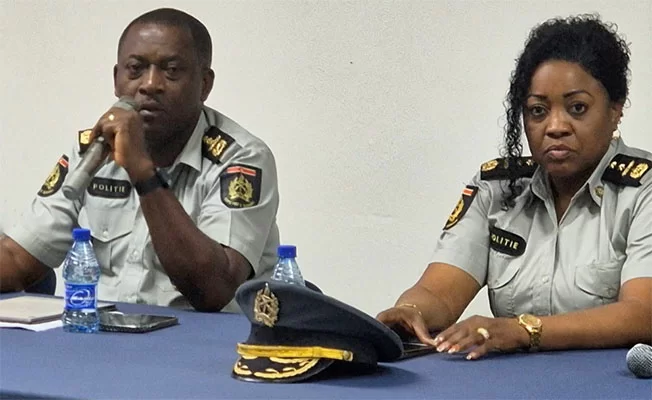
  • Politie krijgt bodycams en nieuwe uniformen

    Politie krijgt bodycams en nieuwe uniformen

    Suriname’s national police force is set for a major modernization upgrade in the coming weeks, with the introduction of body-worn cameras for frontline officers and a rollout of updated uniforms, senior law enforcement and government officials have confirmed. The initiative, which aims to boost operational transparency, officer safety and criminal evidence gathering, has received full backing from Police Commissioner Melvin Pinas, who has also called for the future integration of digital facial recognition and other advanced technologies to strengthen the country’s fight against rising criminal activity.

    Justice and Police Minister Harish Monorath made the announcement of the body cam program during a recent promotion ceremony for 205 new police recruits, who were elevated to the rank of special police officers. Monorath confirmed that 250 body cameras are already ready for deployment, with donations coming from multiple domestic and international partners: 150 units were contributed by the U.S. Embassy in Paramaribo, 50 were donated by Suriname’s local private sector, and an additional 50 units were provided by Suriname’s e-government initiative e-Gov. According to the minister, the first batch of body cameras will be officially deployed to active officers by the end of May.

    Speaking at a press briefing on Thursday, Commissioner Pinas emphasized the transformative potential of the body cam program for Suriname’s police service, and reaffirmed his unwavering support for full national rollout within 2025. “This project delivers three core benefits that will strengthen our entire force: improved officer safety, greater operational transparency, and more solid, verifiable evidence for criminal prosecutions,” Pinas told reporters. “That is why I stand 100 percent behind this initiative, and we are committed to making full deployment a reality this year.”

    The commissioner also noted that the body cam program is just the first step in a broader push to integrate advanced technology into Suriname’s law enforcement operations. He pointed to the already proven success of the country’s existing Safe City closed-circuit camera network, which has helped police solve hundreds of cases across the nation. “You can think of the Safe City camera network as police officers with three extra eyes, constantly monitoring and recording activity across our urban areas,” Pinas said. “We have already recorded so many investigative wins using this system, and I am a strong supporter of adding facial recognition technology and other next-generation tools to our existing technological toolkit to help us tackle crime more effectively.”

    In addition to the body cam announcement, Maureen Palmtak, Director of Policy Preparation and Management at the Suriname Police Force, revealed that updated uniforms will be rolled out to frontline general duty officers between May and June. The first officers to wear the new standardized uniforms will be the 205 newly promoted special officers, who are set to be appointed as probationary police officers following their promotion.

  • Portable benefits plan needs national education push – AG

    Portable benefits plan needs national education push – AG

    As debate over the transformative National Portable Benefits Framework continued in Barbados’ House of Assembly Friday, top law enforcement official Attorney General Wilfred Abrahams has pushed for an immediate, nationwide public outreach campaign to ensure all Barbadian workers understand the new system’s rules and advantages. He warned that gaps in public knowledge could leave working people locked out of critical protections and new opportunities that the proposed policy is designed to deliver.

  • UWI AI institute launches with $5m regional investment

    UWI AI institute launches with $5m regional investment

    The University of the West Indies (UWI) has launched a groundbreaking artificial intelligence institute, backed by a $5 million investment from regional financial leader Sagicor Financial Corporation, marking a historic step toward Caribbean technological self-reliance in the fast-growing global AI sector.

    Named the Institute for Intelligent Systems Governance and Human-Centered Technology (I-INSIGHT), the new institution aims to move the Caribbean beyond its long-standing role as a passive consumer of imported AI tools, which often fail to accommodate the unique social, economic and environmental nuances of regional communities. Professor Justin Robinson, principal of UWI’s Five Islands Campus and the lead designer of the initiative, announced that the institute’s first operational division—the Sagicor UWI AI and Financial Services Hub—will launch across all UWI campuses this August.

    In his remarks at the launch, Robinson emphasized that AI stands poised to reshape nearly every dimension of modern life, ranking among the most transformative technological developments in human history. As the Caribbean’s preeminent academic institution, UWI has made it a priority to position the region to capitalize on AI’s opportunities while mitigating its inherent risks, he said.

    Robinson framed the institute as a deliberate rejection of a future of permanent digital dependency for the Caribbean. For decades, the region has relied on foreign-built digital tools misaligned with local needs: tourism platforms that fail to understand Caribbean hospitality ecosystems, agricultural advisory tools trained on data from temperate climates that do not exist in the region, healthcare algorithms calibrated for entirely different population demographics, and regulatory compliance systems designed for legal systems unrelated to Caribbean jurisdictions. This status quo forces the region to spend valuable foreign currency on technology that misinterprets local realities, then holds regional communities responsible for the resulting gaps, Robinson noted.

    While the initiative’s first focus is on integrating AI into the Caribbean’s critical financial services sector, I-INSIGHT already has plans to launch additional specialized hubs in key regional industries: tourism, agriculture, healthcare, climate resilience, and public administration. Beyond technical innovation, the partnership between UWI and Sagicor serves as a replicable model for collaboration between the Caribbean’s private sector and academic institutions to build a sustainable, homegrown AI talent pipeline.

    Robinson highlighted that Sagicor—one of the Caribbean’s most influential homegrown financial institutions—has sent a powerful message to the region by anchoring the investment: Caribbean stakeholders can build their own AI ecosystem, in partnership with the region’s leading university, for the benefit of Caribbean people. In 2026, regional self-reliance is not just a rhetorical slogan, he argued—it is a tangible commitment, reflected in concrete investment, a defined research agenda, and a clear plan to develop local talent.

    The institute also prioritizes addressing the ethical and regulatory challenges that come with widespread AI adoption. Robinson confirmed that I-INSIGHT will support Caribbean national governments in developing fit-for-purpose regulatory frameworks to govern AI safely and responsibly, tailored to regional priorities.

    With the launch, Robinson said, Sagicor and UWI have already proven that Caribbean institutions can lead the region’s AI transition. The open question now is which other public and private stakeholders will step forward to join the effort, and how quickly they will act. AI development and global competition do not pause, Robinson said, and no external power will deliver technological self-determination to the Caribbean. The region must build its own future—and with the launch of I-INSIGHT, that work has already begun.

  • Guyana rapped by Hemispheric Human Rights Commission’s Special Rapporteur on Freedom of Expression

    Guyana rapped by Hemispheric Human Rights Commission’s Special Rapporteur on Freedom of Expression

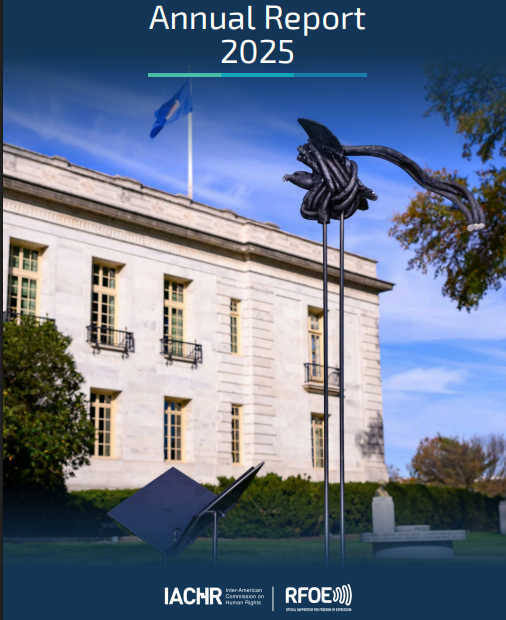
    In a newly released 2026 report, the Organization of American States’ Special Rapporteur on Freedom of Expression, operating under the Inter-American Commission on Human Rights, has documented a systemic deterioration of press freedom and open discourse in Guyana throughout 2025, painting a picture of an increasingly adverse environment for journalistic work.

    At the core of the rapporteurship’s criticism is hostile rhetoric targeting independent media from top Guyanese public officials, specifically naming President Irfaan Ali and the government’s Department of Public Information. The report emphasizes that as formal guarantors of human rights, public authorities hold a unique duty to avoid speech that endangers journalists or interferes with their work. This obligation stems from the high profile of public office, the broad reach of official statements, and their outsized ability to shape public perception of media workers. Any official statement that undermines the right to free expression, or creates direct or indirect pressure on reporters contributing to public deliberation, violates this core duty, the report finds.

    Beyond verbal hostility, the rapporteurship recorded multiple documented instances of active obstruction of press coverage. One high-profile case dates to September 17, 2025, when several independent media outlets were excluded from President Ali’s first post-inauguration press conference, held after his September 6 swearing-in. Six outlets received no advance notification of the event, while other favored outlets were personally invited by the press secretary and director of press and publicity. Local press outlets framed the exclusion as part of a broader pattern of controlling the official government narrative, silencing public scrutiny, and eroding the public’s right to transparent governance. In response, Guyana’s Director of Public Information dismissed critical coverage of the exclusion as “malicious, misleading, and blatantly inaccurate.”

    Addressing the incident, the rapporteurship referenced binding precedent from the Inter-American Court of Human Rights, which holds that any restriction on journalist access to official public events must meet strict standards: it must be legal, pursue a legitimate public goal, and be necessary and proportional to that goal in a democratic society. Any accreditation requirements for media must be specific, objective, reasonable, and applied transparently, the court has ruled.

    The report also tackles the long-running issue of multi-million-dollar government debts owed to multiple major Guyanese media outlets, including the shuttered Stabroek News, as well as the Guyana Chronicle, Guyana Times, and Kaieteur News, a debt the government has publicly acknowledged. Citing Principle 13 of the IACHR’s Declaration of Principles on Freedom of Expression, the rapporteurship notes that using state resources, including public funds, official advertising allocations, broadcast frequency grants, and other state powers to pressure, punish, reward, or privilege media based on their editorial coverage constitutes a direct attack on press freedom and must be legally prohibited.

    Turning to political discourse, the report documents allegations of obstruction targeting opposition figure Azruddin Mohamed, leader of the We Invest in Nationhood movement, by the ruling People’s Progressive Party (PPP) and the Guyanese government. Obstruction included efforts to block Mohamed from holding public rallies with supporters and a months-long delay to his swearing-in as Opposition Leader. President Ali has denied any role in blocking Mohamed’s election to the opposition post. Mohamed currently faces extradition to the United States on allegations of financial crimes. The delay was only resolved after mounting pressure from the Western diplomatic community, when National Assembly Speaker Manzoor Nadir convened a session of opposition parliamentarians to hold the vote.

    The report stresses that free expression, in both its individual and collective forms, is a non-negotiable foundation of democratic electoral processes. As the Inter-American Court has previously established, open discourse acts as an essential tool for shaping voter opinion, strengthening competition between political factions, allowing voters to evaluate candidate platforms, and enabling transparency and oversight of elected officials. It also nurtures the formation of the collective will expressed through popular vote. Beyond elections, free expression plays a critical democratic role: it prevents the rise of authoritarianism and facilitates personal and collective self-determination. As such, the report confirms, the state carries a binding obligation to create the conditions for open, pluralistic public debate on issues that matter to citizens. Aligning with the OAS Hemispheric Agenda for the Defense of Freedom of Expression, the report notes that an engaged citizenry requires institutions that encourage rather than suppress discussion of public issues. Any use of coercive or subtle mechanisms to impose a single official narrative or discourage open debate is fundamentally incompatible with democratic governance.

    The rapporteurship also documented widespread failures in Guyana’s access to information regime. It received dozens of complaints from journalists and civil society groups about unresponsiveness to information requests from public entities and elected officials. The most prominent example of these failures was a March 28, 2025, protest held outside the Office of the Information Commissioner, attended by journalists and civil society organizers. Protesters accused the Information Commissioner of failing to uphold his statutory duties under Guyana’s 2011 Access to Information Act, including deliberately obstructing legitimate requests for government records. Protesters also highlighted that the Commissioner is legally required to submit an annual public report to Parliament, but has not done so for more than a decade. The protest called for sweeping legislative reform to decentralize the access to information process, arguing that individual ministries should take responsibility for processing requests rather than concentrating power in a single commissioner role. The protests continued for weeks, with participation from leading civil society groups including the Guyana Press Association, General Workers’ Union, Guyana Human Rights Association, and Guyana Transparency Institute.

    Additional failures of transparency highlighted in the report include the ruling PPP’s refusal to disclose full details of its 2025 election campaign financing, the government’s ongoing refusal to release the full official report into a 2025 Guyana Defence Force helicopter crash that killed five servicemen, and an incomplete public audit of Guyana’s oil sector costs.

    The OAS report’s findings are echoed by new data from global press freedom watchdog Reporters Without Borders (RSF), which announced late last month that Guyana has dropped three places in its annual 2026 World Press Freedom Index. RSF now ranks Guyana 76th out of 180 assessed countries, down from 73rd place in 2025.
  • Public service minister backs portable benefits framework

    Public service minister backs portable benefits framework

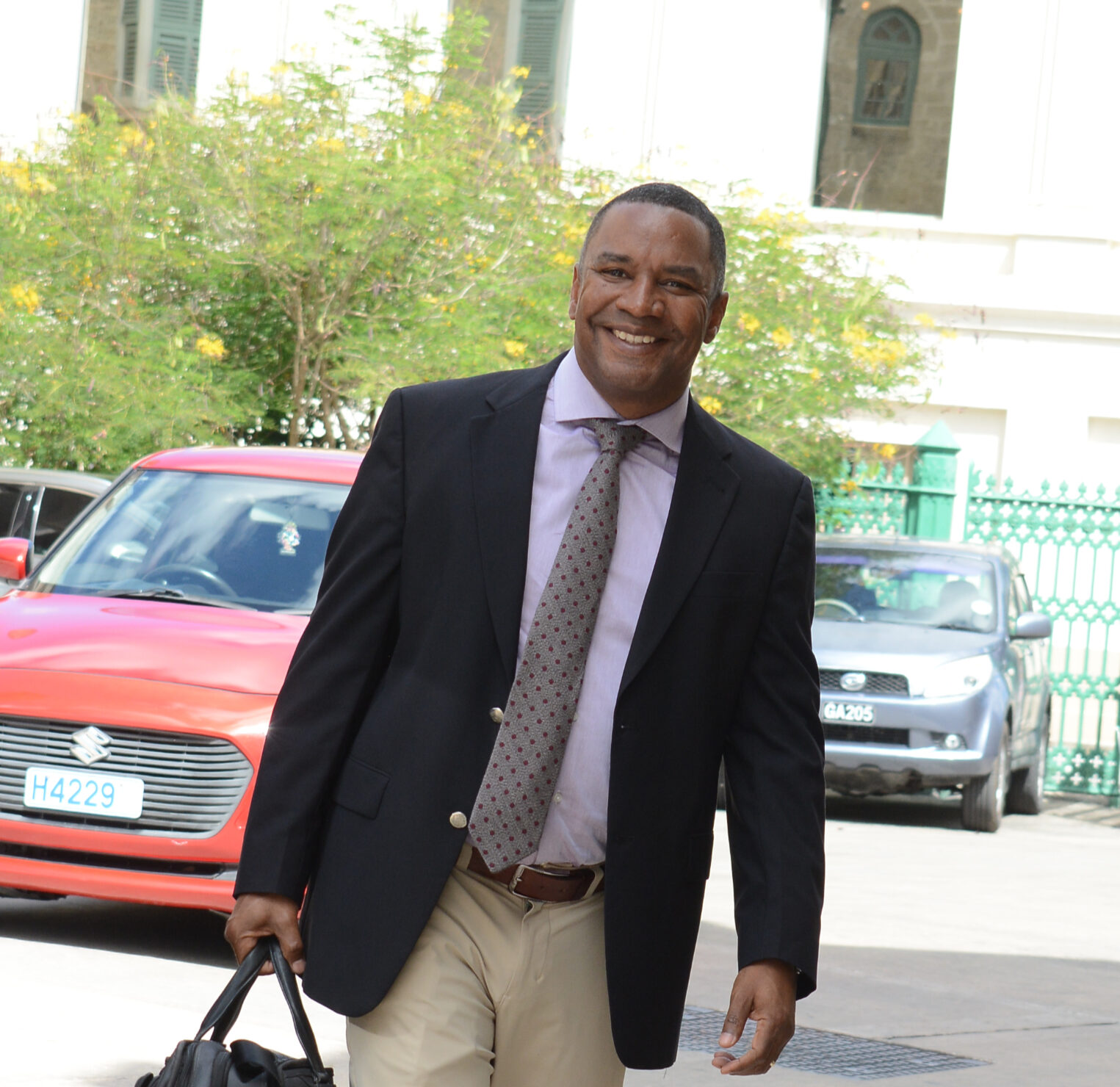
    Against a backdrop of rapidly evolving global labour markets where gig work, freelancing, self-employment, and short-term contract roles are growing rapidly, Barbados has tabled a groundbreaking policy proposal to extend critical social protection to millions of workers left excluded from traditional welfare systems. Public Service and Talent Development Minister Kay McConney, who also serves as the Member of Parliament for St Philip West, formally backed the National Portable Benefits Framework resolution during a Friday sitting of the House of Assembly, framing the policy as a long-overdue correction to gaps in the country’s existing social security infrastructure.

    McConney emphasized that the framework is designed to serve a broad cross-section of underprotected workers across Barbados, from small-scale farmers in Ebenezer to independent masons in Chapel, and countless other non-traditional workers who have gone without safety nets for decades. She stressed that the proposal goes far beyond creating a new bureaucratic structure; it centers on making benefit access accessible, understandable, and inclusive for all workers regardless of their employment arrangement. A core priority of the policy will be widespread public outreach, ensuring workers from all sectors understand how the system works, see themselves reflected in its coverage, and recognize the tangible value it brings to their daily financial and personal security.

    In her address to the chamber, McConney framed the framework as more than a routine policy adjustment: it is a transformative pathway to social security access and long overdue peace of mind for workers locked out of traditional systems. She noted that Barbados’ labour market has shifted dramatically away from the mid-20th century “cradle-to-grave” full-time employment model that existing social security laws were built to serve. By 2026, she pointed out, the majority of the current workforce is navigating a far more fluid economy, where workers pursue multiple income streams, switch roles regularly, and actively choose self-employment or gig work over long-term positions with a single employer.

    “As the nature of work changes, our social safety nets must evolve alongside it,” McConney argued, linking the proposal to the government’s ongoing policy push to boost skills development and entrepreneurship across the country. “We are actively encouraging Barbadians to build new skills, launch their own businesses, and pursue self-employment. If we are serious about supporting that shift, we cannot leave these workers without the same protection that traditional employees have enjoyed for generations. We need to build a system that meets them where they are.”

    Beyond protecting workers, McConney highlighted that the portable benefits framework will also strengthen Barbados’ competitive position in the global race for skilled talent. In today’s borderless labour market, countries around the world are competing to attract high-quality independent workers and skilled professionals, and comprehensive portable benefits will create a more welcoming environment for talent that drives economic growth, she explained.

    The minister also outlined the key structural difference between the new framework and the existing system. Currently, social security benefits are tied to individual employers, meaning workers who switch jobs, pursue side hustles, launch home-based businesses, or work in informal sectors face gaps or complete loss of coverage. Under the new proposal, benefits will be registered in the worker’s own name, rather than an employer’s, and travel with the worker through every career transition. This eliminates the disruptive stops and starts in coverage that currently plague workers who move between roles, creating continuous protection no matter how someone chooses to work.

    Universal access is another central pillar of the framework: McConney confirmed that the policy will expand social security eligibility to all workers, regardless of how their employment is categorized. One key problem this will solve is the widespread issue of “job lock,” where workers are trapped in unsatisfying full-time roles solely because they cannot afford to lose their employer-tied benefits. The new framework removes this barrier, giving workers the freedom to pursue entrepreneurship, switch careers, or take on flexible work without sacrificing access to critical social protection.

    Finally, McConney framed the proposal as a core component of broader labour market modernization efforts across Barbados. “We cannot claim to have a current, effective labour policy if our laws are stuck in a bygone era that no longer matches how people actually work today,” she said. “This framework brings our social security system in line with the reality of 21st century work, and delivers long-overdue protection to the workers who are increasingly the backbone of our evolving economy.”

  • Food entrepreneur opens Kira’s Cuisine in St James

    Food entrepreneur opens Kira’s Cuisine in St James

    After nearly a decade honing her skills across Barbados’ top culinary venues, veteran chef Shakira Drakes has opened her first independent food business, Kira’s Cuisine, at St. James’ Husbands Heights Park. The milestone launch of her entrepreneurial dream carried extra personal significance: it fell exactly on her daughter’s 21st birthday, a date Drakes intentionally chose to mark her own resilience and professional journey.

  • Hantavirus Outbreak Triggers US Quarantine Response

    Hantavirus Outbreak Triggers US Quarantine Response

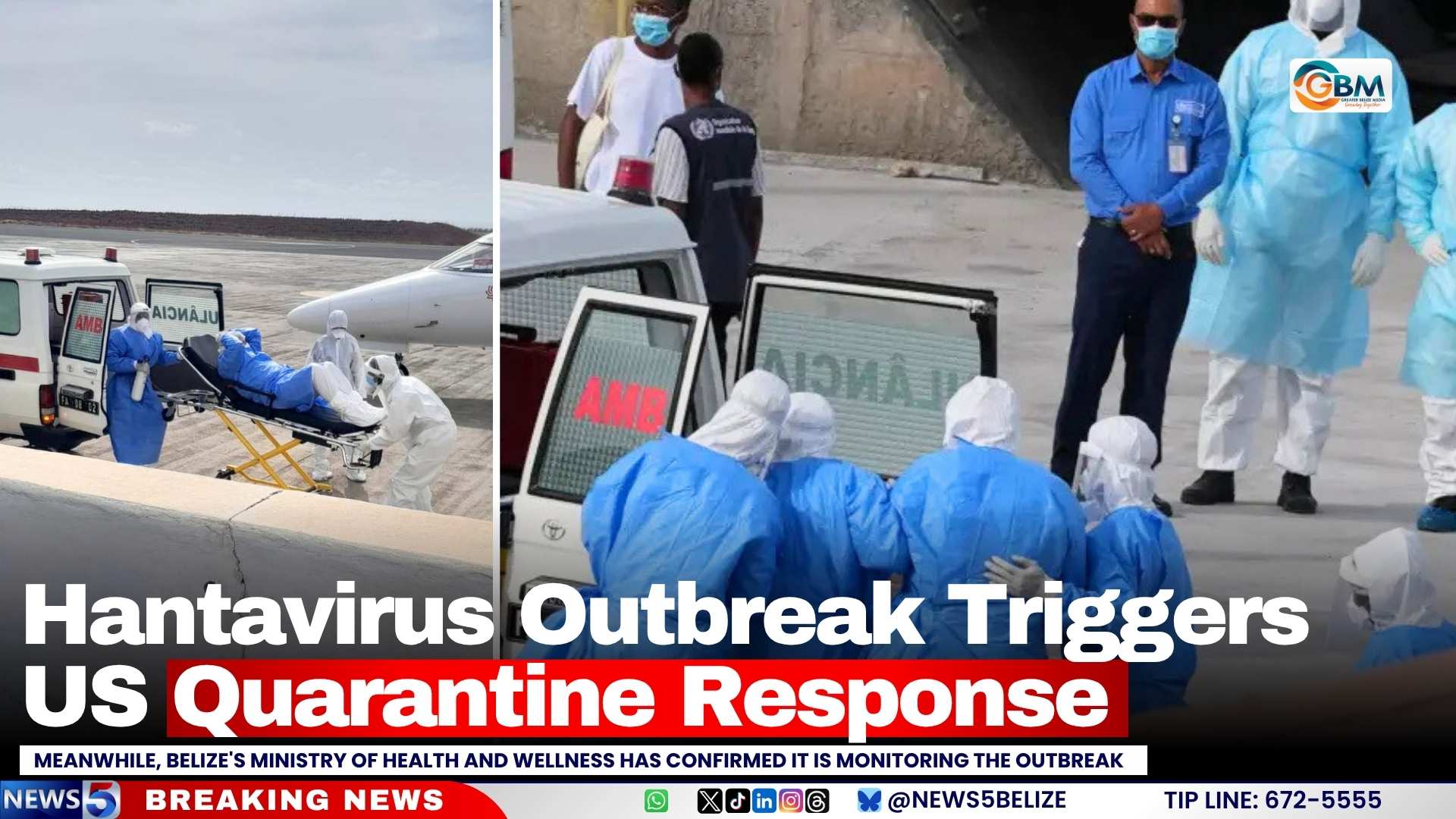
    A deadly hantavirus outbreak aboard the cruise vessel MV Hondius has left three people dead and prompted an urgent international public health response, with more than 100 remaining passengers stranded on the ship as containment efforts ramp up. Global health agencies first activated emergency response protocols immediately after the initial case of the virus was confirmed, marking one of the first major hantavirus incidents linked to a commercial cruise ship in recent years.

    As of the latest update, all U.S. citizens on the MV Hondius are set to be transferred to a specialized quarantine facility in Nebraska, the only federally funded unit of its kind in the United States. The cruise ship is currently on track to dock in the Canary Islands this coming Sunday, and the U.S. Centers for Disease Control and Prevention (CDC) has confirmed it is deploying a team of public health specialists to meet the vessel upon arrival to coordinate the transfer process.

    The National Quarantine Unit, located in Nebraska and operated jointly by Nebraska Medicine and the University of Nebraska Medical Center, is purpose-built to manage outbreaks of highly dangerous communicable diseases. The facility features 20 private single-occupancy rooms, each equipped with standalone negative air pressure systems that prevent airborne pathogens from spreading outside isolation areas, a critical design feature for containing respiratory and aerosol-spread viruses.

    In a public statement, the University of Nebraska confirmed that its response teams are fully staffed and prepared to accept passengers if needed, noting that existing protocols are in place to deliver safe care to affected individuals while protecting medical staff and the surrounding local community. Beyond the incoming passengers set for quarantine, public health departments across multiple U.S. states have already launched active monitoring programs for passengers who disembarked the MV Hondius earlier and have returned to their home communities, to catch any potential new cases early before further spread can occur.

    The Nebraska facility has a proven track record of handling high-stakes outbreak response: it treated patients during the 2014 West African Ebola crisis, and accepted evacuated passengers from the COVID-19-stricken Diamond Princess cruise ship during the early days of the coronavirus pandemic in 2020.

    International public health partners are also mobilizing to monitor the situation. Belize’s Ministry of Health and Wellness confirmed this week that it is tracking the outbreak closely and maintaining ongoing communication with the Caribbean Public Health Agency (CARPHA) as well as other regional and global health partners. The agency noted that for the moment, the risk of widespread hantavirus transmission remains low across the Caribbean region.

    In a statement released Wednesday, CARPHA said it will continue supporting the Caribbean’s tourism sector by strengthening regional surveillance systems to detect and contain emerging outbreaks quickly, to keep both local residents and international visitors safe. Hantavirus, which is most commonly transmitted to humans from rodent excreta, can cause severe respiratory illness and has a mortality rate of roughly 38% for the most common pathogenic strain found in North America, making rapid containment a top priority for global health officials.

  • Surge in scam calls prompts CIBC customer warning

    Surge in scam calls prompts CIBC customer warning

    CIBC Caribbean, one of the leading regional financial institutions, has issued a public warning to its customer base after a sharp uptick in coordinated fraudulent schemes designed to steal sensitive personal banking information. In an official public statement released recently, the bank confirmed that multiple customers have come forward in recent days to report suspicious unsolicited communications that impersonate bank representatives.

    These fraudulent attempts have taken multiple digital and telecommunication forms, the bank confirmed. Many victims have reported receiving deceptive phone calls that display CIBC Caribbean’s official branding to appear legitimate, with callers pressuring recipients to disclose or confirm confidential account details. A number of the fake calls have been hosted through mainstream platforms including Google Meet and other popular social media apps, expanding the scammers’ reach beyond traditional phone lines. Additionally, customers have flagged deceptive phishing emails sent from addresses that closely mimic the bank’s official contact email, cibccustomer@gmail.com, designed to trick recipients into trusting the sender.

    CIBC Caribbean has made clear that all these communications are illegal fraudulent attempts, and clarified that the institution never initiates contact through these channels to request personal or sensitive banking information. The bank is urging all customers to exercise extreme caution and avoid any engagement with individuals who reach out unexpectedly asking for account details.

    For customers who encounter suspicious activity, the bank has outlined clear reporting steps: affected or concerned users should immediately forward details of the interaction, including a screenshot of the call or message, to the bank’s dedicated Fraud Team at fraud@cibccaribbean.com. Customers who have already shared confidential information with scammers are advised to reach out to the bank directly using the official customer service phone number printed on the back of their CIBC Caribbean debit or credit card, to allow for rapid account protection measures.

    To help customers distinguish legitimate communications from scams, the bank reaffirmed that its official representatives will never contact customers through social media, text message, email or unsolicited phone calls to request that they download third-party remote desktop applications, click unrecognized links, or share any sensitive personal information. This ban covers all high-risk confidential data, including one-time verification codes, personal identification numbers (PINs), full card numbers, CVV security codes, card expiration dates, personal email addresses, account passwords and online banking login credentials.

    While the financial institution emphasized that it maintains robust, industry-leading security systems to defend customer accounts against fraud, it noted that collective vigilance is critical to preventing successful scams. CIBC Caribbean reaffirmed its ongoing commitment to protecting customer assets and personal data, and called on all account holders to remain cautious to keep their information and accounts secure.

  • Venue Debate: How can Saint Lucia balance sports and entertainment?

    Venue Debate: How can Saint Lucia balance sports and entertainment?

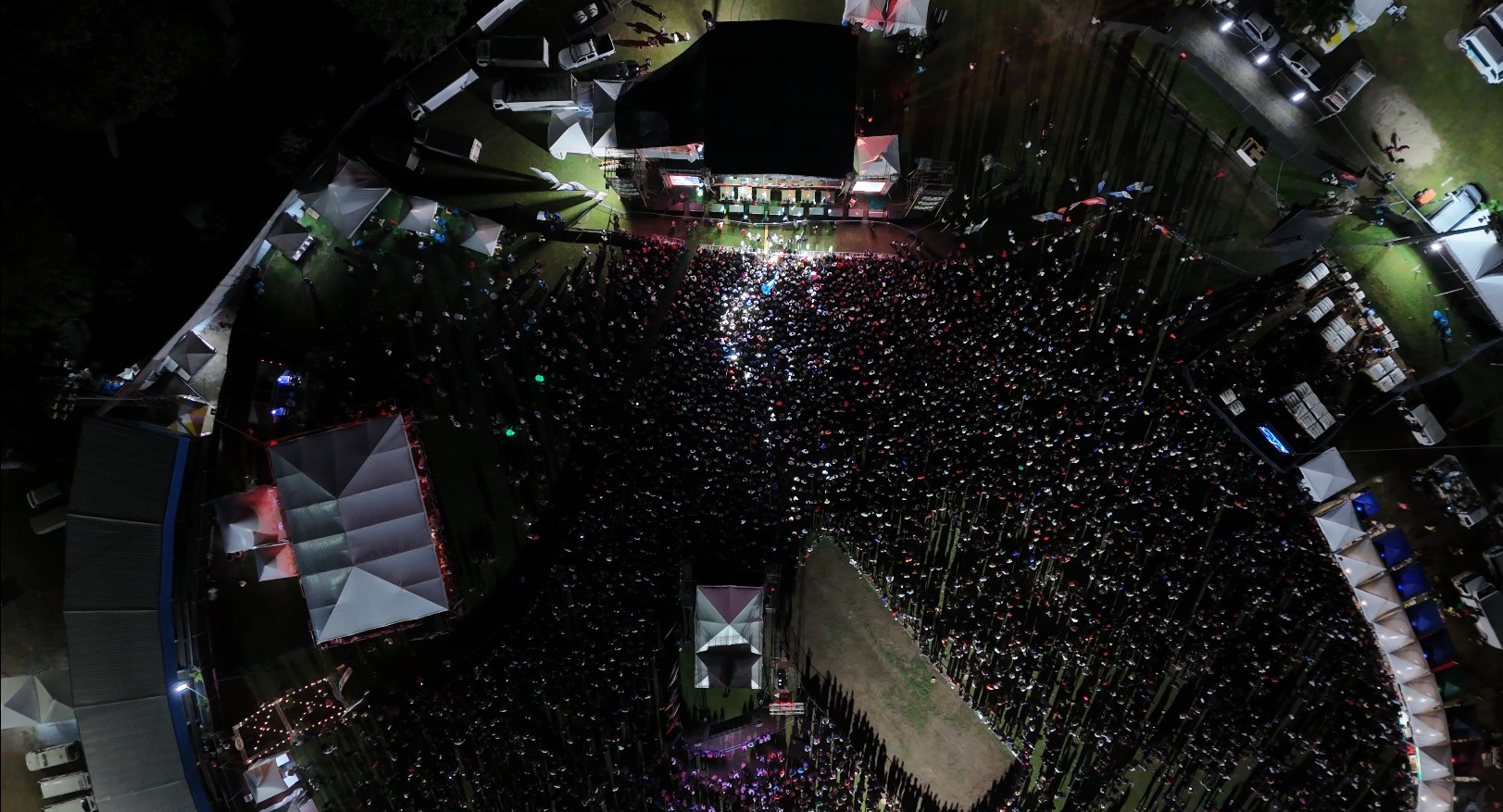
    As the annual festival season kicks off across Saint Lucia, a long-running debate over the dual use of the island’s limited sports infrastructure for entertainment events has reemerged, pitting two senior government ministers against each other on resource management and national priorities. The topic was raised by reporters during Monday’s pre-Cabinet press briefing, where Youth Development and Sports Minister Kenson Casimir and former sports ministry senior official Dr. Ernest Hilaire laid out starkly conflicting visions for how the country’s public venues should be utilized.

    The core of the debate stems from a long-standing logistical challenge facing the small Caribbean island: limited available recreational and event space, a shortage that grows particularly acute during the annual Jazz and Carnival celebrations. To accommodate high demand for event venues, most of Saint Lucia’s existing sports grounds are regularly repurposed for concerts, parades, and other large entertainment gatherings. This constant multi-use has accelerated wear and tear on many facilities, most of which already were in need of major repair work before the added strain.

    Casimir, who is serving his second term as the cabinet minister overseeing sports and youth affairs, doubled down on his long-held stance that all public sports venues should be reserved exclusively for athletic activities. He pointed to recent damage sustained at the Soufriere Mini Stadium, which was recently used for a non-sporting entertainment event, as evidence of the risks of multi-use policies. “This has been the conviction from my heart and mind… I don’t want anything but sports at a sports facility. That’s my position,” Casimir told reporters.

    The minister noted that his stance has drawn widespread criticism online and in public discourse in past years, but he remains firm in his view that the island needs to do more to protect athletic infrastructure. “If at the end of the day we have those sports facilities being used in a very expedited fashion, get it back to usability for all the programmes that we have for sports. That’s my position. We have seen a lot of effort since I made my pronouncement and got slaughtered and dragged through social media and elsewhere. We’ve seen the concerted effort to do this more, but I believe, at the end of the day, we can do more.”

    Referring to the damage at Soufriere Mini Stadium, Casimir added that while event organizers have pledged to complete repairs to bring the venue back to sporting standard, the incident underscores deeper systemic issues. “It’s still early days, so we’ll see how that works out. But I believe until we understand what sports is doing for this nation, we [will] continue to have these issues.”

    Hilaire, who served as permanent secretary in the Ministry of Education and Sports during the planning and construction of the island’s iconic Daren Sammy Cricket Ground (DSCG), argues that a flexible multi-use model is not only practical but necessary for a small island nation with constrained public funding. Globally, multi-use sports venues that host everything from concerts to community gatherings are standard practice, and Hilaire says Saint Lucia can adopt the same model with intentional, proactive management.

    “I believe as a small island state, we have limited facilities, that is the truth. And it comes down to a question of management. How do we manage the use?” Hilaire explained. “You want surfaces that you can use for multiple purposes, and it takes very little to restore them. And that’s just what we have to do.”

    He even revealed that the Daren Sammy Cricket Ground was intentionally designed from its inception to host large entertainment events, noting the venue’s amphitheater-style northern stands, built specifically to provide optimal viewing for concert stages, with corporate boxes to accommodate premium guests. “We actually designed the DSCG for the purposes of concerts. The northern stands are shaped like an amphitheatre; two huge northern stands. We didn’t build a huge southern stand, we didn’t build a huge western stand. We built two northern stands with corporate boxes to the top. If you look at the shape of it, it was designed in an amphitheatre style, to allow us to have concerts there. So persons can rent boxes at the top, looking down at a stage.”

    Hilaire emphasized that building separate, dedicated entertainment venues for every community across the island is financially unfeasible for Saint Lucia. “We do not have the resources for every community to have a cricket field, a football field, and an entertainment venue of that size that can host 6,000 people, like in Soufriere. As a country, we just cannot. When your venue is for the international level, you become a little more circumspect how you use it, especially if you have sporting events right after. You don’t want to destroy it, and you cannot host events. But you have to be a little open-minded, and you have to invest in a facility where it has versatility, so it allows you to have multiple events with minimal damage and disruption.”

    Building purpose-built versatile infrastructure that can safely host multiple types of events, he argued, is the only practical solution to avoid forcing event-goers to travel long distances to a single central entertainment venue in the capital Castries. “What are you going to do? Spend $20 million on an entertainment venue in Castries, and when Dennery wants an event, everybody must go to Castries? In other words, you have to build a Dennery field in a way where it allows you to have mass crowd events there, and that’s my thinking on it. So I agree we need to be very respectful of athletes and sporting use, but we also have to understand we don’t have the resources to have dedicated facilities.”

    As Saint Lucia’s entertainment and sports sectors continue to grow, driving increased demand for public event space across the island, the debate over how to balance competing needs for access to infrastructure remains unresolved.

  • UWI moves to end royal charter, redefine regional role

    UWI moves to end royal charter, redefine regional role

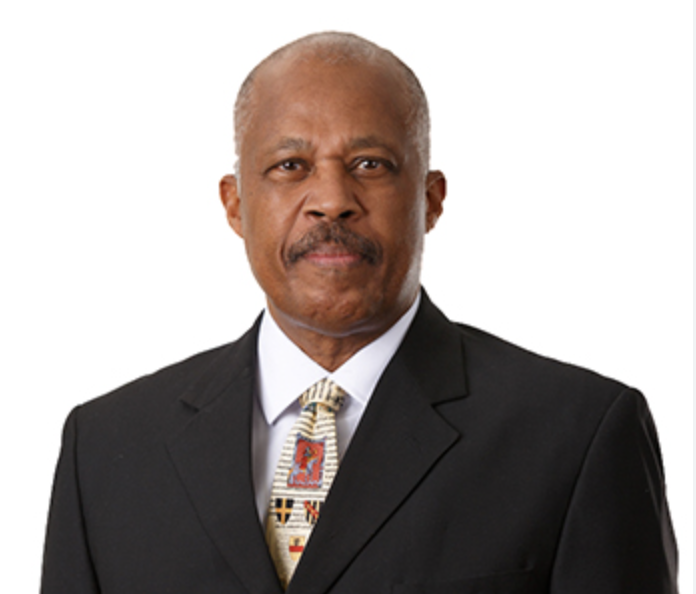
    After 77 years operating under a British royal charter, one of the Caribbean’s most prestigious academic institutions is taking a historic step to sever its last remaining constitutional ties to the British monarchy, redefining itself as a fully sovereign regional university anchored in Caribbean governance. Vice-Chancellor Professor Sir Hilary Beckles announced that the University of the West Indies (UWI) will terminate its 1948 Royal Charter and transition to legal status embedded within the Treaty of Chaguaramas, the founding constitution of the Caribbean Community (CARICOM). Regional CARICOM leaders have already formally approved the request to end the charter, clearing the way for the structural transition.