作者: admin

  • Aunty Cavelle’s Restaurant Burglarized Overnight

    Aunty Cavelle’s Restaurant Burglarized Overnight

    A local eating establishment has become the newest addition to an expanding roster of commercial properties hit by a recent wave of break-ins, according to a public post from the business. In the statement, the restaurant’s management has issued an urgent appeal to ordinary community members to step forward with any details that could help law enforcement pinpoint the individual responsible for the break-in.

    The call for public assistance outlines two clear pathways for people to share what they know: anyone holding relevant information is encouraged to reach out directly to local law enforcement authorities, or they can choose to submit their tips privately through an alternative channel to support the ongoing investigative process.

    As of the latest update, police departments have not published any formal, verified statements regarding the details of this reported break-in, leaving key questions about the value of stolen property, the timing of the incident, and potential leads still unanswered while the probe remains in its early stages.

  • Sod turns on Vineyard Meadows in mill’s shadow

    Sod turns on Vineyard Meadows in mill’s shadow

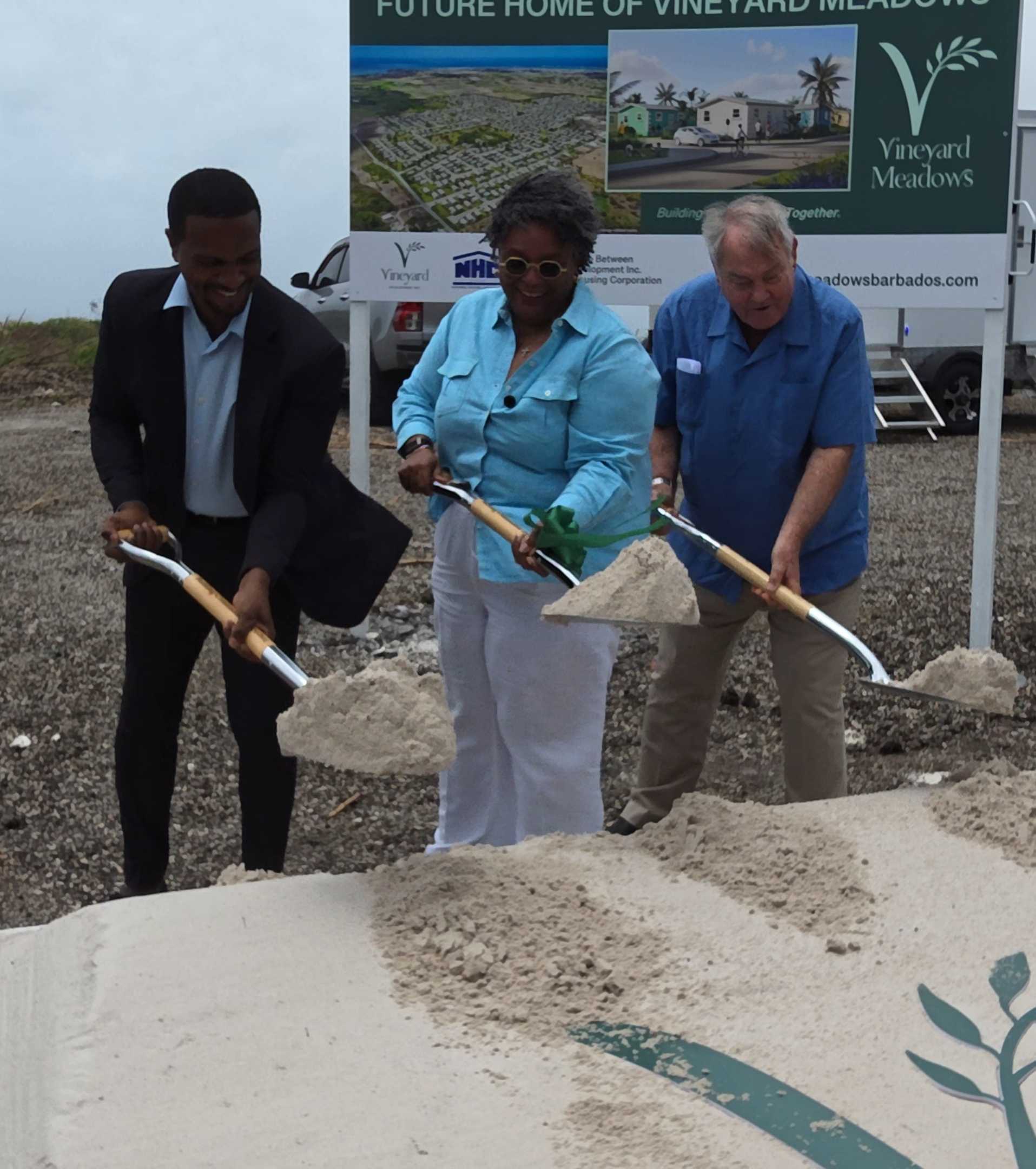
    On a sunny Friday in Barbados, construction officially kicked off on what will stand as one of the largest affordable housing developments in the nation’s modern history. The 300-year-old former Vineyard agricultural plantation in St. Philip, once dedicated exclusively to growing commercial crops, will now be reborn as Vineyard Meadows, a planned 1,100-home community forged through a groundbreaking public-private joint venture.

    The partnership pairs Barbados’ state-run National Housing Corporation with Vineyard Development Inc., a subsidiary of BJ Investments Ltd. led by Bjorn Bjerkhamn, a construction industry leader with five decades of experience delivering residential developments across the island, including the successful Ridge Meadows and Whitehall Meadows projects.

    Spread across six construction phases that will unfold over five to six years, the development is centered on the last surviving landmark of the original plantation: the 300-year-old Pollards Mill, which will be preserved as a historic touchstone for the new community. Initial pricing for complete house-and-land packages will start at $170,000, a rate structured to meet the needs of middle- and low-income Barbadian families.

    Speaking at the official groundbreaking ceremony, Prime Minister Mia Mottley framed the initiative as far more than a standard construction project, positioning it as a core driver of national transformation and long-term macroeconomic growth. She emphasized that the project marks a fundamental shift away from outdated, piecemeal housing strategies toward a model that builds complete, inclusive, and sustainable communities.

    “This housing project is not just a housing project – it is the building of a community,” Mottley told the gathered crowd of government officials, private sector leaders, and parliamentary colleagues. “It is the ambition of this government to create opportunities for every Barbadian to be homeowners rather than renters and tenants in their own land. I have said too often that rent is dead money. When it leaves your pocket, it’s gone and you get back nothing from it. But that same sum of money when it leaves your pocket as a mortgage payment gives you equity that builds long-term wealth.”

    Mottley also highlighted the unique financial structure of the joint venture that directly benefits homebuyers. Under the agreement, the Barbadian government contributes the land itself as its equity stake in the project, eliminating the need for private developers to take on costly land acquisition loans. This arrangement cuts out an estimated $10,000 to $15,000 in additional legal and financing fees that would otherwise be passed on to individual homeowners, making the properties far more accessible for first-time buyers.

    Staying true to the government’s vision of an inclusive society, the development rejects the model of segregated gated communities, a stance Mottley reaffirmed during the ceremony. “Barbados is best when everybody lives together as a community, and that is why I have never supported gated communities,” she said. “We have had poor people and rich people live next to each other and work with each other for generations. That interconnection is the foundation of a strong, cohesive nation.”

    Bjerkhamn, chairman of Vineyard Development Inc., noted that the project sets a historic precedent for Barbados as the first large-scale housing development delivered through a government-private sector collaboration. “Together with the National Housing Corporation, we share a common vision to make a meaningful contribution to the housing market by increasing the supply of affordable, quality homes for Barbadian families,” he said. “Beyond providing homes, Vineyard Meadows will create meaningful opportunities across the local economy.”

    During the construction phase alone, the project is projected to employ roughly 500 Barbadian workers, with developers prioritizing locally sourced building materials to support domestic businesses and stimulate broader economic activity across the island. When complete, the formerly underutilized plantation land will become a vibrant, connected residential neighborhood.

    To meet the diverse needs of residents from single young professionals to growing families, the development offers five distinct flexible architectural layouts ranging from 396-square-foot one-bedroom units (the Fern model) up to 936-square-foot three-bedroom, two-bathroom flagship units (the Laurel model). Unlike many entry-level affordable housing developments that force residents to relocate as their families or incomes grow, all Vineyard Meadows units are designed to be expandable. Owners can add space and upgrade finishes incrementally over time as their budgets allow, meaning homeowners can put down roots and stay in the community long-term as they move up economically.

    Derek Edwards, chief operations officer of Vineyard Development Inc., emphasized the community-centered design philosophy that guides the entire project. “Today, on the lands of the Vineyard plantation, surrounding the historic property of Pollard’s Mill, we do more than turn soil; we turn a page,” Edwards said. “For generations, this land grew crops. From today, it will grow something far more valuable: homes, families, and community. Affordability should never mean one size fits all, and our one-bedroom homes are deliberately designed to grow with you. As your family grows, and as your means grow, that one-bedroom can expand to a three-bedroom. You will not have to leave Vineyard Meadows to move up in life.”

    Neighborhood infrastructure is purpose-built to foster connection and active living, rather than the isolation common to many modern residential developments. Shared public amenities include road tennis courts, netball courts, a mini football pitch, children’s playgrounds, and an expansive walking track lined with outdoor fitness stations. A future on-site commercial village will add local dining, retail shops, and daily convenience services, cutting down on the need for residents to travel long distances for everyday needs. To address concerns from nearby communities in St. Philip, developers have adjusted road layouts and added green buffer zones to reduce the impact of construction and long-term traffic on existing residents.

    Vineyard Meadows is the flagship project in Barbados’ broader national strategy to overhaul the country’s housing infrastructure, with additional planned developments including multi-storey condominium projects in urban Greenfields and Exmouth. The government is also pairing housing renewal with climate-smart vertical agricultural initiatives across the country to preserve national food security.

    For stakeholders across both the public and private sectors, the project represents more than just a solution to the island’s affordable housing shortage: it is a proof of concept for how cross-sector collaboration can deliver inclusive, sustainable growth that benefits all Barbadians.

  • SAO-training Automontage past Micro Credentials-concept toe

    SAO-training Automontage past Micro Credentials-concept toe

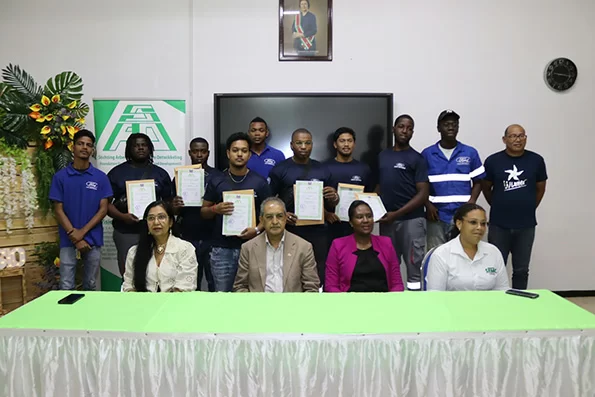
    A landmark skills training initiative has launched in Suriname, marking the country’s first vocational auto mechanics training program delivered under the formal Micro Credentials framework. On Wednesday, six employees of Suriname Earth Moving Contractors N.V. (SEMC) received their official Auto Mechanics certification from the Suriname Foundation for Labor Mobilization and Development (Stichting Arbeidsmobilisatie en Ontwikkeling, SAO), capping off the successful pilot cohort of the innovative program. A second cohort of six SEMC staff members is scheduled to begin the same training on Saturday, July 11.

    Micro Credentials are nationally recognized, compact qualifications that verify learners have mastered specific, job-relevant knowledge, skills and professional competencies. Unlike traditional full-length vocational programs, this framework breaks a complete occupational training curriculum into standalone, bite-sized modules, each completed with its own formal certification. For the auto mechanics pilot, participating SEMC employees gained hands-on and theoretical expertise across critical areas of the trade, including routine vehicle maintenance and service, chassis repair and modification work, and brake system installation and preventative maintenance.

    According to SAO leadership, the adoption of the Micro Credentials framework represents a major milestone in the advancement of competency-focused vocational education in Suriname. The model shifts focus beyond simply earning certificates to prioritizing demonstrable, workforce-aligned skills that match current labor market demand. This approach directly advances the core goal of Suriname’s Directorate of Welfare and Labor to reduce mismatches between employer needs and worker qualifications, creating a more efficient and inclusive labor market.

    The certification ceremony was attended by key public and private sector stakeholders, including Raj Jadnanansing, Deputy Minister of Health, Welfare and Labor; Joyce Lapar, SAO Director; Naomi Esajas-Friperson, Chair of the SAO Board of Directors; and Avriëlle Cicilson, Commercial Operations Manager of SEMC Labor. All speakers addressed the graduating participants, highlighting the critical value of continuous upskilling in today’s evolving labor market. They emphasized that the partnership between SAO, a public labor development body, and SEMC, a major private sector employer, serves as a strong model for cross-sector collaboration to develop a skilled national workforce.

    Deputy Minister Jadnanansing noted that the Micro Credentials model is built around the principle of “learn while working,” a structure that creates tight, seamless integration between theoretical knowledge and on-the-job practical application. He congratulated the six new certification holders and encouraged them to leverage the professional development opportunities provided by their employer to advance their careers. Jadnanansing added that beyond technical trade expertise, soft social competencies are also essential for long-term career success, and that investing in a skilled workforce directly supports broad-based economic development across Suriname.

  • Barbados aim to stay unbeaten at FIBA Americup qualifiers

    Barbados aim to stay unbeaten at FIBA Americup qualifiers

    After securing two standout opening wins against Haiti and the Cayman Islands, Barbados’ Senior Men’s National Basketball Team has its sights firmly set on preserving its perfect start at the FIBA Americup 2029 Caribbean Pre-qualifiers being held in Guyana. With progression to the next stage of qualifying reserved exclusively for group winners, every remaining contest carries high stakes as the Caribbean side fights to lock in first place in Group B.

    Barbados will kick off its final stretch of group play against Grenada on Saturday at Georgetown’s Cliff Anderson Sports Hall, before wrapping up their pre-qualifier campaign against St Vincent and the Grenadines the following day. Fresh off the team’s come-from-behind victory over Haiti on Thursday, head coach Charles Vanderpool expressed confidence in his squad’s ability to keep their momentum going. The match against Haiti was widely projected to be one of Barbados’ toughest tests of the group stage, making the comeback win even more meaningful for the side.

    “This has been the product of so much hard work from the entire group, and this match really was our biggest hurdle to clear in this whole competition,” Vanderpool told the team’s media team after the win. “The effort every single one of my players put out there was outstanding. Even when we fell behind early in the game, no one got discouraged. We kept our composure and proved we belong on the same court as any team here. For a small island nation, we have no shortage of talent.”

    Vanderpool also noted that the series of positive breaks the team has experienced both in the lead-up to and during the tournament have been remarkable, crediting what he called divine intervention for the smooth path. “When so many elements align perfectly for the team, it can only be divine work. We truly believe we have God’s blessing with us throughout this competition, and we’ve been through a lot to get to this point,” he said, referencing the team’s preparation tours to Chile and Mexico over the past months. While those trips included several tough losses for the squad, Vanderpool emphasized that those defeats carried invaluable lessons that have made the team stronger ahead of the pre-qualifiers.

    Guard Kyrone Alexander emerged as the standout star of Thursday’s win, pouring in a game- and team-high 35 points to lead the comeback. Alexander shared that he was thrilled to contribute to the victory and praised the entire roster for their consistent effort. “I’m very proud of how we performed today. Every guy brought great effort and paid close attention to the game plan, even the substitutes who came off the bench maintained the same high intensity as the starters,” Alexander said.

    Mirroring his coach’s comments, Alexander pointed to last summer’s preparation matches in Chile as a critical turning point for the team’s development. He explained that the Barbados squad is now far more cohesive and strategically disciplined than it was just months ago, as the entire group remains focused on extending their unbeaten streak and securing their spot in the next round of FIBA Americup qualifying.

  • Stevedores’ Warning to Belize: “We Do Not Want to Pull the Plug

    Stevedores’ Warning to Belize: “We Do Not Want to Pull the Plug

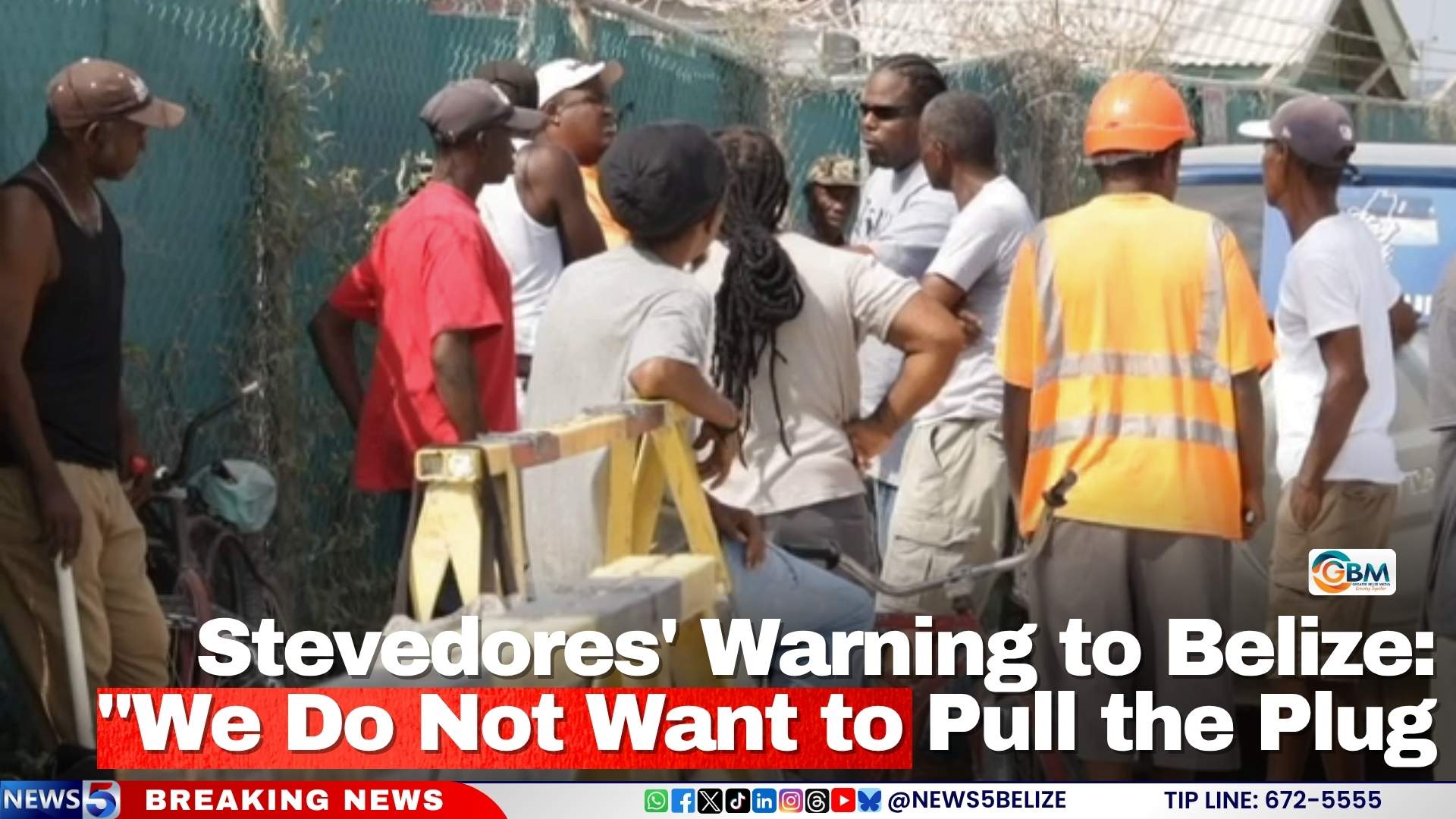
    It has been four full months since arbitration talks between the Port of Belize and its stevedore workforce collapsed, and efforts to finalize a new collective bargaining agreement (CBA) are still stuck in gridlock, despite public pledges from Belize’s government to restart productive negotiations. The breakdown traces back to March, when the Essential Services Arbitration Tribunal proceedings were brought to a sudden, premature end after more than a year of deliberations. The Christian Workers Union, which represents the stevedores, rejected a modified confidentiality agreement, walking away from the tribunal and leaving the CBA process in limbo.

    In the months following the arbitration collapse, the Port of Belize has transitioned to government oversight. But union leaders say that even with this shift in control, workers have not received any formal invitation to resume negotiations on a new CBA.

    Bruce Diaz, the chief union representative for the stevedores, noted that workers have held off on taking drastic industrial action to keep the port operational, but warned that prolonged inaction from the government and port leadership could trigger cascading disruptions across Belize’s entire economy. Diaz highlighted the grueling, unsung work that stevedores perform to keep supply chains moving: “We need to get this CBA signed. The stevedores work night and day in the rain while the big executives and all the directors are sleeping comfortably in their beds. We are the ones out in bad weather keeping operations moving. We keep Belize’s economy flowing.”

    Diaz spelled out the direct risks that a port shutdown would create for ordinary Belizean residents: “If the Port of Belize is not functioning, basic goods like noodles, chicken sausage, and all the everyday items communities rely on will not arrive. That will immediately push prices up for everyone across the country.”

    Despite the mounting frustration, Diaz emphasized that workers are committed to waiting for good-faith negotiations before taking disruptive action. “When the stevedores pull the plug, the entire Belizean people feel the impact. We do not want to pull the plug. That is why we are continuing to bear this patience,” he said. Now, four months after the government promised workers a seat at the negotiating table, stevedores are still waiting for officials to follow through on their commitment – before workers’ patience runs out entirely.

  • Belizeans in Taiwan Brace for Typhoon Bavi

    Belizeans in Taiwan Brace for Typhoon Bavi

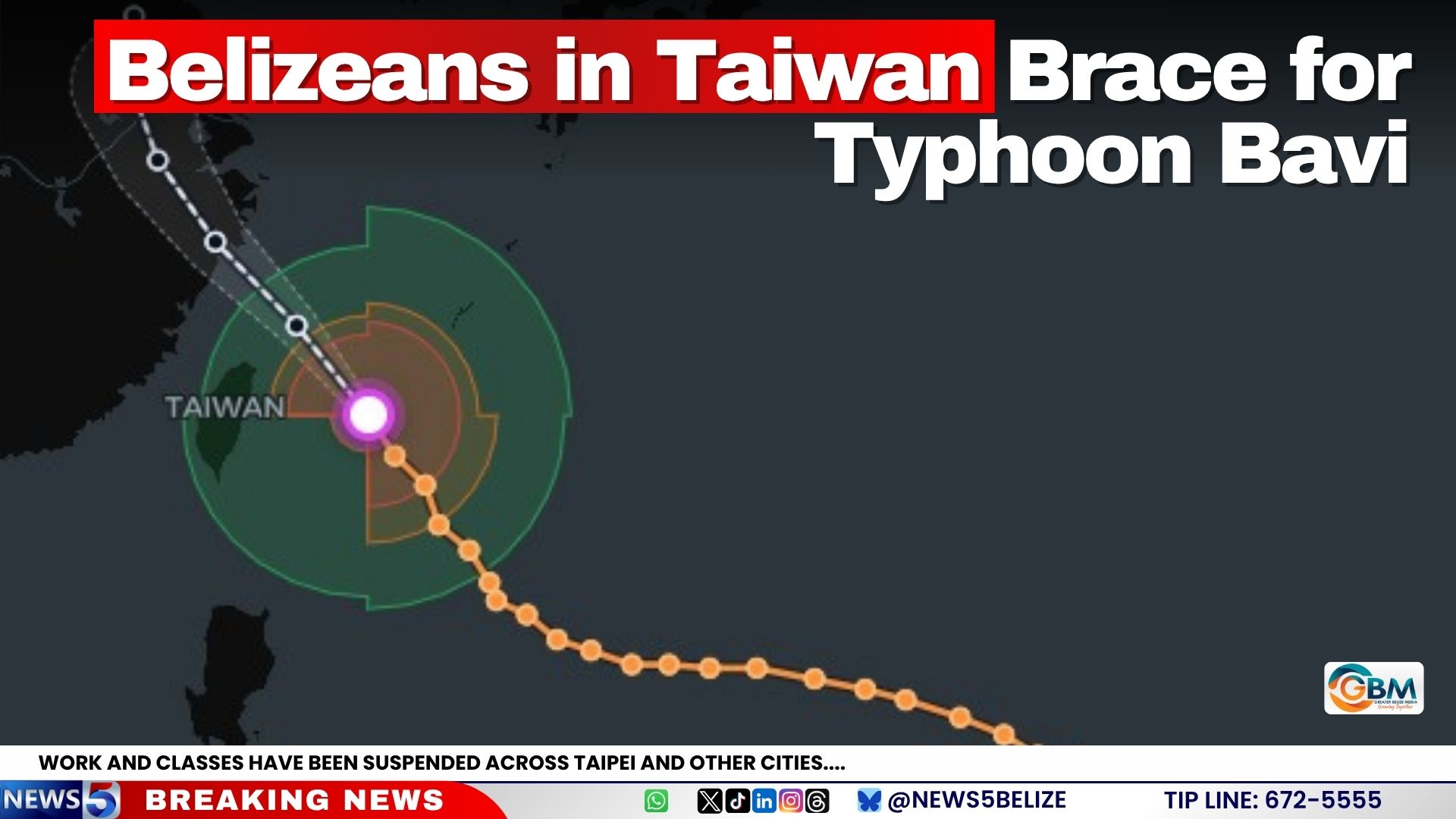
    As July 10, 2026 brings a rare large-scale weather event to East Asia, Taiwan is preparing for the arrival of Typhoon Bavi, a massive storm system advancing toward the island at a steady 27 kilometers per hour. Meteorological officials warn the storm could dump up to 700 millimeters of rain across affected regions in just 24 hours, a volume that raises severe flooding risks even in areas with well-established drainage infrastructure.

    While forecasters project Bavi will track through waters just off Taiwan’s northern coast rather than making a direct landfall, the unprecedented size of the storm system means no part of the island will escape its impacts. The Central Weather Administration has confirmed that Bavi is the largest tropical cyclone to approach Taiwan since 1987, a classification that has triggered widespread emergency preparations across the entire island, far beyond the areas expected to face the worst conditions.

    Among the communities preparing for the storm is the small population of Belizean residents living in Taiwan, including a large cohort of international students. With severe weather expected to last from Wednesday into Thursday, most Belizeans have stocked up on emergency food, water and supplies and are remaining indoors to ride out the storm.

    Nay Smith, a Belizean national currently residing in Taiwan, shared her on-the-ground experience ahead of the storm’s peak. She noted that the Belizean embassy has delivered prompt, consistent support to the community: “The embassy response has been really good. They have been keeping us updated, and I’m pretty sure they will message later to check on us.” Still, she shared a lighthearted observation about the storm’s slow build: “What’s disappointing is the rain; I expected much more, provided that it was marked as one of the heaviest ones ever since I don’t remember which year. The night market was half open and the morning one too.”

    In response to the incoming storm, Taiwan’s government has suspended all work and classes across Taipei and multiple other high-risk cities. Nationwide, nearly 29,000 military personnel have been placed on active standby to deploy for flood control efforts and emergency rescue operations if disaster strikes. The scale of preparation reflects the rarity of storms of this size in the region, with officials urging residents to remain vigilant even if their local area does not see immediate severe conditions.

  • Eastern Caribbean leaders meet in Dominica, unite in response to EU concerns over CBI programmes

    Eastern Caribbean leaders meet in Dominica, unite in response to EU concerns over CBI programmes

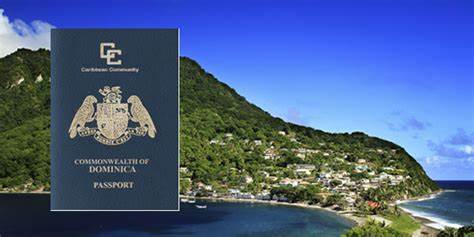
    On July 10, high-level government leaders from six Eastern Caribbean nations gathered in Dominica for a critical closed-door meeting focused on addressing growing scrutiny from the European Union over their regional Citizenship by Investment (CBI) programs. Chaired by Roosevelt Skerrit, Prime Minister of Dominica, the summit brought together heads of government from Antigua and Barbuda, Grenada, St Kitts and Nevis, St Lucia, and St Vincent and the Grenadines to coordinate a unified strategy amid looming changes to the EU’s visa suspension framework.

    Following hours of deliberation, the participating leaders issued a joint public statement reaffirming their unwavering commitment to upholding the strictest global standards for CBI operations, centered on security, full transparency, uncompromised integrity, and robust good governance. The leaders highlighted that the region has already implemented sweeping structural reforms to strengthen program oversight in recent years. These updates include more rigorous due diligence protocols for all applicants, expanded cross-border information sharing agreements, new mandatory transparency requirements, and the formal establishment of the Eastern Caribbean Citizenship by Investment Regulatory Authority, a centralized body tasked with ongoing monitoring and enforcement.

    In the statement, regional leaders emphasized that CBI programs have grown into an irreplaceable source of development financing for their small island economies. Unlike costly international borrowing, revenue generated by these programs directly funds a wide range of critical national priorities, from climate adaptation and resilience infrastructure that protects coastal communities from extreme weather to post-hurricane disaster recovery, affordable housing initiatives, expanded public healthcare services, education system upgrades, and core transportation infrastructure projects.

    To move the conversation forward constructively, the leaders agreed to ramp up targeted diplomatic engagement with EU institutions. They have scheduled a high-level diplomatic mission to Brussels to meet directly with senior EU officials, where discussions will center on negotiating a balanced, mutually acceptable resolution. The delegation will push for outcomes that address the EU’s security and regulatory concerns while fully acknowledging the unique economic vulnerabilities and urgent development needs of small island developing states.

    Closing the summit, the group of leaders expressed measured confidence that continued constructive dialogue and collaborative problem-solving will deliver practical, long-term solutions that safeguard both the region’s ongoing development progress and the decades-long strategic partnership between Eastern Caribbean states and the European Union.

  • PM Browne, Skerrit and Regional Leaders Unite Over EU Citizenship by Investment Demands

    PM Browne, Skerrit and Regional Leaders Unite Over EU Citizenship by Investment Demands

    In a high-level gathering held in Roseau, the capital of the Commonwealth of Dominica on July 10, 2026, the heads of government from seven Eastern Caribbean nations convened to coordinate a collective approach to their Citizenship by Investment (CBI) programmes amid evolving negotiations with the European Union. Chaired by Dominica Prime Minister Honourable Roosevelt Skerrit, the meeting brought together top leaders from Antigua and Barbuda, Grenada, Saint Kitts and Nevis, Saint Lucia, Saint Vincent and the Grenadines, all gathered to assess recent updates from the European Commission and map out a unified regional response to the EU’s revised visa suspension mechanism.

    At the opening of discussions, participating leaders first reaffirmed the deep, long-standing collaborative partnership between their small island developing states (SIDS) and the European Union. Built on a foundation of shared democratic values, mutual respect, and a joint commitment to global cooperation and inclusive sustainable development, the leaders emphasized their openness to ongoing dialogue and their dedication to constructive engagement to resolve shared concerns.

    Central to the meeting’s deliberations was the future of CBI programmes, a policy area that has drawn increased scrutiny from European regulators. Responding to global standards, Eastern Caribbean governments have invested heavily in systemic reforms of their CBI frameworks over recent years. These changes include strengthening due diligence protocols for all applicants, expanding cross-border information sharing, introducing new transparency requirements, and adopting strict regional operating standards that position the region’s programmes among the most rigorous in the world. A landmark step in this reform process has been the establishment of the Eastern Caribbean Citizenship by Investment Regulatory Authority, a regional body designed to harmonize rules, boost compliance, and align the region’s practices with evolving international best practices through collective governance.

    Beyond regulatory issues, leaders underscored the outsized economic role CBI programmes play for the region’s SIDS, which face unique structural vulnerabilities including limited economic diversity, high exposure to climate disasters, and constrained access to development financing. For these nations, CBI revenues have become a core pillar of economic resilience and development investment, funding critical priorities ranging from climate adaptation infrastructure and post-hurricane disaster recovery to affordable housing, public healthcare, universal education, and long-term fiscal stability. During periods of unprecedented external shocks—including the COVID-19 pandemic and global energy price spikes—CBI revenues enabled these governments to fund emergency response without taking on unsustainable levels of sovereign debt, helping to preserve macroeconomic stability across the region.

    Against this backdrop, leaders stressed that any future changes to the EU’s regulatory relationship with the region’s CBI programmes must fully account for the specific economic realities and development vulnerabilities of SIDS. Any policy shift that reduces or eliminates this critical source of development financing, they argued, must be paired with a comprehensive support framework that protects existing development gains, preserves current economic stability, and supports the development of equivalent sustainable alternative financing sources to meet the region’s long-term needs.

    To advance their shared objectives, the regional leaders have agreed to launch a coordinated diplomatic engagement strategy with EU institutions and member state governments. A high-level delegation is scheduled to travel to Brussels at the earliest practical opportunity to hold direct talks with the President of the European Commission, President of the European Council, and the High Representative of the Union for Foreign Affairs and Security Policy. The core goals of these discussions will be to deepen European policymakers’ understanding of the unique challenges facing Eastern Caribbean SIDS, negotiate practical, mutually beneficial solutions to the concerns raised by the European Commission, and strengthen the decades-long partnership between the two blocs.

    To ensure a unified regional voice, leaders have directed foreign ministers, CBI programme leads, ambassadors, and senior official teams to coordinate closely across all engagements with European stakeholders. A structured diplomatic outreach programme to key European national capitals has also been mandated to build support for the region’s position ahead of formal negotiations. The heads of government concluded their meeting by noting that balanced, durable solutions can only be developed through genuine collaborative partnership, one that honors both the EU’s legitimate regulatory objectives and the equally legitimate development needs of small island developing states. Rooted in the principles of proportionality, shared responsibility, partnership, and sustainable development, leaders reaffirmed their commitment to constructive dialogue and expressed confidence that mutually acceptable outcomes can be achieved through cooperation.

  • Alfred impresses with record-breaking run in Monaco

    Alfred impresses with record-breaking run in Monaco

    In a historic display of sprinting dominance at Friday’s Meeting Herculis held at Monaco’s Stade Louis II, Saint Lucian Olympic 100m gold medalist Julien Alfred delivered a performance for the record books, clocking a blistering 21.51 seconds in the women’s 200m to claim the third-fastest time ever recorded over the distance. The 25-year-old speedster outpaced a star-studded field of global competitors, turning a mediocre start into a legendary victory that left the sold-out crowd roaring with excitement.

    Alfred’s historic run not only shattered her own 2023 national record of 21.71 seconds set in London, but it also toppled a 31-year-old meeting record that had stood since 1993 – a 21.77s mark set by Jamaican sprint legend Merlene Ottey. Her time also jumps to the top of the 2026 global rankings, knocking British Virgin Islands sprinter Adaeajah Hodge from the top spot. Hodge, who had previously posted the year’s fastest time of 21.68 seconds just one month prior, took second place in Monaco with a solid 21.70s run. Closing out the podium was American Olympic 200m gold medalist Gabby Thomas, who finished third in 21.84 seconds. Only two women in track and field history have ever run faster than Alfred: the long-standing world record holder Florence Griffith-Joyner and Jamaica’s own Shericka Jackson.

    Race observers noted that Alfred got off to a relatively slow start out of the starting blocks under clear, sunny skies, but the sprinter found her gear within the first 10 meters of the race and never gave up the lead, pulling away from the field down the home straight. In post-race comments, Alfred downplayed the importance of a quick reaction time, emphasizing that the final result is all that matters. “It’s not about the reaction time; it’s about how you finish. I don’t care about my reaction time, I was first, that’s all that matters,” she said.

    Reflecting on the years of work that led to her historic performance, Alfred shared that she had spent months preparing for this breakthrough moment, and only realized the scale of her achievement once she crossed the finish line and saw the clock. “I have been preparing for this for such a long time; to finally see it pay off, I am just happy. I didn’t realise how fast it was till I crossed the line. I looked at the clock and saw my time, and that’s why I was screaming like at the Olympics. Because I have been looking forward to this for a long time.”

    Alfred added that her result exceeded her own pre-race expectations, leaving her elated and hungry for more success. “I am just so happy to see that time. There are no limits right now. Today, I was actually hoping to see 21.6; I got 21.5, so I am happy nonetheless.” Her groundbreaking performance has sent shockwaves through the global track and field community, cementing her status as one of the greatest sprinters of her generation and setting the stage for an exciting showdown at upcoming world championship and Olympic events.

  • Martinique, Barbados sign landmark cooperation agreement

    Martinique, Barbados sign landmark cooperation agreement

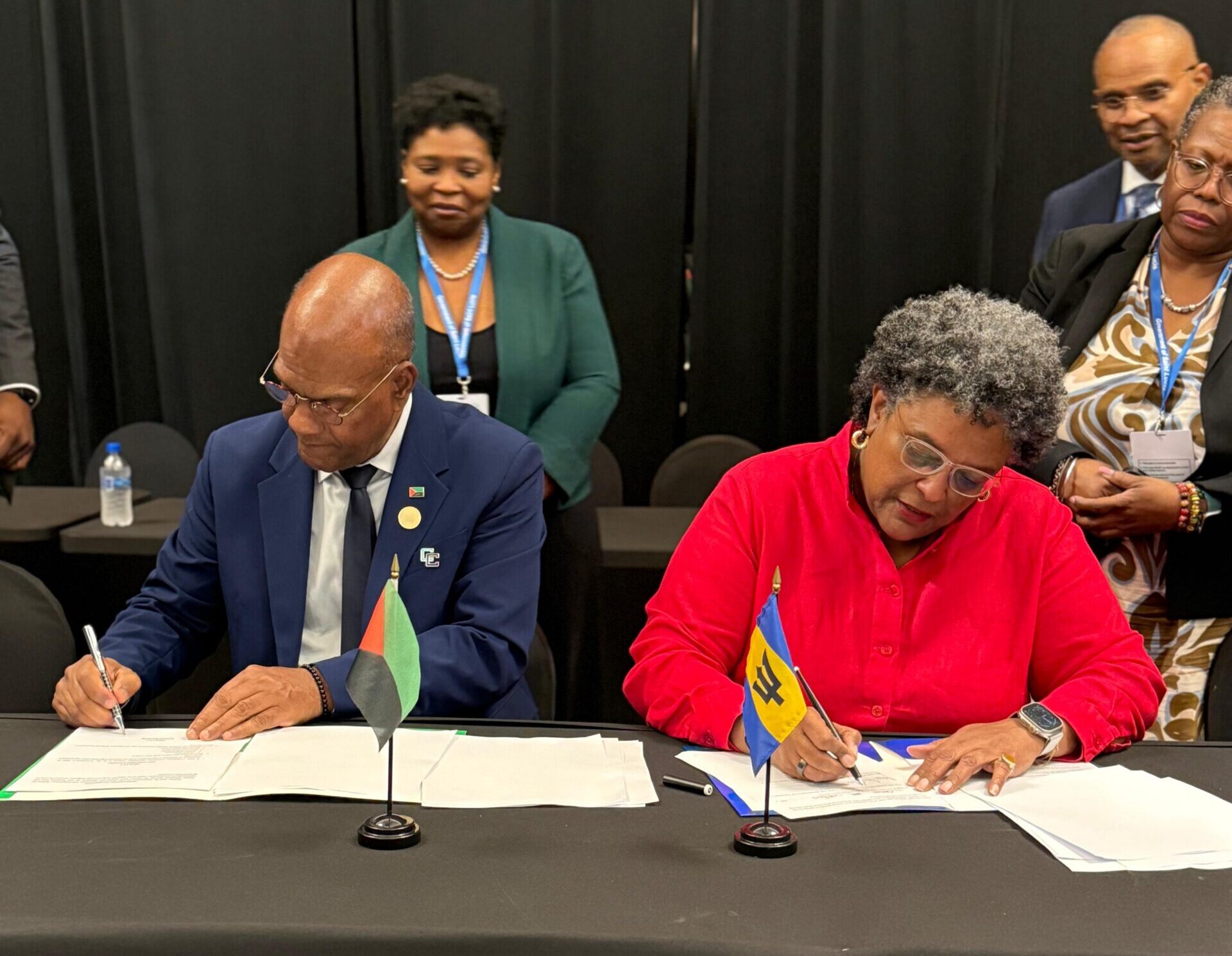
    On July 7, on the sidelines of the CARICOM Summit, a landmark cooperation agreement was formalized between Barbados and Martinique, signed by Barbadian Prime Minister Mia Mottley and Serge Letchimy, President of Martinique’s Executive Council. This signing represents far more than a routine bilateral pact: it cements a pivotal political milestone that redefines Martinique’s role as an active, fully committed stakeholder within its inherent regional home, the Caribbean.

    For the Territorial Collectivity of Martinique, the agreement transforms a long-held strategic ambition into tangible, actionable progress. The core vision behind the partnership is to position deepened Caribbean regional integration as a powerful engine for inclusive development, expanded economic autonomy, broader cultural exchange, and collective action to address the pressing shared challenges that define the 21st century for small island nations across the region.

    Letchimy emphasized that Martinique’s growing engagement with CARICOM goes far beyond claiming a seat at the regional negotiating table. “We are not here simply to participate—we are here to build, propose, collaborate and deliver results,” he noted. “With Barbados, we are opening an entirely new chapter of Caribbean cooperation: one that is practical, operational, well-structured, and focused on delivering tangible outcomes for our people. We share a collective responsibility to turn our close geographic, historical, and human ties into concrete projects that improve lives across both our territories.”

    The agreement lays out a comprehensive general framework for collaboration across eight strategic sectors that are critical to the long-term prosperity and resilience of Caribbean communities. These priority areas include cultural and creative industries, sports, general education, vocational skills training, disaster risk management, public health, tourism, fisheries, and trade facilitation. Each of these priorities was selected to directly respond to the most urgent challenges facing Caribbean nations today: generating new economic and professional opportunities for young people, expanding the regional skilled workforce, strengthening economic connectivity between island economies, boosting community resilience to climate-linked natural hazards, supporting core productive industries, and leveraging culture as a unifying force for cooperation, shared identity, and sustainable development.

    To ensure the partnership delivers on its promises, the text establishes clear, formal mechanisms for implementation and ongoing progress monitoring. First, a joint Joint Cooperation Committee, co-chaired by senior representatives from both Barbados and the Territorial Collectivity of Martinique, will be tasked with setting annual work priorities, approving collaborative programs, overseeing rollout, evaluating outcomes, and recommending adjustments to future action. Second, a dedicated Technical Secretariat will handle day-to-day operational oversight of all active projects. On an annual basis, the two sides will release a joint activity report that assesses completed actions, tracks resources mobilized, evaluates performance against agreed indicators, documents unforeseen challenges, and outlines a detailed work plan for the coming year.

    This structured, results-focused approach reflects a deliberate commitment from both parties to move beyond symbolic general declarations of cooperation and build a partnership that is organized, measurable, and sustainable over the long term. The initial term of the agreement is five years, with an option for renewal, and it creates a formal foundation for deeper bilateral ties while advancing Martinique’s broader strategic goal of acting as a dynamic connecting bridge between the Caribbean region, Europe, the Americas, and Africa.