作者: admin

  • LETTER: Pile of Garbage in Soul Alley, St. John’s

    LETTER: Pile of Garbage in Soul Alley, St. John’s

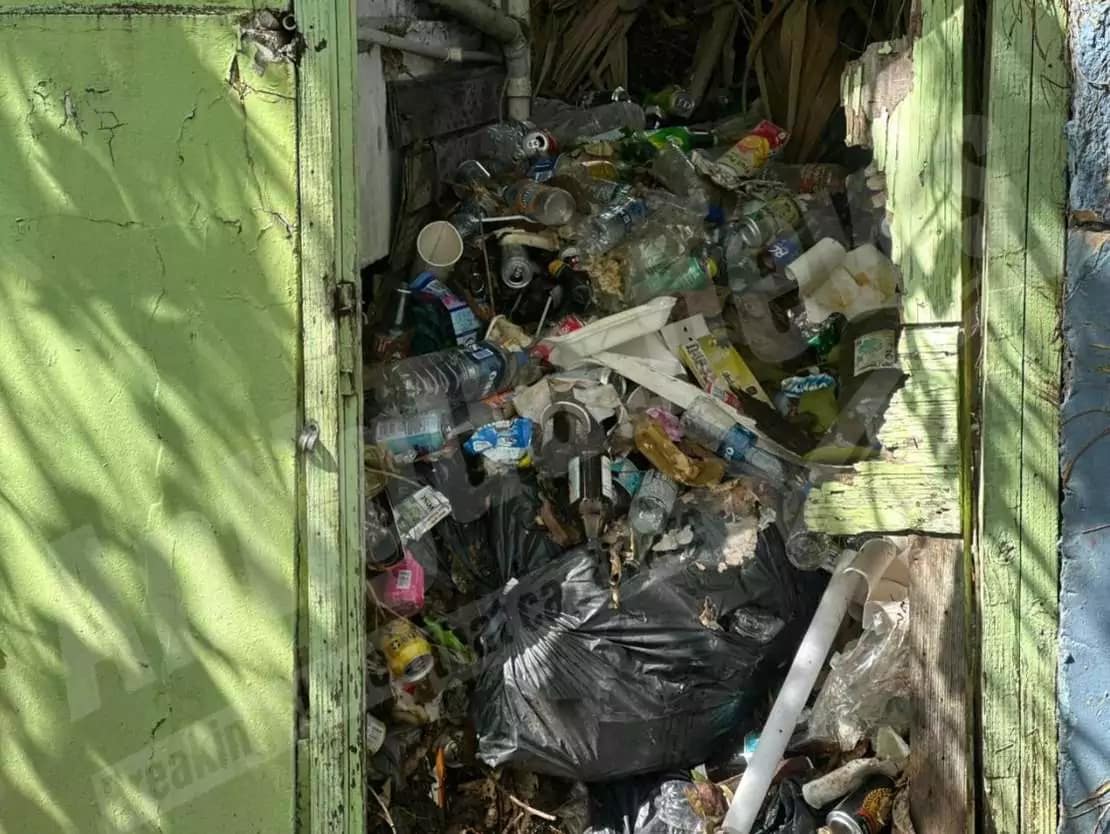
    A mounting public health and environmental crisis has emerged in the historic Soul Alley district of St. John’s, Antigua and Barbuda, where accumulated waste is threatening both community welfare and the nation’s tourism-dependent economy. Photographic evidence reveals an extensive pile of decomposing refuse—including plastic bottles, food containers, and general waste—creating unsanitary conditions near culturally significant areas frequented by tourists.

    The alley’s strategic location near key tourist attractions, port facilities, and local businesses makes the neglect particularly visible to international visitors. Beyond the visual blight, the situation presents tangible health risks through pest infestation and foul odors that contradict the island nation’s carefully cultivated image as a pristine Caribbean destination.

    This environmental neglect raises fundamental questions about municipal waste management systems, enforcement of anti-littering regulations, and public accountability. Local authorities face mounting pressure to address what residents describe as systemic failures in urban maintenance rather than isolated incidents.

    The concerned citizen’s letter highlights the intersection of urban governance, public health, and economic sustainability. Tourism represents a cornerstone of Antigua and Barbuda’s economy, making environmental preservation both an ecological imperative and an economic necessity. The situation underscores how neglected public infrastructure can directly impact national reputation and livelihood.

    Community advocates demand immediate remediation through comprehensive waste removal followed by implementation of sustainable management practices. Proposed solutions include regular collection schedules, public education campaigns, strategic signage, and stricter enforcement of environmental regulations targeting both residents and businesses.

    The Soul Alley situation exemplifies broader challenges facing small island developing states balancing tourism development with environmental stewardship. How authorities respond may set precedents for urban management throughout the Caribbean region where similar waste management challenges persist.
  • Cuba works on recovering the National Power Grid

    Cuba works on recovering the National Power Grid

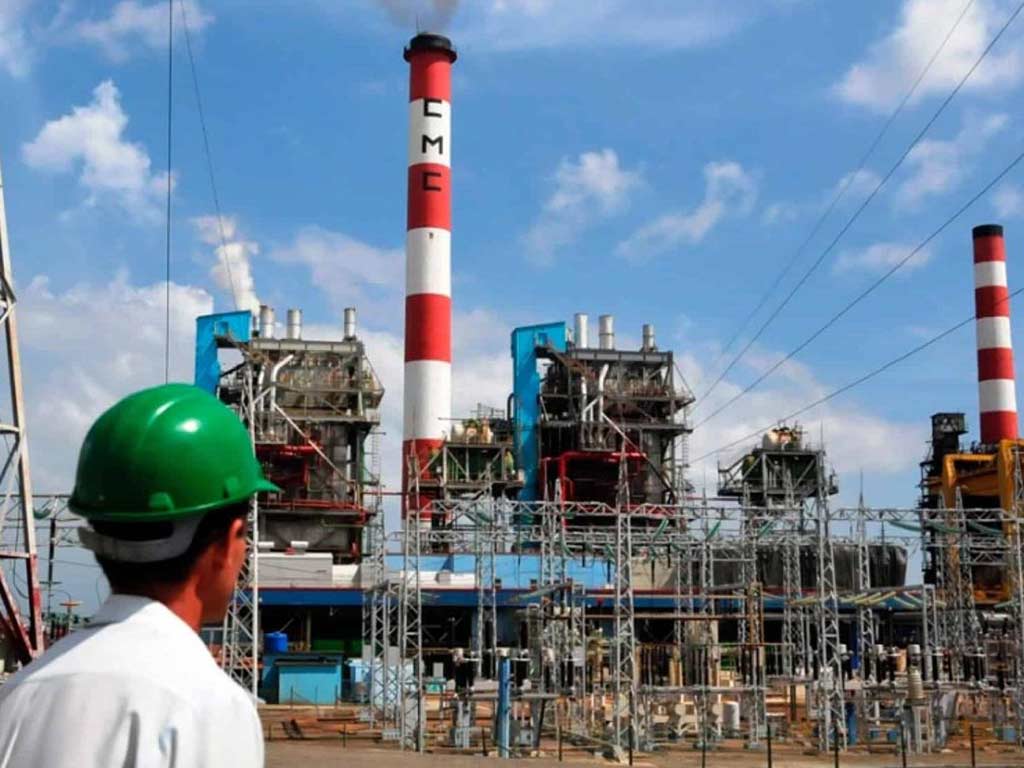
    Cuba’s national energy authority has reported a significant yet insufficient recovery in its power generation capacity. Recent efforts have successfully restored 422 megawatts (MW) to the distributed generation network, elevating its total operational capacity beyond the 1,000 MW threshold. Concurrently, an additional 228 MW has been brought back online within the centralized generation system.

    A major stride in renewable integration has been achieved with the synchronization of 778 MW of new capacity from 41 photovoltaic solar parks. These installations are now playing a pivotal role in the national grid, contributing more than 30% of Cuba’s total electricity generation during peak sunlight hours.

    Despite these advancements, government officials acknowledge the persistence of a severe energy crisis. The national power system continues to operate under extreme duress, grappling with an average daily generation deficit ranging between 1,500 and 1,700 MW. The situation has deteriorated further in recent days, with the shortfall exceeding 2,000 MW.

    This critical power deficit has resulted in service disruptions occurring throughout the day and night, creating widespread public dissatisfaction and inflicting substantial damage to economic activity. Authorities attribute the ongoing crisis primarily to generation instability and a critical shortage of fuel supplies for distributed generation units. Approximately 1,000 MW of potential generation capacity remains unavailable due to these fuel constraints, highlighting the deep-rooted challenges facing Cuba’s energy infrastructure.

  • Venezuela says Trump wants to turn back the clock 200 years

    Venezuela says Trump wants to turn back the clock 200 years

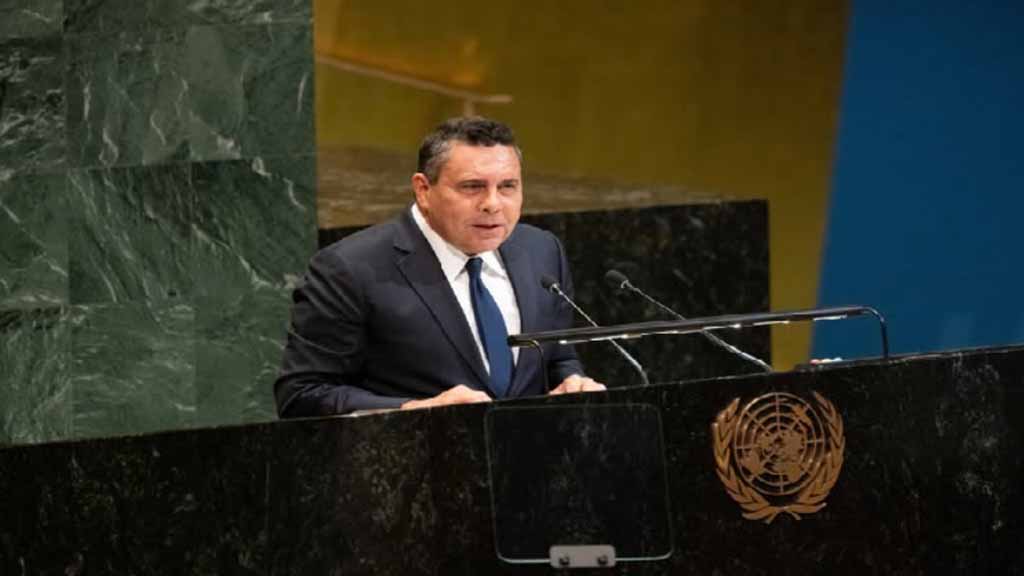
    At the 80th session of the United Nations General Assembly during the International Day against Colonialism, Venezuela’s diplomatic representative delivered a scathing condemnation of former U.S. President Donald Trump’s controversial statements regarding Venezuelan territory and natural resources. Ambassador Samuel Moncada referenced Trump’s December 16 declaration that “Venezuelan lands and oil belong to him and must be handed over immediately,” accompanied by threats of naval and air blockades using what Trump characterized as “the most powerful navy in history” if compliance was not forthcoming.

    The Venezuelan diplomat characterized this proclamation as a “monstrous declaration” that defies all established international legal frameworks. Moncada systematically cited multiple pillars of international law that Trump’s statement violated, including the UN Charter, customary international law, resolutions from both the Security Council and General Assembly, jurisprudence from international courts, and the German Convention.

    In his address, Moncada labeled the threat as “a grotesque violation of all civilizational norms” and explicitly defined it as modern colonialism and a crime of aggression. He drew historical parallels between current U.S. foreign policy approaches and the destructive behaviors of malign actors preceding World War II, asserting that such gunboat diplomacy has no legitimate place in 21st-century international relations. The ambassador warned that these actions are imposing chaos and destruction on the global diplomatic landscape, undermining decades of progress in international law and cooperation.

  • Cuba committed to social justice, says Prime Minister

    Cuba committed to social justice, says Prime Minister

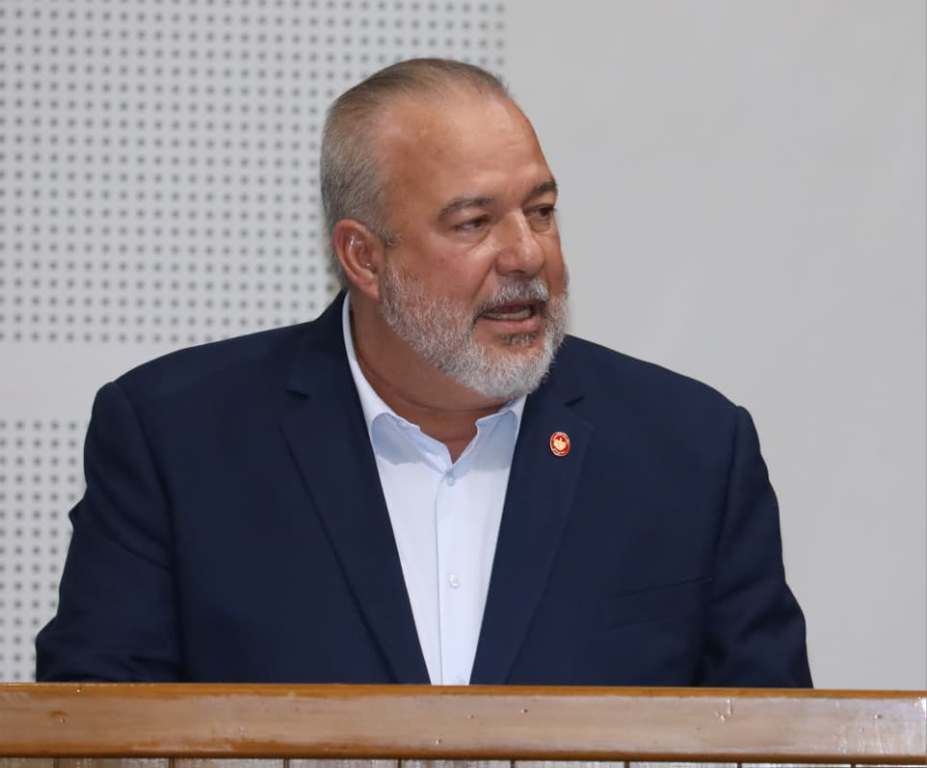
    Cuban Prime Minister Manuel Marrero Cruz presented a comprehensive economic revitalization report to the National Assembly, outlining both progress and challenges facing the Caribbean nation. In his address, Marrero identified national security and homeland protection as fundamental strategic priorities for the Cuban state, emphasizing the heightened preparedness of military and interior ministry forces in response to escalating regional tensions.

    The government restructuring initiative has shown measurable progress, with authorities working to streamline the Central State Administration by reducing the number of governmental agencies. This administrative overhaul forms part of broader economic correction measures designed to address systemic distortions in the Cuban economy.

    Healthcare indicators revealed concerning trends, with infant mortality rates climbing to 9.8 per 1,000 live births—a significant increase from the 7.0 rate recorded during the same period last year. Despite implemented interventions, the healthcare system continues to face substantial challenges in reversing this negative trajectory.

    Education reforms continue with the ongoing implementation of the Teaching Process Quality Improvement Program, though specific outcomes and metrics were not detailed in the presentation.

    Most alarmingly, Marrero highlighted Cuba’s accelerating demographic crisis as one of the nation’s most pressing challenges. Current projections indicate the population will decline to 9.6 million by 2025 and further plummet to approximately 7.7 million by 2050, representing a severe population contraction that threatens long-term economic and social stability.

    The Prime Minister acknowledged the coordinated efforts between military institutions, the Communist Party, government entities, and mass organizations in addressing these multifaceted challenges while maintaining national security preparedness.

  • NAGICO Insurances upgraded to A- (Excellent) by AM Best

    NAGICO Insurances upgraded to A- (Excellent) by AM Best

    In a significant development for the Caribbean insurance sector, NAGICO Insurances has received a substantial credit rating upgrade from globally recognized agency AM Best. The Group’s Financial Strength Rating has been elevated from BBB+ to A- (Excellent), positioning the company among the top-tier insurance providers in the region.

    The upgraded rating reflects AM Best’s comprehensive evaluation of NAGICO’s reinforced balance sheet, consistently enhanced operational performance, rigorous risk management protocols, and successful implementation of its strategic vision across diverse Caribbean markets. This assessment acknowledges the insurer’s strengthened financial resilience and disciplined business approach.

    For policyholders, business partners, and regulatory authorities, the A- designation serves as an independent validation of NAGICO’s capacity to honor its commitments, particularly crucial in a geographic area susceptible to natural disasters and economic fluctuations.

    Kyria Ali, Chief Executive Officer of NAGICO Insurances, expressed considerable pride in this achievement, stating: “This AM Best rating upgrade represents an independent endorsement of our financial robustness and strategic management. For our clients throughout the Caribbean and France, it confirms the trust they have placed in our ability to support their families and businesses during critical moments.”

    The A- (Excellent) rating from AM Best, a specialized insurance industry rating agency, signifies exceptional capital strength, sustained financial improvement, prudent underwriting standards, and a viable long-term business strategy. This classification establishes NAGICO as a premier insurance group with demonstrated stability and reliability.

    Operating effectively in the Caribbean demands exceptional resilience and forward-thinking risk management. NAGICO has established its credibility through billions of US dollars in claims payments following natural catastrophes, including hurricanes and volcanic eruptions. Recent strategic investments in reinsurance protection, governance frameworks, and talent acquisition have further strengthened its operational foundation.

    Imran McSood Amjad, Executive Chairman of NAGICO Insurances, emphasized: “Our region faces distinctive challenges from climate vulnerabilities to economic instability. This rating enhancement mirrors the deliberate actions taken by our leadership to fortify the Group’s financial position, governance structures, and risk mitigation capabilities.”

    The rating improvement represents a collective accomplishment involving NAGICO’s employees, partners, and stakeholders throughout its operational network. It highlights the Group’s dedication to sustainable expansion, robust governance, and consistent value delivery to clients and partners.

    Looking forward, NAGICO remains committed to leveraging technological advancements to enhance customer experiences, introducing innovative insurance products, and contributing to regional development initiatives.

    Established in 1982, the NAGICO Group delivers comprehensive property, casualty, life, and health insurance solutions across 32 locations in the Caribbean and Metropolitan France.

  • Man shot in Merricks, St Philip

    Man shot in Merricks, St Philip

    A violent afternoon shooting in the Merricks area of St Philip has left a 25-year-old male victim hospitalized with gunshot wounds, according to official reports from the District ‘C’ Police Station.

    The incident unfolded at approximately 2:25 PM on Wednesday when unidentified assailants opened fire on a group of individuals congregating outside a local business establishment. Preliminary investigative findings indicate that the perpetrators arrived at the scene in a motor vehicle, discharged multiple rounds toward the gathering, and subsequently fled the area before law enforcement could respond.

    Emergency medical services promptly transported the wounded man to the Queen Elizabeth Hospital via ambulance, where he currently remains under medical supervision. Authorities have not disclosed the victim’s current condition or the severity of his injuries.

    Law enforcement officials have initiated a comprehensive investigation into the circumstances surrounding the shooting. Police are actively seeking witnesses and any individuals with relevant information that could assist in identifying the suspects and determining the motive behind the attack.

    The Barbados Police Service has issued a public appeal for information, urging community members to come forward with any details regarding the incident. Confidential tips can be provided through multiple channels including the Crime Stoppers Hotline at 1-800-8477, the Police Emergency line at 211, or directly contacting the District ‘C’ Police Station at 416-8200 or 416-8204.

  • Pres Ali announces Christmas bonus for Joint Services

    Pres Ali announces Christmas bonus for Joint Services

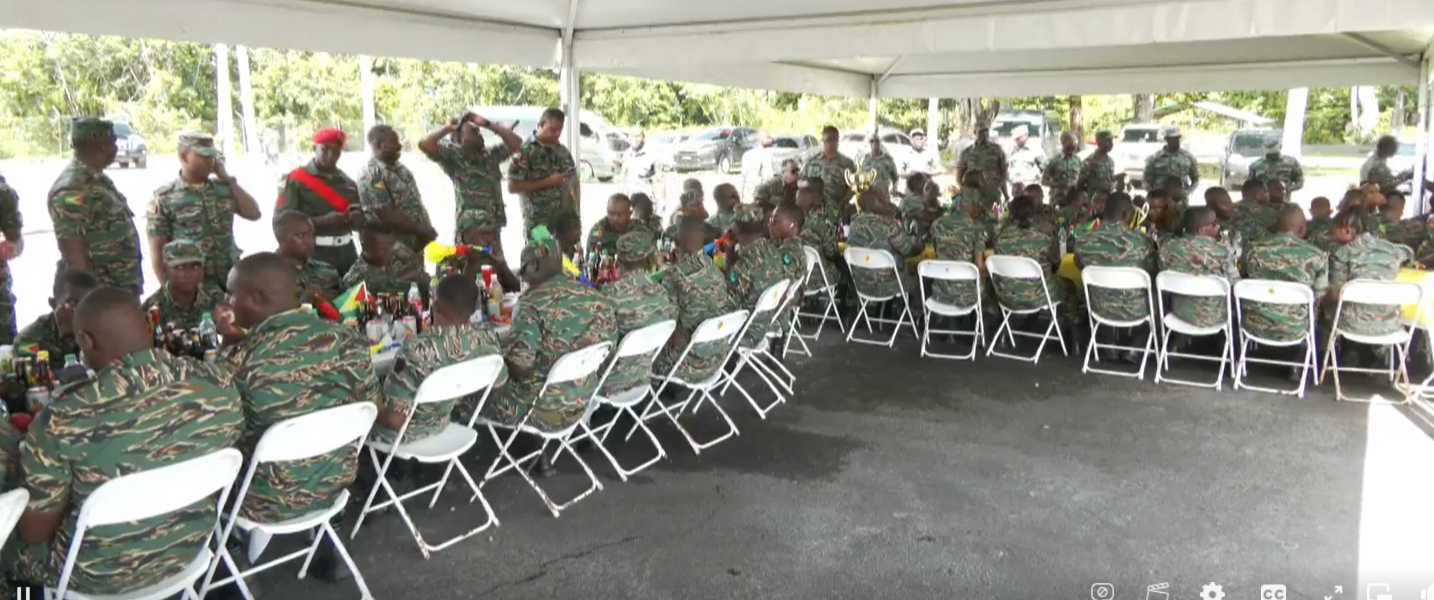
    In a significant pre-Christmas announcement, Guyana’s President Irfaan Ali declared a substantial financial bonus for the nation’s Disciplined Services personnel during a ceremony at the Guyana Defence Force’s Base Camp Stephenson on December 18, 2025.

    The presidential decree guarantees a full month’s tax-free salary bonus for all approximately 13,000 members across multiple security sectors, including the police force, military personnel, prison service staff, and firefighters. This generous holiday gesture represents a total financial injection of GY$2.1 billion into the hands of those serving on the nation’s frontlines.

    President Ali emphasized the administration’s consistent recognition of the security forces’ invaluable contributions to national stability and border protection. “Over the past five years, we have not only restored the one month tax-free bonus to the Disciplined Services, but we have also increased salaries, adjusted pay scales, accelerated promotions, and expanded training opportunities,” stated Dr. Ali during his address.

    The President further highlighted the government’s comprehensive investment strategy for security personnel, which has exceeded GY$6 billion over the past five years. Beyond immediate financial compensation, the administration is focused on long-term professional development through educational initiatives like the Guyana Online Academy of Learning (GOAL) and the Ministry of Education’s Guyana Digital School program.

    Dr. Ali praised the courage and sacrifice of security personnel, acknowledging their role in safeguarding the nation’s sovereignty and protecting Guyanese citizens. The bonus initiative demonstrates the government’s commitment to both immediate financial recognition and long-term career development for those serving in essential security roles.

  • Audit Department wants legal changes to submit reports directly to Parliament

    Audit Department wants legal changes to submit reports directly to Parliament

    Grenada’s Audit Department has initiated a significant campaign to overhaul its reporting procedures, seeking to bypass ministerial channels and submit audited financial statements directly to Parliament. This proposed constitutional and legislative reform aims to address chronic delays in the tabling of crucial financial documents.

    Gary Walters, Director of Audit, revealed that his department is advocating for amendments to the Audit Act that would eliminate the current requirement for audited statements of statutory bodies and government-supported agencies to be routed through the Minister for Finance. Instead, these documents would proceed directly from the Audit Department to Parliament.

    ‘The existing constitutional framework mandates that the Director of Audit submits reports to the Minister for Finance, who then tables them in Parliament,’ Walters explained during a Public Accounts Committee awareness seminar. ‘The persistent challenge has been that reports delivered to the Ministry of Finance frequently fail to be presented to Parliament in a timely manner.’

    The seminar, chaired by Opposition Leader Emmalin Pierre, brought together members of both parliamentary houses to clarify institutional roles, reduce misunderstandings, and foster a culture of accountability through improved record-keeping, financial controls, and reporting practices.

    Walters emphasized that the proposed change would eliminate perceptions of Audit Department inefficiency while ensuring greater transparency. ‘Such a significant adjustment will not only require legislative changes but also Constitutional Reform,’ he noted, adding that the modification would serve Grenada’s best interests by preventing lengthy delays in the presentation of public fund audits.

    The current legal framework requires statutory bodies to submit financial and annual reports to the Audit Department by the end of the first quarter, with parliamentary tabling mandated by June each year. However, compliance with these deadlines has been consistently inadequate across most statutory bodies over recent years.

  • “Not Even I Was Aware”: PM Responds to Late Supplementary Budget Approval

    “Not Even I Was Aware”: PM Responds to Late Supplementary Budget Approval

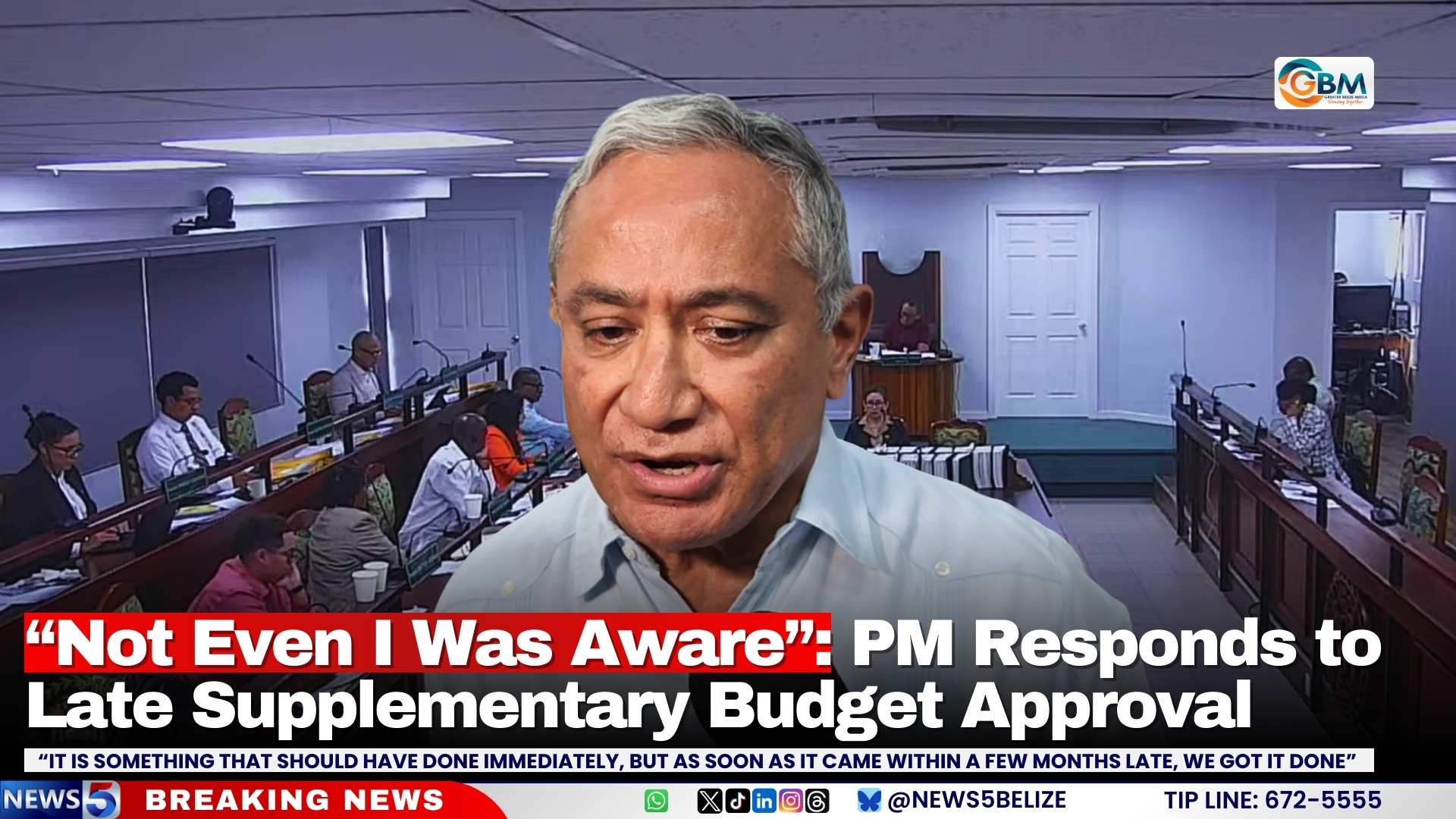
    Prime Minister John Briceño of Belize has firmly rebutted allegations of governmental misconduct concerning the belated submission of supplementary budget approvals to Parliament. This controversy emerges amidst comparisons to similar practices previously condemned during ex-Prime Minister Dean Barrow’s tenure.

    When confronted with accusations that his administration had replicated these fiscal missteps by authorizing expenditures without prior parliamentary consent, Briceño delivered an unequivocal response: “I would not accept that.”

    The Prime Minister attributed the delay to the transitional phase following national elections, characterizing it as an inevitable period of governmental reorganization. “As we approached elections… certain expenditures were incurred, though nothing excessive,” Briceño clarified. He emphasized that upon assuming office, the primary focus shifted to establishing the new administration’s operational framework.

    In a notable admission, Briceño revealed his initial unawareness of pending financial obligations. “The matter only came to my attention when brought forward by the financial secretary,” he stated. “I must confess, even I was unaware of these outstanding issues. My immediate directive was to resolve them promptly.”

    While acknowledging a procedural delay spanning several months, Briceño maintained that the situation was ultimately rectified through proper channels. “Ideally, this should have been addressed immediately,” he conceded, “but within months of the delay being identified, we completed the necessary approvals.”

    The development occurs alongside the reappointment of Nestor Mendez as Belize’s Representative to the Organization of American States, signaling continued stability in the nation’s diplomatic corps amidst domestic fiscal scrutiny.

  • PM Skerrit says latest partial travel ban will not affect ‘very good’ Dominica-U.S. relations

    PM Skerrit says latest partial travel ban will not affect ‘very good’ Dominica-U.S. relations

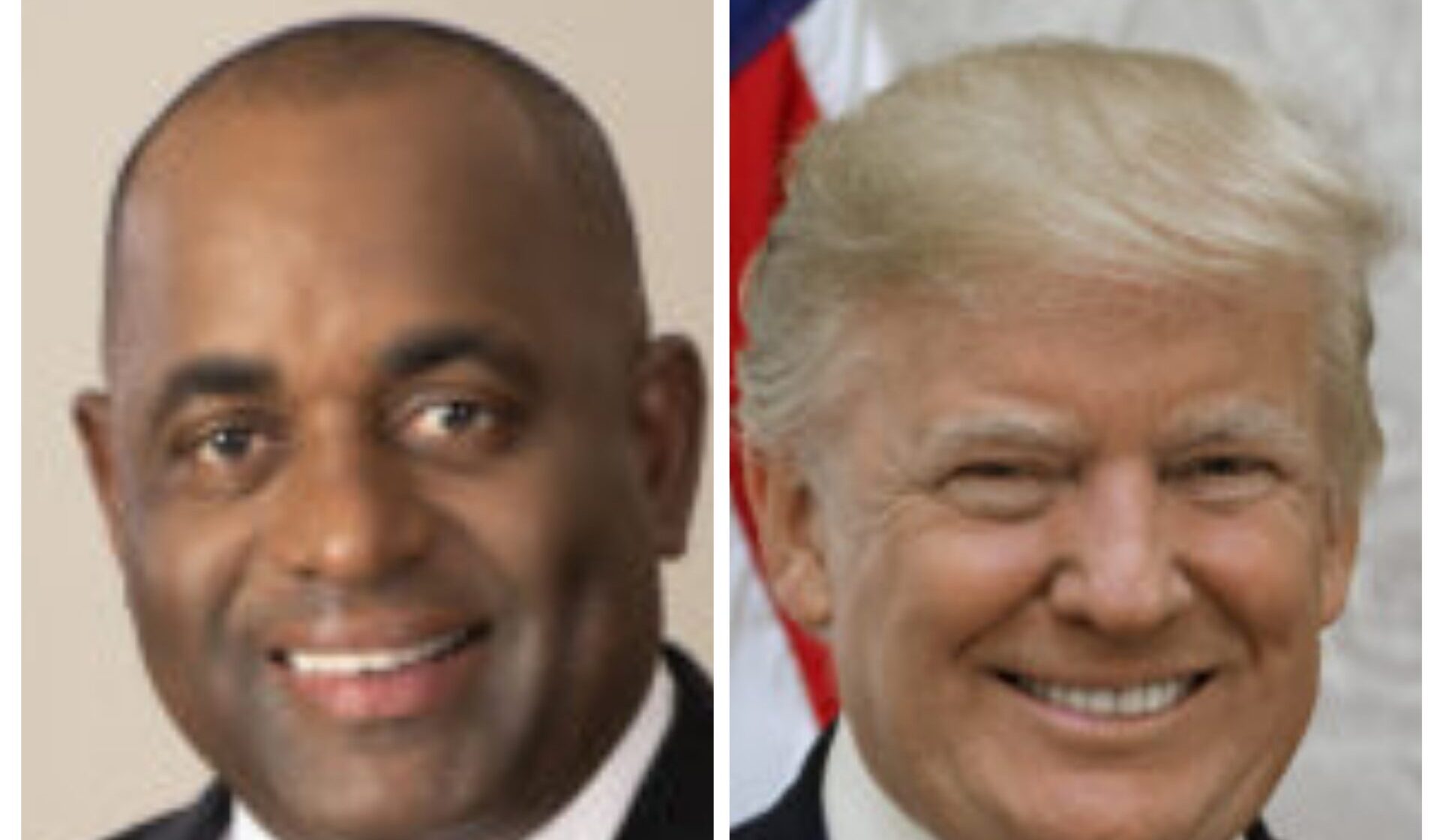
    Prime Minister Roosevelt Skerrit of Dominica has publicly addressed the recent imposition of partial U.S. travel restrictions on his nation, asserting that the measure will not undermine the fundamentally positive relationship between the two countries. During a live broadcast on the state-owned radio station DBS on Wednesday, Skerrit provided a detailed assessment of the current state of diplomatic engagement.

    Contrary to what the travel advisory might suggest, Skerrit revealed that communication and collaborative efforts with the current U.S. administration have intensified. “The extent of our contacts and regular engagement on a multitude of shared issues has, in fact, been more substantial with the Trump administration compared to the previous Biden administration,” the Prime Minister stated.

    Highlighting the tangible benefits of this strengthened partnership, Skerrit pointed to a marked increase in U.S. investment into Dominica’s national security apparatus. He clarified that even after the conclusion of the formal U.S. Aid program, support has continued unabated and in full. This assistance extends beyond financial backing to include critical infrastructural projects, specialized training programs, and provision of essential materials.

    Skerrit praised the operational effectiveness of the bilateral channels, noting that access to key U.S. institutions like the State Department, the Treasury, and the local U.S. Embassy has been highly efficient at every level of dialogue. Concluding his remarks, the Prime Minister emphatically dismissed any notion of diplomatic strain, stating, “The relationship, in my mind, between Dominica and the current Trump administration has been very good. Therefore, I do not perceive this development as adversely affecting our relations in any manner.”