作者: admin

  • OP-ED: Between sovereignty and security – Reframing the Caribbean CBI debate in light of U.S. and EU pressure

    OP-ED: Between sovereignty and security – Reframing the Caribbean CBI debate in light of U.S. and EU pressure

    The recent U.S. Presidential Proclamation suspending visa categories for nationals of several Caribbean nations has ignited intense regional debate, revealing deeper geopolitical undercurrents beyond surface-level compliance issues. While commentators Paul Alexander and Diana Pascal present contrasting views—the former criticizing U.S. weaponization of visa policies, the latter highlighting Caribbean institutional weaknesses—both overlook the fundamental geopolitical recalibration underway.

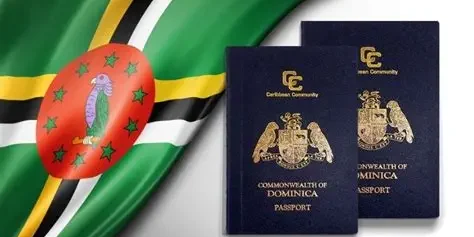
    The suspension affecting Dominica, Antigua & Barbuda, and implicitly other Eastern Caribbean states represents more than immigration policy adjustments. It reflects Washington’s strategic containment efforts targeting nations perceived as facilitating mobility for nationals from adversarial states, particularly within the Venezuela-Cuba axis. The timing coincides with Trinidad and Tobago Prime Minister Kamla Persad-Bissessar’s rejection of CARICOM solidarity, signaling regional fragmentation amid renewed U.S. ‘gunboat diplomacy’ under Secretary of State Marco Antonio Rubio’s influence.

    European pressure compounds the challenge, with the EU revising its Visa Suspension Mechanism to treat Citizenship by Investment (CBI) programs as structural risks regardless of misuse. This transatlantic coordination threatens the visa-free access that has long been a cornerstone of Caribbean CBI marketing.

    Despite these pressures, CBI programs have legitimately funded critical infrastructure including hospitals, climate resilience projects, and education systems. The core issue remains enforcement cooperation rather than revenue model validity. Some nations like Dominica have implemented substantive reforms including enhanced due diligence and name-change protocols, while St. Vincent promotes regional solidarity over isolation.

    The path forward requires sovereign transparency through formalized data-sharing agreements with U.S. and EU authorities, accelerated establishment of the Eastern Caribbean CBI Regulatory Authority (EC CIRA), and recommitment to CARICOM unity despite internal disagreements. Caribbean states must engage international partners from a position of mutual interest rather than guilt or defiance, recognizing citizenship as a sacred trust with global responsibilities.

    This geopolitical stress test demands professional regulatory convergence and diplomacy grounded in mutual respect, moving beyond blame games toward strategic recalibration that preserves sovereignty while earning international legitimacy.

  • Traffic notice: Hillsborough Street, St George’s

    Traffic notice: Hillsborough Street, St George’s

    The Royal Grenada Police Force (RGPF) Traffic Department has issued a significant public advisory concerning a prolonged infrastructure-related road closure in the capital. Hillsborough Street, a key thoroughfare in St. George’s, will be completely inaccessible to vehicles from its junctions with Melville Street and Halifax Street. Authorities have confirmed this closure will remain in effect for an extended period, lasting until Saturday, January 3rd, 2026.

    The RGPF, in its official communication, extended apologies to the public and motorists for any disruptions caused by this necessary closure. The police force emphasized the importance of the project necessitating the long-term shutdown and formally requested the understanding and full cooperation of all citizens and commuters during this multi-year period. The announcement was formally disseminated through the Office of the Commissioner of Police, underscoring its official status.

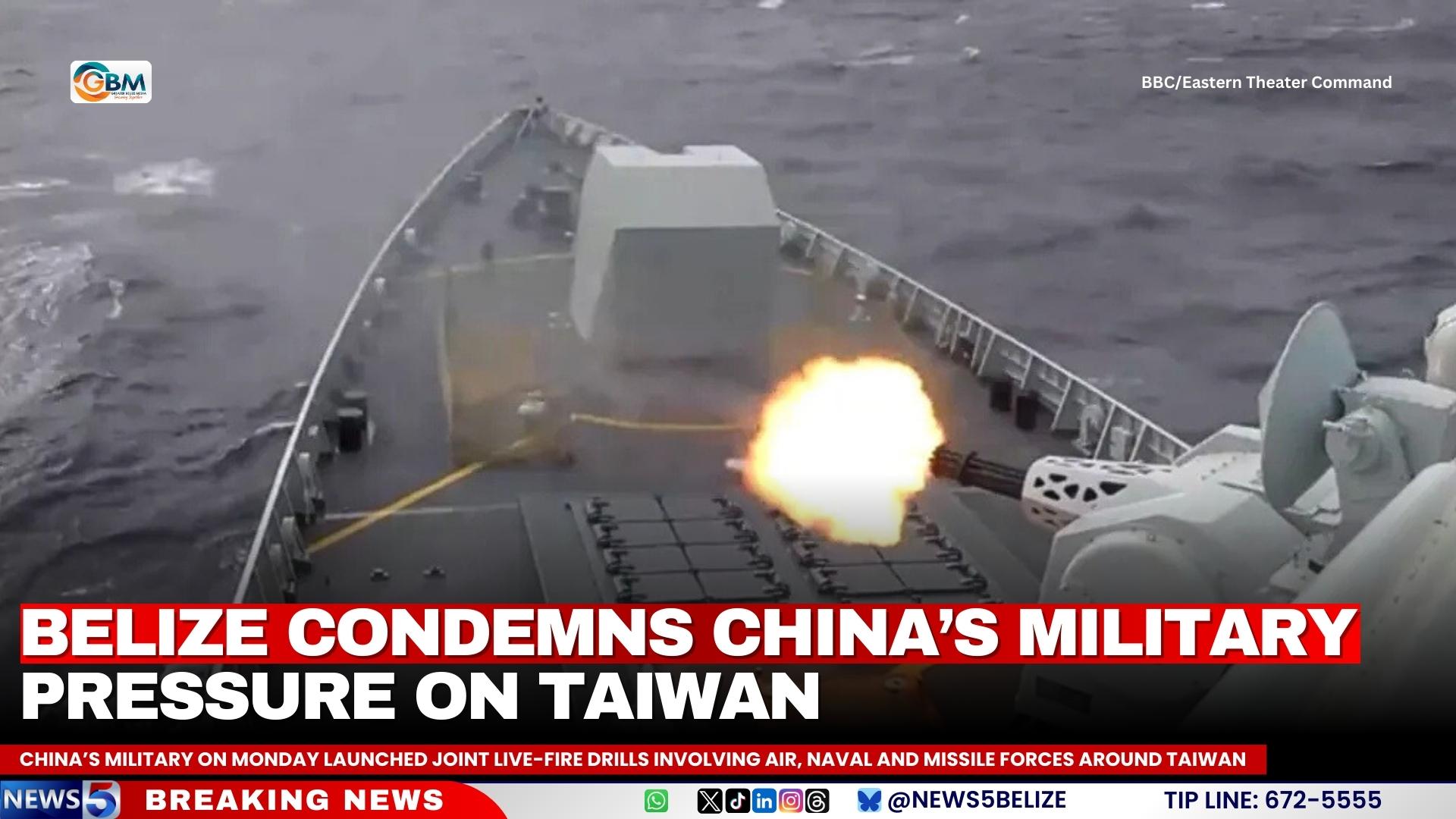
  • Belize Condemns China’s Military Pressure on Taiwan

    Belize Condemns China’s Military Pressure on Taiwan

    The Government of Belize has issued a formal condemnation of the People’s Republic of China’s recent military exercises around Taiwan, characterizing them as acts of intimidation that jeopardize regional peace. In an official statement released Monday, Belizean authorities expressed deep concern over China’s joint live-fire drills involving air, naval, and missile forces, which they warned undermine diplomatic dialogue and escalate tensions across the strategic waterway.

    Belize reaffirmed its steadfast diplomatic support for Taiwan, urging all parties to pursue peaceful conflict resolution in alignment with international law. The Central American nation, among the limited circle of countries maintaining formal ties with Taipei, has consistently advocated for Taiwan’s international recognition.

    The Chinese military described its extensive exercises as a ‘stern warning’ against separatist movements and foreign interference, specifically referencing potential major U.S. arms sales to Taiwan and recent remarks by Japan’s prime minister regarding possible military involvement. Taiwanese officials reported the drills disrupted aviation operations, impacting over 100,000 international passengers, while placing their military on high alert and labeling Beijing as ‘the primary destabilizing force in the region.’

    This development highlights the ongoing geopolitical tensions surrounding Taiwan’s status, with Belize positioning itself as a vocal supporter of Taipei against what it perceives as Chinese aggression threatening the delicate balance in East Asian security architecture.

  • Uncertainty surrounds fresh legal battle over vending outside Yhip’s Bakery

    Uncertainty surrounds fresh legal battle over vending outside Yhip’s Bakery

    A legal and administrative confrontation is unfolding in Georgetown, Guyana, as City Mayor Alfred Mentore prepares to challenge a High Court order mandating the removal of street vendors operating outside Yhip’s Bakery at the intersection of Robb and Alexander Streets. The dispute centers on a February 2025 letter from Attorney Dexter Smartt, representing bakery beneficiary Troy Yhip, which appeals for a six-month extension allowing vendors—described as “persons of little means”—to relocate. Smartt argued that his client had originally permitted the vendors to operate there and that not all property beneficiaries were aware of the initial court proceedings.

    Town Clerk Candace Nelson, however, maintains that the Mayor’s position is legally untenable. She emphasized that the mandamus order—issued by Justice Priya Sewnarine-Beharry in November 2024 and served in December—cannot be superseded by a letter submitted months after the ruling. Nelson revealed that Mayor Mentore had promised to contest the order in court but has yet to do so.

    The conflict intensified when municipal workers aborted a planned eviction operation on Sunday following a meeting between the Mayor and vendors. This inaction has prompted contempt proceedings filed by Suzanne Pemberton, who holds power-of-attorney for property owner Albert Yhip. Pemberton’s application, now before Justice Fidela Corbin-Lincoln, seeks the imprisonment of Nelson and City Engineer Colvern Venture for “wilful disobedience” of the court order.

    The case highlights tensions between local government authority and judicial oversight, with a hearing on the contempt motion scheduled for January 9, 2026.

  • DRC Army spokesperson suspended for discriminatory speech

    DRC Army spokesperson suspended for discriminatory speech

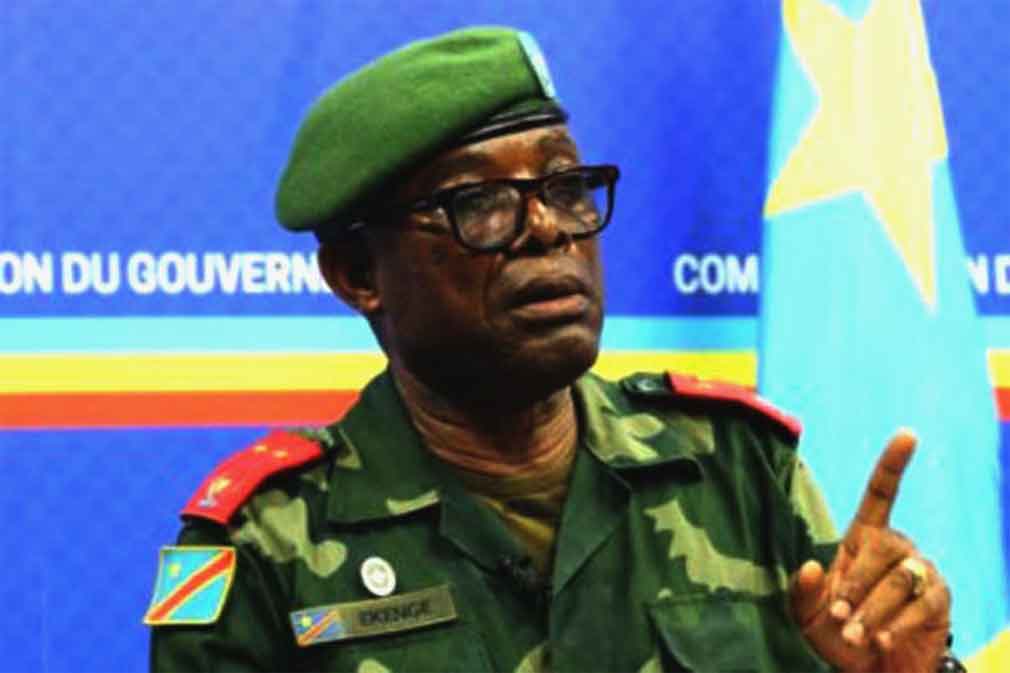
    The Democratic Republic of Congo has taken decisive action against one of its military officials following inflammatory statements that have escalated regional tensions. General Ekenge, whose full identity remains undisclosed, has been suspended from duty after making controversial comments during a weekend interview on the national broadcaster RTNC.

    During the broadcast, the military figure advocated for population segment ‘supremacy’ and specifically warned Congolese men against marrying Tutsi women, whom he characterized as operatives for Rwandan intelligence services. These remarks quickly circulated through regional media channels and were subsequently amplified by Rwandan authorities.

    Rwanda’s government utilized the statements to reinforce its ongoing narrative about inequality within Congolese governance structures. The timing proves particularly sensitive given the persistent diplomatic strains between Kinshasa and Kigali, with both nations engaged in prolonged disputes over security and citizenship rights.

    The Congo River Alliance-March 23 Movement (AFC/M23), an opposition coalition, issued a formal condemnation labeling the general’s comments as ‘genocidal propaganda.’ Their statement emphasized concerns about systematic targeting of Congolese Tutsis, particularly vulnerable groups including women and children, suggesting these remarks align with preparatory stages of genocide.

    The Congolese Press Agency (ACP) confirmed the disciplinary measure, indicating the government’s attempt to distance itself from the general’s divisive rhetoric while addressing the international fallout from the incident.

  • Russia plans to build a lunar power plant by 2036

    Russia plans to build a lunar power plant by 2036

    Russia’s space program has unveiled ambitious plans to construct a dedicated power plant on the lunar surface, a critical infrastructure project designed to support long-term human and robotic operations on the Moon. According to a detailed report, this lunar-based energy facility is deemed essential for providing a continuous power supply to key assets, including robotic lunar rovers, astronomical observatories, and various infrastructure components of a future international lunar scientific station.

    The comprehensive initiative extends beyond power generation, encompassing the development of specialized spacecraft required for lunar transportation and construction. The project roadmap includes multiple phases: the engineering and manufacturing of new spacecraft, rigorous flight testing protocols, extensive experimental ground tests, and the eventual deployment of operational infrastructure directly on the lunar terrain.

    Officials emphasized that this endeavor represents a significant strategic shift in space exploration methodology. Rather than pursuing isolated, short-duration missions, the project aims to establish the foundational elements necessary for a permanently inhabited lunar scientific outpost. This transition marks a pivotal step toward sustained human presence and research activities on the Moon, with the infrastructure explicitly designed to accommodate collaboration with international partners and foreign scientific projects.

  • Kalinago Christmas event: ‘The Birth of Christ’ (with video)

    Kalinago Christmas event: ‘The Birth of Christ’ (with video)

    In a notable display of community engagement, former Prime Minister OJ Seraphin and his wife Lily made a special appearance at a distinctive Christmas event organized by the Kalinago community. The couple was present for the performance of “The Birth of Christ,” a dramatic production presented by the Hunger and Thirst After Righteousness Drama Group.

    The event, which blends cultural tradition with religious observance, represents the unique Christmas celebrations within the Kalinago territory. The presence of the former head of government underscores the ongoing connection between national leadership and indigenous communities, particularly during significant cultural and religious holidays.

    The dramatic performance itself serves as both spiritual reflection and cultural preservation, showcasing the community’s interpretation of the Nativity story through local artistic expression. Such events highlight how traditional Christmas observances are adapted and celebrated within different cultural contexts across the nation.

    The appearance of the former political leader at this community-driven event demonstrates the continuing role of public figures in supporting local cultural initiatives and maintaining connections with diverse constituencies beyond their formal terms in office.

  • Gros Islet retain two-day cricket title

    Gros Islet retain two-day cricket title

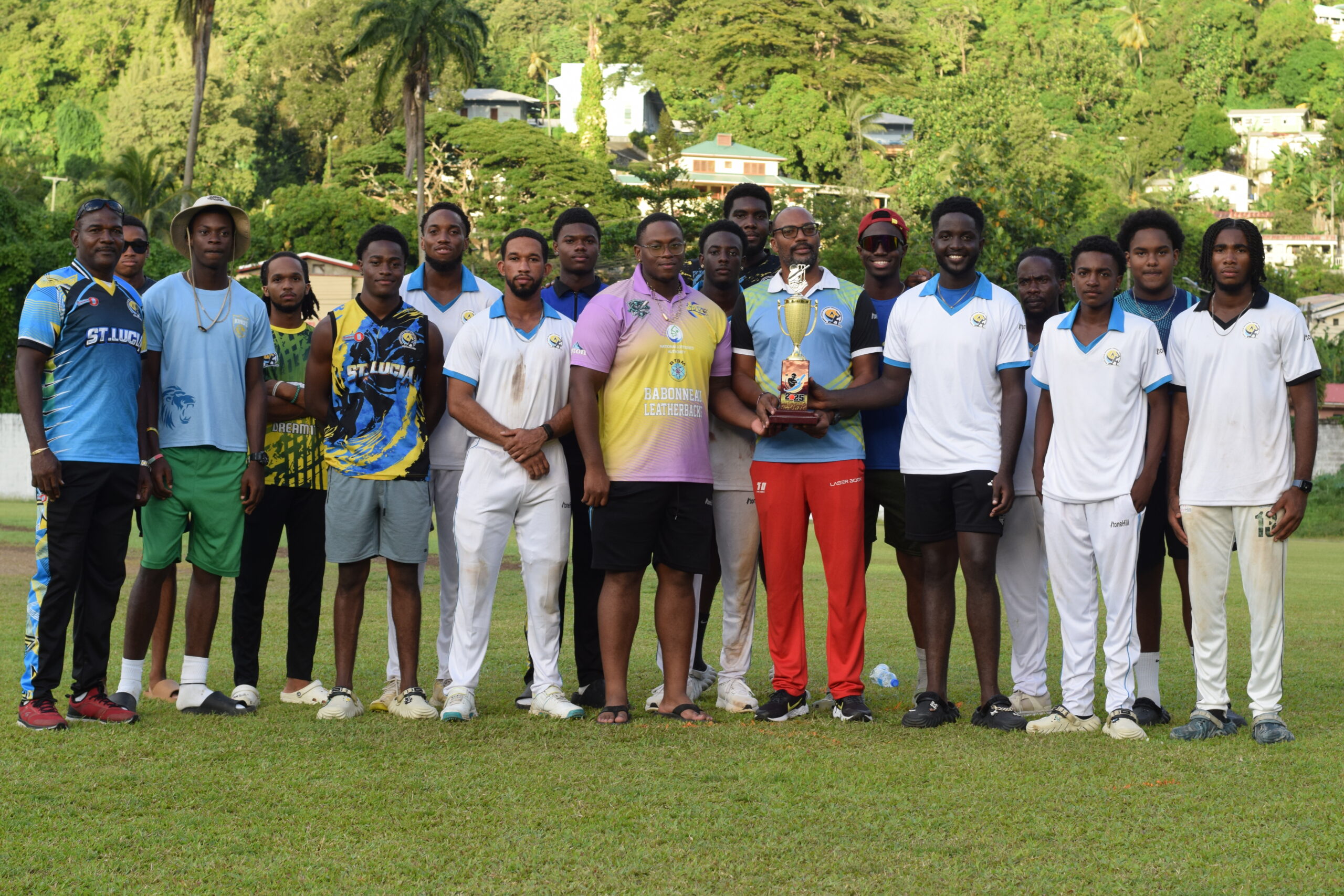
    Gros Islet Cricket Club has capped off a remarkable sporting year by securing consecutive victories in the Saint Lucia National Cricket Association Two-Day Tournament. The northerners claimed a decisive seven-wicket win against Central Castries in the championship finale held at Mindoo Phillip Park on December 28, 2025.

    The victory was orchestrated through exceptional individual performances that highlighted both batting prowess and bowling excellence. Young pace sensation Bjorn Fanis, a 17-year-old right-arm prodigy from Leon Hess Comprehensive Secondary School, delivered a career-best bowling performance of 5-22 during the first innings. His devastating spell dismantled Central Castries’ batting lineup, restricting them to a modest 136 runs.

    Gros Islet’s response was equally impressive, with wicketkeeper-batsman Noelle Leo showcasing his class with a magnificent century. The left-handed Windward Islands player smashed a fluent 130 from just 63 deliveries, featuring nine boundaries and eleven sixes. His dominant performance propelled Gros Islet to 289, establishing a substantial first-innings lead of 153 runs.

    Despite a stronger second-innings showing from Central Castries, who posted 304 runs, off-spinner Lee John emerged as the bowling hero with lifetime best figures of 8-85 from 19.1 overs. His precision bowling tore through the opposition’s batting order, limiting their competitive advantage.

    The chase for 152 runs became a formality as former West Indies Under-19 captain Kimani Melius unleashed a blistering 98 from just 41 balls, including eleven sixes and four boundaries. Though falling just short of his century, Melius’ explosive partnership with Leo ensured Gros Islet reached their target in only 15 overs, finishing at 152-3.

    This championship victory completes an extraordinary treble for Gros Islet, who earlier in the year claimed the 2024-2025 two-day competition, shared the Sandals Under-19 trophy with Central Castries, and triumphed in the National Lotteries Authority Saint Lucia Premier League.

  • RGPF establishes units to fight digital crimes

    RGPF establishes units to fight digital crimes

    In a strategic move to combat the escalating threat of digital crime, the Royal Grenada Police Force (RGPF) has formally launched two specialized technology units. Commissioner Randy Connaught announced the establishment of a Digital Forensic Unit and a Drones Unit during his year-end press conference, highlighting significant technological investments to address crimes ranging from digital fraud and data theft to online harassment.

    The Drone Unit, which began with a single aircraft, has now expanded into a full fleet operated by qualified pilots, with additional personnel currently undergoing training. While Commissioner Connaught showcased the drone program’s expansion, operational details of the Digital Forensic Unit remain closely guarded.

    This law enforcement modernization aligns with broader national security initiatives. Prime Minister Dickon Mitchell addressed Parliament in August 2024, emphasizing drone technology’s revolutionary potential, particularly for healthcare applications, and announced forthcoming regulations governing drone operations, including no-fly zones. However, these policies have not yet been formally gazetted into law.

    Assistant Commissioner Vannie Curwen provided stark context for these developments, noting the increasing digitalization of criminal activity. “We have been able to build out a Digital Forensic Unit giving us the capacity to go far, deep and wide into everything,” Curwen stated. “Every electronic gadget that is used to commit a crime, we will find you, and if you delete it, we will be able to find it again.”

    The urgency of these measures is underscored by a regional situational assessment conducted under the World Bank-funded Caribbean Digital Transformation Project (CARDTP). Published in August 2025, the report reveals cyber threats are proliferating faster than public comprehension, with Grenada showing particularly concerning trends.

    Focus groups conducted with Grenadian citizens revealed widespread experience with cyber incidents—from scams to impersonation and cyberbullying—yet fewer than half of participants could accurately define basic cybersecurity terms like “phishing” or “two-factor authentication.” Many believed cybercrime only targeted large institutions rather than ordinary citizens, and reporting rates remained low due to uncertainty about procedures, fear of embarrassment, and lack of trust in response systems.

    The assessment recommends comprehensive public education campaigns, increased visibility of cybersecurity resources like CSIRT Grenada, and enhanced support systems for vulnerable groups including teachers, parents, seniors, and small businesses.

  • Trump Claims the U.S. Destroyed a Major Facility in Venezuela, But Did It Actually Happen?

    Trump Claims the U.S. Destroyed a Major Facility in Venezuela, But Did It Actually Happen?

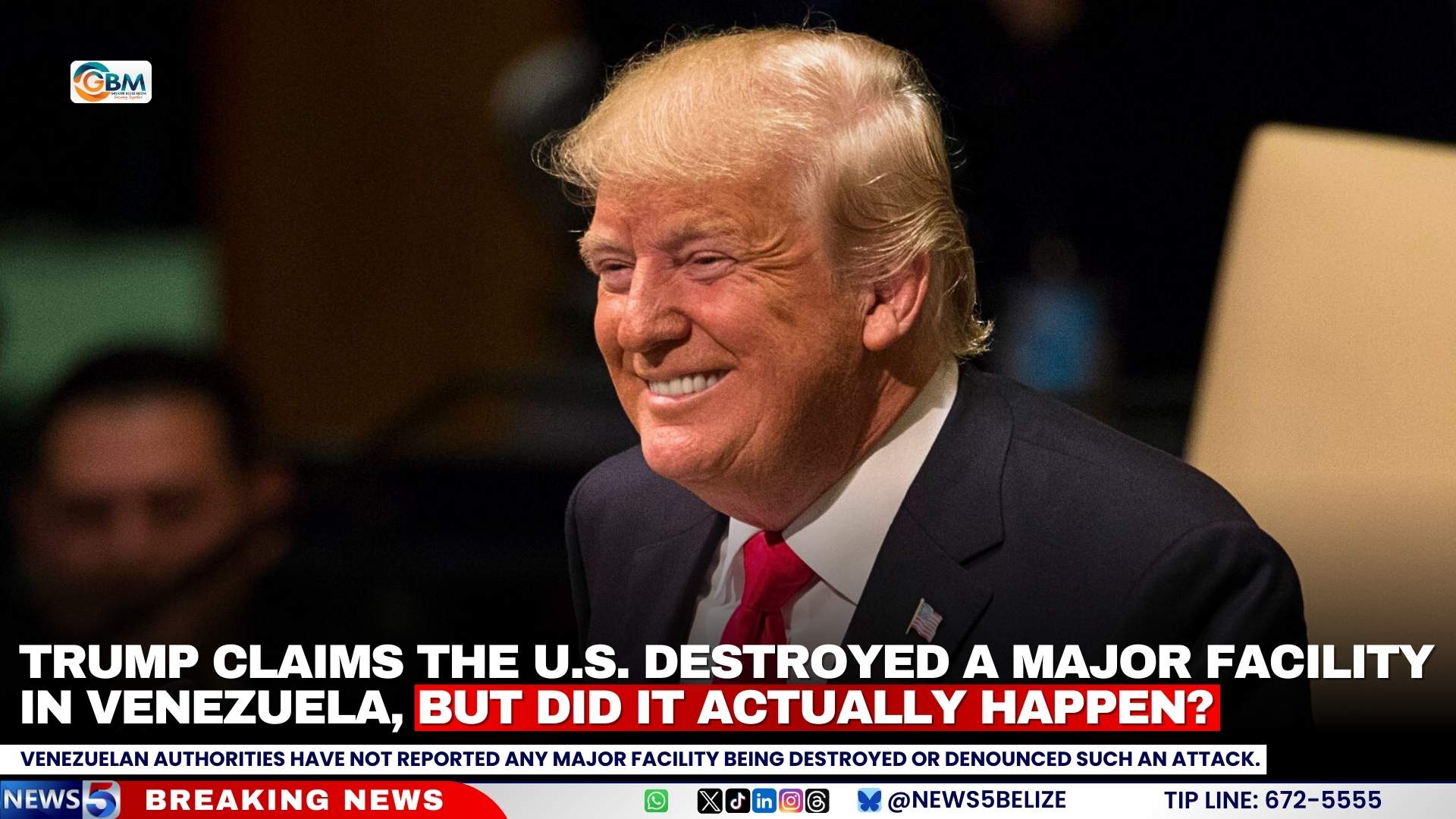
    In a controversial radio interview that has raised more questions than answers, former President Donald Trump asserted that U.S. forces recently destroyed a significant Venezuelan facility as part of ongoing pressure tactics against the Nicolás Maduro regime. During his appearance on WABC’s Friday broadcast, Trump made the cryptic declaration: “They possess a substantial plant or major facility where vessels originate. We eliminated that target two nights ago. We struck them with considerable force.

    The remarkable claim lacks official verification from multiple fronts. The White House has maintained complete silence regarding these assertions, declining all requests for clarification. Simultaneously, Venezuelan authorities have reported no major facility destruction nor issued formal complaints about any military incursion. The nature, location, and even existence of the alleged target remain shrouded in uncertainty.

    This ambiguous statement emerged during Trump’s broader discussion about American operations targeting Venezuela, including previously documented strikes against suspected narcotics trafficking vessels and the enforcement of oil tanker blockades under international sanctions regimes. The absence of corroborating evidence from either government has created an information vacuum, leaving analysts and observers to speculate about the veracity and context of these unsubstantiated claims.