作者: admin

  • WATCH: Senator Jamilla Kirwan Says Public Service Must Be About “Doing” Not “Shouting”

    WATCH: Senator Jamilla Kirwan Says Public Service Must Be About “Doing” Not “Shouting”

    As independent Senator Jamilla Kirwan prepares to rejoin the Australian Senate for a new parliamentary term, she is charting a deliberate departure from the acrimony that defines much of modern politics, saying public office should center on tangible service rather than performative confrontation.

    In a post-swearing-in interview, the first-term senator opened up about the personal and political trials she navigated in the months leading up to her return to parliament, noting these challenges tested her perseverance and deepened her dedication to serving the national public. “Beyond feeling overwhelmed, I am deeply humbled and incredibly honored to carry this responsibility,” Kirwan shared. “Strength only reveals itself when it is put to the test, and this role is that test for me.”

    Her short initial tenure in the upper house only reinforced her drive to contribute to public life and national progress, she said. Frameed by the principle that great responsibility comes with great privilege, Kirwan said she planned to approach her work with full energy and focus.

    Kirwan also turned her attention to the systemic barriers that keep women and young people from engaging in political life, pointing to the increasingly bitter tone of modern public discourse as a major deterrent for emerging leaders. “I have not been comfortable with the current political landscape,” she explained. “It has grown so caustic, so divisive, that it’s a traumatic experience for anyone entering politics — regardless of gender — and it pushes young people away before they even get started.”

    For Kirwan, effective politics should be rooted in community service, not ego-driven posturing, public shouting matches or performative arguments. “Voters don’t want representatives who care more about their own profile than getting things done,” she said. “They want leaders who show up for people, full stop.”

    She pointed to her six years leading the Calvin Air Foundation as proof of her commitment to empowering marginalized communities and advocating for groups that are often shut out of political conversations. “That work has always been about one thing: service,” she noted. “Standing with people who can’t advocate for themselves, and giving a voice to those who have been silenced.”

    The senator said she hopes her career path will encourage more young women to pursue political leadership, even amid the often harsh pressures of public life. Echoing her commitment to action over words, she said: “I don’t just plan to talk about change. I plan to deliver it. It’s not about preaching, it’s not about empty rhetoric — it’s about doing.”

    The swearing-in proceedings also carried deep personal meaning for Kirwan, who became emotional reflecting on the legacy of her late mother “Momi” Lucy, who passed away recently. Kirwan described her mother as a quiet, unassuming woman with unshakable resilience who always encouraged her to pursue any goal she set her mind to. “I will carry her legacy forward for myself and for my children,” she said.

    Looking ahead to the opening of the new parliamentary term, Kirwan said her first priority after formal swearing-in is to begin what she calls “the people’s work.” “No matter what comes across the agenda, I’m ready,” she said. “I’m prepared to do my part for the Australian public.”

  • Governor General Praises Jamilla Kirwan’s Strength as She Returns to Senate While Mourning Mother

    Governor General Praises Jamilla Kirwan’s Strength as She Returns to Senate While Mourning Mother

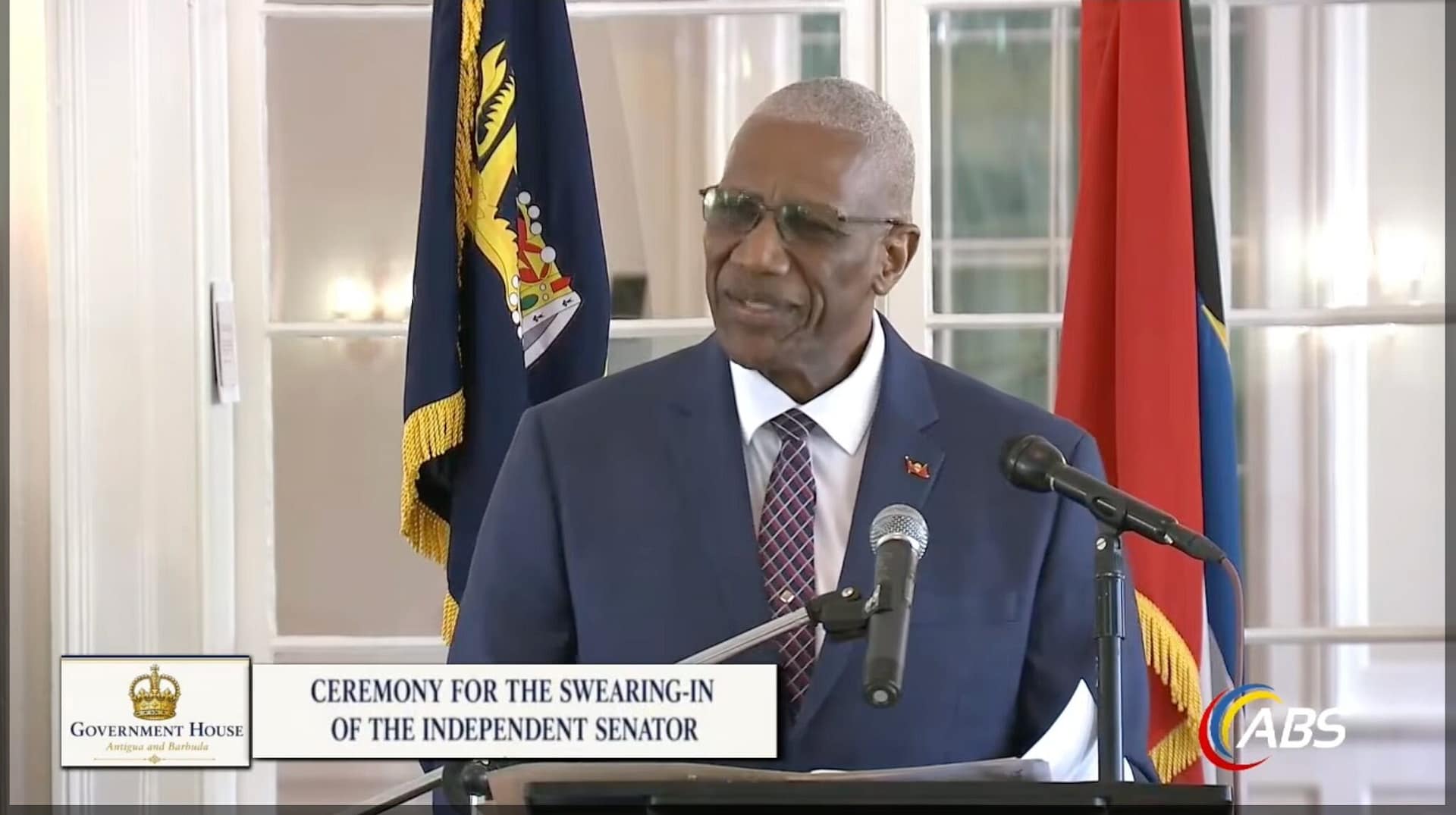
    In a moving swearing-in ceremony held at Government House on Monday, Governor General Sir Rodney Williams publicly honored the extraordinary resilience of independent Senator-designate Jamilla Kirwan, who stepped back into her Senate role just days after losing her mother, with her family’s funeral arrangements for the late matriarch still underway.

    Addressing attendees gathered for the formal occasion, Sir Rodney opened his remarks by acknowledging the heavy weight of personal sorrow that framed the day. He noted that while Kirwan was there to take the oath of office and resume her legislative duties, she remained in the depths of bereavement following the passing of her beloved parent.

    Sir Rodney described Kirwan’s late mother as the senator’s most steadfast cheerleader and a foundational source of strength throughout her life and public career. Extending sincere condolences to Kirwan and her entire family on their loss, the Governor General emphasized that Kirwan’s choice to continue her commitment to public service even in the midst of profound grief embodied the kind of courage that lifts up entire communities.

    “Even in grief, there are examples of strength that inspire us,” he told the assembled guests.

    Sir Rodney went on to reflect that the resilience people display is rarely born from circumstance alone. Instead, he argued, it is rooted in the values, work ethic, and determination passed between generations through family upbringing and shared experience. “There’s courage that comes not only from experience, but from upbringing — not only from circumstance, but from the values, resilience and determination passed on from one generation to the other,” he explained.

    As Kirwan prepares to take up her seat in the Upper House of Parliament, Sir Rodney noted that she carries far more than her own policy ambitions and public service goals. She also carries the lasting influence and unwavering spirit of the mother who helped shape her into the leader she is today.

    This swearing-in marks Kirwan’s return to the Senate, following her first initial appointment as an independent senator on November 27, 2025. Though her first term was short, Sir Rodney highlighted that even that brief period of service made clear Kirwan’s ability to contribute thoughtful, meaningful insight to national policy debates and legislative review processes.

    The Governor General also took a moment to thank Kirwan’s family and friends for their ongoing support, noting that public service is uniquely demanding, both professionally and emotionally, and that the backing of loved ones is critical to allowing elected and appointed officials to carry out their work.

    Speaking after the formal ceremony, an emotional Kirwan reflected on her mother’s lasting impact on her life and career. She shared her commitment to honoring her mother’s legacy by upholding the values her mother instilled in her and her children, as she carries forward her work in the Senate.

  • PRO rouwt om overlijden van hoofdbestuurslid Marlon Hoogdorp

    PRO rouwt om overlijden van hoofdbestuurslid Marlon Hoogdorp

    Suriname’s Party for Law and Development (PRO) has confirmed the passing of its prominent senior executive board member Marlon Hoogdorp, who died Monday evening at the age of 59. Hoogdorp had been hospitalized for two weeks prior to his death.

    A long-time supporter of PRO’s core mission, Hoogdorp officially joined the party in late 2024, drawn to its founding ideals of “law and development” — a framework that aligned closely with his own vision for equitable progress across Suriname. He quickly rose to a seat on the party’s top executive board, where he played an influential role in the lead-up to the 2025 Surinamese general elections. He was also named a candidate on the joint electoral list of the A20/DOE/PRO opposition coalition.

    Within PRO, Hoogdorp earned widespread respect for his deep expertise in communications and media strategy, as well as his naturally collaborative, community-focused demeanor. Party officials described him as a warm, committed, and driven public servant who remained dedicated to long-term, positive change for Suriname. Prior to his passing, Hoogdorp had been nominated to a senior post at the Surinamese embassy in Paris, and had already completed multiple specialized training programs to prepare for the role.

    In an official statement released this week, PRO expressed profound sadness over the loss of Hoogdorp, extended sincere gratitude for his years of contribution to both the party and Surinamese civil society, and offered condolences to his family, friends, and loved ones, wishing them strength in this difficult period of grief.

  • Students Struggle Through Record May Heat

    Students Struggle Through Record May Heat

    As the 2026 calendar moves into mid-May, the small Central American nation of Belize is grappling with an unprecedented heatwave that has spilled beyond outdoor public spaces to upend end-of-school-year learning in classrooms nationwide. What was already known as one of the hottest annual periods in the Caribbean has pushed into uncharted territory this year, with sweltering temperatures and crippling humidity creating unhealthy, distracting learning conditions for primary and secondary students across the country.

    In Belize City, Belize Elementary School has moved quickly to implement last-minute adaptations to help its student body cope with the extreme heat as the academic year draws to a close. Recent daily temperature readings in the capital have hovered consistently around 90 degrees Fahrenheit, but the region’s notoriously high humidity pushes the real-feel heat index well above 100 degrees – a dangerous level that leaves young people vulnerable to fatigue, heat discomfort and even heat-related illness. Regional meteorological trends across the Caribbean confirm that this pre-wet season period is running far hotter and more humid than historical averages, signaling a widespread shift in early-season weather patterns for the area.

    Majiba Sharp, principal of Belize Elementary School, told reporters that school staff first began observing clear impacts of the extreme heat on student performance and comfort earlier this month. “May is always extremely hot as we head into June, but this year is different – we could immediately see how many children were being affected by the heat trapped in our classrooms,” Sharp explained. In response, the administration rolled out two key temporary policy changes for the final weeks of the school year: first, it relaxed the formal school dress code to allow students to wear lightweight casual clothing instead of the standard structured uniforms. Second, it expanded access to drinking water to encourage consistent hydration, a critical protection against heat-related health issues.

    Under the new hydration rules, students are permitted to carry personal water bottles with them into all classes, and school-wide water coolers positioned across campus are open for unlimited refills throughout the school day. According to educators at the school, these small adjustments have already yielded measurable improvements. Before the changes, afternoon heat left students sluggish, distracted and disengaged during lessons – a problem that was particularly acute in the many classrooms across the school that are not equipped with air conditioning.

    Sharp confirmed that the student response to the new policies has been overwhelmingly positive, even as the high temperatures persist. “We haven’t had a single case of heat-related fainting among students since we made the changes,” she noted. “The kids don’t feel as sluggish and logy as they did before, and complaints about heat have dropped off dramatically. It’s still very hot, but we’ve made the environment manageable for learning.”

    Across Belize and the broader Caribbean region, May is historically one of the hottest months of the year, with heat indexes regularly climbing above 100 degrees due to the region’s tropical humidity. This year’s record-breaking event has drawn attention to the growing vulnerability of public infrastructure – including schools – to rising temperatures linked to shifting global climate patterns, prompting discussions about potential long-term adaptations for educational facilities across the country.

  • Another Facebook Marketplace robbery: Victim loses thousands in cash, items

    Another Facebook Marketplace robbery: Victim loses thousands in cash, items

    Authorities in Trinidad and Tobago have launched a search for three male suspects connected to a violent armed robbery that grew out of a Facebook Marketplace transaction, marking the latest in a string of similar crimes linked to the popular online classified platform. The Trinidad and Tobago Police Service (TTPS) has publicly renewed its urgent safety warnings for local residents using peer-to-peer online marketplaces, following the May 11 attack that left a 25-year-old victim thousands of dollars in losses.

    According to official police reports, the victim, a resident of Mayaro, had arranged a meeting with a person claiming to be a buyer for personal items he listed for sale on Facebook Marketplace. The pair agreed to meet at Plaisance Terrace in Laventille at roughly 11:45 a.m. on the day of the incident. While the victim waited for the supposed buyer to arrive, three unidentified men approached him and announced a hold-up at the location.

    The attackers robbed the victim of a wide range of valuables before fleeing the scene in an unknown direction. Stolen items include TT$7,000 in physical cash, two gold chains valued at TT$12,000 and TT$300 respectively, eight HY brand movie projectors worth a combined TT$1,864, and an Apple iPhone 14 Pro Max valued at approximately US$500, alongside additional unlisted personal belongings.

    In an official media statement addressing the incident, TTPS emphasized that this robbery is not an isolated event. It is one of multiple violent crimes reported to local law enforcement in recent weeks that trace back to transactions arranged through Facebook Marketplace. To reduce the risk of similar attacks on residents, the police service is reiterating its longstanding recommendation that all online peer-to-peer transactions take place at designated “Safe Exchange Zones.”

    These pre-vetted safe locations include local police stations, well-lit public areas, and sites equipped with active closed-circuit television surveillance, all of which create a far more secure environment for in-person exchanges and dramatically lower the risk of pre-planned robberies. Police also warned residents to exercise extra caution when interacting with potential buyers or sellers who refuse to agree to meet at an approved safe exchange zone.

    Alongside the warning, TTPS released a comprehensive set of safety guidelines for residents conducting transactions through any online marketplace platform. First, users should always verify the authenticity of a buyer’s or seller’s profile before agreeing to a meeting, and review past ratings or feedback to flag any patterns of suspicious behavior. Second, users are advised to view unusually low listing prices as a potential red flag for scams or criminal activity. Third, all in-person meetings should be scheduled during daylight hours in busy public spaces with high foot traffic, and isolated, low-traffic areas should be avoided entirely.

    Additional guidelines include thoroughly inspecting any items being purchased before completing payment, using secure, traceable payment options whenever possible, bringing a friend or family member to the meeting for added protection, holding off on handing over purchased items until payment has been fully processed and confirmed, and avoiding carrying large sums of cash when meeting for online transactions.

    For residents seeking more information on staying safe while engaging with online social platforms and marketplaces, TTPS encouraged the public to access its *Socially Safe* podcast, which is available to stream for free on YouTube and airs on Trinidad and Tobago Television.

  • Brian Murphy Appointed Incoming Chairman of the Antigua & Barbuda Hotels and Tourism Association

    Brian Murphy Appointed Incoming Chairman of the Antigua & Barbuda Hotels and Tourism Association

    The Antigua & Barbuda Hotels and Tourism Association (ABHTA) has announced the appointment of Brian Murphy as its incoming chairman, a move that industry insiders say signals a new chapter of strategic growth for the Caribbean nation’s critical tourism sector.

    Murphy, a longstanding figure in the region’s hospitality industry with decades of experience in hotel management and destination development, will step into the top leadership role of the association, which represents hundreds of accommodation providers, tourism service businesses and industry stakeholders across the twin-island nation.

    Tourism is the backbone of Antigua & Barbuda’s national economy, contributing more than 60% of the country’s gross domestic product and employing nearly half of the local workforce. Following the sharp industry-wide downturn caused by the COVID-19 pandemic, the association has prioritized rebuilding visitor confidence, expanding market reach, and advancing sustainable tourism practices to secure long-term resilience for the sector.

    Industry observers note that Murphy’s track record of collaborative leadership and deep understanding of both local operational challenges and global tourism trends positions him well to guide the association through its next set of priorities. These key initiatives include supporting small and medium-sized hospitality businesses, upskilling local tourism workforce, and promoting the islands’ brand as a premium, eco-conscious Caribbean travel destination in competitive global markets.

    The handover of the chairman role is scheduled to take place at the ABHTA’s annual general meeting in the coming months, where outgoing leadership will deliver their final report on the association’s recent achievements and outline ongoing priorities for the incoming leadership team.

  • “It’s About Time”, But Not Everyone Agrees With Latest SOE Crackdown

    “It’s About Time”, But Not Everyone Agrees With Latest SOE Crackdown

    In the wake of a devastating wave of retaliatory shootings that left Belize City on edge and communities shaken, Belizean authorities have enacted a 30-day State of Emergency (SOE) granting expanded police and military powers to crack down on urban violence, a move that has sparked fierce public debate across the Central American nation. The emergency declaration, formally issued this past Friday, came in direct response to a rapid string of deadly violent incidents that upended daily life in the capital, leaving residents hypervigilant and pushing officials to implement sweeping emergency measures to regain control of public safety. Under the terms of Statutory Instrument 50 of 2026, the new policy extends broad new authority to law enforcement officers and Belize Defence Force soldiers deployed in high-risk affected zones: these powers include conducting warrantless searches of private property, detaining suspects for up to 30 days without formal charges, and immediately shutting down any business that authorities suspect of being tied to violent criminal activity. As of this week, nine adult suspects have already been taken into custody and transferred to Belize Central Prison to await processing under the new emergency framework. Speaking to reporters on Monday, Commissioner of Police Dr. Richard Rosado moved quickly to reassure law-abiding residents that the extraordinary measures are deliberately targeted, not broad-reaching. “The SOE is specific to certain individuals and does not affect the law-abiding citizen in any way,” Rosado emphasized, adding that the operation is focused solely on dismantling violent criminal networks that have been driving the recent surge in shootings. The emergency order is set to remain in force for an initial 30-day period, with the National Development retaining the authority to extend the declaration if officials deem it necessary to maintain public order. Public reaction to the crackdown has been deeply split along competing concerns over public safety and civil liberties. Many Belizeans took to social media to voice enthusiastic support for the aggressive intervention, with many arguing that long-overdue action against criminal groups is long overdue. “It’s about time… These criminals are not thinking about us,” one widely shared online comment read, capturing the sentiment of residents who have grown exhausted by persistent gang violence in the city. But critics have pushed back forcefully against the expanded police powers, raising alarms over the potential for abuse of authority and violations of constitutional due process. One prominent online critic questioned, “Holding a person for up to 30 days? Wrong on so many levels,” adding that the policy grants individual officers unchecked power to close businesses based on nothing more than unproven suspicion. These concerns echo unresolved controversies from a prior SOE declared in 2020, when a group of detained men successfully challenged their detentions in court, arguing that the measures were unconstitutional and unjustified. That 2020 SOE also saw multiple formal accusations of excessive force and abuse of power against responding officers. Even some members of the public who support the goal of cracking down on violence have shared measured concerns about how officers will implement the new powers. “Well-intended, law-abiding citizens have no issues with these SI measures; however, there is valid concern as to whether the majority of police officers can remain civil as they execute their duties. Hoping for a successful operation,” one commenter noted, capturing the ambivalence of many residents caught between fears of violence and fears of overreach. As the 30-day operation gets underway, the Belizean public will be watching closely to see whether the SOE delivers on its promise of curbing violence without eroding the civil rights of ordinary residents.

  • Senator Jamila Kirwan Reflects on Family Loss and Resilience During Swearing-In Ceremony

    Senator Jamila Kirwan Reflects on Family Loss and Resilience During Swearing-In Ceremony

    At Monday’s formal Senate swearing-in ceremony, newly reappointed Senator Jamila Kirwan opened a heartfelt address that wove personal grief, family resilience, and a bold call for greater female political engagement into one memorable speech. Fresh from the April 30 general election that sealed her return to the Upper House, Kirwan centered her remarks on remembering her late mother, known affectionately as Mama Lucy, who passed away recently after a period of illness.

  • ABEC Chairman responds to allegations in the public

    ABEC Chairman responds to allegations in the public

    The Antigua and Barbuda Electoral Commission (ABEC) has issued a forceful, unqualified rejection of baseless, damaging claims made by its former chairman Bruce Goodwin during a recent appearance on Louisa Tully’s *Eye on the Issues* current affairs program. In his televised remarks, Goodwin targeted the institutional independence of ABEC and questioned the democratic legitimacy of the general election held on April 30, 2026.

    ABEC has emphasized that the accusations put forward by Goodwin are severe, completely unsubstantiated, and lack any shred of credible supporting evidence, demanding that the claims be thrown out in full. The electoral body has clearly affirmed that all of its governing policies, operational frameworks, and procedural workflows adhere strictly to national law, maintain full transparency, and uphold unwavering institutional independence. Contrary to Goodwin’s claims, ABEC says it has not been co-opted by the sitting government, is not controlled by any partisan political faction, and its electoral systems have no improper ties to any state apparatus for underhanded purposes. Any claims suggesting otherwise are described by the Commission as false, sensational, and deeply irresponsible.

    The organization expressed particular disappointment that the misleading claims originated from a former ABEC chairman, an individual who should be fully aware of the constitutional significance of the commission’s independent status and the severe harm that unsubstantiated public misinformation can inflict on public trust in democratic institutions. ABEC stresses that this type of fact-free, inflammatory public commentary does not qualify as constructive public service. Instead, it frames the remarks as a direct assault on the integrity of the entire national electoral process.

    ABEC further reaffirmed that all of its operational conduct, procedural protocols, and internal decision-making align with globally accepted democratic standards, and remain fully open to independent review. Local, regional, and international observer groups that monitored the 2026 general election have already verified the transparency and integrity of the commission’s work, a reality that attempts to discredit the body through sensational, unproven claims cannot change, the statement says.

    The commission also fully rejects the unfair implications cast on the Supervisor of Elections, sitting ABEC commissioners, and the commission’s hardworking staff and scrutineers. These election officials carried out their constitutional duties with professionalism, integrity, and relentless dedication, ABEC says, and they deserve full protection for their professional reputations against falsehood, implied slander, and politically motivated misrepresentation.

    In its official statement, ABEC outlined a clear path for anyone claiming electoral misconduct: any individual holding credible evidence of wrongdoing must submit that evidence to the appropriate legally authorized body for investigation. The commission says that spreading unproven serious accusations through public platforms, done deliberately to stoke public suspicion and damage the reputations of democratic institutions, constitutes a reckless abuse of free public commentary and undermines the norms of responsible democratic participation.

    The electoral body has called on the general public of Antigua and Barbuda to dismiss Goodwin’s claims entirely, urging voters not to confuse unsubstantiated rhetoric, repeated falsehoods and deliberate provocation with actual proof of misconduct. ABEC remains fully committed to upholding its constitutional and statutory mandate, and will continue to adhere to the highest standards of impartiality, legal compliance, transparency, and professional electoral administration. The commission says it will not accept the deliberate erosion of constructive public discourse through false claims and manufactured political scandal.

    Finally, ABEC is demanding that Goodwin issue a full retraction of his unfounded, irresponsible, and damaging remarks. The commission has confirmed that it utterly rejects these false claims, and will pursue all necessary legal action to defend its institutional independence, its electoral officials, and the integrity of Antigua and Barbuda’s democratic electoral process.

  • Caught in the Machine: How AI Is Upending the Classroom and What It Means for the Caribbean

    Caught in the Machine: How AI Is Upending the Classroom and What It Means for the Caribbean

    In 2024, a Maryland high school student named Ailsa Ostovitz learned firsthand the unforeseen costs of the global rush to police AI use in education. When she turned in a deeply personal essay about her love of music, her teacher ran the submission through a commercial AI detection tool, which incorrectly flagged the work as machine-generated and downgraded her grade. Ostovitz, who never used AI to draft the assignment, told NPR her frustration was overwhelming: “I write about music. I love music. Why would I use AI to write something that I like talking about?”

    Ostovitz’s experience is far from an isolated incident. It has become an increasingly common reality as generative AI tools like ChatGPT have upended academic norms across North America, Europe, and now the Caribbean. While mainstream headlines have centered chaos in U.S. and U.K. campuses, students across Caribbean nations—including Belize, where learners are currently preparing for CSEC and CAPE School-Based Assessments (SBAs)—are now navigating a web of new AI rules, detection tools, and punitive consequences that did not exist just two years ago.

    There is no denying that AI-facilitated academic misconduct is a growing challenge. A 2024 investigation by The Guardian, drawing on official data from 131 U.K. universities, recorded nearly 7,000 confirmed AI-related cheating cases that academic year—equivalent to 5.1 cases per 1,000 students, up sharply from just 1.6 cases per 1,000 the year prior. A separate survey from the Higher Education Policy Institute found that 88% of all students now use generative AI for their assessments, a jump from 53% just 12 months earlier. Researchers at the University of Reading tested popular AI detection systems and found that 94% of fully AI-generated work slipped past the tools undetected. Traditional plagiarism, by contrast, has plummeted: what once made up nearly two-thirds of all academic misconduct has now been displaced by a harder-to-detect, harder-to-define form of academic dishonesty. Cheating has not disappeared—it has fundamentally transformed.

    Casey Cuny, a 23-year veteran California high school English teacher, summed up the scale of the shift in a 2025 Associated Press interview: “The cheating is off the charts. It’s the worst I’ve seen in my entire career.” At St. Peter’s University in New Jersey, professor Stephen Cicirelli went viral on social media after highlighting a particularly absurd example: one of his students turned in a fully AI-written paper, then followed up with an apology email that was also written by ChatGPT.

    The widespread institutional response to this shift has been to fight AI with AI. Turnitin, the plagiarism detection platform used by more than 16,000 academic institutions globally, launched an AI detection feature in 2023, and competitors like GPTZero and Copyleaks quickly followed suit. School districts have poured hundreds of thousands of dollars into these tools: Florida’s Broward County Public Schools signed a three-year $550,000 Turnitin contract, while an Ohio school district pays GPTZero roughly $5,600 annually to serve 27 of its teachers.

    But leading academic integrity researchers universally agree these tools are too unreliable to shape high-stakes decisions about students’ academic futures. “It’s now fairly well established in the academic integrity field that these tools are not fit for purpose,” says Mike Perkins, a leading AI and academic integrity researcher whose work is cited by the Caribbean Examinations Council (CXC) in its own AI policy framework. Perkins’ research found that top detectors regularly mislabel genuine student work as AI-generated, and their accuracy drops even further when students lightly edit AI text to read more like human writing.

    Even the companies that sell these tools acknowledge their flaws. Turnitin states openly on its website that its AI detection “may not always be accurate… so it should not be used as the sole basis for adverse actions against a student.” GPTZero CEO Edward Tian has echoed that caution, saying “We definitely don’t believe this is a punishment tool.” Despite these warnings, a 2025 nationally representative poll from the Center for Democracy and Technology found that more than 40% of U.S. 6th to 12th grade teachers used AI detection tools in the 2024–2025 school year, even as most admitted the tools are flawed. A small number of leading institutions, including UCLA and UC San Diego, have taken a bolder step, deactivating all AI detectors entirely over unacceptable rates of false positives.

    One of the most alarming, and most underreported, flaws of AI detection tools is their systematic bias against students who speak English as a second language—a dynamic that carries outsized risk for Caribbean learners. A 2024 study from Stanford computer scientists found that seven leading AI detectors incorrectly flagged non-native English speakers’ writing as AI-generated 61% of the time. For roughly 20% of those papers, every detector tested unanimously agreed the authentic human work was machine-produced. By contrast, detectors almost never made that mistake when evaluating writing from native English speakers.

    This bias is baked into the design of the tools: AI detectors flag text as machine-generated when it uses predictable word choice and simple syntactic structure, patterns that are common in writing by non-native English speakers. “The design of many GPT detectors inherently discriminates against non-native authors, particularly those exhibiting restricted linguistic diversity and word choice,” explained study co-author Weixin Liang. For Caribbean students, this is not an abstract academic concern: across CSEC and CAPE cohorts, English is the medium of instruction, but many students go home to households where Kriol, Garifuna, Spanish, or other regional languages are the primary language. A student writing in straightforward sentence structure because they are translating their thoughts from a first language faces the same risk of false flagging as non-native speakers at U.S. and European universities.

    Taylor Hahn, a Johns Hopkins University instructor who noticed this pattern in Turnitin’s flagging of international students’ work, recalled one meeting where a student immediately produced clear proof of original work—full draft notes, annotated drafts, and handwritten outlines—proving the tool had simply been wrong. Incidents like this have pushed students to take extreme measures to avoid false accusations, sparking a new technological arms race in classrooms. As detection tools proliferated, a multi-million dollar counter-industry of “AI humanizer” tools emerged almost overnight. More than 150 of these tools now exist, designed to rewrite AI-generated text to evade detection algorithms. While some are free, others charge a $20 monthly subscription, and the industry drew 33.9 million website visits in a single month at the end of 2025.

    While many users rely on humanizers to cover up intentional cheating, a growing number of students who never use AI run their own original work through these tools just to avoid false accusations—a heartbreaking compromise that erodes the quality of their writing. Brittany Carr, a Liberty University student, was falsely flagged after turning in a personal essay about her own experience with a cancer diagnosis. “How could AI make any of that up?” she wrote to her professor. “I spoke about my cancer diagnosis and being depressed and my journey and you believe that is AI?” Fearing that a false finding would cost her VA educational financial aid, Carr began running every assignment through detection tools and rewriting any section the tools flagged. “But it does feel like my writing isn’t giving insight into anything. I’m writing just so that I don’t flag those AI detectors.” After the semester ended, she dropped out of the university entirely.

    Back in Maryland, Ailsa Ostovitz now spends an extra half hour running every assignment she writes through multiple detection tools before submitting, just to avoid the grade penalty she received once. Turnitin has responded to the rise of humanizers by launching new “bypasser detection” features, while humanizer tools have updated their technology to mimic human keystroke patterns to defeat browser-based tracking. As one student put it: “So it’s like, how far do you want to go down the rabbit hole? I’m making myself crazy.”

    While the detection arms race spirals out of control in North America and Europe, the Caribbean has taken a fundamentally different approach, centered on human judgment rather than algorithmic verdicts, and framing AI as a pedagogical resource rather than an existential threat. In a May 2026 video address titled “Who You Choose to Be,” CXC Director of Operations Dr. Nicole Manning spoke directly to regional students and teachers, delivering an unambiguous message on AI detection: “AI checkers are one input. They are not the verdict. There will be human interventions right through the process to ensure fairness.”

    That policy comes in response to a gap the CXC identified across the region: a December 2024 CXC study found that roughly 70% of Caribbean nations still lack official national AI policies for education, even as AI tools have become ubiquitous in regional classrooms. That gap prompted the CXC to develop a comprehensive Standards and Guidelines framework that went into effect for the 2026 May-June examination cycle—the same sitting that thousands of students across Belize and the Caribbean are currently preparing for.

    Under the CXC framework, AI is permitted for use in SBAs with clear, transparent boundaries. Students can use AI to brainstorm ideas, clarify difficult concepts, explain unfamiliar terms, or draft structural outlines for their work. They may not submit work that is generated wholly or mostly by AI, and any student who uses AI in any capacity must submit a formal disclosure form and originality report. The acceptable AI similarity threshold is set at 20%, and teachers are required to provide detailed rationale for any findings of academic misconduct for submissions that exceed the threshold.

    The framework draws directly on the AI Assessment Scale developed by Mike Perkins, the same researcher who has repeatedly warned that commercial AI detectors are “not fit for purpose.” Instead of outsourcing academic judgment to unproven software, the CXC built its system around the longstanding teacher-student relationship that sits at the core of effective education. “The teacher-student relationship built over months of observation, drafts, conversations, and guidance remains central to how SBAs are moderated and assessed,” Dr. Manning explained.

    CXC Registrar and CEO Wayne Wesley added that the framework requires a rethinking of longstanding assessment practices: “You have to engage students in more one-on-one conversations to appreciate whether the work they are presenting is truly their own. It also requires us to re-think how assessment is done from a summative and formative standpoint.”

    At the tertiary level, the University of the West Indies (UWI), whose Open Campus serves students across Belize and the entire Caribbean, is also moving toward systemic, region-specific change. In late April 2026, UWI announced a partnership with the University of the West of Scotland to join the IntegraGuard Project, an initiative designed to build fair, transparent academic integrity systems that combine AI-assisted detection with human investigation—rather than replacing human judgment with algorithmic decisions. UWI has also finalized its own institutional Artificial Intelligence Policy Framework and launched a dedicated AI Institute at its St. Augustine Campus, designed to address the Caribbean’s unique development challenges through AI. The institute recognizes that the region cannot simply import policy frameworks designed for wealthy nations with different linguistic, historical, and educational contexts.

    As CXC Director of Technological Innovation Rodney Payne put it, reflecting on the region’s coordinated approach: “For us to benefit as a region, we need harmonious development, utilising the technologies across the board. It’s not going to help us if one state moves ahead quickly and the others are struggling to follow.”

    Most education experts agree that punishing students based on unreliable algorithmic findings is not a sustainable solution. Carrie Cofer, a Cleveland high school English teacher, tested GPTZero by uploading a chapter of her own PhD dissertation, and the tool labeled it 89 to 91% AI-written. “I don’t think it’s an efficacious use of their money,” she said of institutional spending on AI detection. “The kids are going to get around it one way or the other.”

    Erin Ramirez, an associate professor at California State University Monterey Bay, summed up the unfair burden placed on innocent students, a reality that hits Caribbean learners particularly hard: “Students now are trying to prove that they’re human, even though they might have never touched AI ever.” For students already navigating linguistic and economic barriers that many Caribbean learners face, the extra burden of proving their authenticity to a machine is an unnecessary injustice that should concern everyone in education.

    A small but growing number of institutions have already rejected detection tools entirely: the University of Pittsburgh scrapped all AI detection in 2025, concluding that false positives “carry the risk of loss of student trust, confidence and motivation, bad publicity, and potential legal sanctions.” Most global institutions have not yet followed that lead. But the CXC’s alternative framework offers a clear path forward, centered on core academic values rather than technological panic. As Dr. Manning put it: “Integrity is not about whether a machine can detect what you did. It is about who you choose to be.”