作者: admin

  • Economist wary of financial benefits of cruise tourism to Barbados

    Economist wary of financial benefits of cruise tourism to Barbados

    Dr. Delisle Worrell, former Governor of the Central Bank of Barbados, has issued a compelling call for Caribbean governments to reassess the economic value of cruise tourism through updated data analysis. In his December economic letter, the distinguished economist presents evidence suggesting traditional retail sectors across the region no longer benefit from cruise ship arrivals due to fundamental industry transformations.

    Dr. Worrell identifies three structural shifts undermining local economies: The proliferation of massive cruise vessels now feature extensive onboard shopping complexes offering brands previously exclusive to shore-based retailers. Additionally, the democratization of cruising has altered passenger demographics and spending patterns, with contemporary tourists showing preference for inexpensive imported souvenirs rather than high-value duty-free purchases. Finally, local artisans cannot compete with mass-produced imports on price points, despite offering superior quality and authenticity.

    These market transformations have produced visible economic consequences. The economist cites Punda in Curaçao—once a thriving commercial Mecca for cruise tourists—as now representing a mere shadow of its former glory. Similarly, Bridgetown’s Broad Street in Barbados, which historically flourished with venerable retail establishments and international banking operations, has experienced significant commercial decline. Contemporary travel bloggers now focus on Swan Street’s bazaar rather than the formerly prestigious shopping district.

    Dr. Worrell’s observations extend beyond these documented cases. A recent visit to Bermuda’s Dockyard, despite substantial government investment converting historic naval buildings into commercial spaces, revealed quiet streets and empty shops despite nearby cruise ship presence. The former IMF consultant concludes that the assumed positive economic net balance of cruise tourism requires urgent empirical verification through updated research methodologies.

  • MBS spends more than $40m a year on NCD drugs and overseas care

    MBS spends more than $40m a year on NCD drugs and overseas care

    Antigua and Barbuda’s healthcare system is grappling with a significant financial burden, as revealed by Health Minister Sir Molwyn Joseph. The nation’s Medical Benefits Scheme (MBS) allocates over $40 million annually to address mounting health challenges, primarily driven by non-communicable diseases (NCDs).

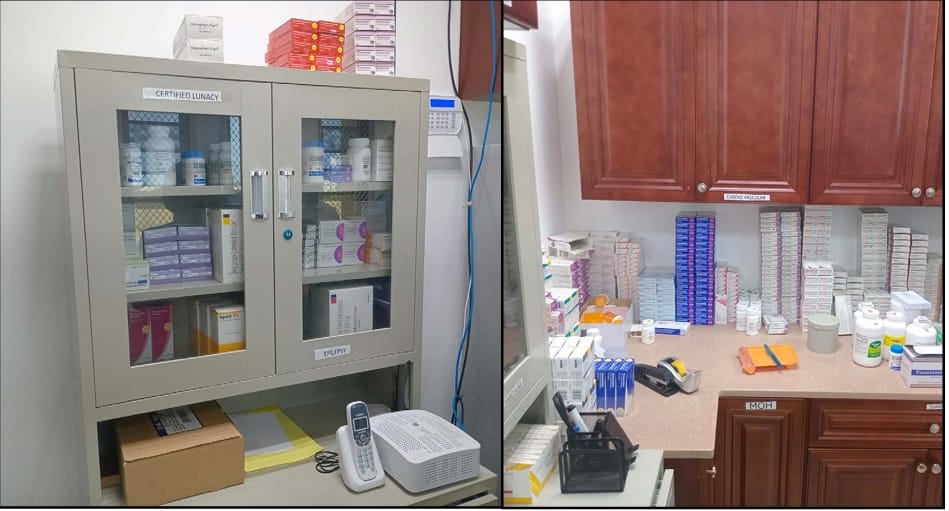
    Minister Joseph, speaking at the inauguration of a new polyclinic, provided a detailed breakdown of this substantial expenditure. Approximately $25 million is channeled each year into pharmaceutical purchases through the OECD Drug Procurement Programme, a strategic partnership that helps mitigate medication costs. The majority of these drugs are essential for managing chronic conditions, with diabetes treatments representing a considerable portion.

    An additional $15 million is dedicated to overseas medical referrals for specialized treatments not available within the country’s domestic healthcare infrastructure. Minister Joseph expressed deep concern over the ‘alarming’ escalation in NCD-related fatalities, directly linking this trend to lifestyle factors. He emphasized the critical importance of preventive healthcare strategies, advocating for improved nutrition and regular physical activity supported by broader collaborative efforts.

    MBS Board Chairman Sir Heston Benjamin highlighted that the newly opened polyclinic pharmacy aims to enhance healthcare accessibility and patient convenience. Andre Howell, Head of MBS Pharmaceutical Services, noted that the facility represents an evolution in healthcare delivery, reflecting an increased focus on chronic illness management including heart disease, cancer, diabetes, and respiratory conditions.

    The ceremonial opening concluded with a ribbon-cutting event attended by Minister Joseph and Keston Simon, Chief Executive of the Sir Lester Bird Medical Centre, marking a significant step in the nation’s healthcare modernization efforts.

  • PLH advances Barbuda projects with focus on training and environmental protection

    PLH advances Barbuda projects with focus on training and environmental protection

    The PLH Group is charting a progressive course for its development initiatives on the island of Barbuda, placing significant emphasis on two core pillars: comprehensive local workforce training and rigorous environmental protection protocols. This dual-focused strategy aims to ensure that the ambitious projects not only boost economic prospects but also foster sustainable growth and ecological stewardship.

    Central to this approach is the creation of specialized training programs designed to equip Barbudan residents with high-value skills in construction, hospitality, and environmental management. This initiative is poised to generate long-term employment opportunities and empower the local community, enabling them to actively participate in and benefit from the island’s development trajectory.

    Concurrently, PLH has committed to implementing a robust framework for environmental conservation. This includes measures to protect fragile coastal ecosystems, preserve native wildlife habitats, and integrate green building standards across all developments. The group is collaborating with environmental experts and local conservation bodies to minimize the ecological footprint of its operations, ensuring that natural beauty and biodiversity are maintained for future generations.

    The integrated model of prioritizing both human capital and environmental integrity represents a modern paradigm for responsible development in sensitive island regions, balancing economic advancement with unwavering commitments to community and conservation.

  • Cave Hill med grads take oath

    Cave Hill med grads take oath

    In a significant milestone for Caribbean medical education, twelve newly minted physicians from the University of the West Indies Cave Hill campus formally entered the medical profession Thursday during a solemn ceremony at Queen Elizabeth Hospital. The graduates, having completed their intensive five-year Bachelor of Medicine and Bachelor of Surgery (MBBS) program, pledged their commitment to medical ethics through the historic Hippocratic Oath.

    Faculty Dean Dr. Damian Cohall addressed the cohort, emphasizing that their oath-taking ceremony marked merely the commencement of their professional responsibilities rather than a culmination of their training. He clarified that provisional registration would enable their transition into internship programs, but stressed this phase demands rigorous accountability and performance evaluation. ‘This internship constitutes far more than merely serving time—it involves continuous assessment leading to full Medical Council registration upon successful completion,’ Dr. Cohall stated.

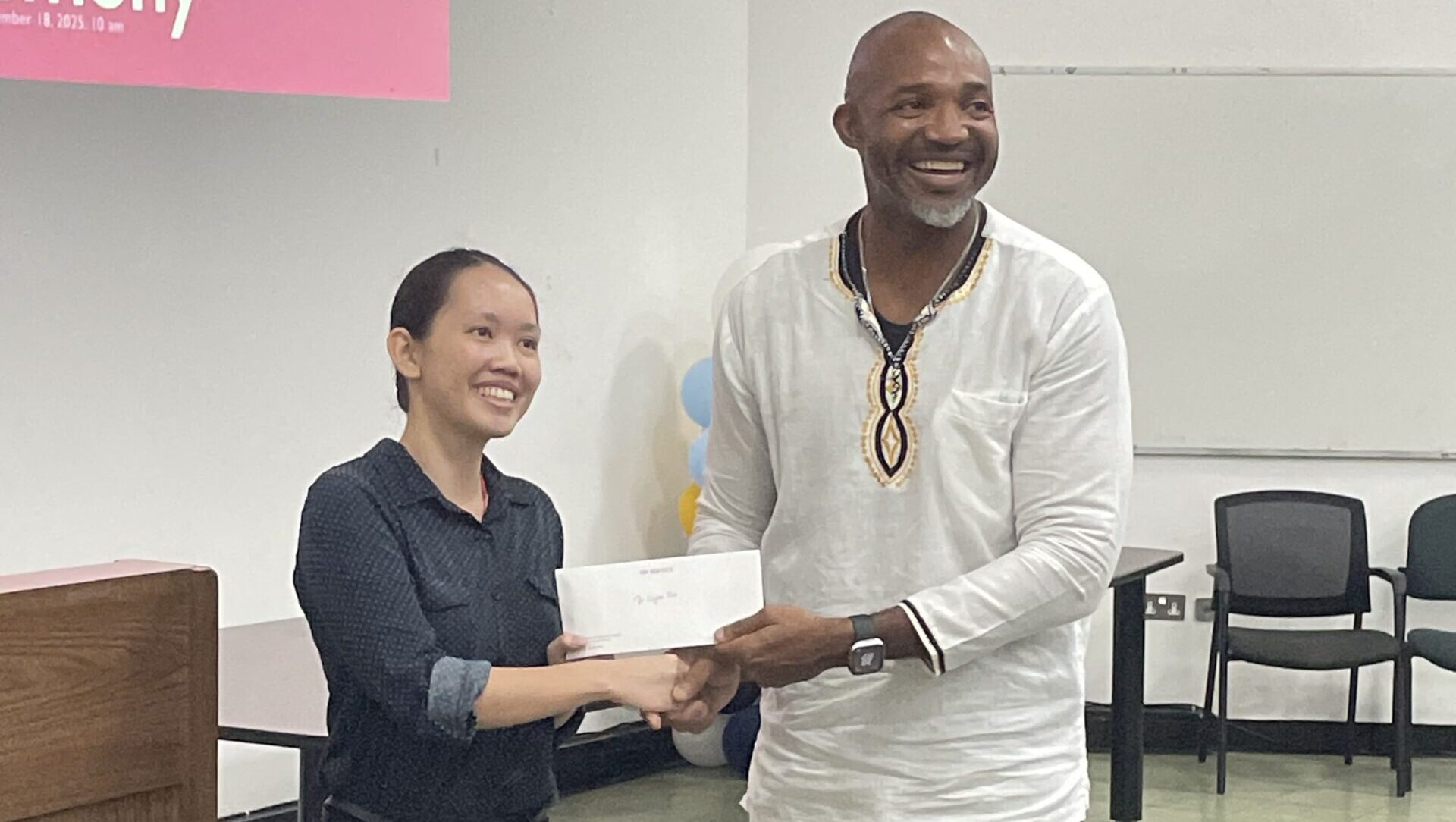
    The dean notably dispelled any assumptions about automatic internship placements, asserting that positions must be competitively earned rather than expected as entitlements. He simultaneously highlighted Cave Hill’s exceptional educational standards, revealing the campus achieved top performance in recent unified MBBS examinations across Barbados and Trinidad’s St. Augustine campus. Graduate Dr. Liyee Su received special recognition for attaining the highest overall scores and excelling in clinical examinations.

    While celebrating these accomplishments, Dr. Cohall urged graduates to embrace lifelong learning, ethical practice, and compassionate patient care. His sentiments were echoed by QEH Director of Medical Services Dr. Carlos Chase, who reminded the new physicians of their privileged position in one of humanity’s oldest professions. Dr. Chase emphasized the non-traditional nature of medical careers, noting ‘This transcends conventional nine-to-five employment—you carry continuous duty of care responsibilities.’

    Medical Students’ Association president Joshua Grant-Desir reflected on the resilience forged through shared challenges, emphasizing that professional camaraderie would sustain them through future difficulties. Graduating doctor Aleysha Williams acknowledged the demanding nature of their training journey while expressing profound gratitude to faculty, mentors, and family supporters.

    The hybrid ceremony, accommodating virtual participants from Trinidad and Eastern Caribbean nations, included special recognitions for academic excellence. Graduates now await further communication regarding provisional registration and regional internship placements at accredited hospitals throughout the Caribbean.

  • Not ready for work or unfit by design?

    Not ready for work or unfit by design?

    A persistent anxiety reverberates through the employment sector with concerning regularity: employers consistently report that young entrants into the workforce are fundamentally unprepared. The litany of complaints is familiar—deficiencies in communication, independent thinking, and proactive initiative. However, this perceived lack of readiness is not a sudden development manifesting at age eighteen or during job interviews; rather, it represents the culmination of systemic educational and developmental failures that begin in early childhood.

    The foundation of this readiness crisis becomes visible at the earliest stages of formal education. Educators at nursery and reception levels increasingly observe children entering school without foundational abilities once considered basic. These challenges range from difficulties in following simple instructions and inadequate pencil control to incomplete toilet training and an inability to perform basic personal tasks without adult assistance. These observations highlight critical gaps in early development of confidence, motor skills, and self-efficacy—cornerstones of future independence.

    As students progress to primary education, the pattern persists with concerns shifting to academic fundamentals. Educators note declining fluency in reading, deteriorating numeracy skills, and poor recall of basic information such as multiplication tables. The unspoken reality is that these skills were historically reinforced through consistent home and community support—a reinforcement mechanism that has become increasingly inconsistent or absent in contemporary society.

    The transition to secondary education reveals how these early gaps widen into significant deficits. As academic content becomes more demanding, students struggle with shaky foundational skills that affect every subject. Poor reading comprehension hinders learning across disciplines, while weak writing skills mask actual understanding. Organizational deficits are misinterpreted as laziness, and lack of confidence manifests as disengagement—all while education systems prioritize exam results over addressing the missing scaffolding necessary for genuine learning.

    The decline of handwriting offers a particularly revealing case study in this educational crisis. The physical act of writing serves as a cognitive process that strengthens memory, reinforces letter recognition, supports reading development, and builds fine motor skills essential for broader learning. As technology advances, handwriting practice diminishes, leading to deteriorated penmanship that prompts educators to allow typing—addressing immediate legibility concerns while inadvertently weakening the cognitive processes that support deeper understanding.

    These educational deficits do not vanish upon graduation but accompany young adults into vocational training programs and workplace environments. When employers note difficulties with communication, expectation management, and professional adaptation, they are witnessing the end result of years of compounded developmental gaps rather than sudden failures of individual candidates.

    The emergence of artificial intelligence has further complicated this landscape. With AI now capable of generating resumes, cover letters, and application responses, the disconnection between polished documentation and actual capability has never been greater. Educational institutions struggle to detect and restrict AI use, but such prohibitions cannot prevent external utilization of available technological tools.

    This technological shift necessitates a fundamental transformation in both educational assessment and employment recruitment. Evaluation must move beyond polished outputs to demonstrate real-time capability—through interviews requiring verbal explanation of thought processes, practical task completion, problem-solving exercises, and real-time skill demonstration. In an AI-driven world, human interaction skills, adaptive thinking, and responsive communication become increasingly valuable attributes.

    Forward-thinking voices like Philip Tempro of JADA emphasize the critical importance of actual skills over paper qualifications, challenging a system that prioritizes completion certificates over genuine competence while undervaluing technical, creative, and vocational pathways. The resulting surprise at workforce unpreparedness reflects systemic failures rather than individual shortcomings.

    Similarly, employer complaints about unrealistic expectations among young employees reflect an educational system that fails to provide meaningful exposure to workplace realities, progression mechanisms, and the relationship between skill development, effort, experience, and earning potential.

    Addressing this multifaceted crisis requires moving beyond blame directed at youth, parents, or teachers individually. Instead, it demands a comprehensive conversation about multi-level support systems encompassing early childhood development, family engagement, community responsibility, school design, curriculum relevance, and industry partnership. These interconnected elements represent different stages of the same developmental pipeline.

    Historically, communities collectively reinforced learning and development across multiple environments and through various adult influences. While this collective scaffolding has weakened in contemporary society, expectations for capable, work-ready adults remain unchanged despite the erosion of systems that once produced them.

    The fundamental question is not whether young people are ready for work, but whether our education systems, social structures, and collective priorities are prepared to take responsibility for creating the conditions that genuine readiness requires. Without confronting this challenge, we risk perpetuating cyclical debates about educational failure without addressing the systemic design flaws that prevent success.
  • Christmas carelessness could reverse drop in fires – Fire Service

    Christmas carelessness could reverse drop in fires – Fire Service

    The Barbados Fire Service has documented a notable reduction in fire incidents across multiple categories this year, though authorities caution that seasonal complacency during Christmas celebrations could rapidly reverse these safety improvements. Acting Chief Fire Officer Henderson Patrick revealed that emergency responders addressed 1,557 incidents during the initial eleven months of 2025, comprising 64 residential fires, 58 vehicle fires, and 11 commercial property blazes. These figures represent significant decreases of nine percent in both residential and vehicle fires, alongside a four percent reduction in commercial building incidents compared to the equivalent period in 2024.

    Patrick attributed this positive trajectory to enhanced public awareness and improved safety-conscious decision making among citizens. However, he emphasized the heightened vulnerability during the festive period, noting that traditional Christmas activities involving increased cooking, elaborate decorations, extensive travel, and social gatherings substantially elevate fire risks. The Fire Service specifically warned against electrical circuit overloading, unattended cooking appliances, and improper placement of decorative lighting near flammable materials or water sources.

    In his comprehensive Christmas safety message, Patrick urged particular vigilance regarding live Christmas tree maintenance, certified decorative light usage, and overnight unplugging of decorations. The Service additionally reinforced road safety protocols, advocating against speeding, distracted driving, and impaired operation of vehicles following social functions.

    The acting fire chief reiterated the critical importance of immediate emergency reporting through the 311 hotline, emphasizing that prompt notification remains essential for preventing minor incidents from escalating into catastrophic events. Patrick concluded with an expression of continued commitment to public safety education and risk mitigation strategies, while appealing for special community attention toward vulnerable populations including elderly residents, individuals with disabilities, and those living alone during the holiday period.

  • Trump signs executive order that could reclassify marijuana as a less dangerous drug

    Trump signs executive order that could reclassify marijuana as a less dangerous drug

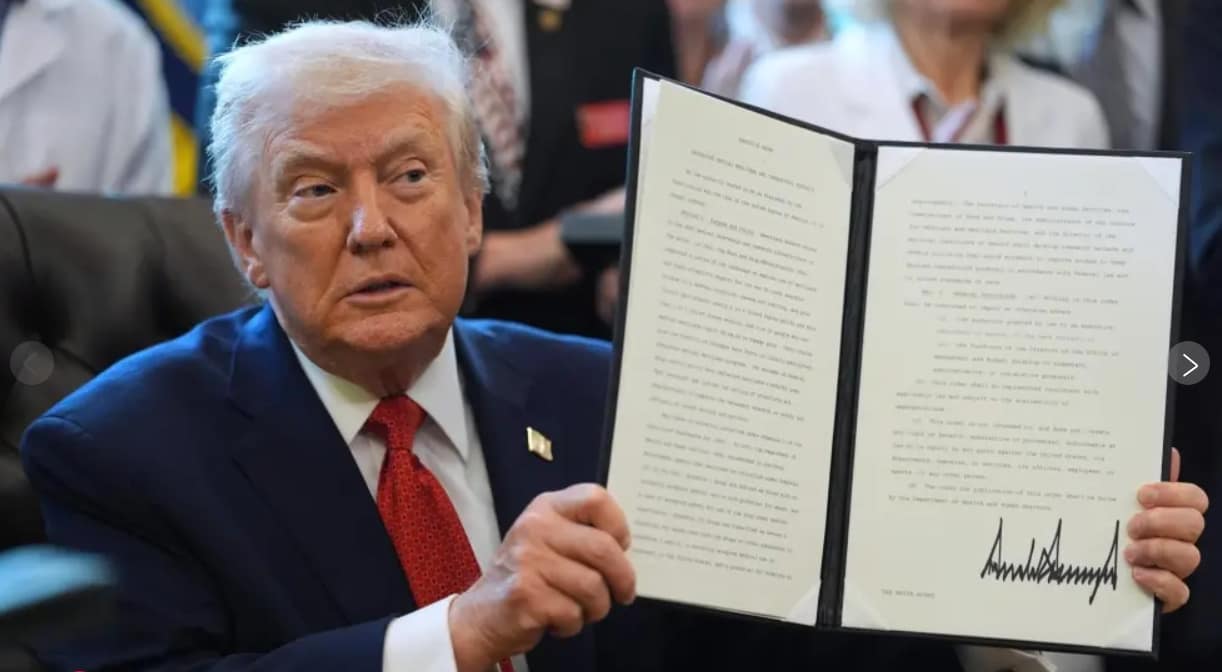
    In a landmark move that signals a significant transformation in U.S. drug policy, President Donald Trump enacted an executive order on Thursday directing the potential reclassification of marijuana from its current status as a Schedule I substance to the less restrictive Schedule III category. This administrative action represents the most substantial federal cannabis policy reform in decades and aligns federal approaches more closely with policies already implemented by 40 states and Washington, D.C.

    The executive order mandates the Drug Enforcement Administration (DEA) to expedite the rescheduling process, which would relocate cannabis from its current classification alongside heroin and LSD to Schedule III, placing it in the same category as ketamine and certain anabolic steroids. While this change would not establish nationwide recreational legalization, it would fundamentally alter the regulatory landscape for the cannabis industry and substantially reduce the crippling tax burdens that have hampered legitimate marijuana businesses.

    President Trump emphasized the medical imperative behind his decision, stating he had received overwhelming public support for the policy shift. ‘We have people begging for me to do this. People that are in great pain,’ the President remarked during the signing ceremony. The order additionally calls for expanded research into and access to CBD products, including a proposed Medicare pilot program that would provide senior citizens with doctor-recommended, hemp-derived CBD at no cost.

    Despite growing public support for cannabis reform—with Gallup polling indicating 64% of Americans now favor legalization—the policy change faces significant opposition from within the President’s own party. More than twenty Republican senators, including several staunch Trump allies, signed a letter earlier this year urging the administration to maintain marijuana’s Schedule I status, arguing that rescheduling would undermine public safety and potentially benefit foreign adversaries like China.

    The complex rescheduling process, which typically involves extensive scientific review and public comment periods, had already been initiated under the previous administration but encountered substantial resistance within the DEA. Trump’s order directs agencies to complete the procedure as rapidly as legally permissible, though no specific timeline has been established.

    Critics from both sides of the debate have emerged. Law enforcement veterans expressed concern about perceived contradictions in simultaneously escalating the war against drugs like fentanyl while relaxing marijuana restrictions. Meanwhile, cannabis advocacy organizations have indicated they may pursue legal action if the rescheduling proceeds, arguing that the government should pursue full decriminalization rather than partial reform.

    The Department of Health and Human Services has documented approximately 30,000 licensed healthcare practitioners currently authorized to recommend medical marijuana to over six million patients across at least fifteen medical conditions. The Food and Drug Administration has acknowledged credible scientific support for cannabis in treating anorexia-related conditions, nausea, vomiting, and chronic pain—particularly among older adults, one-third of whom suffer from persistent pain conditions.

  • LVV levert zaaizaad en zoekt lagere rente voor rijstboeren

    LVV levert zaaizaad en zoekt lagere rente voor rijstboeren

    The Ministry of Agriculture, Animal Husbandry and Fisheries (LVV) has initiated a multi-faceted intervention program to revitalize Suriname’s declining rice industry. In a significant move, Nickerie rice farmers will receive 3.5 tons of high-quality seeds from the Anne van Dijk Rice Research Center (ADRON) this season, aimed at boosting paddy yields amid persistent sector challenges.

    Concurrently, Agriculture Minister Mike Noersalim is negotiating with financial institutions for reduced interest rates and repayment flexibility for heavily indebted farmers. This coordinated effort addresses the critical imbalance between production costs averaging SRD 700 per bale and consistently lower purchase prices offered by buyers—a fundamental weakness crippling the sector’s sustainability.

    The intervention extends beyond immediate relief through strategic collaboration with the Inter-American Development Bank (IDB) to strengthen ADRON’s research capabilities and seed development programs. Additional focus areas include reducing operational expenses, particularly energy consumption for irrigation systems.

    Statistical trends reveal a concerning production decline: from approximately 100,000 tons in 2020 to a mere 38,000 tons in 2022, attributed to extreme weather patterns and pandemic-related disruptions. Although 2024 saw a modest recovery to 46,000 tons, production remains substantially below historical levels.

    A comprehensive 25-point action plan, formalized through a memorandum of understanding with processors and farmer organizations, outlines short and medium-term measures. These include maintenance and modernization of critical irrigation infrastructure such as the Wakay pumping station and Nickerie distribution system.

    The ministry’s ultimate objective transitions the sector from intermittent subsidies toward economically sustainable rice production, enhancing farmer resilience against climate variability and market price fluctuations.

  • President Charities Foundation donations total of over $40 thousand to various groups

    President Charities Foundation donations total of over $40 thousand to various groups

    In a significant demonstration of national solidarity, the President’s Charities Foundation of Dominica has allocated $42,500 in financial support to fifteen charitable organizations serving vulnerable populations across the island nation. The distribution ceremony, held at the State House Conference Center, marked a pivotal moment in the foundation’s ongoing commitment to social welfare.

    President Sylvanie Burton personally oversaw the disbursement to beneficiaries including The Dominica Association of Persons with Disabilities, The Dominica Council on Aging, REACH, St. Vincent de Paul Society, and several institutions dedicated to elderly care, youth development, and homelessness support. The funding originated from a combination of historical sponsorships and proceeds generated by a fundraising gala held at Jungle Bay Resort and Spa on October 11, 2025.

    Financial transparency was emphasized as President Burton revealed detailed accounting: ticket sales, sponsorships, and contributions totaled $89,810, with expenses of $48,507.87, resulting in a surplus of $41,302.13. Beyond the organizational donations, the foundation additionally funded a Children’s Christmas Party that brought joy to 260 primary school students from nine communities on December 13, 2025.

    The ceremony featured addresses from prominent government figures who articulated the philosophical underpinnings of the charitable initiative. Minister Gretta Roberts, representing Parliamentary Representative Melissa Poponne-Skerrit, articulated that true charity transcends monetary value by restoring dignity and creating opportunities for the most vulnerable citizens. She highlighted parallel philanthropic efforts through the Melissa Skerrit Foundation, which focuses on community upliftment through education and empowerment programs.

    Dr. Cassandra Williams, Minister of State responsible for social services, emphasized the inclusive nature of the initiative, stating that every person regardless of age, ability, or circumstance deserves dignity and care. She characterized the donations as symbolic partnerships between government, private donors, and civil society that collectively enhance life quality for vulnerable populations.

    Oliver St John, Public Relations Officer of the President’s Charities Foundation, underscored the critical role played by recipient organizations in addressing profound social, educational, and humanitarian needs. He stressed the foundation’s commitment to responsible stewardship and transparent resource allocation, ensuring that all distributed funds adhere to the highest standards of public service.

  • Muscling in on healthcare, doc channels bodybuilding grit into innovation

    Muscling in on healthcare, doc channels bodybuilding grit into innovation

    Dr. Christina Dowell is revolutionizing Barbados’ healthcare landscape through an unconventional fusion of athletic discipline and medical expertise. The 34-year-old general practitioner and entrepreneur has translated the rigorous mindset of competitive bodybuilding into creating Pinnacle MedSuites, a innovative medical co-working facility in Belleville, St Michael.

    Her journey began with athletic pursuits that evolved into competitive bodybuilding, where she mastered the arts of endurance, precision planning, and mental resilience. These qualities proved critical when facing overwhelming odds—just a 2% chance of matching into a US medical residency program. Rather than deterring her, this statistical reality fueled her determination, using weightlifting as both stress management and structural foundation during exam preparation.

    Dr. Dowell’s medical practice revealed systemic gaps in patient care, particularly the over-reliance on medication without addressing underlying lifestyle factors. Her personal experimentation with diet, exercise, and clinical science produced measurable health improvements that became the foundational philosophy behind Pinnacle MedSuites.

    The facility offers fully-equipped consultation suites with shared reception services, linen, Wi-Fi, janitorial services, and optional clinical additions. Its membership model provides flexible options from virtual offices to four-hour blocks, enabling healthcare providers to scale operations according to patient demand.

    Drawing from experiences in both Barbadian and American healthcare systems, Dr. Dowell designed the facility to combine operational efficiency with the warmth and practicality appropriate for the Barbadian context. Key features include streamlined workflows, online scheduling, consistent room standards, and transparent pricing—all while maintaining rigorous safety and professionalism protocols.

    The greatest challenge has been overcoming traditional healthcare models and reassuring clinicians about privacy, cost, autonomy, and care continuity. Pinnacle MedSuites addresses these concerns through clear policies, robust infection control, flexible booking, and responsive on-site support.

    Dr. Dowell acknowledges the collaborative effort behind her success, citing family support, medical mentors, clinical colleagues, and her operational team. Looking forward, she envisions the model as scalable beyond Barbados to other Caribbean islands and potentially international markets once firmly established.

    Her advice to aspiring young women embodies her journey: “Let data inform you, not define you. Small, honest wins beat perfect plans that never launch. Stay coachable—feedback isn’t a verdict, it’s an aid.”