作者: admin

  • MIST summer camp sparks science-tech curiosity

    MIST summer camp sparks science-tech curiosity

    Barbados’ Ministry of Innovation, Industry, Science and Technology (MIST) has kicked off its 2026 iteration of the long-running Science and Technology Summer Camp, retooling the popular five-week program to prioritize immersive, hands-on learning that helps young participants connect scientific concepts to the world around them. Now in its nearly two-decade history after first launching in 2008, the 2026 camp opened its doors this week at Queen’s College in St James, welcoming children between the ages of 6 and 11 to explore a diverse range of STEM (science, technology, engineering and mathematics) disciplines.

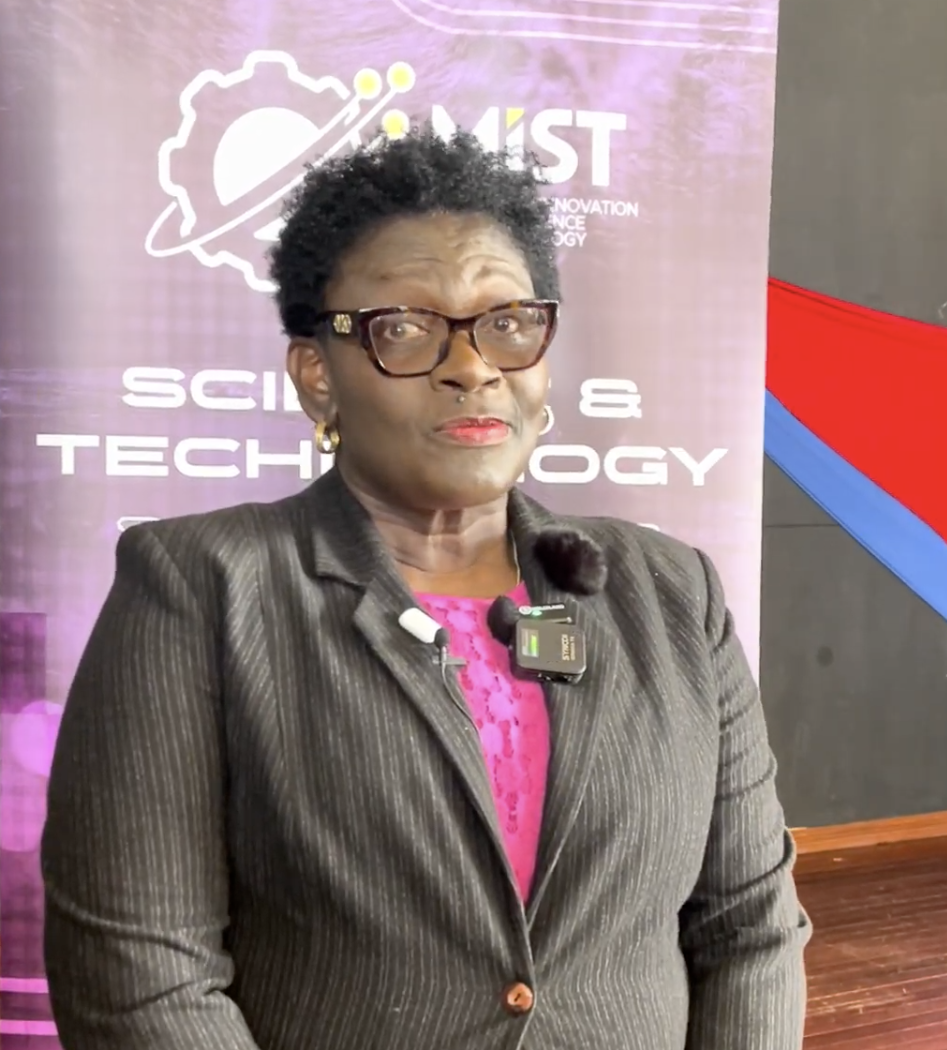
    Arlene Weekes, acting director of MIST’s Science, Market Research and Innovation Unit, highlighted how the program has transformed dramatically over its 18 years to match rapid global advancements in science and technology. Unlike early iterations that balanced general activities with STEM learning, today’s camp is built entirely around inquiry-driven tech and science exploration. “Over the years as technology has improved, we’ve come to include things such as robotics where we use the mBot and introduce coding to these young children,” Weekes explained. “We’ve introduced artificial intelligence and other forms of technology as the years have gone on.” For 2026, camp organizers have added an entirely new module focused on microbiology, joining longstanding core topics including electricity and magnetism, and acid-base chemistry.

    At the conclusion of the five-week program, every participating child will receive an official certificate naming them a certified junior scientist to recognize their engagement and learning. Extra honors will be awarded to the top-performing boy and girl in the camp’s oldest age group, who will take home the titles of Mr. and Miss Science and Technology.

    Paulita Benjamin, innovation officer and lead coordinator for the 2026 camp, shared that this year’s theme – “Curious Adventurers: Exploring Our World” – was selected to help young learners recognize that science is not just an abstract school subject, but a force that shapes every part of daily life. “We wanted this camp to have a lasting and memorable experience and show how science impacts our daily lives to understand the world that we live in,” Benjamin said. She framed the camp space as a multi-purpose hub for young learners, telling attendees: “For the next few weeks, this space is your laboratory, your invention workshop, your playground. You are about to experience and do the things that you only read about and see in books.”

    Beyond new microbiology training, 2026 camp activities will also explore robotics, electrical engineering, general chemistry, and critical digital online safety. Describing the new microbiology module to participants, Benjamin called microorganisms “those microscopic detectives that are hidden somewhere and you can only see them with a microscope.”

    Speaking to parents who enrolled their children, Benjamin expressed gratitude for the opportunity to nurture young curious minds, saying: “Thank you for giving us your children and… providing them with the opportunity to fuel their curiosity to become problem solvers, critical thinkers, investigators, discoverers. We promise to return your children with bigger smiles, and incredible stories.”

    Tamisha Eytle Harvey, director of Future Barbados, attended the official opening on behalf of Innovation Minister Jonathan Reid, and issued a playful yet meaningful challenge to young campers: referencing the minister’s absence, she joked “The minister could have been here, but we haven’t figured out teleportation. So that is your challenge from me for the next few weeks because each of you are the future of Barbados.”

    Harvey emphasized that STEM skills open doors across nearly every career path, regardless of what children choose to pursue as they grow. “You are the next electrical engineer… I know there are future researchers… You are future farmers because there’s agriculture in science. You are future designers because design, science, fashion, they’re all connected,” she explained. She encouraged campers to embrace curiosity over the coming weeks, urging them not to shy away from complex questions: “I want to challenge you all this week to not be scared, to ask the hard questions… We want to make sure that you keep asking questions and questioning the whys, the hows, and the whats because that will make it more fun.”

    She also called on parents to continue nurturing their children’s scientific curiosity after the camp concludes each day, saying: “When they come home hopefully exhausted and tired… we need to figure out ways to continue this excitement and joy and freedom to learn and ask why.” Closing her remarks, Harvey reaffirmed the critical role of STEM education for the island nation’s future: “The future of Barbados is science. It is technology. It is making sure we are building the solutions that will not only shape our futures but shape the futures of the rest of the world.”

    The 2026 camp’s opening ceremony wrapped up with interactive live science demonstrations designed to give attendees an early taste of hands-on learning. A crowd favorite was the plasma ball experiment, which let children safely interact with and observe visible electrical energy, including the unexpected effect of an unpowered fluorescent bulb lighting up when held near the plasma sphere. The demonstration gave campers a tangible introduction to core electrical concepts ahead of their five weeks of exploration and discovery.

  • ‘Cuddear’ mentality must end to protect Bim’s quality, says PM

    ‘Cuddear’ mentality must end to protect Bim’s quality, says PM

    Barbados Prime Minister Mia Mottley has issued a urgent call for the island nation to uproot a long-standing cultural mindset that she argues is holding back national progress, warning that the country’s global reputation and long-term economic prosperity hinge on abandoning tolerance for subpar performance. In a wide-ranging address focused on securing Barbados’ position as a top-tier global tourism destination, Mottley identified the colloquial Bajan concept of “cuddear” – a tradition rooted in granting pity-based leniency that enables underperformance – as one of the most persistent barriers to development in Barbados’ post-independence era.

    Mottley emphasized that avoiding difficult conversations and shirking accountability out of sympathy for underperforming individuals and businesses does not benefit anyone. Instead, it drags down the entire nation by capping collective achievement and eroding the high standards that have become synonymous with the Barbadian brand. “We have a problem traditionally in the post-independence environment of Barbados where the ‘cuddear’ mentality can sometimes step in the way and stop us from enforcing the standards that we need to enforce such that everyone is lifted,” Mottley stated.

    The prime minister urged all sectors, particularly the all-important tourism industry, to uphold the rigorously developed, widely consulted regulatory standards that form the foundation of Barbados’ premium global identity. Unlike competing destinations that pursue market share through low pricing, Mottley noted that Barbados has never positioned itself as the cheapest option – and never will. Instead, the island’s competitive advantage must come from unwavering commitment to quality and value for money, she said.

    Mottley tied this push for excellence to a core Bajan cultural value: the universal expectation of “satisfaction” in service delivery. She explained that this shared commitment to meeting visitor expectations has allowed Barbados to maintain the highest repeat visitor rate in the entire Caribbean region, a rare competitive advantage that must be protected. To build on this success, Mottley outlined her vision for “Tourism 3.0”, a transformative model that moves beyond the early, exploitative extractive model of tourism to deliver a “new deal” for the industry’s workforce.

    Central to this new framework is putting people at the heart of all tourism policy, a shift Mottley says is non-negotiable for long-term industry growth. She recalled the collective sacrifice Barbadian tourism workers made during the height of the COVID-19 pandemic, when employees agreed to amend the Severance Payments Act to prevent widespread bankruptcy among local hoteliers. Now, Mottley says that this historic “patriotic partnership” must be reciprocated by restructuring hospitality employment from temporary, low-status work into viable, respected careers that can support families and build intergenerational wealth across the country.

    “ What you have come here to do as a job must become a career for you and your family, and the platform upon which intergenerational wealth can be built in this country,” she said.

    Mottley also pushed back against common misconceptions about regulatory bodies, pushing back on the narrative that regulators exist solely to hinder business growth. Instead, she framed regulators as critical protectors of vulnerable consumers and the guardians of national quality standards. She clarified the government’s approach: underperforming actors will be held accountable for failing to meet national standards, while compliant businesses that uphold quality will receive active support and facilitation to grow.

    In closing, Mottley reminded attendees that the foundation of world-class hospitality does not require massive financial investment. Instead, it grows out of the basic human decency and warm, welcoming culture that is already inherent to Barbadian society. She urged all Barbadians working in tourism to lean on this innate advantage, using small, free gestures of kindness to elevate the visitor experience. “A smile costs us nothing,” Mottley said. “The traditional words of please, thank you, good morning, and you’re welcome cost us just as little as well. Let that be the currency that we use to enhance the visitor experience and to be the platform to a career rather than the execution of a job.”

  • CDB backs Grenada’s energy transition with financing for major battery storage project

    CDB backs Grenada’s energy transition with financing for major battery storage project

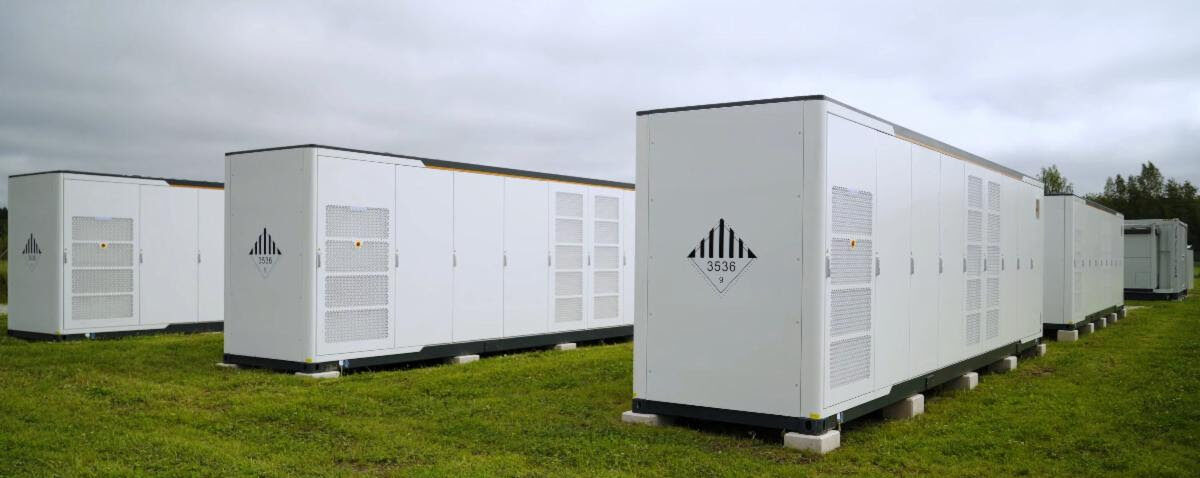
    Grenada is poised to deliver critical upgrades to its national electricity network and accelerate its shift to renewable energy, backed by a landmark collaborative financing initiative led by the Caribbean Development Bank (CDB). The multi-million dollar investment will fund the construction of a utility-scale Battery Energy Storage System (BESS) at the country’s Maurice Bishop International Airport, a project designed to address longstanding grid stability gaps and remove barriers to wider clean energy adoption.

    The financing package brings together grant and loan commitments from a coalition of global development partners, coordinated through the CDB. The bank is managing a combined $3 million in grant funding contributed by the United Kingdom’s Foreign, Commonwealth and Development Office (FCDO) and the European Union (EU). Complementing this grant support, the Government of Canada has committed a $5.7 million concessional loan through its Supporting Resilient Green Energy (SURGE) in the Caribbean programme. The World Bank is also contributing parallel financing to deliver complementary battery storage infrastructure and targeted grid modernization works, ensuring all new assets integrate seamlessly with Grenada’s existing energy network and align with the country’s long-term upgrade roadmap.

    CDB Director of Projects L. O’Reilly Lewis highlighted the collective impact of cross-institutional partnership in advancing shared climate and development goals. “This project is a powerful example of what can be achieved when multilateral banks, national governments and international development partners align around a common vision for a cleaner, more sustainable future,” Lewis said. “We are proud to lead this collaboration, and we expect this investment to deliver lasting gains for Grenada’s energy security and climate-smart economic development.”

    The EU emphasized that the investment is a core component of its broader commitment to supporting Caribbean energy transition under the bloc’s Global Gateway infrastructure initiative. Kyle Farnum, Energy Programme Manager at the EU Delegation to Barbados, the Eastern Caribbean States and the OECS, noted that reliable, accessible power is the foundation of resilient national economies. “This BESS project does more than just expand Grenada’s renewable energy footprint – it guarantees that clean power is available when consumers and businesses need it most,” Farnum explained. “It is part of a comprehensive, long-term partnership between the EU and Grenada that spans multiple clean energy technologies, all aligned with our shared climate goals.”

    For the United Kingdom, energy storage is a non-negotiable building block for creating more resilient power systems across the Caribbean’s small island developing states, which are disproportionately vulnerable to climate change and volatile global fossil fuel markets. Tom Coward, UK Development Director for the Caribbean and Executive Director at the CDB, noted that the project advances the UK’s regional ambition to build low-carbon, climate-resilient energy infrastructure. “Energy storage is the critical missing link that unlocks the full potential of variable renewable energy sources like wind and solar, while keeping grids stable and strengthening long-term energy security,” Coward said. “For small island nations like Grenada, expanding storage capacity is a vital step to cut reliance on costly imported fossil fuels, boost climate resilience, and lay the groundwork for sustainable, secure economic growth.”

    Canada reaffirmed its ongoing commitment to supporting climate adaptation and mitigation across the Caribbean through the SURGE programme. Her Excellency Brenda Wills, High Commissioner of Canada to Barbados and the Eastern Caribbean, said the investment reflects Canada’s focus on delivering practical, climate-smart solutions that deliver tangible benefits for regional communities. “This $5.7 million investment in BESS supports Grenada’s goals to strengthen energy resilience and advance low-carbon development, while advancing our shared regional priorities to cut emissions and reduce climate risk,” Wills said. “Through partnerships with the CDB and other global institutions, Canada is working to advance sustainable growth across the Caribbean that puts community needs first.”

    Grenada’s government has welcomed the initiative as a transformative step toward meeting the country’s climate and energy security targets. Peron Johnson, Permanent Secretary in Grenada’s Ministry of Climate Resilience, the Environment and Renewable Energy, thanked the CDB and its partner institutions for their sustained investment in the country’s clean energy future. “This BESS project is a game-changing investment that will dramatically strengthen the reliability and resilience of our electricity grid, make it easier to integrate larger volumes of renewable energy, and move us closer to our national goal of cutting dependence on imported fossil fuels,” Johnson said. “It demonstrates just how much strategic, multi-stakeholder partnerships can achieve in advancing Grenada’s climate resilience, energy security and sustainable economic development, and brings us one step closer to a cleaner, more affordable and more reliable energy future for all Grenadians.”

    Per the CDB’s project framework, Grenada Electricity Services Limited (GRENLEC) will oversee on-the-ground implementation of the BESS project through a subcontracting model designed to build local operational capacity while upgrading the country’s core energy infrastructure. The initiative is part of a broader, long-term investment programme aimed at boosting the resilience, reliability and renewable energy capacity of Grenada’s entire energy sector. It also aligns with the priorities laid out in the CDB’s 2026-2035 Strategic Plan, which identifies investment in resilient, sustainable energy systems across the Caribbean as a core institutional priority.

  • Matthew Rejects ‘No Cards’ Argument, Says Antigua Must Stay at Negotiating Table

    Matthew Rejects ‘No Cards’ Argument, Says Antigua Must Stay at Negotiating Table

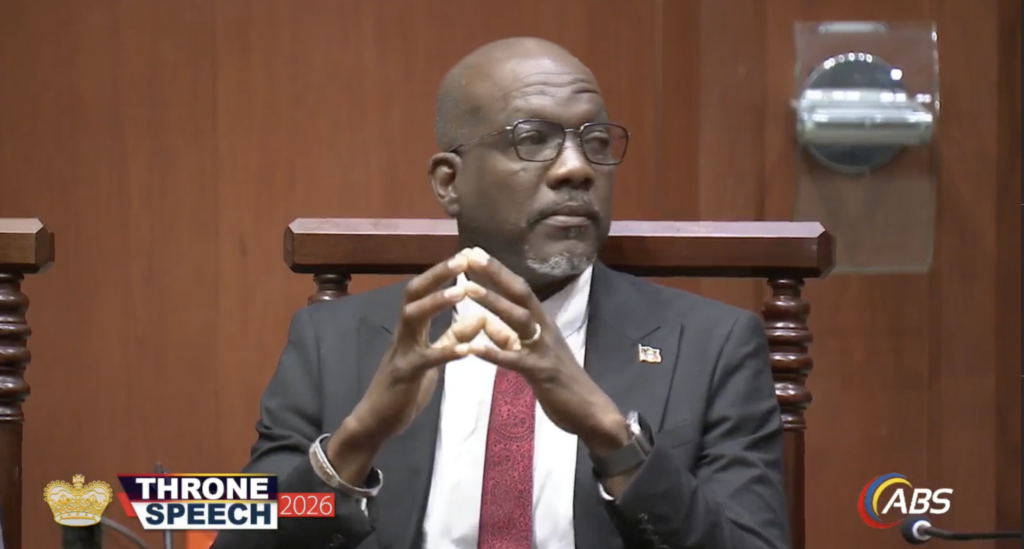
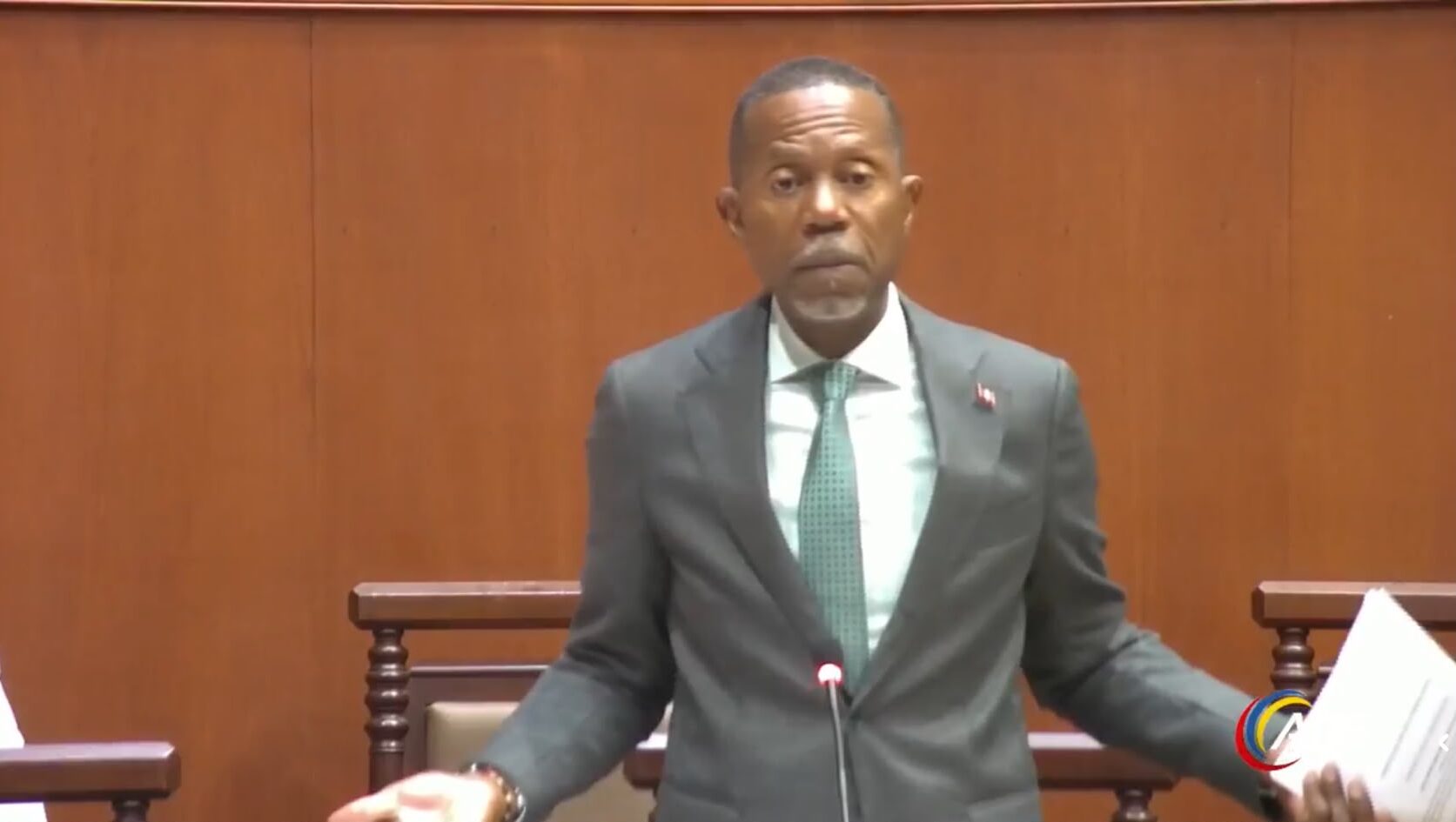
    During a heated parliamentary debate on Tuesday, Antigua and Barbuda’s Education Minister Daryll Matthew pushed back against fierce opposition criticism of the government’s approach to ongoing negotiations with the United States focused on potential transfers of third-country nationals. Opponents of the governing administration have repeatedly claimed that the small Caribbean nation holds no meaningful leverage in talks with Washington, citing its geographic size and pre-existing U.S. visa restrictions as factors that leave Antigua and Barbuda negotiating from a position of extreme weakness. Matthew rejected this narrative outright, arguing that the country’s greatest strategic strength comes from staying at the negotiating table and advancing terms that prioritize the well-being of all Antiguan and Barbudan citizens.

    Addressing the full legislative body during debate over a parliamentary resolution that establishes a formal framework for continued negotiations, Matthew reframed the opposition’s “no cards” argument. “We may have a small hand. We may have a small voice. However, we still have the responsibility to negotiate in the best interests of our people,” he told assembled lawmakers. “The only time you have no cards is when you get them from the table and walk away.” With both the Antiguan-Barbudan negotiating team and U.S. representatives remaining committed to ongoing discussions, he emphasized that the government will continue working toward a final outcome that delivers benefits to the country’s population.

    Matthew stressed that responsible governance demands sustained engagement even when negotiating with a far larger global power, pushing back against opposition calls for a complete overhaul of the government’s negotiation approach. He also pushed for cross-party unity on this sensitive issue, noting that questions of national interest should never devolve into partisan political fighting, and calling for a broad national consensus around the government’s negotiating priorities. “There must be some things that, as a nation, we can collectively agree on,” he said. “This is one of them.”

    The minister commended Prime Minister Gaston Browne, Ambassador Sir Ronald Sanders, and the full government negotiating team for publicly releasing a White Paper on the talks and bringing the framework resolution before parliament, a move he said demonstrates the administration’s commitment to transparency and keeps the general public fully informed about ongoing discussions. “I want to commend the Prime Minister… and the entire team that has been working diligently on this over the past six, eight months for putting everything here on the table,” Matthew stated.

    He also categorically denied opposition claims that the government had already struck a secret deal to accept third-country nationals, clarifying that the current resolution before parliament does not ask lawmakers to approve a finalized agreement or bind Antigua and Barbuda to accepting any transfers at all. “This resolution is not committing the government to accept anyone,” he explained. “We are not approving the operating procedures. We’re not committing to receive. What we’re doing is simply saying that we want certain issues satisfied.”

    Matthew laid out clear non-negotiable conditions that any final agreement must meet to gain approval, starting with a hard cap of just 10 total transfers in 2026. After the initial pilot period, he said, the country can reassess whether the arrangement delivers tangible benefits to national development. Additional key requirements include a total ban on accepting any individuals with criminal convictions, no additional financial burden placed on Antiguan and Barbudan taxpayers, and permanent retention of the government’s right to reject any individual proposed for transfer.

    Warned that allowing convicted criminals to be transferred to the small island nation would carry catastrophic risks for public safety, Matthew highlighted the severe harm that even one high-risk offender could cause. “Can you imagine if one convicted pedophile was deported to Antigua and Barbuda and just ran havoc in this country? Can you imagine if a serial killer was transferred from the United States to Antigua and Barbuda? … Can you imagine if a sophisticated gang leader came to Antigua and Barbuda?” he asked. These risks, he argued, fully justify the government’s insistence on maintaining the final say over which individuals may be transferred. “There must be an opportunity for us as a nation to say, ‘This person, no,’” he said. “We have to have a framework in place that protects our national interests.”

    Matthew also noted that Antigua and Barbuda’s limited public infrastructure cannot support unregulated transfers, adding that the country cannot afford additional strain on already constrained housing, healthcare, and other core public services. “I cannot, with a good conscience, tell my constituents that we had no cards, we had to take all of them, we had to put it on the taxpayers’ purse, we had to give them a job, we had to give them a house,” he said.

    Despite the strict conditions the government has laid out, Matthew struck an optimistic tone about the progress of talks, saying that the two sides are closer to a mutually acceptable agreement than critics have claimed. After reviewing the negotiated White Paper and all draft documents exchanged between the two parties, he concluded that “We’re not so far apart.”

    Closing his remarks, Matthew once again praised the governing team for bringing the issue to parliament for open debate, reinforcing the government’s commitment to transparency and public accountability. “I want to commend the Prime Minister and his team for bringing this resolution to Parliament so that we can speak with clarity, so that the public understands exactly what it is we’re doing,” he said.

  • National swim squad set for Goodwill Championships

    National swim squad set for Goodwill Championships

    Barbados is set to compete at the 30th Annual Goodwill Swimming Championships, scheduled to run from August 14 to 16 in neighboring Trinidad and Tobago, with a 37-strong contingent of young competitive swimmers. The official roster was announced publicly this week by the Barbados Aquatic Sports Association (BASA), ahead of the team’s departure for the regional event.

  • Walker Urges Return to Detailed Citizenship by Investment Reports as Parliament Passes Amendment Bill

    Walker Urges Return to Detailed Citizenship by Investment Reports as Parliament Passes Amendment Bill

    In a significant legislative development for Antigua and Barbuda’s lucrative Citizenship by Investment (CIP) programme, the nation’s House of Representatives has approved the 2026 Citizenship by Investment (Amendment) Bill, with cross-party support from senior lawmakers emphasizing the urgent need for strengthened oversight amid rising international pressure.

    Trevor Walker, the Member of Parliament for Barbuda, emerged as a key backer of the reforms, framing the updated regulations as a critical safeguard for the country’s largest source of non-tax revenue. Walker told parliamentary deliberations on Tuesday that the CIP programme, which he estimates injects more than $100 million into the national budget annually, is the backbone of Antigua and Barbuda’s public finances, but its long-term survival depends on addressing growing global scrutiny through enhanced transparency and accountability.

    Warning that the programme faces mounting geopolitical challenges that threaten its future, Walker argued that preserving its credibility must be a top policy priority for the government. He specifically welcomed the reinstatement of mandatory annual audits, a provision that was controversially repealed back in 2016. The new legislation not only brings back routine audit requirements, it also adds new rules mandating formal responses to audit findings, authorizes special targeted audits, and expands mandatory reporting obligations for CIP administrators.

    Walker went a step further, urging the government to fully reinstate the detailed semi-annual reporting requirements outlined in the original 2013 CIP enabling legislation. He noted that while reports are still submitted to parliament currently, they lack the granular detail about contributions, investment flows and programme activity that the original law required, a gap that creates unnecessary room for suspicion among both domestic citizens and international partners.

    The call for tighter rules comes as Antigua and Barbuda has faced increasing scrutiny of its investment migration scheme from both the European Union and the United States. Walker acknowledged that decades of cutthroat competition between Caribbean CIP jurisdictions had previously pushed many countries to relax regulatory standards to attract more applicants, but he highlighted that the Eastern Caribbean region is now unified in moving toward harmonized, stricter rules. He stressed that the fate of all regional programmes is interconnected: “When this boat sinks, we all go down with it,” he said, pointing out that any national programme’s failure to meet global standards could lead to restricted visa-free access for all Caribbean passport holders, eroding the value of citizenship across the bloc.

    Walker also extended rare cross-party praise to Prime Minister Gaston Browne for his longstanding advocacy for a centralized regional regulatory body to oversee CIP programmes across the Organisation of Eastern Caribbean States (OECS), saying he hoped the new framework would deliver on the promise of stronger governance.

    In his remarks opening the debate, Prime Minister Browne clarified that the core purpose of the amendment is to align Antigua and Barbuda’s domestic law with the agreement establishing the Eastern Caribbean Citizenship by Investment Regulatory Authority, which is set to come into force later this year. The new regional body will enforce uniform regulatory standards across all participating member states, limiting the ability of individual nations to deviate from collectively agreed rules that protect the integrity of all programmes.

    Key provisions of the new bill include a requirement for annual independent financial audits and biannual operational audits of every national CIP unit, with the regional regulator tasked with ensuring compliance and protecting sensitive applicant data. The legislation also raises the minimum residency requirement for successful CIP applicants and their dependent family members from five days to 30 days, bringing Antigua and Barbuda into compliance with the regional standard already approved by all OECS members. Browne added that the amendments resolve any remaining inconsistencies between domestic law and the regional agreement, formalizing policy changes that have already been implemented through administrative action.

    Other new rules require the national CIP Unit to submit detailed six-month progress reports to both the regional regulator and the national parliament, while granting the regional body expanded oversight authority. The authority will now manage pre-qualification of CIP agents, require formal no-objection notices before local operating licenses are issued, mandate adherence to regional standards and guidelines, and require the revocation of licenses when regulatory approval is denied or withdrawn. Browne emphasized that these changes are designed to block unethical and unqualified promoters from participating in the programme and ensure consistent regulatory standards across the Eastern Caribbean. Following full debate, the House of Representatives passed the bill into law.

  • Argentina rally past England to set up World Cup final showdown with Spain

    Argentina rally past England to set up World Cup final showdown with Spain

    The 2026 FIFA World Cup semifinal clash between Argentina and England delivered one of the tournament’s most unforgettable twists, as the defending champions pulled off a stunning 2-1 late turnaround to book their spot in the final against Spain. Held at Atlanta’s match venue, the encounter pitted two of global football’s most storied nations against each other, with a place in soccer’s biggest title decider on the line.

    The opening 45 minutes set the tone for a tense, physical battle, with both sides prioritizing defensive solidity over reckless attacking. Clear scoring opportunities were rare throughout the first half: England centre-back John Stones sent a header just wide of the target after a well-placed Declan Rice free kick, while Argentina’s Enzo Fernandez dragged a long-range effort over the crossbar in one of the defending champions’ only promising first-half openings. Neither side managed to break the deadlock by the interval, leaving everything to play for in the second 45 minutes.

    Argentina emerged from the locker room with renewed urgency, pushing higher up the pitch and testing England’s defensive line early. Striker Julian Alvarez forced England goalkeeper Jordan Pickford into a sharp save to keep the score level, but Gareth Southgate’s side capitalized on their first clear chance of the half to take the lead. In the 55th minute, winger Morgan Rogers delivered a dangerous low cross into the Argentine penalty area, and forward Anthony Gordon beat defender Nahuel Molina to the ball, steering a clinical close-range finish beyond Argentina keeper Emiliano Martinez to put England ahead.

    The goal prompted Argentina to ramp up the pressure even further, as England dropped deeper into their own half to protect their lead. The equalizer finally came through a well-executed short corner routine: Lionel Messi picked out Enzo Fernandez unmarked at the edge of the 18-yard box, and the Chelsea midfielder hit a powerful, unstoppable strike that flew past Pickford to level the score with 15 minutes left on the clock.

    With the match drawing to a close and extra time looming, Argentina struck the decisive blow in stoppage time. After Alexis Mac Allister’s shot bounced off the upright, Messi kept the attack alive, whipping a pinpoint cross into the far post where substitute Lautaro Martinez was waiting to tap home the winning goal. The late winner sent the Argentine camp into celebrations, breaking English hearts and denying England their first World Cup final appearance in 60 years.

    This victory marks Argentina’s seventh qualification for the FIFA World Cup final, extending their record as one of the most successful teams in tournament history. They will now face Spain in the 2026 title decider, aiming to defend their crown and add another historic chapter to the legacy of one of international football’s greatest dynasties.

  • Two Men Detained After Suspected Drug Bust on Pares Main Road

    Two Men Detained After Suspected Drug Bust on Pares Main Road

    A late-night roadside crash has uncovered an alleged illicit drug trafficking operation on Paros Main Road, leading law enforcement to take at least two men into custody, according to official initial reports. The incident unfolded shortly after 10 p.m. on Tuesday, when local police were dispatched to the scene following reports of a crashed vehicle parked along the road edge.

    When responding officers arrived, they made an unexpected discovery: multiple pounds of suspected cannabis were in the process of being moved between the crashed vehicle and a second connected vehicle when the accident occurred. The crash inadvertently revealed the illegal transfer, putting an immediate stop to the alleged operation.

    In the hours after the incident unfolded, a large crowd of curious bystanders gathered near the restricted zone to observe the ongoing law enforcement activity. Police quickly established a cordon around the entire area to secure evidence and allow investigative teams to process the scene without interruption.

    As of the latest update, law enforcement officials have not released formal details confirming the exact quantity of suspected controlled substances seized from the scene. They also have not indicated whether additional suspects connected to the alleged operation are still being sought, or if further arrests will be made in the coming days as the investigation continues.

  • Antigua and Barbuda Parliament Passes Law to Put Unclaimed Bank Money to Public Use

    Antigua and Barbuda Parliament Passes Law to Put Unclaimed Bank Money to Public Use

    On Tuesday, the lower legislative chamber of Antigua and Barbuda approved the 2026 Banking Amendment Bill, a landmark piece of legislation that overhauls the national rules governing abandoned bank deposits and unclaimed assets, while opening a new pathway to redirect stagnant financial resources toward targeted regional economic growth.

    Introducing the bill to parliament, Prime Minister Gaston Browne laid out that the reform updates decades-old outdated protocols for handling unclaimed property within the domestic banking sector, covering everything from long-dormant customer accounts to forgotten valuables held in bank safety deposit boxes, all while cementing stronger legal protections for depositors and their rightful heirs.

    Under the current regulatory framework that has been in place for years, abandoned funds are transferred to the Eastern Caribbean Central Bank (ECCB) after a decade of inactivity, and if no valid claim is filed within an additional 10 years, the assets are permanently forfeited. The new amended law upends this structure: it allows unclaimed funds to be transferred to the governments of member states of the Eastern Caribbean Currency Union, while enshrining an indefinite right for original depositors or their beneficiaries to reclaim full value of the assets at any point, as long as they can verify their legal ownership.

    Browne emphasized to lawmakers that this structure offers far more robust protection for asset owners than the outgoing legislation, which placed a hard expiration on all claims. He added that across the entire Eastern Caribbean Currency Union, unclaimed deposits add up to an estimated $48 million US dollars – a massive underutilized asset pool that can be put to productive public use without ever compromising the rights of owners and their heirs.

    Beyond the reform of unclaimed asset rules, the prime minister outlined an ambitious broader vision for regional economic transformation centered on the ECCB’s substantial foreign reserve holdings. Currently, the ECCB holds roughly $6 billion US dollars in foreign reserves, the vast majority of which are invested overseas. Browne is proposing that between 5 and 7 percent of these reserves be allocated to finance strategic regional development projects, with a priority focus on two critical areas: renewable energy development and regional food security.

    For decades, the Eastern Caribbean dollar has been celebrated for its strong reserve backing, which currently sits close to 98 percent – far higher than the mandatory regulatory threshold. Browne argued that deploying a small fraction of these reserves to regional projects will generate inclusive economic growth without putting monetary stability at any meaningful risk. He noted that investments in local renewable energy infrastructure would cut the region’s heavy reliance on costly imported fossil fuels, bring down consumer electricity prices, further strengthen foreign reserve positions over time, and help member states meet their international climate change mitigation commitments.

    Browne disclosed that the ECCB’s Monetary Council has already reached a preliminary consensus to move forward with the proposal, and noted that additional amendments to regional banking legislation will likely be required to formally grant the ECCB authority to make these strategic regional investments. He stressed that the plan does not involve permanently distributing central bank reserves; instead, the funds will be disbursed as repayable loans, which will replenish the reserve pool over time while financing projects that deliver long-term shared economic benefits for the region.

    A core principle of the proposal, Browne added, is that all investments made through this initiative must remain under regional and local ownership, rather than falling under the control of foreign private entities. The Antigua and Barbuda government prioritizes strategic projects like utility-scale renewable energy plants that include significant public and local private investment, so that profits generated by these projects stay within the region to support further growth. “We believe very strongly that ownership is empowerment,” Browne stated.

    To illustrate the immediate local impact of the unclaimed funds reform, Browne noted that Antigua and Barbuda alone holds roughly $38 million US dollars in unclaimed deposits. After setting aside a sufficient reserve portion to cover any potential future claims, the remaining balance can be redirected to national development projects, rather than sitting idle in overseas accounts.

    The new legislation also establishes a clear regulatory framework for unclaimed contents of safety deposit boxes. Under the new rules, valuables that remain unclaimed for 10 years may be sold through public auction, with the proceeds held in a newly created Safe Deposit Box Liquidation Fund for an additional 10 years, giving owners or heirs extra time to come forward to claim the funds.

    Addressing any potential concerns about government overreach, Browne clarified to lawmakers: “We’re not just trying to go and confiscate people’s money. We’re not trying to steal people’s money. We’re trying to use that money for the development of our respective countries.”

    During parliamentary debate, Trevor Walker, the member of parliament for Barbuda, raised questions about the provision that reduces the waiting period before assets are classified as abandoned to 10 years, but expressed support for the overall direction of the legislation. Walker backed the government’s focus on renewable energy development, saying that the country must continue its transition toward affordable clean power while ensuring that major strategic investments stay under local control.

    “We must control it. It must not be outsourced,” Walker said, adding that the proposal represents the kind of forward-thinking policy that can improve long-term economic and environmental sustainability while lowering living costs for ordinary citizens. Walker ultimately announced his support for the bill, calling it a bold initiative that will strengthen Antigua and Barbuda’s global reputation as a progressive investment destination and move the country beyond outdated, conventional approaches to economic development.

  • Rising demand for accommodations puts focus on teacher training

    Rising demand for accommodations puts focus on teacher training

    Across Barbados, as national initiatives to boost youth literacy gain momentum, experienced education professionals are sounding the alarm over a critical gap in support for students with neurodiverse and learning difficulties, calling for targeted investments in specialized teacher training to meet growing community need.

    Dr. Astra Babb, a long-serving educator and founder of the respected Astra Babb Reading Clinic, made the case for expanded support Monday as she officially opened a five-week summer literacy intervention program at Barbados Community College. In an interview with Barbados TODAY, Dr. Babb explained that while most pre-service teacher training programs prepare educators to work with neurotypical learners, they rarely provide the deep, specialized instruction required to support students with learning differences and exceptionalities, including autism spectrum disorder.

    “Most teachers do not receive comprehensive training on how to adapt instruction for autistic children,” Dr. Babb noted. “Historically, teacher training programs have centered almost entirely on the needs of the typical learner, though I have received promising reports that the government is now rolling out new programs to help educators build these critical skills.”

    The growing urgency for expanded specialized support is underscored by rising demand for formal examination accommodations across Barbados’ education system. Data from the recent Barbados Secondary School Entrance Examination shows 240 requests for special consideration this year alone, a marked increase from 194 requests in 2023 and 183 the year prior.

    Juanita Brathwaite-Wharton, a senior psychologist with the Ministry of Education’s Student Support Services Division, previously told Barbados TODAY that this upward trend is not a sign of more learning difficulties overall, but rather reflects growing awareness among parents and educators of the needs of neurodiverse students. More families are now seeking formal psychological assessments to clarify their child’s learning profile and identify targeted supports that help them thrive academically and socially, Brathwaite-Wharton explained. Following those assessments, parents are increasingly advocating for accommodations both during high-stakes examinations and in daily classroom instruction.

    Brathwaite-Wharton has also echoed calls for expanded ongoing professional development for teachers, pointing out that every classroom in the country serves students with a wide range of diverse learning needs that require flexible, specialized approaches.

    Dr. Babb emphasized that students with learning differences process information differently than their neurotypical peers, requiring specialized instructional strategies and trained educators to unlock their full potential. “These children need tutors who understand how their brains learn, because cognitive function works differently than it does for the typical child, so educators must be equipped with specific skills to meet them where they are,” she said.

    She welcomed the government’s reported plans to expand specialized training opportunities for current and future teachers, noting that these investments will directly strengthen the entire education system’s ability to serve every student, regardless of their learning needs.

    The unmet demand for targeted learning support is clearly visible in the overwhelming response to Dr. Babb’s annual summer reading program. Originally designed to cap enrollment at 100 students, the clinic was forced to expand the cohort to 130 to accommodate last-minute requests, with parents still reaching out Monday morning to secure spots even after the program hit its new capacity limit. “I originally set the cut-off at 100, but right now we are at 130, and that’s all we can take,” Dr. Babb said.