作者: admin

  • VHP-Nederland prijst Santokhi als bruggenbouwer en toegewijd leider

    VHP-Nederland prijst Santokhi als bruggenbouwer en toegewijd leider

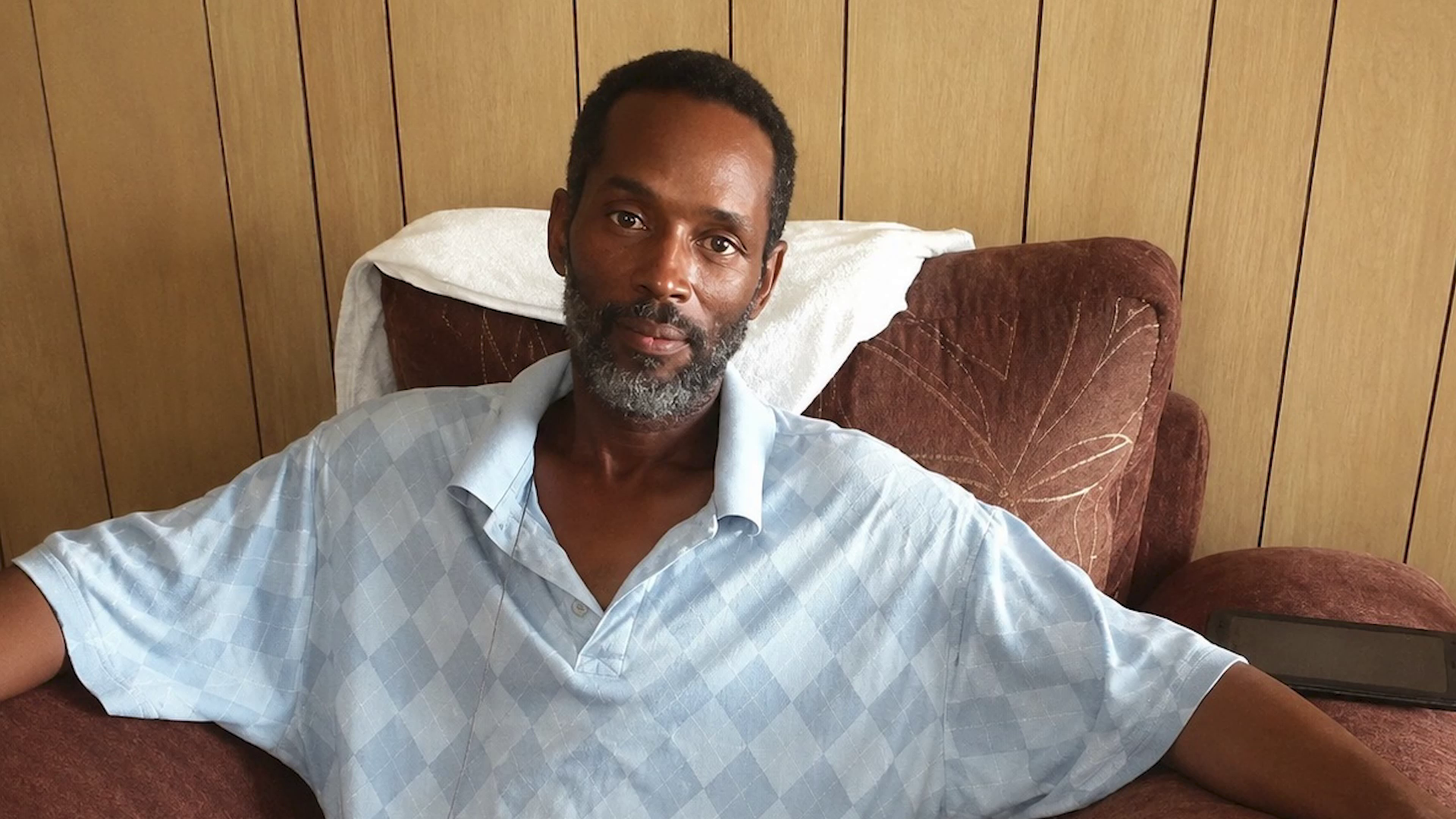
    Suriname and its diaspora communities are mourning the unexpected passing of President Chandrikapersad Santokhi, who died on March 30 at age 67. The Netherlands branch of the Progressive Reform Party (VHP) has honored him as a statesman of exceptional caliber whose visionary leadership fundamentally redirected Suriname’s political trajectory.

    Santokhi’s presidency was marked by his relentless campaign against criminality and unwavering commitment to the rule of law, which guided the nation through multiple crises including the COVID-19 pandemic and a severe financial downturn. His administration established critical foundations for economic recovery and future stability through successful implementation of an IMF program and the landmark investment decision by TotalEnergies that positions Suriname as an emerging energy producer.

    The late president revolutionized Surinamese politics by transcending traditional ethnic boundaries, opening his party to all citizens regardless of background. This inclusive approach earned overwhelming voter confidence in the 2020 elections, resulting in VHP emerging as the largest political party.

    Beyond economic reforms, Santokhi demonstrated profound social engagement through initiatives like the National Fund for Community Development (RVI) that ensured national wealth benefited all segments of society. His intellectual depth and connection to the diaspora were evidenced through ongoing engagements including the annual Jagernath Lachmon lectures.

    VHP-Netherlands has expressed deepest condolences to the family and all affected, urging continued dedication to Santokhi’s vision of “a just, united, and prosperous Suriname” according to board representative Lachman Soedamah.

  • Dominica announces new fuel prices in response to global market volatility

    Dominica announces new fuel prices in response to global market volatility

    The Government of Dominica has confirmed revised pricing structures for petroleum products, effective Monday, March 30, 2026. This adjustment responds to significant turbulence in global energy markets, primarily fueled by escalating geopolitical conflicts in the Middle East—a region critical to worldwide oil production and distribution.

    According to the Ministry of Foreign Affairs, International Business, Trade and Energy, persistent regional hostilities have generated substantial uncertainty within international crude markets. These conditions have precipitated rising benchmark oil prices, compounded by increased risk insurance premiums and elevated shipping expenses. Consequently, landed fuel costs have risen considerably, particularly affecting small island developing states like Dominica that rely heavily on energy imports.

    Despite these external pressures, government officials reaffirmed their commitment to implementing a balanced pricing mechanism that prioritizes both market realities and consumer protection. The administration emphasized its strategic approach to mitigating domestic economic disruption while acknowledging unavoidable international market forces.

    Hon. Dr. Vince Henderson, Minister for Foreign Affairs, International Business, Trade and Energy, addressed the particular vulnerabilities of island nations within the current energy landscape. “Present global conditions highlight the acute susceptibility of small island developing states to external economic shocks,” he stated. “While Middle Eastern tensions continue driving oil market instability—factors beyond our national control—we remain dedicated to responsible price management. Concurrently, we are advancing our renewable energy transition to diminish long-term reliance imported fuel volatility and enhance national energy security.”

    The government confirmed it is continuously monitoring international developments and geopolitical risks influencing energy supply chains. It reiterated its pledge to implement judicious measures aimed at buffering households and businesses from escalating costs as global circumstances develop.

  • Kamla: Secondary school is coming

    Kamla: Secondary school is coming

    Trinidad and Tobago’s Prime Minister Kamla Persad-Bissessar used the stage of the annual Spiritual Baptist Liberation Day Thanksgiving Service to make a major policy pledge, reconfirming her administration’s plan to build a dedicated secondary school for the Spiritual Baptist community in Moruga. The event, held Wednesday at the Moruga Multipurpose Youth and Sport Facility, brought together faith leaders, elected officials, and hundreds of congregants to honor the faith’s centuries-long legacy of resistance and resilience.

    The day of celebration began early, when local Member of Parliament Michelle Benjamin (representing Moruga/Tableland) led a vibrant parade through Moruga’s main streets. Accompanied by traditional drummers, folk dancers, and hymn singers, Benjamin joined Spiritual Baptist elders for the community’s sacred table-lighting ritual, a core practice of gratitude ahead of the main service. When Persad-Bissessar arrived later in the day, clad in traditional Spiritual Baptist attire, she was greeted with enthusiastic fanfare, as congregants pressed forward to greet her and worshippers lifted up traditional hymns. She was joined by a full contingent of her Cabinet, including House Leader Barry Padarath, Energy Minister Roodal Moonilal, Homeland Security Minister Roger Alexander, and Social Development Minister Vandana Mohit, all of whom joined her on stage for the keynote address.

    In her remarks, Persad-Bissessar framed the new secondary school as the latest step in a decades-long partnership between her United National Congress (UNC) administration and the Spiritual Baptist community. She recalled that during her 1996 tenure as Minister of Legal Affairs, under the late former Prime Minister Basdeo Panday, she first secured a land grant for the community. Later, as Education Minister, she championed the opening of a local primary school, and during her current term as Prime Minister, she delivered the St Barbara’s Spiritual Shouter Baptist Primary School and a new Early Childhood Care and Education (ECCE) centre. The secondary school, she emphasized, is the next critical milestone in expanding educational access for the community.

    “Land alone is not enough. The pathway out of poverty, to empowerment and dignity, is education. And now, God has brought me back into a position where I can once more deliver to this great community. On Friday, I announced in Parliament that your UNC Government will now establish your long-awaited secondary school,” she told the gathered crowd.

    She pointed to the region’s existing Cowen Hamilton Secondary School, founded in 1962 by leaders of the Fifth Company Baptist Church as the first secondary school serving rural Baptist communities, as proof of the transformative impact of educational investment. “More than a school, it was upliftment through education, built through sacrifice, organisation, and vision,” she said.

    Persad-Bissessar wove deep historical context and personal testimony into her address, highlighting the faith’s roots in resistance to colonial oppression. She reminded attendees that Spiritual Baptist traditions were forged by enslaved and free African people in Trinidad, and that for more than 30 years, practitioners were forced to worship in secret after British colonial authorities passed the 1917 Shouter Prohibition Ordinance, which criminalized their religious practices. “They prayed in the bush. They hid their bells. They muffled their voices. But they never stopped,” she said. “That resilience, that African resilience, is something every citizen of this country should honour and respect. They tried to silence you, but your faith grew stronger. They tried to diminish you, but your spirit became more deeply rooted in this land. And in that persecution, instead of extinguishing your light, they caused it to burn brighter.”

    Opening up about her own personal connection to the faith, the Prime Minister shared a moving story from her childhood: when she was nine years old, her father Lilraj fell inexplicably ill, spending weeks at San Fernando General Hospital without a diagnosis or improvement. After months of decline, the family was urged to seek prayers from a Spiritual Baptist congregation in Penal. “And as God is my witness, from the very first service he attended, his health began to improve. And his life was spared,” she said. Following the miracle recovery, her entire family joined the church, and Persad-Bissessar was later baptized in the faith at Quinam Beach in Siparia, where a Mother Elder gave her guidance that she has carried throughout her life: “From this day, put God in front and walk behind.”

    “I did not inherit this faith by ancestry. I was received into it by grace. And that, my brothers and sisters, is something I will never take for granted. The Spiritual Baptist Faith is a haven, a refuge. A place where an Indo-Trini girl from Siparia can be received, transformed, and be a beacon for the people,” she said.

    Persad-Bissessar also noted that it was the 1996 UNC administration that secured full official recognition for the faith, establishing Spiritual Baptist Liberation Day as a national public holiday, making Trinidad and Tobago the only country in the world to grant this level of official recognition to the tradition. Repealing the 1917 ban and creating the holiday, she said, was an act of long-overdue corrective justice that cemented the faith’s place as a core part of Trinidad and Tobago’s national heritage. Parallel 75th Diamond Jubilee celebrations for the faith were also held Wednesday in Balmain, Couva, drawing hundreds of attendees from across the country.

  • Heritage loses salaries appeal

    Heritage loses salaries appeal

    A landmark appellate court ruling has reignited debate over transparency standards for public-owned enterprises in Trinidad and Tobago, after judges overturned a lower court decision and ruled that state-run Heritage Petroleum Company Ltd unlawfully withheld employee salary and identity information from a Freedom of Information (FOI) request.

    The legal battle stretches back to 2018, when activist and former government minister Devant Maharaj submitted a formal FOI request seeking granular operational details from Heritage, including full names and exact remuneration packages for all employees. While the energy giant eventually released a limited set of data, it refused to disclose individual identities and specific salary figures, invoking a legal exemption that shields personal information from unreasonable public disclosure.

    Maharaj contested this refusal through judicial review. Though the High Court acknowledged that Heritage had broken procedural rules by failing to provide sufficient justification for its refusal and skipping a required public interest balancing test mandated under Section 35 of the Freedom of Information Act (FOIA), it ultimately ruled that the company had substantially met its legal obligations after releasing an anonymized “Annual Company Base Salary List”. This document only provided broad salary ranges grouped by job category, with no individual names or exact compensation details.

    On appeal, Maharaj’s legal team, led by prominent senior counsel Anand Ramlogan, argued that the generalized salary range document was no substitute for the specific information Maharaj had requested, and that the High Court had misinterpreted the FOIA by accepting the incomplete disclosure as compliant. Heritage defended its position, maintaining that its response satisfied all statutory requirements.

    Delivering the unanimous ruling from the three-judge panel consisting of Justices Nolan Bereaux, Mark Mohammed and James Aboud, Justice Bereaux rejected the High Court’s core reasoning, concluding that Heritage’s approach remained unlawful even after releasing the aggregated salary list. Justice Bereaux clarified that once a public body invokes the personal information exemption, FOIA explicitly requires a formal Section 35 balancing exercise: the body must weigh whether the public interest in disclosure of the requested information outweighs the potential harm to individual privacy. The appellate court confirmed that this mandatory assessment was never properly completed by Heritage.

    “The respondent clearly did not wish to disclose the document,” Justice Bereaux wrote in the judgment, adding that if the refusal was rooted in public interest concerns, the company was legally obligated to articulate those concerns and provide formal justification for its decision.

    The court also emphasized that the anonymized salary range document provided by Heritage was fundamentally different from the information Maharaj had requested. Where the original request sought individual-specific data, the company only offered generalized, aggregated ranges that failed to match the scope of the request. On this basis, the panel ruled the High Court erred in finding that the document met FOIA requirements or qualified as a permissible redacted disclosure under Section 16 of the Act.

    In its final order, the Court of Appeal allowed Maharaj’s appeal, set aside the High Court’s original ruling, and remanded the request back to Heritage for reconsideration. The company is now required to complete the mandatory public interest analysis and re-evaluate the request in full compliance with the FOIA. The judgment also underscored the core purpose of the FOIA: to advance governmental transparency and accountability, and requires that any denial of disclosure by a public authority must be rigorously justified on statutory grounds.

    In addition to the substantive ruling, the court ordered Heritage to cover all of Maharaj’s legal costs for both the High Court and appellate proceedings, with the total amount to be assessed by the court if the two parties cannot reach an agreement on the sum.

  • Second crash claims driver

    Second crash claims driver

    A deadly double tragedy unfolded on one of Trinidad and Tobago’s busiest highways on Sunday, as two separate vehicle collisions just three hours apart left two people dead and multiple others injured, reigniting longstanding public pressure for improved road safety measures along the route.

    The first incident occurred at approximately 5:30 p.m. near the Munroe Road flyover, when a 22-year-old driver operating a pick-up truck crossed the highway’s central median and struck a passenger vehicle head-on. Trapped inside the wrecked car was 58-year-old Michael King, a local business leader and co-executive of an Arouca-based maintenance firm. King was crushed in the impact and pronounced dead at the scene, after first responders had to cut him free from the destroyed vehicle.

    King’s wife, Severina Francois, who was also in the vehicle, suffered serious brain injuries in the crash. She was transported to Mt Hope Hospital for urgent treatment, and medical updates confirm she remains conscious and coherent. The 22-year-old pick-up driver and all other occupants of the truck were also critically injured and taken to hospital for care. The high-profile crash blocked through traffic for hours, causing widespread gridlock that stretched for miles along the highway.

    Before emergency crews had even cleared the wreckage from the first collision, a second fatal crash unfolded on the highway’s northbound lane near Caroni, at roughly 8:15 p.m. that same evening. According to police reports, a black Suzuki Grand Vitara, driven northbound by 41-year-old Curepe resident Randy Siew, collided with the rear of a silver Nissan Sylphy traveling in the same direction. The force of the impact pushed the Nissan off the paved roadway, but its driver escaped the crash without any injuries.

    When law enforcement officers arrived at the scene, they found Siew motionless on the side of the road. Investigators preliminary assessment suggests Siew suffered a sudden, fatal heart attack behind the wheel just before or during the collision. Two elderly passengers who were riding in Siew’s vehicle sustained non-fatal injuries and were transferred to a local medical facility for treatment. Siew was officially pronounced dead at the scene by the district medical officer.

    In the wake of the back-to-back fatalities, local road safety advocacy group Arrive Alive has publicly extended its condolences to the families of both King and Siew, while renewing a years-long campaign for the installation of physical median barriers along the entire length of the Uriah Butler Highway.

    In a statement posted to the organization’s social media channels on Sunday, Arrive Alive emphasized that the fatal crash that killed King was entirely preventable. “This is another preventable and fatal crash which took the life of one, and seriously injured three persons. We wish the three persons injured full recoveries,” the group wrote.

    The organization called on all motorists to prioritize focused driving, noting that driver distraction and excessive speed are consistent contributing factors in serious highway collisions across the country. It also added that the widespread lack of physical median separation directly contributes to the dangerous crossover collisions that frequently leave drivers dead on major routes.

    “Forensic crash investigation required in T&T. So do [better] median barriers [to prevent] crossover collisions. The Ministry of Works and Infrastructure Trinidad and Tobago, please install median barriers along this highway,” the group’s statement concluded.

  • Rowley, Young tributes to ‘Chan’

    Rowley, Young tributes to ‘Chan’

    The Caribbean and South American region is in mourning following the unexpected death of 67-year-old Chandrikapersad “Chan” Santokhi, the former president of Suriname, who passed away on Wednesday at Paramaribo’s Academic Hospital after being admitted for a sudden illness contracted at his residence. The exact cause of his illness and death has not been made public as of the latest updates, leaving many to grapple with the sudden loss of a veteran leader.

    Across the border in Trinidad and Tobago, two of the country’s former prime ministers, Dr Keith Rowley and Stuart Young, were quick to share tributes via public Facebook posts, extending their deepest sympathies to Santokhi’s loved ones and the entire population of Suriname. In his message, Rowley highlighted Santokhi’s lifelong commitment to public service and national progress, noting that his legacy of dedication would be remembered with lasting respect and continue to inspire coming generations. Young echoed this sentiment, offering prayers for comfort and strength for all those affected by the loss.

    Guyana’s President Dr Irfaan Ali remembered Santokhi as more than a fellow regional leader – he called him a close friend and a brother bound by shared conviction rather than blood ties. Reflecting on Santokhi’s decades of public life, Ali noted that while the former president’s life has ended, the impact of his leadership, the warmth of his friendship, and the power of his example would continue to resonate with all who had the privilege of working alongside him.

    The Guyana-headquartered Caribbean Community (Caricom) Secretariat also released a statement mourning the loss of what it called one of the bloc’s most dedicated regionalists. During Santokhi’s tenure as chairman of Caricom, he spearheaded key progress on a number of critical regional initiatives: he pushed forward decisive action to expand the list of professions eligible for skills certification under the Caricom Single Market and Economy (CSME), coordinated the bloc’s collective response to the ongoing crisis in Haiti, and advanced the development of the organization’s first formal industrial policy.

    Suriname’s sitting president Jennifer Geerlings-Simons also paid tribute to Santokhi’s legacy, emphasizing that the nation would never forget his decades of service across multiple levels of government. In an official statement released by the Suriname government, officials confirmed that Santokhi, who served as the country’s ninth president from 2020 to 2025, had previously held cabinet office as Minister of Justice and Police between 2005 and 2010. The government offered its full condolences to Santokhi’s family, friends, party colleagues, and all those impacted by the loss, and wished everyone strength to navigate this period of grief.

    As chairman of the Progressive Reform Party (VHP), Santokhi most recently led the party to win 17 of 51 available parliamentary seats in the 2025 general election held in May. In an official announcement, the VHP described Santokhi’s unexpected passing as a colossal, immeasurable loss for the organization. Since taking the reins of the so-called “great orange party” in 2011, the statement noted, Santokhi led the party with unmatched dedication, clear strategic vision, and remarkable courage. For the VHP, the former president was not just a leader, but a beloved father figure to the entire movement. The party’s executive board extended its full condolences to Santokhi’s wife Mellisa Santokhi-Seenacherry, his children, grandchildren, and extended family, and called on all party members, organizational structures, and supporters to remain united, calm, and supportive of one another in this difficult period. The board pledged to uphold Santokhi’s core ideals and enduring legacy with dignity, confirming that his commitment to Suriname will remain at the heart of the party’s work going forward. Further details about the national mourning period, condolence registers, and funeral arrangements will be released in the coming days following consultation with Santokhi’s family and relevant government authorities.

  • Gov’t establishes cost-of-living task force

    Gov’t establishes cost-of-living task force

    In a decisive response to soaring global oil prices exacerbated by Middle Eastern conflict, the government of St. Vincent and the Grenadines has formally established the National Cost-of-living Task Force (NCLTF). Approved by the Cabinet, this strategic initiative marks a shift from reactive measures to proactive economic intervention.

    The Prime Minister’s Office announced that the NCLTF will pursue a dual mandate: providing immediate relief to citizens while implementing long-term structural reforms. Key strategies include advising on targeted tax relief measures, exploring alternative food sourcing through CARICOM partnerships with nations like Guyana and Brazil, and advancing energy cooperation and renewable projects to reduce utility expenses.

    This operational body emerges as a direct response to the systemic economic threat triggered by the closure of the Strait of Hormuz, which has driven Brent Crude prices to US$110 per barrel and sharply increased shipping risk premiums. The task force adopts a ‘whole-of-nation’ approach, breaking down traditional governmental silos by combining policy leadership from multiple ministries including Finance, Foreign Affairs, Agriculture, Blue Economy, and Tourism.

    The NCLTF’s composition reflects its comprehensive approach, incorporating technical experts from Customs, the Port Authority, and Argyle International Airport, alongside social partners from major labor unions. Private sector stakeholders including the Chamber of Industry and Commerce, key importers, and the state-owned electricity company VINLEC are also integral to the framework, demonstrating an unprecedented collaborative effort to safeguard economic sovereignty and protect vulnerable citizens from global market volatility.

  • ABHTA Elevates Housekeeping Excellence with Advanced Supervisor Training

    ABHTA Elevates Housekeeping Excellence with Advanced Supervisor Training

    The Antigua & Barbuda Hotels and Tourism Association (ABHTA) has marked a significant milestone in hospitality workforce development with the successful completion of its Housekeeping Supervisor – Advanced Level Course. Held on March 24–25, 2026, at the Muriel O’Mard Campus, this intensive two-day program was specifically designed to elevate the capabilities of supervisory personnel within the tourism sector.

    Under the expert guidance of Patricia Louisa Tully, CHHE, CHE—a distinguished hospitality professional with extensive credentials as Executive Housekeeper, Rooms Manager, and Hospitality Educator—the curriculum addressed critical leadership competencies. Participants engaged in a multifaceted learning experience that combined theoretical examinations with interactive exercises and practical, hands-on sessions.

    A highlight of the training included a detailed walkthrough of a demonstration room conducted by Ms. Tully, who emphasized the meticulous protocols essential for maintaining superior housekeeping standards. This practical component reinforced the course’s focus on quality control, inspection rigor, and operational consistency.

    The comprehensive program covered several advanced domains: enhancing leadership and team management capabilities, refining budgeting and cost-control techniques, strengthening workplace professionalism and ethics, and ultimately driving guest satisfaction through improved service delivery. Successfully completing the final assessment earned participants official certification, recognizing their commitment to professional excellence.

    Both facilitator and attendees reported exceptionally positive outcomes. Ms. Tully praised the cohort’s dedication and interactive participation, stating: ‘The trainees were hardworking, dedicated individuals—a pleasure to work with. I am confident in their ability to apply these advanced skills effectively.’

    Participants echoed this sentiment, with Alicia Charles, Executive Housekeeper at Cocobay Resort, describing the course as ‘a game-changer’ for focusing on communication and team motivation. Errol Phoenix of Total Imports Supplies noted the training would empower him to improve his department and serve as a positive role model.

    The ABHTA reaffirms its ongoing commitment to enhancing the skillset of the local hospitality workforce, aiming to bolster both individual career progression and the broader economic benefits of Antigua and Barbuda’s tourism industry. The association continues to welcome members from across the sector to support collective growth and development.

  • Dominican Health Ministry distributes 25,000 first aid kits for Easter 2026

    Dominican Health Ministry distributes 25,000 first aid kits for Easter 2026

    Residents and travelers across the Dominican Republic are set to benefit from a sweeping nationwide public health initiative aimed at boosting emergency response capabilities during the upcoming 2026 Easter holiday period. Unveiled by the nation’s Ministry of Health as a core component of Operation SS 2026, the program centers on three foundational pillars: proactive incident prevention, rapid on-site medical care, and continuous public health surveillance across high-foot-traffic areas.

    A key centerpiece of the initiative is the distribution of 25,000 fully stocked first aid kits, which will be routed through local Provincial and Area Health Directorates to locations that see the largest volumes of visitor and traveler movement over the holiday. Priority deployment zones include major city exit routes, highway toll plazas, and low-resource vulnerable communities that face gaps in immediate emergency access.

    Public health officials designed the full set of measures to address the most common preventable health and safety risks that spike during the Easter holiday season: traffic collisions, incidents linked to excessive alcohol consumption, and outbreaks of food poisoning. The plan guarantees that rapid, professional medical assistance will be available at pre-identified strategic checkpoints and gathering spots across every region of the country.

    Dominican Health Minister Víctor Atallah emphasized that while the newly distributed first aid kits will serve as a critical lifeline in time-sensitive emergency scenarios, proactive prevention of incidents remains the single most effective strategy to protect public safety and save lives over the holiday. Beyond first aid supplies, authorities have also upgraded the national capacity to respond to poisoning incidents by restocking critical life-saving medications at all major public health facilities across the country.

    The cross-cutting program has secured coordinated support from a network of partner institutions, including Promese/CAL, the Dominican Red Cross, and the national Civil Defense agency. Public health teams have also ramped up epidemiological surveillance protocols, with a particular focus on early detection and response to diarrheal illnesses and other diseases spread through contaminated food, which are common holiday-related public health concerns.

    To support real-time tracking of incidents and inter-agency coordination, national Health Situation Rooms have been activated across all administrative regions of the country. The activation falls under the broader “Awareness for Life Holy Week 2026” operation, which is led by the Dominican Emergency Operations Center (COE). In closing, public health officials have issued a public appeal for holidaygoers and residents to practice responsible behavior, uphold strict personal and food hygiene standards, follow safe food handling protocols, avoid consuming unregulated and unsealed alcohol products, and seek prompt professional medical attention if they experience illness or injury over the holiday period.

  • Calliaqua students place 2nd among regional environmentalists

    Calliaqua students place 2nd among regional environmentalists

    A team of fifth-grade innovators from Calliaqua Anglican Primary School has secured second place in the prestigious Macmillan Education Young Environmental Scientist Regional Competition 2025-2026 (Primary Category), bringing national pride to St. Vincent and the Grenadines. The student group, operating under the dynamic moniker SVG Wildlife Warriors, comprises Vedant Shetty, Khristan Da Santos, Kareem Ashton, and Tajiri Layne.

    Their award-winning submission featured a comprehensive five-minute video presentation demonstrating both scientific rigor and creative problem-solving. The annual Macmillan Education competition provides a critical platform for Caribbean students to develop practical solutions to pressing environmental issues, with this year’s theme aligning with UN Sustainable Development Goal 15: Life on Land.

    The young conservationists focused their research on raising awareness about endangered species native to their archipelago. Their project involved meticulous data collection and analysis on threatened wildlife including the iconic St. Vincent parrot, the elusive whistling warbler, the critically endangered Union Island Gecko, and majestic hawksbill turtles.

    Demonstrating exceptional educational innovation, the team designed an interactive board game that transforms environmental education into an engaging experience. This creative tool aims to inspire younger generations to actively participate in biodiversity conservation efforts while learning about ecological preservation.

    The award was formally presented by Deborah Brearley from the United Kingdom, alongside Denise Gaymes representing Macmillan Education. Brearley commended the students’ exceptional ability to merge scientific inquiry with imaginative environmental advocacy.

    Principal Roslyn Marshall expressed profound institutional pride in the achievement, highlighting how this recognition reflects the school’s dedicated emphasis on holistic education and advanced STEM learning methodologies. The first-place honors were awarded to a competing institution from Trinidad and Tobago.