作者: admin

  • Broken Promise? Placencia Residents Outraged Over Dredging Approval

    Broken Promise? Placencia Residents Outraged Over Dredging Approval

    On the Caribbean coast of Belize, a recently approved coastal development project has ignited fierce public anger, as residents of the Placencia Peninsula accuse government agencies of breaking a public commitment to pause new construction until a critical coastal erosion study is finalized.

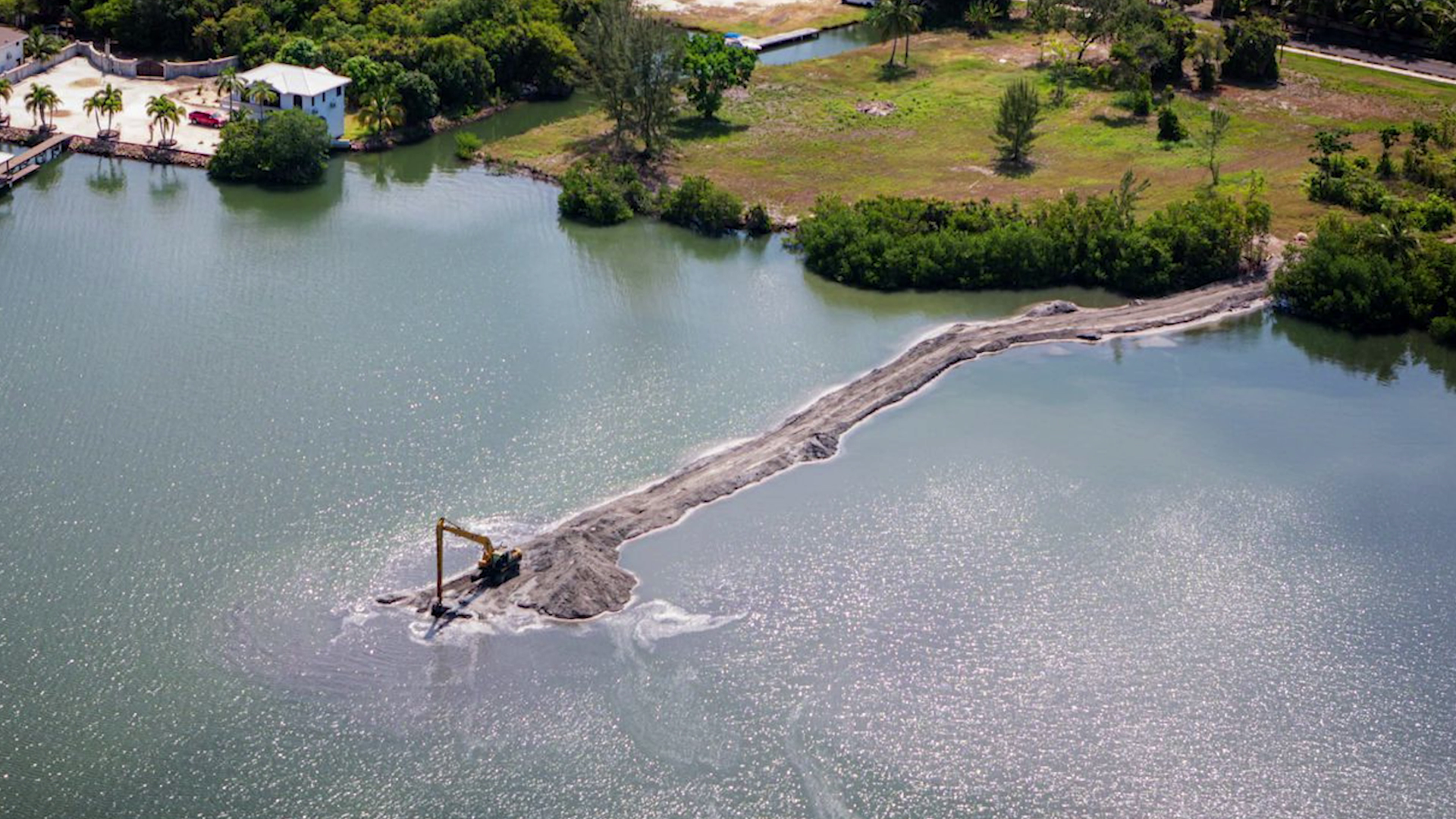
    In late April 2026, Belize’s Department of Environment quietly granted environmental clearance to Seaboard Holdings Limited for planned dredging and land reclamation work in the shared Placencia Lagoon. This move directly contradicts an earlier agreement between government bodies and local communities that all development permits would be put on hold until the comprehensive erosion assessment was completed and published. For a peninsula already grappling with accelerating coastal erosion that threatens homes, tourism infrastructure and natural ecosystems, the approval is far more than a bureaucratic misstep—it is a broken trust that has united local leaders and residents in demands for accountability.

    Warren Garbutt, chairman of the Placencia Village Council, outlined the long-simmering frustrations that have fueled the current backlash in a phone interview. For years, Garbutt explained, large-scale development projects on the peninsula have bypassed meaningful input from the local communities that stand to be most affected by the work. Instead of consulting village councils and residents, project developers typically submit applications directly to national agencies based in Belmopan, the country’s capital. Many of these agency staff, while professionally qualified in their fields, lack on-the-ground knowledge of Placencia’s unique coastal ecosystem and how development decisions impact local livelihoods, Garbutt argued.

    “If every approval can be issued out of Belmopan without any community consultation, what purpose is there for an elected village council?” Garbutt asked, noting that while the approved dredging work falls within the administrative boundaries of Seine Bight Village to the north of the peninsula, the entire Placencia region shares the lagoon’s ecosystem, leaving all communities exposed to potential environmental harm. He added that Placencia council representatives were not given any advance notice of the permit application or approval, deepening the sense of exclusion and disrespect.

    As public outrage spread across the peninsula, top environmental officials have broken their silence to address the controversy. Antonio Mai, Chief Executive Officer of Belize’s Department of Environment, defended his agency’s pre-approval due diligence process, noting that the department received formal letters of support from the Seine Bight Village Council before granting clearance. Mai also acknowledged that the project contractor violated key permit conditions: critical silt screens and sediment containment barriers designed to stop sediment runoff into the sensitive lagoon ecosystem were never installed, as required by the approval terms.

    Mai clarified that the approved work was framed as targeted excavation, not large-scale commercial dredging: the project was permitted to remove just 4,500 cubic yards of sediment to fill eroding shoreline along the developer’s seaside property and raise elevation on the project site. But during a post-approval site inspection, regulators found the contractor had built an unapproved 500-foot-long, 20-foot-wide excavation pit far beyond the scope outlined in the permit. Regulators have already ordered the unapproved structure removed. Mai also added that regulators were not aware of a recent study identifying the project area as critical manatee habitat until after the permit was granted, a gap that has amplified community concerns.

    A stakeholder meeting is scheduled for May 14, 2026, bringing together representatives from Belize’s Mining Department, the Seine Bight Village Council, and Seaboard Holdings to discuss community concerns and agree on immediate next steps to address the violations. Local news outlet News Five has confirmed it will publish full updates from the meeting as new details emerge.

  • Towards strengthening cooperation between Haiti and Trinidad and Tobago

    Towards strengthening cooperation between Haiti and Trinidad and Tobago

    In a high-stakes diplomatic mission aimed at addressing deep-seated labor market challenges, a multi-stakeholder Haitian delegation traveled to Port of Spain, the capital of Trinidad and Tobago, on May 13, 2026, to hold a landmark working meeting with Trinidadian officials, International Labour Organization (ILO) representatives, labor union leaders and private sector stakeholders. The delegation was led by Marc-Elie Nelson, Haiti’s Minister of Social Affairs and Labor, and included top figures from Haiti’s key industry and labor groups: Radia Mauluk, President of the Association of Industries of Haiti (ADIH), Yvel Admettre, Secretary General of the Confederation of Public Sector Workers (CTSP), and Fignolé St-Cyr, Secretary General of the Autonomous Central of Haitian Workers (CATH).

    During the meeting, Minister Nelson delivered a candid, comprehensive overview of Haiti’s current labor landscape, outlining the severe structural obstacles that have crippled the sector’s ability to function effectively. Key challenges he highlighted include the oversized informal economy that leaves millions of workers without basic protections, growing precarity in the limited formal employment sector, rising social unrest, outdated social dialogue frameworks, persistent gaps in labor inspection enforcement, and widespread institutional weaknesses in labor regulation and social safety net provision. Despite these significant headwinds, Nelson also outlined the concrete steps the Haitian government has already taken to improve conditions for workers and stabilize the market, including a recent minimum wage hike, expanded social assistance programs targeting the most vulnerable populations, and the creation of a new advisory council to set transparent pricing for petroleum products.

    Nelson emphasized that Trinidad and Tobago’s decades of experience in building effective social dialogue systems and robust labor regulatory frameworks would be an invaluable resource for strengthening his ministry’s institutional capacity, allowing it to deliver more impactful outcomes for Haitian workers and businesses. In response, Leroy Baptiste, Trinidad and Tobago’s Minister of Labor and Small and Micro Enterprise Development, framed inclusive social dialogue as a non-negotiable foundation for sustained economic and social stability, outlining his administration’s core strategic priorities to build a more efficient, inclusive labor market for Trinidad and Tobago. Baptiste and his senior ministry team addressed every question and concern raised by the Haitian delegation, and formally confirmed the Trinidadian government’s commitment to supporting Haiti’s efforts to upgrade its labor sector institutions.

    Joni Musabayana, the ILO’s Regional Representative, also participated in the talks, expressing solidarity with the Haitian people amid the country’s ongoing multifaceted crisis. He noted that Haiti holds the distinction of being one of the ILO’s founding member states, praised the cross-regional exchange between the two Caribbean nations as a model for collaborative problem-solving, and called for increased international attention and support for Caribbean countries grappling with uncommonly severe, unprecedented challenges.

    By the conclusion of the meeting, both sides had mapped out clear, actionable areas for future bilateral cooperation. Key priority areas identified include capacity building for inclusive social dialogue, development of professional mediation frameworks, support for labor legislative reform, upgrades to labor inspection systems, improvement of labor market data collection and statistics, and broad institutional strengthening for Haiti’s labor and social affairs agencies.

  • Land Deal Linked to Swing Bridge Plan, Smart Strategy or Risk?

    Land Deal Linked to Swing Bridge Plan, Smart Strategy or Risk?

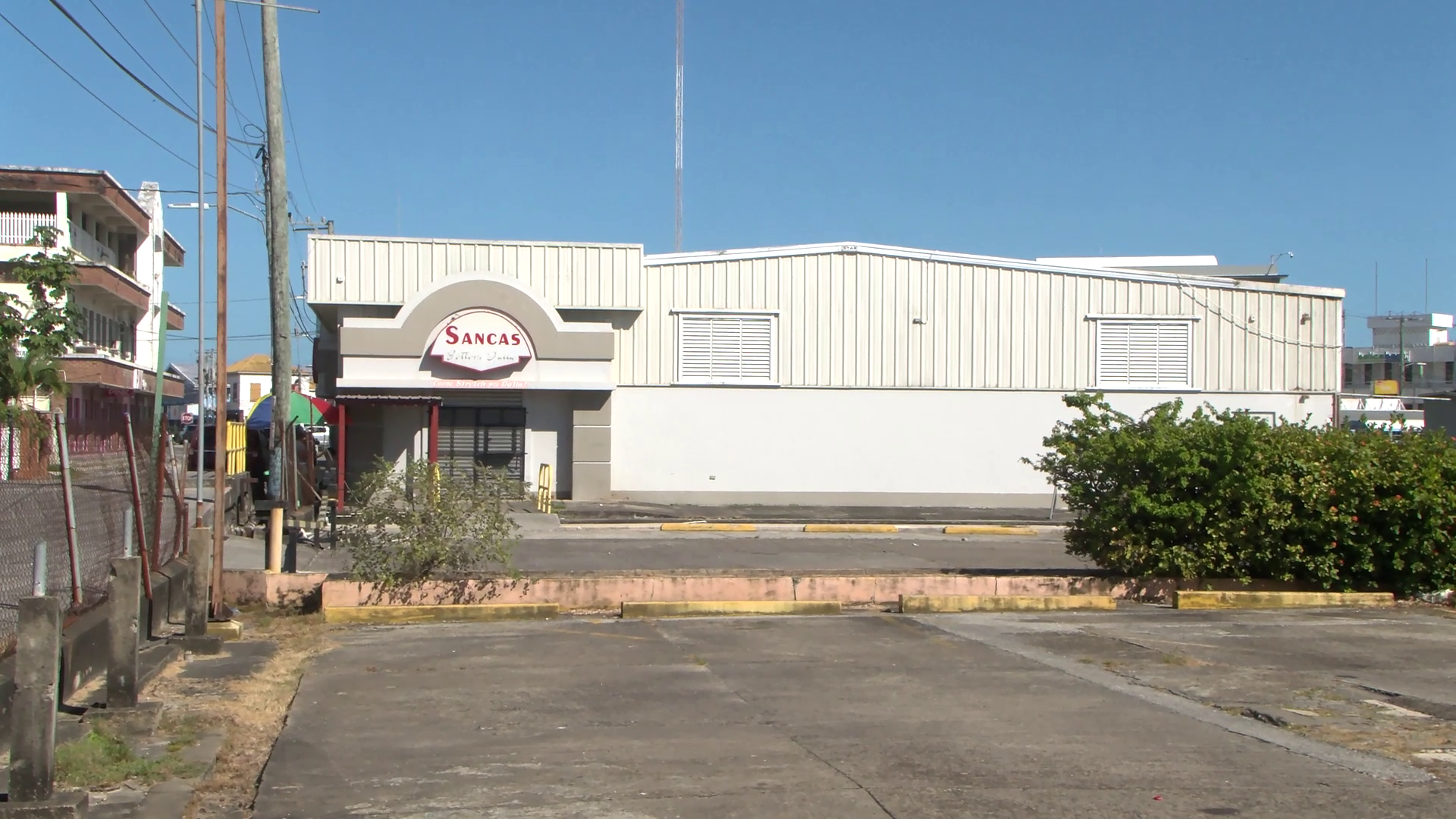
    Dated May 13, 2026, a series of major infrastructure projects across Belize are moving forward, led by the Ministry of Infrastructure Development & Housing (MIDH), with a high-value downtown land acquisition drawing both support and public scrutiny. The Belizean government has closed a deal to purchase the San Cas Bottom Dollar property, a coveted plot on Belize City’s North Front Street, for $5 million Belize dollars – a full $3 million below the original asking price of $8 million. MIDH Chief Engineer Evondale Moody frames the purchase not as a standalone real estate transaction, but as a core component of a long-term infrastructure strategy centered on the upcoming Swing Bridge replacement project.

    According to Moody, project planners discovered that critical Belize Water Services (BWS) water and sewer mains run directly through the easement between Prosser and the Bottom Dollar parking lot, which falls exactly along the planned alignment for the new bridge structure spanning Haulover Creek to connect to Regent Street West. Moving these major utilities, which run beneath the creek bed, would have cost taxpayers an estimated $3 million alone. After a month of negotiations with the property’s owners, MIDH recommended the government acquire the three-parcel site instead of covering the relocation costs.

    The proposal was further bolstered by existing allocated funding: the project’s grant agreement already sets aside $1 million to provide office space for the Japanese contractor hired to lead the bridge work. Once construction wraps, Moody explains, the property will first serve as on-site storage for the contractor during the bridge build, and the government will retain full control of the land for future public use after project completion. While the $5 million price tag has drawn surprise from some observers, MIDH officials argue the purchase eliminates massive utility relocation costs, streamlines project timelines, and leaves the government with a valuable public asset in the long run, making the investment a net gain for public funds.

    The land purchase is just one component of a broader wave of infrastructure modernization across Belize City, which is also displacing local businesses and vendors near the adjacent BelCan Bridge upgrade project. As pre-construction preparations accelerate, MIDH has partnered with the Belize City Council to clear the project alignment, issuing formal relocation notices to nearby vendors and car dealerships. Many auto businesses have already relocated, and the council has committed to moving remaining vendors – including the well-known local spot Tony’s Barbeque – within a 30-day timeline laid out by MIDH.

    Moody confirmed he has corresponded with Belize City’s mayor regarding two key vendor clusters: one near the taxi stand behind Save U, and another at a shed located on the southside of the bridge near BWS facilities. The mayor has responded in good faith, confirming relocation efforts are underway to meet the deadline. The new BelCan Bridge will be wider than the existing structure, requiring the city to reclaim the current riverfront stretch for expanded approaches and fully repave the connecting roads to integrate with the new crossing. Project designers have also confirmed the Save U entrance along Central American Boulevard will be retained in the final design to preserve public access to the corridor.

    Beyond the two bridge projects, MIDH has also issued a formal deadline for clearing unapproved structures along another key artery: the George Price Highway between Belize City and Hattieville. As part of the first lot upgrade of the highway, being carried out by contractor Cisco Construction, the ministry has ordered all private business signs and personal roadside memorials removed by June 12. Moody acknowledged the emotional significance of many roadside memorials, but noted the project requires a fully cleared right-of-way to accommodate the planned upgrades.

    Cisco Construction is currently working across three active segments of the highway: between Western Avenue and Faber’s Road, between mile four and five in the Old Belize area, and between mile eight and 10 near the local airboat operations. Moody explained that any signs or memorials remaining on the road reserve after the June 12 deadline will be removed by the contractor to keep the project on schedule.

    The coordinated rollout of these three interconnected projects marks one of the largest infrastructure pushes in Belize in recent years, with MIDH framing the moves as necessary investments to modernize the country’s busiest transportation corridors while minimizing long-term costs to taxpayers.

  • Towards improved infrastructure partnerships in Haiti

    Towards improved infrastructure partnerships in Haiti

    On May 13, 2026, senior Haitian government officials and representatives of the United Nations Office for Project Services (UNOPS) held a pivotal working meeting focused on rebooting the Caribbean nation’s stalled infrastructure development agenda. Hosting the talks was Engineer Joseph Almathe Pierre Louis, Haiti’s Minister of Public Works, Transport and Communications (MTPTC), alongside UNOPS Haiti Representative Ms. Dabagai Dabagai. The discussion has been framed as a landmark breakthrough in growing collaboration between the Haitian government and the global UN agency, opening new pathways to tackle the country’s long-running infrastructure shortfalls.

    From the opening of the session, UNOPS moved to reaffirm its steadfast commitment to supporting Haiti’s public works priorities. The entire meeting centered on refining the implementation framework for the country’s largest ongoing infrastructure projects, with special strategic focus allocated to the underdeveloped North and West departments, two regions that have faced disproportionate gaps in basic public infrastructure for decades.

    Minister Pierre Louis brought a grounded, pragmatic assessment of on-the-ground challenges to the dialogue, laying out the dual crises facing the national infrastructure sector. He stressed that the country is currently squeezed between crippling, rigid budget limitations that have sidelined dozens of projects and a worsening nationwide infrastructure crisis that has left critical roads, public facilities and utilities in a state of disrepair. Even with constrained public funding, the minister made clear that accelerating both new construction and routine maintenance work is a non-negotiable national priority to support economic recovery and public welfare.

    A separate urgent request was also raised by the minister: targeted support to resolve the complicated management situation of displaced persons currently encamped on the site of Haiti’s National Laboratory for Building and Public Works. The occupation of this critical government facility has delayed critical testing and planning work for new infrastructure projects across the country, creating an additional bottleneck for the sector.

    In response to the multiple barriers outlined by the Haitian government, Ms. Dabagai pledged that UNOPS would step into a direct facilitation role to unlock progress. The agency plans to immediately open structured discussions with potential international donor partners, many of which have already signaled strong interest in targeted infrastructure investment across Haiti’s priority regions. The core goal of this outreach is to mobilize the flexible financial and technical resources needed to keep essential projects on schedule and speed up delivery across the country.

    This high-level dialogue has already done much to strengthen existing synergies between MTPTC and UNOPS, clearing the way for faster resource mobilization and the rollout of tangible, on-the-ground solutions to the infrastructure sector’s most pressing challenges. The renewed partnership between the two institutions highlights the Haitian government’s strategy of leveraging the technical expertise and institutional rigor of established international bodies to tackle pressing national emergencies and lay the groundwork for long-term development.

  • The Store You Choose Matters More Than You Think

    The Store You Choose Matters More Than You Think

    For countless households across Belize watching every dollar of their grocery budget, rising weekly food bills have become a persistent source of financial strain. But a new on-the-ground investigation reveals that where consumers choose to shop may create far larger differences in final checkout costs than most shoppers realize. To quantify just how much prices can shift between retailers in the same city, a News Five reporting team visited three major supermarkets across different neighborhoods of Belize City, comparing sticker prices for a range of common everyday essentials from food staples to household cleaning products. The findings highlight that even small per-item price differences add up to meaningful savings or extra costs for families working with tight monthly budgets.

    Reporter Paul Lopez led the in-store comparison, selecting three locations spanning the city: Publics Supermarket on the North Side, 88 Shopping Center in the southern district, and downtown Belize City’s locally owned Sam’s Mart. Armed with a standardized list of 10+ everyday grocery items—including dish soap, breakfast cereal, processed ham, laundry detergent, canned tuna, and tomato paste—the team recorded individual product prices at each outlet to create an apples-to-apples comparison.

    Across most items tested, larger chain retailer Publics offered the lowest overall prices. For example, a 200-gram pack of Dak Chopped Ham retailed for $4.39 at Publics, compared to $4.50 at 88 Shopping Center and $4.65 at Sam’s Mart, the highest price for that product. The same trend held for Mazatun canned tuna: Publics priced the item at $2.95, 88 Shopping Center came in slightly higher at $2.99, and Sam’s Mart charged the top rate of $3.25.

    Sam’s Mart manager Erica Matus explained that small, locally owned Belizean retailers face structural barriers that prevent them from matching the lower prices of larger chain operations. “As a Belizean owned business, the challenge we face is buying in quantity where the bigger chains can buy more, so they get a lower cost,” Matus noted.

    Lennox Nicholson, Controller of Supplies for Belize’s Supplies Control Unit, confirmed that bulk purchasing power is one of the biggest drivers of price variation between retailers. “You may have two establishments selling the same item. One would have made a purchase of one hundred cases, while the other one may have bought twenty-five cases. And, in getting the supply of their product, normally when entities purchase in large bulks like that there is a better bargaining position to get a better price per case,” Nicholson explained.

    The investigation also found that pricing hierarchies are not fixed: smaller independent stores can undercut larger chains on select products. For a 1.9-liter bottle of Suavitel laundry detergent, Sam’s Mart priced the item at $6.95, while Publics charged $7.25—30 cents more per bottle. For a box of Fans Cornflakes, the highest price was recorded at 88 Shopping Center ($7.50), with Sam’s coming in at a middle point of $6.95 and Publics again offering the lowest rate at $6.85. The cheapest price for a 400-milliliter bottle of Axion dishwashing liquid was found at 88 Shopping Center ($2.50), compared to $3.95 at Sam’s.

    Nicholson also noted that a long-assumed driver of grocery price gaps—location relative to Belize City’s main distribution hubs—is far less impactful than it used to be. “What you find is that there is a general practice if it is a rural area, the price is just higher and if it is further away from Belize City the price is higher. But when you drill down and look at the invoice to show what they acquired the good for, there is not that significant gap between what an establishment in Belize City is acquiring for, compared to what an establishment in Belmopan is acquiring for,” he said.

    To boost its competitiveness against larger chains, Sam’s Mart has launched its own in-house line of poultry products, with discounted pricing to draw price-conscious shoppers. “The whole chicken is $2.90 a pound. Then we have chicken wings that come bagged, $5.95 a pound, and neck and back at $1.00 a pound,” Matus shared, highlighting the value the local store can offer on its own branded products.

    For Belizean households navigating ongoing cost of living pressures, the investigation’s core takeaway is clear: taking the time to compare prices across local supermarkets, even within the same city, can add up to hundreds of dollars in annual savings. Reporting for News Five, Paul Lopez.

  • Government Steps Up Enforcement, But Can It Rein in Prices?

    Government Steps Up Enforcement, But Can It Rein in Prices?

    Dated May 13, 2026, Belize’s government is moving forward with an aggressive expansion of consumer protection efforts aimed at taming runaway prices, though lingering uncertainty remains over how much regulatory control can actually be exerted over unregulated market segments. At the heart of these reforms is the country’s Supplies Control Unit, which is implementing sweeping changes to boost its enforcement capacity: the agency has doubled its operational staff, opened new regional branch offices across the nation, and formed a new partnership with the national Police Training Academy to upskill personnel and strengthen on-the-ground compliance actions.

  • Election Season Heats Up, But Who’s Funding the Campaigns?

    Election Season Heats Up, But Who’s Funding the Campaigns?

    As Belize enters the early stretch of its 2026 municipal election cycle, a high-profile populist policy proposal has reignited long-simmering public anger over the lack of transparency in political campaign funding, shining a harsh light on years of unfulfilled government promises to overhaul the nation’s loose campaign finance rules.

    The controversy erupted after Edward Broaster, a caretaker candidate for the United Democratic Party (UDP) in the Belize Rural Central constituency, announced a temporary $2 per-gallon gas subsidy for local voters. The move, designed to capitalize on widespread public frustration over soaring global fuel prices, quickly sparked suspicion: with no official disclosure requirements for political donations, voters have no way to trace where the funds for the handout are coming from. The incident has pulled back the curtain on a broader problem that successive Belizean administrations have failed to address – the complete lack of regulated oversight over who bankrolls political parties and candidate campaigns ahead of elections, now less than 10 months away.

    The push for reform is not a new conversation. Back in 2020, when current Prime Minister John Briceño led the People’s United Party (PUP) as opposition leader, he made comprehensive campaign finance regulation a core campaign pledge. Briceño outlined four foundational pillars for the proposed legislation at the time: formal legal classification of political parties, clear standards for organizational governance, a defined structure for acceptable donations (whether private, public, or a mixed model), and binding caps on donation sizes to prevent wealthy interests from exerting outsize influence.

    After the PUP won the 2020 general election and formed government, Briceño doubled down on the promise, announcing in May 2021 that the bill would be finalized and passed by the end of the year, developed in collaboration with the nation’s leading business and labor groups. The Belize Chamber of Commerce and Industry (BCCI) stepped forward to draft a full legislative proposal, which included mandatory public disclosure of all donations over a set threshold, regular reporting requirements for campaign spending, and strict penalties for non-compliance.

    Marcelo Blake, BCCI’s president, reaffirmed the business community’s support for the reform in a 2023 address, noting that the draft legislation had been shared with the government and that stakeholders were ready to work with lawmakers to get the bill passed. The National Trade Union Congress of Belize (NTUCB), the nation’s largest labor federation, also backed the reform effort, warning that unregulated political financing creates a direct pipeline for corruption and quid pro quo policy-making.

    Ella Waight, NTUCB’s current president, emphasized the stakes for the small Caribbean nation in a recent statement, arguing that Belize’s limited public resources are too precious to be misallocated to repay wealthy donors who bankroll winning campaigns. “We cannot allow that we have business or large entities or large people with great finances sponsoring parties when it comes to election time, and then they have to reimburse these favors,” Waight said.

    Yet despite years of negotiations, stakeholder input, and public pledges, no binding campaign finance reform legislation has made it to a vote in Belize’s National Assembly, even as the next municipal election approaches rapidly. Critics point out that both of Belize’s major political parties – the ruling PUP and opposition UDP – benefit from the current opaque system, which requires almost no public disclosure of donations, imposes almost no limits on who can give, and carries zero meaningful consequences for violating the few existing weak rules. Public pressure for reform has waned in recent years, and with it the government’s sense of urgency to act.

    The Broaster gas subsidy incident has dragged the unfulfilled promise back into the public eye, leaving many voters asking the same question that has lingered for half a decade: when will Belize finally deliver on the transparent, accountable campaign finance system that politicians have promised for so long?

  • Traffic Arrangements – Mt Kumar to Chantilly, St George

    Traffic Arrangements – Mt Kumar to Chantilly, St George

    Motorists and local residents in Grenada are being alerted to upcoming temporary traffic adjustments that will reshape travel patterns across several public roads for three weeks starting May 14, 2026. The new rules, issued by the Traffic Department of the Royal Grenada Police Force (RGPF), are being implemented to accommodate the Mt Kumar to Chantilly G-Crews Pipe Laying Project, an infrastructure upgrade that will improve local utility services once completed.

    Under the approved traffic plan, two major local roads will convert to one-way operation for the duration of the construction work. La Mode Public Road will only allow vehicles traveling in the direction of Mt Gay, while Beaulieu Public Road will be restricted to one-way traffic heading toward Snug Corner.

    Additional routing adjustments have been mapped out to redirect through traffic around the construction zone. All vehicles traveling from Grand Etang toward St George’s will be required to turn left onto Boca Public Road, followed by another left turn onto Melrose Public Road, before exiting onto La Mode Public Road to continue their journey. For drivers departing from New Hampshire and nearby surrounding communities, the revised route calls for a left turn at the Beaulieu/Boca junction, a right turn onto Melrose Public Road, and exit onto La Mode Public Road.

    Notably, the new traffic restrictions do not apply to all vehicle classes. Heavy trucks and public buses will be exempt from the altered routing rules, and will retain access to their standard, pre-construction routes throughout the three-week work period.

    The RGPF has issued a public call for cooperation from all road users, emphasizing that the temporary adjustments are necessary to keep construction crews safe and allow the infrastructure project to progress on schedule. The official notice was released through the Office of the Commissioner of Police, with local outlet NOW Grenada noting it does not take responsibility for contributor content and provides a channel for reporting alleged abuse of its platform.

  • Massive Fire Destroys Two-Storey Building on Wehner Road

    Massive Fire Destroys Two-Storey Building on Wehner Road

    Waiting for supplementary original news content to complete the full rewriting.

  • Fonseca Recovering, PM Steps In, But Why Not Osmond Martinez?

    Fonseca Recovering, PM Steps In, But Why Not Osmond Martinez?

    In Belize, a sudden shift in cabinet responsibility has triggered public and press speculation following a senior minister’s urgent medical procedure. Long-serving Foreign Affairs Minister Francis Fonseca is currently recuperating after undergoing triple bypass heart surgery, prompting Prime Minister John Briceño to step in and take temporary control of the critical foreign affairs portfolio.

    While the handover was made to accommodate Fonseca’s recovery period, political observers and local reporters have quickly turned their attention to a lingering question: why was Dr. Osmond Martinez, the country’s Minister of Economic Transformation, not selected to serve as the interim replacement for Fonseca?

    When pressed by reporters on the matter during a recent public appearance, Martinez deflected decision-making responsibility directly to the prime minister. He argued that a separate temporary appointment is unnecessary in this case, noting that Briceño’s decision to hold the portfolio himself is entirely appropriate. “I do not think anyone can replace Minister Fonseca,” Martinez stated, emphasizing his respect for the incumbent foreign affairs chief. Beyond professional ties, Martinez shared that Fonseca is not just a colleague to him, but also a close personal friend and a valued professional mentor, and he extended his sincere wishes for a speedy and full recovery, noting that the entire cabinet has been praying for Fonseca’s successful recuperation.

    Addressing speculation around other potential interim appointments, Martinez clarified that he has no knowledge of any planned promotion for Marconi Leal, who currently handles foreign trade duties within the foreign affairs structure. He also drew a clear line between his own role and the foreign affairs brief, noting that his Economic Transformation Ministry falls under the Prime Minister’s Office portfolio, and he is not involved in the day-to-day work of foreign affairs or foreign trade.

    Fonseca remains a central figure in shaping Belize’s international diplomatic relationships, and for the immediate term, both the full foreign affairs portfolio and the separate foreign trade sub-portfolio remain under the direct control of Prime Minister Briceño. This development leaves open ongoing questions about the long-term interim arrangement as Fonseca continues his recovery process.

    This report is adapted from a transcribed evening television news broadcast from Belize.