Two leading Dominican institutions, the Special Fund for Agricultural Development (FEDA) and the State Sugar Council (CEA), have joined forces to roll out an innovative heritage tourism project in Hato Mayor province, with dual goals: safeguarding the Dominican Republic’s centuries-old sugar industry legacy and unlocking sustainable new economic pathways for local communities.
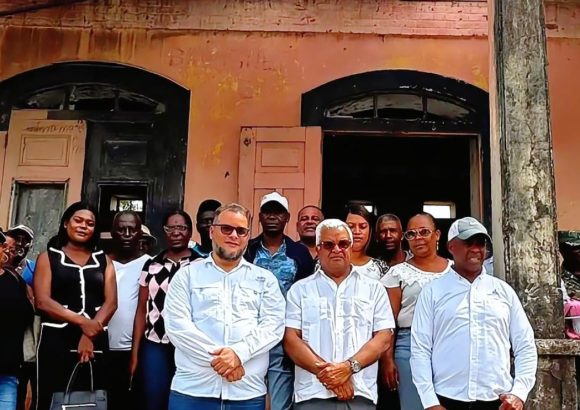
Shortly after the initiative was announced, FEDA Director Hecmilio Galván and CEA Director Rafael Burgos Gómez conducted an on-site inspection of key historic locations earmarked for the new tourism route. Their tour included the former administrative offices of the iconic Las Pajas Sugar Mill and a well-preserved traditional sugar processing facility, as leaders assess which sites will meet the standards for inclusion in the planned heritage circuit.
The proposed cross-province route will connect three major sugar-growing regions: Hato Mayor, San Pedro de Macorís, and Monte Plata. It will tie together a network of culturally significant sites, from long-shuttered sugar mills and century-old production facilities to existing museums that document the industry’s history. A core component of the project is the planned restoration of the Las Pajas Museum, which will then be integrated into the larger network that already includes the Porvenir, Colón, and Consuelo sugar mills, as well as the national Sugar Cane Museum.
Project leaders emphasized that the initiative fills a long-standing gap in cultural preservation for the Dominican Republic, where sugar production has shaped national identity, economic development, and social structure for more than five centuries. Beyond conservation, the project is designed to grow the country’s cultural tourism sector, draw both domestic and international visitors to the underpromoted sugar-heartland regions, and create lasting new income streams for local small business owners, agricultural producers, and community members in traditional sugarcane-growing areas.
Local residents in Mata Palacio, one of the communities set to benefit directly from the initiative, have already expressed widespread support for the plan. Many shared that they see the project as a long-awaited catalyst for inclusive economic growth that will raise living standards and expand opportunity for younger generations who have few local economic options in the province.