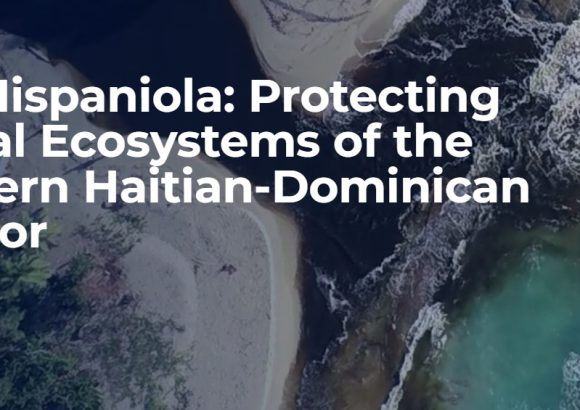
The island of Hispaniola, shared by Haiti and the Dominican Republic, is set to receive a transformative boost to its coastal and marine management with the launch of the Blue Hispaniola initiative, a three-year binational project led by the Pan American Development Foundation (PADF). Backed by funding from UK International Development through the global Ocean Community Empowerment and Nature (Ocean) program, the project was officially unveiled in Ouanaminthe, a border city in northern Haiti, marking a landmark step in cross-border environmental and economic cooperation.
Hispaniola’s shared coastal ecosystems have long faced mounting pressures: unregulated overfishing has depleted fish stocks, habitat degradation has damaged critical mangrove forests and coral reefs, and tens of thousands of coastal residents lack stable, sustainable livelihood opportunities. Recognizing that marine ecosystems do not respect national borders, Blue Hispaniola brings together six civil society and community organizations from both countries to build a collaborative cross-border blue economy corridor. The initiative prioritizes four core objectives: advancing sustainable fishing practices, conserving fragile coastal ecosystems, expanding market access for small-scale fisherfolk, and creating new inclusive income-generating opportunities for marginalized coastal communities.
Six local partner organizations will implement on-the-ground activities across both sides of the border. Haitian partners include Haïti Efficace, Fondation Essence-Elle, Mouvement Paysan pour le Développement de Paulette, and Groupe Féministe Révolté d’Haïti, while Dominican teams include AgroFrontera and Fundación Reddom. Working together, the coalition will strengthen local fishing associations, deliver targeted community training on sustainable resource management, improve connections to fair regional markets, and intentionally elevate women’s leadership in the fisheries sector. A key equity mandate of the initiative requires that at least 50% of direct project participants are women, addressing historical gender disparities in coastal resource governance and economic opportunity.
By the end of the three-year implementation period, which runs through 2027 to 2028, the project is projected to deliver tangible benefits for both people and the planet. More than 8,350 coastal residents are expected to gain improved livelihoods and access to resources, while the initiative will support the sustainable long-term management of over 92,250 hectares of critical marine and coastal habitats, including carbon-rich mangroves and biodiversity hotspots like coral reefs. Beyond direct local impacts, PADF officials note that the project is designed to address root causes of coastal degradation: by replacing overexploitation with sustainable practices and providing alternative economic opportunities, it creates incentives for long-term conservation.
As a binational pilot, Blue Hispaniola aims to set a replicable regional model for cross-border cooperation on ocean conservation. By integrating environmental protection goals with inclusive, sustainable economic development for coastal communities on both sides of the Hispaniola border, the initiative demonstrates how shared natural resources can be a catalyst for collaborative action rather than conflict, delivering mutual benefits for people and the planet for years to come.