作者: admin

  • ‘Presidential Walk of Fame’ introduces plaques mocking former presidents

    ‘Presidential Walk of Fame’ introduces plaques mocking former presidents

    In a controversial move that has sparked widespread debate, former President Donald Trump has established a “Presidential Walk of Fame” within the White House grounds. This installation features plaques bearing sharply critical commentaries placed beneath official portraits of previous commanders-in-chief, particularly targeting Barack Obama and Joe Biden.

    The inscriptions, written in Trump’s characteristic social media style, present scathing assessments of his predecessors’ administrations. The plaque dedicated to President Biden—notably displayed without a portrait—contains particularly harsh language, describing him as “the worst President in American History” and alleging he assumed office through “the most corrupt Election ever seen in the United States.”

    While Trump has publicly characterized the exhibit as “a tribute to past Presidents, good, bad, and somewhere in the middle,” factual verification efforts have identified multiple claims on the plaques as unfounded or misleading. This installation represents the latest in a series of controversial modifications Trump has made to the White House complex.

    Among previous contentious renovations was the removal of the historical Rose Garden to accommodate a grand ballroom project, funded by supporter contributions with estimated costs approaching $400 million. Construction continues on this significantly expanded facility, which is planned to exceed the scale of any existing structure within the White House campus.

    The Presidential Walk of Fame has raised questions about the appropriate treatment of historical presidential legacies and the traditional decorum associated with the nation’s highest office.

  • Police association warns of rising risks, mulls new ‘risk allowance’ request

    Police association warns of rising risks, mulls new ‘risk allowance’ request

    The Barbados Police Association (BPA) has issued a stark warning about the escalating dangers faced by law enforcement personnel, declaring policing an increasingly perilous profession. Association President Inspector Wendley Carter revealed that if the ongoing public service regrading exercise fails to adequately address these risks, the organization will formally petition the Mia Mottley administration for a specialized compensation package.

    Rather than the previously proposed ‘hazard allowance,’ the BPA now advocates for a comprehensive ‘risk allowance’ that would encompass the entire police service. Inspector Carter explained this terminological shift reflects the evolving nature of threats officers confront, both on and off duty. “We are moving away from ‘hazard allowance’ because it might be a risk… there are different types of risks in the police service,” Carter stated during an exclusive interview with Barbados TODAY.

    The timing of this initiative is strategically linked to the government’s current compensation review. Carter indicated that if the regrading results prove unsatisfactory, the association will aggressively pursue additional compensation measures. This approach aims to retain experienced personnel while making the service more attractive to new recruits.

    Carter highlighted an alarming trend of experienced officers leaving for better-paying positions at institutions like the Central Bank and University of the West Indies. “If I left the police service to go to the Central Bank or The UWI, that means I am getting more than what I am getting in the service,” he noted, emphasizing the recruitment challenges stemming from non-competitive compensation.

    The risk allowance proposal gains urgency following recent violent incidents against officers, including a shooting attack mentioned by Carter. He stressed that modern policing risks extend beyond traditional duty hours, as officers remain vulnerable even when off-duty due to their recognizable professional status.

    The BPA leader called for governmental action to address both compensation issues and recruitment shortages, warning that without competitive packages, the police service cannot attract sufficient qualified candidates to maintain public safety standards.

  • Bangladesh in nationale rouw na dood prominente studentenactivist

    Bangladesh in nationale rouw na dood prominente studentenactivist

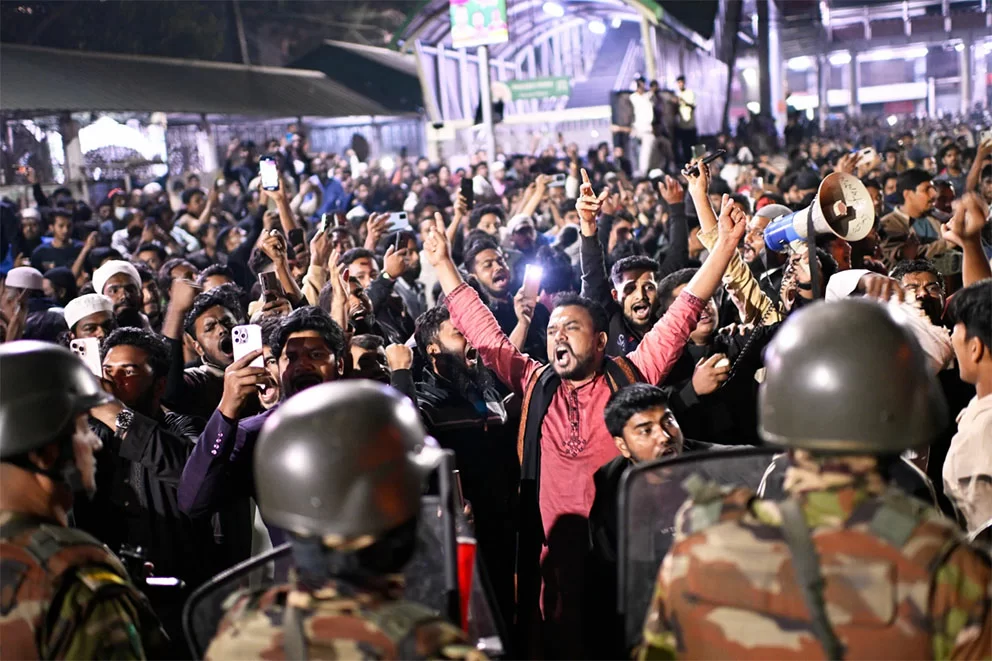
    Bangladesh declared a national day of mourning on Saturday in honor of Sharif Osman Hadi, a prominent leader of the 2024 student uprising movement, whose tragic death has ignited two days of massive protests across the nation. The 32-year-old activist, who succumbed to gunshot wounds sustained during an attack by masked assailants over a week ago, was laid to rest in a heavily secured funeral ceremony at the Parliament Building in Dhaka.

    Authorities deployed extensive police forces equipped with body cameras throughout the capital ahead of the funeral procession, which commenced at 2:00 PM local time at the South Plaza of Jatiya Sangsad Bhaban. The national flag flew at half-mast across all government buildings as a symbol of collective grief.

    While protests had largely subsided by Saturday, media outlets continued reporting fresh incidents of violence. Cultural institutions, newspaper offices, and political buildings faced arson attacks and storming throughout the week, highlighting the nation’s escalating tensions. The residence of Anisul Islam Mahmud, chairman of the National Democratic Front and leader of a Jatiya Party faction, was vandalized and set ablaze in Chattogram, Bangladesh’s second-largest city.

    The Bangladesh Shilpakala Academy, the state-sponsored cultural center, announced temporary suspension of all activities due to security concerns following attacks on its premises. Major newspapers Prothom Alo and The Daily Star, both targeted by protesters, struggled to maintain operations with staff forced to evacuate to rooftops during fires while pledging to continue digital publications.

    Hadi served as spokesperson for Inquilab Moncho (Platform for Revolution), a leading force within the student protest movement. He passed away Thursday at a Singapore hospital from head injuries sustained during the assassination attempt. The activist had been preparing to contest the February 2026 parliamentary elections representing Dhaka-8 constituency.

    His death triggered violent demonstrations that targeted residential properties, party offices, and even the Indian Assistant High Commission in Chittagong. Protesters expressed fury over alleged Indian involvement, suggesting the perpetrator might have fled to India.

    Bangladesh’s interim government, led by Nobel laureate Muhammad Yunus since Prime Minister Sheikh Hasina’s resignation in August 2024, strongly condemned the violence while appealing for calm. Demonstrators continued demanding extradition of suspects and justice for Hadi and other victims. Hasina herself received a death sentence in November for human rights violations during the brutal suppression of the student uprising that claimed approximately 1,400 lives.

    Families of victims maintain hope that the former prime minister and others responsible for the crackdown will eventually face trial.

  • Suspect captured on camera after multiple items reported stolen

    Suspect captured on camera after multiple items reported stolen

    Authorities are investigating a significant burglary case after surveillance footage captured an individual allegedly responsible for stealing a collection of high-value electronics and luxury personal items. The incident, which has garnered attention through online community posts, involves the disappearance of premium goods from a residential property.

    Among the stolen inventory is a white PlayStation 5 gaming console accompanied by matching white and black controllers, alongside a large 65-inch Toshiba smart television. The theft also targeted valuable personal accessories, including a gold chain featuring an ornate cross pendant and customized gold name earrings inscribed with the initials “AL.”

    Further missing items comprise two distinctive backpacks—a black and red SprayGround model adorned with a silver lion motif and a sophisticated black and red Swiss brand backpack. The perpetrator also made off with high-end audio equipment, specifically Beats DJ Pro headphones, a new wristwatch of unspecified brand, and an entire collection of fifteen bottles of premium cologne.

    Law enforcement officials have released photographic evidence of the stolen merchandise and are seeking public assistance in identifying the individual visible in the security camera images. The visual documentation provides crucial evidence in the ongoing investigation into this calculated theft of consumer electronics and personal luxury items.

  • Update on United States Visa Restrictions on Dominican Nationals

    Update on United States Visa Restrictions on Dominican Nationals

    The European Union has officially implemented its groundbreaking Artificial Intelligence Act, establishing the world’s first comprehensive regulatory framework for AI technologies. This landmark legislation, which received final approval from the European Parliament in March 2024, creates a risk-based classification system that imposes strict requirements on AI applications deemed high-risk while banning certain applications entirely.

    The regulation categorizes AI systems into four risk tiers: unacceptable risk, high risk, limited risk, and minimal risk. Applications facing prohibition include social scoring systems, real-time biometric identification in public spaces for law enforcement purposes (with narrow exceptions), emotion recognition systems in workplaces and educational institutions, and AI that manipulates human behavior to circumvent free will.

    High-risk AI systems, encompassing critical infrastructure, medical devices, and judicial processes, must meet rigorous requirements including risk mitigation systems, high-quality data sets, detailed documentation, human oversight, and high levels of robustness, accuracy, and cybersecurity. General-purpose AI models face transparency requirements, while all AI-generated content must be clearly labeled.

    The framework introduces substantial penalties for non-compliance, with fines reaching up to €35 million or 7% of global annual turnover for violations involving prohibited AI applications. The legislation adopts a phased implementation approach, with certain bans taking effect within six months, while most provisions will be fully applicable within 24 months.

    This pioneering regulatory approach positions the EU as a global standard-setter in AI governance, potentially creating a ‘Brussels effect’ where international companies adapt their global practices to comply with these stringent requirements. The Act aims to balance innovation promotion with fundamental rights protection, creating a harmonized legal framework across EU member states.

  • Windies defy mammoth Kiwi total to keep hope alive

    Windies defy mammoth Kiwi total to keep hope alive

    A compelling battle between bat and ball unfolded on Day Two of the Test match between New Zealand and the West Indies, leaving the contest finely poised. The home team, propelled by a magnificent double century from Devon Conway, posted a formidable first innings total of 575 for eight before declaring.

    The West Indies’ bowling effort was hampered by the absence of veteran paceman Kemar Roach, sidelined with a hamstring injury sustained on the opening day. Despite this setback, the visiting bowlers showed resilience. Justin Greaves emerged as the standout, claiming 2-83, with Jayden Seales and Roston Chase providing crucial support.

    Conway’s marathon innings of 227 was the cornerstone of New Zealand’s dominance. He spent over eight hours at the crease, facing 367 deliveries and striking 31 boundaries. Valuable contributions came from Rachin Ravindra, who remained unbeaten on 49, and Ajaz Patel, who scored a quickfire 30.

    In response, the West Indies openers launched a spectacular counter-attack, reaching 110 without loss by stumps. Brandon King led the charge with an unbeaten 55, displaying his characteristic fluency and striking nine fours. He was ably supported by John Campbell, who finished 45 not out in a partnership that scored at nearly five runs an over on a pitch offering little assistance to the bowlers.

    This aggressive start has set the stage for a fascinating third day, with the match hanging in the balance as the West Indies look to chip away at the significant deficit.

  • Wages, prices, corporate pressure and consumer tolerance

    Wages, prices, corporate pressure and consumer tolerance

    The Barbados Chamber of Commerce & Industry (BCCI) has ignited a critical national dialogue regarding the complex interplay between minimum wage increases and business sustainability. This debate emerges against a backdrop of escalating living costs that disproportionately affect low-wage workers while simultaneously threatening the operational viability of enterprises across the island nation.

    At the heart of the discussion lies a fundamental tension: the moral imperative to ensure all working Barbadians earn sufficient income to cover basic necessities versus the economic realities facing businesses, particularly small and medium enterprises that dominate the commercial landscape. With food prices, housing costs, utilities, and transportation expenses steadily climbing, minimum wage earners represent the demographic most vulnerable to economic pressures, often allocating virtually their entire income to essential expenditures.

    BCCI President Paul Inniss recently articulated the chamber’s position during a press conference, acknowledging the necessity of livable wages while warning of the ‘cascading effect’ that mandated wage increases trigger throughout the economy. The chamber’s analysis indicates that when the national minimum wage rises, employees earning above that threshold typically expect corresponding increases, creating widespread upward pressure on labor costs that extends far beyond entry-level positions.

    Christopher Sambrano, Chairman of the BCCI’s Economic Advisory Committee, cautions that continuous wage hikes risk fueling inflationary cycles that could ultimately negate any purchasing power gains workers might otherwise achieve. This perspective highlights the delicate balance policymakers must strike between immediate relief for workers and long-term economic stability.

    The chamber advocates for a more nuanced approach to compensation, proposing incentive-based pay structures tied to productivity metrics and business performance. Such systems would theoretically provide a base wage meeting minimum standards while offering additional earnings potential through performance bonuses. However, this approach presents implementation challenges regarding National Insurance contributions, pension calculations, and the inherent power imbalances that leave low-wage workers vulnerable to exploitation.

    Technology adoption, process optimization, and artificial intelligence implementation represent alternative strategies businesses might employ to offset rising labor costs. Yet critics note that productivity enhancements remain particularly challenging for small businesses and labor-intensive sectors where human effort directly correlates with output.

    The government maintains that minimum wage adjustments constitute an essential component of its broader socioeconomic agenda. While the BCCI leadership expresses understanding of this policy direction, they emphasize that consecutive increases have intensified pressure on business operations, potentially leading to price increases passed to consumers or other cost-saving measures.

    This ongoing discourse ultimately seeks to identify sustainable solutions that acknowledge both the legitimate needs of workers for adequate compensation and the practical constraints facing businesses in a competitive economic environment.

  • National flu-season plan urged as holiday illness surge looms

    National flu-season plan urged as holiday illness surge looms

    Barbados is confronting an anticipated increase in respiratory illnesses during the holiday season, prompting urgent calls for a coordinated national response strategy. Dr. Kenneth Connell, newly appointed Independent Senator and Deputy Dean of Recruitment and Outreach at the UWI Faculty of Medical Sciences, has highlighted the nation’s particular vulnerability as it enters the initial phase of its annual flu season.

    The island’s status as a premier tourist destination creates unique epidemiological challenges, with respiratory viruses circulating in temperate regions like the United Kingdom and United States typically reaching Barbadian shores within weeks. “Whatever happens in our main tourist markets eventually arrives here in a few weeks,” Senator Connell observed, emphasizing the predictable pattern of viral transmission.

    While hospital systems have maintained certain COVID-19 protocols including continued mask mandates in clinical settings, Connell identifies significant gaps in public health preparedness. He notes the absence of visible public awareness campaigns despite improved general knowledge about respiratory illness prevention since the pandemic.

    The medical expert advocates for establishing a structured national framework similar to hurricane preparedness protocols. “You know it’s going to happen, so there should be a taskforce looking at this,” he stated, proposing a unified approach involving both public and private healthcare providers, businesses, and institutions with large workforces.

    Particular concern is directed toward protecting vulnerable populations including elderly residents in multi-generational households and individuals living with non-communicable diseases such as diabetes and hypertension. These groups face significantly higher risks of developing serious complications from respiratory infections that might cause only mild symptoms in healthier individuals.

    The holiday season presents additional challenges for healthcare infrastructure, as hospitals traditionally restrict staff leave while simultaneously confronting increased absenteeism due to illness. Connell issued a strong warning against working while sick, emphasizing that this practice accelerates workplace transmission and ultimately exacerbates system pressures.

    Regarding recent COVID-19 case increases, Connell characterized these as expected seasonal patterns rather than cause for alarm. He indicated that healthcare institutions are implementing contingency measures including deploying locum doctors and additional staff to maintain critical services throughout the holiday period.

  • Why the Union Power Station is active again

    Why the Union Power Station is active again

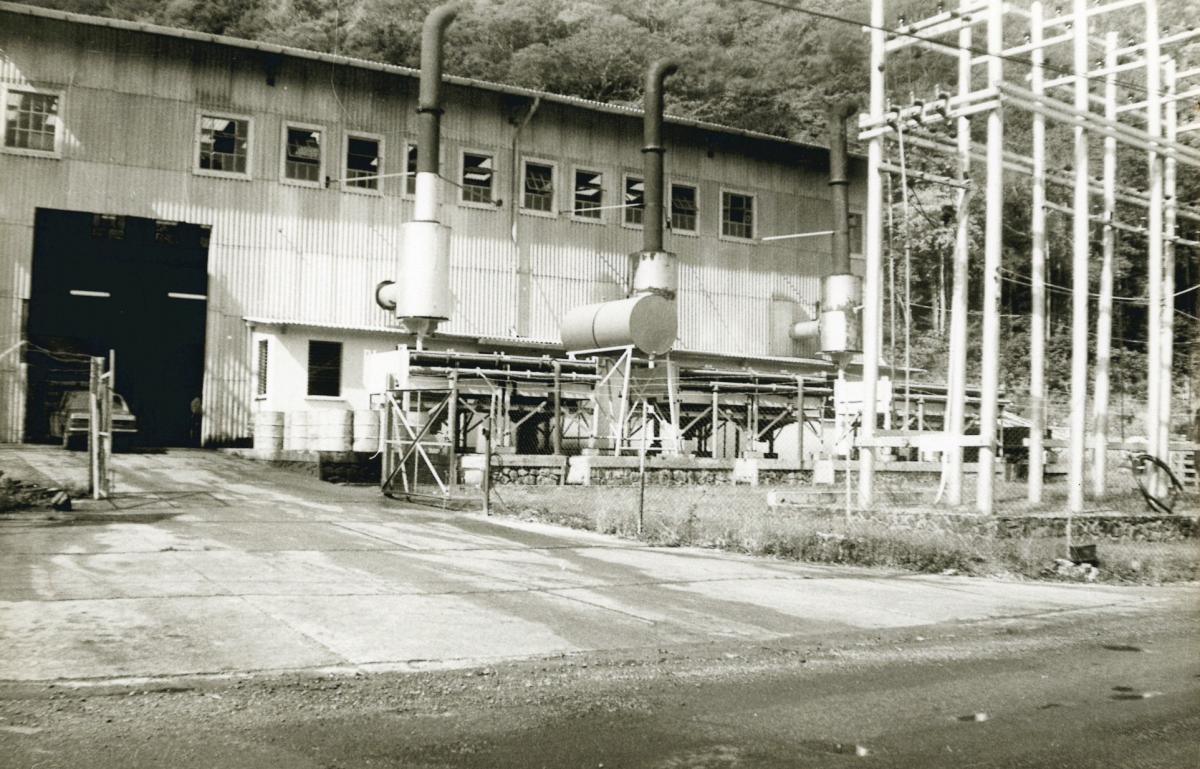
    In a strategic move to enhance national energy security, Saint Lucia Electricity Services Limited (LUCELEC) has repurposed the decommissioned Union Power Station into a critical standby facility. This initiative marks a significant step in fortifying the island’s electrical infrastructure against potential disruptions.

    The Union facility, once a cornerstone of northern Saint Lucia’s power supply, was rendered obsolete in 1990 when the centralized Cul De Sac Power Station became the nation’s sole generation source. Alongside its southern counterpart in Vieux Fort, the Union plant was phased out due to operational limitations from aging infrastructure and insufficient capacity.

    Recent reactivation efforts have transformed the site into a reliability asset. Ormond Reece, LUCELEC’s Senior Planning Manager, confirmed the station now serves as emergency capacity to satisfy regulatory mandates requiring uninterrupted service even during major generator failures. “This investment ensures LUCELEC meets its statutory obligation to maintain sufficient, reliable capacity,” Reece stated to St. Lucia Times.

    The standby capacity also supports grid stability during renewable energy integration. Reece emphasized that “it helps reduce the risk of system interruptions and supports a more stable grid as renewable integration continues.”

    This development coincides with broader regional energy modernization. The World Bank recently approved a $131.87 million Caribbean Efficient and Green Energy Buildings Project, encompassing Saint Lucia, Grenada, and Guyana. The initiative targets reduced fossil fuel dependence through retrofitting 500 public buildings with energy-efficient technologies and solar panels, aiming for minimum 20% energy savings.

    However, legislative progress faced setbacks. The Electricity Supply Bill, designed to enable independent renewable power producers, stalled in Parliament after stakeholders requested extended review time for the complex legislation. The proposed framework maintains LUCELEC’s grid control while allowing third-party generation, acknowledging the market’s limited size for competing infrastructure.

    Looking forward, LUCELEC advances its 10MW solar farm on the southeast coast with full construction approval. Bidding for the project opens January 16, 2026, with construction anticipated by Q2 2026. Concurrently, the company will develop an Integrated Resource and Resiliency Plan through a multi-stakeholder process to guide Saint Lucia’s energy transition aligned with National Energy Policy goals.

  • PHOTOS: Road Works Underway in Golden Grove Extension

    PHOTOS: Road Works Underway in Golden Grove Extension

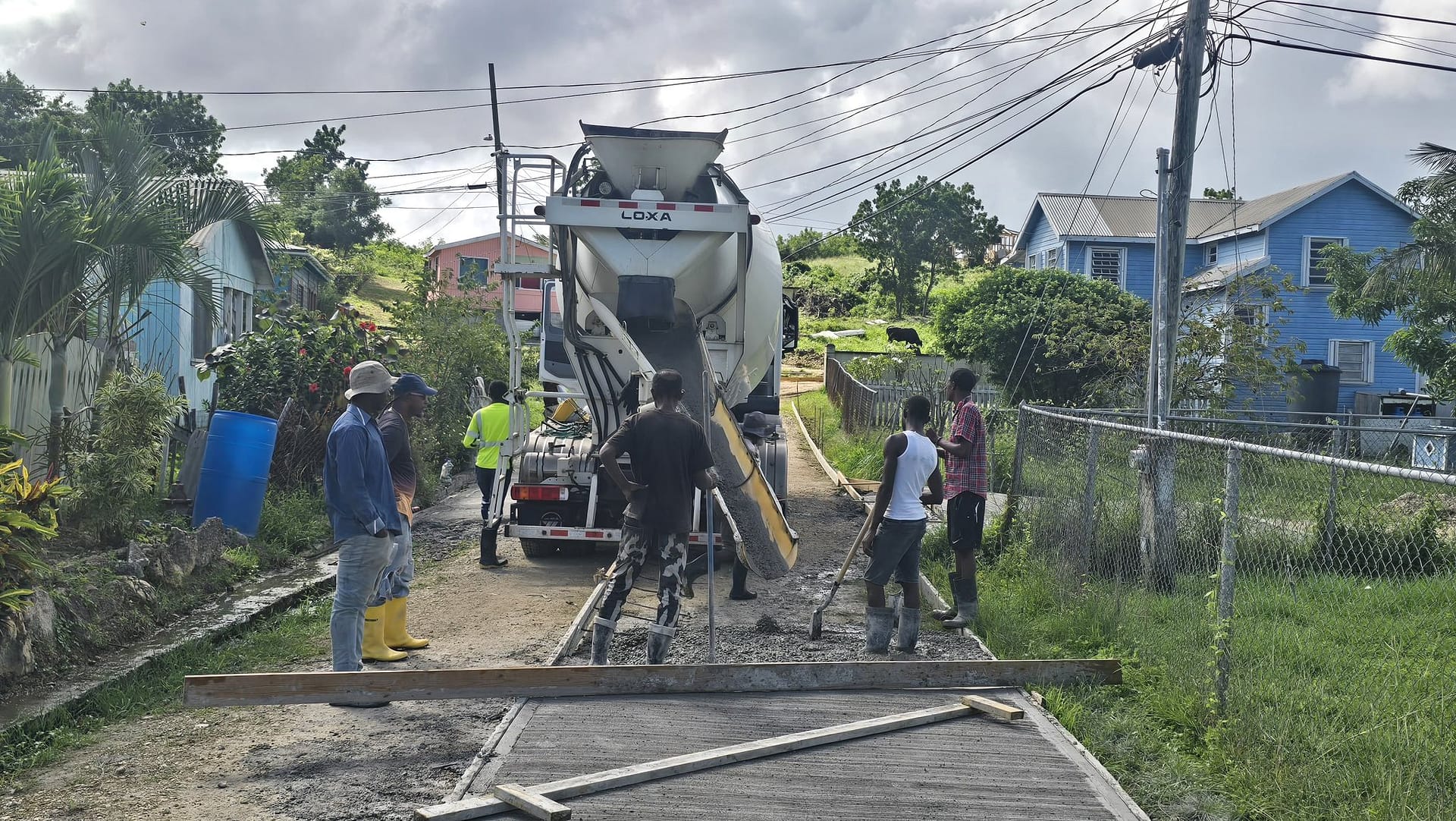
    Transport authorities have issued a public advisory for motorists and local residents regarding ongoing infrastructure maintenance along the Golden Grove Extension corridor. The road rehabilitation initiative, currently in its active phase, necessitates heightened vigilance from all commuters traversing this sector.

    Officials from the Department of Public Works confirmed the project involves comprehensive resurfacing and safety enhancements, part of a broader municipal infrastructure upgrade program. While specific timelines remain fluid, project coordinators estimate completion within the coming fortnight, weather conditions permitting.

    The construction zone features reduced speed limits, temporary traffic control measures, and periodically altered lane configurations. Transportation analysts suggest these necessary improvements will ultimately enhance road safety and traffic flow, though short-term inconveniences are inevitable.

    Commuter advocates recommend exploring alternative routes during peak travel hours where feasible. Emergency service providers have been notified of the temporary traffic pattern changes to ensure uninterrupted response capabilities throughout the construction period.

    Real-time traffic updates are available through the city’s official transportation mobile application and variable message signs positioned along approaching thoroughfares. The public works department emphasizes that all scheduled work complies with contemporary safety standards and environmental regulations.