作者: admin

  • Shantay Augustine set to bolster Iowa Western in NJCAA title defence

    Shantay Augustine set to bolster Iowa Western in NJCAA title defence

    As the 2026 NJCAA Division I Outdoor Track and Field Championships draw near, all eyes are turning to rising Grenadian hurdler Shantay Augustine, who has emerged as a key competitor for Iowa Western Community College in its quest to retain the national title. The three-day competition, set to kick off May 14 at New Mexico Junior College in Hobbs, sees the Reivers arrive on-site fresh off a dominant win at this year’s indoor national championships, with eyes set on securing a rare full-season sweep.

    A graduate of St Joseph’s Convent in St George’s, Grenada, Augustine has earned strong seedings heading into the championships: she ranks among the top eight 100m hurdlers and top 16 400m hurdlers across all junior colleges in the United States. Across the three days of competition, she is scheduled to compete in four events: both hurdle individual races, plus the 4x100m and 4x400m relay teams.

    Iowa Western head coach David Burnett, now leading the program in his fourth season, has heaped praise on Augustine’s consistent performance and mental toughness ahead of the high-stakes meet. “Shantay has been excellent from day one this season,” Burnett said. “She shows up to every training session, follows every instruction, and gives 100% effort whether she’s practicing or racing. Four events over three days is a grueling schedule, but we’re approaching it one race at a time. I know she’s prepared to run well. All I’ve asked is that she stays focused, gives her best, and makes it to the final—because she’s earned that spot.”

    Augustine’s journey to becoming one of the NJCAA’s top hurdlers is not a straightforward one. A former flat sprinter with Grenada’s 473 MVP Track Club, she initially resisted making the switch to hurdles. It was her former youth coach Albert Joseph who pushed her to embrace the technical demands of the event, a decision that has reshaped her burgeoning collegiate career.

    “I didn’t want to take up hurdles at first,” Augustine recalled. “I didn’t even want to race anything longer than 200m, let alone the 400m hurdles. But Coach Joseph saw potential I didn’t see in myself, especially after I picked up an injury that derailed my plans to compete for Grenada at that season’s Carifta Games. He was honest with me about what the injury meant for my sprinting goals, and he pushed me to give hurdles a chance. I’m so grateful he did—now I’m a hurdler, and I love what I do. I’m ready to compete at my best this week.”

    Augustine’s breakthrough this season speaks for itself. As the reigning champion of the Whitsuntide Games in both the 100m and 400m hurdles, she has lowered her personal best times to impressive marks: 13.88 seconds for the 100m hurdles and 62.24 seconds for the 400m hurdles. These results have cemented her place among the NJCAA’s elite hurdlers and confirm she is peaking at the perfect moment to help power her team’s title defense.

    Even as she prepares for the biggest meet of her collegiate career so far, Augustine says she draws ongoing strength and motivation from her home country. “It means so much that people back home still check in with my parents to ask how I’m doing,” she said, thanking the Grenadian public for their steady support.

    While confidence is high within the Iowa Western program, the team is under no illusion that retaining the title will be simple. The Reivers face stiff competition from traditional NJCAA powerhouses including host New Mexico Junior College, South Plains College, and Barton County Community College—with the latter two fielding their own strong contingents of Grenadian athletes. Still, Augustine’s rise as both a team leader and legitimate podium contender has reinforced the Reivers’ belief that they can bring home another trophy. Fans around the world can follow Augustine and Iowa Western’s title defense live via the NJCAA Network at njcaa.org/network/live.
  • Government Warns Essential Workers Must Report on Public Holidays

    Government Warns Essential Workers Must Report on Public Holidays

    During a weekly meeting held Wednesday, the Cabinet of Antigua and Barbuda addressed two key administrative matters that touch on public sector operations and labor regulations, issuing clear guidance aligned with existing national legislation.

    First on the meeting agenda was a review of labor protocols governing employment obligations when public holidays fall on regular workdays. Cabinet members moved to reaffirm the long-standing provisions outlined in the Antigua and Barbuda Labour Code, placing specific emphasis on requirements for workers in critical essential service roles.

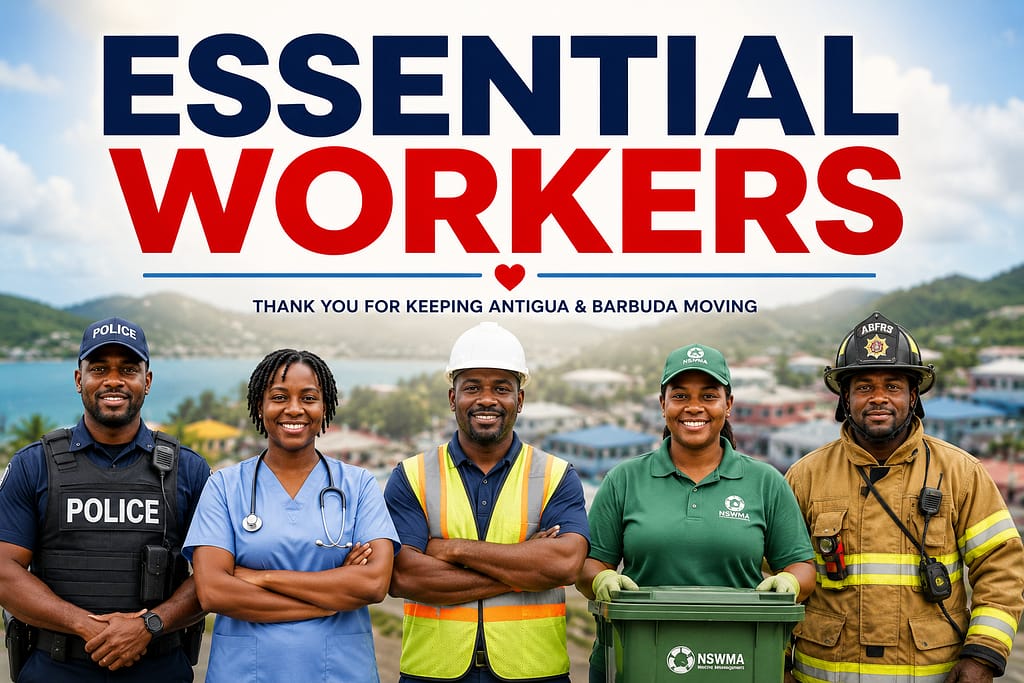
    The body stressed that any employee who has been formally rostered or scheduled to work on a recognized public holiday remains obligated to report to their post and fulfill their assigned job duties. Ministers underscored the outsized importance of essential services to the nation’s day-to-day function, noting that consistent, uninterrupted access to these services is a non-negotiable need for the general public. Without the steady operation of these critical roles, the government would be unable to meet basic public needs even during holiday periods, the meeting concluded.

    The government also emphasized that consistent adherence to pre-approved work schedules and operational standards is fundamental to upholding efficiency, service continuity, and broad public trust in the country’s core national services. Upholding these rules does not undermine worker protections, officials noted, but rather ensures that the public does not lose access to life-sustaining and community-critical services during holidays.

    In a second key decision coming out of the Wednesday meeting, Cabinet reviewed a detailed technical assessment submitted by the Ministry of Works, focused on the structural safety of the building that houses the Office of National Drug Control Policy (ONDCP). Following a comprehensive technical inspection of the structure’s systems, integrity, and compliance with safety codes, the Ministry of Works formally deemed the building safe for continued employee occupancy and regular daily operations.

    Acting on the findings of this assessment, Cabinet directed that all ONDCP employees will continue to carry out their regular daily functions and responsibilities from their current established work environment, with no immediate relocation or operational changes required.

    Beyond these two specific matters, the Antigua and Barbuda government used the meeting to reaffirm its overarching commitment to balancing two core priorities: upholding efficient, continuous operation of public services across both islands of the nation, while also guaranteeing safe, suitable working conditions for all public sector employees across all government departments and agencies.

  • HOLA! Cabinet Approves Spanish as Antigua and Barbuda’s Official Second Language

    HOLA! Cabinet Approves Spanish as Antigua and Barbuda’s Official Second Language

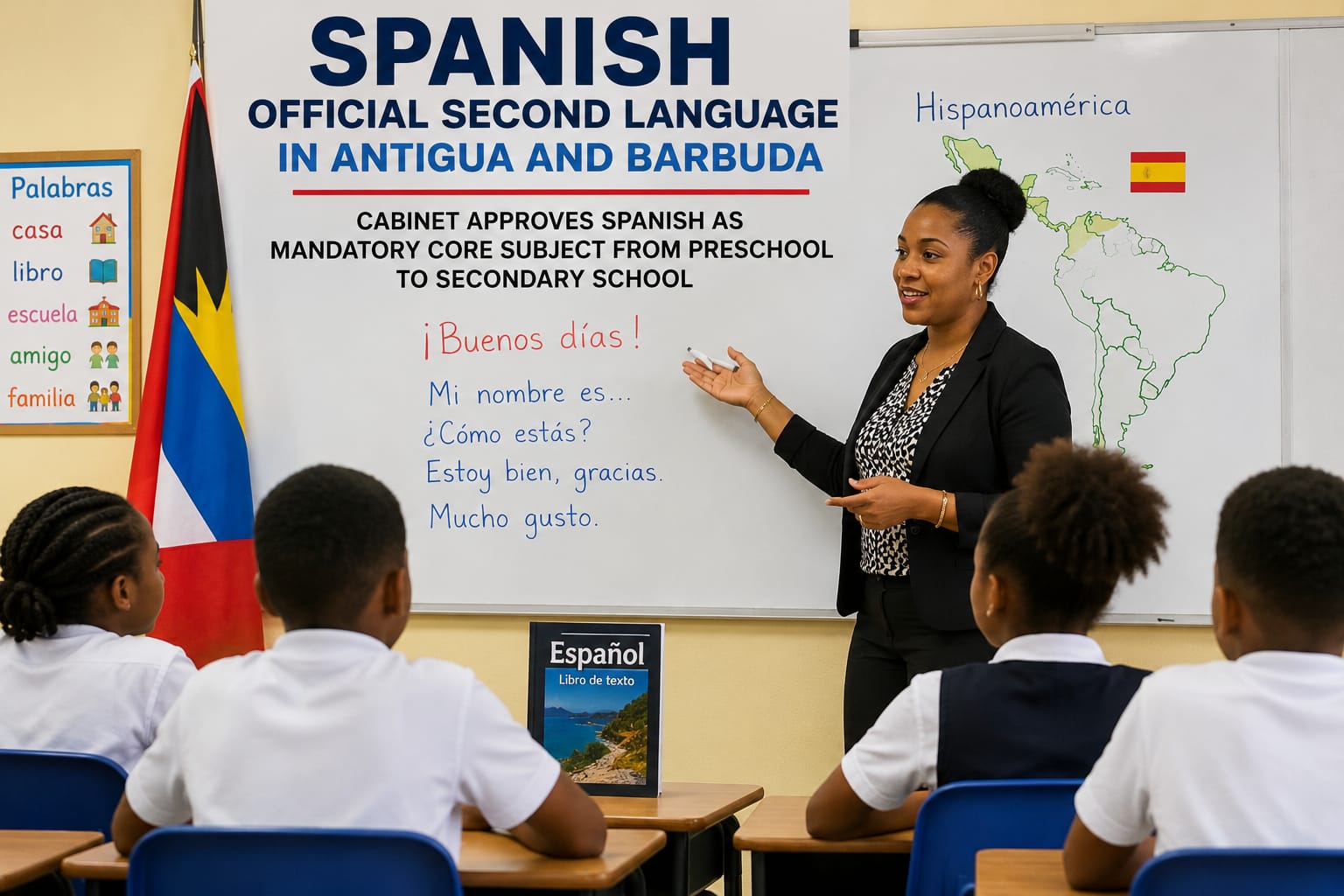
    The twin-island nation of Antigua and Barbuda has greenlit a transformative policy that will position Spanish as its official second language, rolling out mandatory Spanish instruction across all levels of the public education system from early childhood through secondary schooling. The landmark decision, announced by Director General of Communications Maurice Merchant during a post-Cabinet media briefing on Thursday, forms a cornerstone of the government’s broader agenda to boost regional integration and forge stronger economic and diplomatic bonds with neighboring Spanish-speaking nations, most notably the Dominican Republic.

    Under the policy mandate, the Cabinet has charged the Ministry of Education, Science and Technology with redesigning the national curriculum for preschool, primary, and secondary education to embed Spanish as a core academic subject, placing it on equal footing with staple disciplines such as English and mathematics. This initiative stands as one of the most ambitious education and cultural integration projects advanced by the current administration in recent years, rooted in deep historical and social ties between the two Caribbean nations.

    Merchant emphasized that the push to adopt Spanish also stems from the longstanding cross-border cultural exchanges, people-to-people connections, and meaningful contributions that the Dominican diaspora has made to Antigua and Barbuda’s social and economic development. To complement the language policy, the Cabinet has given formal approval to the Dominican Republic Integration Programme, known by its acronym DRIP, a comprehensive strategy designed to strengthen collaboration across economic, cultural, and institutional domains.

    The DRIP initiative is set to advance bilateral cooperation in key sectors including trade, tourism, and educational exchange, while also improving support services for Dominican citizens residing in Antigua and Barbuda. Merchant noted that the policy is designed to be mutually beneficial: as Antigua and Barbuda expands Spanish access for its own population, it is expected that Dominican residents and institutions will in turn increase engagement with English language learning.

    In a further move to streamline services for Spanish-speaking communities, the Cabinet has approved the creation of a dedicated Spanish Desk within the Office of the Prime Minister. The new office will serve as a central hub to assist Spanish-speaking residents and remove barriers to accessing government public services. During the briefing, ABS political correspondent Alicia George pressed for clarity on whether the mandatory requirement would extend to all school levels, and Merchant confirmed that Spanish will be a required core subject across every tier of the public education system.

    The Ministry of Education has been given the dual responsibility of developing the new standardized curriculum and sourcing qualified educators to meet the demand for expanded Spanish instruction. Government officials noted that recruitment efforts will be open to both locally trained educators and teaching professionals from across the Caribbean region. As of the official announcement, the Cabinet has not released a formal public estimate of the total costs associated with curriculum redesign, teacher training, and program rollout.

  • Universities must teach graduates to create jobs – historian

    Universities must teach graduates to create jobs – historian

    A leading historian from one of the Caribbean’s most prominent academic institutions has laid out a bold blueprint for Barbados’ long-term prosperity, calling for sweeping shifts in higher education training, urgent action to reverse democratic decline, and a renewed commitment to teaching national history across the country’s school system.

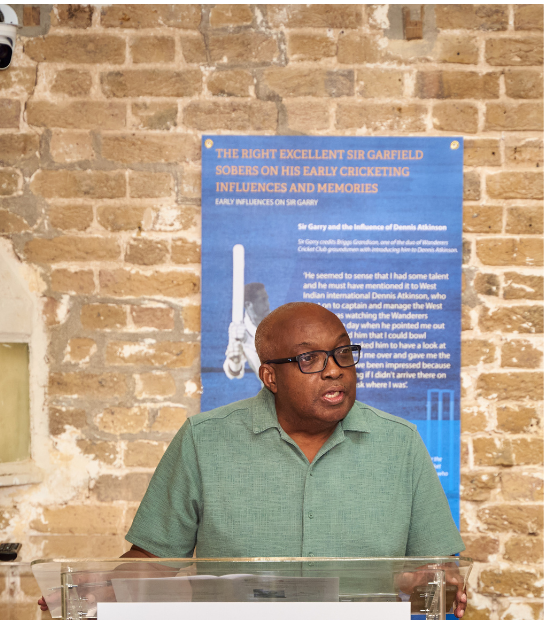
    Dr. Henderson Carter, who leads both the History Department and the Faculty of Humanities and Education at the University of the West Indies Cave Hill Campus, delivered his vision during the annual Dean’s Lecture, hosted by the St Michael Centre for Faith and Action. Titled *Movers and Shakers: Activism for Democracy Building*, his address centered on the urgent need to build a more resilient, inclusive nation for current and future generations of Barbadians.

    Carter’s first key proposal targets a fundamental gap in Caribbean higher education: a lack of training focused on entrepreneurship and self-employment. Instead of directing graduates solely toward traditional job hunting, he argues universities must reframe curricula to teach students how to turn their academic skills and degrees into sustainable self-employment and new business ventures. He points to diverse examples across disciplines to illustrate this potential: a biology or chemistry graduate could launch a biotech startup, an agricultural consulting service, or a sustainable food production enterprise, while a history graduate can monetize their expertise by developing well-researched scripts for feature films, streaming docuseries, and historical documentaries, which command growing global demand. Carter also notes that graduates need clearer pathways to access startup financing to turn these ideas into viable operations, a critical support system currently missing from many higher education outcomes strategies.

    Beyond education reform, Carter identified three pressing systemic challenges Barbados must confront to secure its democratic future. The first is widespread voter apathy, which he describes as a critical threat to the country’s democratic foundations. From growing numbers of eligible voters choosing to stay home on election day to the emergence of paid vote-buying, Carter emphasizes these trends cannot be ignored and require intentional, collective action to reverse. The second challenge is weak institutional responsiveness across both public and private sector entities. Carter stressed that delayed, unresponsive service from institutions undermines public trust and weakens national stability at every level. “Institution-building starts with individual accountability,” he explained, noting that even frontline staff and senior leaders have a role to play in prioritizing timely responses to public, student and stakeholder needs. “If your institutions are unresponsive and weak, your nation will be weak as a result,” he said.

    The third critical gap Carter highlighted is the erosion of historical education across Barbados’ primary and secondary school system. Walking audiences through centuries of the island’s history, from the mass resistance of enslaved people to the decades-long work of national heroes that shaped modern Barbados, Carter argued that widespread gaps in historical knowledge pose a direct danger to national identity. He emphasized that history must be restored as a core subject in schools, warning that it is unacceptable for children to complete the national education system without ever engaging deeply with their country’s past.

    Pointing to the rusted shackles featured on the monument at Barbados’ Heroes Square, Carter noted this public memorial is a vital, tangible reminder of the island’s history of chattel slavery, a past that was long erased from public landscapes across the country. “For generations, you could travel across the entire island and find no public marker acknowledging that slavery ever existed here. That is an inherently dangerous omission,” he argued. “Children grow up never seeing tangible evidence of this history, and without that reminder, we risk repeating the injustices of the past. We have to remember the slave society that once shaped Barbados to ensure it can never happen again.”

  • China en VS zoeken balans tussen competitie en samenwerking

    China en VS zoeken balans tussen competitie en samenwerking

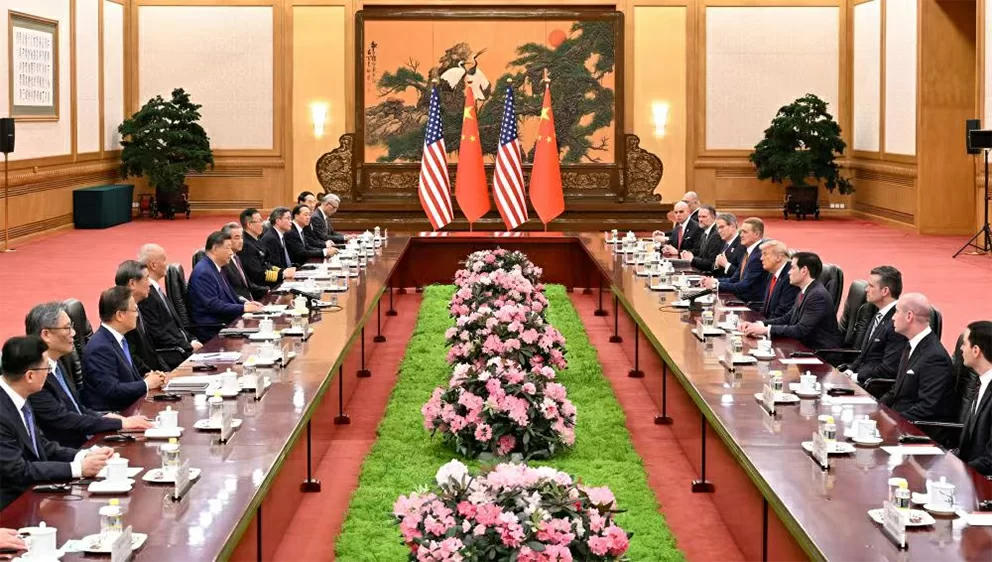
    On Wednesday, former U.S. President Donald Trump launched an official state visit to China, opening a full day of high-stakes diplomatic talks with Chinese President Xi Jinping that touched on everything from bilateral cooperation to sensitive geopolitical issues.

    The visit opened with a ceremonial welcome, including a formal military review held at Beijing’s Tiananmen Square, setting a solemn tone for the discussions between leaders of the world’s two largest economies. During opening remarks, both heads of state underscored their shared commitment to building a stable, constructive, and strategic bilateral relationship, even as they addressed long-standing points of disagreement.

    President Xi opened his remarks by acknowledging the growing uncertainty and rapid transformation reshaping today’s global order, posing two fundamental questions that frame the future of U.S.-China ties: Can the two nations co-develop a new model of relations between major global powers? Can they set aside differences to collaborate on pressing transnational challenges and bring greater stability to the world? Xi expressed hope that working with Trump would turn 2026 into a historic milestone for advancing bilateral relations.

    On the topic of economic cooperation and trade, negotiation teams from both sides reached positive, actionable outcomes. Xi emphasized that even amid existing differences and tensions, dialogue rooted in equality and mutual respect has delivered tangible results. He reaffirmed that U.S. companies have long played a key role in China’s reform and opening-up process, and that the Chinese market will only grow more accessible to American businesses moving forward. “China welcomes deepened mutually beneficial cooperation between the United States and China,” Xi stated, noting that the door of China’s market will keep opening wider to foreign, and particularly American, enterprises. He added that the framework of a “constructive, strategic, and stable relationship” agreed by both leaders is no empty slogan, but a concrete roadmap to guide bilateral ties in the coming years, with core goals of sustaining long-term peace, keeping differences manageable, and delivering fruitful collaboration.

    For his part, Trump called the state visit a tremendous honor, offering warm praise for Xi Jinping and the Chinese people. He described the current U.S.-China relationship as the strongest it has ever been, and reiterated his commitment to resolving outstanding differences through dialogue while deepening cross-border cooperation. Trump was accompanied by a delegation of senior American business leaders, who publicly expressed their confidence in the long-term potential of the Chinese market during the visit.

    Beyond economic and trade issues, the two leaders exchanged in-depth views on a range of pressing regional and global issues, including the ongoing conflict in Ukraine, tensions in the Middle East, and security on the Korean Peninsula. Both leaders also expressed mutual support for each other’s presidencies of this year’s APEC and G20 summits, signaling alignment on advancing multilateral cooperation this year.

    One of the most sensitive topics on the meeting agenda was the Taiwan question. Xi emphasized that the issue of Taiwan remains the most core and consequential topic in U.S.-China relations, and requires careful, prudent handling to avoid escalation and open conflict. “Taiwan independence and peace across the Taiwan Strait are mutually exclusive,” Xi warned.

    To wrap up the official day of talks, Xi hosted Trump for a symbolic visit to the Temple of Heaven, a historic imperial complex in central Beijing that dates back to the Ming and Qing dynasties, where emperors once held rituals to pray for national peace and bountiful harvests. The cultural outing was widely interpreted as a symbolic gesture representing the two nations’ shared desire for peace, mutual understanding, and collaborative progress.

  • APUA Says Aging Infrastructure Behind Delays in Repairing Water Leaks

    APUA Says Aging Infrastructure Behind Delays in Repairing Water Leaks

    Antigua’s public water network is grappling with unprecedented strain as aging core infrastructure drives a sharp spike in reported water faults and repair backlogs, according to the Antigua Public Utilities Authority (APUA). In a recent transparent briefing on operational challenges, the utility revealed that its maintenance teams now respond to more than 800 leak and fault reports every month – a volume that far outpaces the response capacity the agency built for older, lower-demand network conditions.

    APUA officials explain that two overlapping factors have created the current pressure cooker: growing water distribution volumes to meet rising residential and commercial demand across the country, and decades of wear on an outdated core infrastructure system that was never designed to handle today’s usage levels. On a daily basis, maintenance crews are forced to juggle competing priorities across multiple communities, ranging from urgent emergency leak repairs and unplanned service interruptions to scheduled system upgrades and long-term infrastructure improvement projects. This split focus has inevitably led to longer wait times for many leak repairs, frustrating residents and businesses across the island.

    In releasing the breakdown of current challenges, APUA emphasized that the disclosure is not an attempt to justify existing service gaps or operational inefficiencies. Instead, leaders say the goal is to give the public clear context for the realities that frontline crews navigate every day as they work to keep water service running.

    Recognizing that changes are needed to address rising customer frustrations, the authority has already begun internal restructuring to boost emergency response capacity. The core of these adjustments is expanding the number of dedicated response crews, a change designed to cut wait times and ensure faults are resolved faster and more effectively for affected customers.

    In closing, APUA extended its gratitude to the Antiguan public for their ongoing patience and understanding as the agency works through systemic infrastructure challenges. The utility also reminded residents that collective water conservation remains a critical tool to reduce overall strain on the network while long-term upgrades are carried out.

  • Saint Lucia students try out new flexible CXC exam system

    Saint Lucia students try out new flexible CXC exam system

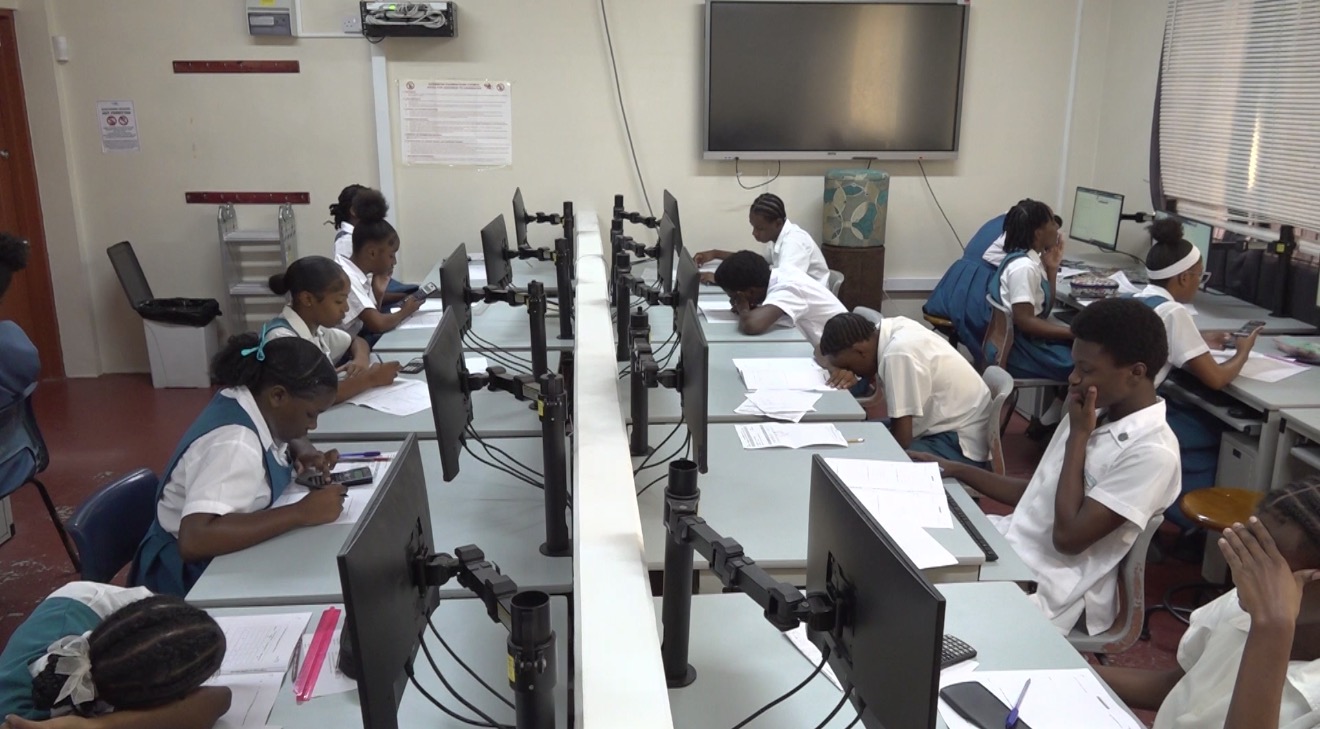
    A landmark shift in secondary education assessment across the Caribbean is underway, as Saint Lucia hosted the inaugural sitting of the Caribbean Targeted Education Certificate (C-Tech) exams this week. The new modular assessment framework, which launched Tuesday, is designed to upend the traditional one-and-done testing model that has long defined the region’s Caribbean Secondary Education Certificate (CSEC) system.

    Unlike the standard CSEC structure, which requires students to sit exams for all required subjects in a single sitting to earn full certification, C-Tech enables learners to complete their syllabus in incremental, self-paced stages. Students work toward their full credential one module at a time, gradually building up to a full CSEC pass after successfully completing three separate modules.

    Patterson Abraham, Registrar of Examinations at the Caribbean Examinations Council (CXC), the body governing regional education assessments, explained that CXC selected mathematics as the subject for the very first C-Tech module. Mathematics has historically been one of the most challenging subjects for students across all Caribbean nations, with consistent low pass rates dragging down overall academic outcomes for thousands of learners annually.

    Drawing on decades of regional performance data, Abraham noted that the staggered modular model gives students far greater opportunity to earn incremental micro-credentials along their journey, even before they complete the full certification requirement. By breaking the large, comprehensive mathematics syllabus into smaller, more focused sections, the framework reduces the academic burden placed on learners. “The number of areas that they have to cover is less than the CSEC programme,” Abraham explained. “Students can focus on a few topics at a time, and to be able to do as well as they can on just one module, and then to build onto the next module.” This segmented approach makes the subject far more manageable, lowering the barrier to success for struggling learners.

    After completing site visits to multiple participating examination centers on the first day of testing, Abraham reported that the launch went far smoother than many observers expected. The first C-Tech exam used a modern hybrid format: paper one of the module was administered prior to Tuesday, and Tuesday’s sitting was for paper two, where students accessed test questions via digital devices and recorded their responses in traditional printed answer booklets. This blended digital-write-in structure marks a small but meaningful step toward modernizing assessment practices across the region.

    Abraham confirmed that no major logistical issues or security incidents were reported across any testing sites, with all operations running according to plan. “From my visits and from my communication with the centres that are doing C-Tech, everything seemed to be under control,” he said. Regional education officials are now optimistic that the full 2024 C-Tech exam sitting will conclude successfully, paving the way for a broader rollout across other Caribbean nations in coming years.

    Framing the new initiative as a transformative milestone for Caribbean secondary education, Abraham expressed confidence that the flexible modular framework will deliver tangible long-term benefits, boosting overall academic performance and opening up more education and career pathways for regional students.

  • DOWASCO announces progress for Water Sector Strategic Development Project

    DOWASCO announces progress for Water Sector Strategic Development Project

    A critical initiative to upgrade drinking water and sewerage infrastructure across multiple communities in Dominica has logged major construction progress across all four of its project zones, though unforeseen obstacles have forced a timeline extension, the island’s state-owned water utility announced this week.

    The Dominica Water and Sewerage Company Limited (DOWASCO) shared the project update in an official post on its public Facebook page, detailing the status of the Water Sector Strategic Development Project (WSSDP), an upgrade scheme targeting improved water access and service reliability in Grand Fond/Morne Jaune, Calibishie, Castle Bruce, and the Coulibistrie/Morne Rachette/Salisbury corridor.

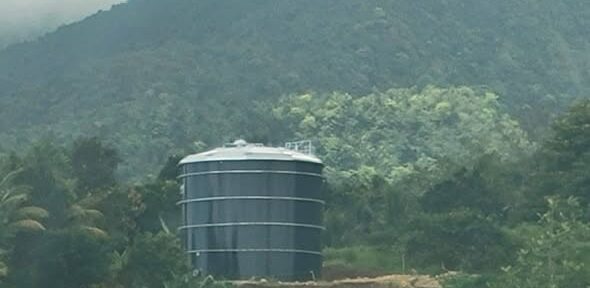
    As of the latest update, construction in the Grand Fond and Morne Jaune zone is already well advanced. DOWASCO confirmed that all distribution piping within Grand Fond has been fully laid, and more than 60 percent of the cross-country main supply pipeline connecting Grand Fond to Morne Jaune has been installed. Two new reinforced concrete storage tanks have also been completed and put in place: a 115,000-gallon tank serving Grand Fond, and a 70,000-gallon tank for Morne Jaune. Work is now ongoing to replace aging sections of the local distribution network in the area, with pre-delivered project piping staged at multiple points across local communities to speed up on-site work.

    Despite this measurable progress, DOWASCO acknowledged that a series of unexpected challenges have slowed construction across all project sites, pushing back the original completion deadline. The initiative was initially scheduled to wrap up all construction by the end of March 2026, but the utility has formally requested an extension to a new completion date of September 30, 2026. According to the statement, approval for the timeline adjustment is expected shortly from the Caribbean Development Bank (CDB), the primary funding body backing the WSSDP.

    Common barriers that have disrupted work schedules include recurring weather-related disruptions, difficult hilly terrain that complicates excavation and pipeline installation, unexpected equipment breakdowns, and administrative processing delays that have paused construction at multiple points. DOWASCO’s update reaffirms the project’s core goal of modernizing Dominica’s aging rural water infrastructure to reduce service outages, improve water quality, and meet growing community demand across the island’s northern and eastern rural districts.

  • Fernandez Urges Faster Action to Capitalise on Tourism Growth as Arrivals Hit Record Levels

    Fernandez Urges Faster Action to Capitalise on Tourism Growth as Arrivals Hit Record Levels

    Against a backdrop of surging visitor numbers that are hitting unprecedented records in 2026, Antigua and Barbuda is being urged to move quickly to capitalize on the booming momentum sweeping its critical tourism sector, according to the nation’s Tourism Minister Charles Fernandez. In a recent address outlining the government’s updated strategic vision for the industry, Fernandez explained that policy priorities are evolving past the single goal of growing arrival volumes. Instead, the new focus centers on elevating both the quality of visitor experiences and the long-term value the sector delivers to local communities, with a heavy emphasis on inclusive, sustainable growth that lifts residents across the country.

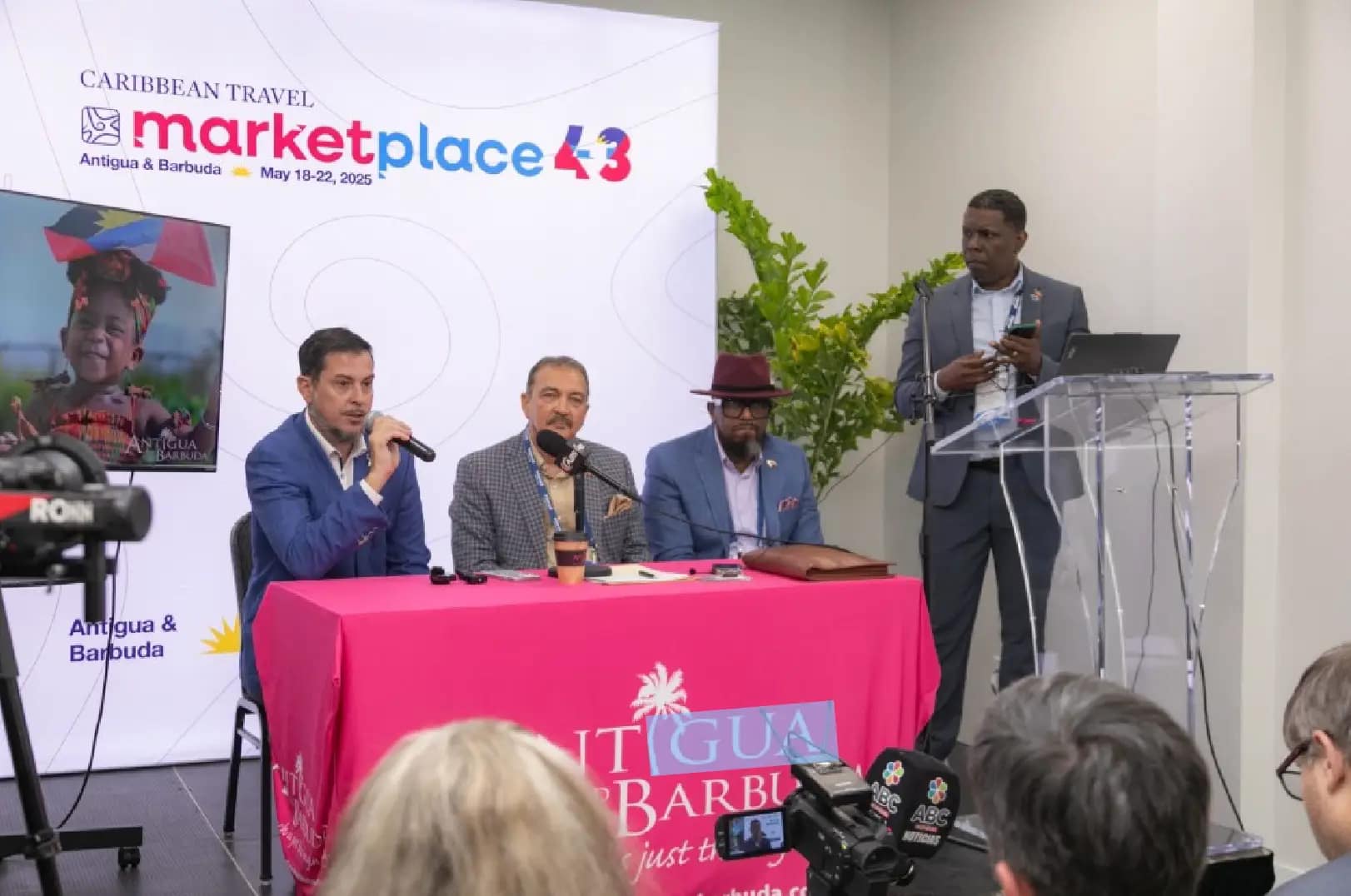
    Fernandez highlighted three major pillars that have already fueled the sector’s strong 2026 performance: a pipeline of ongoing luxury hospitality development projects, expanded cruise ship operations that bring more day-trippers and overnight guests to the islands, and increased airlift capacity that opens the destination up to more international travelers from key source markets. One particularly valuable opportunity on the near horizon, he noted, is the nation’s second consecutive hosting of the Caribbean Travel Marketplace. This high-profile industry gathering gives Antigua and Barbuda a unique platform to strengthen long-standing collaborative ties with global tourism partners and put its one-of-a-kind island offerings front and center for leading international travel buyers.

    In closing, Fernandez extended public recognition to the nation’s frontline tourism workers and broader hospitality stakeholders, crediting their consistent dedication with preserving Antigua and Barbuda’s standing as one of the most sought-after top travel destinations in the Caribbean. He also reaffirmed the national government’s unwavering commitment to ongoing targeted investment in the sector, which continues to anchor the country’s overall economy and drive widespread employment and development across both islands.

  • CDB and EU approve new funding to strengthen flood early warning systems in Suriname

    CDB and EU approve new funding to strengthen flood early warning systems in Suriname

    The Caribbean Development Bank (CDB) has formally announced a new $698,700 grant, backed by funding from the European Union (EU), designed to shore up Suriname’s capacity to handle climate-driven flood events, the bank confirmed in an official press statement this week.

    This investment will underpin the cross-stakeholder Strengthening Flood Early Warning Systems in Suriname Project, a collaborative effort between the CDB, the EU, and the Surinamese national government. Per the CDB’s announcement, the core goal of the initiative is to boost disaster preparedness and emergency response capacity across Suriname’s high-risk regions that are regularly exposed to extreme rainfall and catastrophic flooding, while safeguarding local populations, livelihoods, and critical economic infrastructure.

    L. O’Reilly Lewis emphasized that the targeted funding will address long-standing structural gaps in the country’s existing flood monitoring and alert infrastructure. “This new investment will close critical gaps by upgrading hydrometeorological monitoring, strengthening forecasting capacity, improving inter-agency coordination, and ensuring that warnings are timely, accurate and actionable at both national and community levels,” Lewis explained.

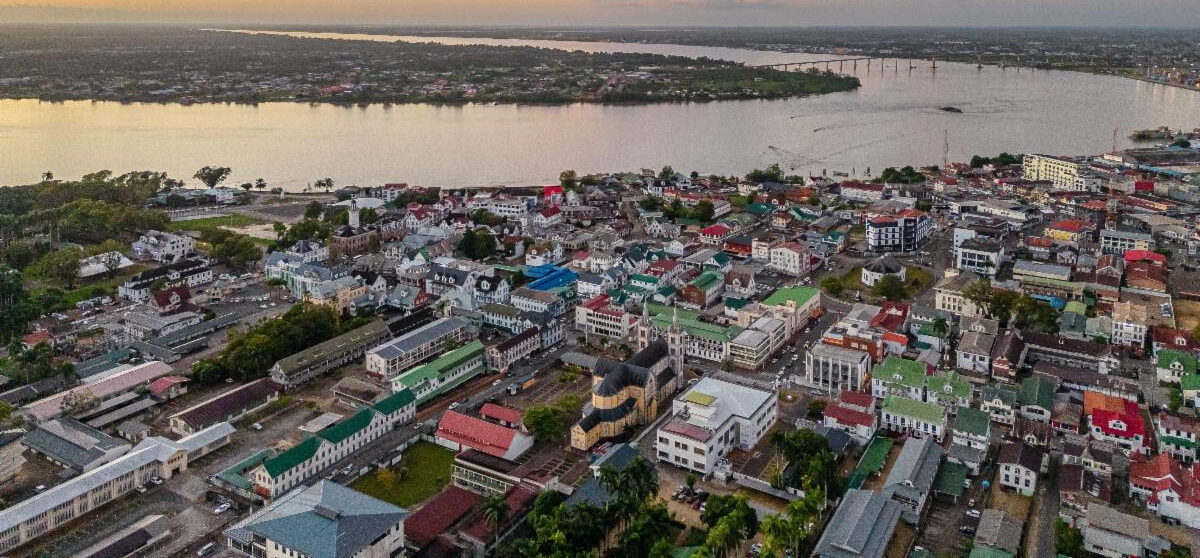
    The project is financed through the Caribbean Action for Resilience Enhancement (CARE) Programme, which falls under the EU’s broader Intra-African Caribbean Pacific European Union Disaster Risk Reduction Programme. The CDB notes that the upgrade work will focus heavily on low-lying, flood-prone communities across the country, including Brokopondo, Sipaliwini, sections of the capital Paramaribo, the Boven-Suriname watershed, and at-risk coastal zones. These areas have repeatedly faced crippling disruptions to transportation networks, agricultural production, housing, and public services, driven by a combination of heavy rainfall, shifting river system activity, and inherent geographic vulnerability to flooding linked to climate change.

    Fiona Ramsey, speaking for the EU, underscored the urgent regional need to modernize weather forecasting and climate monitoring infrastructure across the Caribbean. “This initiative reflects the European Union’s continued commitment to strengthening climate resilience in the Caribbean, under our renewed partnership with the region on Disaster Risk Management,” Ramsey said. “By advancing weather forecasting capabilities and enhancing early warning systems, we are helping countries like Suriname better anticipate and respond to extreme weather events. Investing in reliable, science-based forecasting and timely alerts is essential to protecting lives, livelihoods and infrastructure, and to supporting sustainable development in the face of a changing climate.”

    Key deliverables for the project include the creation of high-resolution 3D hazard and flood-risk mapping, a major expansion of national meteorological and hydrological monitoring networks, upgrades to data processing and management systems, and the rollout of a standardized Common Alerting Protocol to streamline the distribution of emergency warnings to at-risk populations. The CDB also confirmed that widespread public education and community outreach campaigns will be rolled out to ensure that even residents in remote, underserved vulnerable communities can understand and act quickly on flood alerts when they are issued.

    Once fully implemented, the project is projected to cut flood-related economic and human losses, strengthen national food security, protect critical public and private infrastructure and local employment, reduce unplanned fiscal pressures tied to disaster response and recovery, and bolster investor confidence in the country’s long-term climate stability.

    On-the-ground implementation will be led by Suriname’s Ministry of Public Works and Spatial Planning through the country’s National Meteorological and Hydrological Service, using a coordinated multi-agency governance framework to ensure effective delivery.

    Stephen Tsang, representing the Government of Suriname, expressed gratitude for the collaborative support from the CDB and the EU. “The Government of Suriname welcomes this timely support from the CDB and the EU. Strengthening our flood early warning systems is a critical step in protecting our communities, infrastructure, and economy against the increasing impacts of climate variability. This initiative will enhance our national capacity to anticipate and respond to extreme weather events, while reinforcing our commitment to building a safer, more resilient and sustainable future for all Surinamese,” Tsang said.

    The CDB added that this new financing aligns fully with the institution’s 2026–2035 Strategic Plan, which prioritizes boosting social, economic, and environmental resilience across the entire Caribbean region. The investment also advances the bank’s core mission of cutting poverty and improving quality of life through resilient, inclusive, and sustainable development practices.