作者: admin

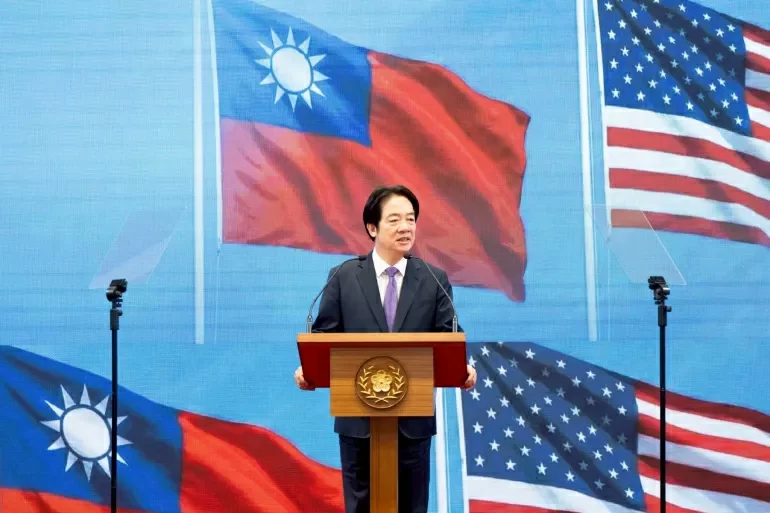
  • President Lai: Taiwan geeft zijn vrije en democratische levenswijze niet op onder druk

    President Lai: Taiwan geeft zijn vrije en democratische levenswijze niet op onder druk

    Fresh off high-stakes talks between U.S. and Chinese leaders that centered heavily on the Taiwan issue, Taiwanese President William Lai Ching-te has issued a clear rebuke of mounting pressure from Beijing, pledging the island will never be forced to abandon its democratic system and sovereign status.

    In a social media post laying out his administration’s stance, Lai emphasized that Taiwan has no intention of provoking or escalating conflict across the Taiwan Strait. At the same time, he made clear the island will not sacrifice its national sovereignty, dignity, and free democratic way of life in the face of external coercion. Lai reiterated that Taiwan has long been a committed defender of the cross-strait status quo, and is not the party seeking to alter the current arrangement. He went so far as to name China as the fundamental source of regional instability in the area.

    Beijing has long claimed Taiwan as an integral part of its territory, and has repeatedly threatened to use military force to achieve unification if the island formally moves toward independence. The Taiwan question remained a core, contentious topic during the recent summit meeting between U.S. President Donald Trump and Chinese leader Xi Jinping.

    According to Chinese state media, Xi described the Taiwan issue as the single most sensitive core question in bilateral relations between Washington and Beijing. He warned that improper handling of the question could trigger severe conflict that would put the entire bilateral relationship at irreversible risk.

    While the United States has not formally recognized Taiwan as an independent sovereign state, successive U.S. administrations have maintained robust unofficial support for the island, including through billions of dollars in arms sales and consistent diplomatic statements that imply Washington would intervene to defend Taiwan in the event of a Chinese attack.

    Following his closed-door summit with Xi, Trump told reporters that Xi holds extremely firm opposition to any move toward Taiwanese independence. The U.S. president, however, declined to commit to approving a new $11 billion arms sales package to Taiwan that has already cleared approval from the U.S. Congress. “I haven’t approved it yet. We’ll see what happens,” Trump told reporters.

    For his part, Lai framed U.S. security cooperation and arms deliveries to Taiwan as critical foundational elements for sustaining regional peace and stability. He argued that these commitments are not just a security guarantee from the U.S. to Taiwan, but also serve as the most effective deterrent to actions that would undermine peace and stability across the Taiwan Strait and broader Indo-Pacific region.

  • 73-Year-Old Grandmother Loses Home in Bella Vista Fire

    73-Year-Old Grandmother Loses Home in Bella Vista Fire

    In the pre-dawn hours of a Sunday in Bella Vista village, Toledo, a sudden out-of-control fire has left a multi-generational family homeless and without their small livelihood, though all four residents managed to escape unharmed. The blaze broke out at approximately 4 a.m. on May 17, 2026, completely destroying the family’s residential property and the home-based business they operated out of the building.

    The head of the household, 73-year-old Felicita Ruiz, fled the burning structure alongside three family members: her daughter Zarahi Pineda, Pineda’s 8-year-old daughter, and son-in-law Greville Bonilla. In a stroke of luck, the family also acted quickly enough to pull all of their vehicles out of the property before the fire consumed the entire building, avoiding additional total loss.

    Ruiz, a well-known local vendor who sold household goods and apparel through regular Facebook Live sales, lost every piece of inventory and personal belonging she owned in the fire. Despite the devastating turn of events, relatives say the 73-year-old is maintaining a remarkably positive outlook. “My mother is okay and strong,” Maria Stephanie Mejia, another of Ruiz’s daughters, told local outlet News 5. “We know that God is strengthening us because my mother has a smile on her face.”

    Mejia, who was not at the property when the fire broke out, shared that the displaced family has already been overwhelmed by outreach from the tight-knit Bella Vista community, for which they are deeply grateful. As of the latest update, investigators have not yet determined what caused the fire. Community members and outsiders who wish to donate or offer support to the Ruiz family can reach out to the family through Facebook, by contacting either Felicita Caballero or Zarahi Pineda directly.

  • Fasons Foods opens doors to small farmers to boost poultry production

    Fasons Foods opens doors to small farmers to boost poultry production

    Barbados-based food producer Fasons Foods, manufacturer of the popular Amir’s Chicken brand, has launched a landmark new program designed to uplift small-scale poultry producers across the island, advancing both local food security and protection for low-income agricultural workers.

    At the core of the initiative is a recent major expansion and upgrade to the company’s central poultry processing facility, which has boosted its processing capacity to several tonnes of poultry per hour. This expanded throughput creates space for Fasons Foods to bring dozens more independent small farmers into its formal supply chain – a critical opening, as small producers currently contribute just 20% of Barbados’ total domestic poultry output, with many locked out of consistent commercial access.

    Fasons Foods CEO Amir Juman outlined the drivers behind the move during a Saturday press briefing, noting that the decision grew directly from rapidly rising consumer and business demand for fresh, locally sourced poultry across Barbados’ retail and hospitality sectors. Beyond meeting existing market demand, Juman emphasized that integrating small farmers into a structured commercial supply chain will deliver two key benefits: stabilizing the national poultry market and shielding small independent producers from the harmful impacts of unpredictable economic fluctuations.

    “Year after year, countless small poultry producers exit the industry, often simply because they lack a reliable, consistent market for their product,” Juman explained. “Our goal is to act as a safety net for these farmers. As the broader national economy expands, small producers will be able to grow right alongside it.”

    The initiative extends far beyond just guaranteed market access, too. Fasons Foods will also provide targeted technical assistance to help small producers address persistent industry challenges, including high poultry mortality during hot summer months and ongoing biosecurity threats. The company plans to assign specialized field staff to work directly with participating farmers, training them in climate-resilient management practices and sustainable production methods that reduce operational risk.

    While the increased processing capacity will allow Fasons Foods to capture greater economies of scale, Juman stressed that national food and economic stability remains the program’s primary objective. “This expansion and support program will strengthen the Barbadian economy and make a transformative difference by ensuring fresh poultry remains consistently available and affordable for all Barbadians,” he said.

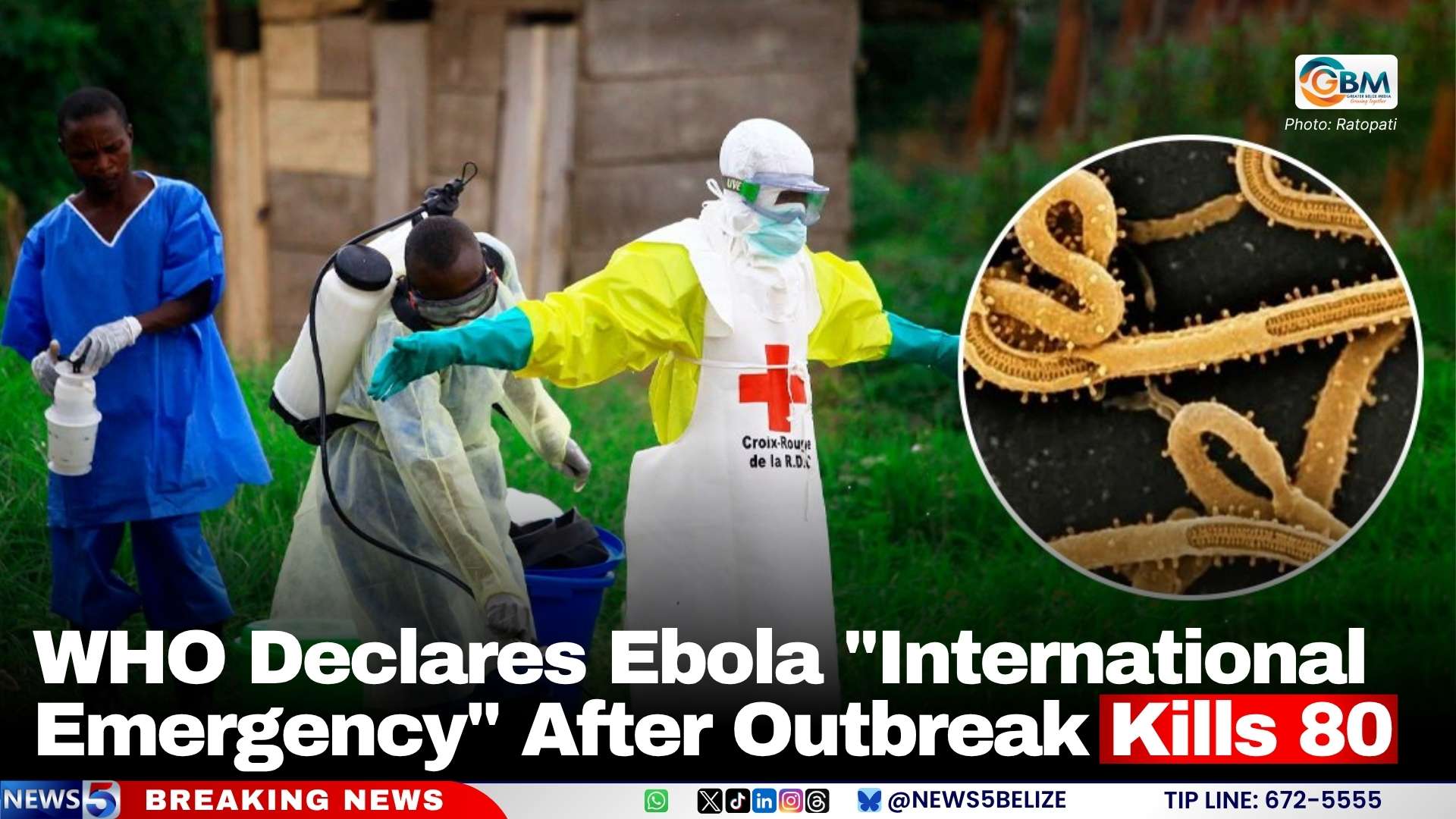
  • WHO Declares Ebola “International Emergency” After Outbreak Kills 80

    WHO Declares Ebola “International Emergency” After Outbreak Kills 80

    In a landmark announcement that underscores growing global alarm over a rapidly expanding viral threat, the World Health Organization has officially designated the ongoing Ebola outbreak in Central Africa as a Public Health Emergency of International Concern (PHEIC). The declaration comes after the pathogen crossed an international border within 24 hours, moving from the Democratic Republic of the Congo to neighboring Uganda, triggering urgent public health interventions across the region.

    As of May 16, 2026, health authorities have documented 246 suspected cases and 80 suspected fatalities across three separate health zones in the DRC’s northeastern Ituri Province. Only eight of these cases have so far received laboratory confirmation, pointing to gaps in surveillance and testing capacity in the conflict-affected region. The cross-border spread of the virus was confirmed when Uganda reported two positive cases linked to travel from the DRC, one of which ended in death.

    Complicating response efforts, the outbreak is driven by the Bundibugyo strain—a rare, lesser-understood variant of Ebola for which no widely approved vaccines or targeted therapeutic treatments currently exist. This gap in medical countermeasures has put frontline healthcare workers at extreme risk, with at least four medical personnel already counted among the outbreak’s fatalities.

    WHO Director-General Tedros Adhanom Ghebreyesus made the PHEIC declaration during an emergency briefing, but clarified that the outbreak does not yet meet the formal criteria to be classified as a pandemic emergency. Under the PHEIC designation, the global public health body is calling for coordinated international action to contain the spread, while stopping short of recommending broad travel restrictions that go beyond the immediate affected areas. The organization has urged all countries outside the outbreak zone to strengthen their disease surveillance systems and pre-position rapid response teams to detect and contain any imported cases before they can spread locally.

    Public health experts warn that the combination of the rare strain, weak health infrastructure in the affected region, and ongoing population movement creates significant risk for further expansion, making rapid international support critical to turning the tide of the outbreak.

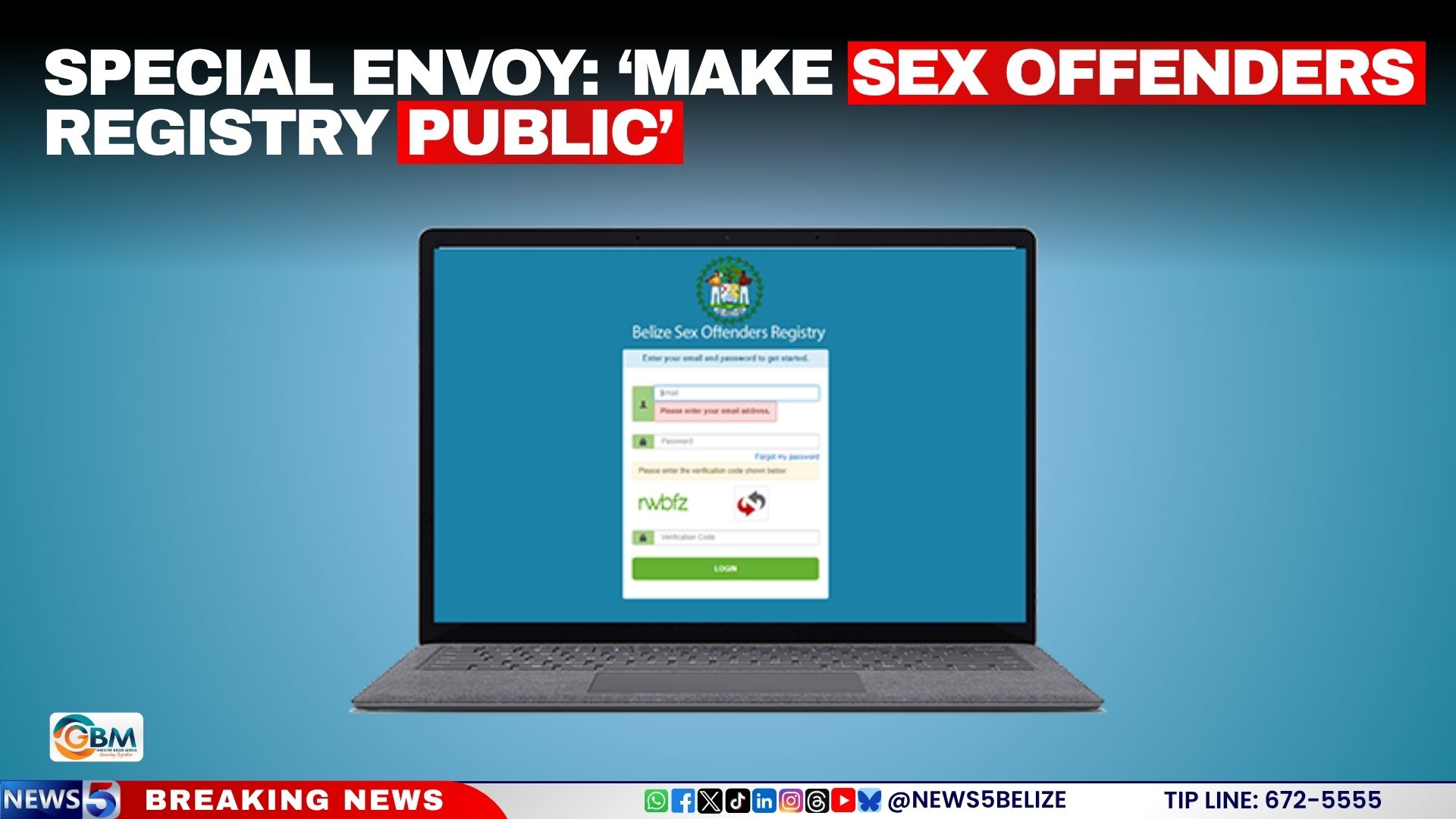
  • Special Envoy: ‘Make Sex Offenders Registry Public’

    Special Envoy: ‘Make Sex Offenders Registry Public’

    Amid a swell of public anger over recent sexual assault allegations involving influential figures in public trust positions, Rossana Briceño, a special envoy based in Belize, has reignited national debate over offender transparency by calling for the country’s existing closed sex offender registry to be opened to full public access.

    Briceño argues that no longer should convicted sex offenders – regardless of whether they hold positions of power as teachers, law enforcement officers, or other public-facing roles – be able to conceal their criminal histories behind the current restricted registry system. Her call to action centers on three core pillars: increased accountability for convicted offenders, greater governmental transparency around public safety data, and enhanced protective measures for vulnerable communities, particularly children.

    Currently, Belize maintains an internal registry of convicted sex offenders overseen jointly by the Ministry of Home Affairs and the national Police Department. Unlike systems in many other jurisdictions that allow public access, this database remains completely closed to general citizenry, with access limited exclusively to authorized law enforcement personnel and a small number of selected childcare institutions.

    Briceño emphasizes that the current policy of keeping offender identities hidden creates unnecessary danger for children. By opening the registry to the general public, she says, communities gain the most effective tool available to proactively protect their most vulnerable members and prevent future victimization.

    Briceño’s statement has sparked widespread discussion across social media platforms, with the vast majority of online commenters expressing clear support for the proposal. One supporter framed the demand as a critical public safety priority, noting “Yes, we need this, and we need the punishment so strong that others will think twice to hurt any of our children.”

    Even among commentators who back the push for a public registry, however, there have been calls for clearer policy details. Many have pressed for clarification on practical implementation questions, including whether new geographic restrictions will be put in place to bar offenders from living within set distances of schools, daycare centers and other child-focused facilities, as well as how user-friendly and widely accessible the public database will be for ordinary citizens.

  • International Day of Light

    International Day of Light

    Every year on May 16, communities, scientists, and policymakers around the globe mark the International Day of Light. This annual observance was chosen to honor a landmark moment in scientific history: the first successful operation of a laser by physicist and engineer Theodore Maiman in 1960. In the decades since that breakthrough, research into the properties and applications of light has unlocked transformative changes across every sector of modern society, from enabling alternative energy solutions to revolutionizing medical care and creating the infrastructure for high-speed global internet. It has reshaped how humanity interacts with the world and deepened our collective understanding of the universe itself.

    The 2026 iteration of the International Day of Light centers on the theme ‘Light for a Sustainable Future’, which frames the critical role that light-based science and innovation play in advancing equitable, global sustainable development. This year’s focus highlights progress across high-impact areas including energy-efficient solid-state lighting, low-carbon green manufacturing processes, and climate-resilient agricultural innovations. Beyond celebrating technical achievements, the International Day of Light operates as a global collaborative platform designed to foster cross-border dialogue and knowledge sharing. It prioritizes investment in light-based research infrastructure to support inclusive scientific progress, stimulate groundbreaking innovation, and generate lasting positive socio-economic outcomes for communities worldwide.

    At the core of modern light-based technology is photonics, the branch of physical science focused on generating, controlling, and detecting individual photons, or particles of light. Often described as the optical counterpart to electronics, photonics manipulates light particles to transmit, process, and store data, rather than relying on electrons to carry electrical charge. This technology forms the backbone of the global internet and modern communications networks, connecting billions of people across continents, and acts as a foundational enabler for global commerce and accessible education. Even with these far-reaching impacts, equity gaps remain in scientific fields tied to light research: the UNESCO Science Report: towards 2030 notes that while women reach gender parity in entry-level scientific roles, their representation drops sharply as careers advance, with women making up just 28.4% of all active researchers globally.

    One of the most underrecognized values of light science lies in its ability to transform global education. Light is a cross-cutting topic that fits naturally into multiple academic disciplines, making it an ideal vehicle to spark interest in scientific learning among young people. Education programs centered on light science and technology work to build global educational capacity by developing accessible activities for children, addressing long-standing gender imbalances in STEM fields, and prioritizing outreach to emerging economies. Beyond improving educational infrastructure through light-based digital tools, light science itself is uniquely suited to engaging students in STEM (science, technology, engineering, and mathematics) learning in classroom settings.

    Teaching materials focused on light and optics are typically low-cost and widely accessible, aligning perfectly with inquiry-based and active learning frameworks that encourage students to build their own understanding through hands-on observation. Unlike traditional lecture-based classrooms, where students passively absorb information (a method proven to leave gaps in core conceptual understanding of physics), light-based activities drive active exploration. They spark innovation and creativity, helping students visualize real-world applications of scientific concepts. Beyond the classroom, education in light-based technology acts as a powerful catalyst to encourage more young people to pursue careers in science and engineering, while also fostering entrepreneurial thinking.

    In the healthcare sector, light-based technology has driven revolutionary progress in recent decades, particularly alongside the rapid expansion of telemedicine— the use of telecommunications and digital tools to deliver medical care to remote communities that would otherwise lack consistent access to services. Optical technologies are integrated into every level of modern medicine, from routine diagnostic tests and patient monitoring to complex specialized treatments and cutting-edge medical research.

    Common photonics-based devices are now ubiquitous in clinical and at-home care: clip-on pulse oximeters measure blood oxygen saturation and heart rate by passing LED light through a patient’s finger, while non-contact skin thermometers use infrared light detectors to deliver safe, reliable body temperature readings. Advanced medical imaging and minimally invasive surgery have been completely transformed by endoscopy and laparoscopy, and light-based tools and lasers play central roles in procedures ranging from neurosurgery and dermatology to dentistry, vision correction, heart surgery, and reconstructive medicine.

    For global agriculture, light-based innovations through the emerging field of agri-photonics are helping build more resilient, productive food systems. Laser tools and imaging sensors mounted on aircraft can map soil composition and crop density across large areas, while reflectance data collected from vegetation can deliver precise, granular information such as the exact nitrogen content of growing crops. Lasers and optical monitoring devices can also measure evaporation rates to help farmers make more informed irrigation decisions. Meanwhile, controlled indoor lighting systems enable fruits and vegetables to be grown year-round out of their natural growing season, opening up the possibility of local food production even in climatically inhospitable regions.

    As the 2026 Atlantic Hurricane Season approaches, the value of light-based technology in climate adaptation and disaster management has come into sharp focus, particularly for vulnerable regions like the Caribbean. The Caribbean’s geographic location leaves it disproportionately exposed to natural disasters including earthquakes and hurricanes, and the region faces growing risks from accelerating climate change and global warming. Light-based technologies are critical for monitoring and predicting the impacts of climate change: radiometers, scanners, and sensors mounted on orbiting satellites map radiation emitted from the Earth’s surface, and the collected data is transmitted to ground stations to be processed into detailed maps of ocean currents, global carbon dioxide distribution, and other key climate indicators.

    On this anniversary of Maiman’s 1960 breakthrough, the International Day of Light calls on global stakeholders to reimagine the transformative potential of light technology to drive progress at both local and global levels. Light-based innovations are positioned to make fundamental contributions to achieving the United Nations Sustainable Development Goals, the global framework of targets designed to address a broad range of sustainable development challenges. Spreading this message and highlighting the far-reaching impact of light science remains a core mission of the annual International Day of Light observance.

  • Parliament says IC reports are being addressed in accordance with internal processes

    Parliament says IC reports are being addressed in accordance with internal processes

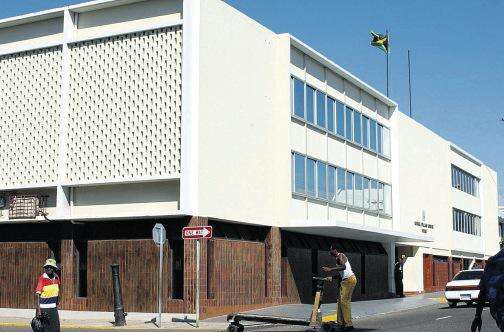
    KINGSTON, Jamaica — Jamaica’s bicameral Houses of Parliament has issued an official statement confirming it has received five investigative reports from the national Integrity Commission, confirming the documents have not yet been placed before either the lower House of Representatives or the upper Senate for formal debate and review. The parliamentary body clarified in the Monday statement that the submissions are currently moving through internal processing protocols, overseen by the legislature’s presiding officers, and that existing legislation governing the anti-corruption watchdog does not mandate a fixed deadline for the public tabling of these reports. The confirmation comes amid mounting public pressure from Opposition Leader Mark Golding, who has publicly demanded that a specific IC probe into the country’s Firearm Licensing Authority (FLA) be tabled during the House of Representatives’ next sitting. Golding has openly rejected arguments that ongoing court proceedings connected to the FLA investigation provide legal justification for withholding the report from public view. In line with statutory confidentiality requirements that apply to all IC reports before they are formally tabled, parliamentary officials noted they cannot disclose any details about the content of the five received reports. This includes refusing to confirm or deny the subject matter of any submission, any findings or policy recommendations included in the documents, or whether any specific individuals or entities are referenced in the investigations. While Parliament acknowledged it is aware of both the opposition’s correspondence regarding the FLA report and the ongoing related court proceedings, it emphasized its constitutional authority to manage its own internal procedural rules, including the process for laying submitted documents before the full legislature. “The Integrity Commission Act does not prescribe a specific timeline or procedure for the tabling of reports submitted to Parliament. The reports will therefore be dealt with in accordance with Parliament’s constitutional, legal and procedural responsibilities,” the statement read. Closing out its official comment, the legislature reaffirmed its institutional commitment to core governance principles of transparency, public accountability, and full adherence to national law, adding that no further substantive updates will be released to the public at this stage of processing.

  • Lights out for Cuban students as blockade bites

    Lights out for Cuban students as blockade bites

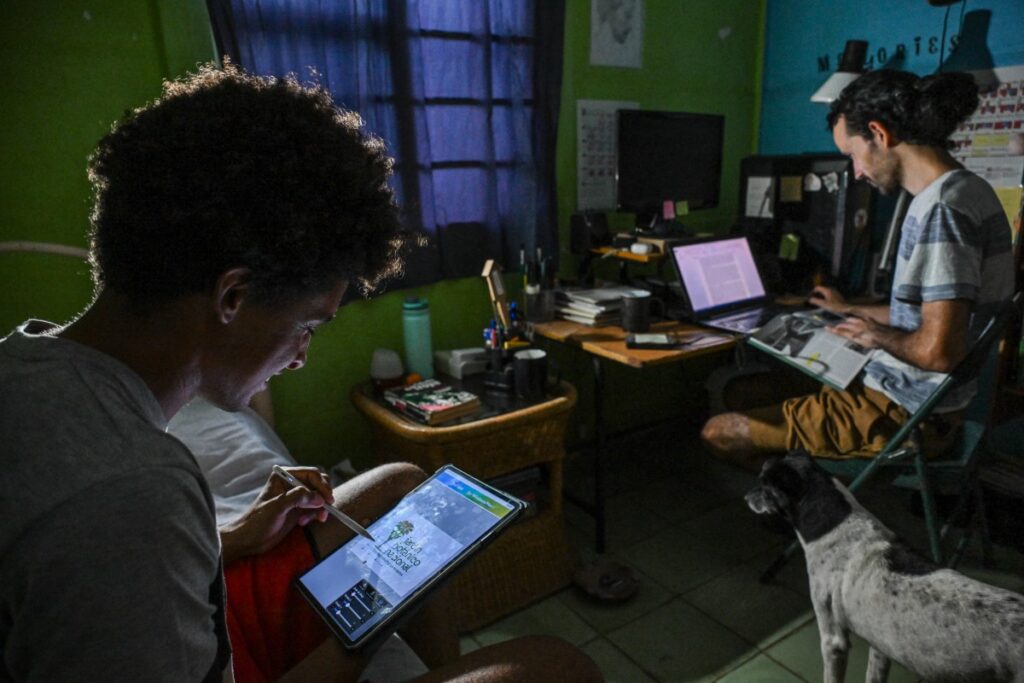
    In the dead of night in Havana’s Punta Brava neighborhood, 28-year-old fourth-year architecture student Alejandro Benitez finally sits down at his desk to work. For 15 hours, his neighborhood has been without power; now that the grid is temporarily back online, he races to finish his course assignment before the next scheduled outage cuts his progress short. This frantic routine has become the new normal for Cuban university students amid a deepening national energy crisis that has upended the country’s higher education system.

    The crisis traces its roots to decades of U.S. sanctions on Cuba, with a recent tightening of the American fuel blockade pushing the island to the brink. Cuban authorities warn the escalating pressure campaign could ultimately lead to a military intervention, and in the short term, the fuel shortage has left residents facing rolling blackouts that can stretch up to 20 hours a day. Only one oil tanker has docked in Cuba over the past four months, and the government has publicly confirmed it has exhausted supplies of diesel and fuel oil needed to run backup generators that support the country’s seven aging, poorly maintained power plants. With fuel reserves depleted, public transport across the island has largely ground to a halt, erasing even the limited opportunities for in-person social and academic interaction.

    In a bid to conserve scarce electricity, the Cuban government moved all university classes fully online starting in February. The shift has proven disastrous for a country where internet access is already inconsistent, and power outages regularly disrupt connectivity. For hands-on disciplines like architecture and industrial design, which rely on regular in-person feedback and demonstrations from instructors, remote learning has fallen far short of the mark.

    Benitez, who cooks his meals over an open charcoal fire and has not left his neighborhood since public transport stopped running in February, now relies on messaging apps like WhatsApp and Telegram to ask his professors questions. “Having direct contact with the teacher is really important,” he explained, a need that cannot be met through text-based communication with delayed response times. Nineteen-year-old second-year industrial design student Shalia Garcia echoes that frustration: many of her core degree courses have been suspended entirely or cut back to skeleton syllabi, and the new remote model places almost all responsibility for learning on the students themselves. “This type of teaching puts the onus on the student, which I find hard to manage,” Garcia said.

    Even the most motivated students and dedicated educators face insurmountable barriers. Discounted mobile data plans offered to students do not support the large file downloads required for design and architecture coursework, and spotty internet means questions can go unanswered for days. Teachers say their hands are tied by the lack of in-person interaction. Alfredo Rodriguez, a 34-year-old industrial design professor and Benitez’s partner, told AFP that entire sections of his course syllabus have never been covered, because the practical demonstrations they require cannot be done remotely. He regularly extends assignment deadlines, acknowledging that many students have no way to complete work on time amid constant power and internet outages. “We cannot make the same demands when we know that some students have no electricity or internet connection,” he explained.

    Families across the country are growing increasingly anxious about the long-term impact on young Cubans’ futures. Garcia’s mother Luisa Odalys Destrade, a doctor, says she worries deeply that her daughter’s education will be permanently damaged by the crisis. “I’m very concerned, but I have no choice but to face the situation,” she said with a sigh. For Benitez, the crisis has put his long-term career goals in doubt. His future as an architect, he says, is being held hostage by the geopolitical standoff between Havana and Washington. “What sort of architect will I become?” he wondered.

  • Over 100 Salt Spring residents trained and employed through support from Project STAR

    Over 100 Salt Spring residents trained and employed through support from Project STAR

    ST JAMES, JAMAICA – A community-centered development initiative is creating tangible new opportunities for hundreds of residents in one of St James’ local neighborhoods, blending skills training, social support and youth engagement to uplift entire families. Project STAR, the multi-faceted community development program, has already equipped more than 140 Salt Spring residents with targeted professional training designed to raise employability in high-demand sectors ranging from hospitality to customer-facing services, according to Kelly Griffith, the project’s lead for training and job placement.

  • Starlink raises Jamaica’s monthly internet price by 6.4 per cent

    Starlink raises Jamaica’s monthly internet price by 6.4 per cent

    KINGSTON, Jamaica — Elon Musk’s SpaceX-operated satellite internet firm Starlink has implemented a 6.4% monthly price hike for its residential internet subscriptions in Jamaica, raising the standard rate from $7,000 Jamaican dollars to $7,450 Jamaican dollars. The new pricing structure is scheduled to go into effect starting June 18, with the adjustment applying to all customer billing cycles that fall on or after that date.

    The price change was formally announced to existing subscribers via a company email notification, which clarified when users would begin seeing the updated charge on their monthly bills. According to the statement shared with customers, the price increase is directly tied to Starlink’s ongoing efforts to scale up its network capacity, extend geographic coverage, and boost service reliability across the island. These upgrades are being rolled out to keep pace with rapidly growing consumer demand for high-speed internet access in Jamaica.

    “Robust consumer demand for Starlink services is a testament to the value we deliver through continuous investment in affordable, high-performance connectivity. At the same time, global operating costs have continued an upward trajectory across the industry,” the company explained in the customer notice.

    Starlink also emphasized that despite the price adjustment, subscribers will retain their unlimited data access, a key selling point that supports common high-bandwidth activities including 4K media streaming, online gaming, remote work video conferencing, and consistent high-speed connectivity for daily digital needs.

    This price adjustment arrives at a moment when demand for alternative internet solutions is surging across Jamaica and the broader Caribbean region. Many rural and underserved communities across the area still lack robust fiber-optic broadband infrastructure, leaving residents with limited options for reliable high-speed connectivity. Starlink’s low-Earth orbit satellite network has filled this critical gap, quickly gaining traction by delivering service to areas long ignored by traditional terrestrial internet providers.

    As a global operator, Starlink’s pricing change also mirrors broader industry trends. Inflationary pressures have hit telecommunications and digital infrastructure providers worldwide over the past several years, with most companies facing sharp increases in the cost of manufacturing equipment, launching satellites, and maintaining day-to-day operations. Starlink is far from alone in passing a portion of these increased costs onto consumers as it continues its aggressive global expansion push.

    Since its commercial launch, Starlink has grown into one of the world’s largest satellite internet providers, deploying thousands of low-Earth orbit satellites to deliver broadband connectivity to underserved markets across every inhabited continent. Its expansion in the Caribbean has been particularly rapid, as regional governments and consumers look for options to close the digital divide between urban centers and isolated rural communities.