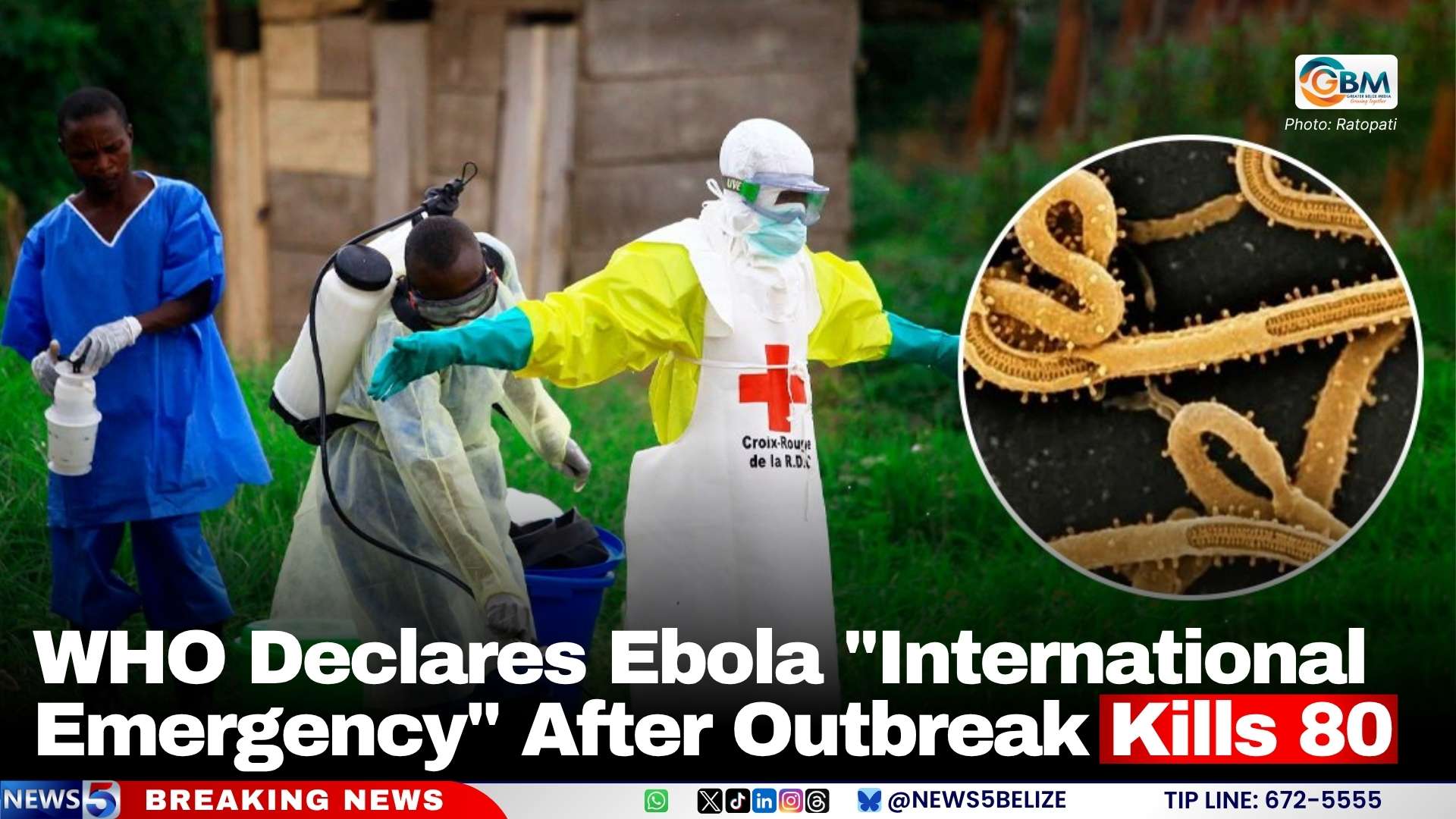
In a landmark announcement that underscores growing global alarm over a rapidly expanding viral threat, the World Health Organization has officially designated the ongoing Ebola outbreak in Central Africa as a Public Health Emergency of International Concern (PHEIC). The declaration comes after the pathogen crossed an international border within 24 hours, moving from the Democratic Republic of the Congo to neighboring Uganda, triggering urgent public health interventions across the region.
As of May 16, 2026, health authorities have documented 246 suspected cases and 80 suspected fatalities across three separate health zones in the DRC’s northeastern Ituri Province. Only eight of these cases have so far received laboratory confirmation, pointing to gaps in surveillance and testing capacity in the conflict-affected region. The cross-border spread of the virus was confirmed when Uganda reported two positive cases linked to travel from the DRC, one of which ended in death.
Complicating response efforts, the outbreak is driven by the Bundibugyo strain—a rare, lesser-understood variant of Ebola for which no widely approved vaccines or targeted therapeutic treatments currently exist. This gap in medical countermeasures has put frontline healthcare workers at extreme risk, with at least four medical personnel already counted among the outbreak’s fatalities.
WHO Director-General Tedros Adhanom Ghebreyesus made the PHEIC declaration during an emergency briefing, but clarified that the outbreak does not yet meet the formal criteria to be classified as a pandemic emergency. Under the PHEIC designation, the global public health body is calling for coordinated international action to contain the spread, while stopping short of recommending broad travel restrictions that go beyond the immediate affected areas. The organization has urged all countries outside the outbreak zone to strengthen their disease surveillance systems and pre-position rapid response teams to detect and contain any imported cases before they can spread locally.
Public health experts warn that the combination of the rare strain, weak health infrastructure in the affected region, and ongoing population movement creates significant risk for further expansion, making rapid international support critical to turning the tide of the outbreak.